

Coral reefs
Built by tiny sea animals, coral reefs are underwater structures bustling with marine life.
Coral reefs grow slowly in warm tropical waters, building up their colorful shapes over hundreds and thousands of years. These vibrant metropolises provide food and shelter for millions of species of fishes, sea turtles, crustaceans, and invertebrates—making coral reefs one of Earth’s most diverse habitats.
How species adapt
Animals called polyps build the coral reef’s stonelike structure. They create hard exoskeletons around themselves to protect their soft bodies. Coral polyps live in tight colonies, building their exoskeletons—made from the calcium carbonate found in seawater—on top of one another.
Always building
Even after a polyp dies, its exoskeleton remains. Over time these exoskeletons pile up, forming sculptural shapes that range from branches and spikes to boulders, balls, knobs, and wedges. Coral reefs grow very slowly—from less than one inch (.03 cm) to only 4 inches (10 cm) per year.
A busy ecosystem
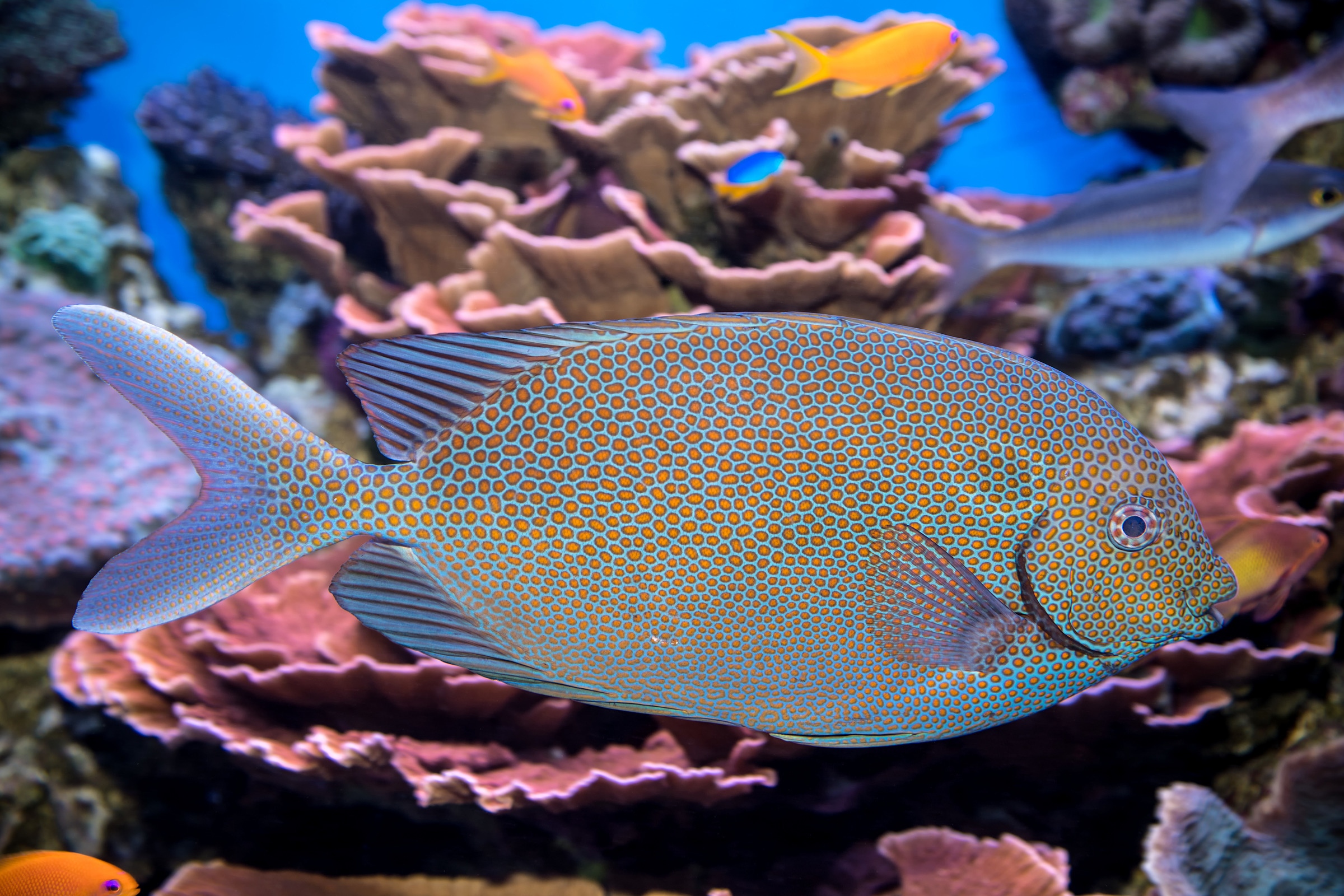
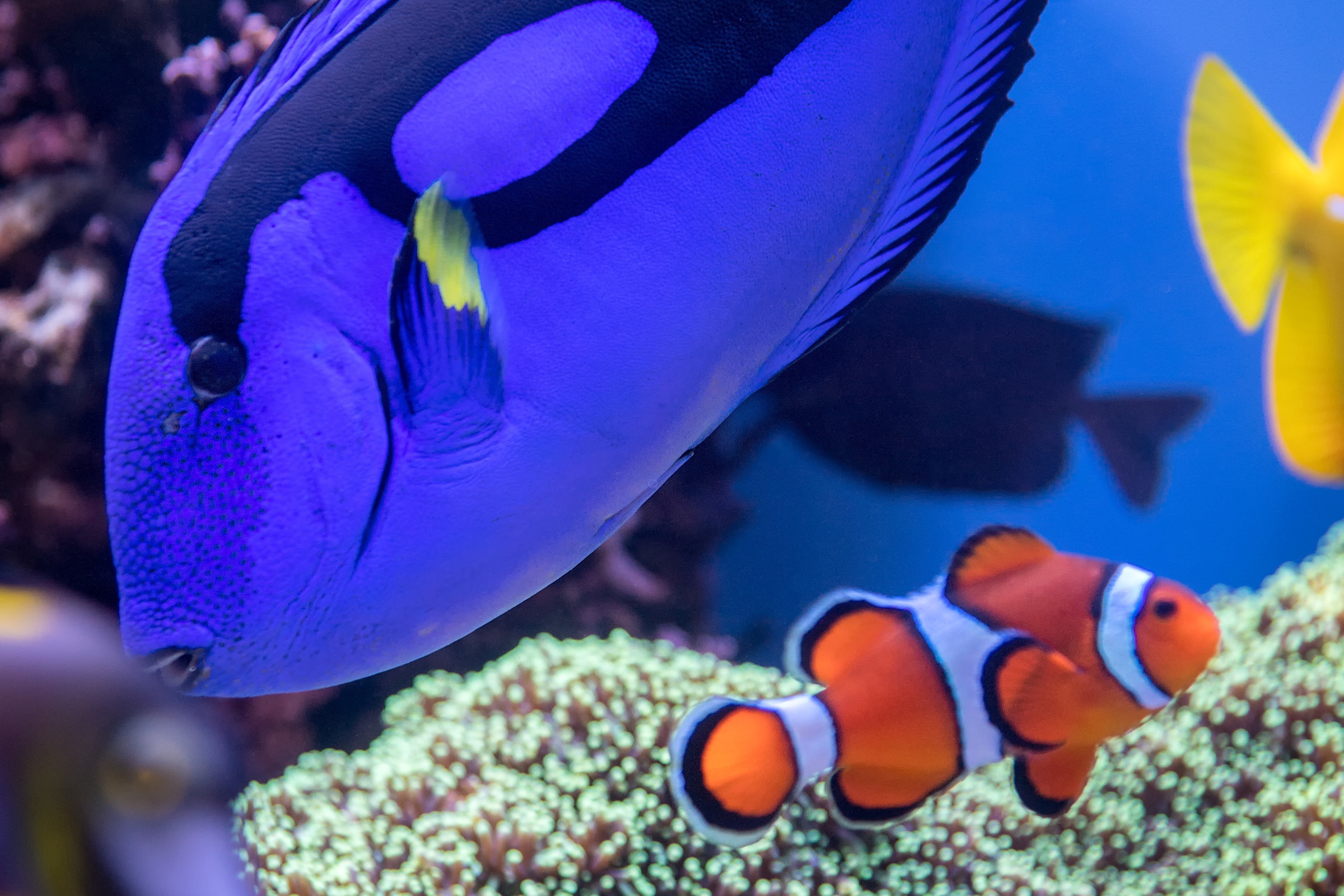
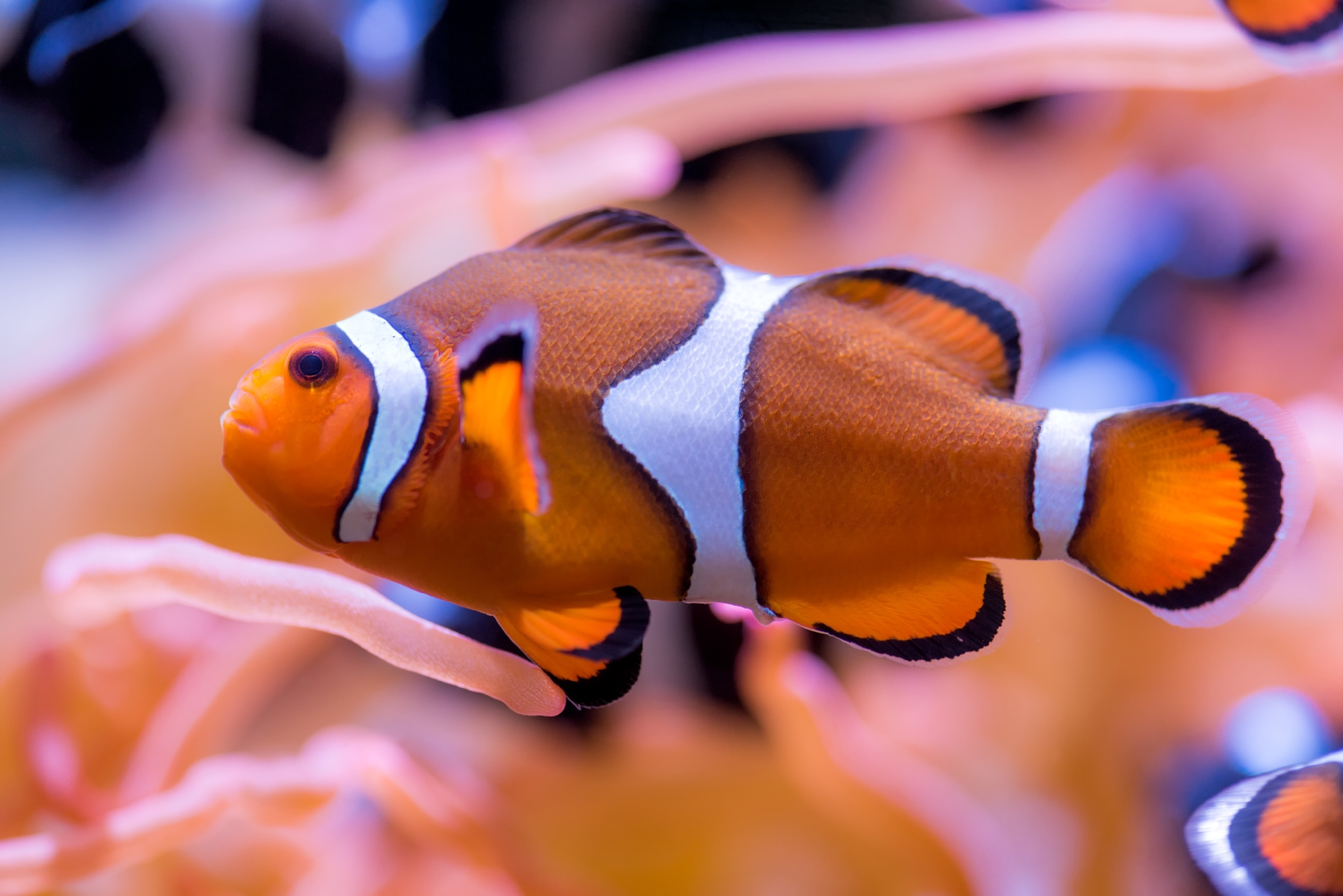
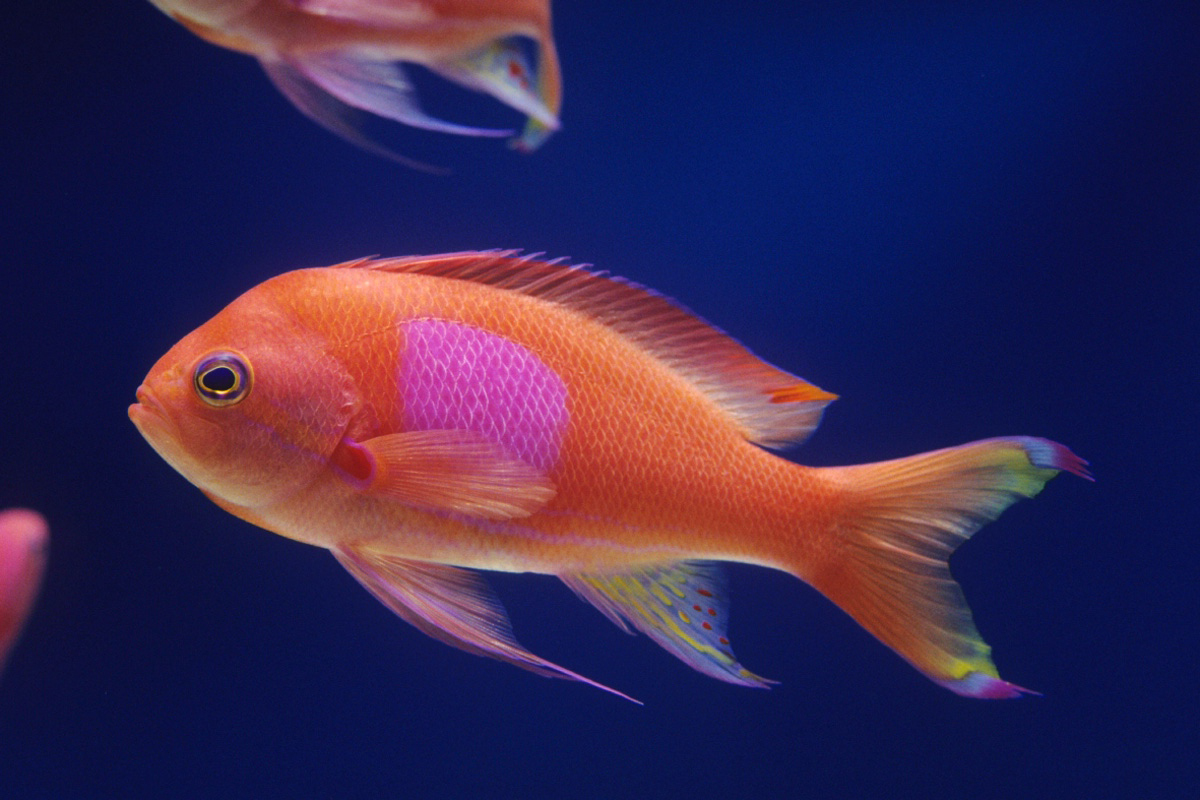
Brightly colored smaller fishes live in and among the reef wedges and crevices, eating algae and keeping too much algae from growing and smothering the coral. Their vivid colors and patterns help them blend in among the reefs, making them harder for predators to spot. Their colors and patterns also help them attract mates and identify members of their own species.
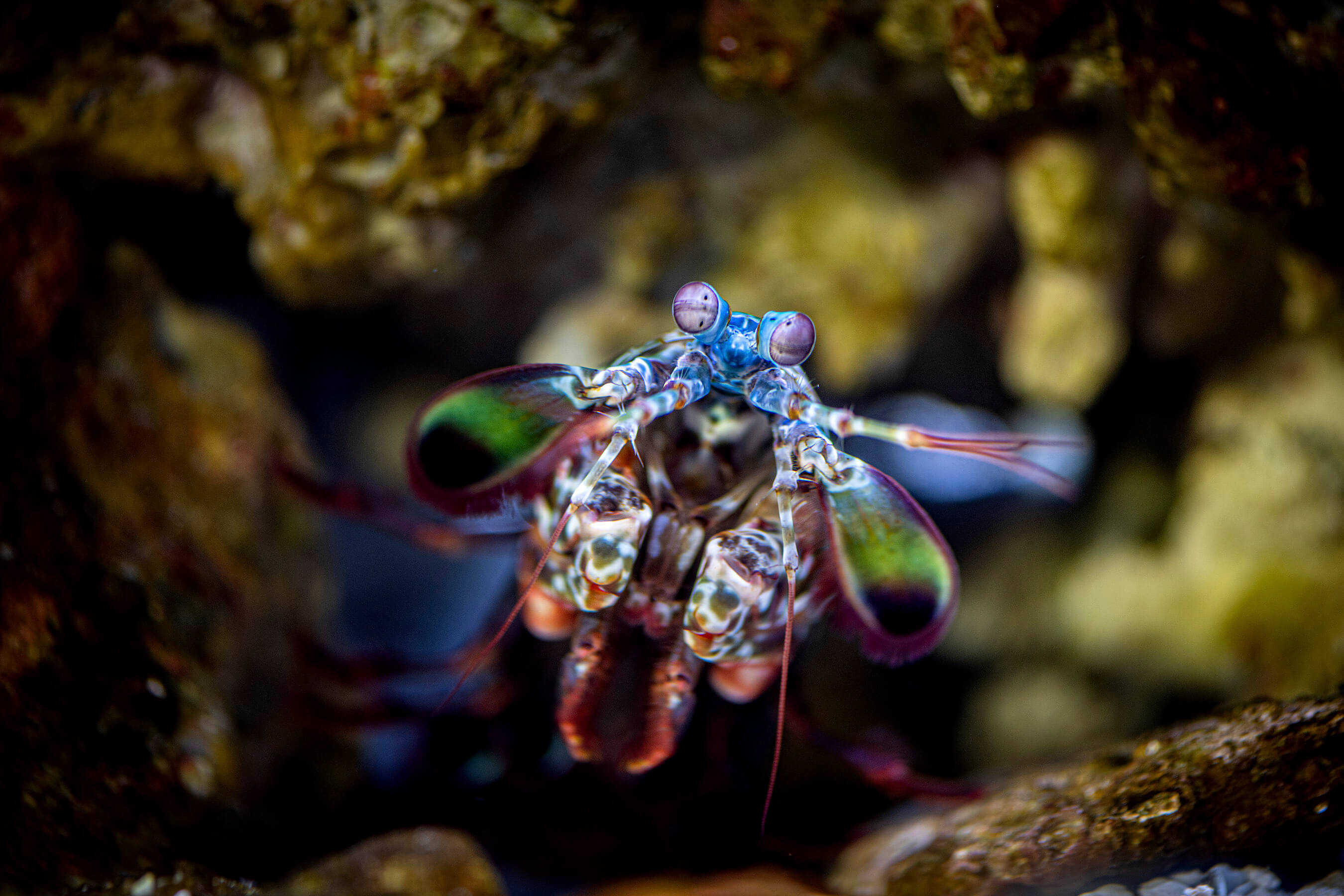
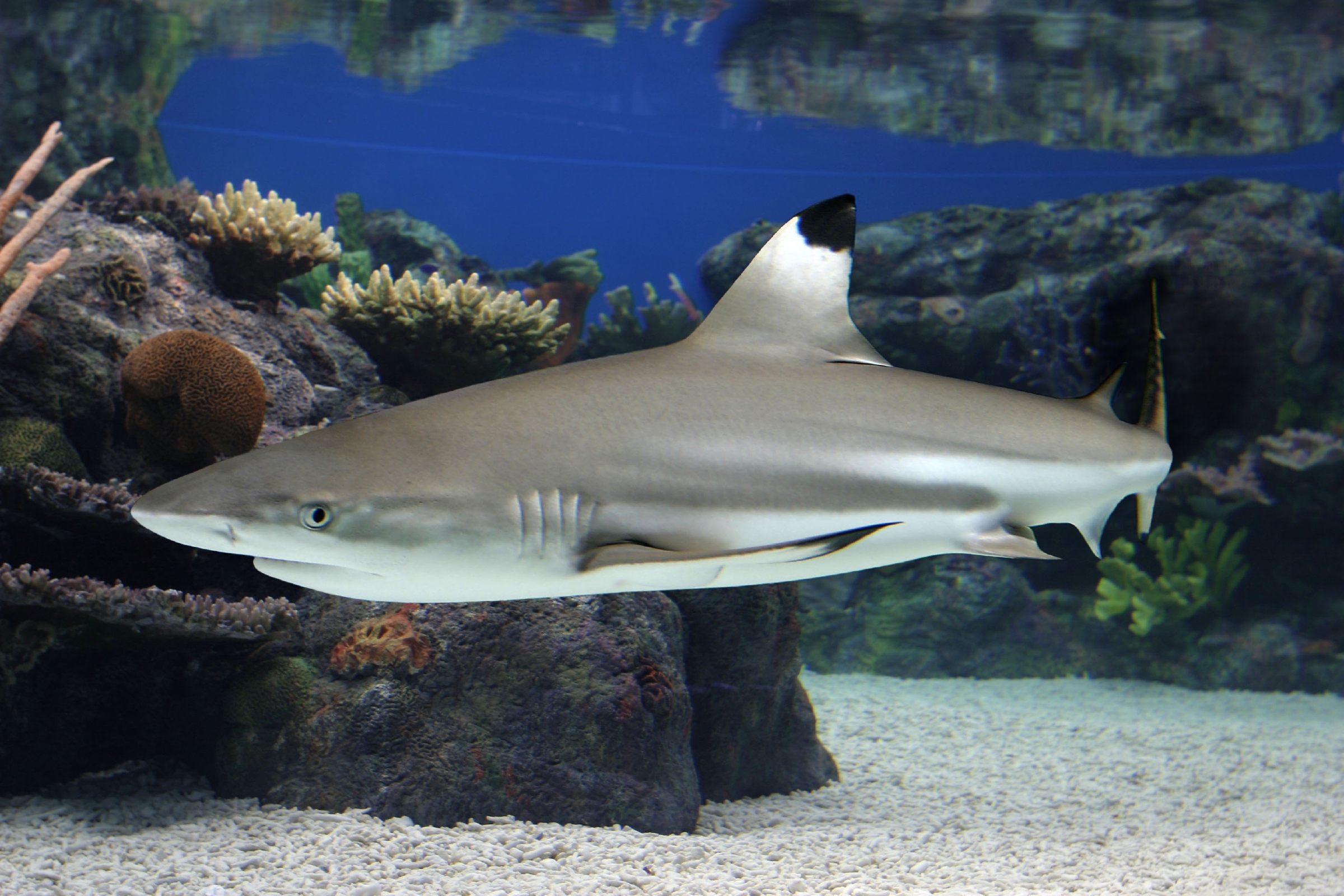
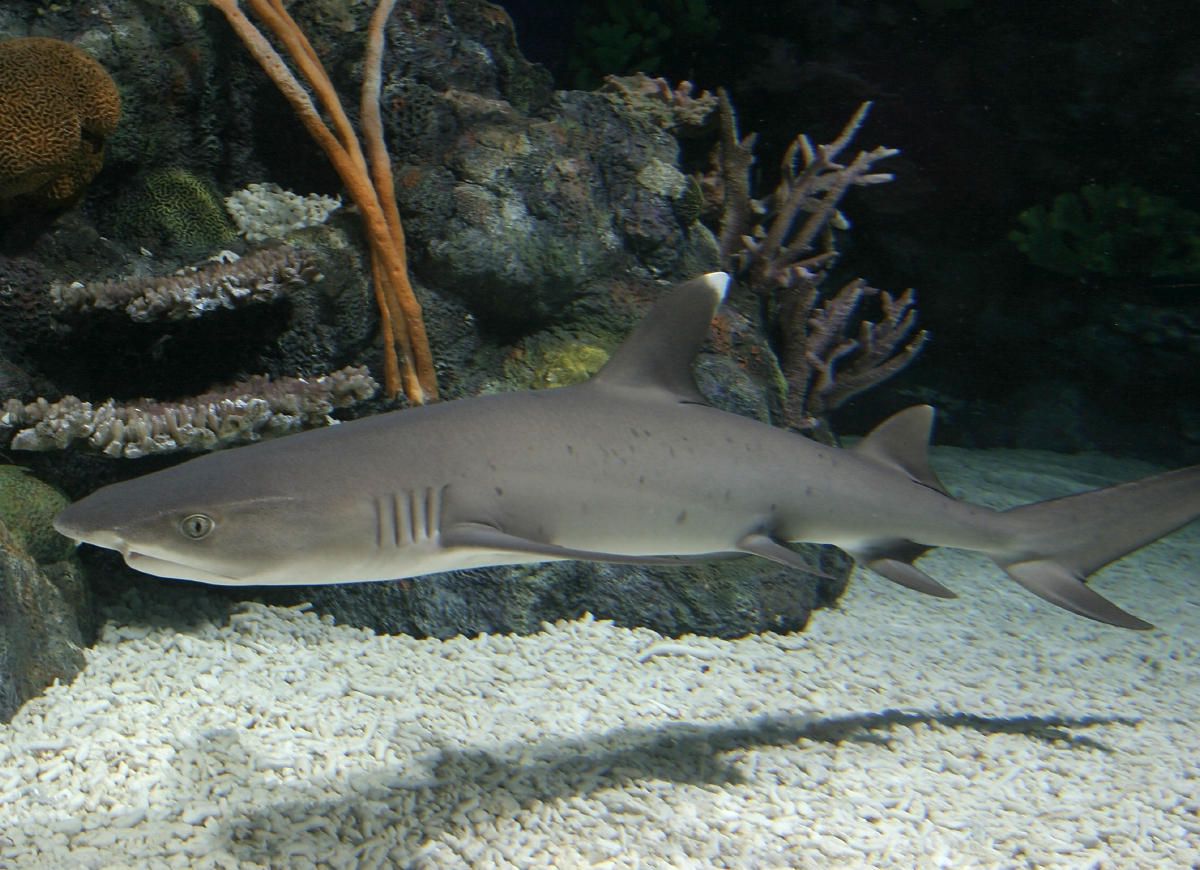
Sponges and molluscs live directly on the reefs, while shrimp, crab and lobster hide in the reef’s nooks and crannies. Larger fishes eat the smaller fishes, and also the sea urchins, crustaceans, and worms on the sandy bottom. These fishes attract even larger predators, such as sharks and groupers, which help keep the entire reef ecosystem in balance.
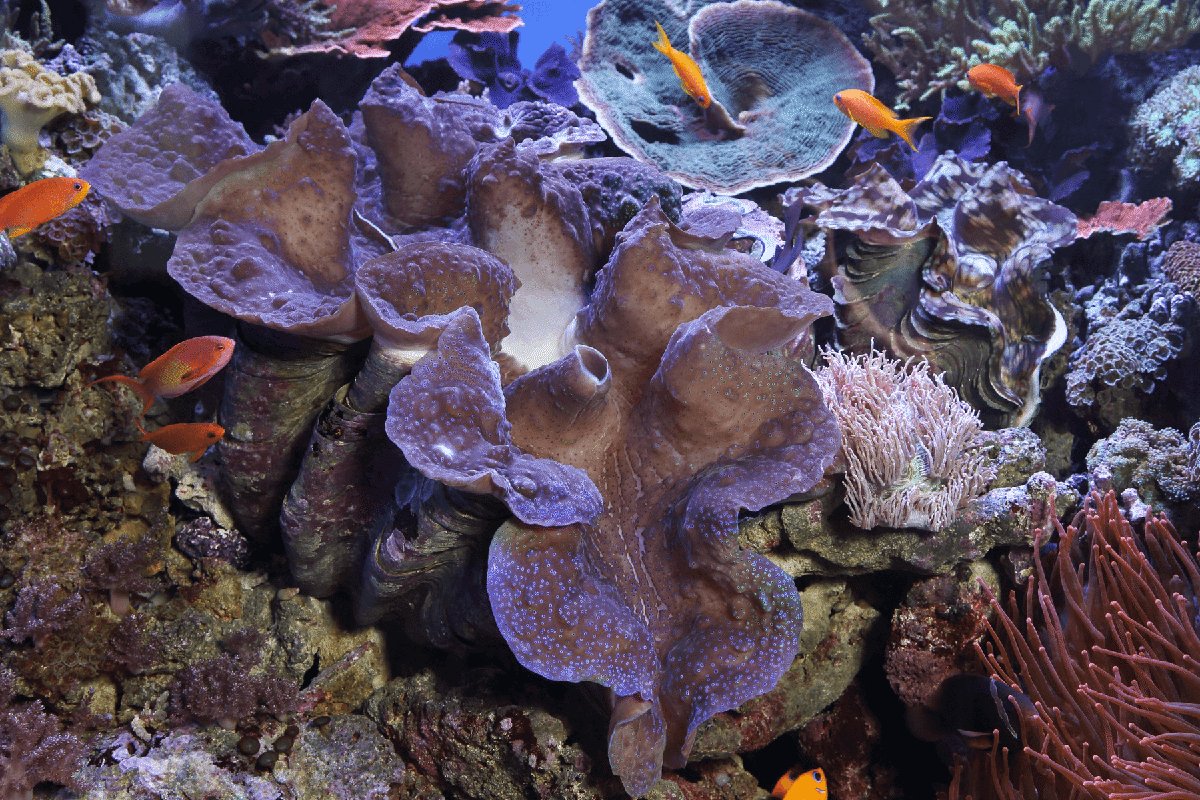
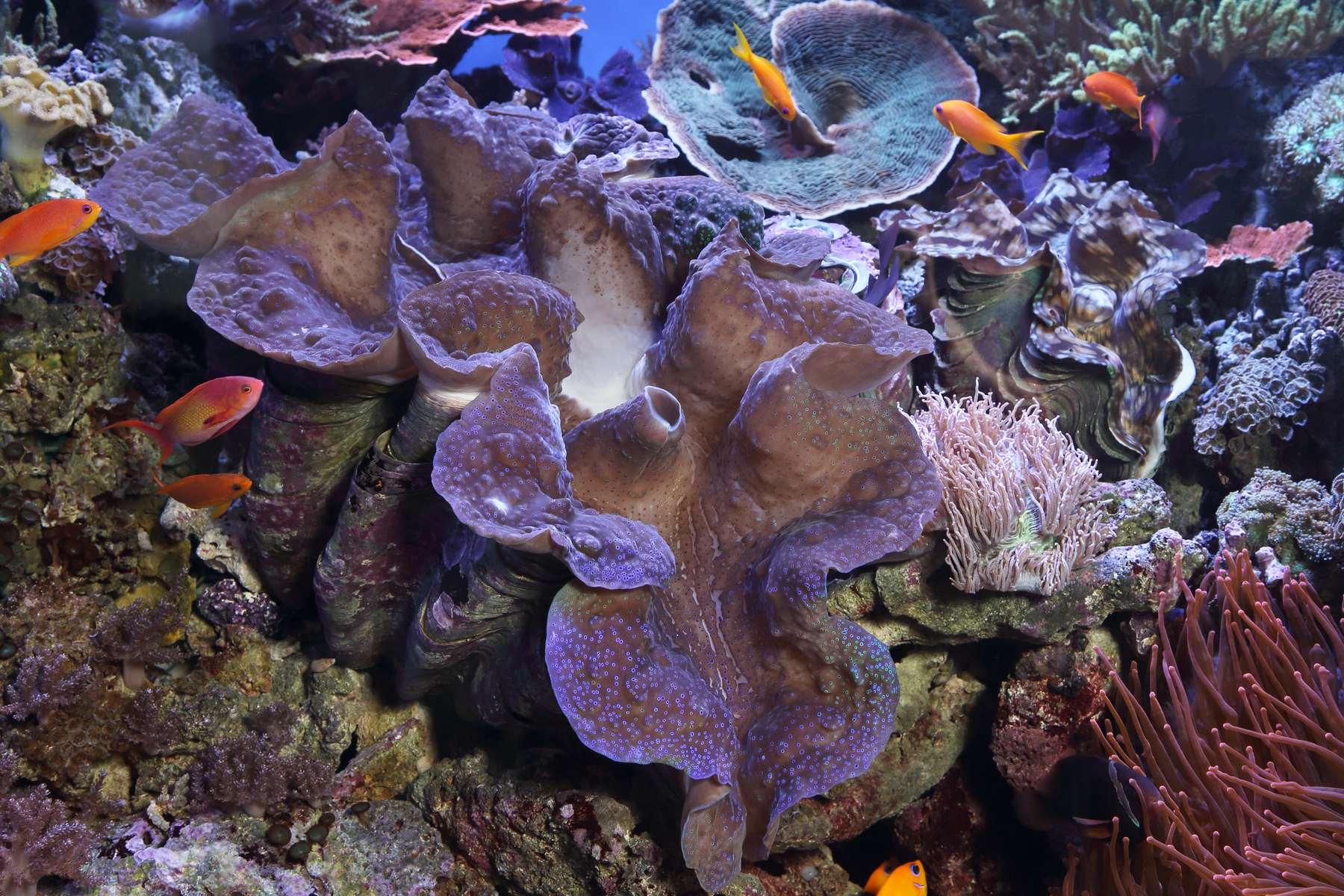
A giant clam, along with fish, lives in and among the reef’s wedges and crevices.
How this habitat changes
Coral reefs get their bright colors from the algae—called zooxanthellae—living in their tissues. The zooanthellae provide the coral polyps with oxygen and nutrients produced from photosynthesis. In return, the coral polyps provide zooanthellae with carbon dioxide (a byproduct of the polyps’ “breathing” oxygen) and shelter. When coral polyps become stressed by pollution or waters that become too warm, they release their algae. This results in coral “bleaching,” a sign that the reef has become unhealthy.
Disappearing reefs
Coral reefs need clear, warm (75 degrees Fahrenheit or 24 degrees Celsius, on average), shallow waters to grow. They also have specific requirements for the amount of salt in the water, or salinity. Unfortunately, about half the world’s coral reefs have already disappeared due to climate change, overfishing, pollution and coastal development.
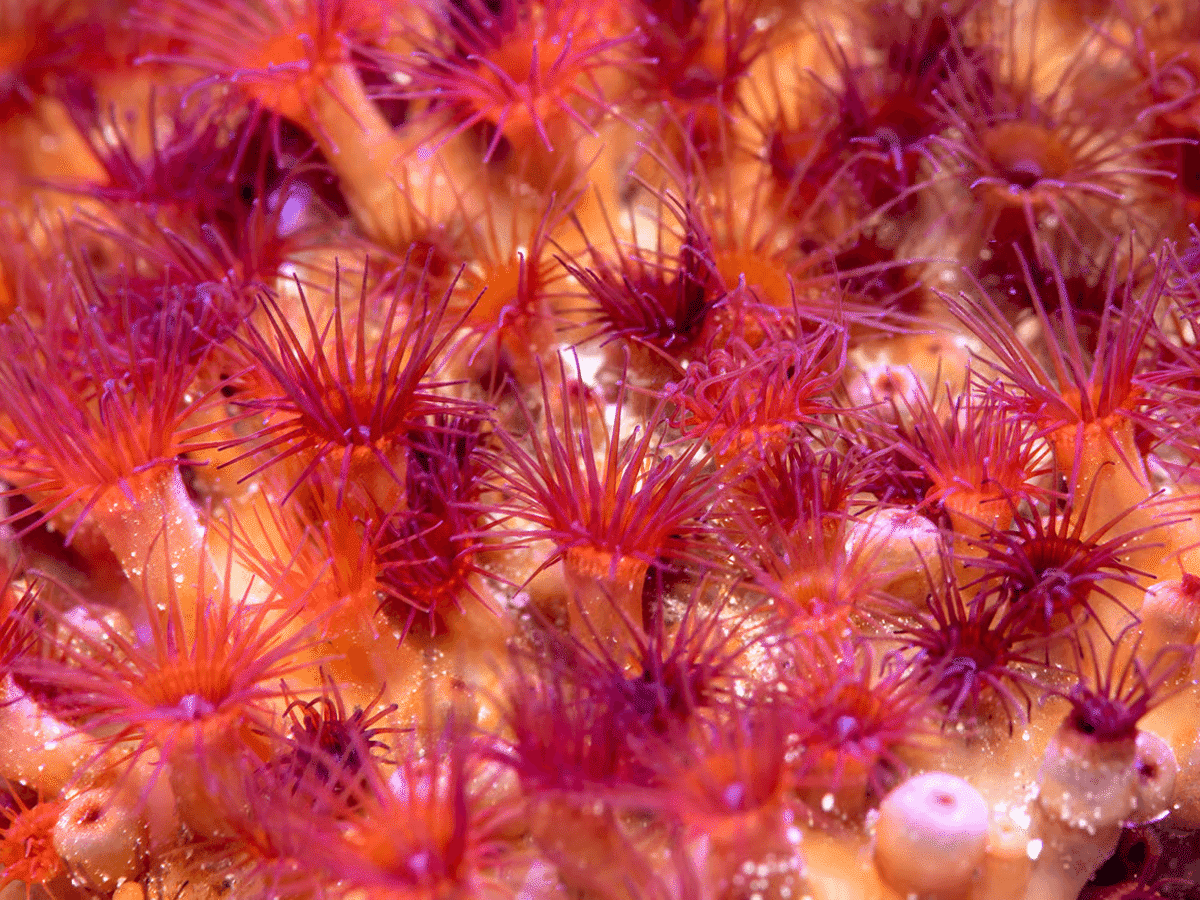
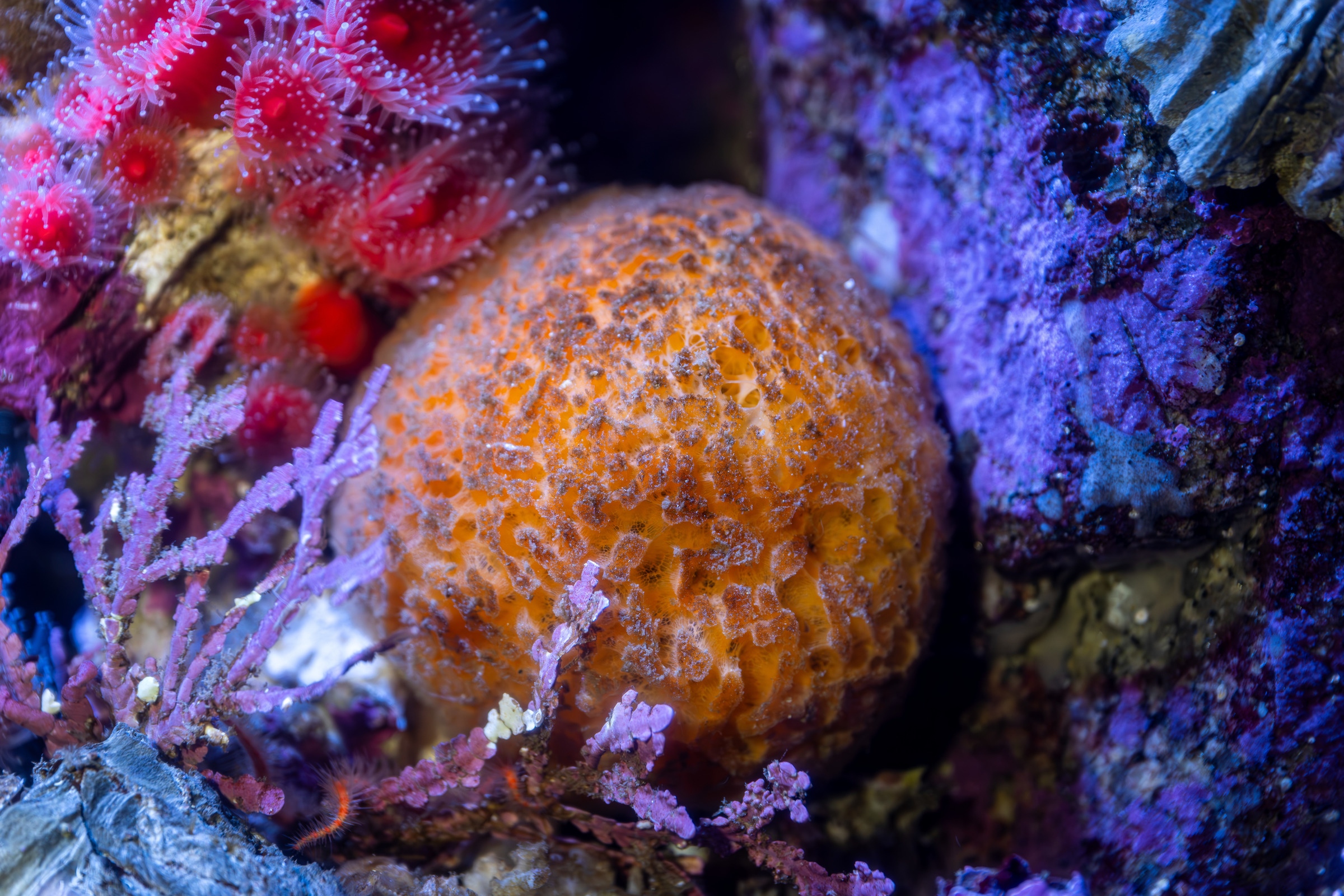
Red encrusting polyps spread and coat the reef in vivid crimson.
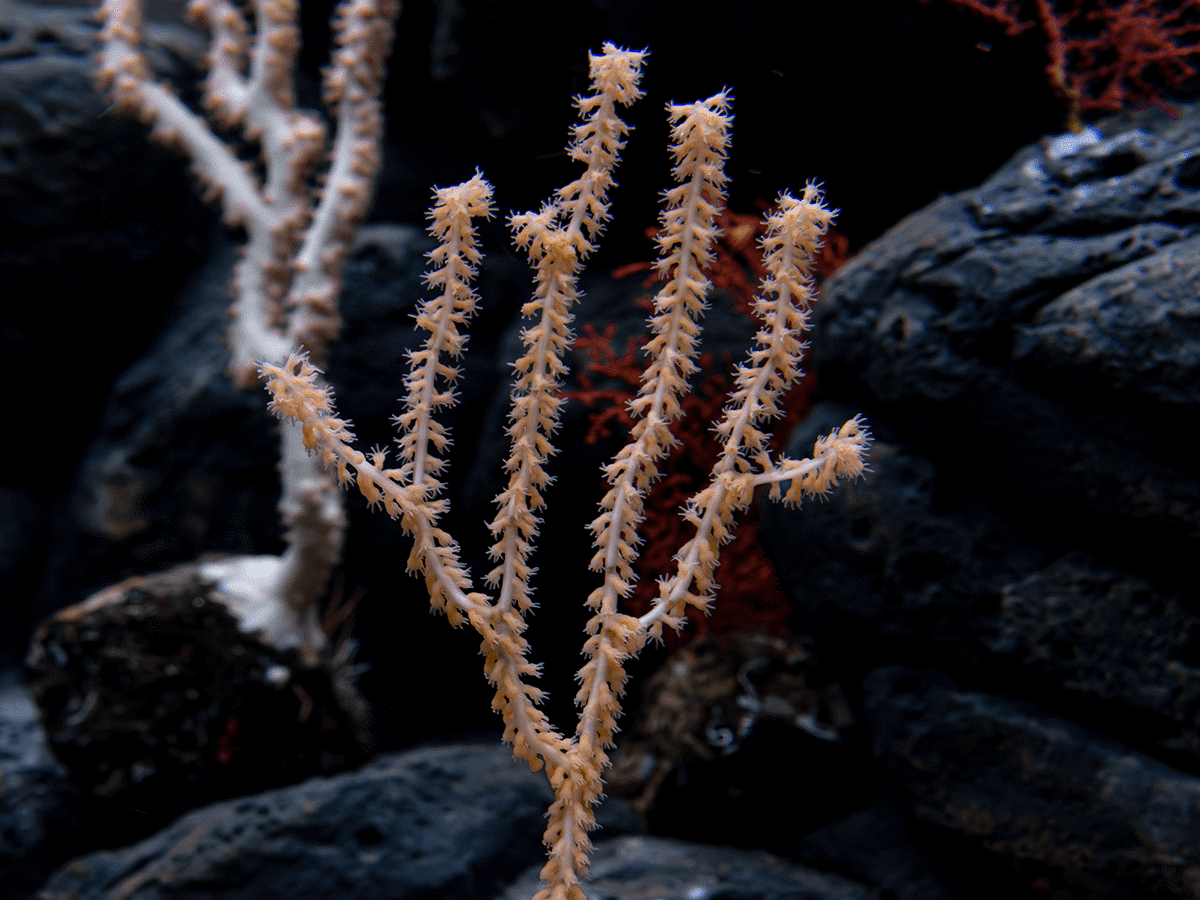
Bamboo coral has established a foothold in the coral community, with its polyps in bloom.
Things to look for and notice
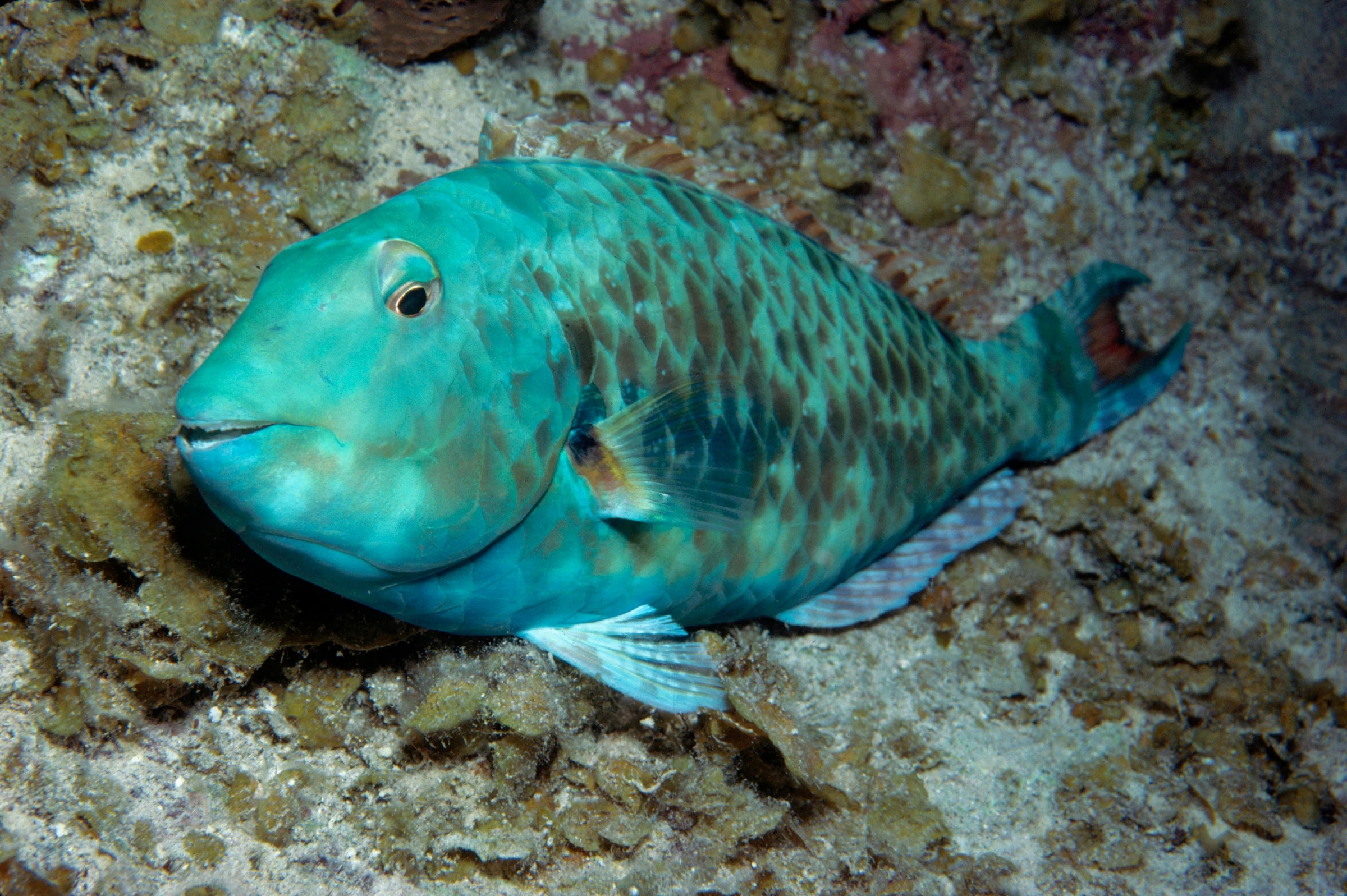
Notice how different species within a reef ecosystem interact. Smaller fish sometimes “clean” larger fish, nibbling off parasites and debris that can irritate their skin. This symbiotic relationship benefits both fish. Parrotfish eat the reef itself, hunting for the algae that lives inside the coral’s exoskeleton. These fish are responsible for the reef’s white beaches—they grind up the coral they eat and then excrete it as fine grains of sand.
As you observe the reefs, note the many different colors and patterns you see. Find speckled, spotted, striped and solidly colored fishes swimming in and around the coral. You might also spot brightly colored crabs and anemones. Note which fish are attracted to which types of coral.
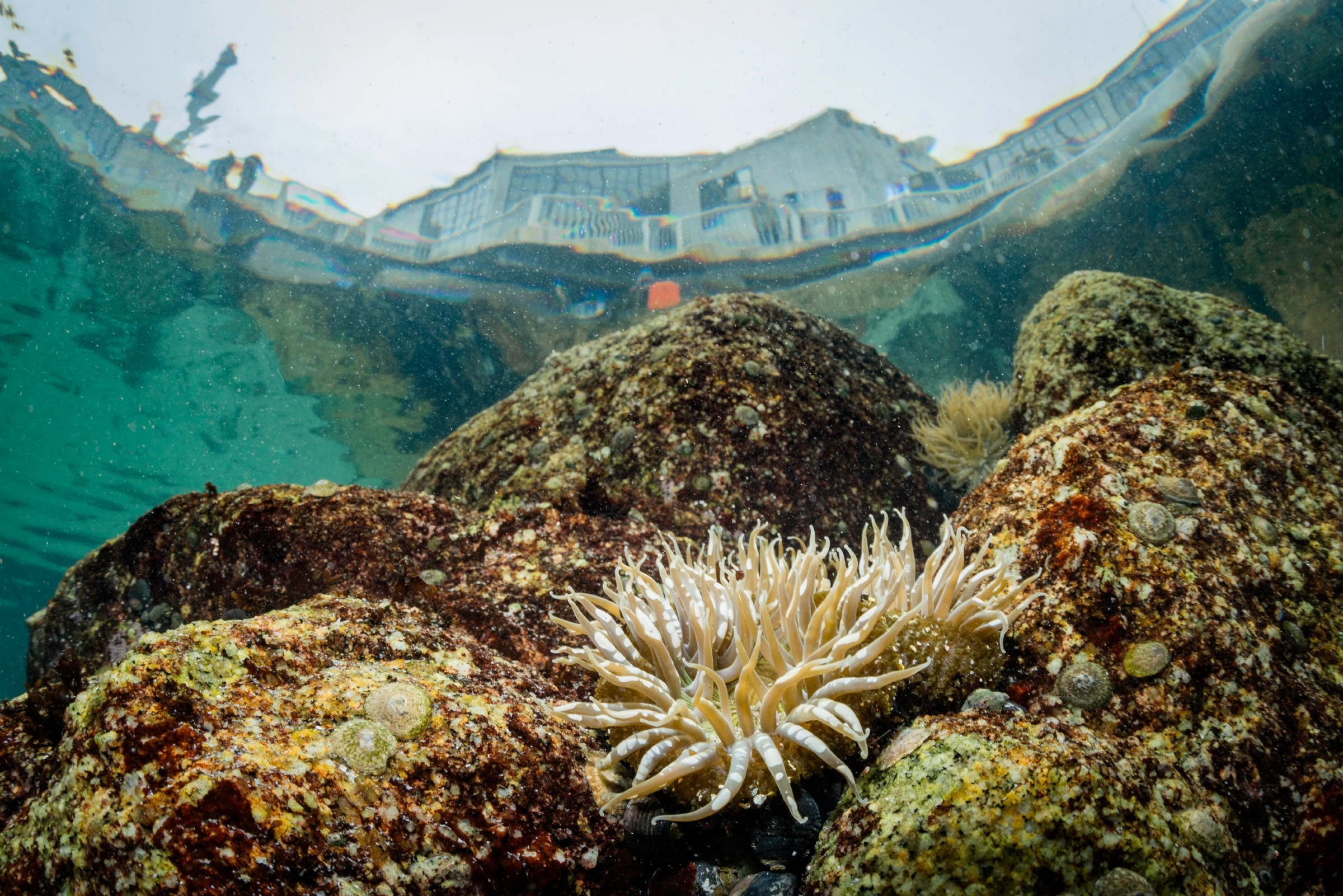
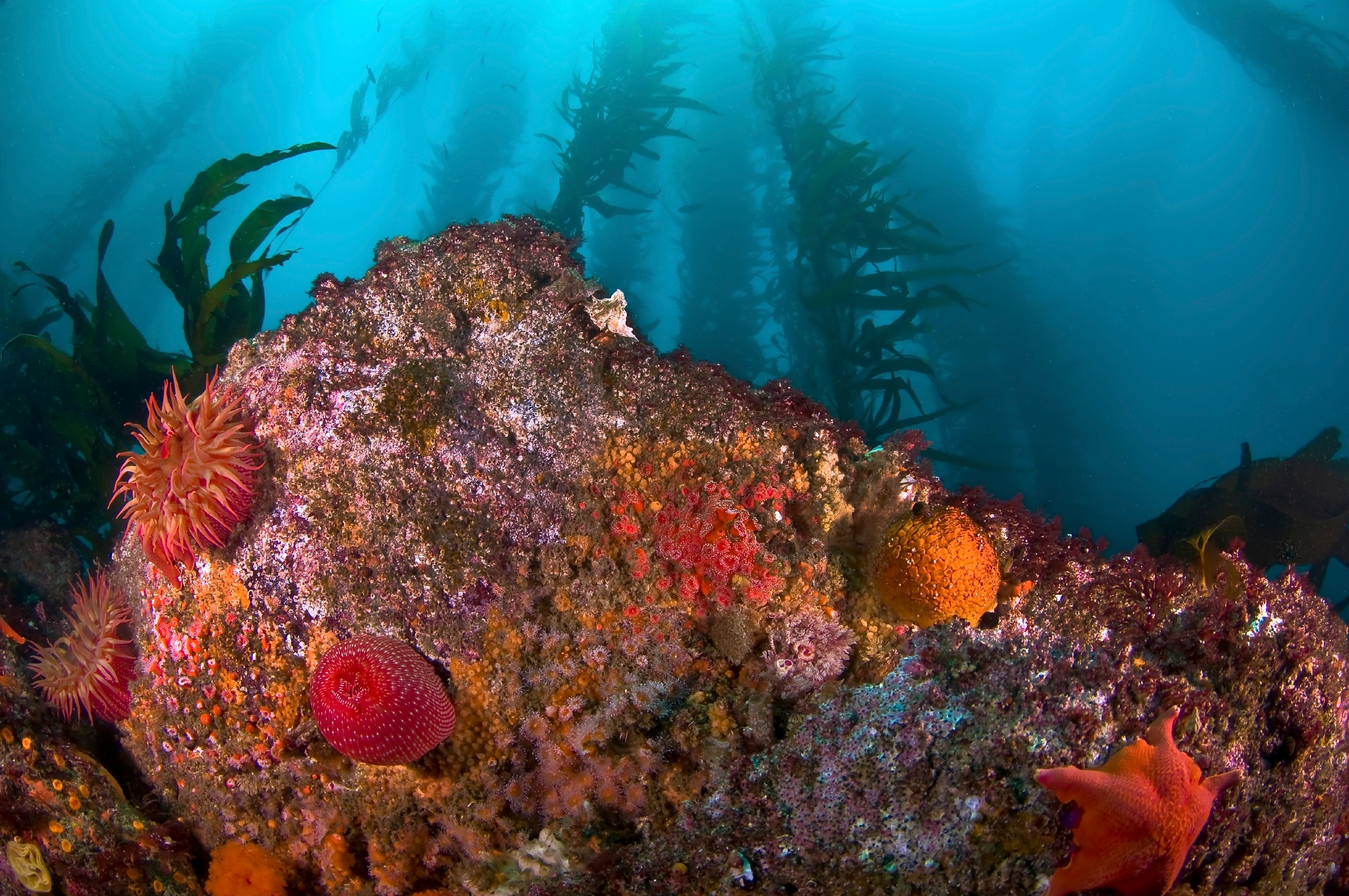
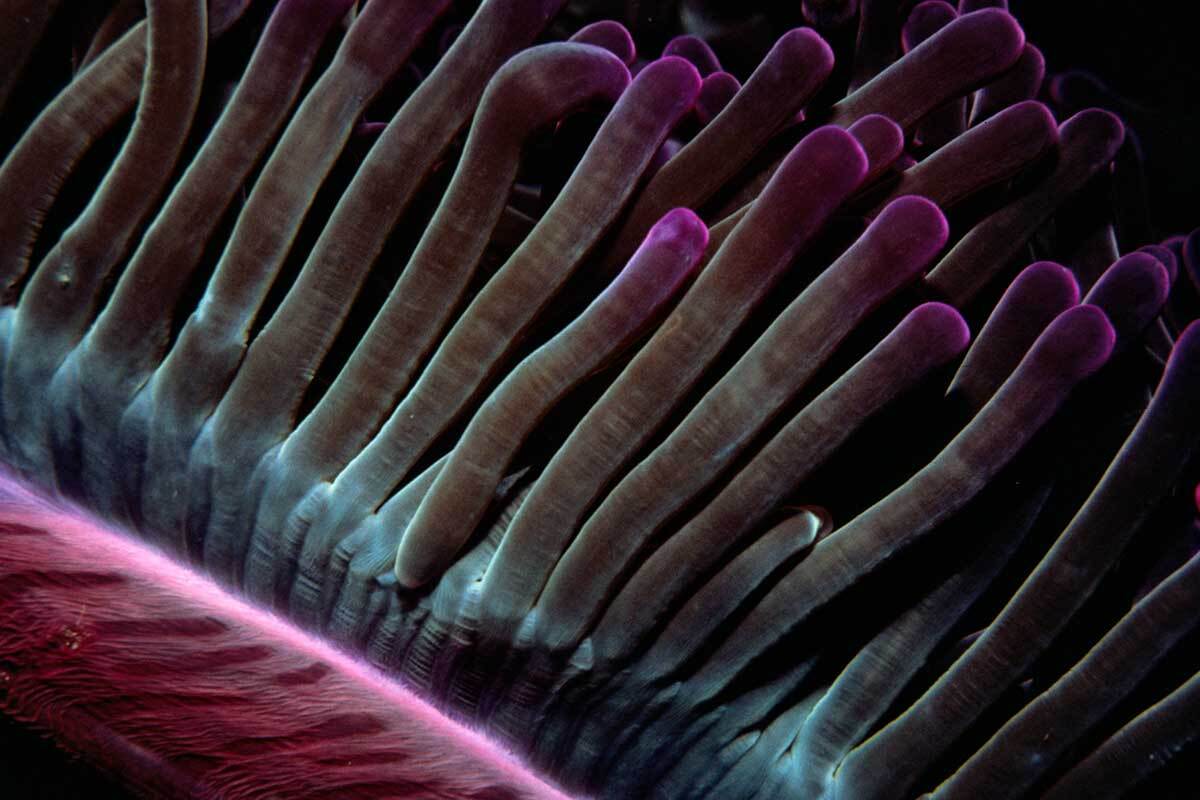
A sunburst anemone (Anthopleura sola) seen in the Great Tide Pool at the Monterey Bay Aquarium.
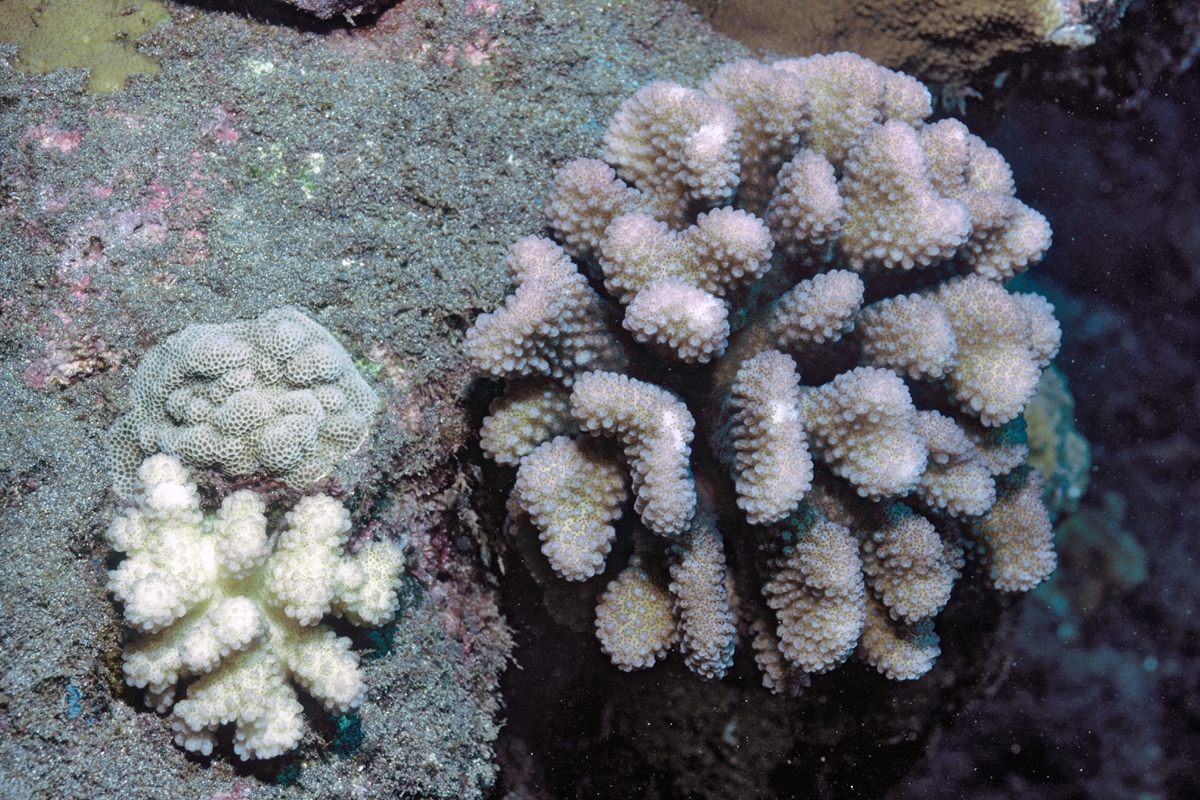
When coral polyps like this finger coral (Porites porites) become stressed, they release their algae. The result is coral “bleaching,” a sign the reef is unhealthy.
How to enjoy and protect this habitat
Like all ocean habitats, coral reefs are extremely vulnerable to human activity. Even if you don’t live near tropical reefs, you can still make everyday choices that help preserve this vital habitat.
Use reef-safe sunblock
Chemical-based sunscreens can harm marine life. Use mineral-based sunblock when swimming, snorkeling, boating or diving. Check ingredient lists and avoid sunscreens that contain oxybenzone and octinoxate—chemicals known to cause coral bleaching.
Look, but don’t touch
Coral reefs are delicate environments. Keep your hands, fins and feet off the reef when snorkeling or diving in tropical waters. Avoid stirring up sediments on the tropical seafloor, which can smother corals living nearby.
Don’t buy coral souvenirs
Corals take thousands of years to form their intricate reefs. Yet reefs are destroyed in an instant to make souvenirs for tourists. Avoid buying jewelry and other products made from coral, seahorses and other reef animals. Take pictures instead!
Choose sustainable seafood
Coral reefs are home to 25 percent of all marine life, which makes them targets for commercial fisheries. Choose seafood that is responsibly caught. Visit SeafoodWatch.org to learn more.
Explore more of the ocean
Ecosystem
Coastal wetlands
These low-lying, wet stretches of land are home to an abundant mix of plants, fish, and wildlife.