

Coastal wetlands
Coastal wetlands are low-lying stretches of land saturated with water.
They can often be found inland from beaches and edged in muddy, soft ground. These shallow swamps, marshes and estuaries are home to an abundant mix of plants, fish and wildlife.
How species adapt
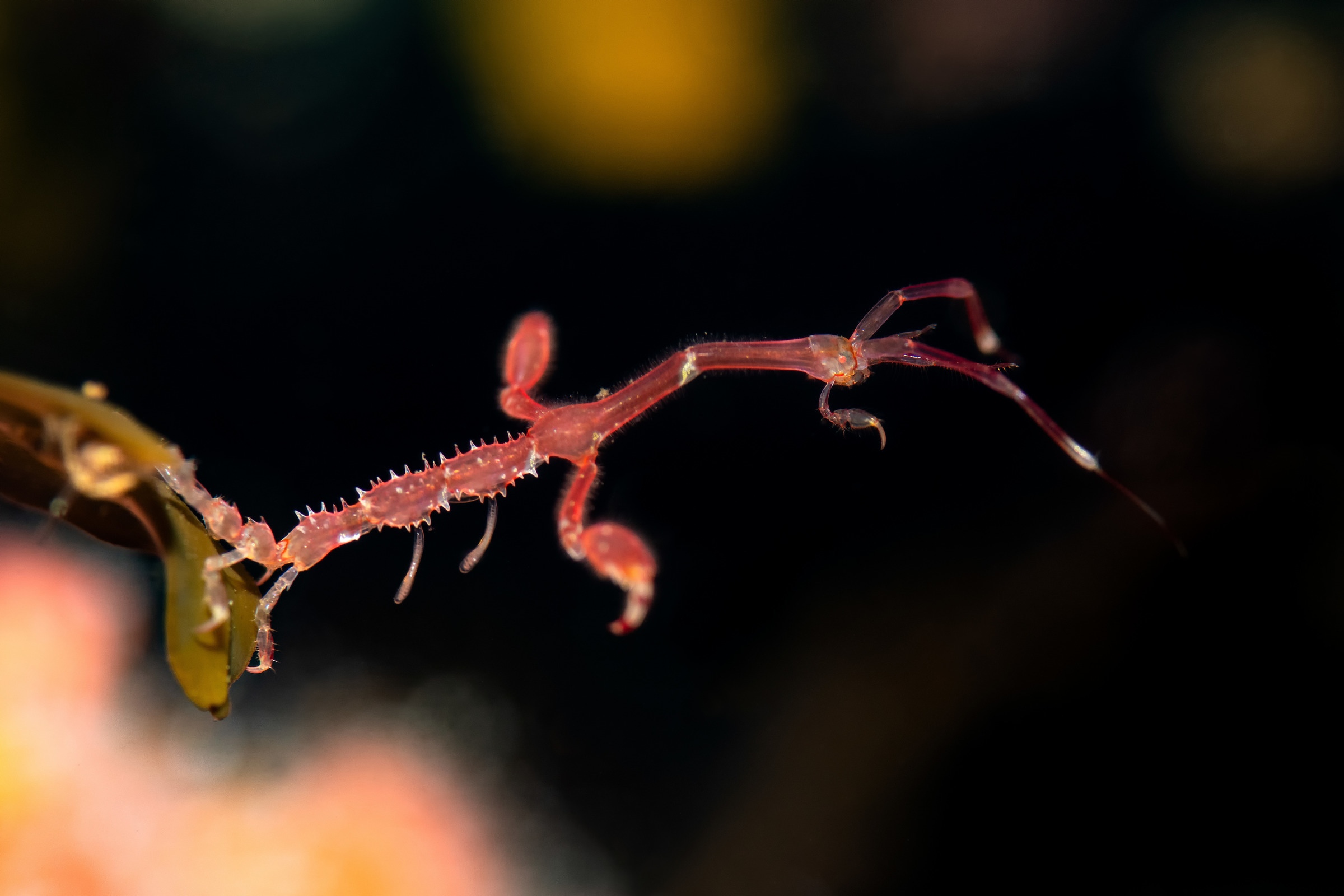
The water in coastal wetlands determines the kinds of plants and animals that live there. The water may be salty or fresh. Some wetlands are always wet, while others dry out for periods of time. Tides bring in seawater from the ocean, and with it, tiny particles of decaying plants and animals called detritus. Animals like fat innkeeper worms, bent-nose clams, and skeleton shrimp thrive on these nutrient-rich particles. In turn, these animals become food for thousands of different kinds of birds, fish, and wildlife.
Marine life in the mud
Receding tides expose rich, dark mud crowded with crabs, shrimps, worms, snails, clams, and other animals. The mud helps to hide these animals from birds and other hungry predators, and protects them from changes in air temperature and water conditions.
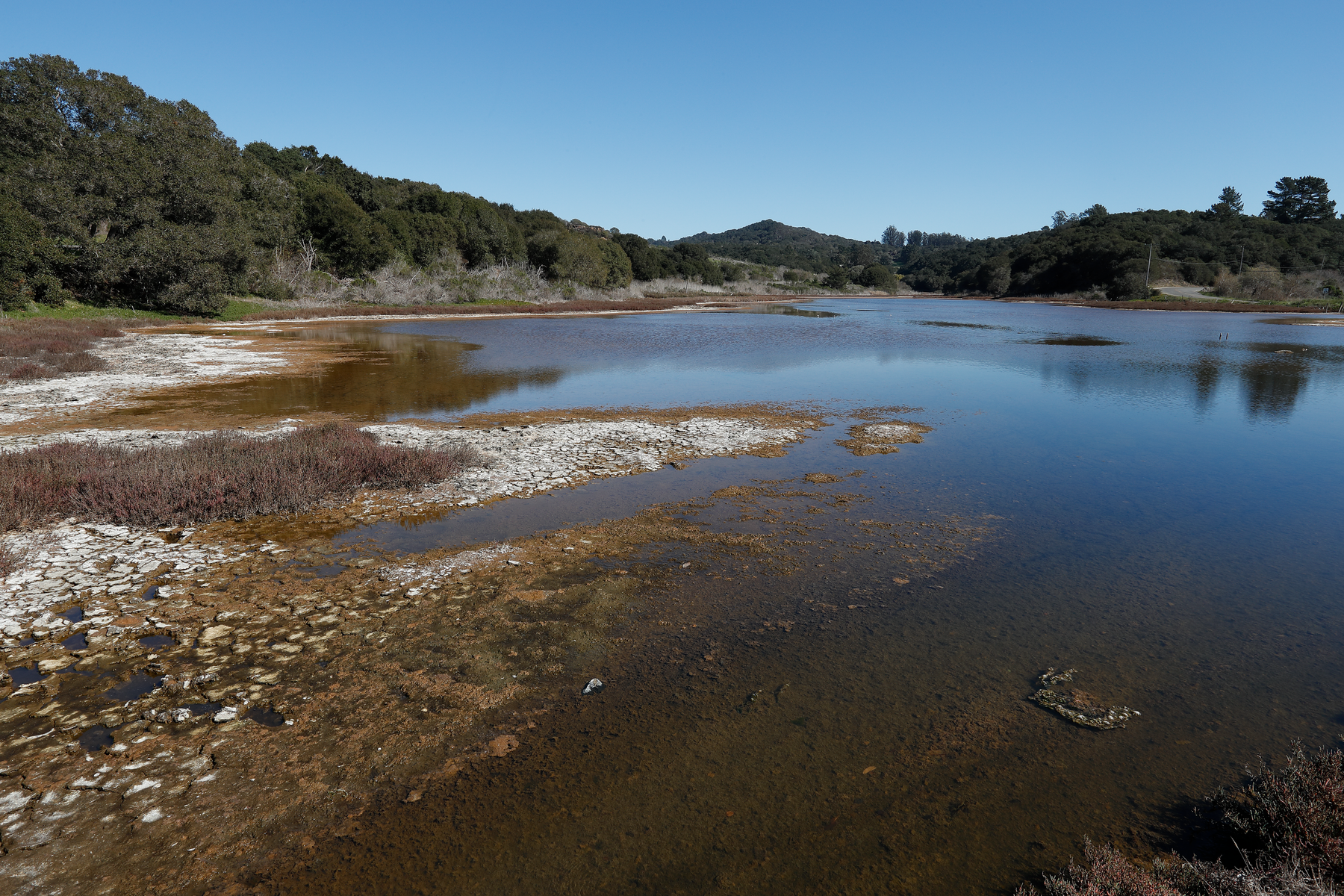
The Elkhorn Slough National Estuarine Research Reserve
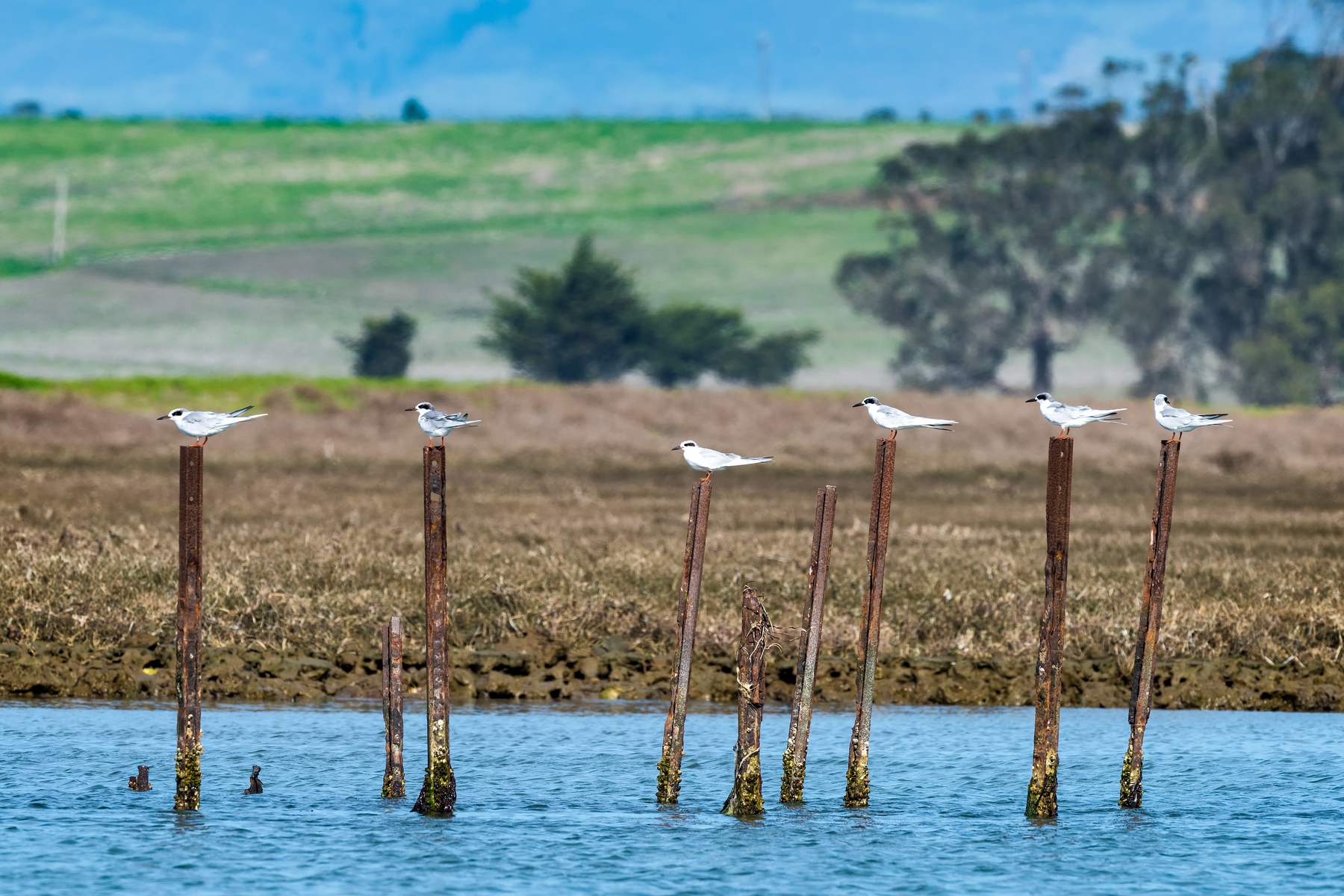
Terns in Elkhorn Slough
Salt-loving plants
Saltmarshes form when high tides flood the ground above the mud flats. Most plants would wither and die in these wet, salty conditions, but certain salt-tolerant plants thrive. Pickleweed concentrates salt in the tips of its stems and then drops its tips in the fall, discarding the salt. Salt grasses have special glands that secrete the salt absorbed from the water.
Underwater camouflage
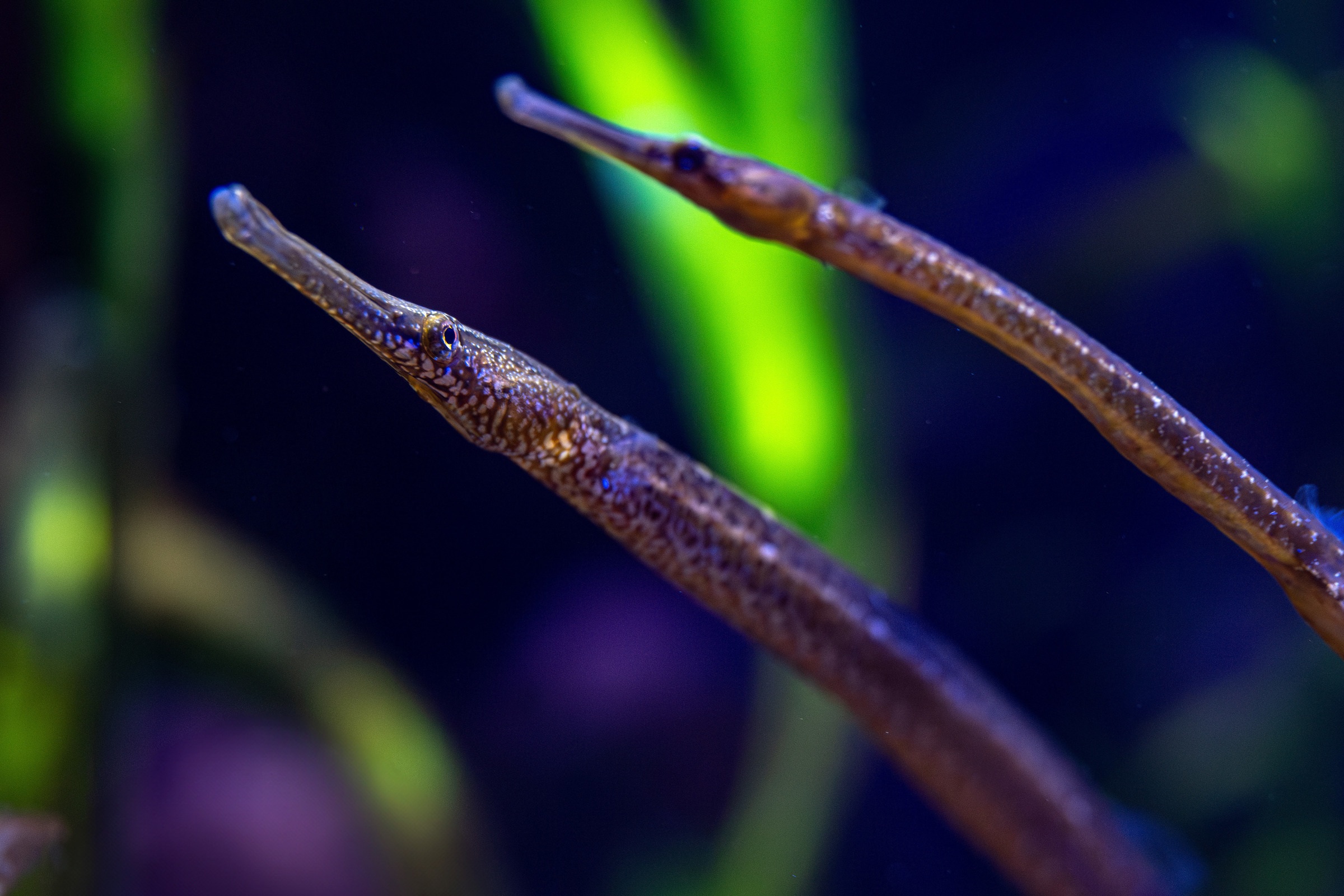
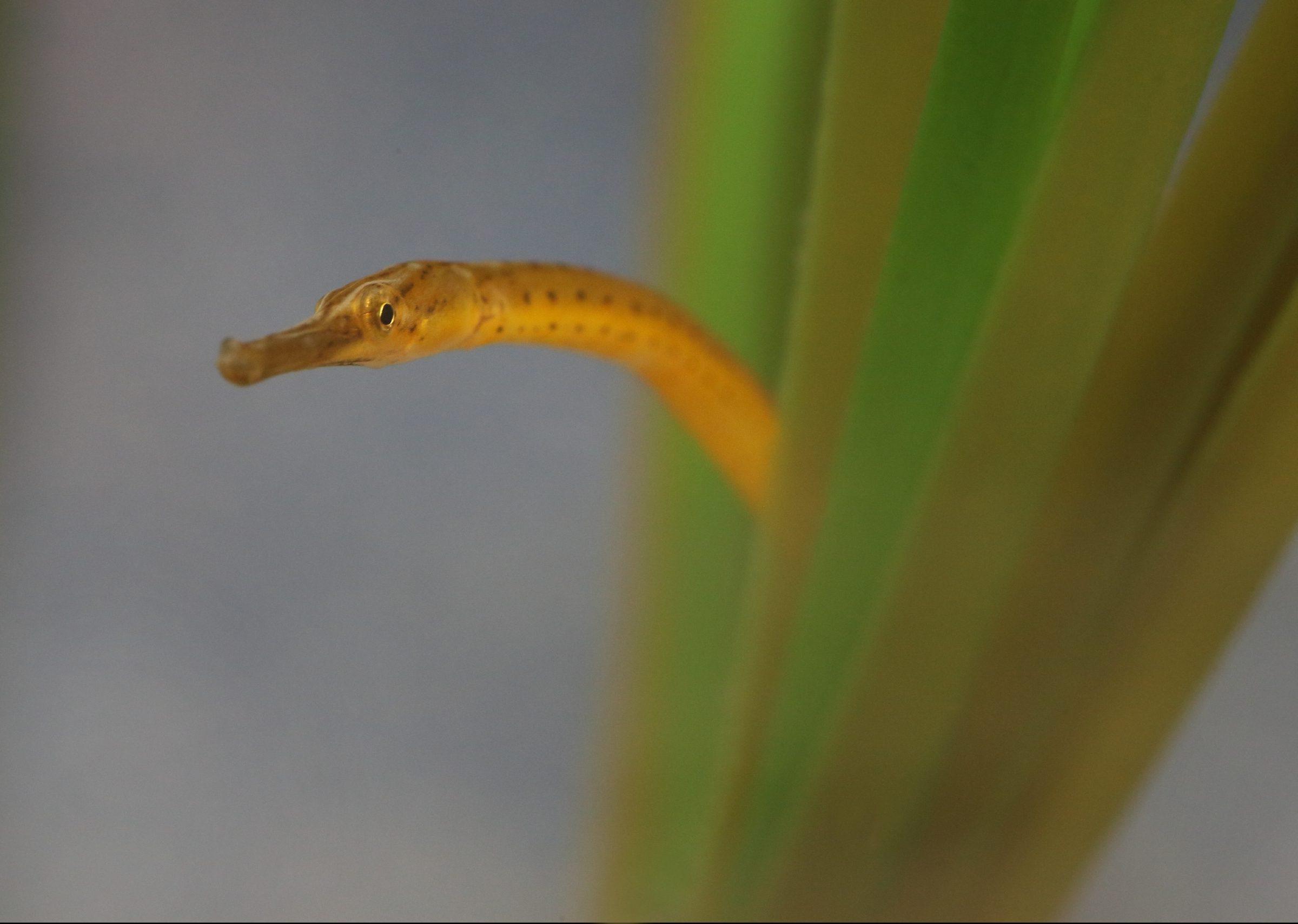
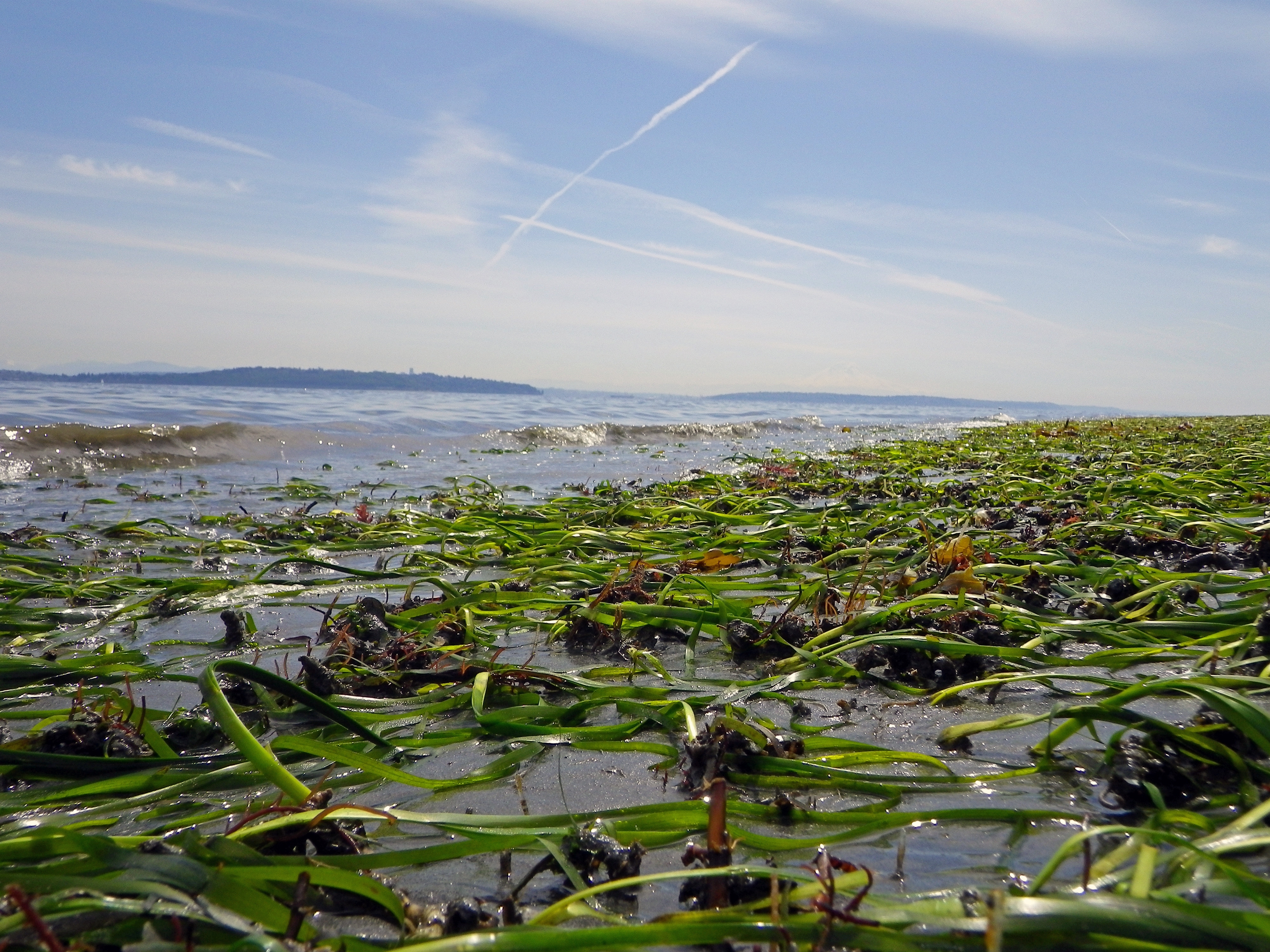
Eelgrass is one of the few plants that grow under the water in coastal wetlands. Its matted roots trap sediments, helping to keep the mud in place. Pipefish and skeleton shrimp attach themselves to eelgrass blades to camouflage their long narrow bodies, swaying in the current along with the eelgrass.
Seasonal breeding grounds
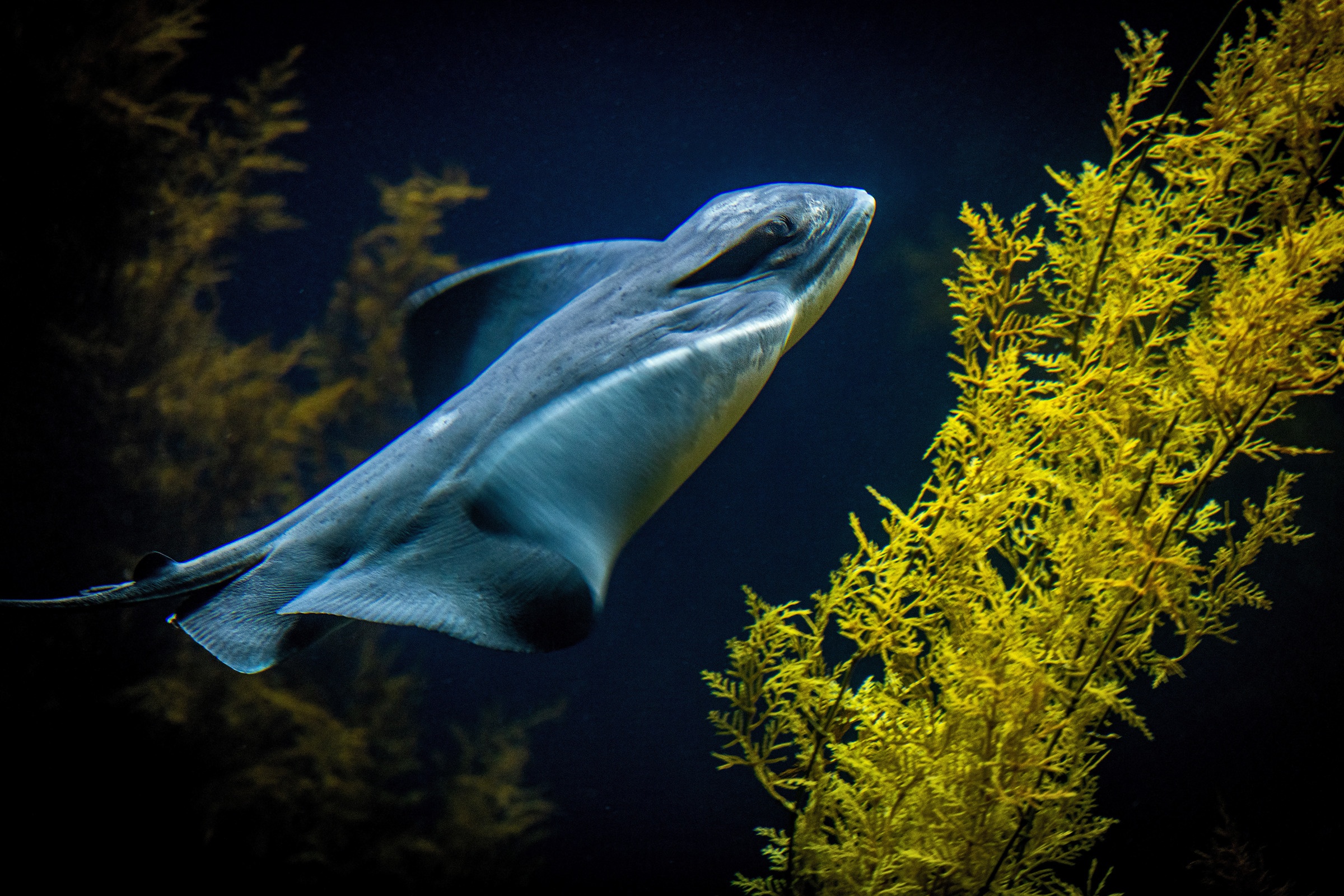
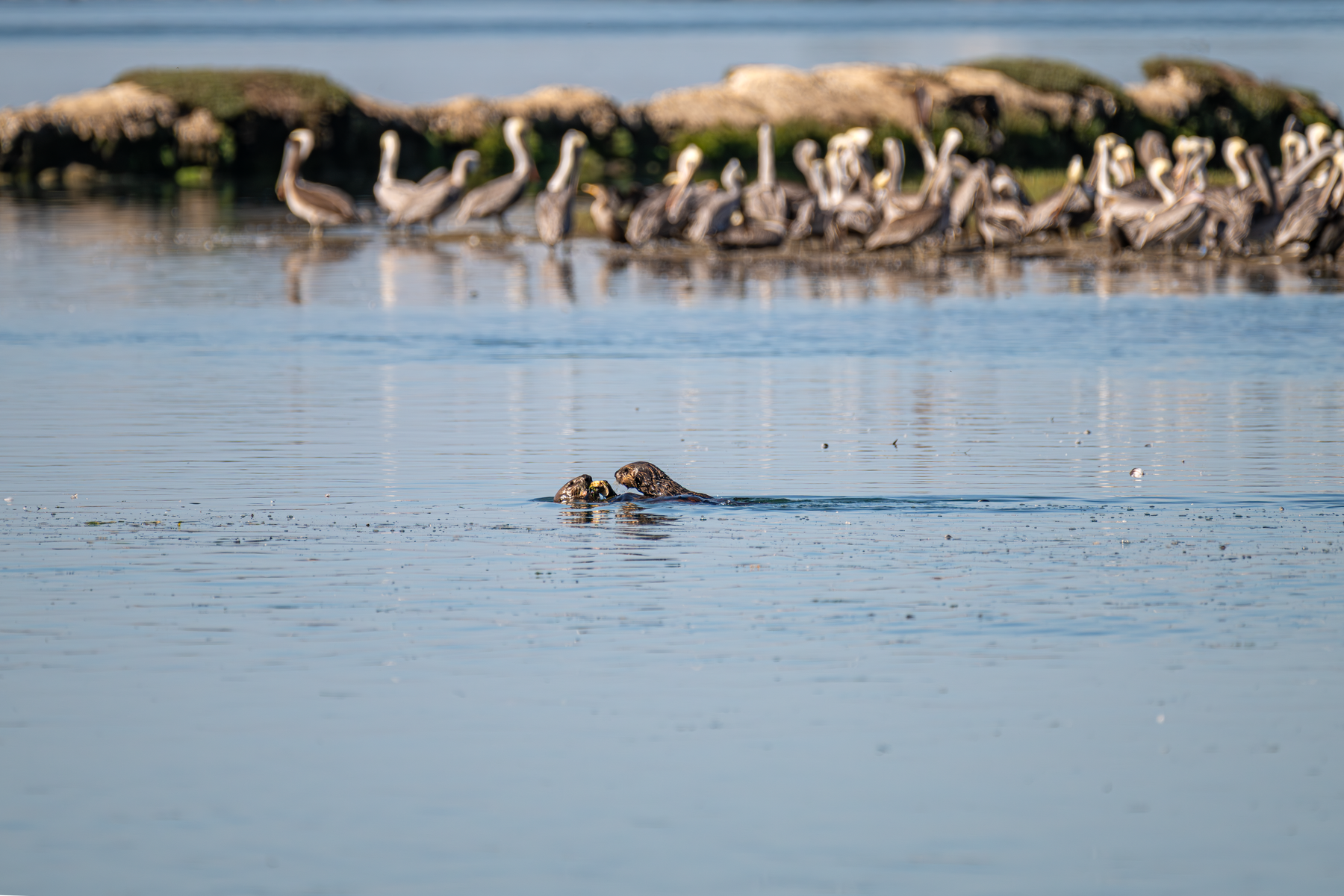
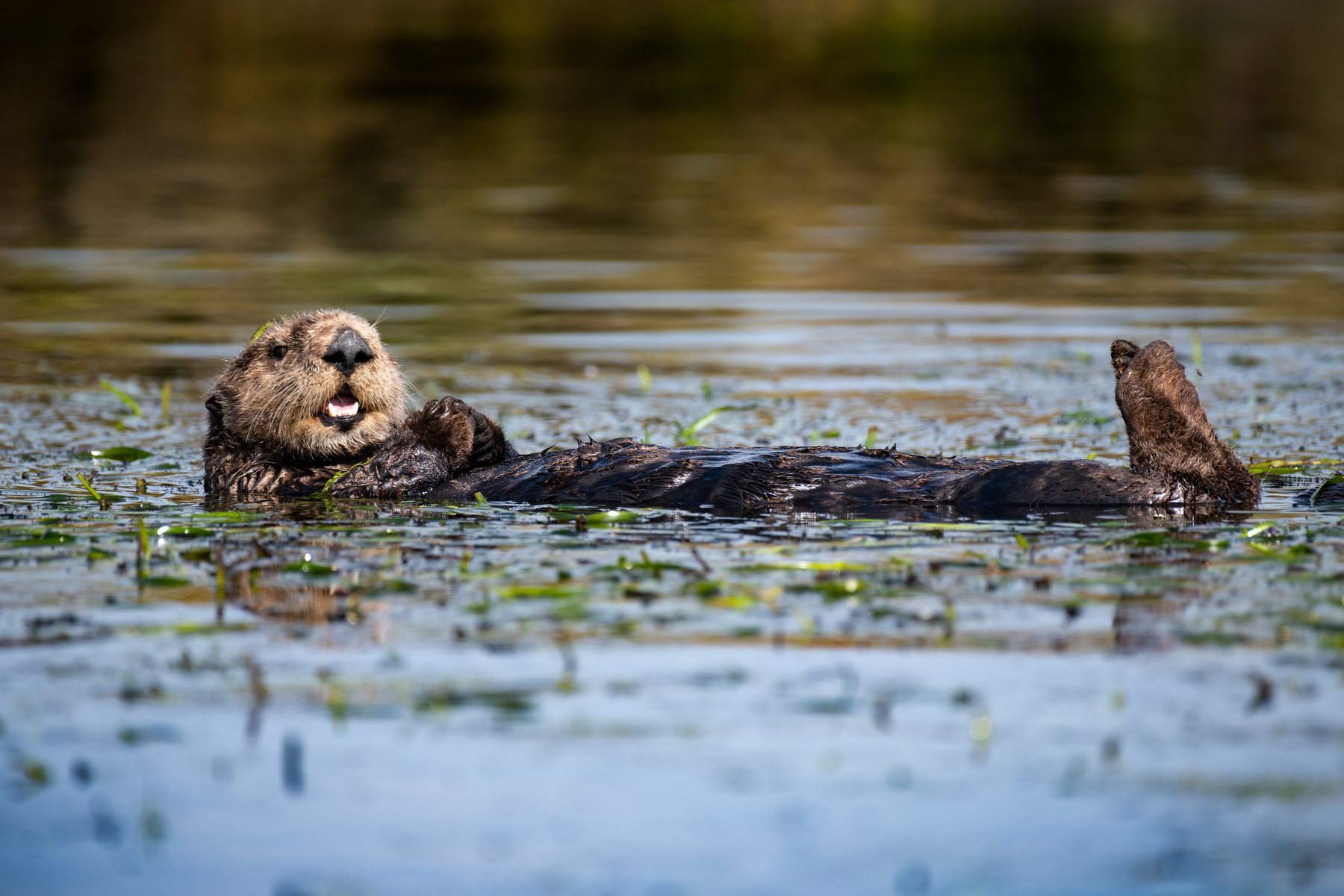
Bat rays enter sloughs and bays in the summer to give birth to their young. They flap their wings to clear away mud and suck up their prey—clams, shrimp, worms and other invertebrates. Leopard sharks also enter coastal wetlands to give birth. Sea otters, too, raise their pups here and forage for food in the shallow wetland waters.
A refuge for endangered species
Nearly 75 percent of rare or endangered bird species rely on wetland habitats.
How this habitat changes
After winter rains, fresh water runs off the surrounding land and mixes with the wetland’s salty water, creating an ideal habitat for many juvenile species of fish. During storms, wetlands act as sponges, capturing and slowly releasing water that runs off from land. Wetlands also absorb wave surges and protect inland areas from flooding.
A rest stop for migrating birds
In spring and fall, thousands of migrating birds stop at coastal wetlands to rest, feed and breed. Curlews, godwits and willets probe the mud with their long bills, hunting for burrowing crabs, worms, and snails. Grebes and pelicans dive into adjacent waters to scoop up fish, while mallards and other ducks bob for algae.
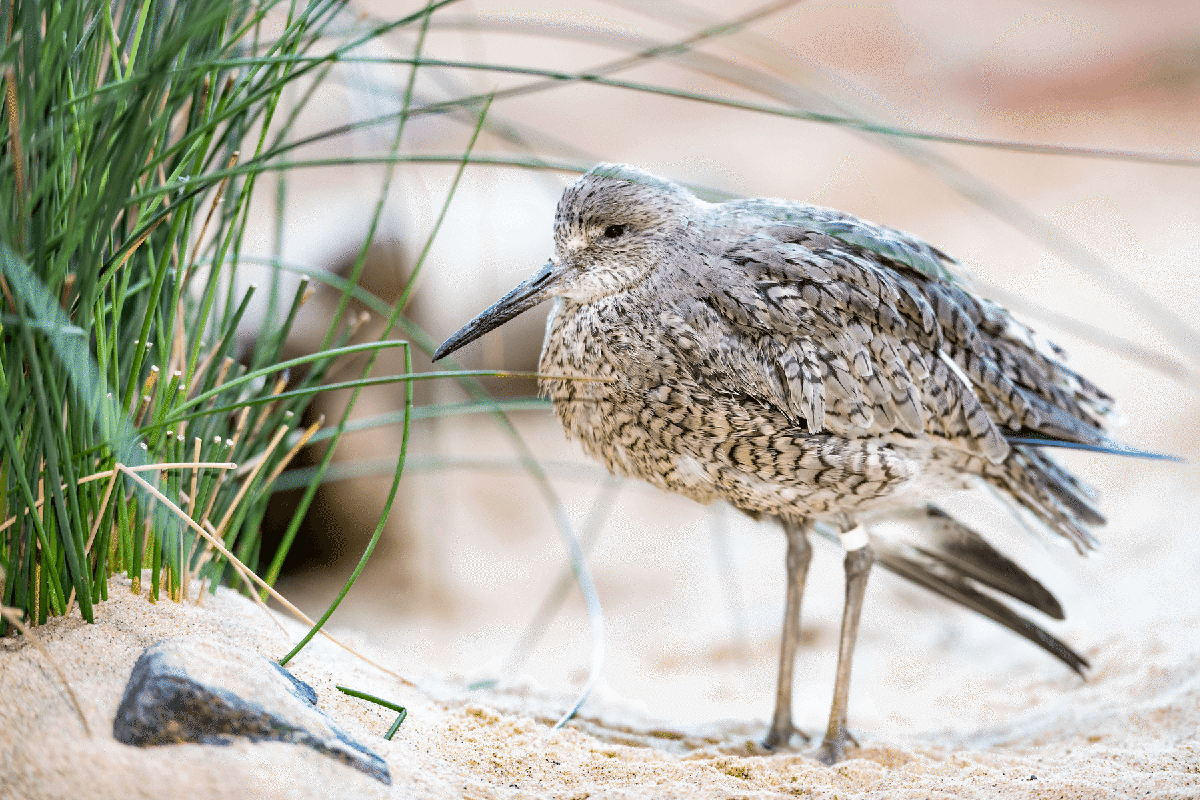
A marbled godwit in the Sandy Shore gallery at Monterey Bay Aquarium.
An ecosystem powerhouse
Not only are coastal wetlands important habitat for a wide range of wildlife, they provide important benefits to people and the planet. Coastal wetlands improve water clarity by filtering polluted runoff and absorbing excess nutrients. And they support commercial fisheries that are vital to California’s coastal economy. Wetlands also sequester carbon in the underlying sediments; and protect our shoreline from erosion by absorbing wave energy and helping to mitigate sea level rise.
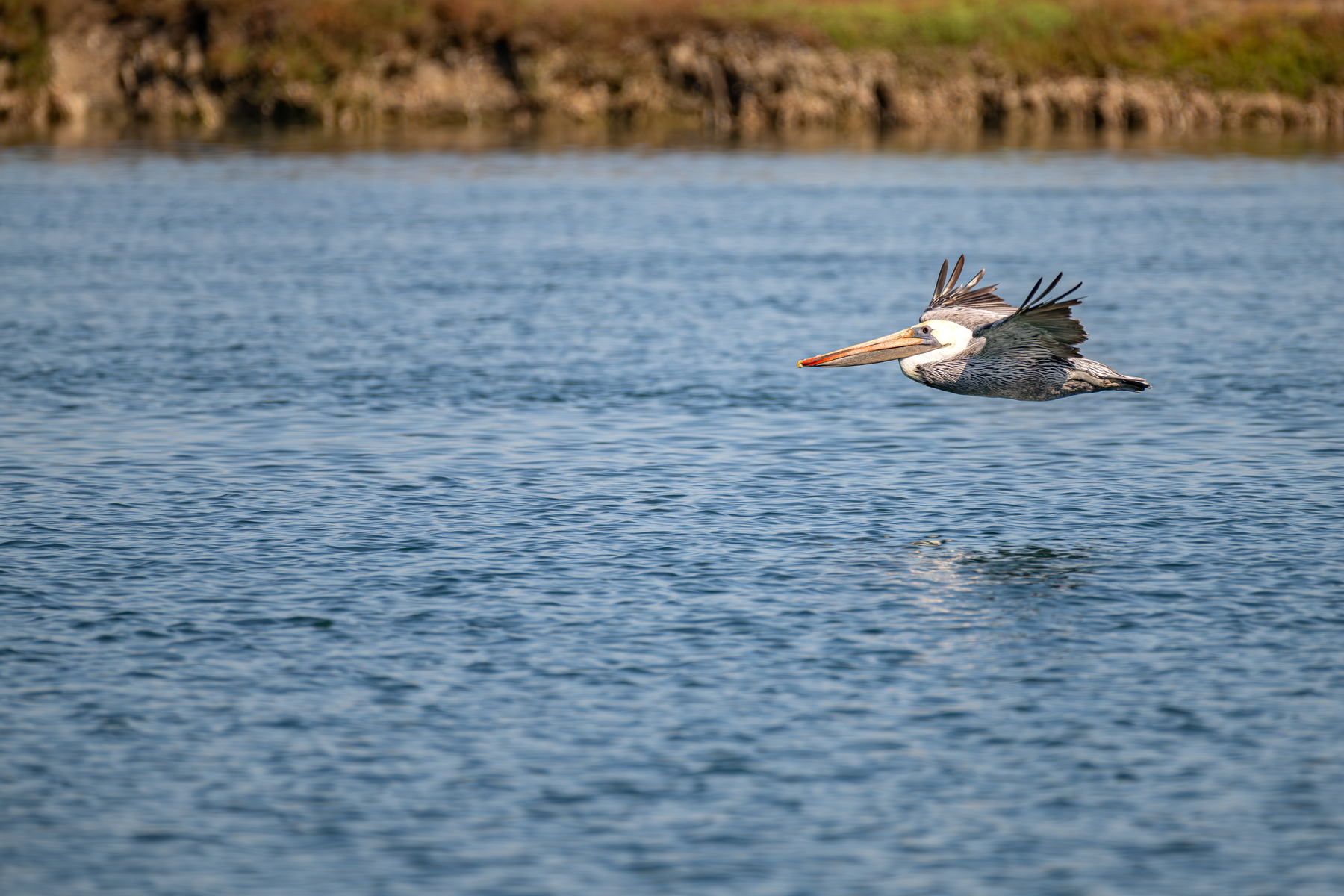
A brown pelican glides above the surface of the water in the Elkhorn Slough.
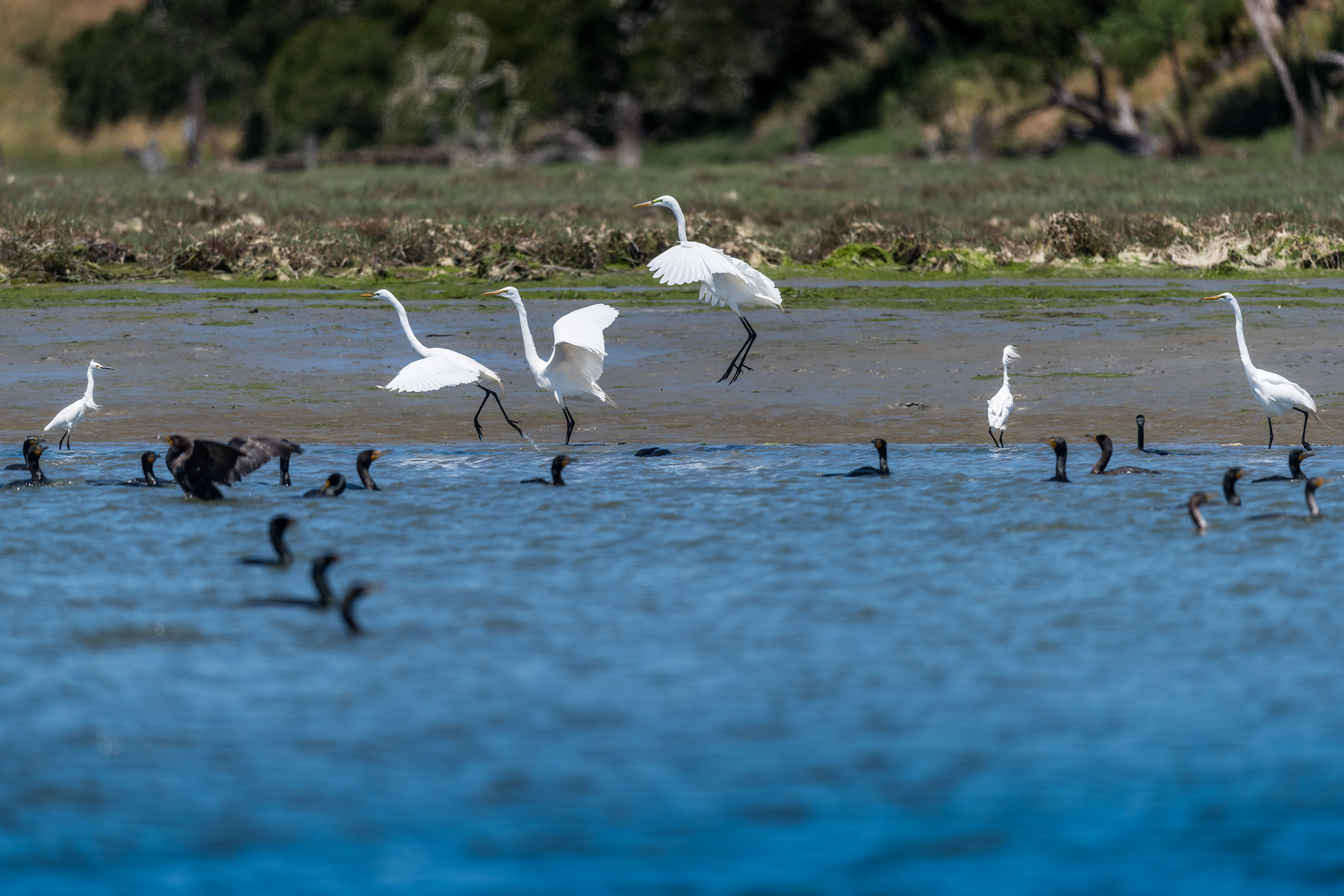
Great egrets, a snowy egret, and other shorebirds spotted in Elkhorn Slough.
A disappearing resource
In the past, most people considered wetlands to be wastelands—places to be drained, plowed, filled, and developed. Since the 1850s, 90 percent of California’s coastal wetlands have been destroyed. Though this destruction has slowed, the country’s remaining wetlands are still threatened by a growing human population. The need for more homes and more food means continued pressure to drain and destroy this habitat.
Pesticides and pollution from urban runoff and invasive plant species also threaten this habitat.
Things to look for and notice
Great blue herons live year-round in coastal wetlands. Look for them standing still in shallow water, quietly waiting to snatch up small fish. In early spring, great blue herons build nests in the tops of nearby trees.
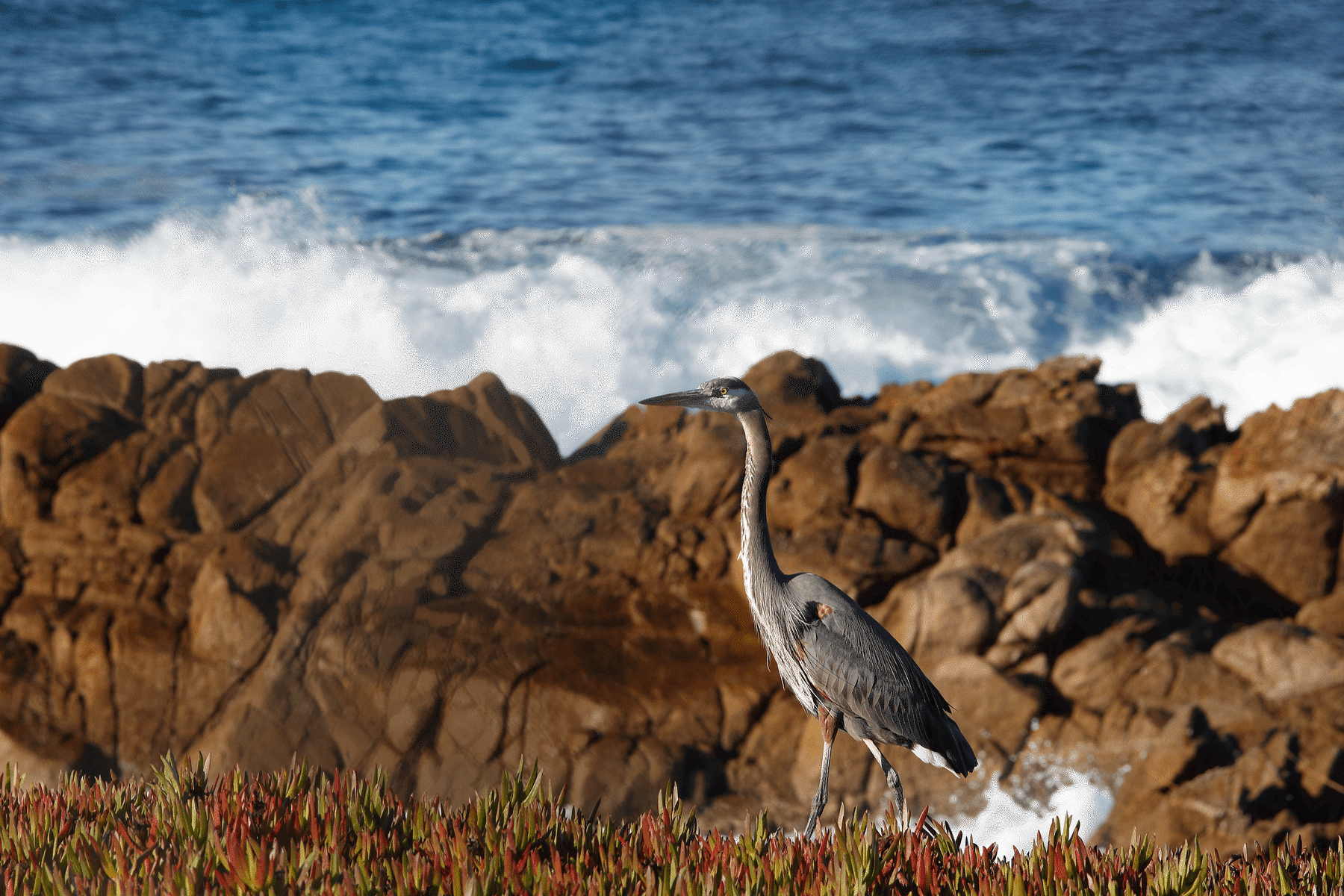
A great blue heron (Ardea herodias) seen off the coast of Monterey Bay.
How to enjoy and protect this habitat
Coastal wetlands are scenic, peaceful places to observe wildlife. Stay on designated trails when visiting, and be mindful of the animals and plants that depend on this fragile ecosystem.
What you can do
At home, you can help preserve this critical habitat by keeping sidewalks, lawns, and driveways clear of pet waste, trash, toxic chemicals, fertilizers and motor oil. All of these pollutants can wash into storm drains and end up in our wetlands. Use native species when planting trees, shrubs, and flowers to help preserve the ecological balance of local wetlands.
Explore more of the ocean
Ecosystem
Deep sea
The largest ecosystem on Earth lies between the ocean's upper layers and the dark floor of the deep sea.