

Sushi rice
The word sushi means “vinegared rice” in Japanese. It’s often paired with seafood, but a dish doesn’t need fish to be called sushi. It can feature vegetables, cooked egg, or only rice and seasonings. Try Chef Hajime Sato's sushi rice recipe to get started. You can use short-grain rice, medium-grain rice, or musenmai, a pre-rinsed rice.
Recipe by Hajime Sato
(Serves 4)
Ingredients
- 180 cc rice (1 Japanese rice cup, or about 3/4 U.S. cup)
- 360 cc water (2 Japanese rice cups, or about 1 1/2 U.S. cups)
- 1-2 tablespoons of sushi vinegar or flavored vinegar, to taste
Note: “cc” stands for cubic centimeters, the same as milliliters. A Japanese rice cup holds 180 cc.
Preparation
- Gently rinse the rice using a low-pressure stream of water. The water doesn’t need to run clear. If you’re using musenmai, you don’t need to rinse or soak the rice.
- Soak the rice for 15 to 30 minutes before cooking. If the water isn’t too cold and you’re using a rice cooker, soak for 15 minutes. Soak twice as long if you’re using colder water and a stovetop method for preparing. Visually evaluate the rice: it’s ready when the color changes slightly to become a bit whiter than before. The rice will expand just slightly when properly soaked.
- Cook in a rice cooker on a regular rice setting. Or cook in a covered pot on the stovetop until the water is absorbed.
- Let the rice cool for 15 to 20 minutes.
- Empty the sushi rice into a large, wide bowl. Use a wooden spoon or shamoji to “cut” the rice while pouring in small dashes of sushi vinegar at the same time. Instead of stirring or mashing, which crushes the grains and makes the rice gummy, use the edge of the spoon or shamoji in a gentle, repetitive slicing motion. This cutting motion evenly distributes the sushi vinegar while keeping every grain separate, shiny, and intact.
- Use the prepared sushi rice to spread on nori for rolls or shape into balls for nigiri. Wet hands slightly to form and mold the rice for your desired dish.
Meet the chef
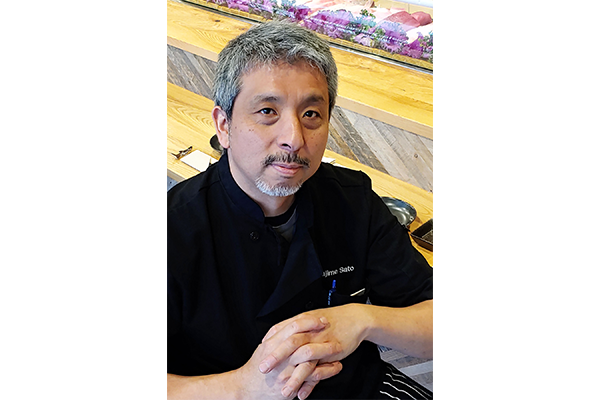
Hajime Sato
Hajime Sato is an internationally recognized chef and sustainable seafood advocate. He's a James Beard Award-winning chef and owner of Sazanami (meaning “ripples”), the new specialty sushi restaurant in Beaverton, Oregon. Hajime is a Certified Saké Advisor, sushi-making teacher, potter, sumi painter, former volunteer at the Seattle Aquarium, and friend to all animals. Born and raised in Japan, Sato has spent over three decades perfecting his craft of Japanese cuisine and sharing it with the world. This sushi rice recipe is one of Hajime’s specialties because it’s the basis of many dishes and complements fresh, seasonal, and sustainable seafood. Find Hajime on Instagram @banchohajime.
Recipe
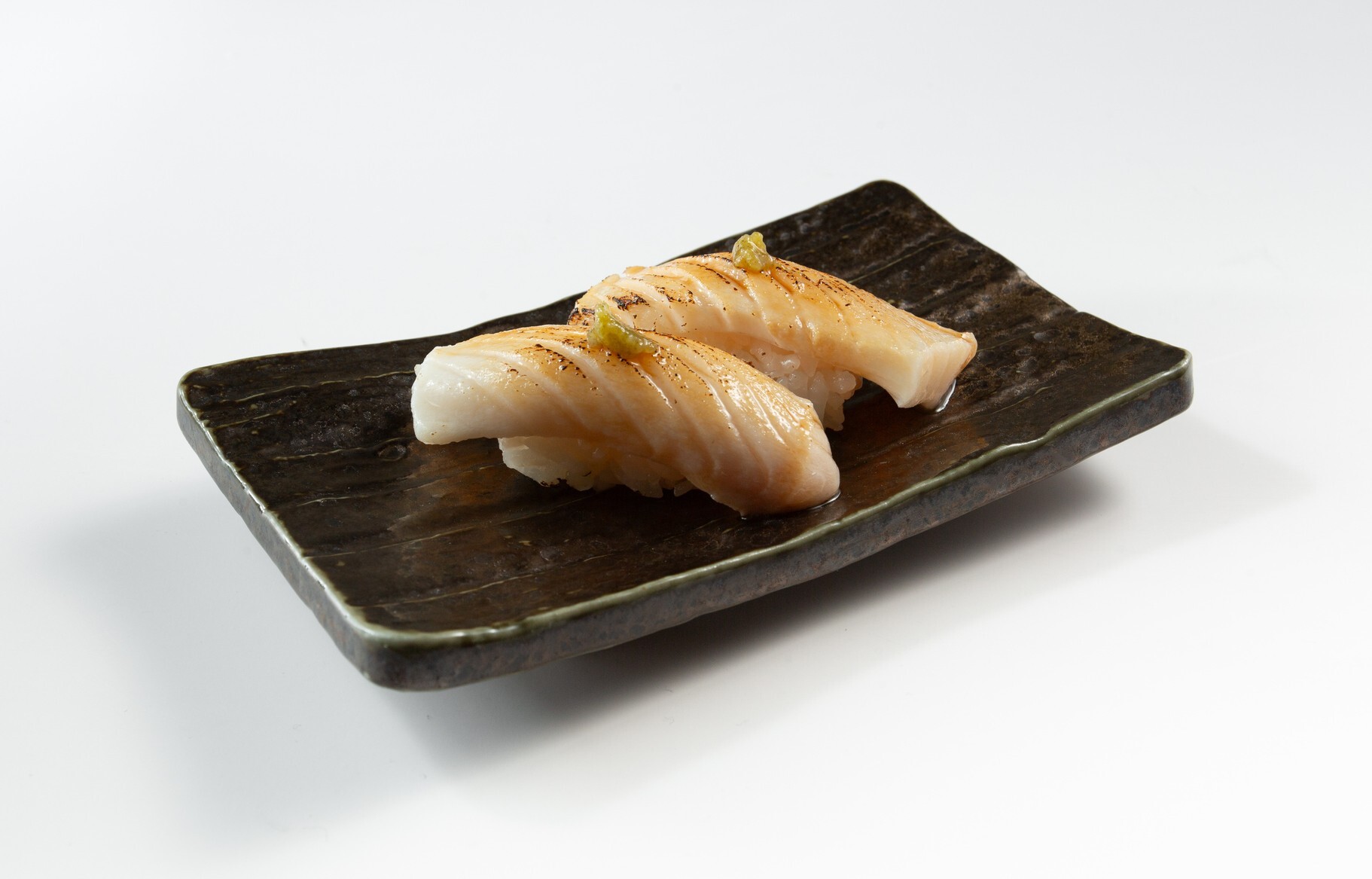
Faux-nagi with sablefish or eggplant
Skip the unagi. Instead, make these faux-nagi recipes with sablefish or eggplant, topped with soy-mirin sauce.
See recipe – Faux-nagi with sablefish or eggplantExplore more recipes
Recipe
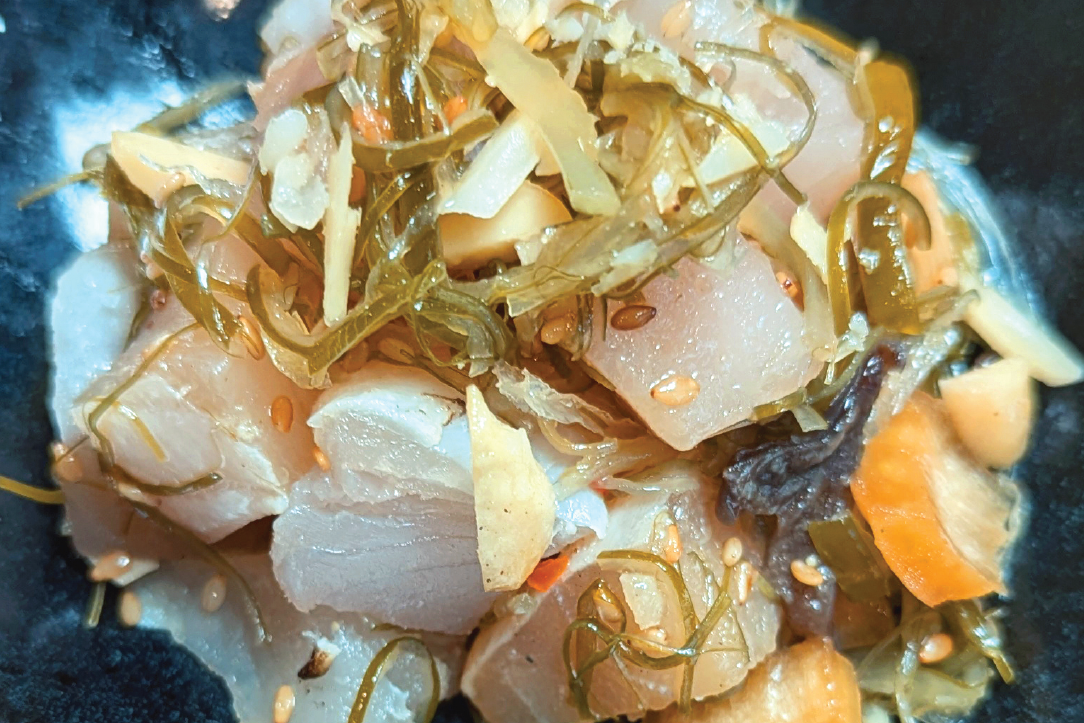
Albacore tuna poke
This easy poke recipe features albacore caught with trolling lines or pole-and-lines, with fresh ingredients.
See recipe – Albacore tuna poke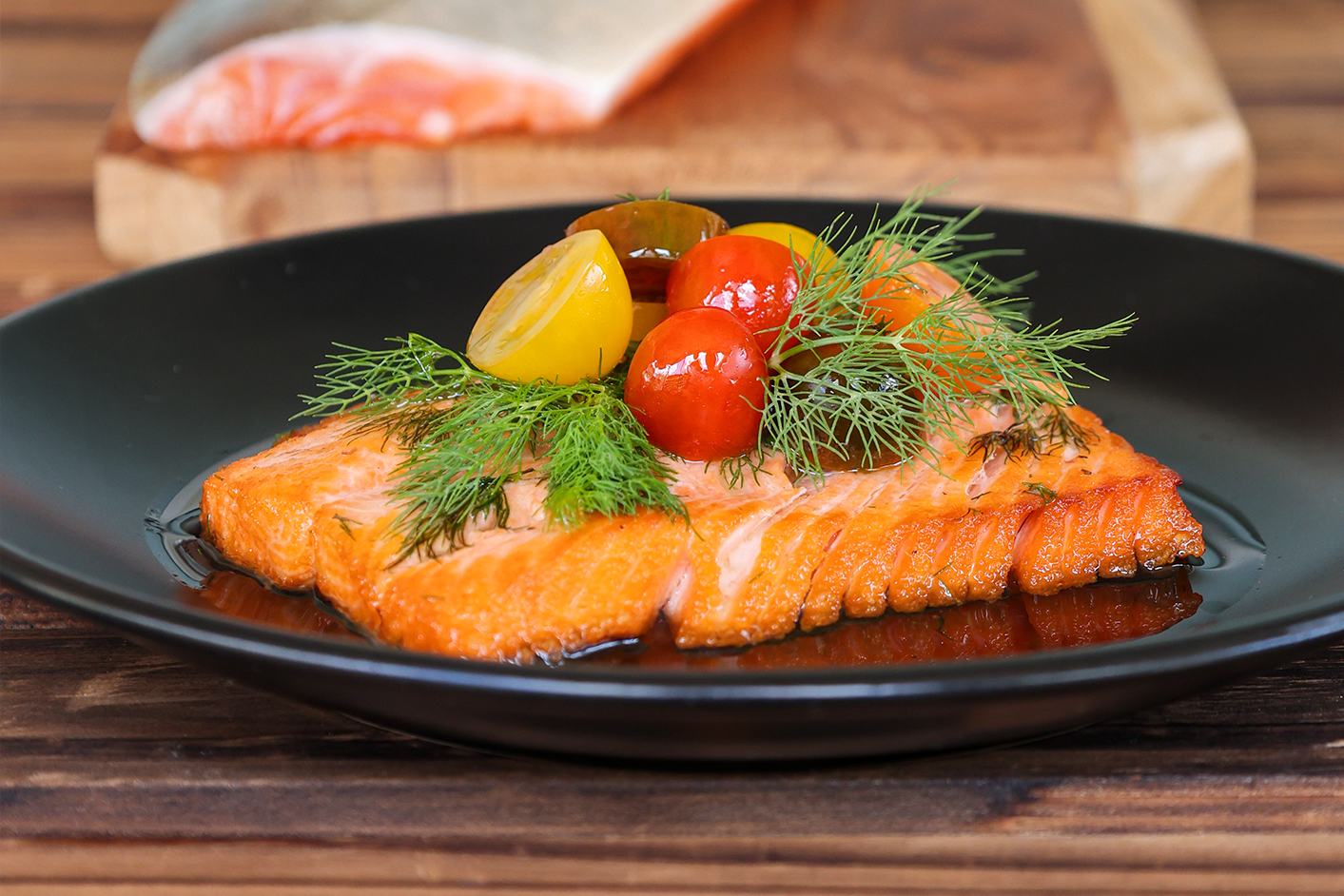
Recipe
Arctic char with citrus tomato vinaigrette
Packed with flavor and always sustainable, try this pan fried Arctic char recipe brought to us by Chef Steve…
See recipe – Arctic char with citrus tomato vinaigrette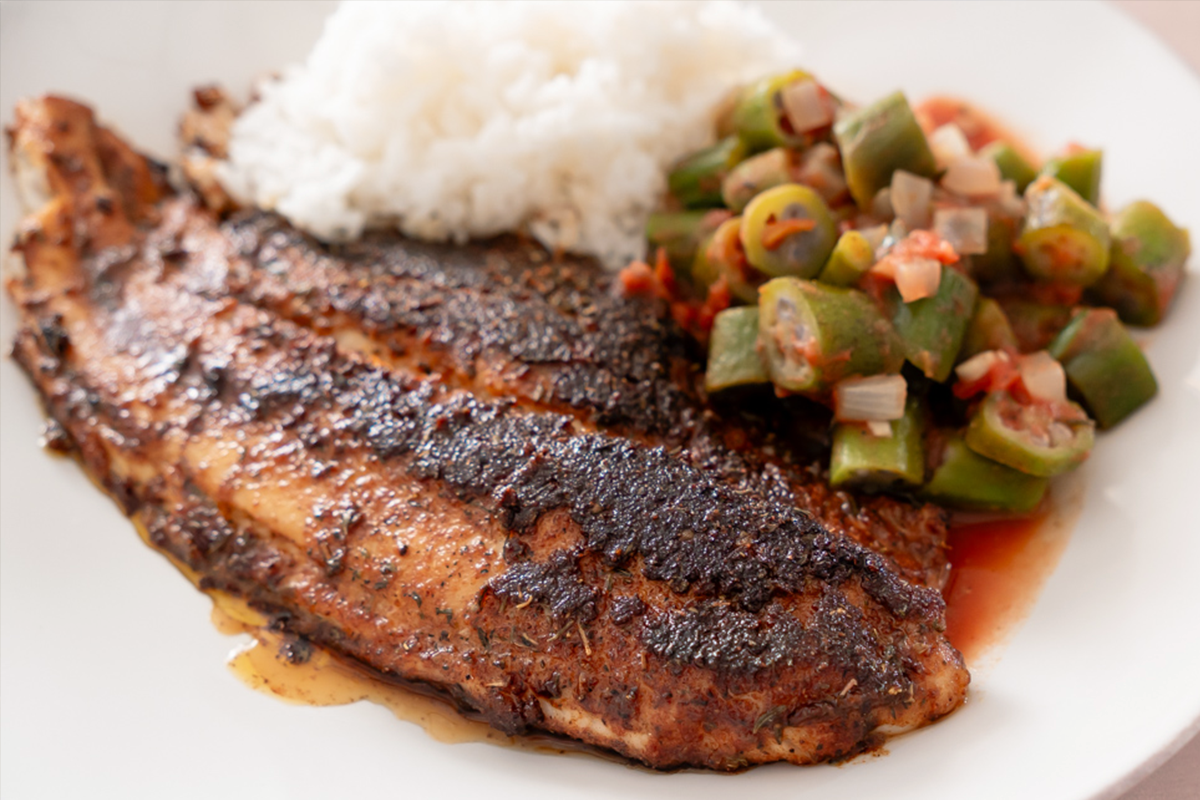
Recipe
Cajun-blackened catfish
This Cajun-blackened U.S. farmed catfish has a smoky crust and is served with okra, tomatoes, and rice.
See recipe – Cajun-blackened catfish
Recipe
Creamy tuna-stuffed bell peppers
This nutritious weeknight dish features albacore, fresh bell peppers, and fragrant herbs.
See recipe – Creamy tuna-stuffed bell peppers