
U.S. Central Seafood Guide
Use this guide to choose ocean-friendly seafood across 22 Central U.S. states, from Idaho to West Virginia and North Dakota to Tennessee.
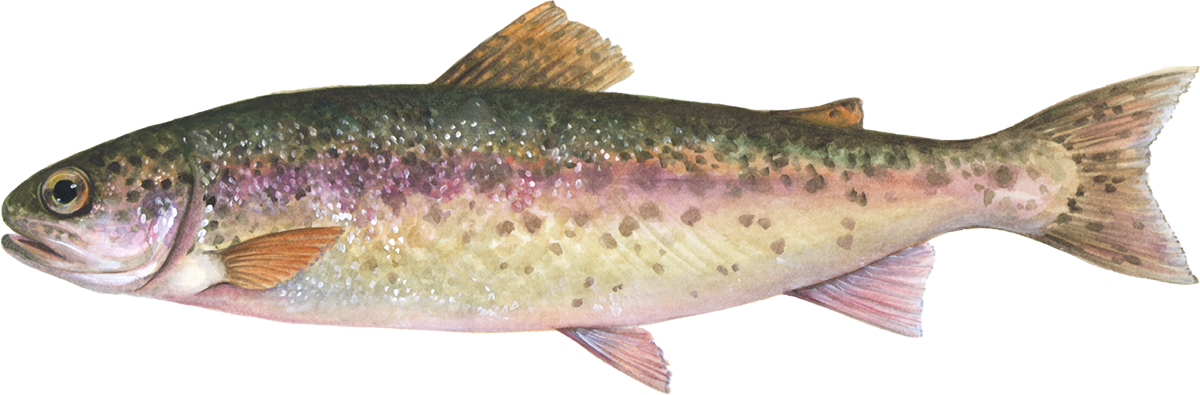
Best choice
Buy first. Green-rated seafood is well-managed and caught or farmed in an environmentally responsible manner. It poses a low environmental risk.
- Arctic char A Super Green food
- Bass (farmed from U.S. or Mexico) A Super Green food
- Catfish (farmed from U.S.) A Super Green food
- Clams (farmed) A Super Green food
- Cod: Pacific (from Alaska)
- Herring: lake (from Lake Superior)
- Herring: Pacific (from British Columbia)
- Mahi mahi (from U.S. Atlantic pole-and-line)
- Mussels (farmed) A Super Green food
- Oysters (farmed) A Super Green food
- Salmon (farmed from New Zealand)
- Scallops (farmed)
- Shrimp (farmed from U.S.)
- Swordfish (from U.S. buoy gear, harpoon, or pole-and-line)
- Trout: lake (from Lake Michigan or Lake Superior in U.S.)
- Trout: rainbow (farmed from U.S.) A Super Green food
- Tuna: albacore/white (from Pacific or Atlantic troll or pole-and-line*) A Super Green food
- Tuna: bigeye, skipjack/chunk light, and yellowfin/ahi (from Pacific pole-and-line*)
- Tuna: skipjack/chunk light and yellowfin/ahi (from Maldives)
- Whitefish: lake (from Lake Michigan or Lake Superior)
Good alternative
Buy if a green-rated option is not available. This seafood poses a moderate environmental risk.
- Clams (wild from U.S. or Canada)
- Cod: Atlantic (from U.S. pole-and-line)
- Lobster: spiny (from U.S. or Mexico)
- Mackerel (from Chile, Japan, or Morocco)
- Mahi mahi (from U.S.*)
- Perch: white (from Lake Erie)
- Perch: yellow (from Lake Erie)
- Sablefish/black cod
- Salmon: Atlantic (farmed from Maine or Faroe Islands)
- Scallops (wild)
- Shrimp (wild from U.S. or Canada; farmed from Ecuador or Thailand)
- Snapper (from U.S.*)
- Squid (from Chile or Peru)
- Swordfish (from U.S. gillnet or longline)
- Tilapia (from Colombia, Indonesia, Mexico, or Taiwan)
- Trout: lake (from Lake Huron)
- Tuna: bigeye, skipjack/chunk light, and yellowfin/ahi (from Hawai’i; from Atlantic pole-and-line, troll, or FAD-free**)
- Tuna: skipjack/chunk light and yellowfin/ahi (free school**; from Indian Ocean pole-and-line)
- Walleye (from the Great Lakes)
Avoid
Take a pass. Red-rated seafood poses a high risk to the environment. It's overfished, lacks strong management, or is caught or farmed in ways that harm other marine life or the environment.
- Basa/pangasius/swai (imported)
- Chilean seabass (from Chile)
- Cod: Atlantic (gillnet, longline, or trawl)
- Crab (from Asia*)
- Crab: snow (from Canada)
- Eel (imported farmed*)
- Lobster: American (from U.S. or Canada)
- Mahi mahi (imported*)
- Octopus (Indonesia, Morocco, or Mauritania)
- Orange roughy
- Perch: yellow (from Lake Ontario)
- Salmon (farmed from Canada, Chile, Norway, or Scotland*)
- Sharks*
- Shrimp (all other imported options*)
- Squid (all other imported options*)
- Swordfish (imported gillnet or longline)
- Tilapia (from China)
- Tuna: bluefin (farmed/ranched)
- Tuna (all other options)
- Whitefish: lake (from Lake Huron)
* With some exceptions
** “FADs” is short for fish aggregating devices, which lure tuna and other species to a specific location, making them easier to catch with purse seines. The terms FAD-free, non-FAD, free school, or school-caught mean FADs were not used to catch the tuna.
Download the guide
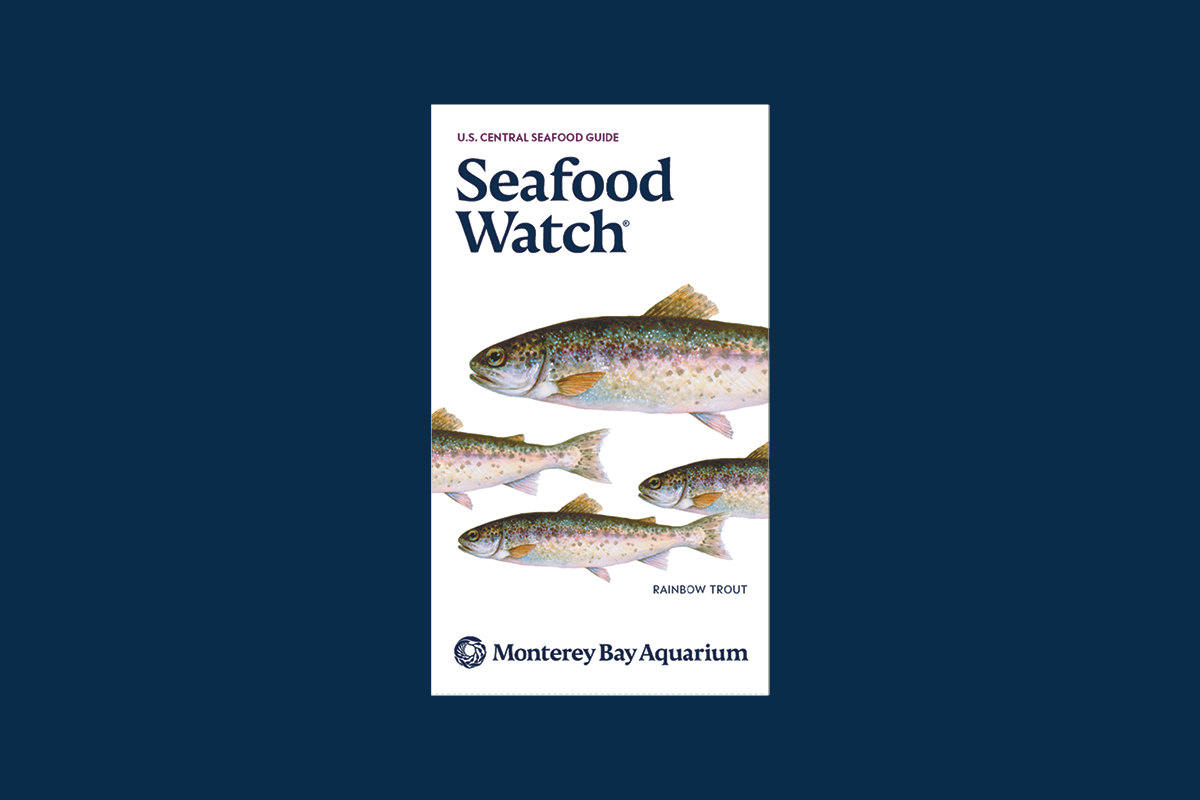
How to use this guide
Our green, yellow, and red ratings indicate environmental risk. We use our ratings and third-party certifications to make our recommendations.
Choose
- Green-rated seafood because environmental risks are low.
- Yellow-rated seafood because environmental risks are moderate.
Avoid
- Red-rated seafood because environmental risks are high, often due to overfishing, poor management, or harm to marine life and habitats.
Where to find sustainable seafood
Finding sustainable seafood is easier than you might think. Here’s how to get started.
- Use Seafood Watch guides. Our Popular Seafood Guide covers the seafoods you’re most likely to encounter and is the easiest place to start. Our national guide covers many more seafoods and works anywhere in the U.S. Our six regional guides are tailored to what you’re likely to find in your part of the country. Our 14 species guides cover all of our recommendations for each species, including salmon, shrimp, tuna, crab, and other popular seafood.
- Shop at businesses committed to sustainable seafood. Some retailers have made formal commitments to follow Seafood Watch recommendations. MOM's Organic Market and PCC Community Markets follow our recommendations. Whole Foods Market sources green-rated, yellow-rated, and MSC certified wild seafood and has a proprietary standard for farmed seafood.
- Dine with one of our partners. The Cheesecake Factory and California Fish Grill have commitments to serve sustainable seafood, and Seafood Watch Best Choice Restaurant Program partners offer at least one green-rated seafood dish on their menus. For a meal-kit option, all HelloFresh seafood is green-rated, yellow-rated, or certified.
- Ask a question. Next time you’re at a seafood counter or restaurant, ask “Do you sell sustainable seafood?” It’s a simple question that does more than you might think. When you ask this question, you’re helping create demand for sustainable seafood and encouraging businesses to offer it.
Keep exploring
Animals & the ocean
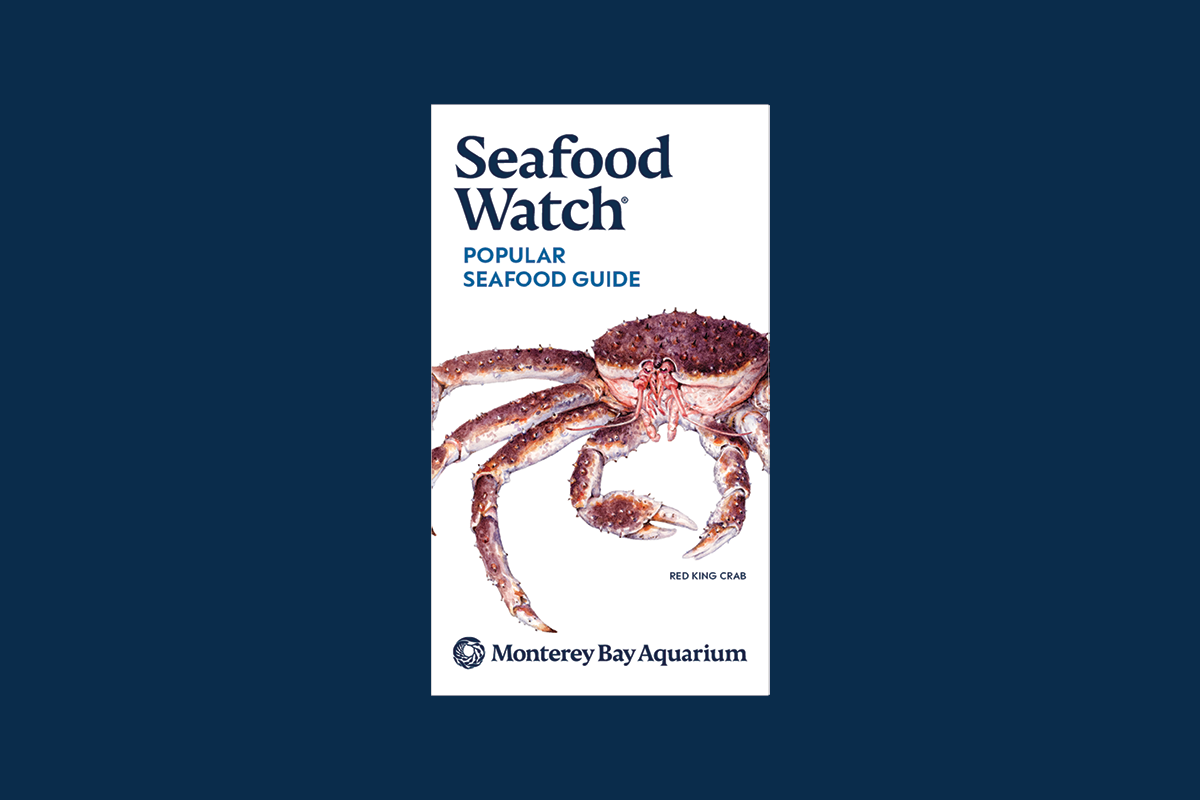
Popular Seafood Guide
The guide includes the fish and shellfish that you’re most likely to see at restaurants and stores.
View and download the guide – Popular Seafood Guide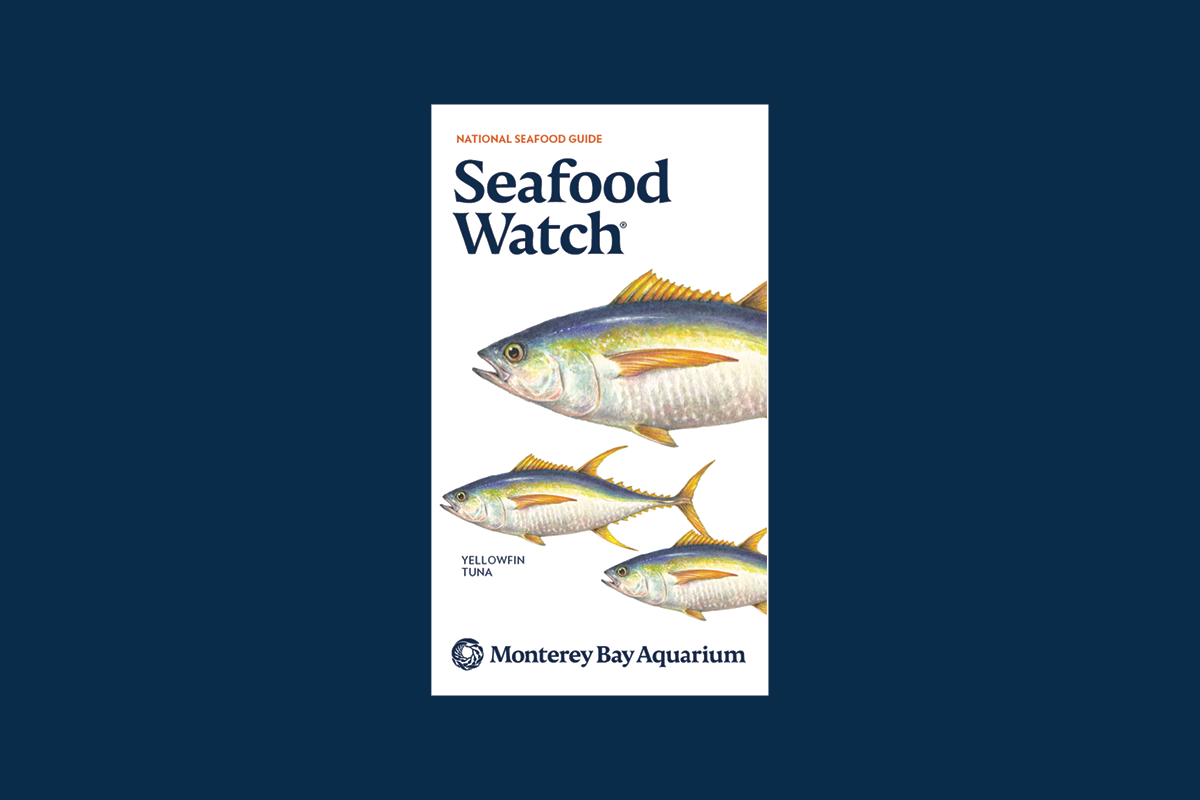
Animals & the ocean
National Seafood Guide
A list of popular seafood to choose and avoid across the U.S.
View and download the guide – National Seafood Guide
Animals & the ocean
Hawai‘i Seafood Guide
A list of popular seafood to choose and avoid in Hawai’i.
View and download the guide – Hawai‘i Seafood Guide
Animals & the ocean
U.S. Northeast Seafood Guide
A list of popular seafood to choose and avoid across the U.S. Northeast, from New Jersey to Maine.
View and download the guide – U.S. Northeast Seafood Guide