
Seafood Social Risk Tool
Upholding human rights in the seafood industry
Sustainable seafood comes from fisheries and aquaculture operations that provide decent working conditions and respect human rights. The Seafood Social Risk Tool helps businesses take the first steps in identifying and managing the risk of human rights abuses in their seafood supply chains.

The challenge
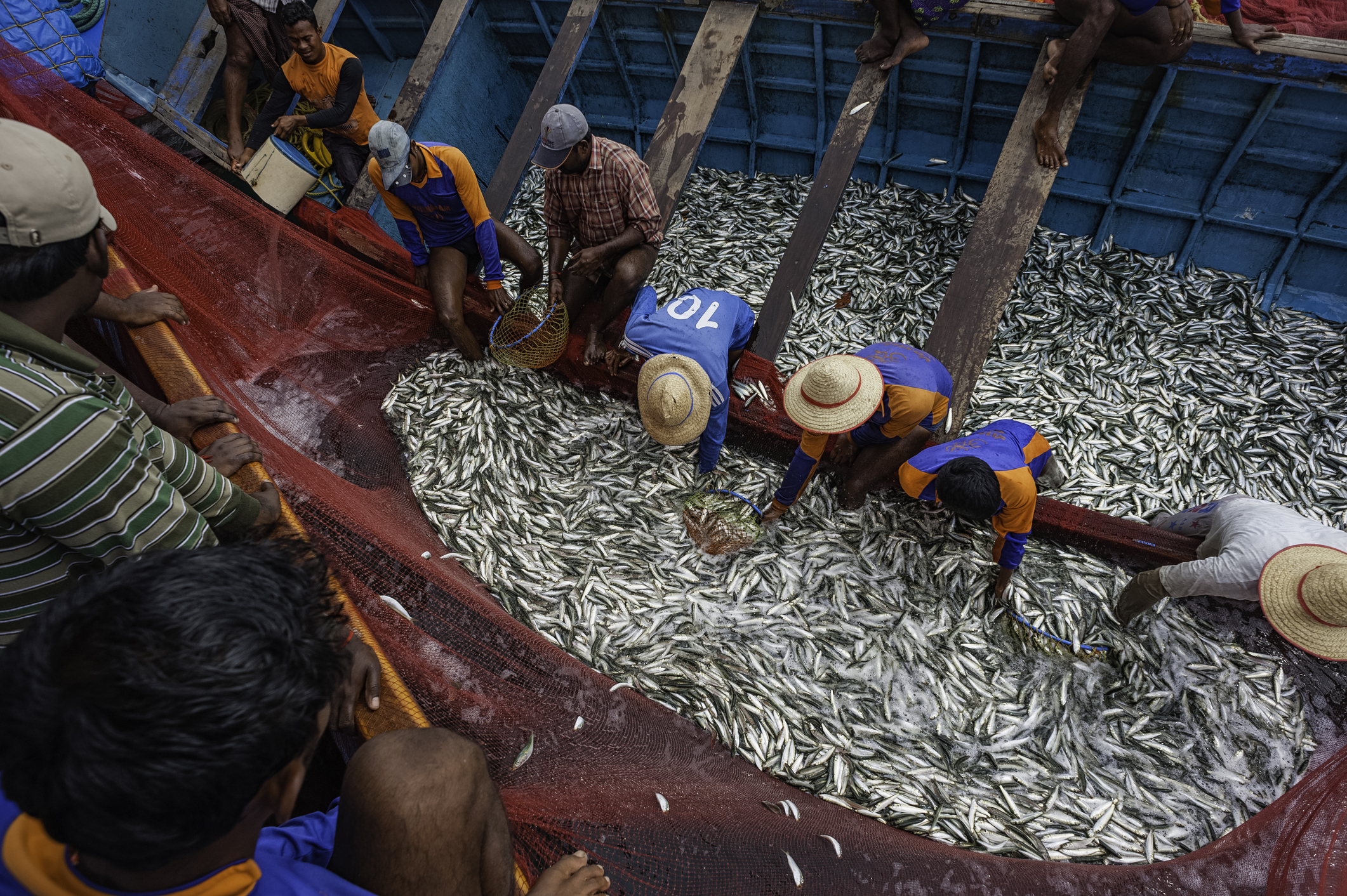
Seafood is often sourced through a complex web of vessels, farms, processing facilities, and distributors, spanning multiple continents. The remote and hazardous nature of this work, coupled with a lack of supply chain transparency and the demand for low prices, increases the risk of human rights abuses. These abuses can include discrimination based on gender or ethnicity, restriction of access to land or natural resources, and violations of labor rights.
Our approach
It can be challenging to identify where actual abuses are happening because very little information exists about seafood workers’ living and working conditions across the many, sometimes opaque, layers of the seafood supply chain around the globe. However, it is possible to analyze multiple data and information sources to identify areas of the supply chain that are at high risk for abuse. The Seafood Social Risk Tool profiles these risks to help businesses take the first steps toward improving human rights and labor conditions.
Industry responsibility
Seafood retailers, producers, and suppliers are responsible for adhering to international labor laws that are designed to prevent human rights abuses, such as forced labor, human trafficking, and hazardous child labor. Many businesses recognize the importance of learning more about socially responsible seafood production and identifying areas where human rights abuses might be occurring in their supply chains.
About the tool
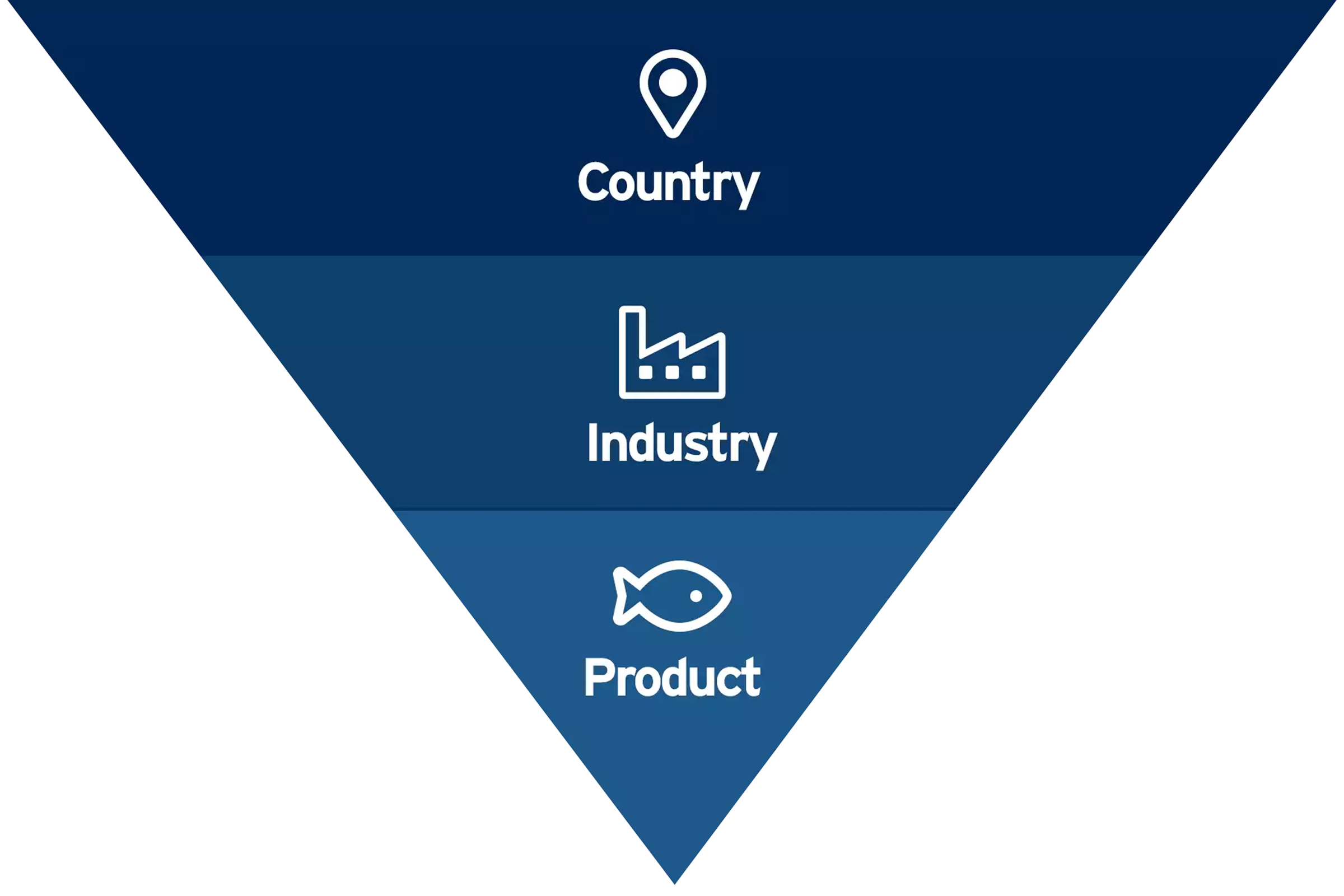
The Monterey Bay Aquarium partnered with Sustainable Fisheries Partnership and Liberty Shared and collaborated with human rights experts to develop a tool that profiles seafood production systems around the world and identifies areas within those systems that are at higher risk of containing forced labor, human trafficking, and hazardous child labor.
- Country indicators provide context about the overall social, economic, and political environment within which fishing, aquaculture, and processing take place. They help determine whether the environment is conducive to allowing exploitative practices or whether it is helpful in limiting their existence.
- Seafood industry indicators examine seafood industry-specific practices and traits (such as the overall composition of the labor force and specific industry regulations) that can indicate the risk across the industry in a given country, such as working hours, minimum age for employment, or regulation of recruitment agencies.
- Product indicators assess if there are specific practices that may indicate a higher risk of forced labor, human trafficking, and hazardous child labor through a causal relationship such as how a seafood product is transported.
Seafood Social Risk Tool profiles
These risk profiles that have undergone independent review by a team of human rights experts. Each risk profile includes an analysis of country, industry, and product-level indicators. Businesses can use these risk profiles to take the first steps toward improving human rights and labor conditions.
Tuna
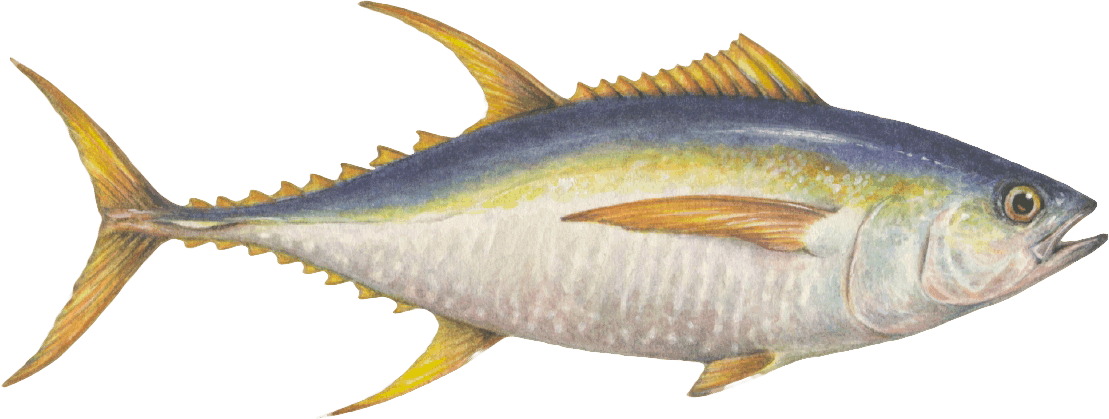
The following risk profiles are available for bigeye, skipjack, and yellowfin tuna.
Colombia
Download PDF 469.2 KB – ColombiaEcuador
Download PDF 530.0 KB – EcuadorIndonesia
Download PDF 631.5 KB – IndonesiaPhilippines
Download PDF 531.9 KB – PhilippinesPortugal
Download PDF 405.1 KB – PortugalSenegal
Download PDF 592.3 KB – SenegalSouth Korea
Download PDF 821.6 KB – South KoreaSri Lanka
Download PDF 547.8 KB – Sri LankaThailand
Download PDF 621.7 KB – ThailandVenezuela
Download PDF 443.1 KB – VenezuelaVietnam
Download PDF 524.8 KB – VietnamWe were unable to identify suitable external reviewers for these risk profiles. If you are interested in being a reviewer or can suggest potential reviewers, please contact us below.
Maldives
Download PDF 445.0 KB – MaldivesMauritius
Download PDF 498.1 KB – Mauritius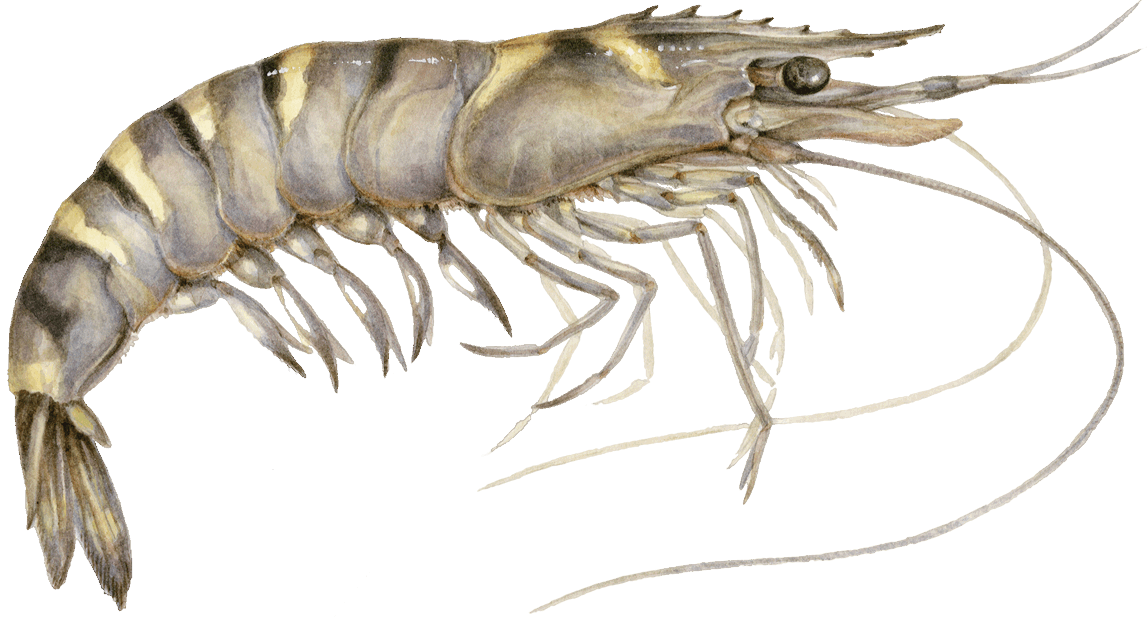
Farmed warmwater shrimp
The following risk profiles are available for farmed warmwater shrimp.
Bangladesh
Download PDF 770.8 KB – BangladeshEcuador
Download PDF 868.4 KB – EcuadorIndonesia
Download PDF 1.1 MB – IndonesiaMexico
Download PDF 1.1 MB – MexicoThailand
Download PDF 1.3 MB – ThailandVietnam
Download PDF 1.0 MB – Vietnam
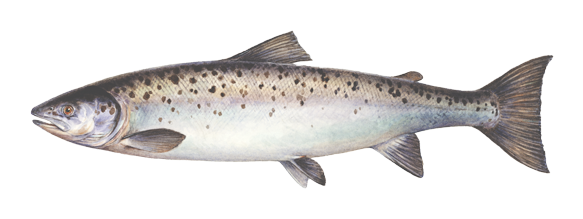
Tuna risk summary report
Download PDF 1.8 MB – Tuna risk summary reportRisk profile feedback
If you would like to provide feedback or additional information about a specific risk profile, please use this form. We will evaluate all submissions and revise the risk profiles if needed.
More downloads
Download
Overview of the Seafood Social Risk Tool
Download PDF 226.9 KB – Overview of the Seafood Social Risk Tool
Download
Methodology behind the Seafood Social Risk Tool
Download PDF 5.5 MB – Methodology behind the Seafood Social Risk ToolKeep exploring
Change & impact
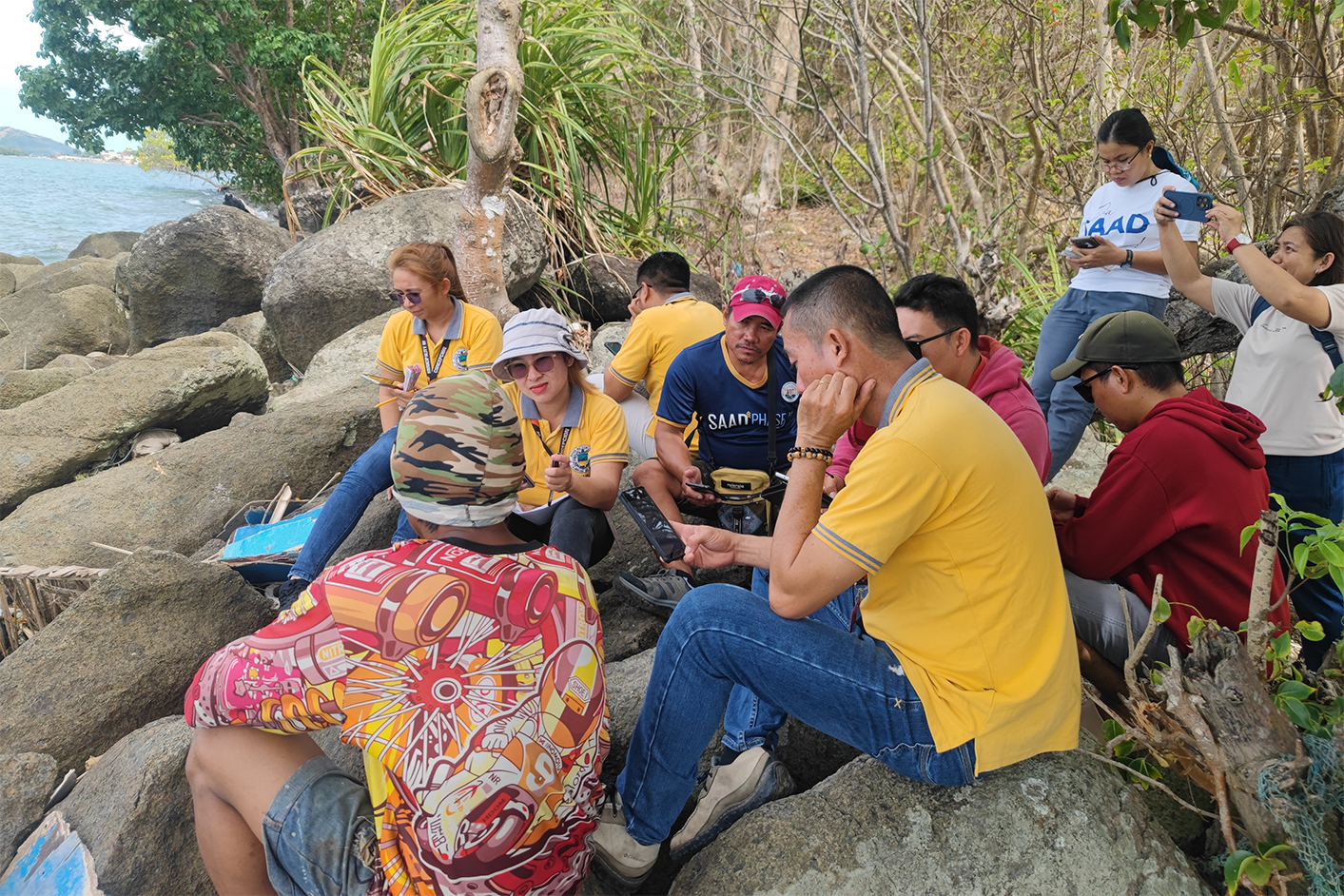
Socio-Economic Learning Framework
SELF identifies factors in fishing and farming to support equitable, sustainable outcomes.
Read more – Socio-Economic Learning Framework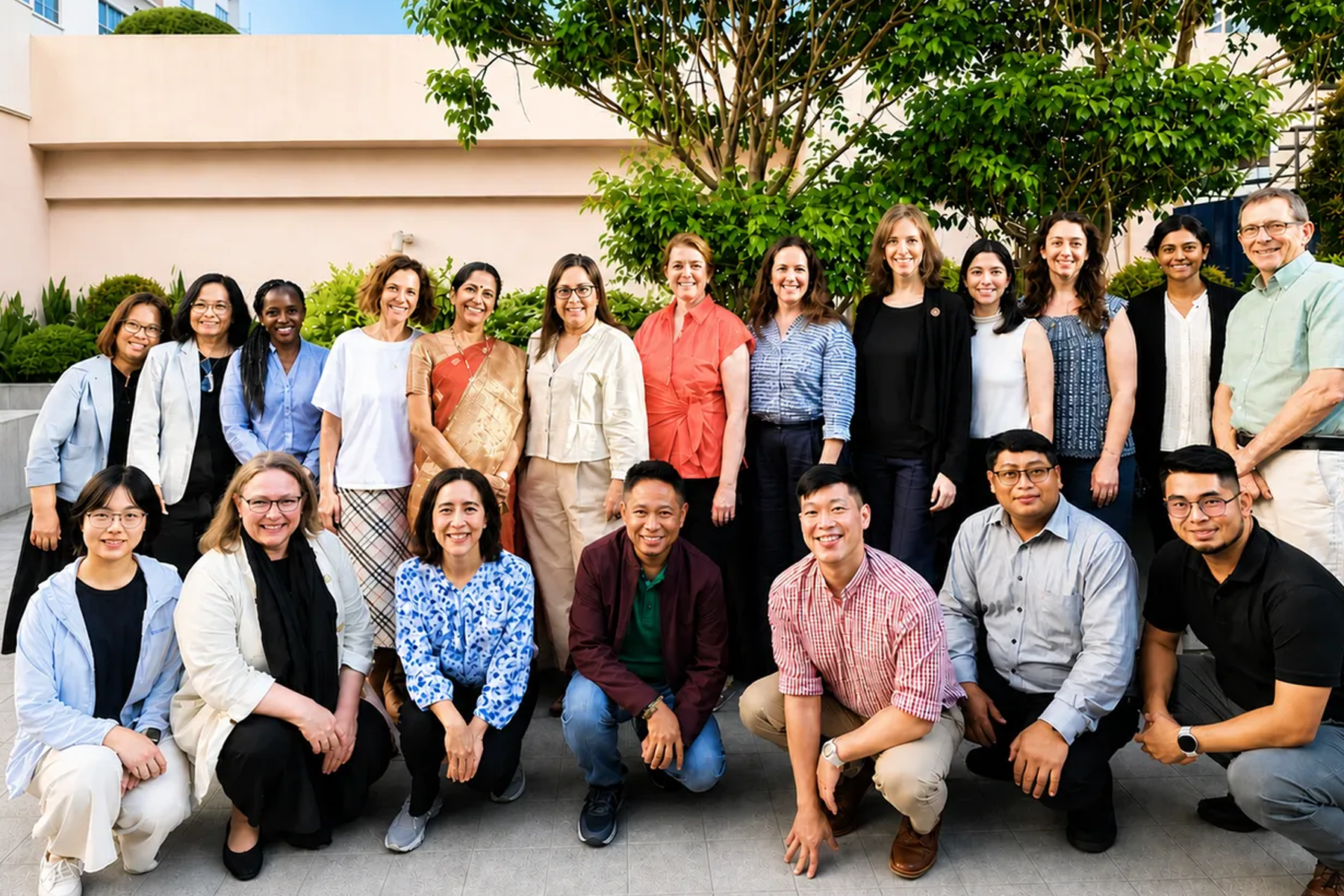
Change & impact
Social Sustainability Advisory Group
This advisory group helps us explore ways to promote a human rights-based approach to sustainability.
Read more – Social Sustainability Advisory Group