
Socio-Economic Learning Framework
Building an equitable seafood supply chain
Advancing seafood sustainability requires inclusive solutions that work for every member of the supply chain. The Monterey Bay Aquarium's Socio-Economic Learning Framework (SELF) is designed to gather insights about the lives and livelihoods of small-scale seafood producers to inform interventions that can improve both social and environmental outcomes.

The challenge
Investigations over the past decade reveal widespread labor abuses and inequities in the global seafood sector. Additionally, small-scale seafood producers are vulnerable to poverty, climate change, and market exclusion, leaving them with little incentive to adopt responsible practices.
Our approach
This free tool uses guiding questions to support listening and learning in a variety of settings and drive sustainable solutions that strengthen supply chains and ensure shared benefits across all actors.
How it works
NGOs, governments, industry stakeholders, and others can use SELF to identify core issues and learn what actions can improve livelihoods, uphold rights, promote equity, and change the market.
About SELF
Sustainable seafood comes from fisheries and aquaculture operations that minimize harmful environmental impacts, ensure good and fair working conditions, and support livelihoods and economic benefits throughout the entire supply chain. We created SELF to learn about the lives and livelihoods of seafood producers and their families and identify underlying socio-economic factors that influence farming and fishing practices, potentially impacting both social and environmental outcomes.
SELF provides a framework for identifying challenges and developments against different elements of wellbeing and equity. These nine elements align with the Supply Chain Equity Framework, which the Aquarium developed with support from its Social Sustainability Advisory Group. They include:
- Decent work. Ensure safe, fair, and free working conditions for family and hired labor in small-scale seafood production.
- Entry barriers. Identify social norms and structural factors that limit or enable participation in fishing or farming.
- Market access. Understand and expand the options producers have to sell their products through preferred channels.
- Inputs and finance. Assess access to gear, feed, seed, fuel, finance, and insurance needed for stable livelihoods.
- Social services. Evaluate the availability of education, health care, social protection, and essential infrastructure.
- Voice and participation. Strengthen producer and household involvement in decisions that affect their livelihoods.
- Economic resilience. Improve income stability, diversification, and capacity to withstand economic shocks.
- Transparency. Increase access to clear, reliable information on prices, policies, and market dynamics.
- Partnerships and collaboration. Foster cross-sector cooperation to address challenges and promote sustainability.
The tool is adaptable to different situations. Users can prioritize the equity elements that are most applicable. Users are also encouraged to capture insights from different gender perspectives.
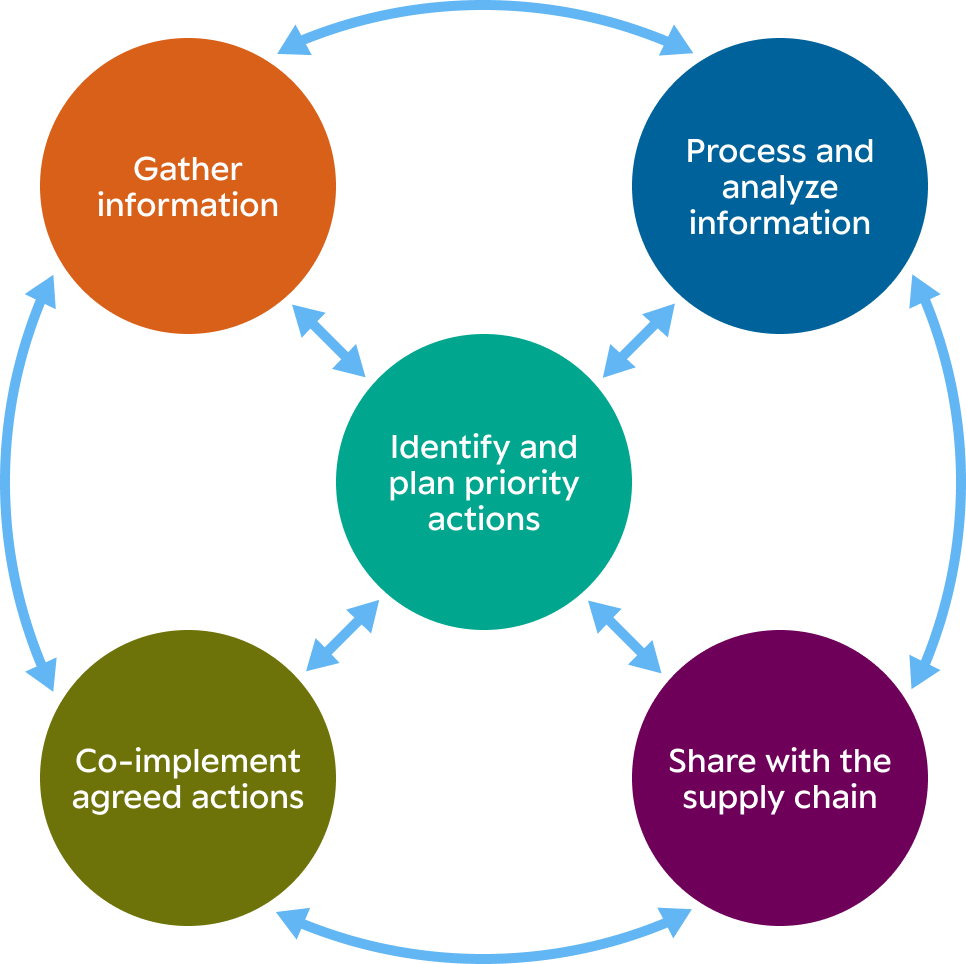
The SELF is an iterative tool used to understand the lives and livelihoods of small-scale producers. By continuously cycling through information gathering and sharing, we can better identify and implement actions that support human rights and resilient supply chains.
Using the SELF tool
- Plan and scope what you want to learn (baseline vs. quick check-in).
- Listen and learn using focus groups, interviews, community mapping, transect walks, or other forms of open-ended information gathering.
- Synthesize and map challenges, resources, and opportunities (including gendered perspectives).
- Prioritize actions with partners, noting risks to mitigate and opportunities to grow.
- Implement and track progress, adjusting and repeating as needed.
- Share and iterate with communities and supply-chain partners, refining as you go.
SELF feedback
We welcome your comments, questions, and suggestions about our Socio Economic Learning Framework (SELF).
Downloads
SELF tool
Download PDF 198.7 KB – SELF toolSELF key informant interview guide
Download PDF 172.4 KB – SELF key informant interview guideSELF focus group discussion guide
Download PDF 179.2 KB – SELF focus group discussion guideSELF community mapping guide
Download PDF 164.9 KB – SELF community mapping guideKeep exploring
Change & impact
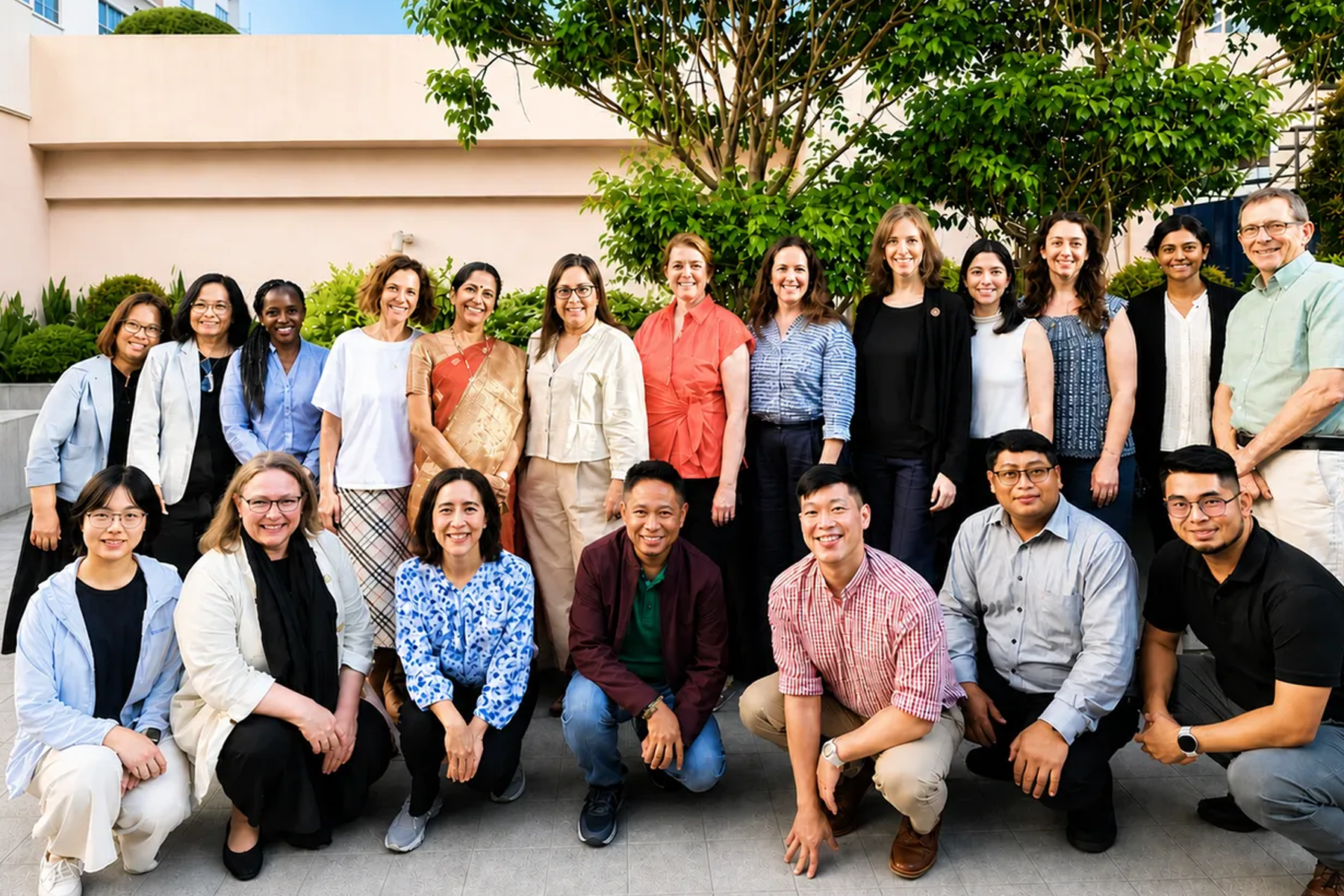
Social Sustainability Advisory Group
This advisory group helps us explore ways to promote a human rights-based approach to sustainability.
Read more – Social Sustainability Advisory Group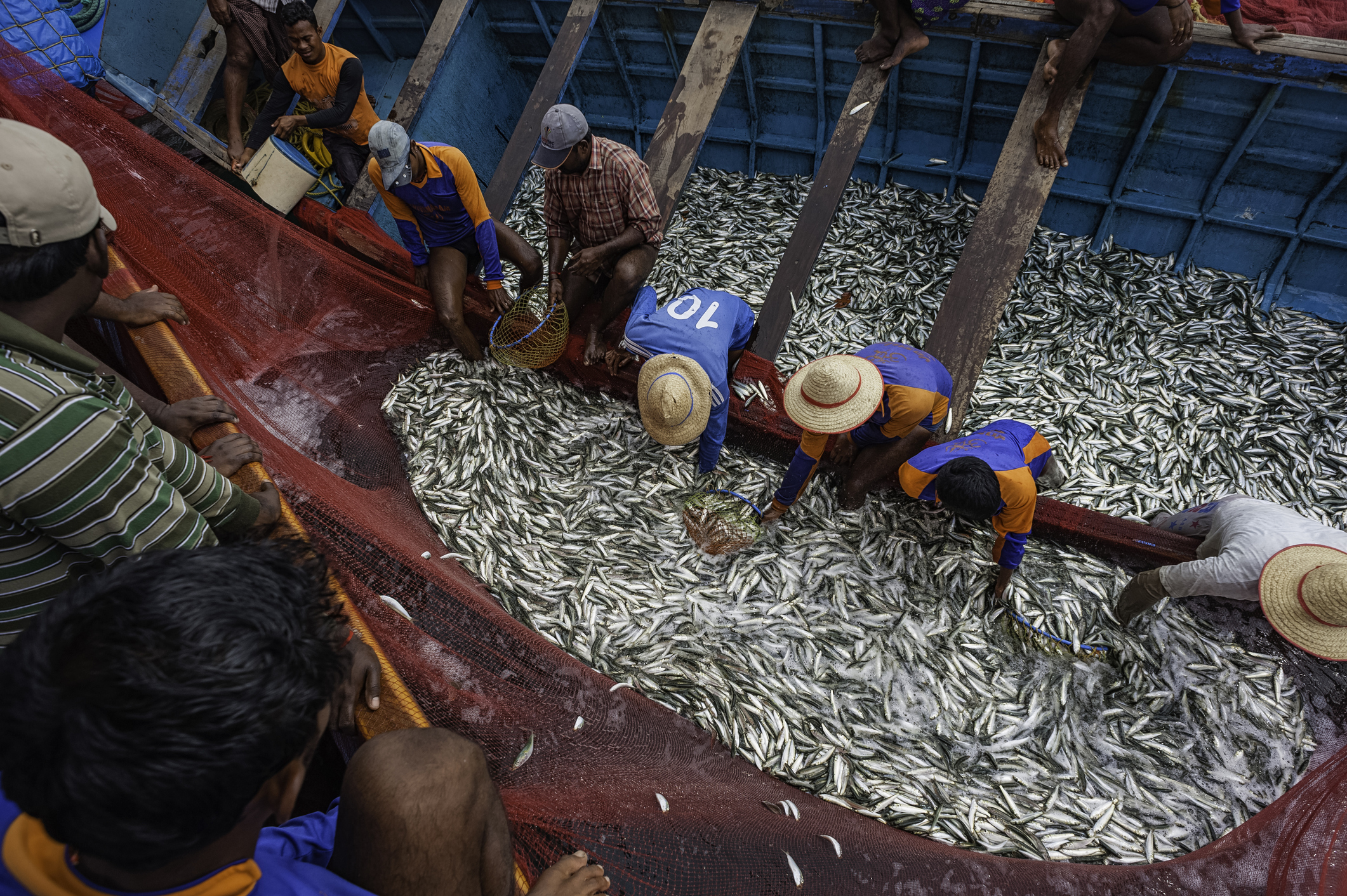
Change & impact
Seafood Social Risk Tool
Seafood supply chains are complex, increasing risks of labor abuse, discrimination, and rights violations.
Read more – Seafood Social Risk Tool