

Climate risk assessment tool
At Monterey Bay Aquarium, climate adaptation and resilience are core to our efforts to conserve the ocean, advance sustainable seafood, and stand up for the workers who bring seafood to our tables.
Meet the tool
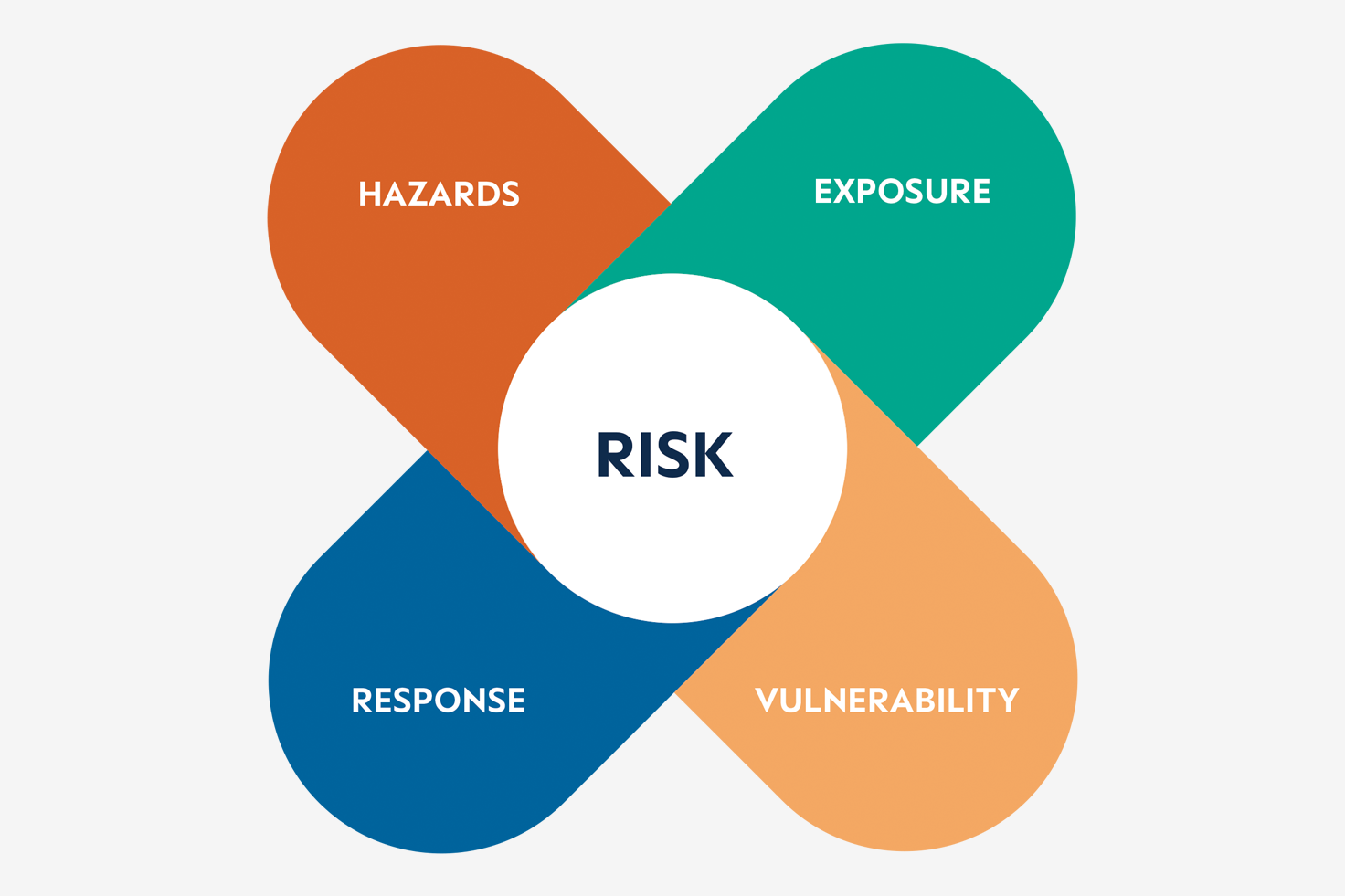
The four interconnected components: climate hazards, exposure, vulnerability, response.
We created a powerful tool called the Climate Risk Assessment framework to create a more resilient global aquaculture industry. It evaluates climate risk through four interconnected components: climate hazards, exposure, vulnerability—including both sensitivity and adaptive capacity, and response. The findings are based on extensive research, including literature reviews, climate data modeling, mapping, expert reviews, socio-economic baselines, and input from farmers and communities about what they are experiencing and what matters most to them.
Why it matters
Aquaculture, the farming of aquatic plants and animals, is at high risk from the impacts of climate change due to the burning of fossil fuels. Millions of people rely on aquaculture for their livelihoods and food. However, many small-scale farmers lack access to weather data, bank loans, insurance, training, or a say in how their industry is run.
When these farms fail or ecosystems are damaged, it hurts marine life and habitats, it worsens poverty in local communities, and reduces global food security.
How it connects to you
A warming ocean doesn't just hurt marine life—it changes what ends up on your dinner plate. Championing the people behind the catch ensures a stable, sustainable seafood supply, protects ocean wildlife, and the farmers and workers who feed the world.
The challenge
Around the world, extreme weather caused by climate change is transforming our oceans, lakes, and rivers. For seafood farming communities, climate stressors are converging:
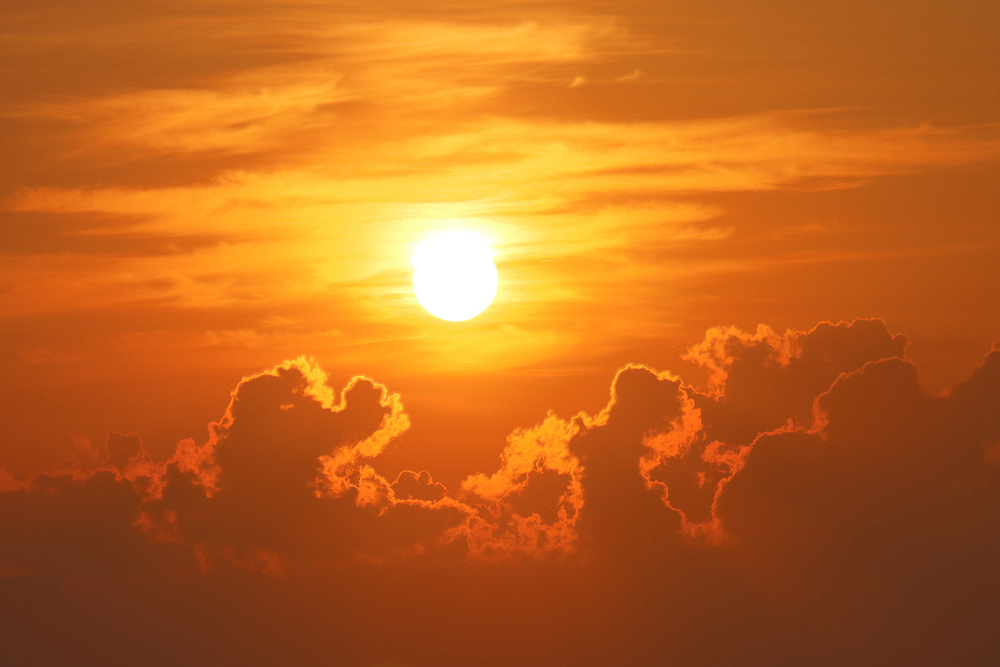
Heatwaves and rising temps
Heatwaves and rising temps
Hotter water and long heatwaves can stress and even kill fish, shrimp, shellfish, and other sea life. This ruins water quality, makes it easier for diseases to spread, and makes it dangerous for people working outside.
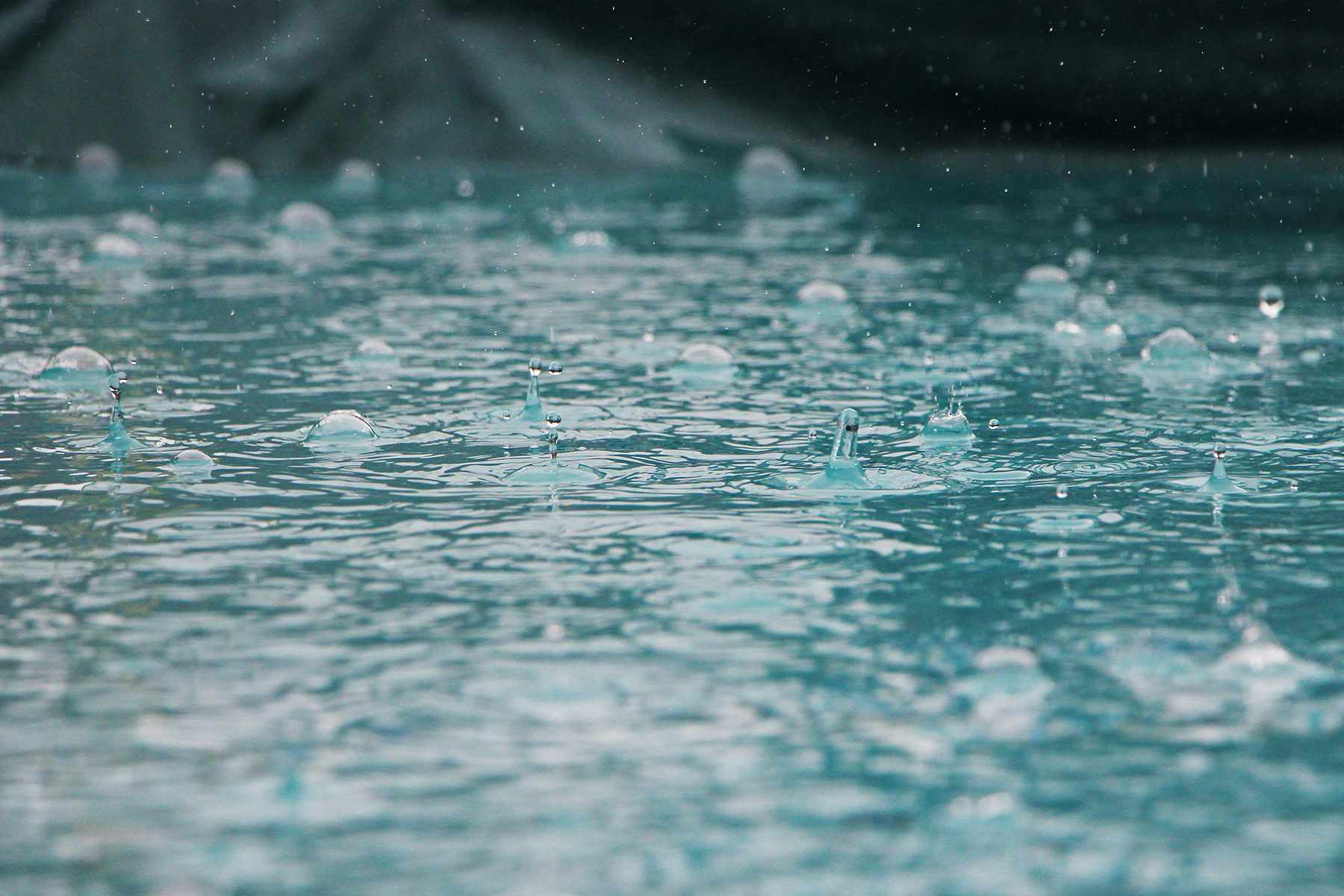
Rain and flooding
Rain and flooding
Changing rain patterns, floods, and droughts can disrupt the timing of fish farming and ruin entire harvests. These changes also spread diseases more quickly and can damage equipment, roads, and homes.
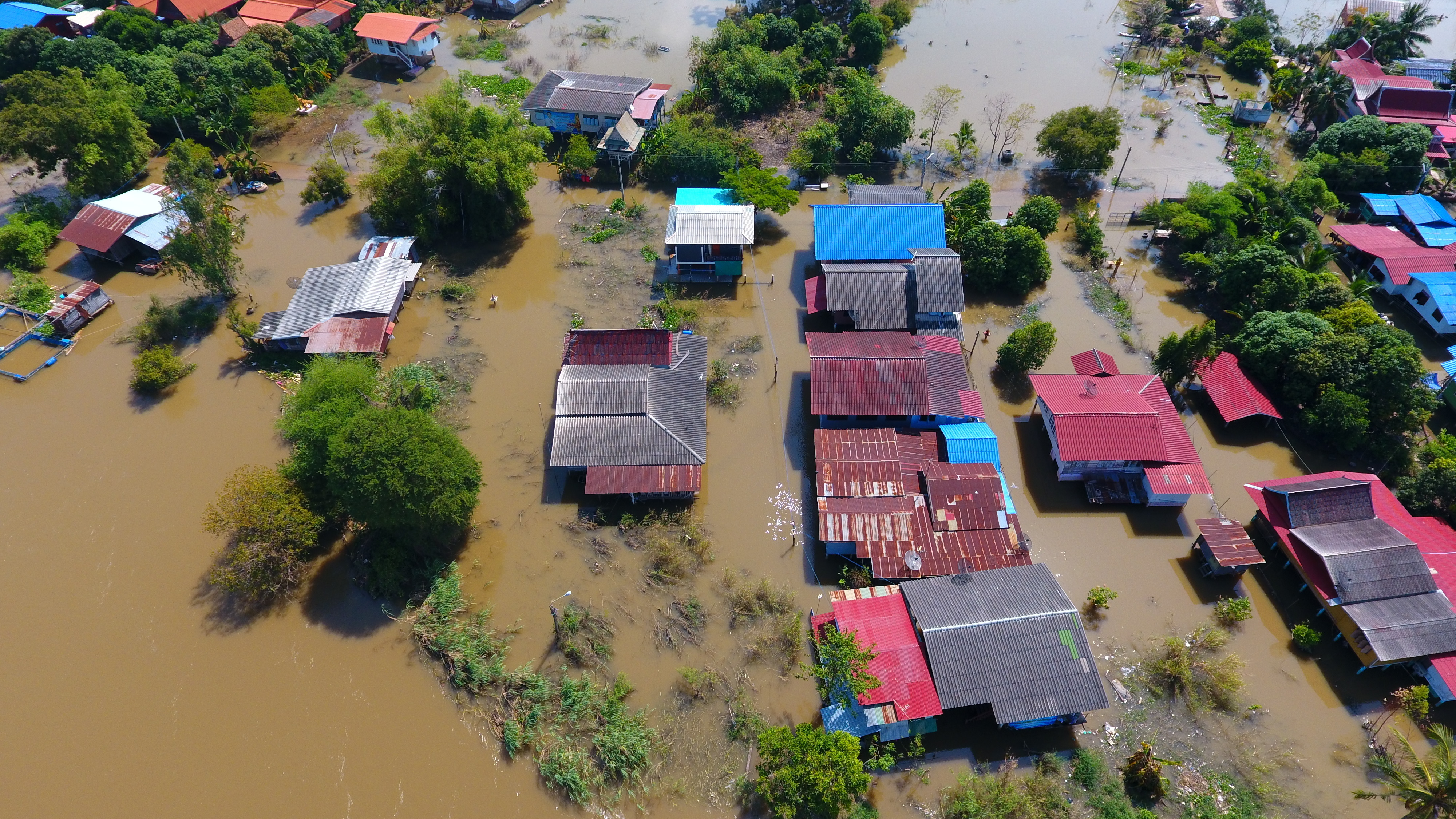
Rising seas and sinking land
Rising seas and sinking land
As sea levels rise and the land sinks, salt water reduces freshwater access, and shifts where seafood can be farmed and where people can live.
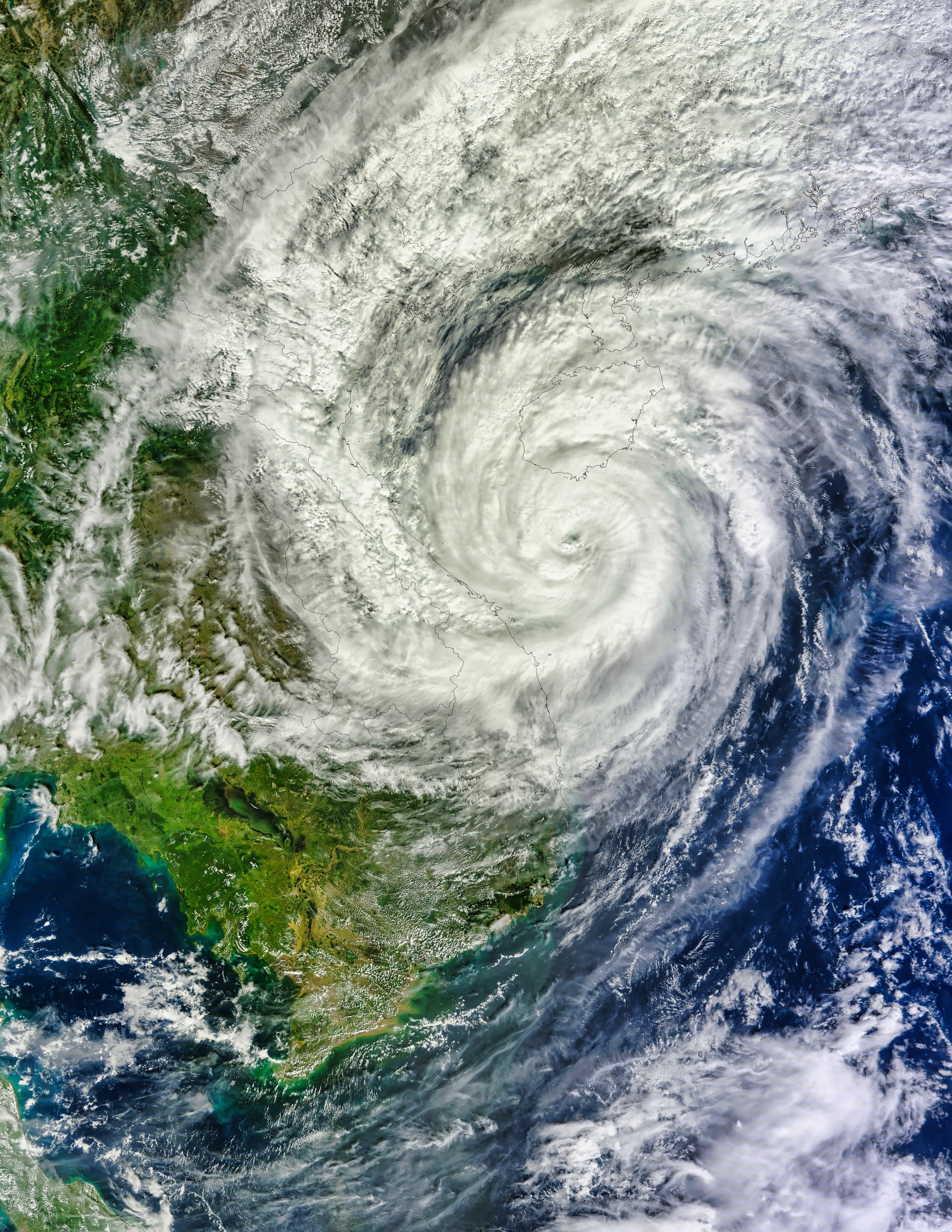
Extreme weather and storms
Extreme weather and storms
More frequent and powerful storms strike communities, damaging the environment, reshaping the lives of coastal workers, and directly impacting the food you eat at home.
Our solution
We work to protect our waters, fishers and seafood farmers, and support the businesses that get seafood to your table. Our goal is to provide the tools and information they need to spot climate risks early, identify priority adaptation needs, and foster collaboration to implement action.
Climate risk assessment framework
The Climate Risk Assessment framework draws on approaches from the Intergovernmental Panel on Climate Change and the Food and Agriculture Organization, and integrates climate, environmental, socio-economic, and governance factors to provide actionable insights.
The framework evaluates climate risk through four interconnected components and assesses the probability and extent of impact, considering interdependent hazards, cascading effects, and uncertainty:
1. Hazards
Potential occurrence of a natural or human-induced physical event or impact that may cause loss to infrastructure, livelihoods, services, and/or ecosystems.
2. Exposure
Historical and projected exposure of species, habitats, farmers, communities, and supply chain hazards.
3. Vulnerability
Sensitivity: Susceptibility of ecosystems, farmers, and communities to short- or long-term losses from climate impacts based on intrinsic and contextual factors and incorporating economic importance and local perceptions.
Adaptive capacity: Ability of the aquaculture system, institutions, species, habitat, farmers, and communities to proactively respond to or recover from climate impacts influenced by environmental, governance, and socio-economic factors.
4. Response
Actions and investments to reduce sensitivity and build capacity for adaptation and resilience of farms, communities, and the overall production system.
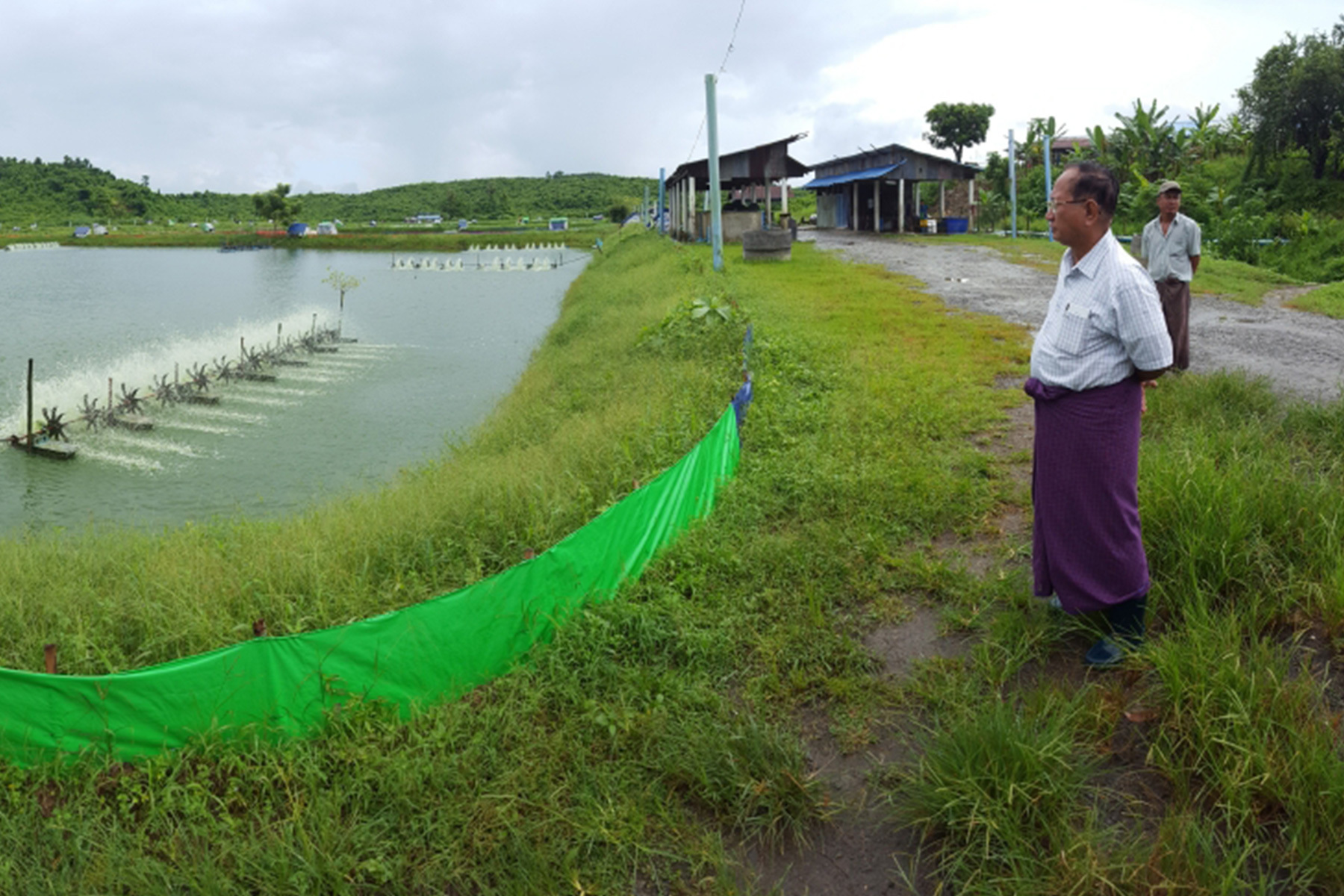
Climate-disease interactions
As the climate changes, warmer water can worsen outbreaks of disease and parasites in aquaculture operations. We are focused on understanding the link between climate and disease management in seafood farming to support healthier farms and animal welfare.
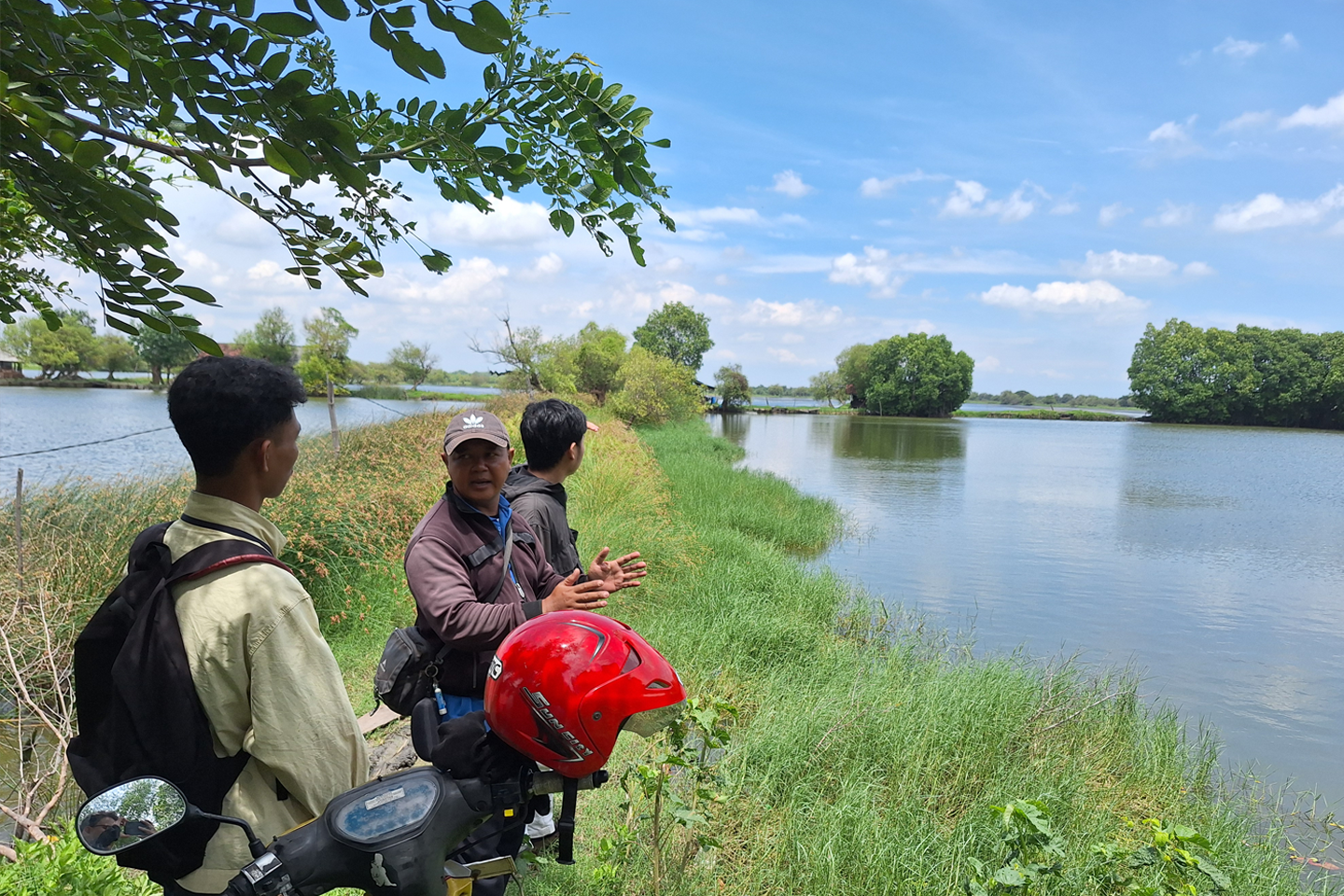
Climate adaptation
Using the recommendations from our Climate Risk Assessment, we work with farmers, communities, industry, and governments to identify and co-design ways to adapt to climate change and build resilience. This includes developing more climate-smart farming practices, technology, monitoring, and better access to climate and weather information. We are also exploring ways to mobilize the finance sector to assist.
Climate change is already affecting coastal seafood farmers. Our Climate Risk Assessment tool offers a practical, evidence-based way to understand where climate vulnerabilities are highest and where adaptation efforts are most needed. What makes this tool special is that it includes input from farmers and communities about their current experiences and highlights unseen climate stressors.
Tim Moore,
Global Fellow, Monterey Bay Aquarium
Vietnam Mekong Delta Climate Risk Assessment
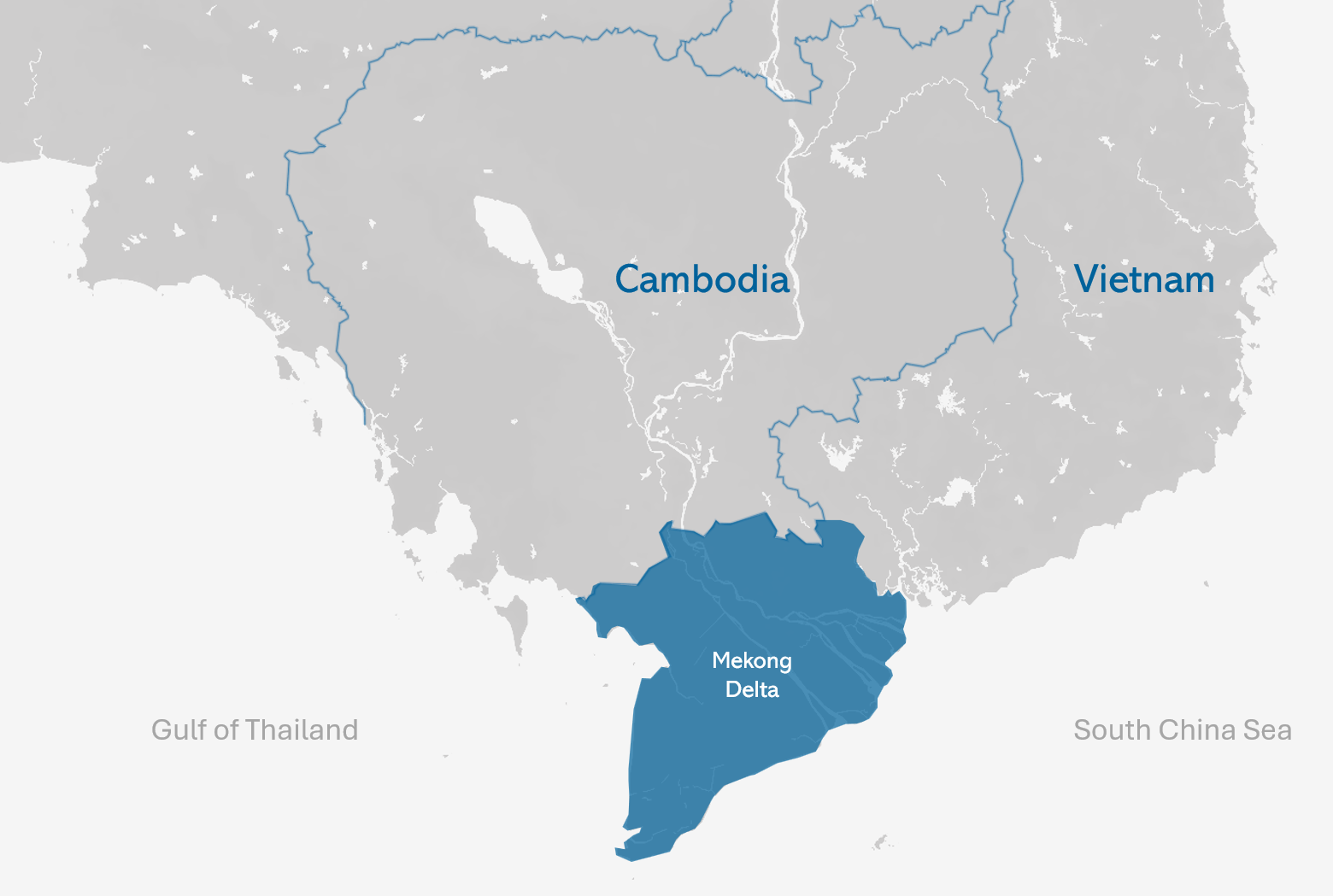
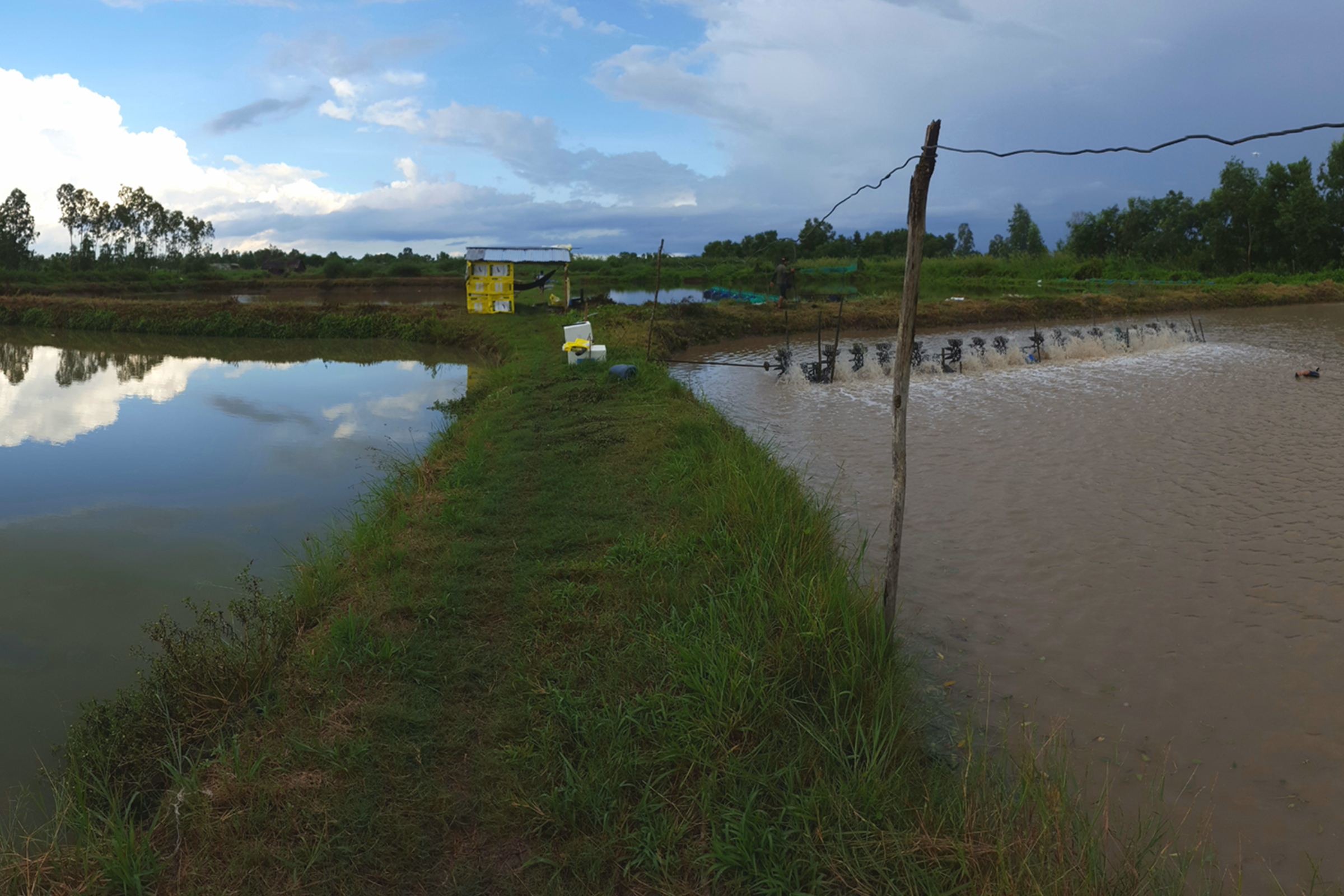
Our experts deployed the Climate Risk Assessment tool in communities of Vietnam’s Mekong Delta who farm black tiger shrimp. We found that climate change is increasing the risks and unpredictability of shrimp farming through increasing temperatures and heatwaves, change in precipitation and flooding, drought and water availability, effective sea-level rise, salinity intrusion, and extreme weather. These risks jeopardize small-scale shrimp farms and the ecosystems vital to black tiger shrimp, including mangrove forests that also protect coastlines. This destruction leaves both coastal livelihoods and the environment increasingly vulnerable.
Climate adaptation priorities include protecting and restoring mangroves, improving information services so farmers can better plan, expanding water-saving technologies, and financing farm upgrades for deeper ponds and shade cover. As well as promoting rice-shrimp, mangrove-shrimp and mixed-shrimp, crab, and fish farming methods. These approaches offer environmental and economic benefits in the face of climate change.
Vietnam Mekong Delta Climate Risk Assessment
Read the full summary PDF 817.5 KB – Vietnam Mekong Delta Climate Risk AssessmentExplore more tools and initiatives
Change & impact
Verification Platform
Our platform enables small-scale shrimp farmers to demonstrate their environmental sustainability.
Read more – Verification Platform