

Question: You earned a Bachelor's degree in biological anthropology and a Master's degree in public administration and environmental policy. What inspired your career path?
Answer: My studies gave me a foundational framework for environmentalism. Biological anthropology explores human evolution and how our biology is so closely connected to our ecology. I started taking environmental policy classes on the side, and it was all clicking for me. It was also clear to me early on that I needed to work specifically on marine policy. I had a strong connection to the aquatic and marine environment from an early age — swimming in lakes, daydreaming next to Puget Sound, and spending a lot of time up in the Salish Sea. I’ve also been inspired by several bosses who were incredible campaigners.
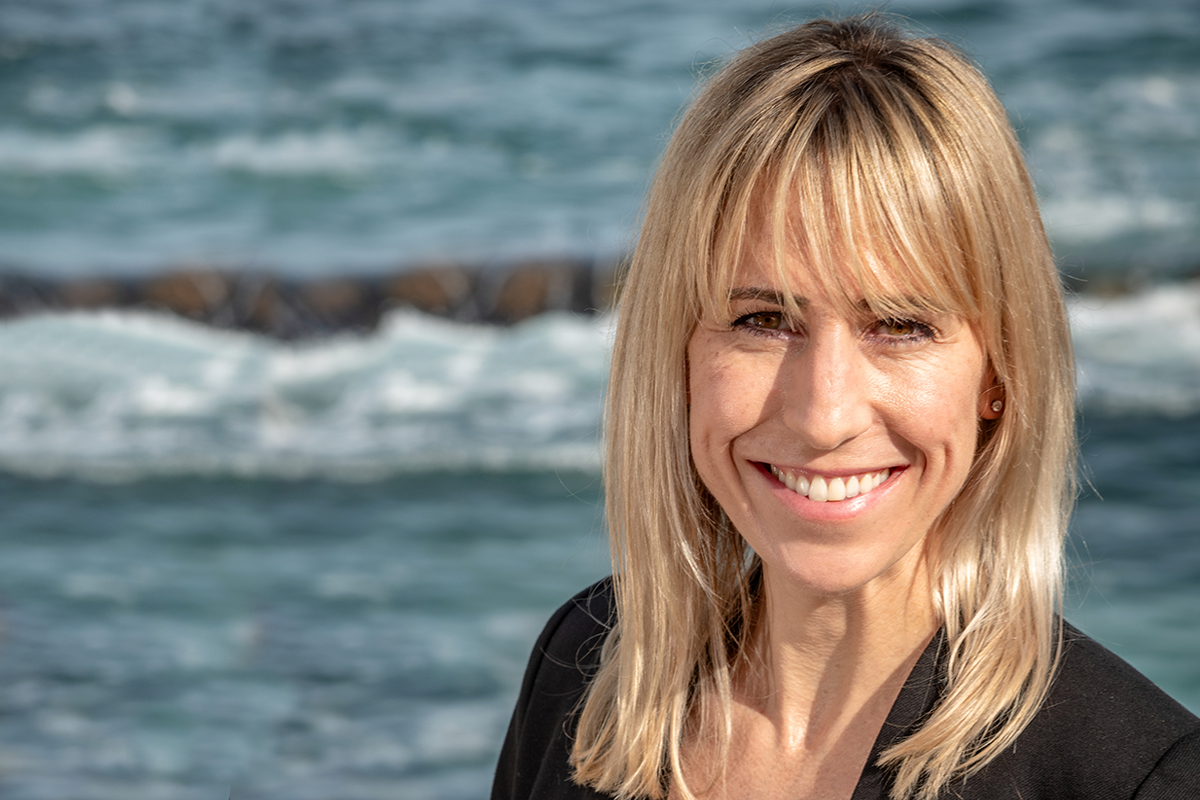
Eleanore Humphries
Q: Tell us what your average workday looks like.
A: There’s never a dull moment! I collaborate with people inside and outside of the Aquarium, and I’m always thinking about how to support or strengthen coalitions and collective power. I get to meet with policymakers and exchange ideas with a lot of different people each day, which I love. I also follow the latest political momentum, read regulations and bill text, and try to understand scientific findings that need to be centered in marine policy solutions.
The most fundamental work I do is try to learn about not just environmental impact, but also the community impact, of climate change, plastic pollution, overfishing, and loss of biodiversity and ecosystem function so we can start to shape strong solutions. The people who are impacted often know what needs to be done, so you better check in with them.
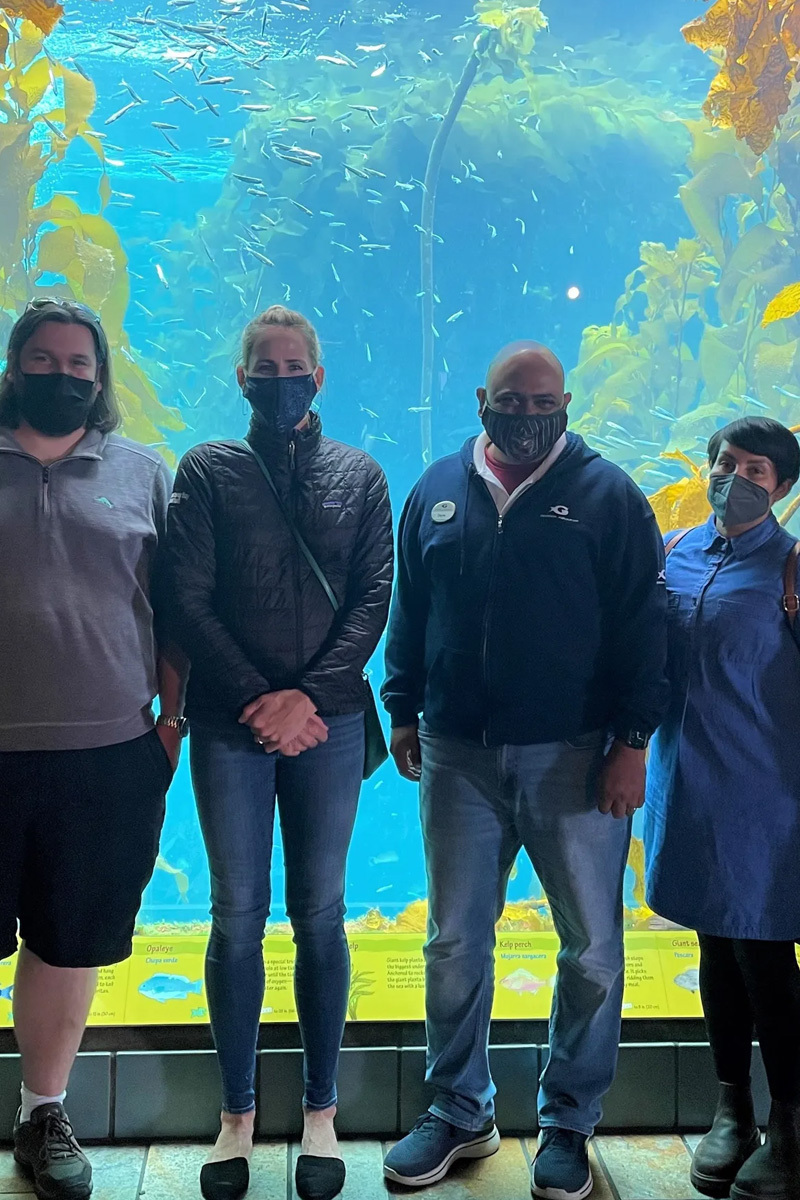
Eleanore (second from left) enjoys a conservation tour with partners from other aquariums in California and Georgia.
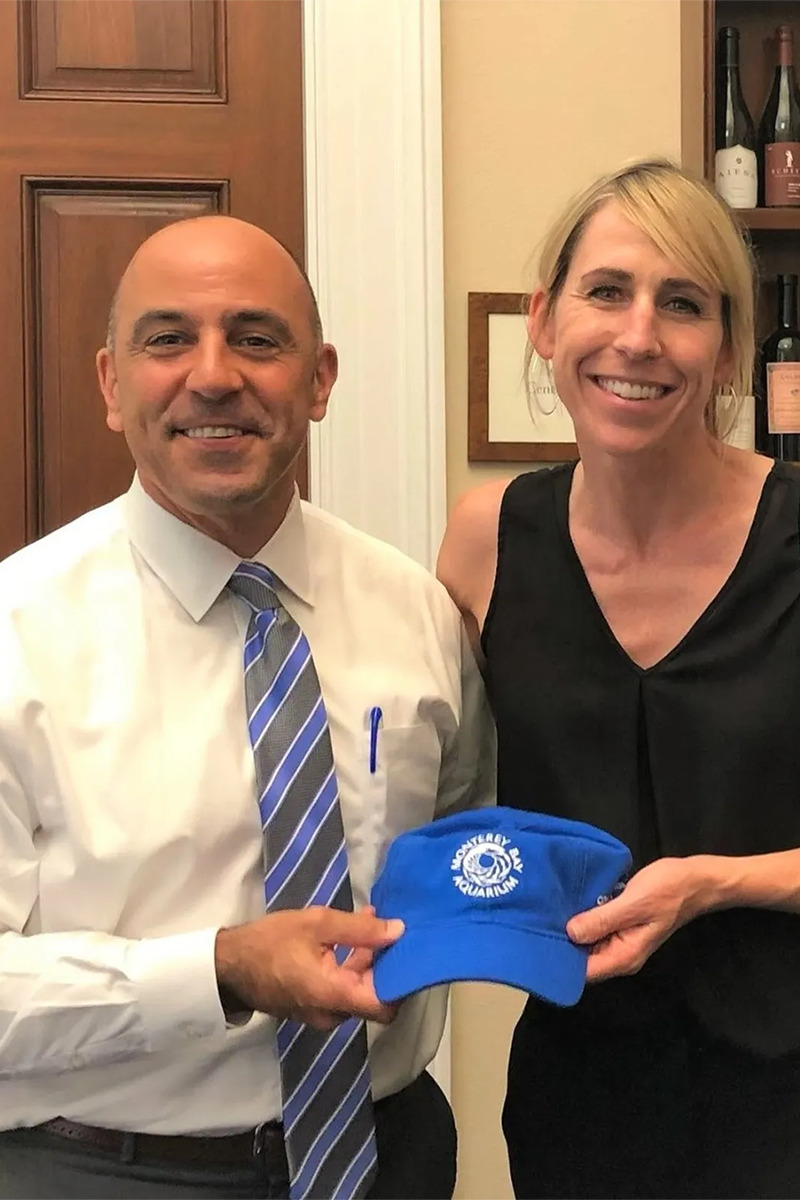
Eleanore visits with U.S. Representative Jimmy Panetta (CA-19) in Washington DC.
Q: You worked on environmental initiatives for the U.S. Arctic program at The Pew Charitable Trusts for many years. How does that translate to what you do now on ocean policy?
A: The team I worked with on Arctic policy taught me that places in the ocean and on the land have history — political history, personal history, ecological history. If you're doing your job well, you need to learn about and understand all of those things as you try to protect ecosystems. That experience gave me the tools and the experience to understand that even if you have a clear vision you must have incredible support and boots on the ground to make lasting change. Finally, and importantly, it taught me a lot about the colonizing perspective in conservation and environmental policy work and my White identity working in this space. I have worked with great people who patiently helped me understand how important it is to listen and learn and go slow. I think about those lessons every day.
Q: You’re the policy chair for the Aquarium Conservation Partnership (ACP), which the Monterey Bay Aquarium co-founded. Tell us more about the ACP.
A: There are 26 aquariums from around the United States in the ACP, and we are still growing. We work together on important marine and freshwater policy and decision-making at the regional and national level. We raise a collective voice for new models of conservation, essential protections, and common sense policy fixes. We are able to bring our science expertise, conservation programming, public engagement (dozens of millions of people visit our aquariums each year), and experience as regional employers and businesses to important policy conversations.
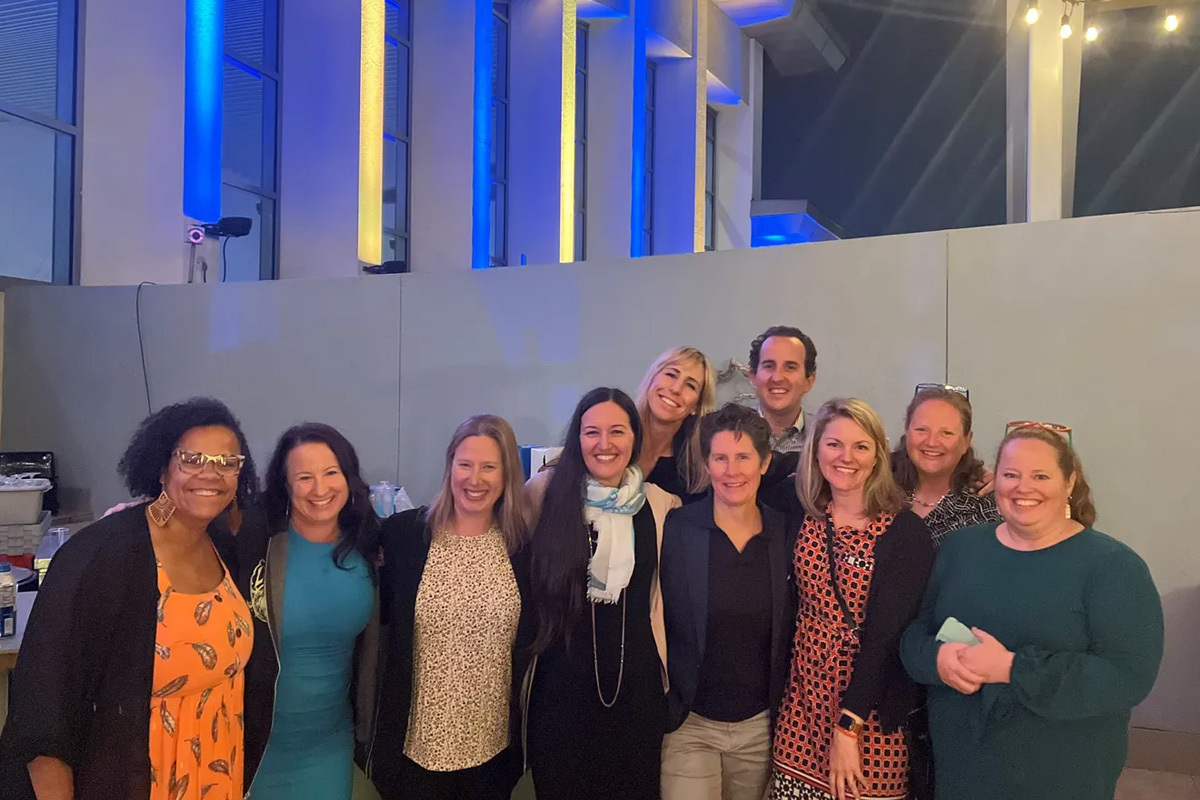
Eleanore with partners from the Aquarium Conservation Partnership leadership team.
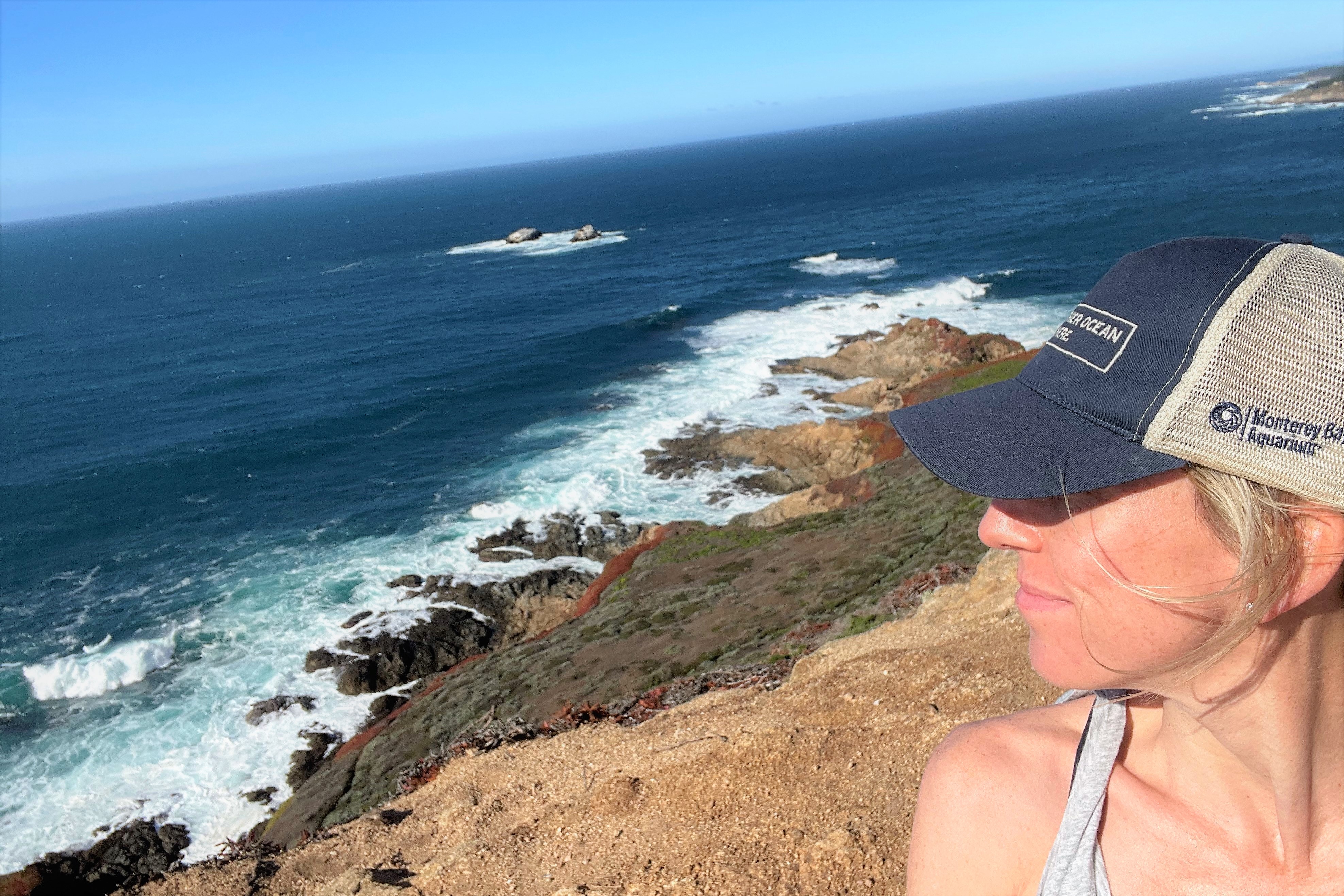
Having a strong connection to the ocean from an early age influenced Eleanore to follow a career in ocean or marine policy.
Q: What makes you happy to come to work?
A: What's most important is who I work with. How they carry themselves in the difficult work that we do. My favorite part is working with my colleagues on hard issues because I have trustful relationships with coworkers who are kind, who show up and dive in, and who bring a sense of humor and passion to this job. My second favorite part is, when talking to people from all around the country, I often get to hear people share their respect or admiration for, or sometimes very personal connection to, our Aquarium. That is something special. It’s really a testament to our Aquarium colleagues’ excellence and the power of connecting people with the ocean and our natural world.
Keep exploring
Story
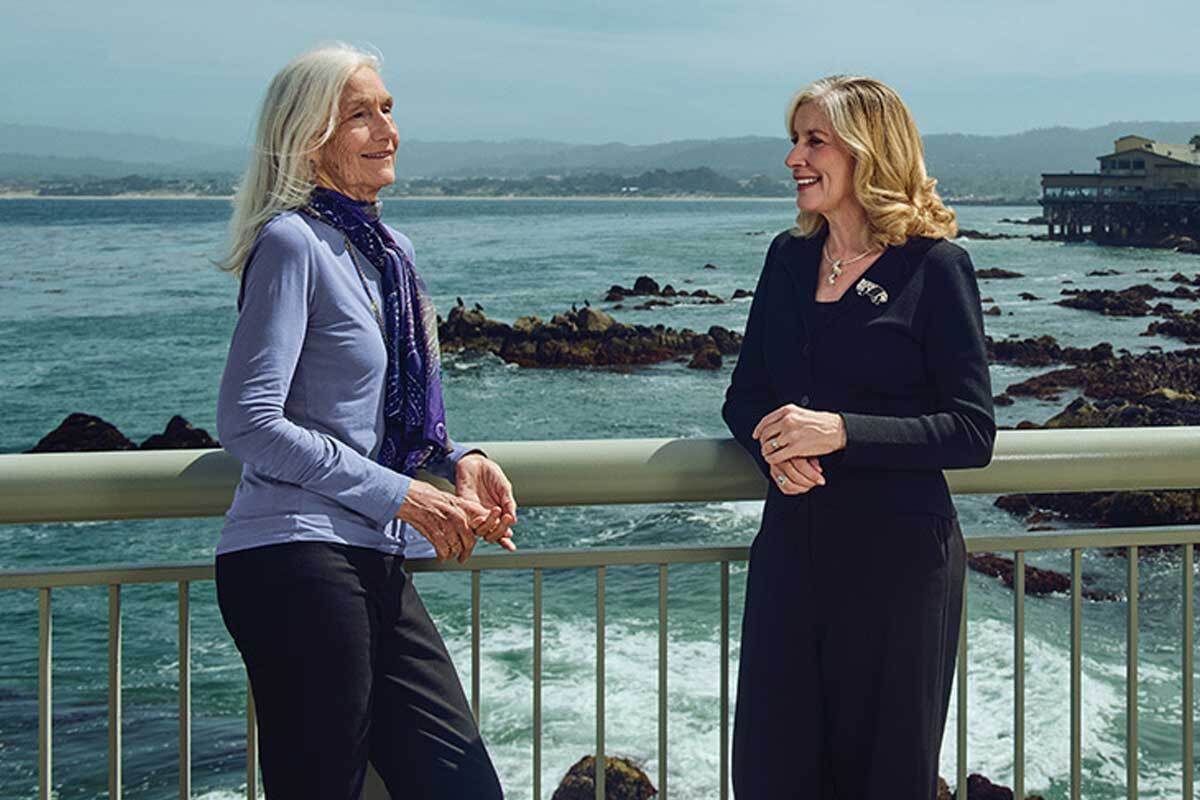
Q&A: Julie Packard and Dr. Jenny Gray
Get to know incoming Chief Executive Officer Jenny Gray in this Q&A with Julie Packard.
Read the Q&A – Q&A: Julie Packard and Dr. Jenny Gray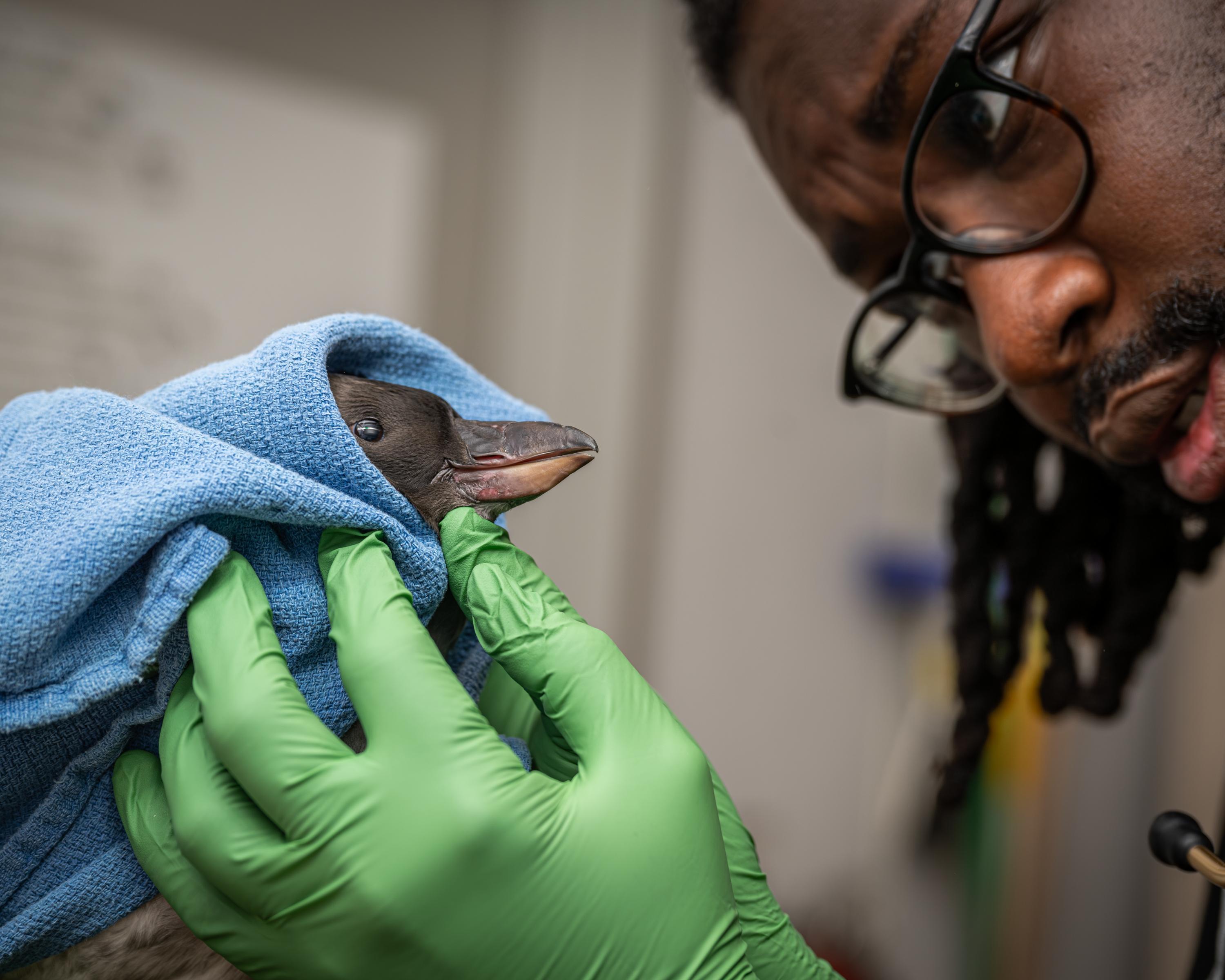
Story
Elevating Black voices in ocean science and conservation
Why representation in ocean science matters.
Read story – Elevating Black voices in ocean science and conservation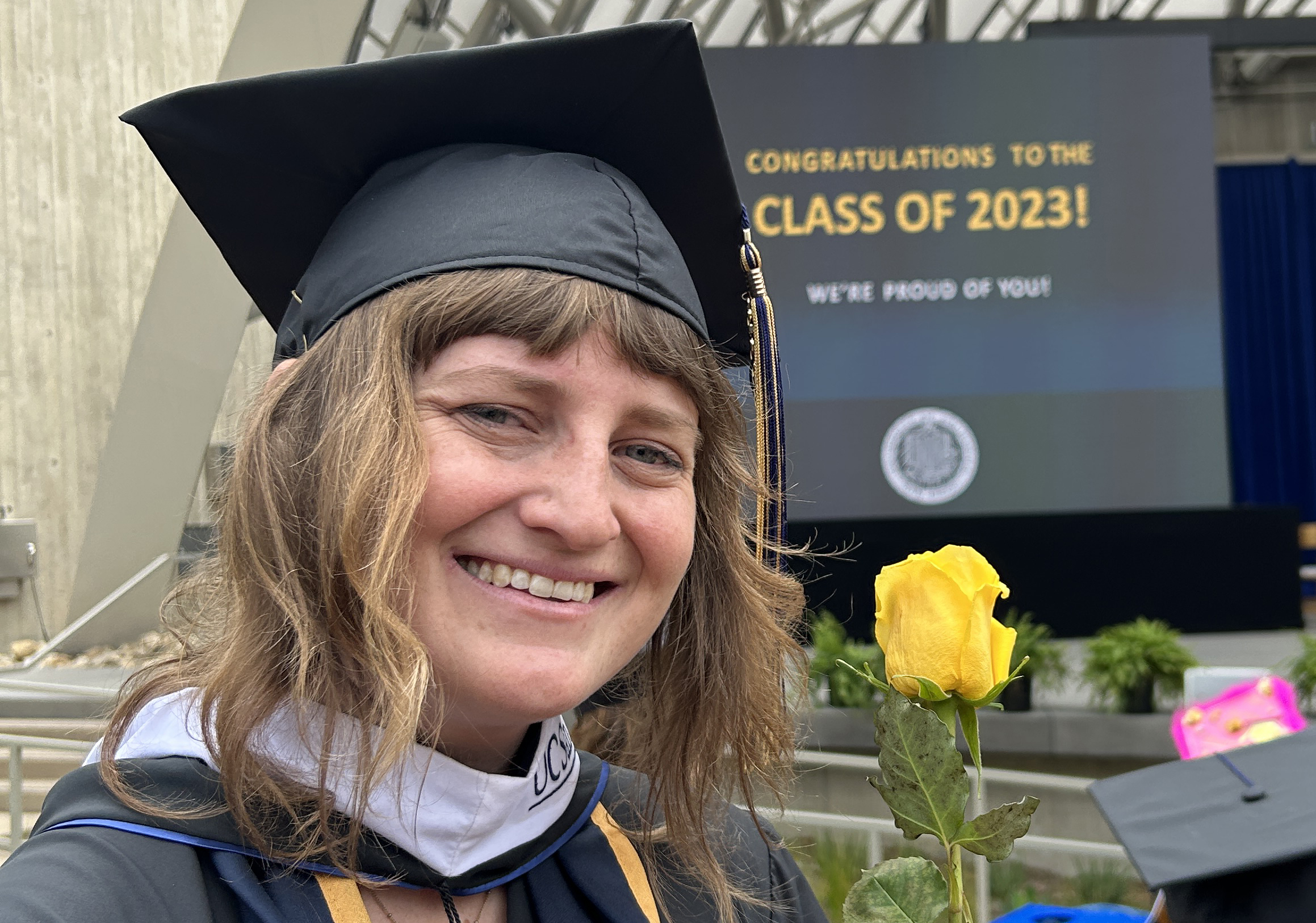
Story
Connecting with the deep sea through art, science, and identity
Dive into a graphic novel exploring ocean life through a lens of neurodiversity and a search for belonging.
Read story – Connecting with the deep sea through art, science, and identity