

Rocky shore
The rocky shore is one of the ocean’s most rugged and variable habitats.
Twice a day, as sea levels rise with the tide, seawater rushes in and submerges rocky formations at the ocean’s edge. During low tide, the seawater recedes—revealing pools and crevices packed with sturdy sea life.
Related exhibits and live cams
Exhibit
Rocky Shore
Explore the wonders of the rocky shore, where waves crash and life moves to the rhythm of the tides.
Explore exhibit – Rocky Shore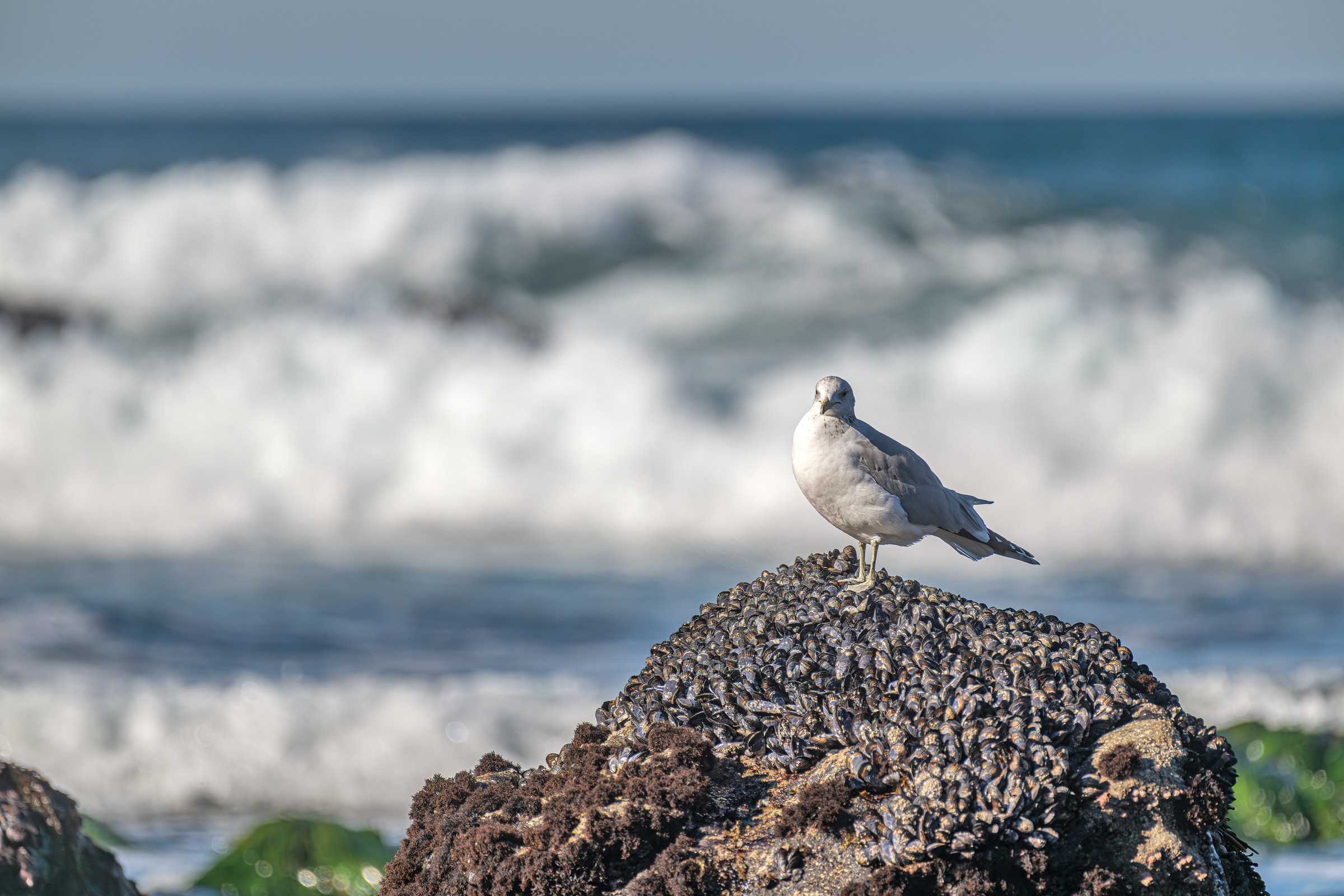
Live cam
Monterey Bay Cam
Watch our live web cam of Monterey Bay and look for otters, birds, and sailboats on Monterey Bay.
Watch cam – Monterey Bay CamLife in the intertidal zones
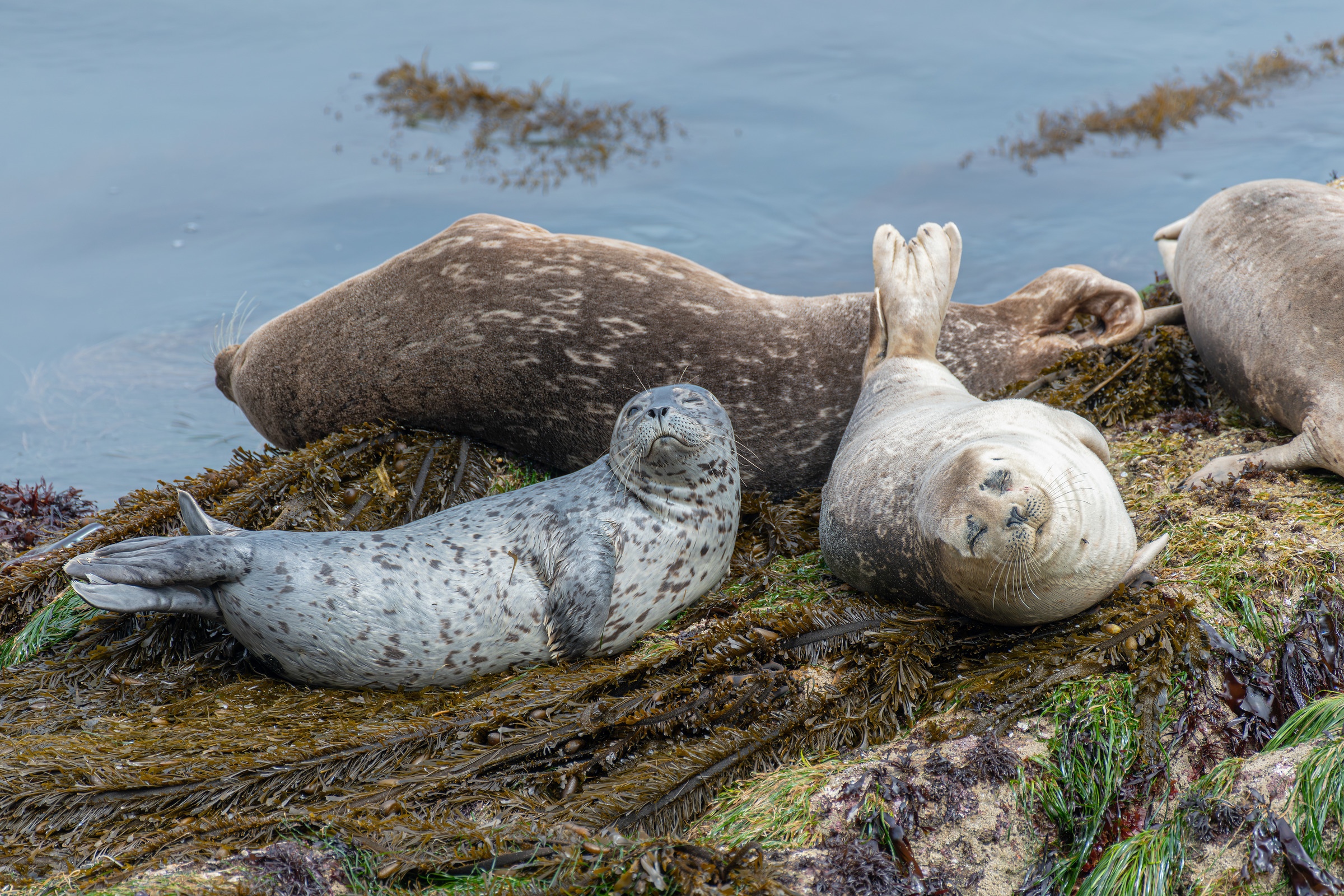
The narrow fringe of land and sea that lies between the lowest and highest tide points is called the intertidal. Here, animals and plants must tolerate a daily cycle of extremes: wet and dry, cold and hot, covered and exposed. This dramatic range of environmental conditions creates distinct zones in which different species live.
How species adapt
Waves batter the rocky intertidal. During storms, a wave can hit the shore with the force of a car going 90 miles per hour. To protect themselves from being smashed by waves or torn from rocks, plants and animals hold on, lie flat, bend with the waves or hide.
Surviving crashing waves
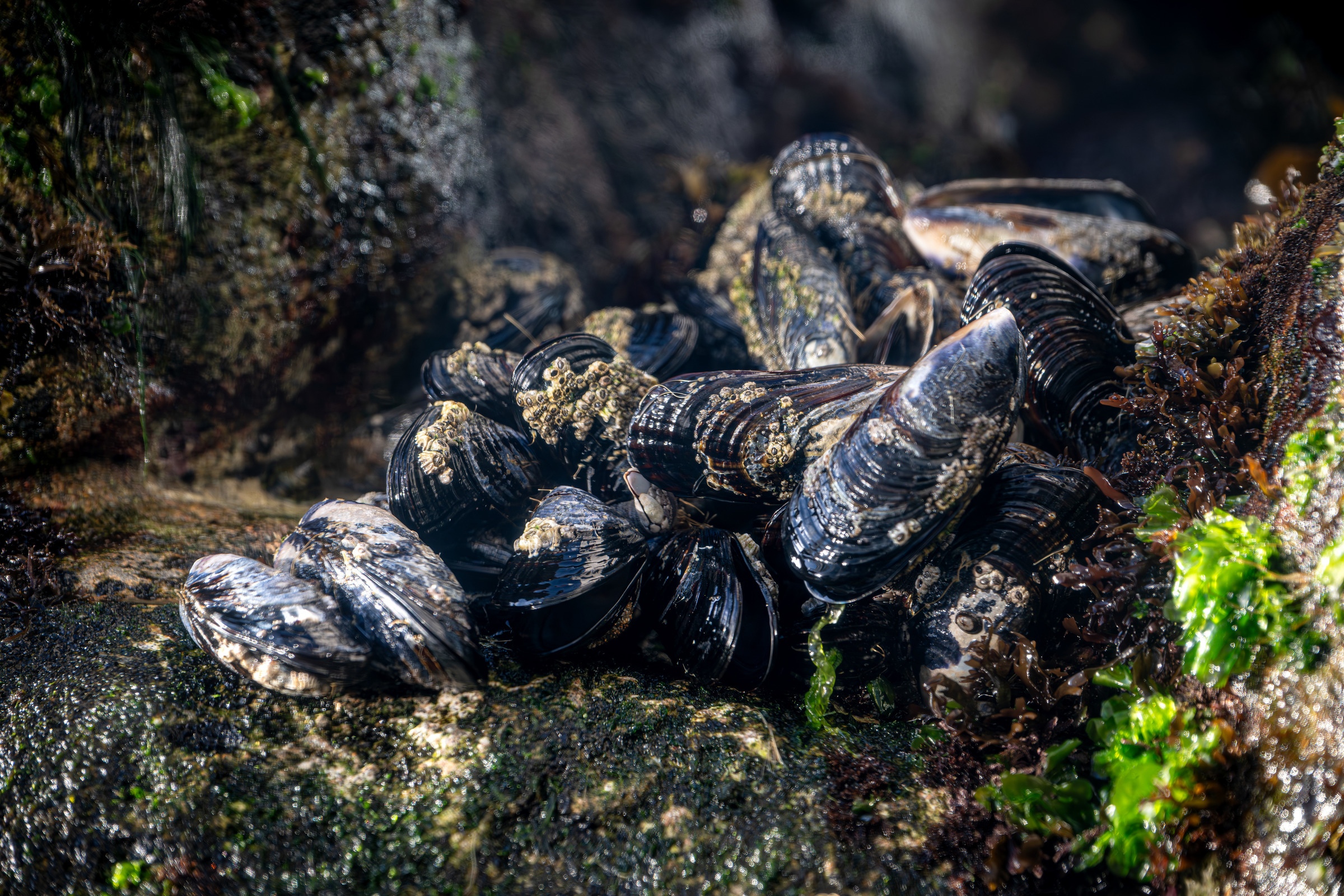
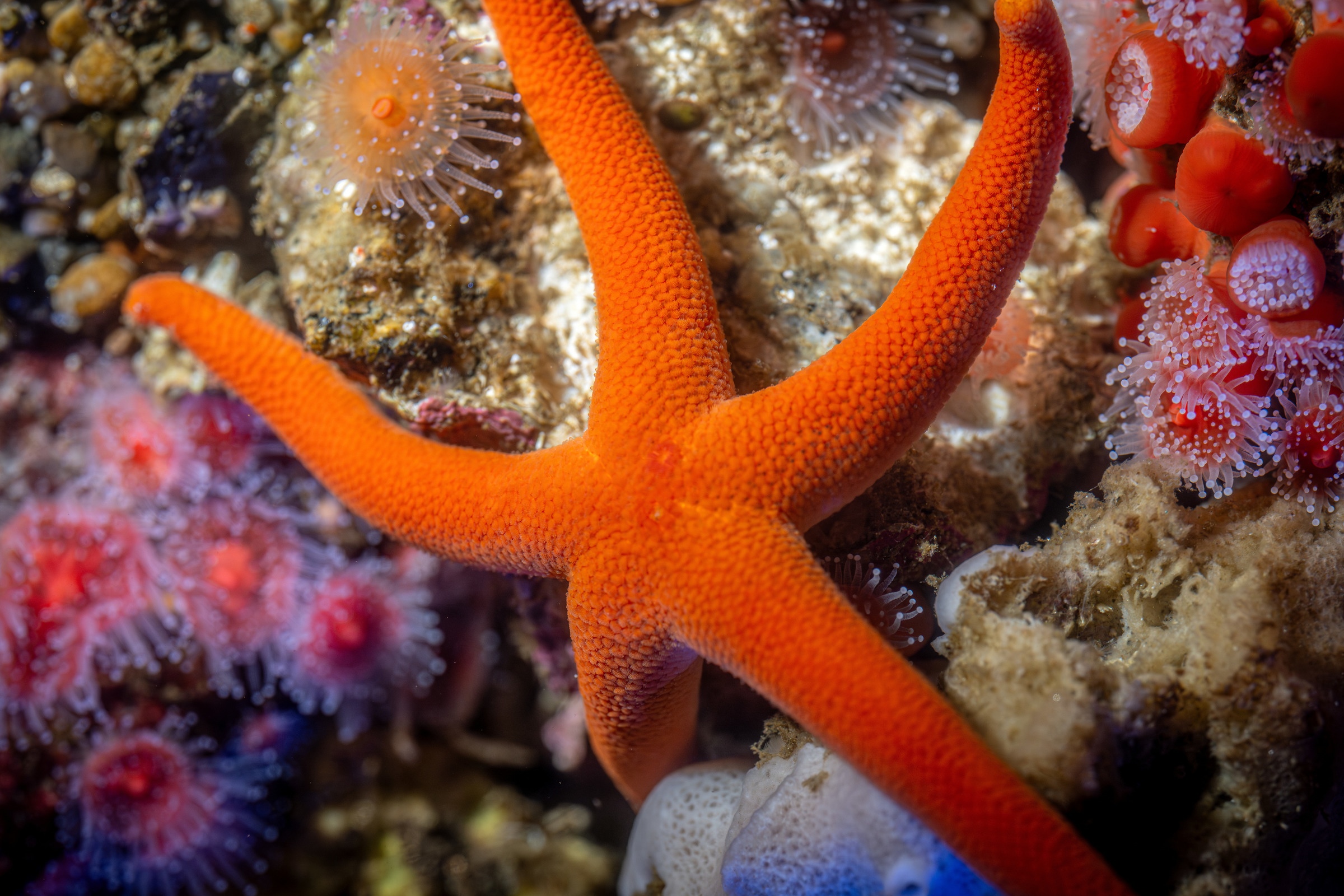
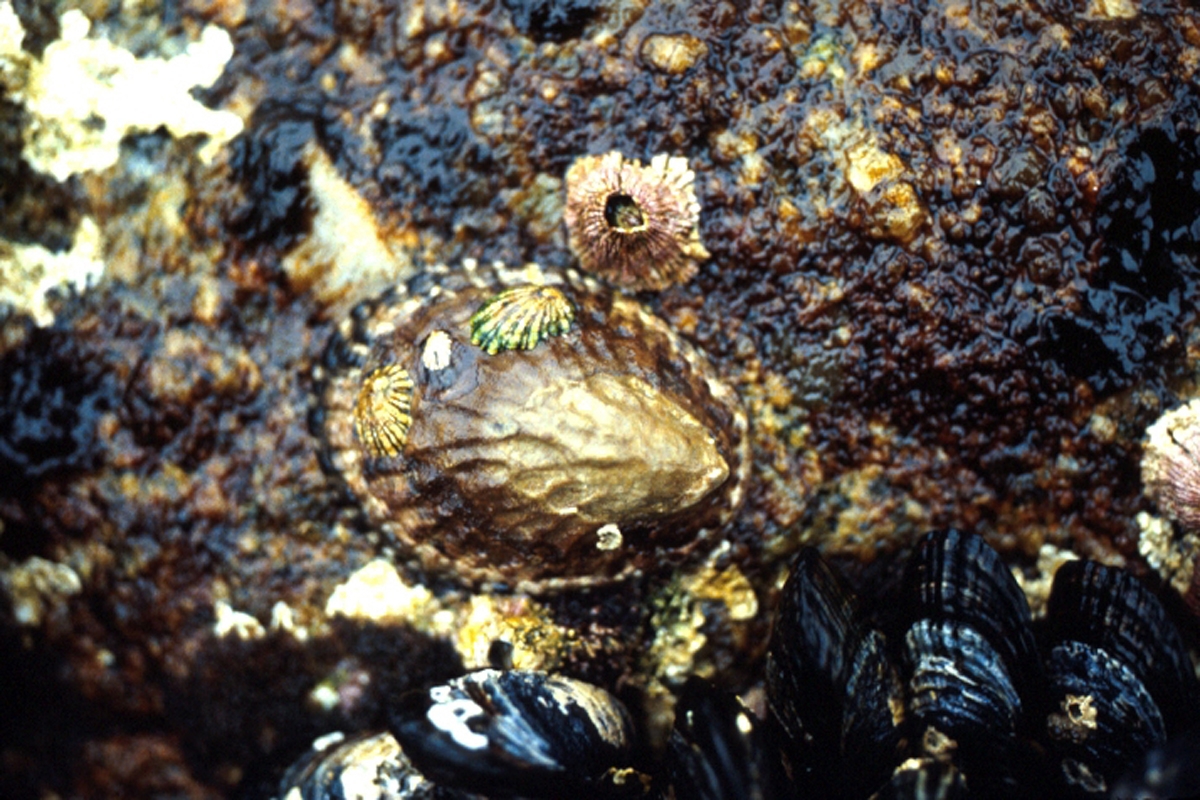
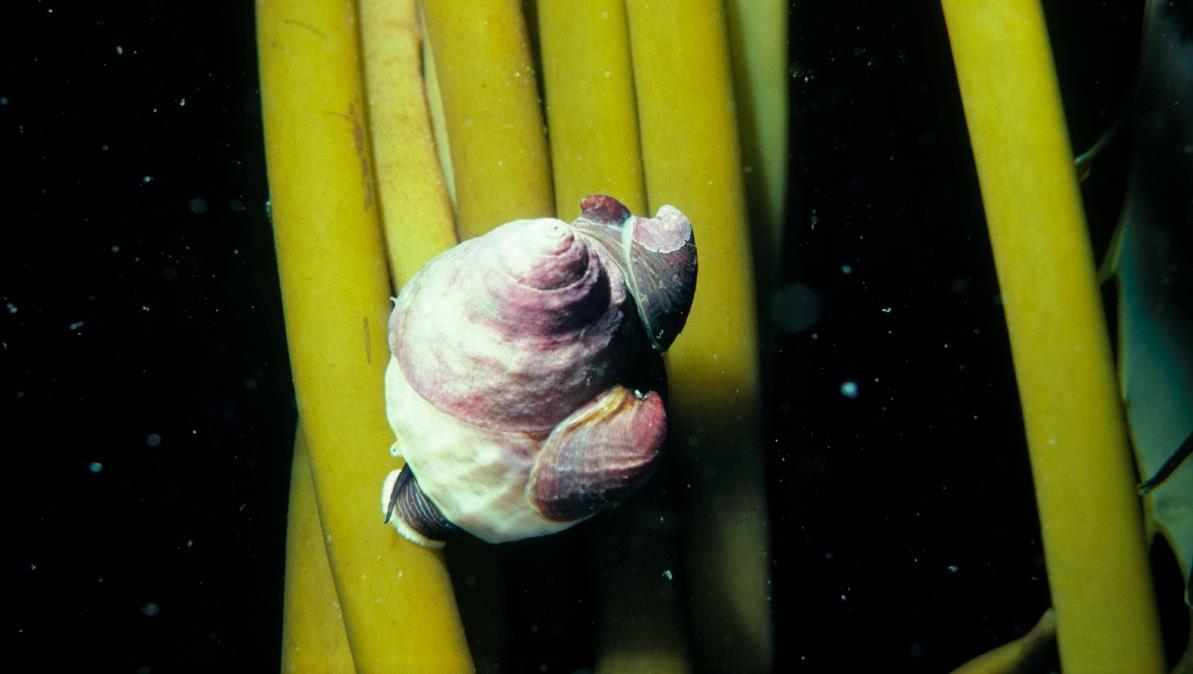
Many intertidal animals hold on tightly to avoid being swept away. Snails and chitons have a strong, muscular foot. Sea stars have thousands of tiny tube feet with suction-cup ends. Mussels glue themselves to the rocks, and seaweeds have strong, root-like holdfasts that cling to the rocks.
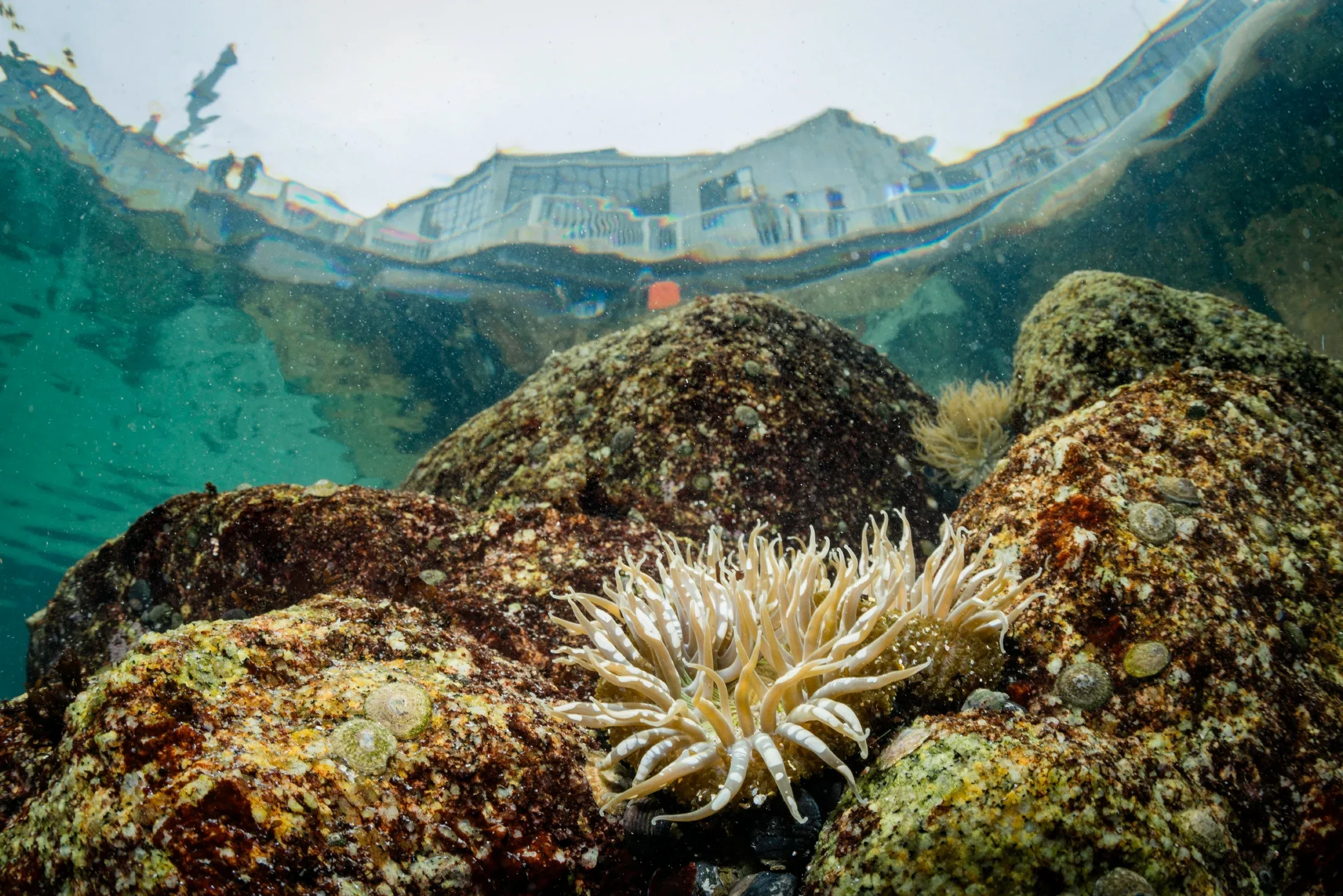
Body shape and structure also help plants and animals survive shattering waves. The hat shape of limpets and barnacles and the flat shape of chitons and abalone offer little resistance to the seawater rushing past. Snails, crabs, barnacles, and mussels have strong shells to protect them. Flexible anemones bend rather than break, and seaweeds are smooth, strong and flexible.
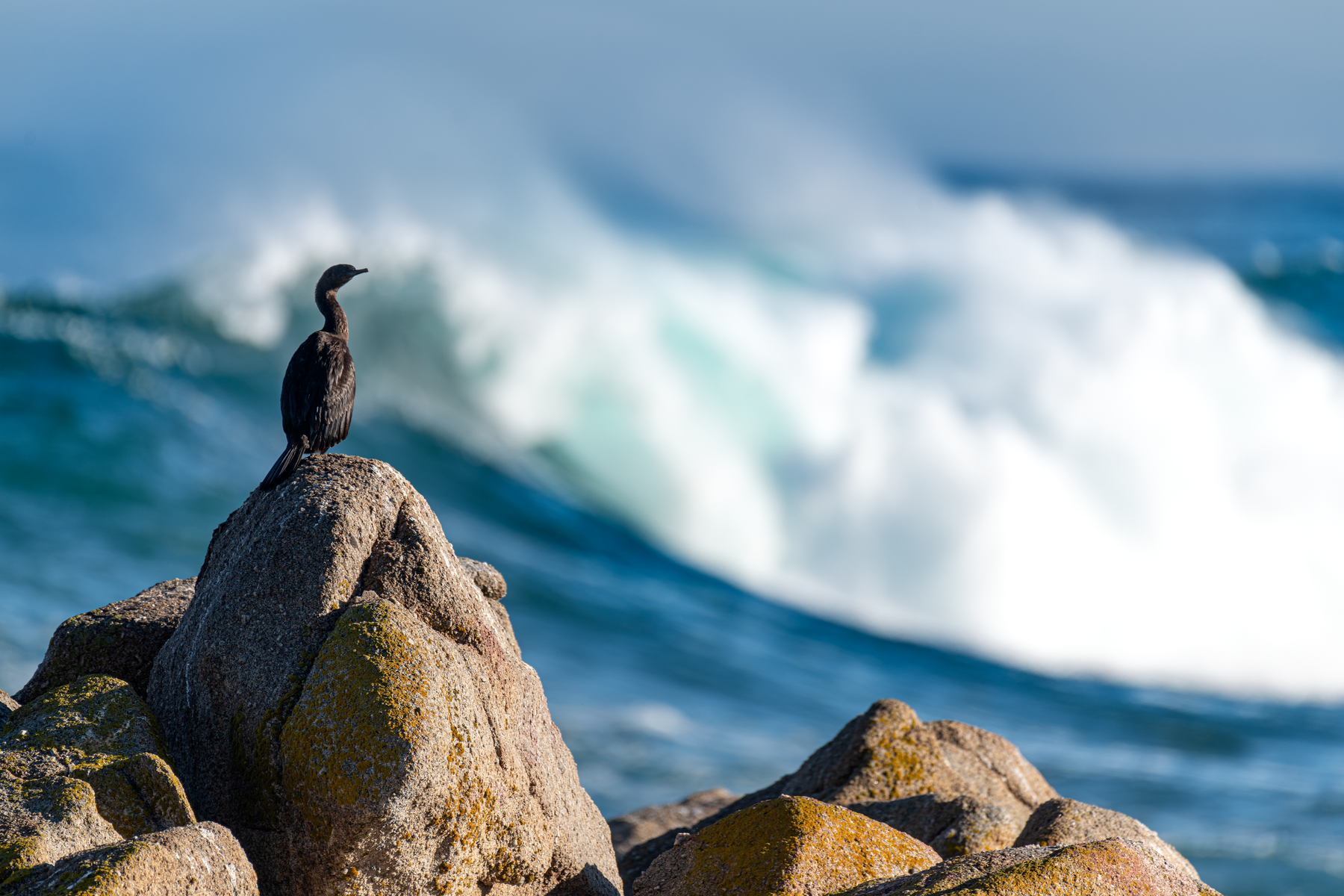
King tides and high surf along the coast of Monterey Bay.
Staying hydrated
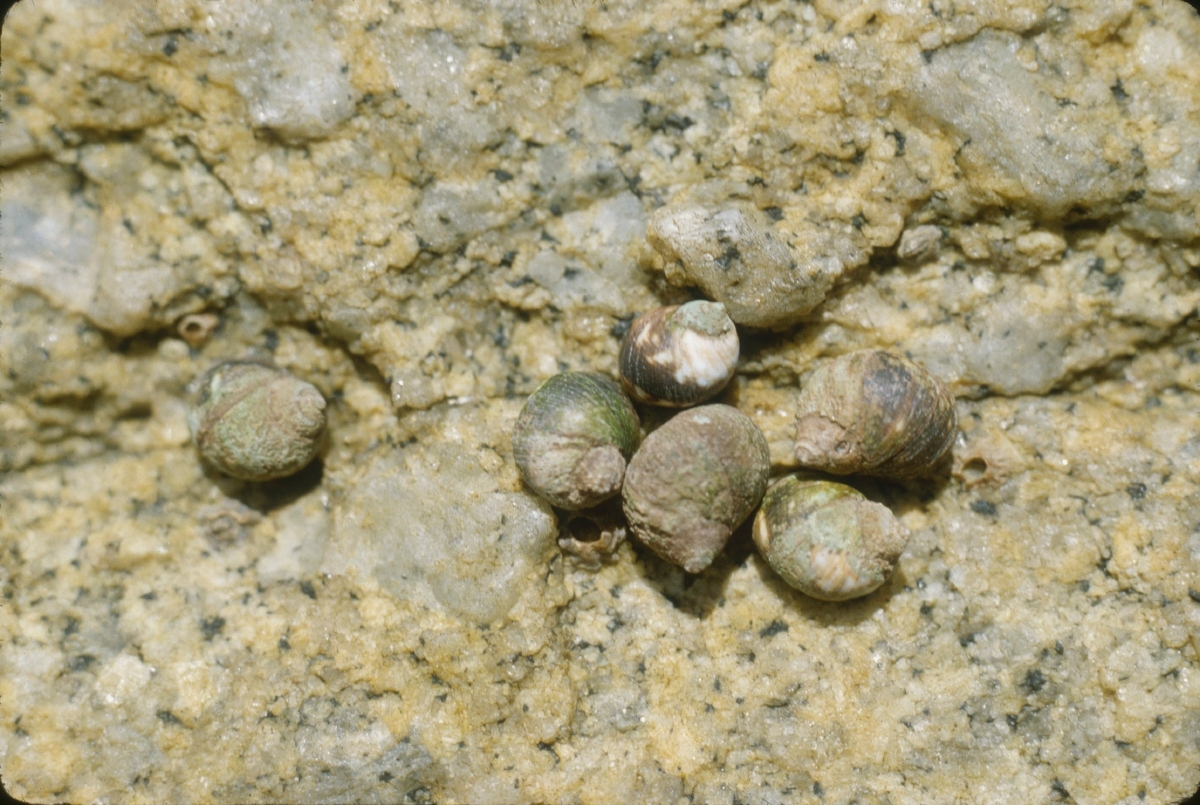
Falling tides leave the animals in this habitat exposed to the air. Plants and animals left out of water must find ways to keep from drying out. To cope, some snails draw into their shells and seal them with door-like lids. Some also secrete a mucous seal. Mussels close their shells tightly to retain water, and anemones gather in masses so that less body surface is exposed to the air. Many intertidal animals hide under rocks or seaweed to avoid drying out.
Avoiding predators
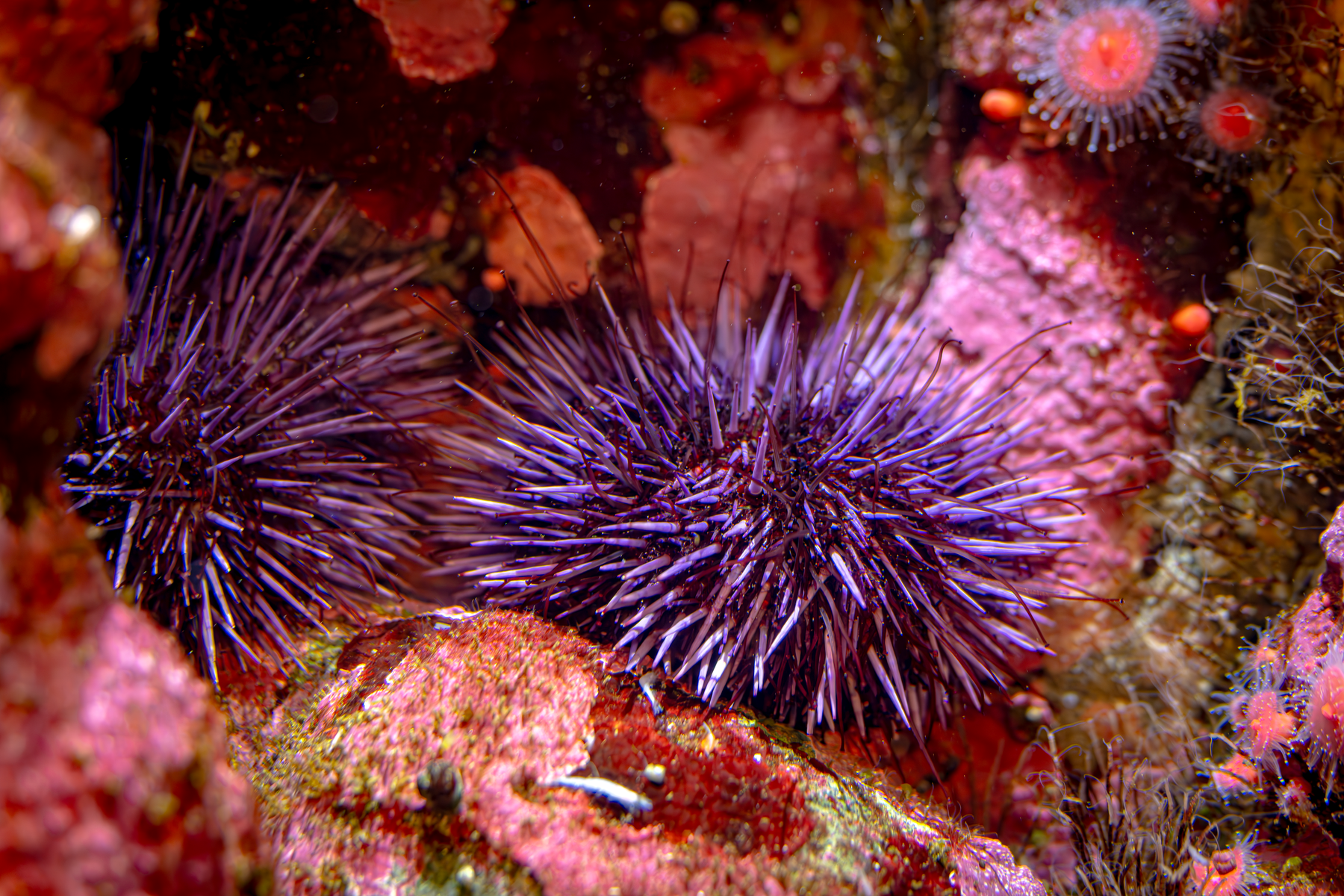
Hiding under seaweeds and clinging tightly to rocks also helps intertidal animals protect themselves from foraging predators, such as shorebirds. Other animals use different defenses—such as hard shells or camouflage—to avoid being eaten.
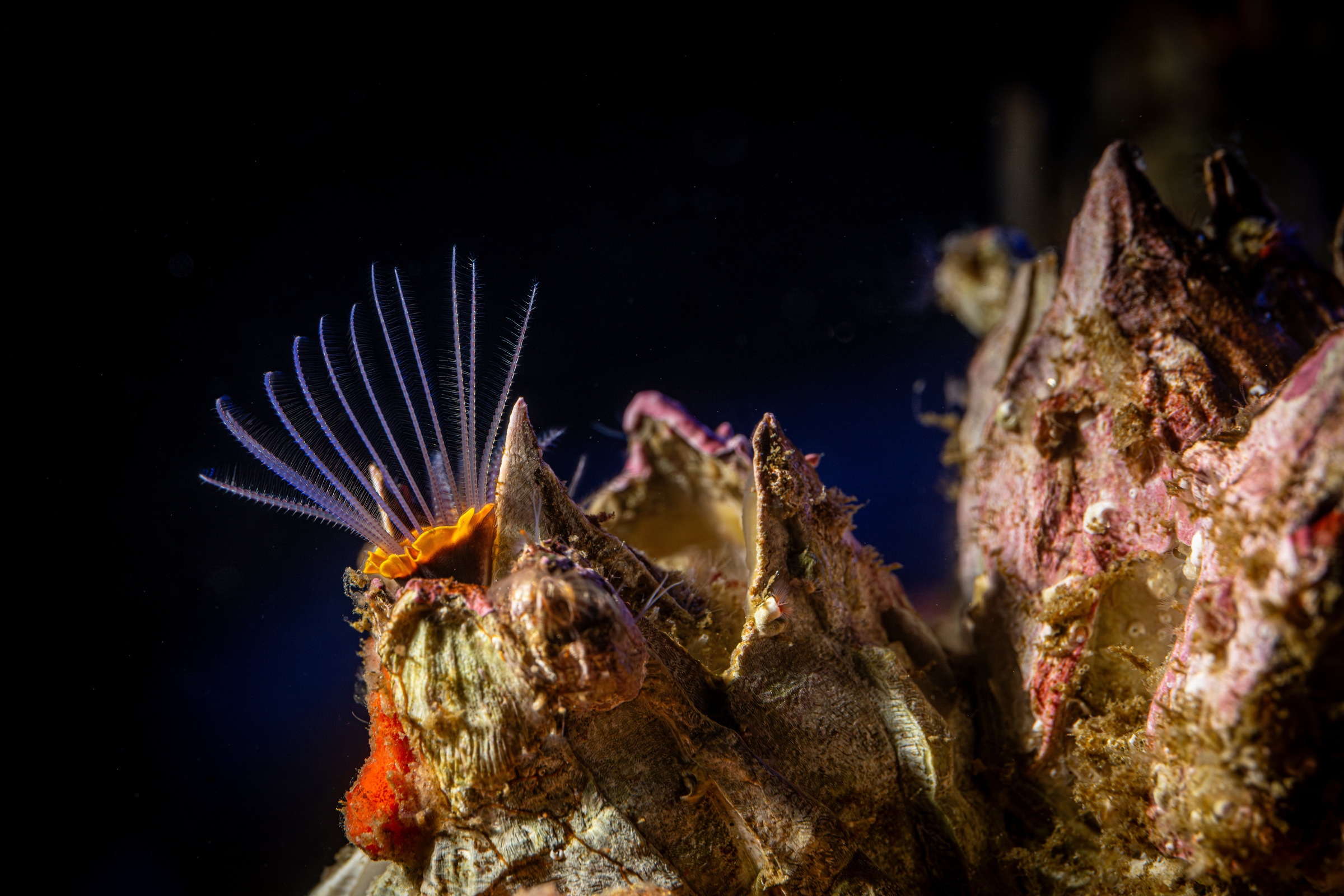
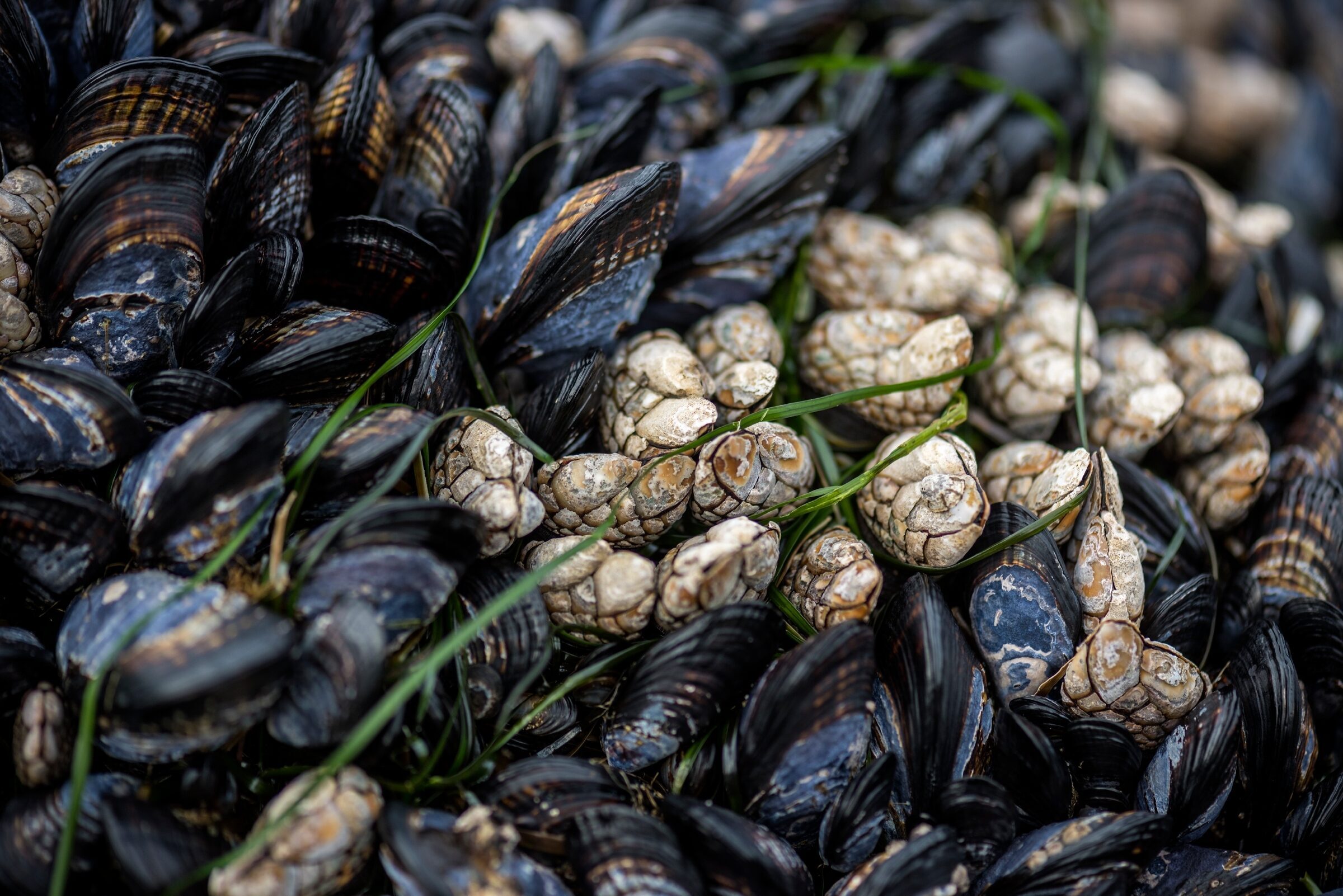
Barnacles, crabs, and mussels defend themselves with armor-like shells.
How this habitat changes
At low tide, creatures submerged in tide pools may face low oxygen levels and fluctuating salinity. On warm days, evaporation raises salt concentrations while on rainy days, salt concentrations are lowered.
At high tide, waves deliver fresh nutrients to replenish the tide pool’s food supply. Microscopic organisms such as plankton wash in with the seawater to nourish the smallest animals, which in turn become food for the larger ones.
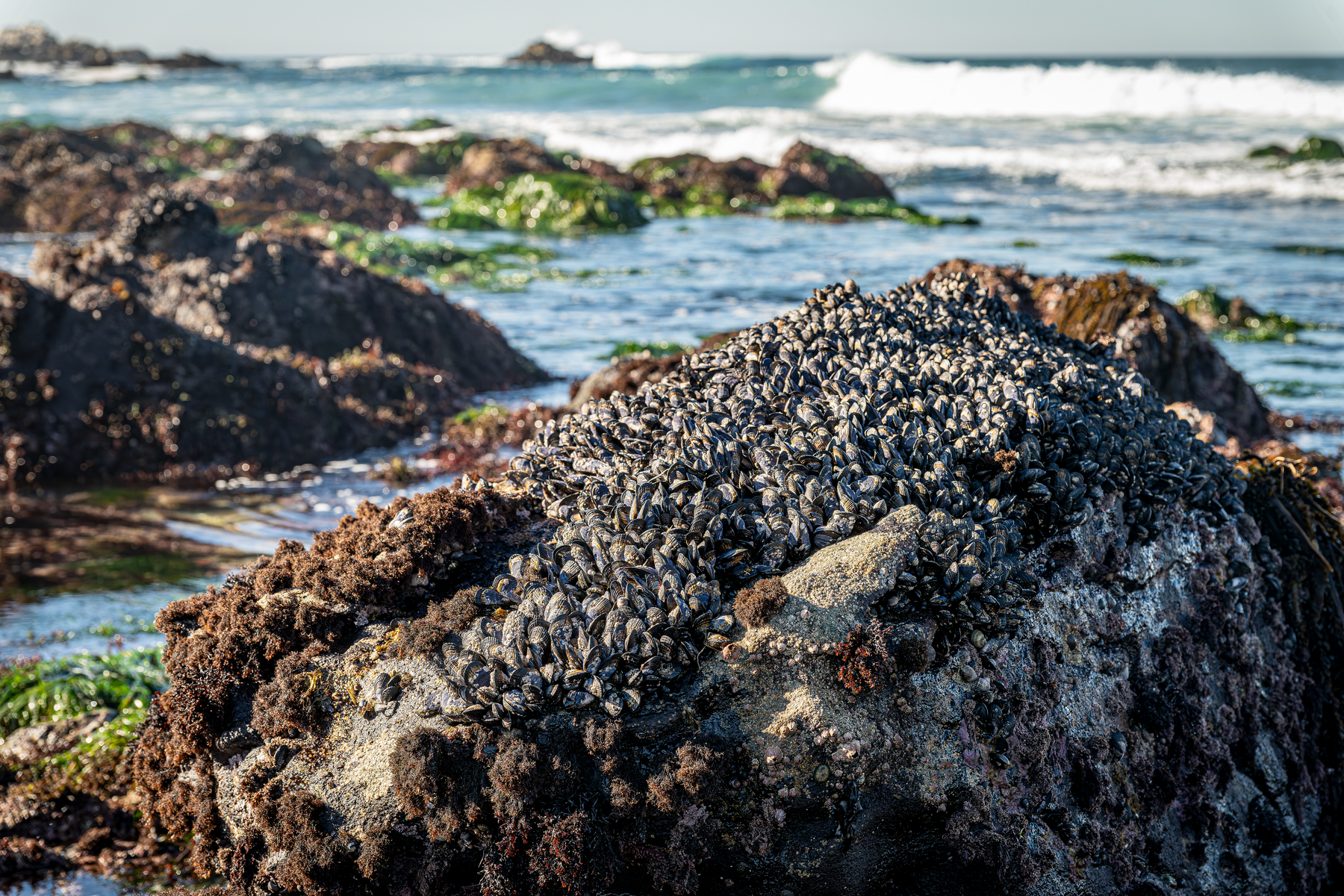
Low tide
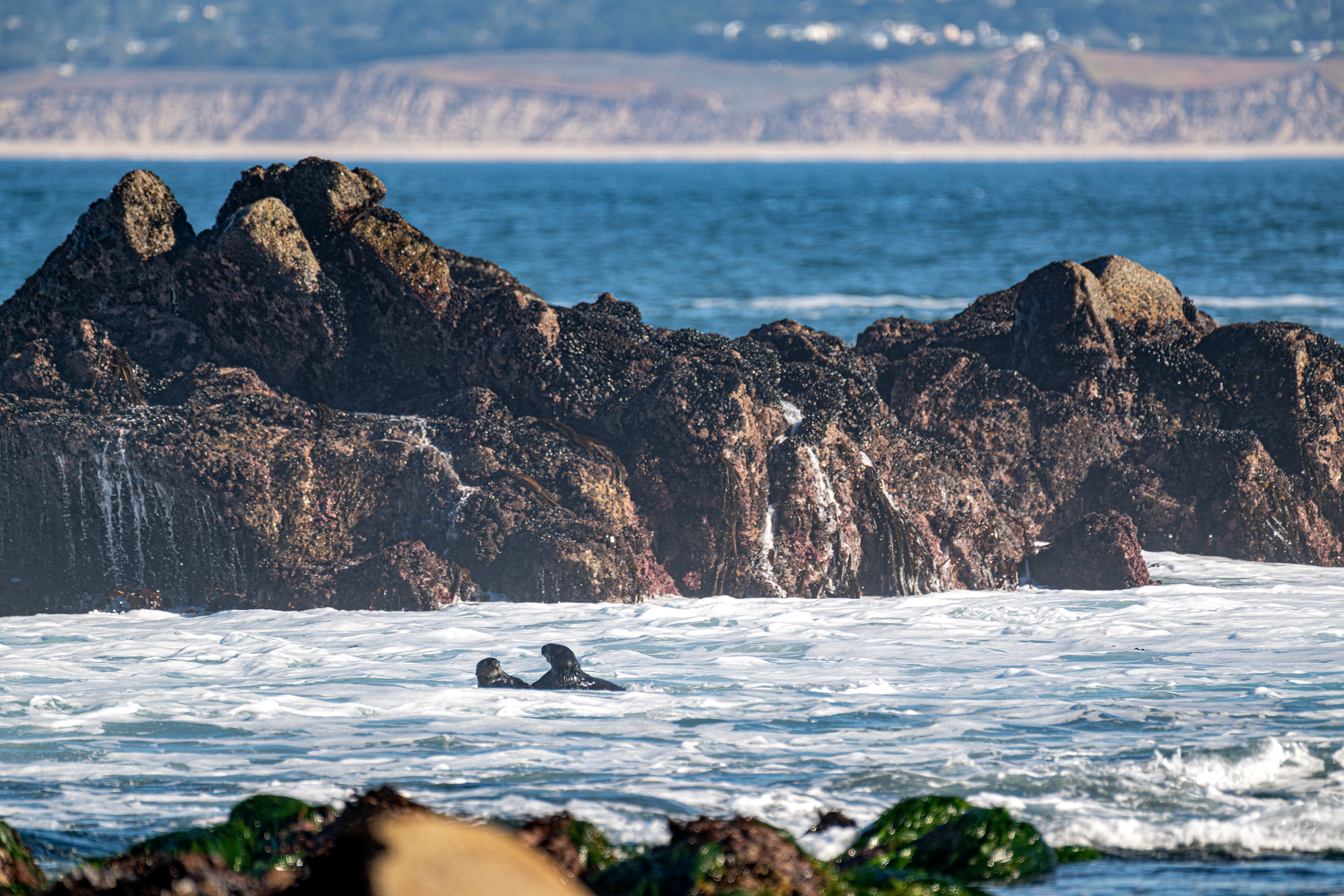
High tide
Things to look for and notice
As you explore the rocky shores and tidepools, look for seaweed layered on rocks. Notice that the upper layers shield the lower layers, leaving only the uppermost part of the plants exposed. Some seaweeds can dry out completely, rehydrating when the tide returns.
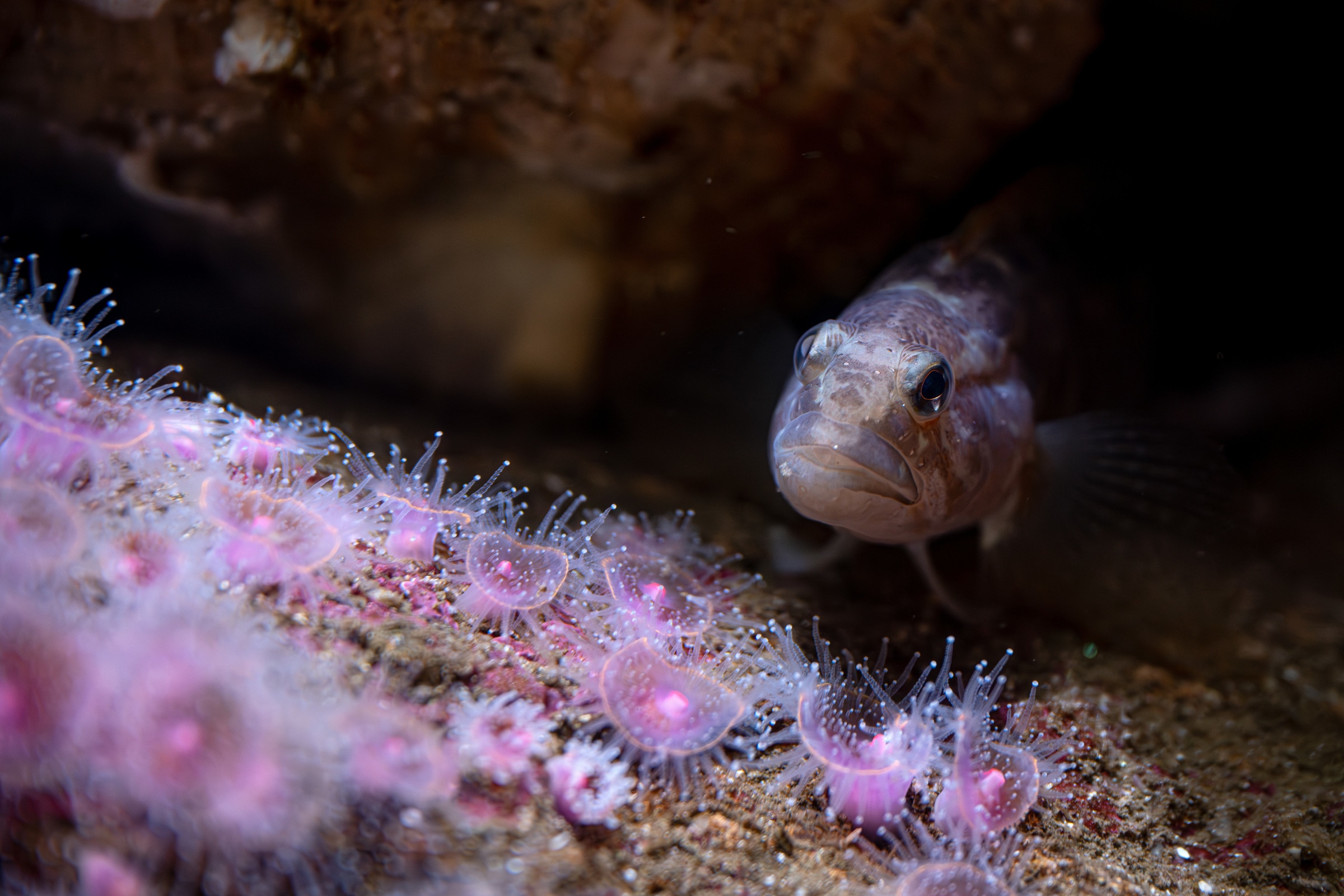
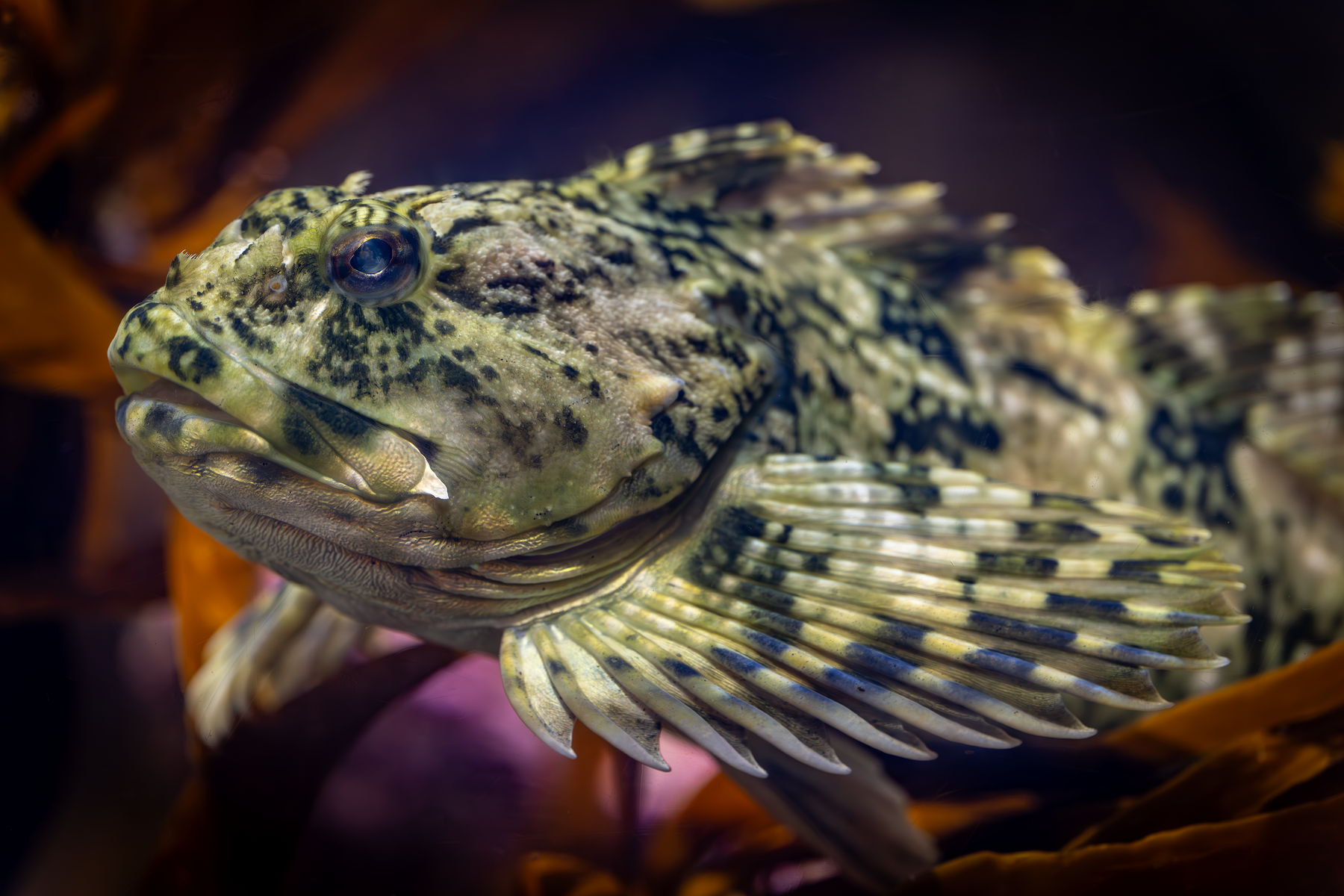
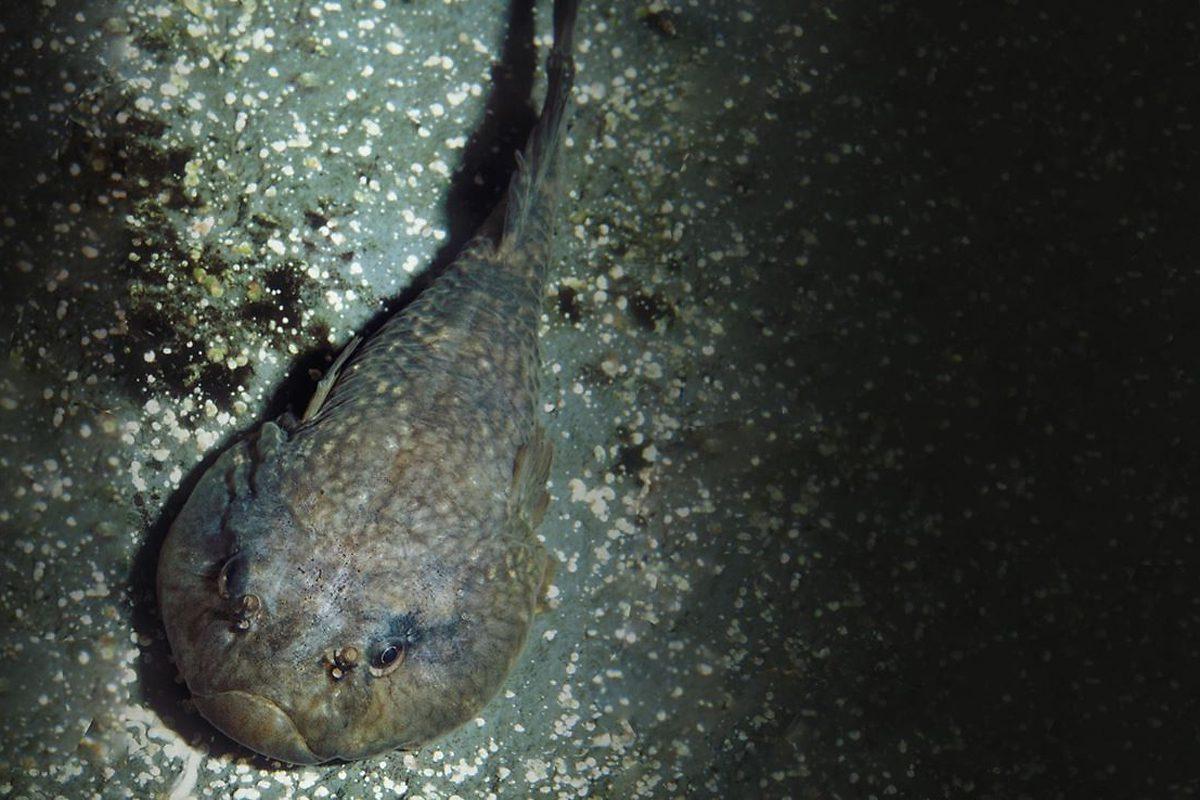
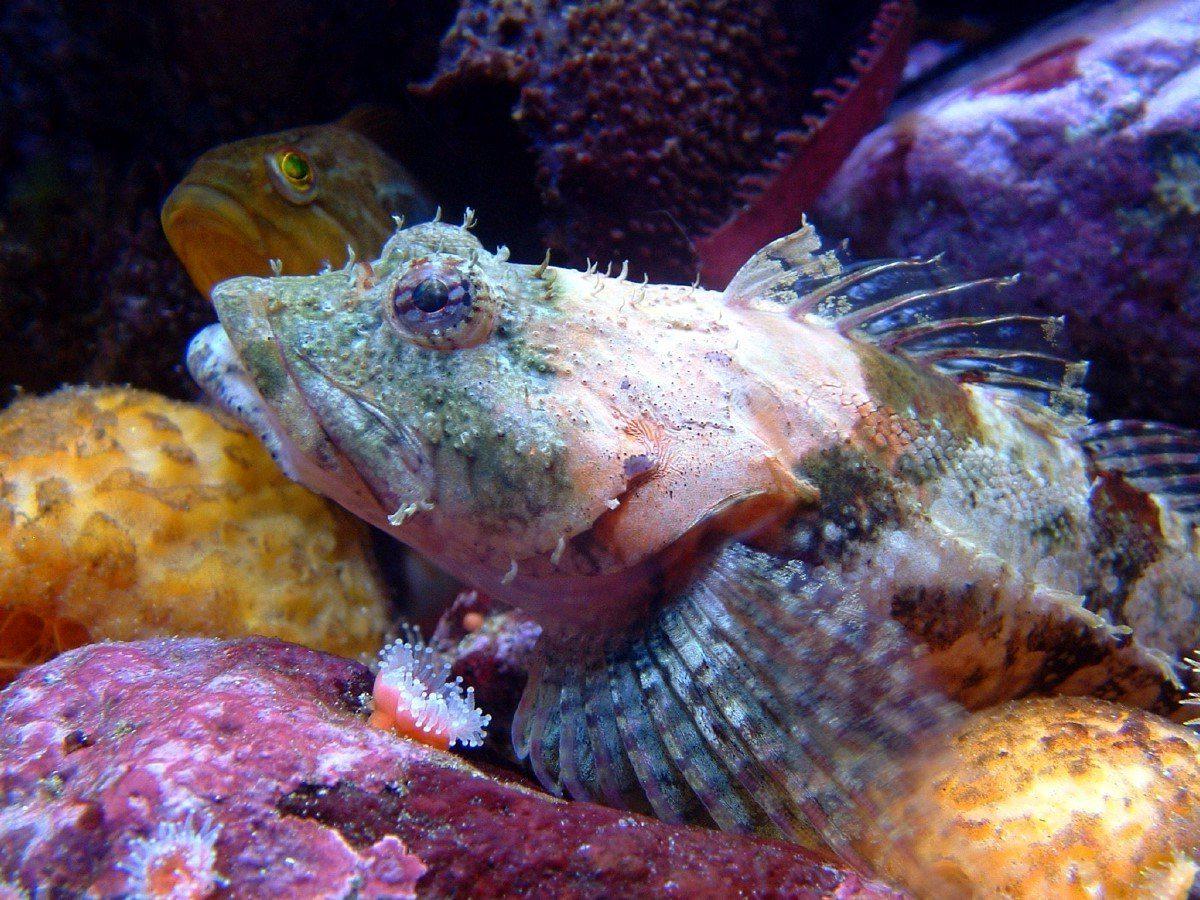
The tidepool sculpin (Oligocottus maculosus) changes colors to match its surroundings.
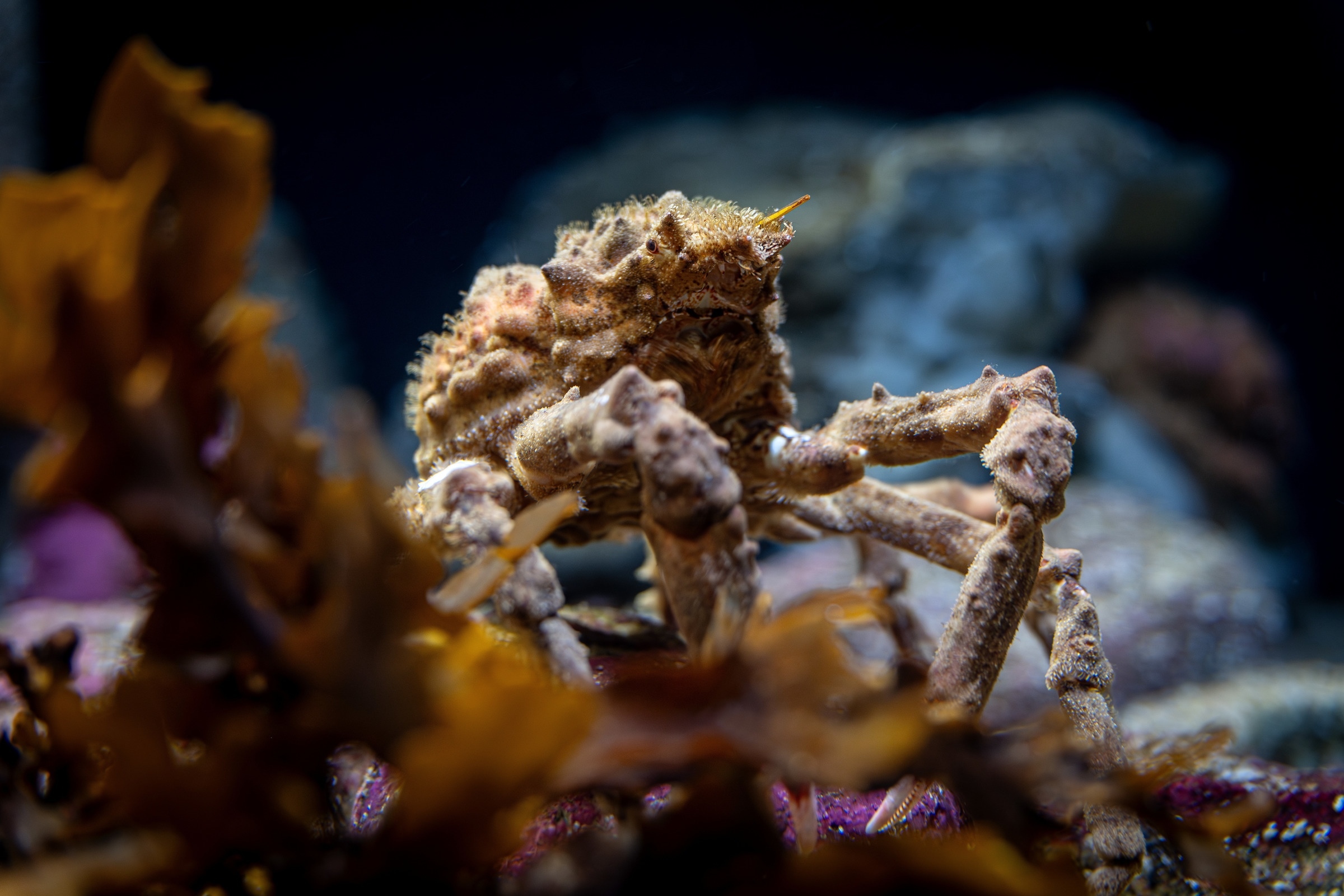
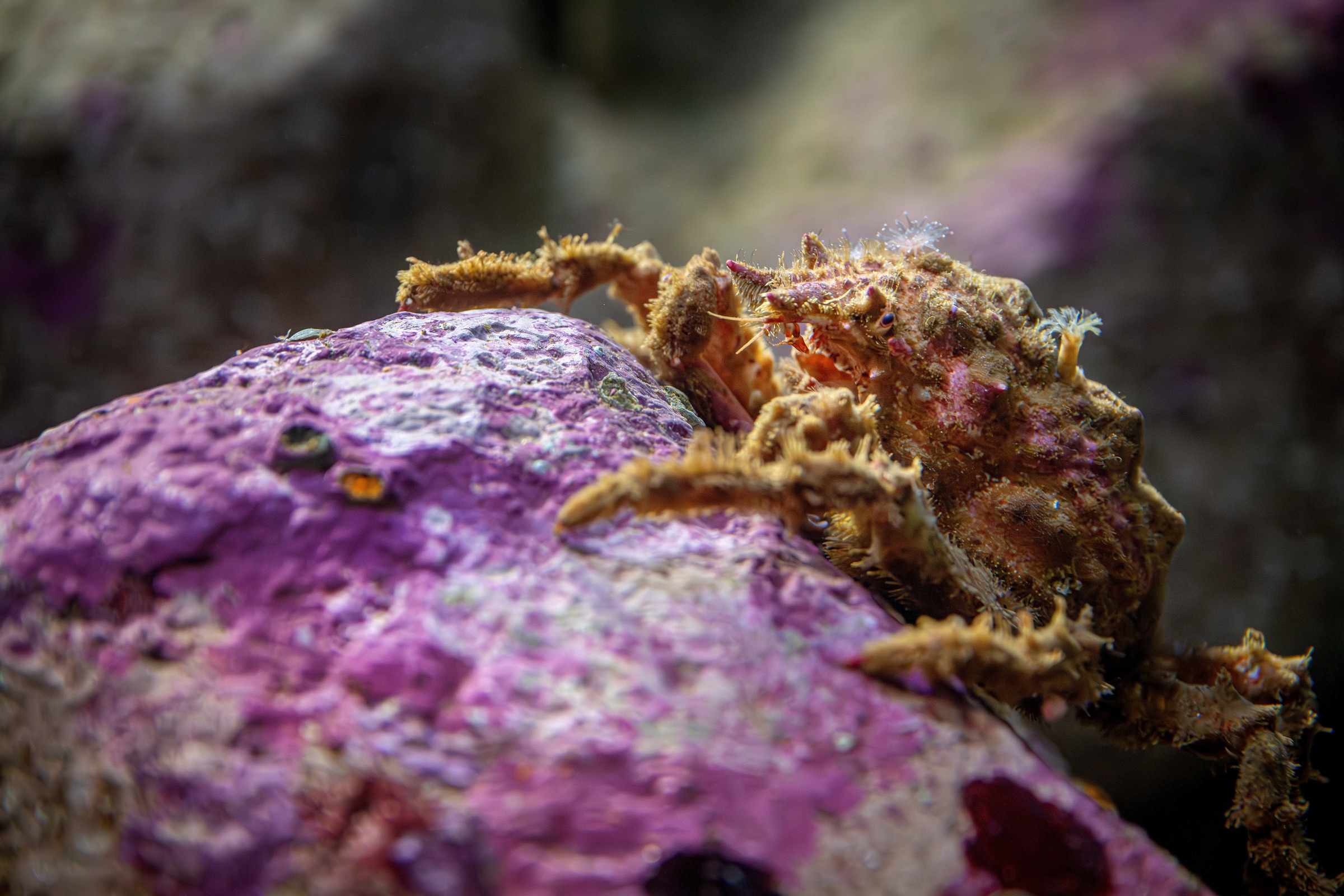
The decorator crab (Loxorhynchus crispatus) plants seaweeds, sponges and anemones on its back to escape detection.
How to enjoy and protect this habitat
While walking along a rocky shore, don't pick up any animals you might see tucked into rock crevices. They need the oxygen from seawater to breathe. Replace any rocks or shells you turn over, and stay on bare rocks where you won’t crush animals or rip slippery seaweeds. Check out our tips for tidepooling for more advice.
Properly dispose of pollutants
This habitat is vulnerable to pollution from motor oil and other harmful chemicals. These contaminants find their way through urban runoff into the ocean. Every year, people discard 350 million gallons of oil into storm drains, waterways and onto soil. One quart of motor oil dumped down a storm drain can pollute 250,000 gallons of water!
You can make a difference by properly disposing of used motor oil whenever changing the oil in your vehicle. Also, make sure your vehicle isn’t leaking oil onto surface streets, where rainwater can easily wash residual oil into storm drains and out to the ocean.
Leave no trace
Pick up any trash that you find, such as bottle caps and food wrappers, that can harm marine life. Plastic pollution is one of the biggest threats facing our oceans today.
By minimizing your own use of plastic—especially disposable items—you can help reduce the amount of plastic that finds its way into the ocean. Carrying a reusable water bottle, mug and utensils with you whenever you go out can be a great place to start. Learn more ways you can help reduce plastic pollution.
Explore more of the ocean
Ecosystem
Sandy seafloor
Waves constantly churn and shift the sandy seafloor, creating tough conditions for the plants and animals.