

Porcelain crab
Petrolisthes spp
- On view
- Rocky Shore
- Animal type
- Invertebrates
- Ecosystem
- Rocky shore
- Relatives
- Hermit crabs, shore crabs and other crabs and shrimp; Order: Decapoda
- Diet
- Diatoms and other plankton
- Range
- Several species from Alaska to Baja California
- Size
- Less than 1 inch (2.5 cm) wide
Meet the porcelain crab
Tiny porcelain crabs live in abundance in Pacific Coast tide pools. They hide under stones, between mussels in mussel beds, among sponges and tucked into tufts of algae. Safely concealed, they eat by sweeping feathery arms through the water like fine-meshed nets to capture diatoms and other drifting plants and animals.
Did you know?
If its camouflage fails and a predator threatens, a porcelain crab can drop a claw or leg to distract the attacker and give itself a chance to scurry away. The crab lives to see another day, and the leg or claw grows back before long.
Conservation
Rocky shore creatures are at risk from coastal development and pollution such as oil spills and agricultural runoff. And rocky shores aren't as rugged as they seem. Careless visitors can trample tide pool animals underfoot, and some collect crabs or other animals. These animals seldom survive being taken from their natural habitat.
Cool facts
- A female porcelain crab less than an inch long may carry nearly 1,600 eggs at a time (though most carry only around 600).
- Up to 860 porcelain crabs have been found living in a 10-square-foot (one-square-meter) section of a mussel bed off Pacific Grove, California!
Animals & the ocean
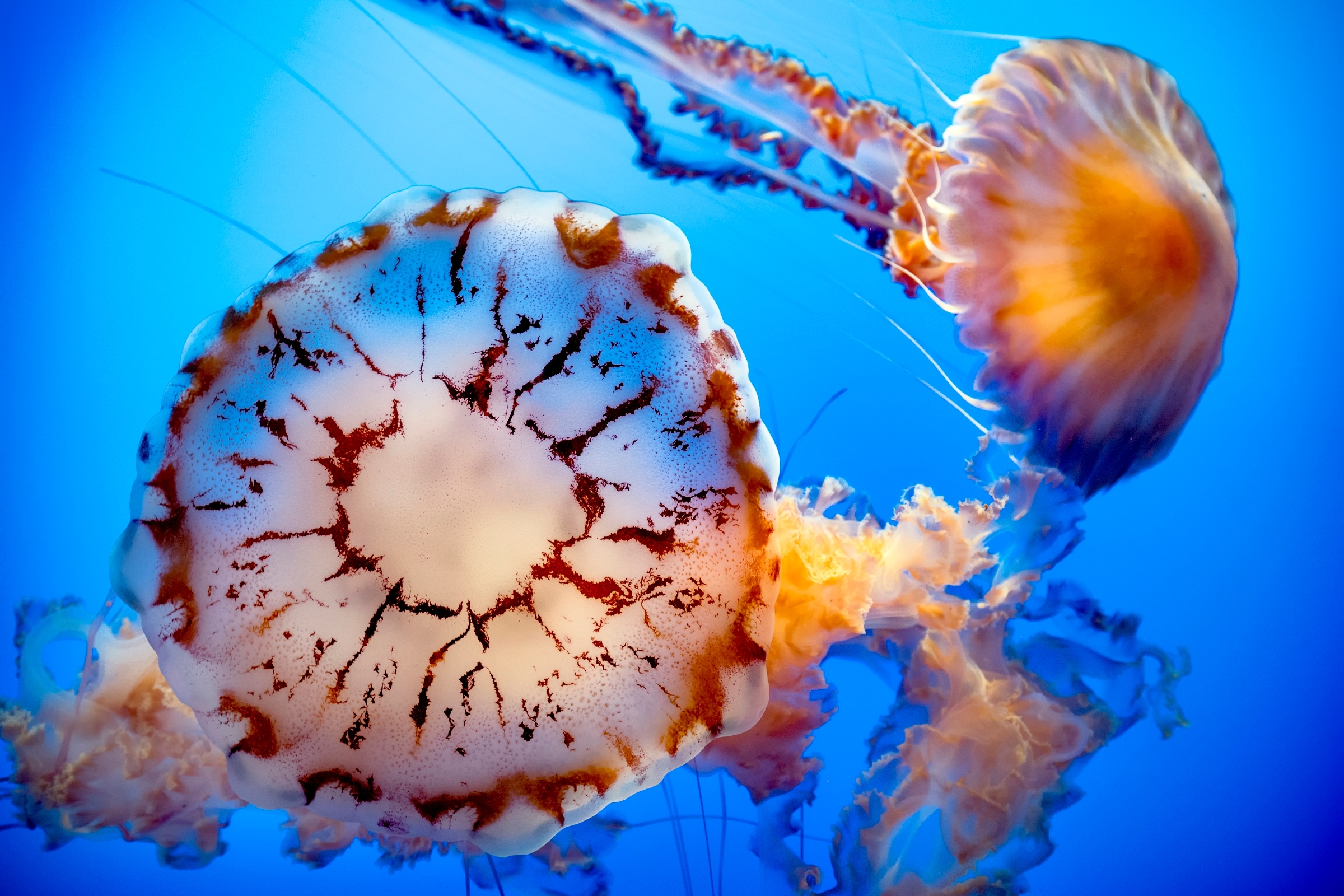
Jellies
Jellies are nature’s strangest wonders—no bones, brains, teeth, blood, or fins, but far from simple.
Read more – JelliesUp next in rocky shore
Animal
Rough limpet
Rough limpets grind grooves in rocks until their shells fit perfectly.
Keep exploring
Animal
African penguin
Not all penguins live in snow—African penguins thrive along South Africa's coast in a mild climate.