

Rocky Shore
The shoreline is the border between two worlds, a fluid boundary where the water advances and retreats with the rhythm of the tides.
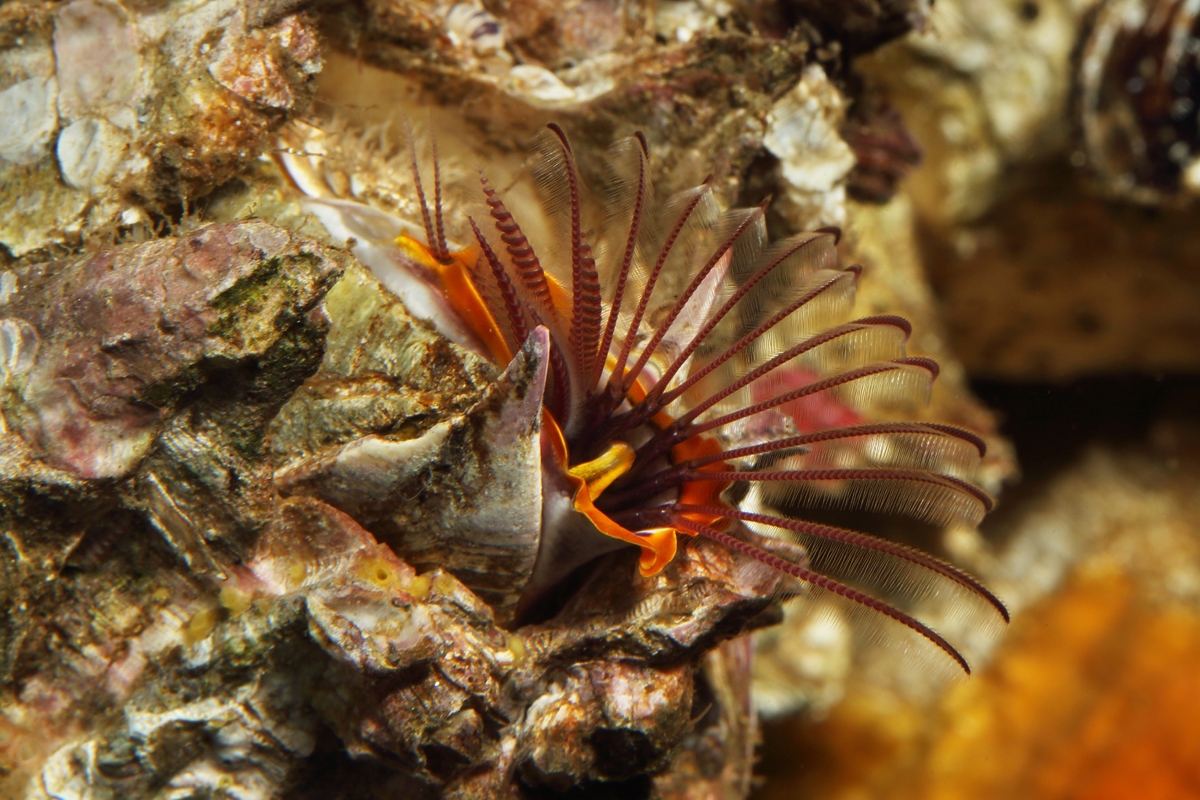
Here, barnacles stand on their heads and wave their feathery legs in the current and a rainbow of brilliant ochre stars cling to rocks.
- Location
- First floor
- Ecosystem
- Rocky shore
Featured animals
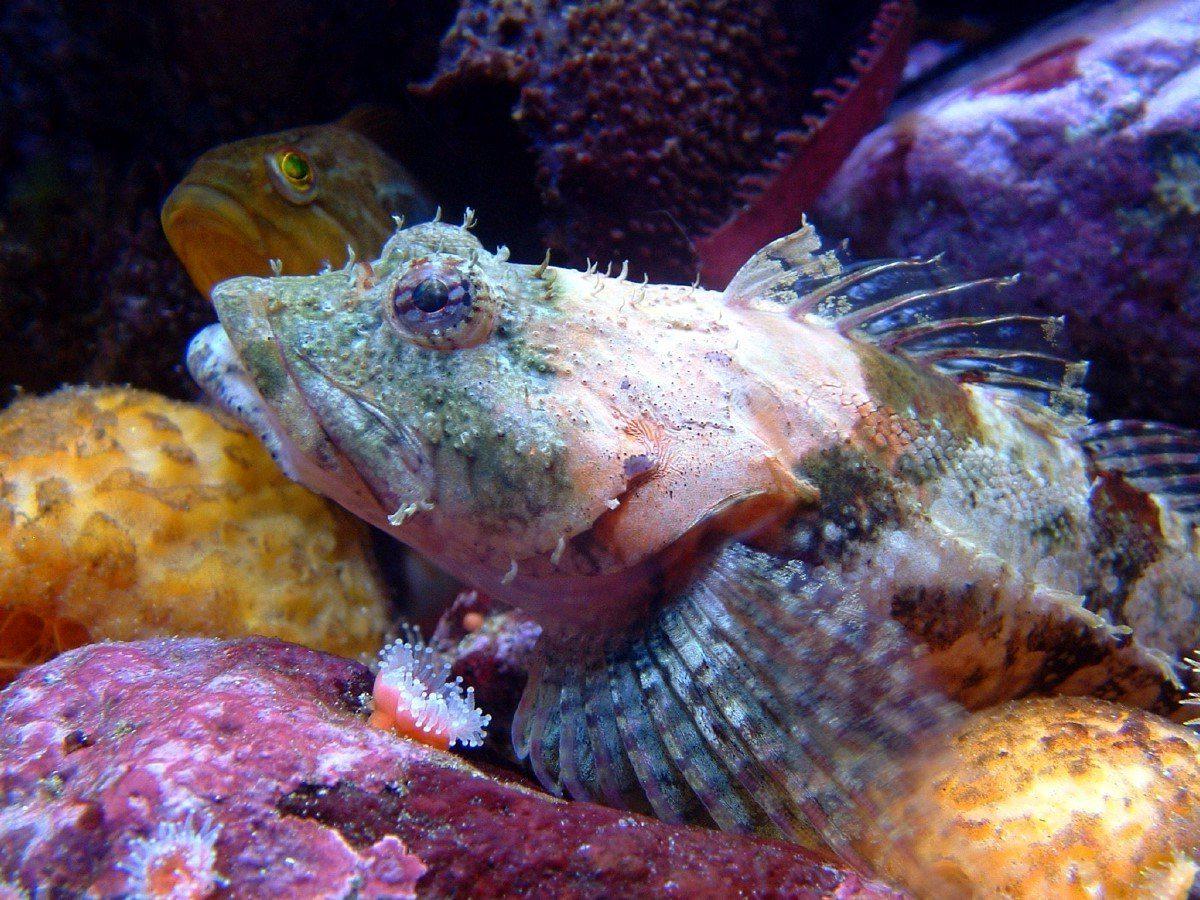
Coralline sculpin
Coralline sculpin
The coralline sculpin is colorfully camouflaged—it blends in well as it hides among seaweeds and rocks.
Check out this animal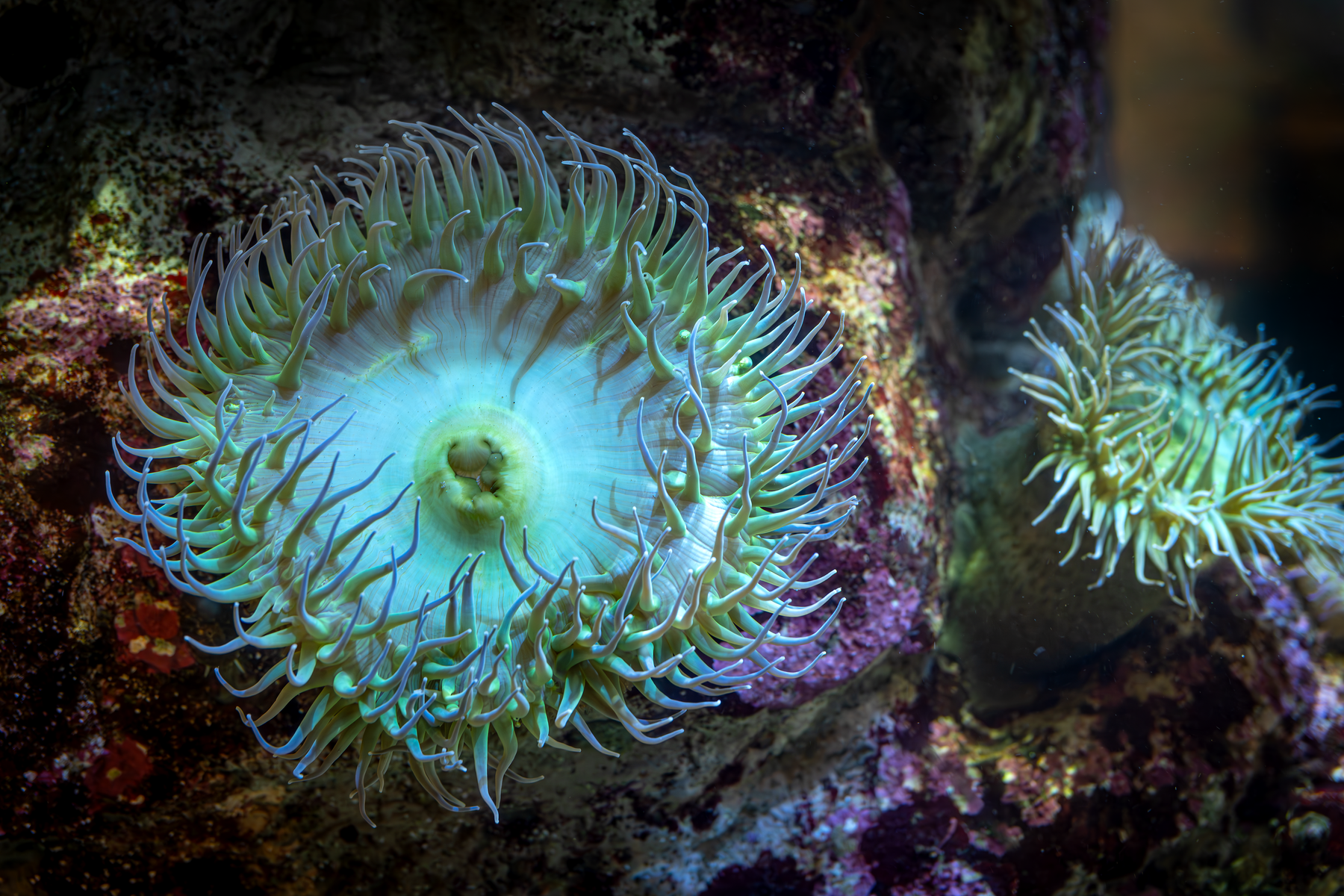
Giant green anemone
Giant green anemone
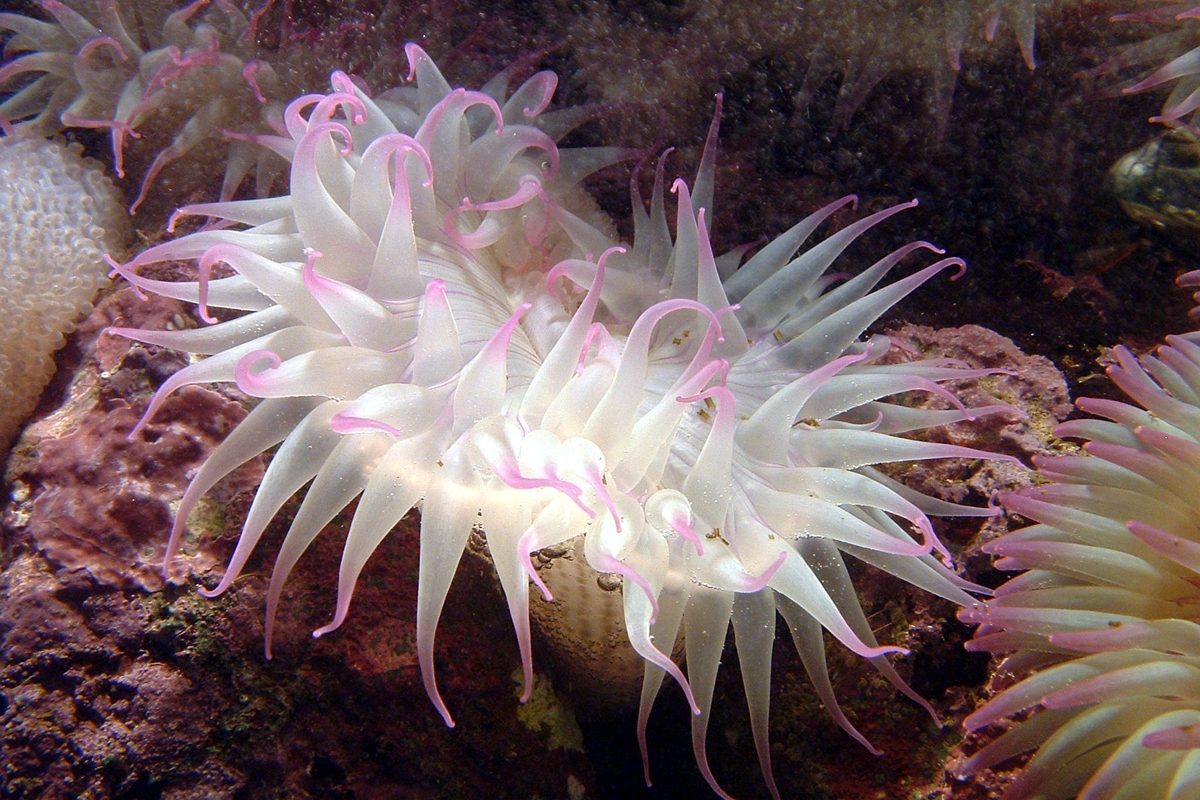
The giant green anemone gets much of its namesake color from the symbiotic relationship it has with the microalgae that live in its tissues.
Check out this animal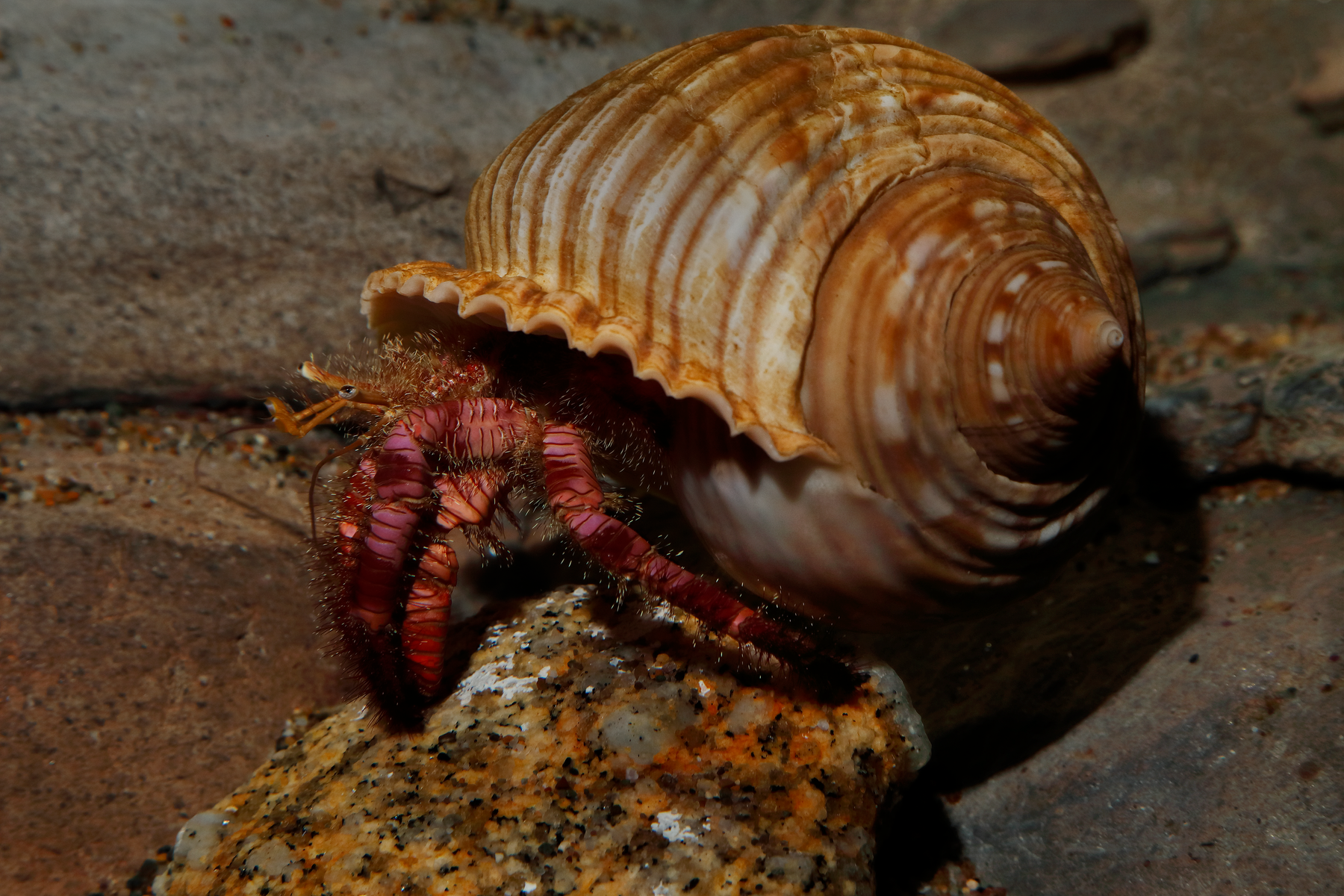
Hermit crab
Hermit crab
A hermit crab moves into larger shells as it grows, fighting other hermit crabs for the shells if necessary.
Check out this animal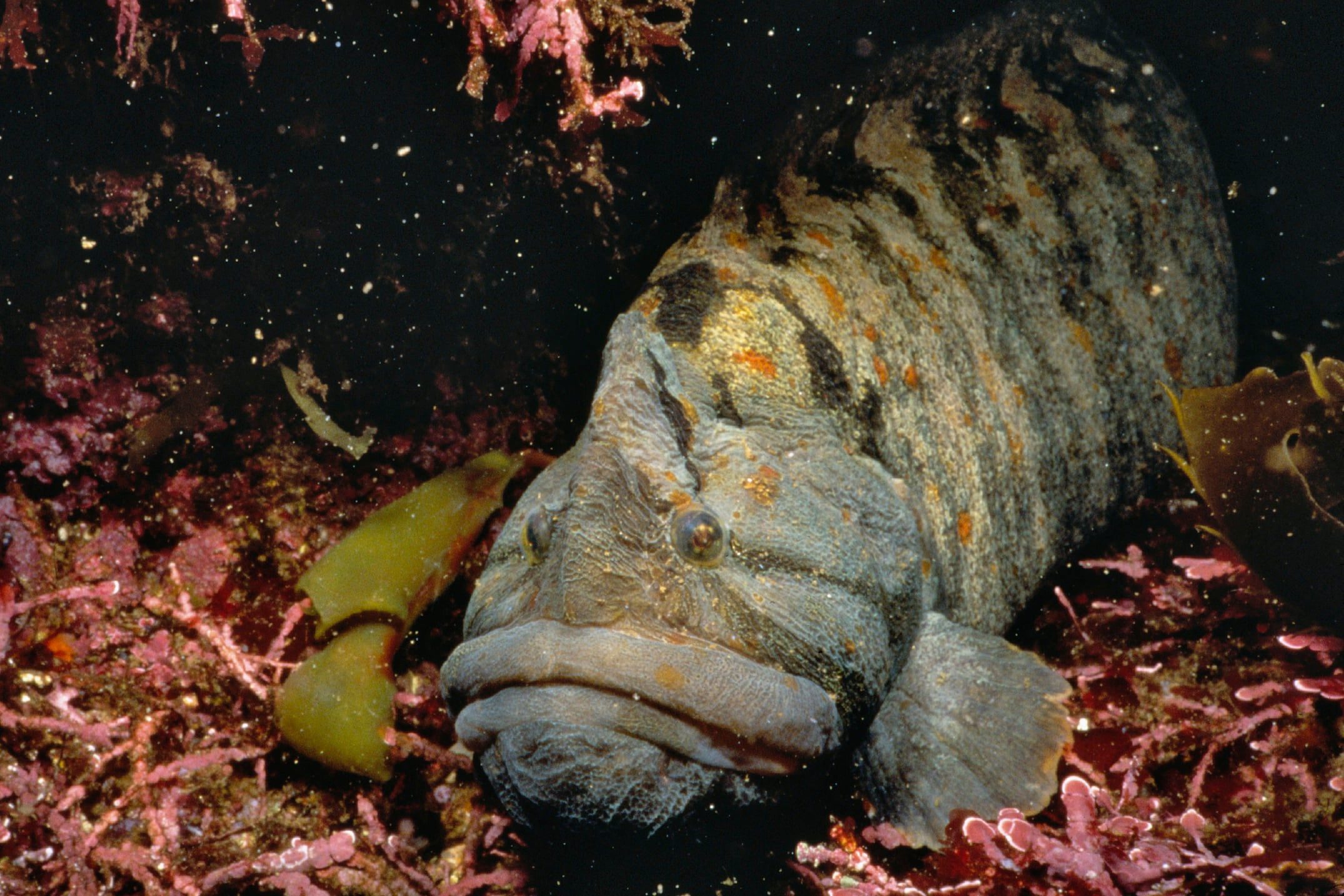
Monkeyface prickleback
Monkeyface prickleback
This fish doesn’t move around much, seldom traveling more than 15 feet (4.6 m) from its home.
Check out this animal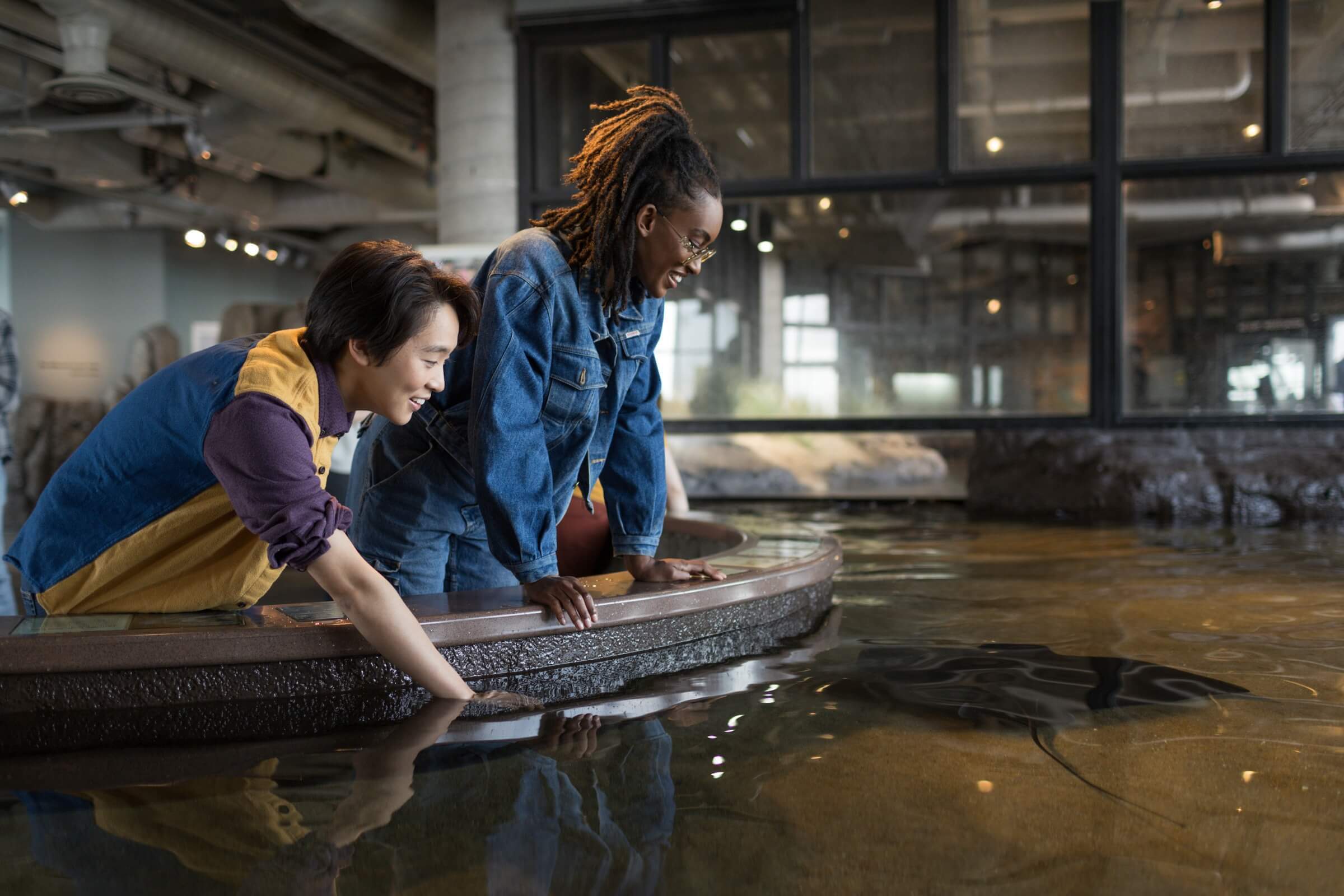
Touch and interact with bat rays in the touch pool.
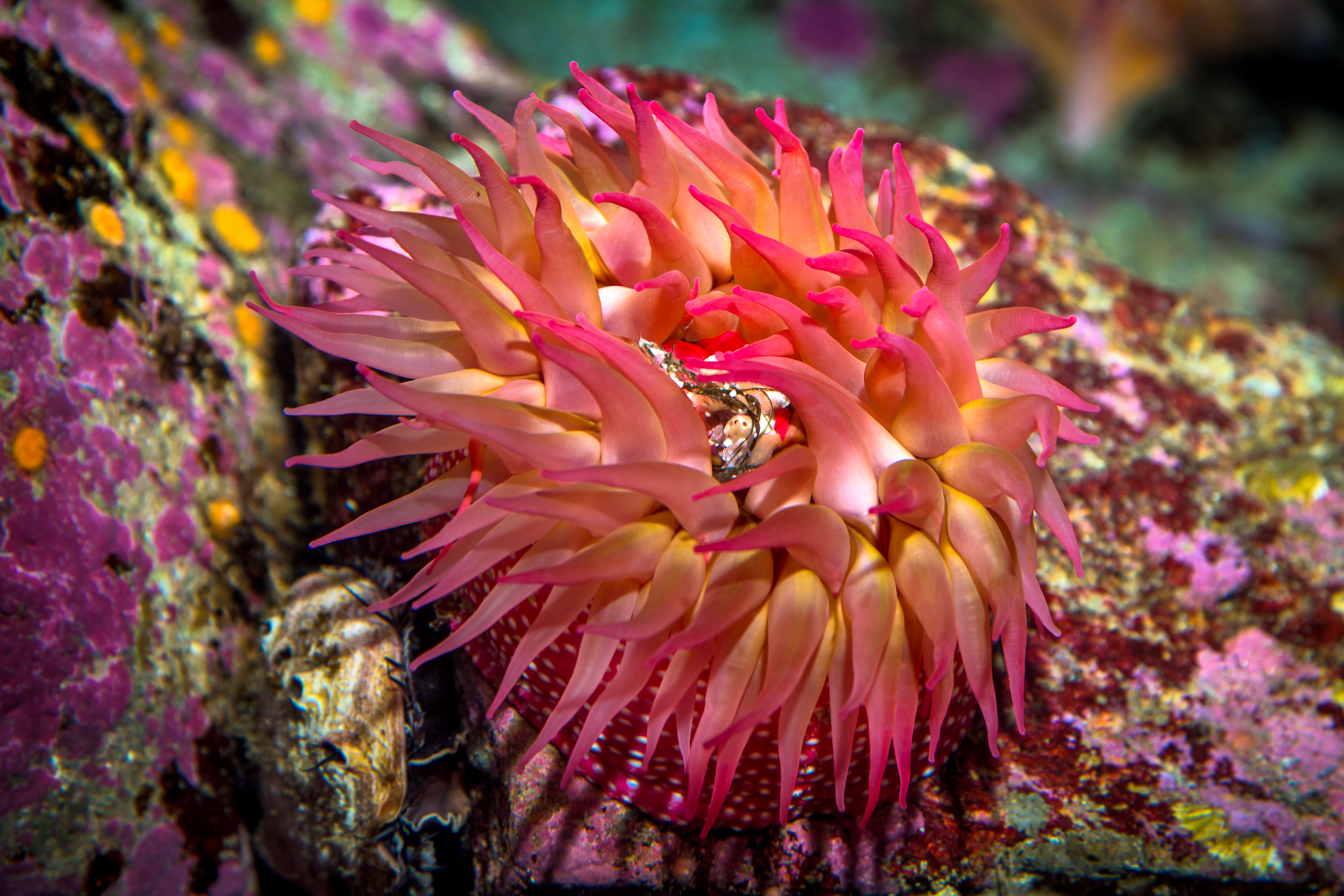
A white-spotted anemone (Urticina lofotensis) in the Rocky Shore gallery.
Cool facts and features

Walk-through tunnel
The walk-through tunnel in the wave crash exhibit is one of the most popular family photo spots in the Aquarium—timing your shot is part of the fun. Our wave crash gallery pumps about 600 gallons of water and "crashes" every 30 seconds. That's more than 500,000 gallons per eight-hour day.
Intertidal zones
The concept of intertidal "zones" was first described by Monterey biologist Ed Ricketts in his landmark book, Between Pacific Tides, which also influenced the design and layout of the entire Aquarium.
Raw seawater
Galleries within the Rocky Shore get raw seawater at night. During the day, the water is filtered to provide a clearer view.
Related videos
Release the eggs!
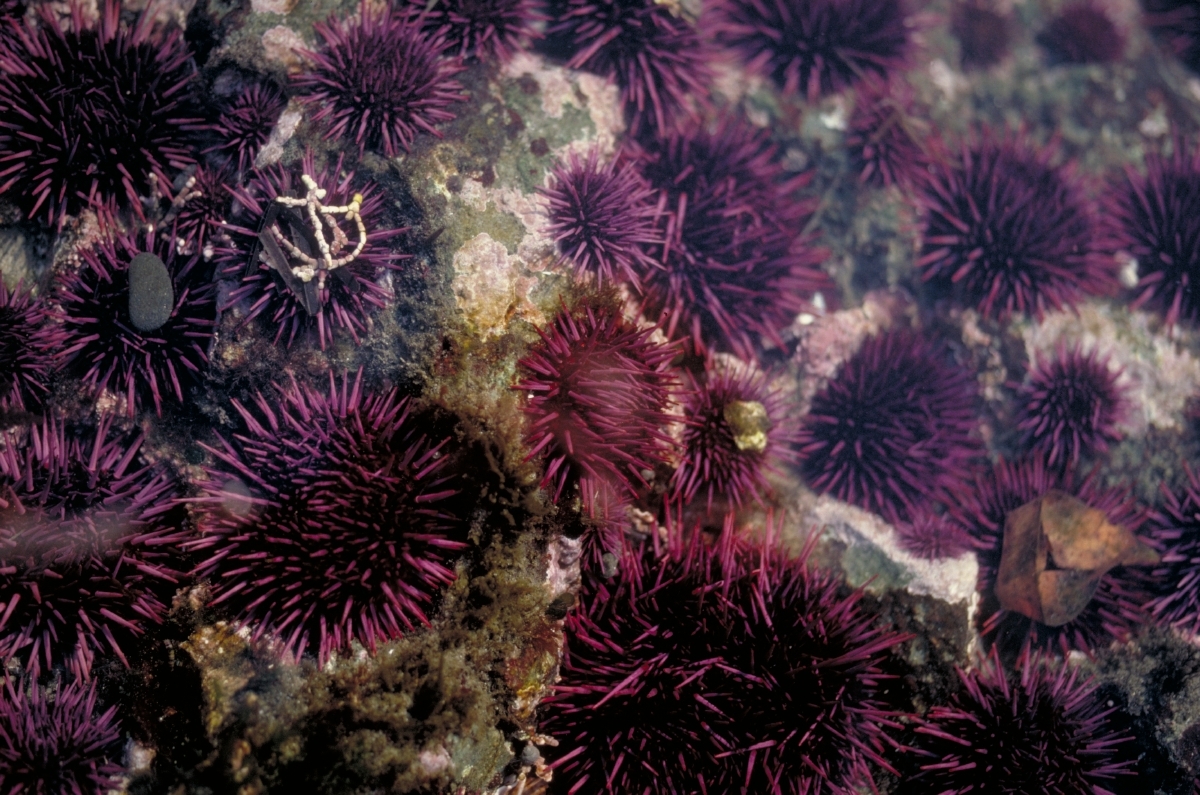
Sea a sea urchin spawn using the motion of the ocean to release eggs and sperm into the current.
Keep exploring
Exhibit
Ocean in Motion
Our newest exhibit invites the young and young at heart to play, move, and connect with ocean animals.