

Tube anemone
Pachycerianthus fimbriatus
- On view
- Monterey Bay Habitats
- Animal type
- Invertebrates
- Ecosystem
- Sandy seafloor
- Relatives
- Hydroids, corals, jellies; Phylum: Cnidaria
- Diet
- Small invertebrates and plankton
- Range
- California coast
- Size
- To 13.5 inches tall (34 cm)
Meet the tube anemone
To shield itself from grit, this delicate creature makes a tough leathery tube that sinks two feet (.6 m) into the sand. When a predator like the barber slug comes by to clip off its tentacles, the anemone retreats quickly down the tube—sometimes pulling the slug in with it! Luckily, an anemone's tentacles grow back after an attack.
Watch in real time
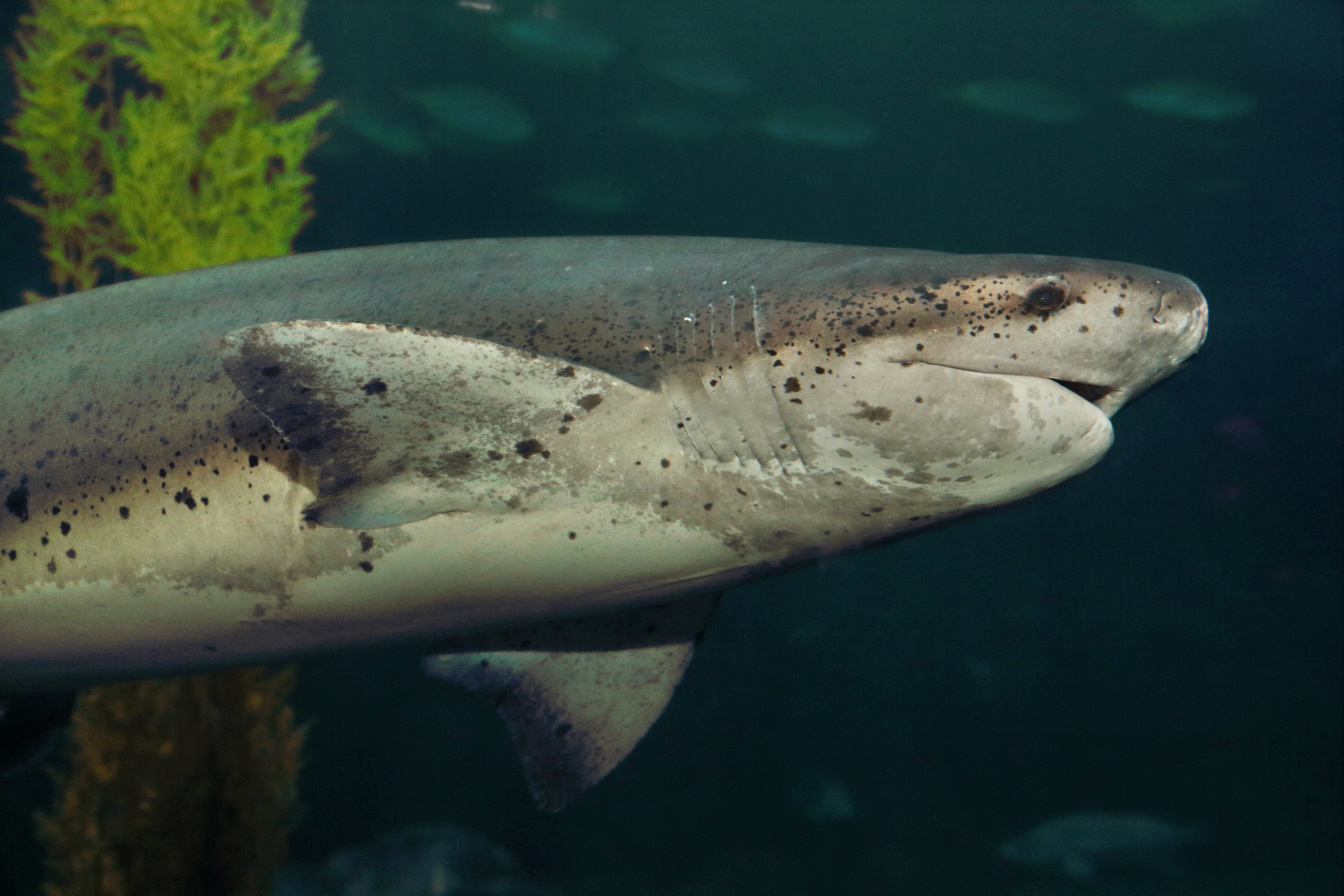
Shark Cam
Check out this live cam – Shark CamConservation
Used motor oil poured down the drain or on the ground winds up in rivers, lakes, and the ocean. No matter what the source, oil harms ocean animals. Each year, Americans illegally dispose of 220 million gallons of oil—twenty times the Exxon Valdez spill. The solution? Recycle the oil so it can be re-refined and reused.
Cool facts
- Many of the seven species of burrowing anemone have tentacles that fluoresce, absorbing ultraviolet light and shining it back as visible light.
Up next in sandy seafloor
Animal
Big skate
The big skate’s two black fin spots resemble "eyes" and may confuse predators or make it appear bigger.
Keep exploring
Animal
Bat ray
A bat ray flaps its batlike wings to swim through the water to help it uncover prey hiding in the sand.