

Sandy seafloor
The sandy seafloor isn’t the easiest place to call home.
Waves and currents are constantly stirring the sand, sediment, and bits of broken shells you see, making it difficult for marine plants and animals to take hold or find shelter. But look closely and you’ll discover lively communities of creatures hiding in and under the sand.
Related exhibits and live cams
Exhibit
Monterey Bay Habitats
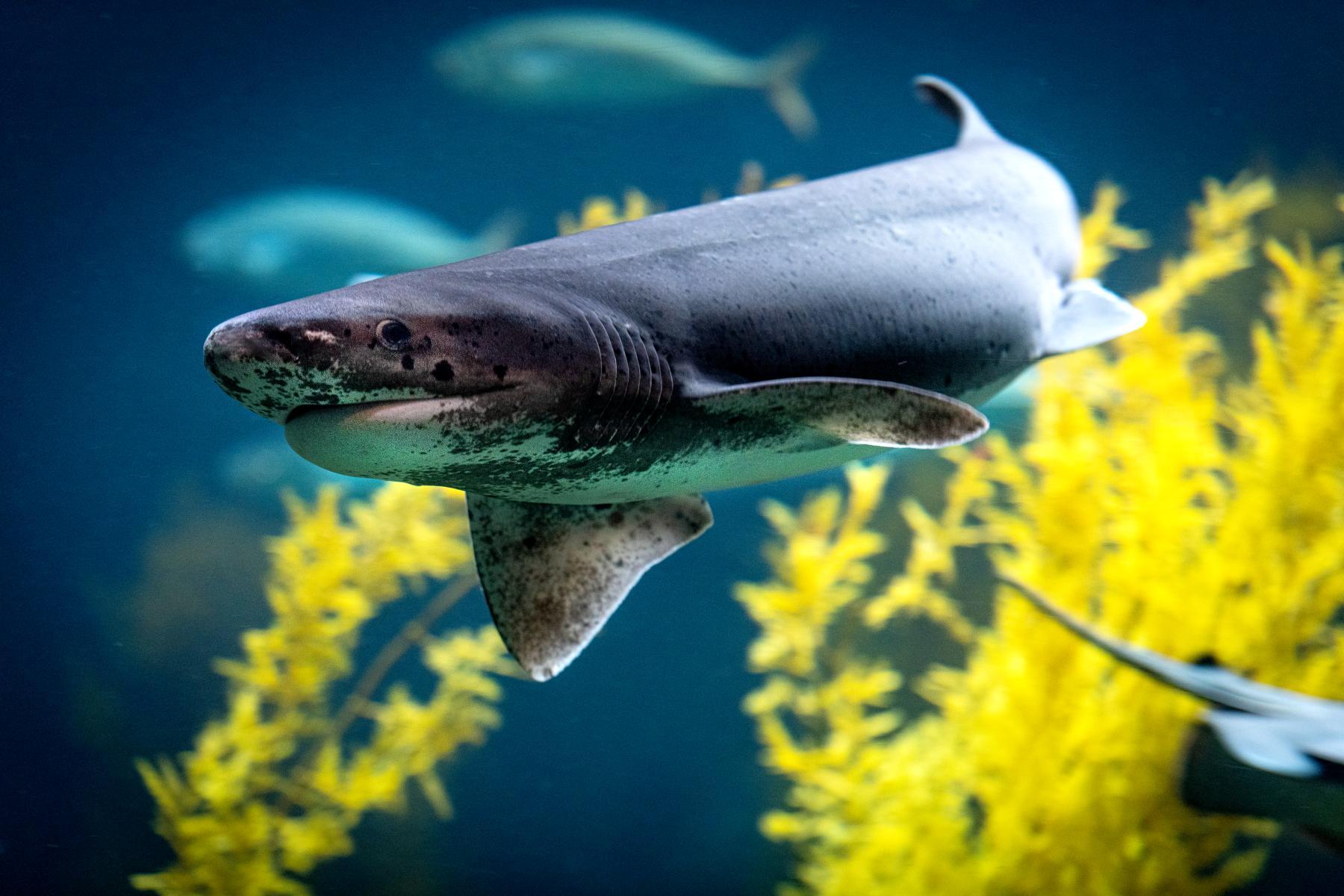
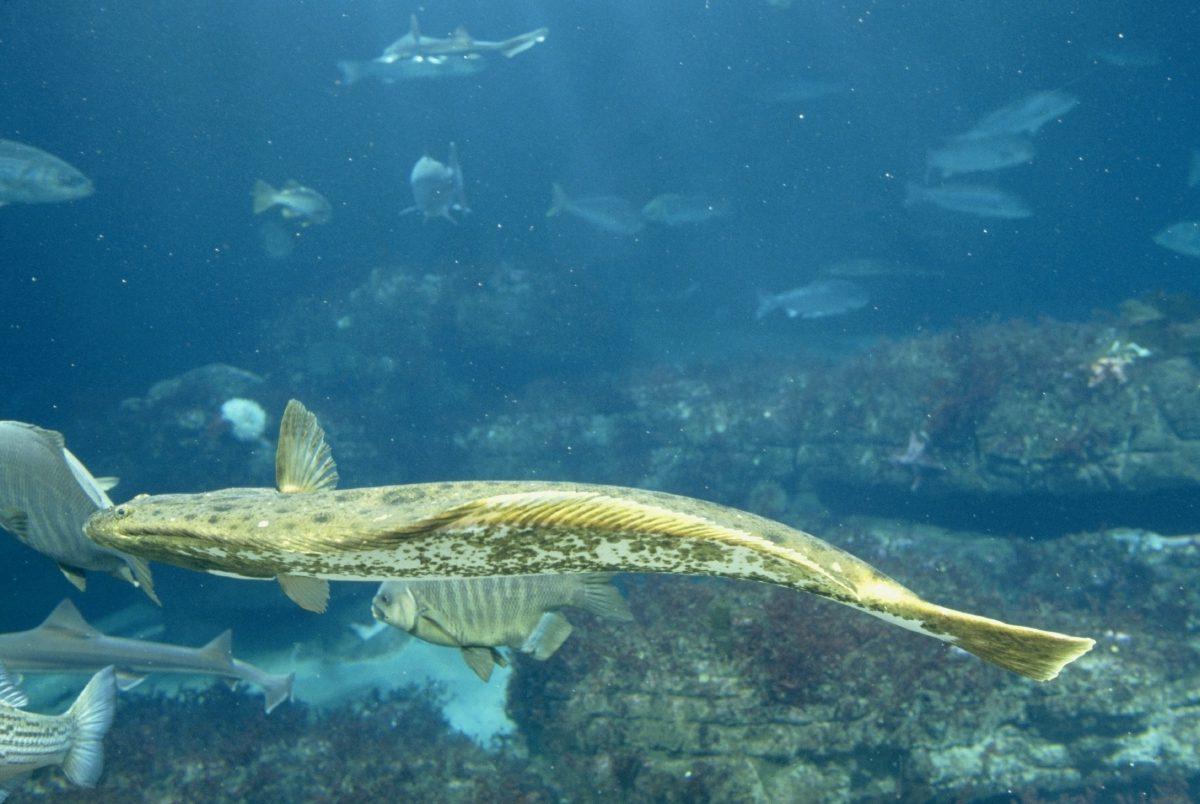
The Monterey Bay Habitats exhibit features sharks, giant sea bass, and flatfish in the sandy seafloor.
Explore exhibit – Monterey Bay Habitats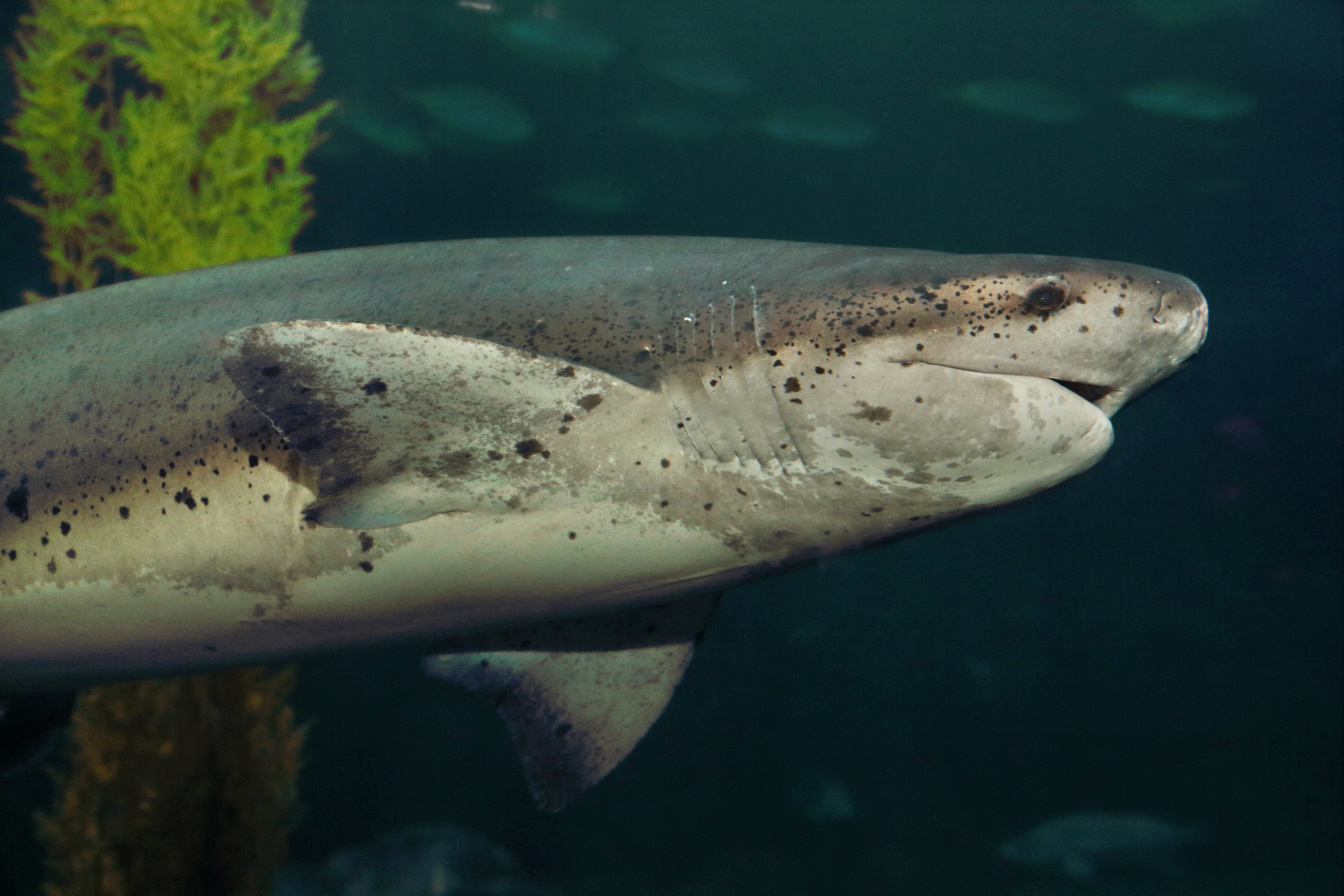
Live cam
Shark Cam
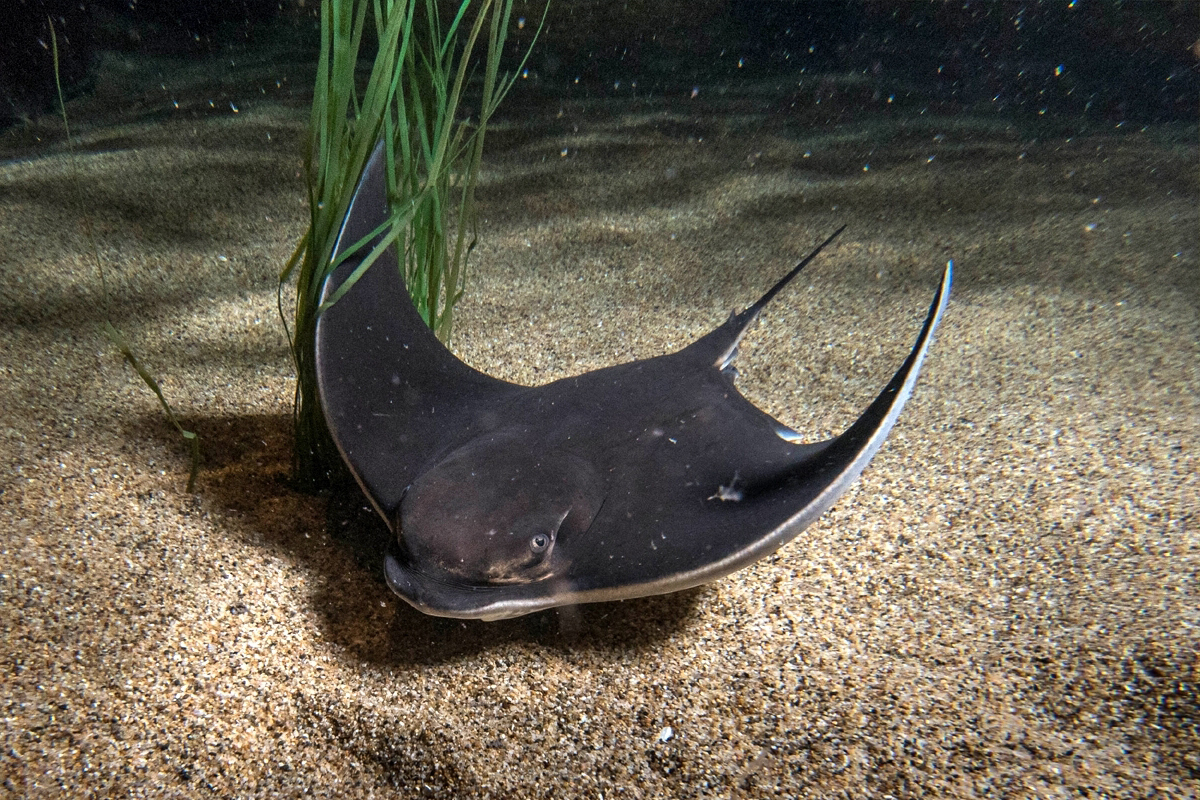
Watch live as sevengill sharks, leopard sharks, bat rays, sturgeon, and others glide through the rocky reef.
Watch cam – Shark CamHow species adapt
The sandy seafloor extends from the shallow waters of the intertidal zones—the areas closest to shore—out to a depth of approximately 100 feet (30 m). Different species have adapted to dwelling on different parts of the sandy seafloor, depending on the ocean’s depth and the strength of the waves that continually sort and reshape this shifting habitat.
Hiding and burrowing
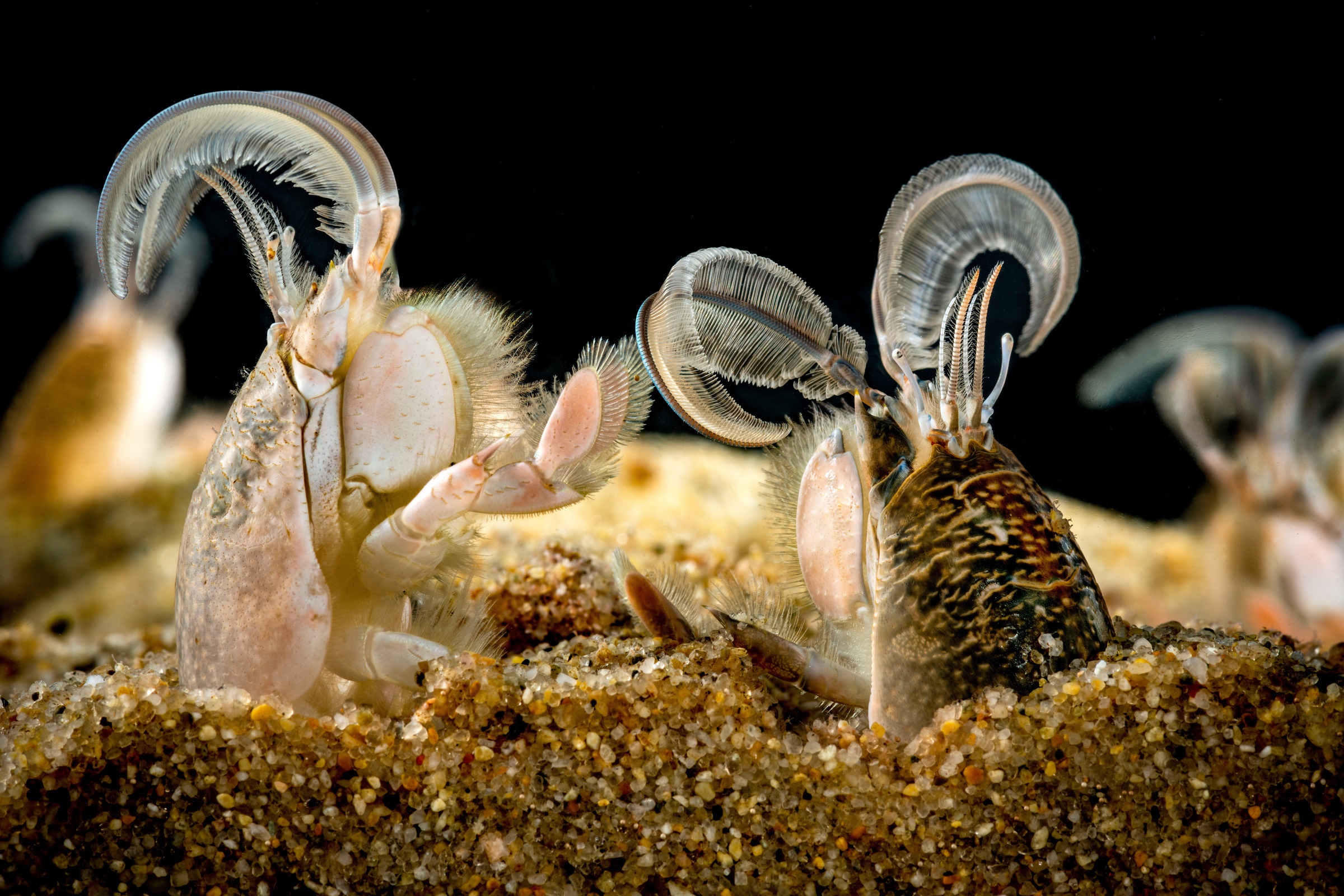
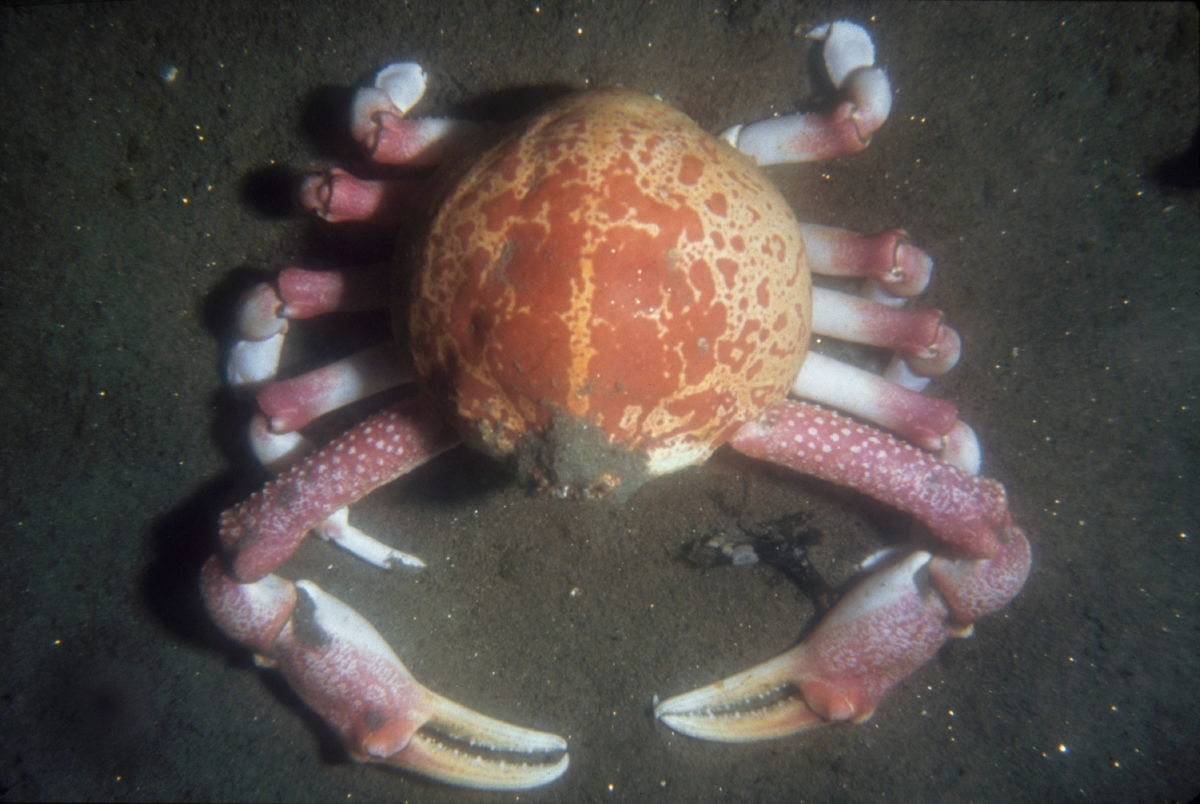
In the near-shore zone, crustaceans burrow into the seafloor to protect themselves from pounding surf. Here, crabs scurry up and out of the sand to find food, then tuck back down again.
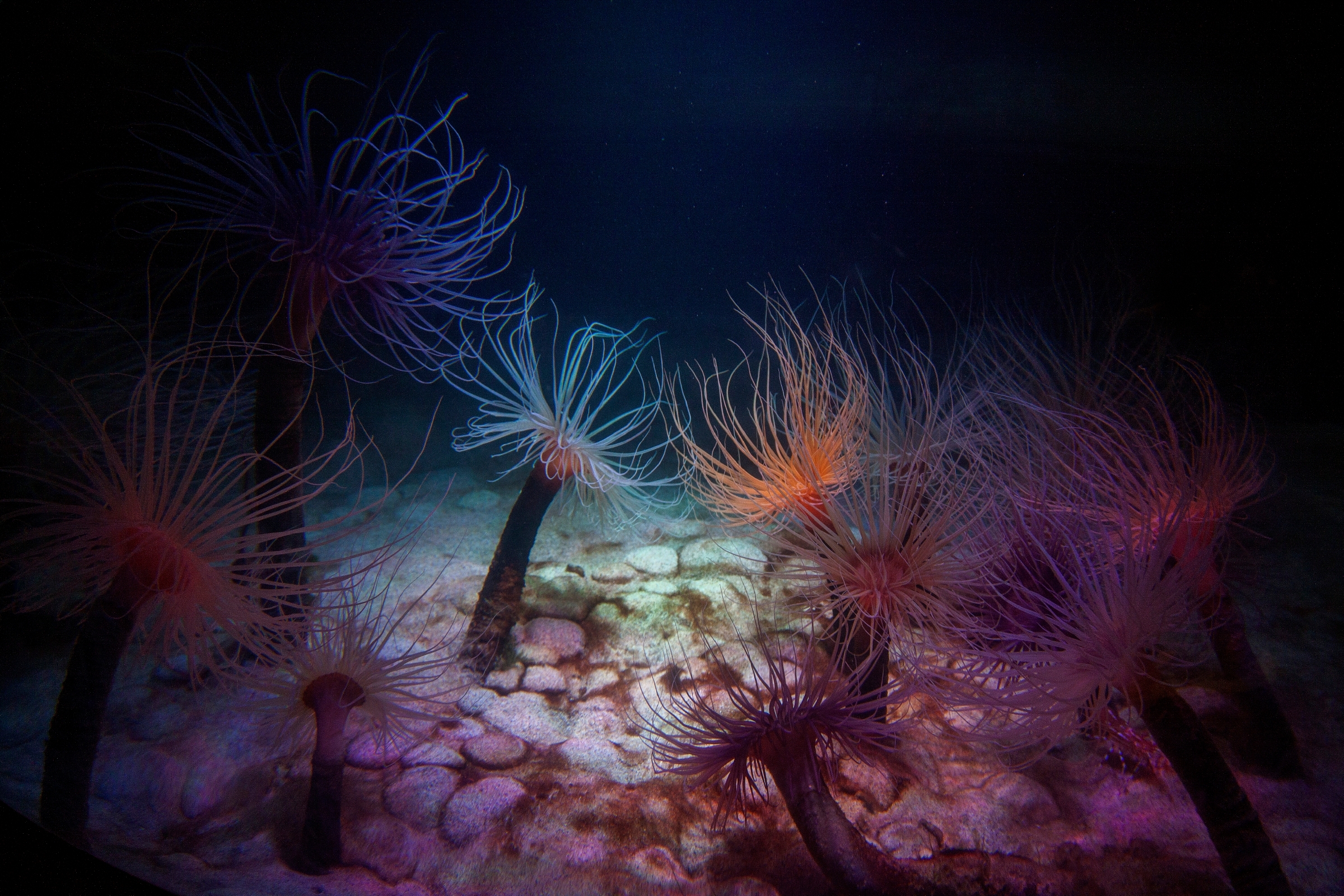
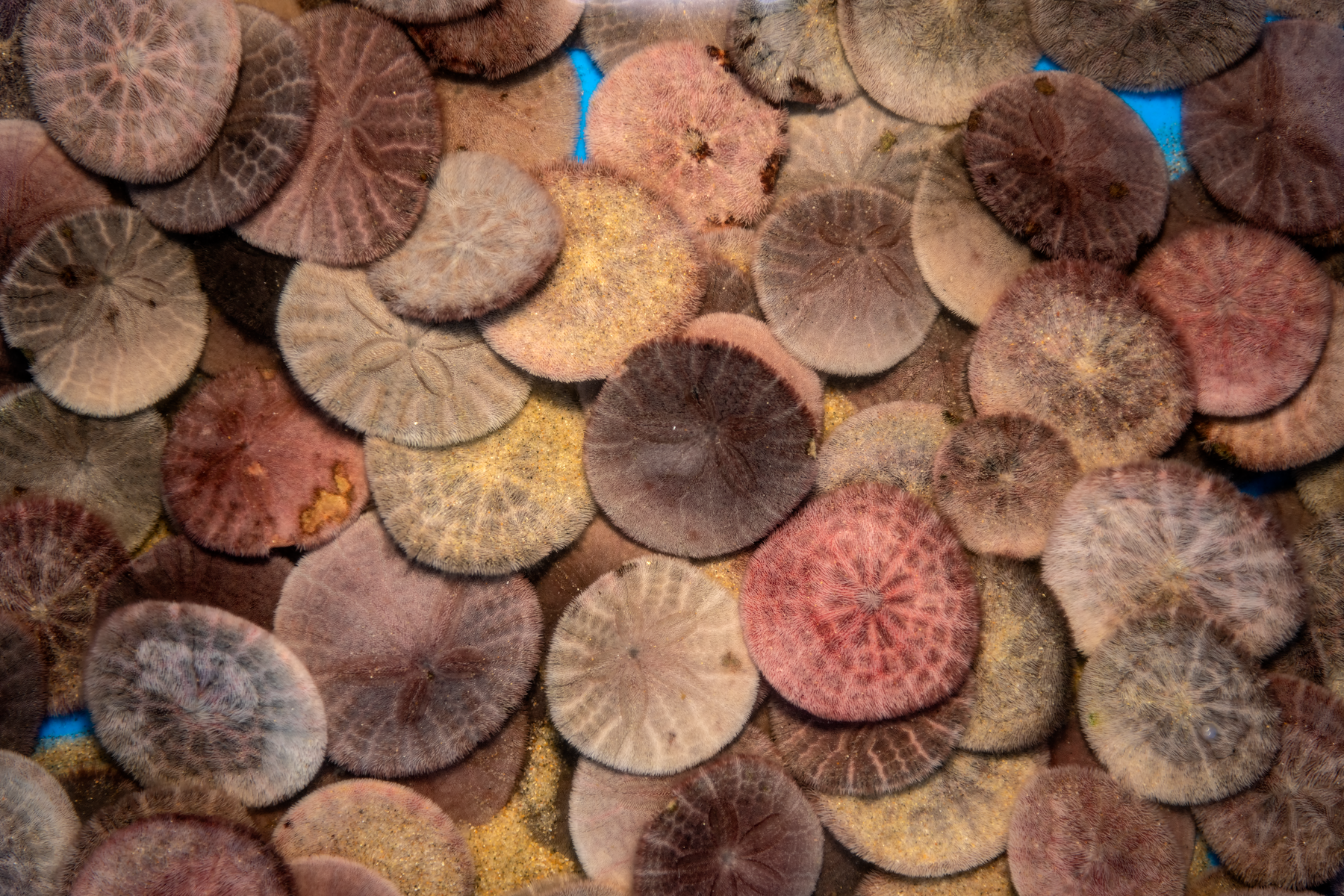
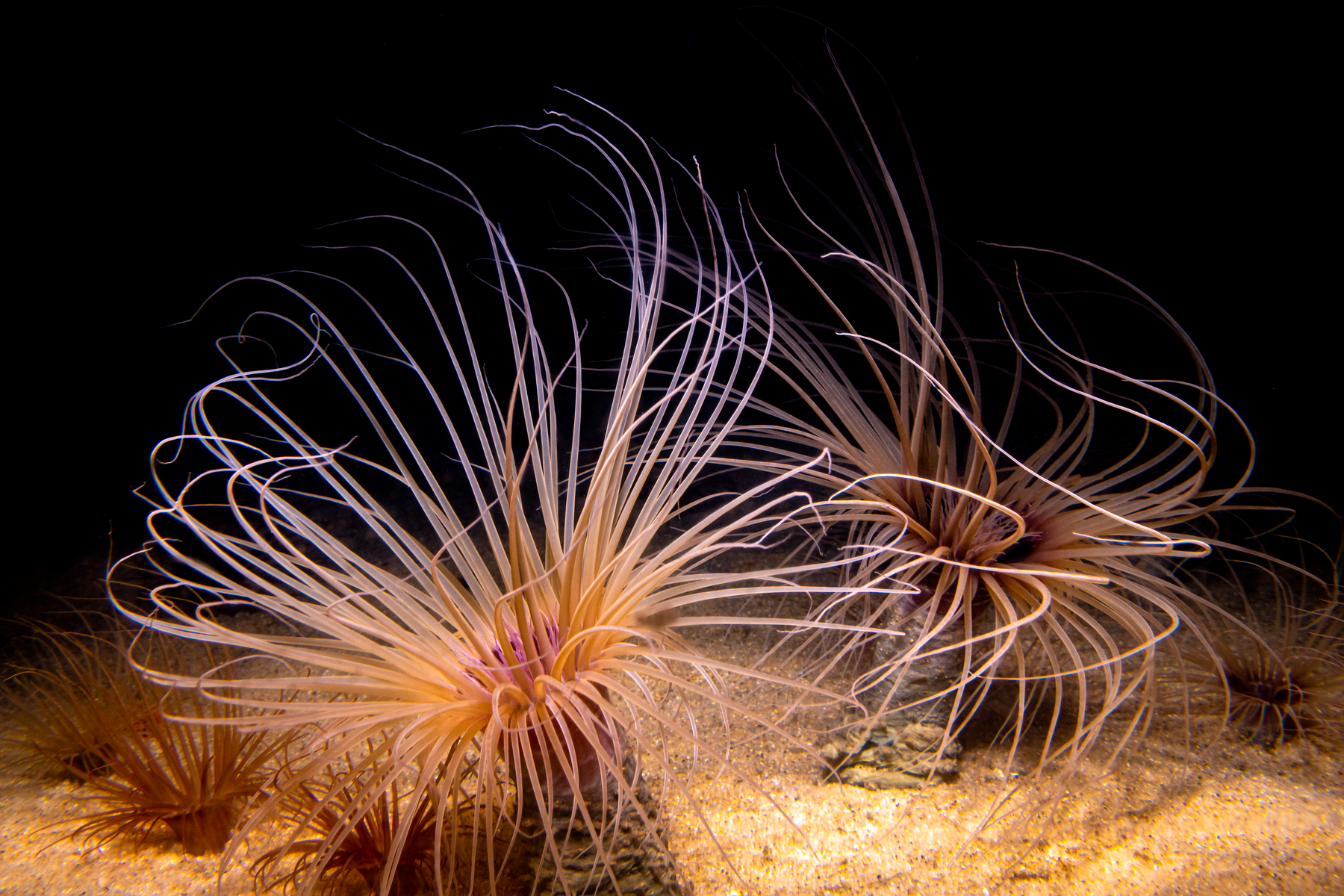
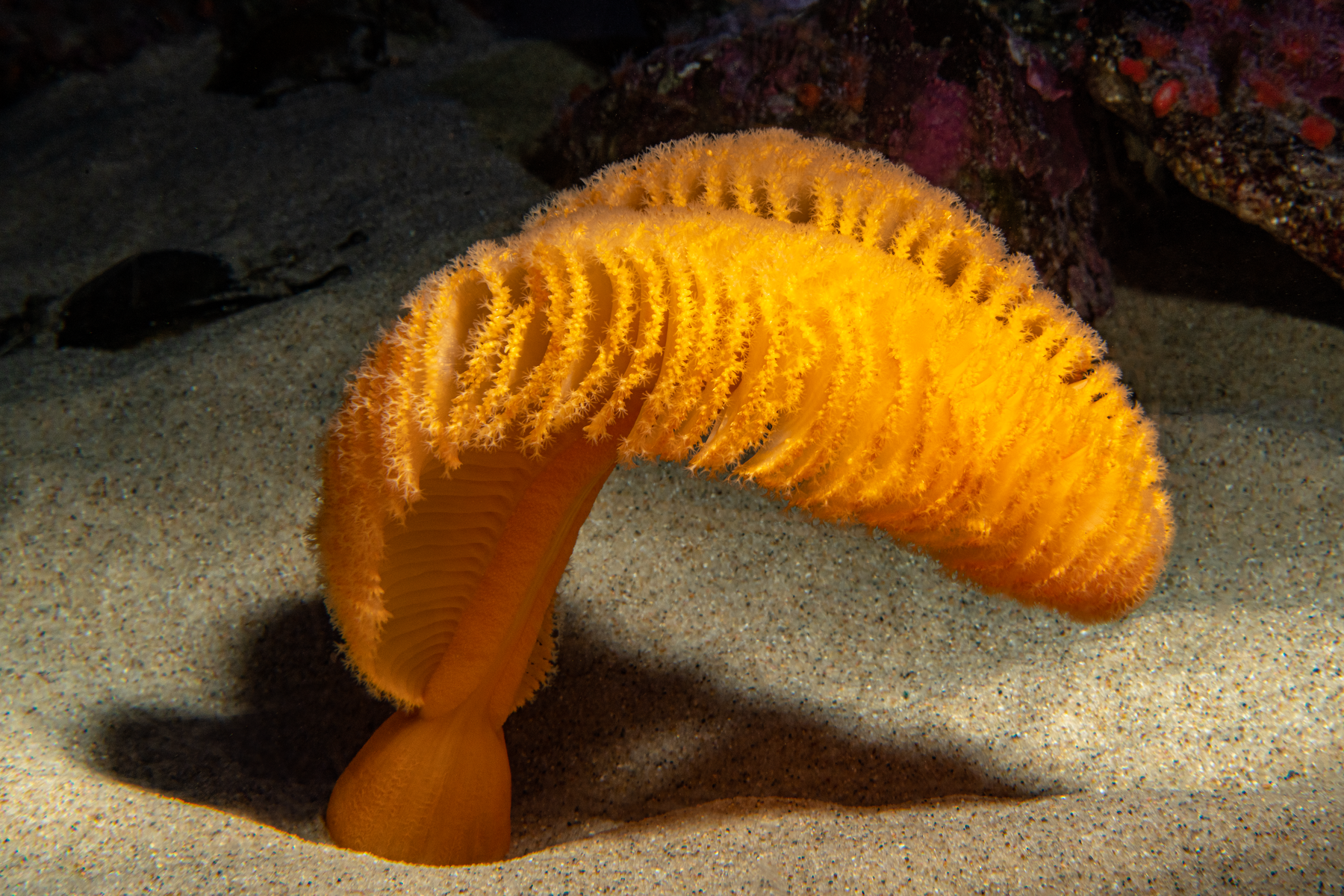
Farther out in the subtidal zone where the waves pack less force, other species have adapted to life just above the sand. Burrowing tube anemones sink their bodies deep into the seafloor, quickly retracting their tentacles when waters get rough or when predators are near. Sand dollars counter strong currents by growing heavier skeletons, while young sand dollars swallow heavy grains of sand to anchor their bodies to the seafloor.
Species in disguise
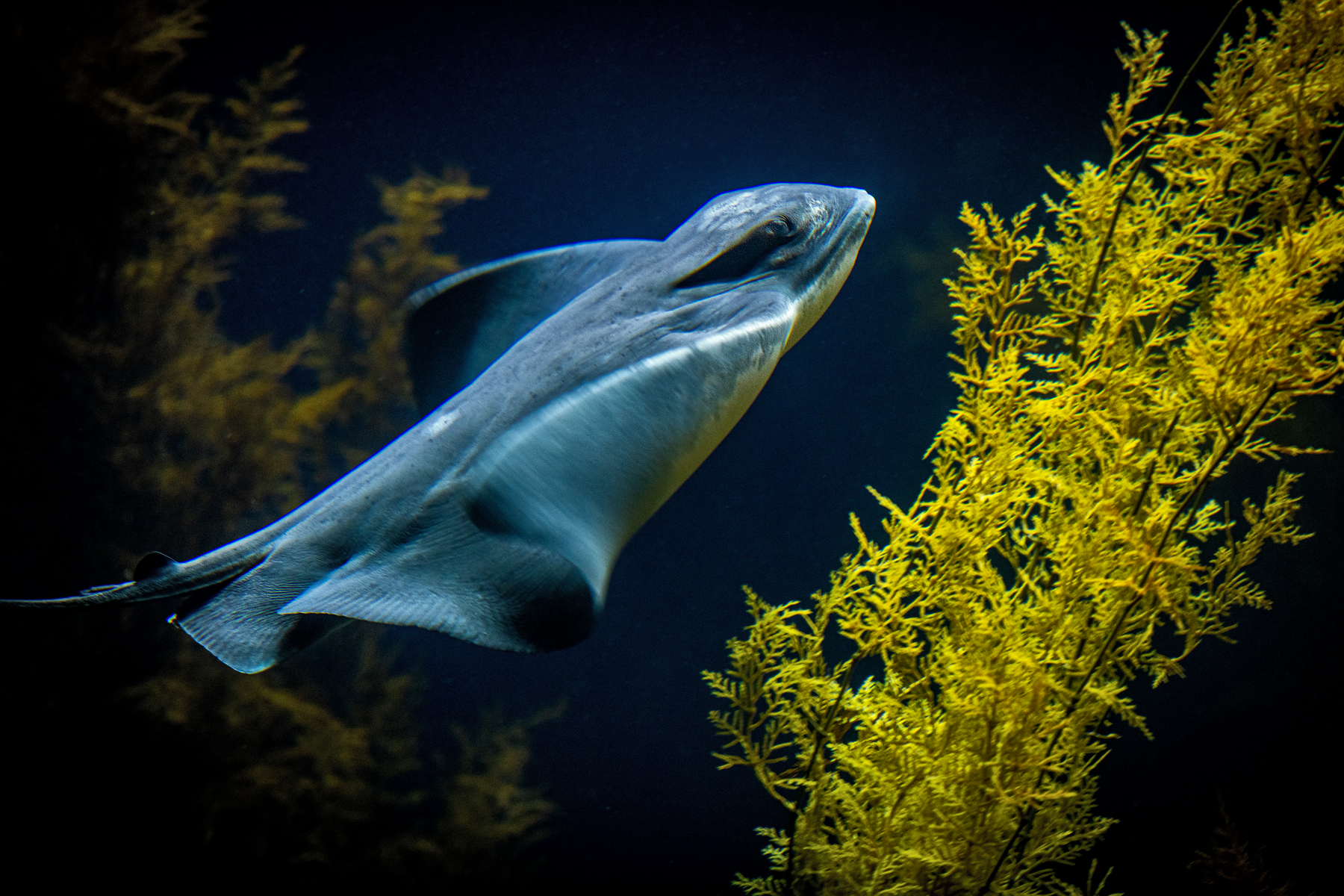
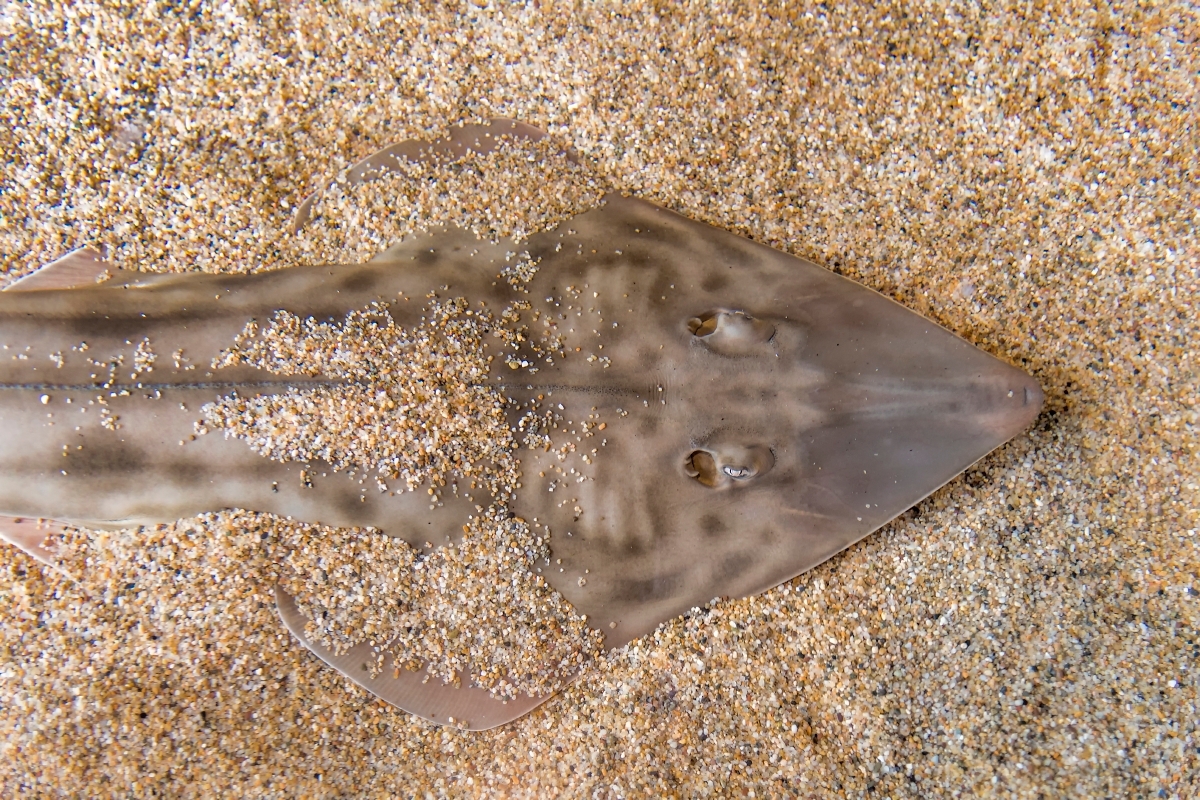
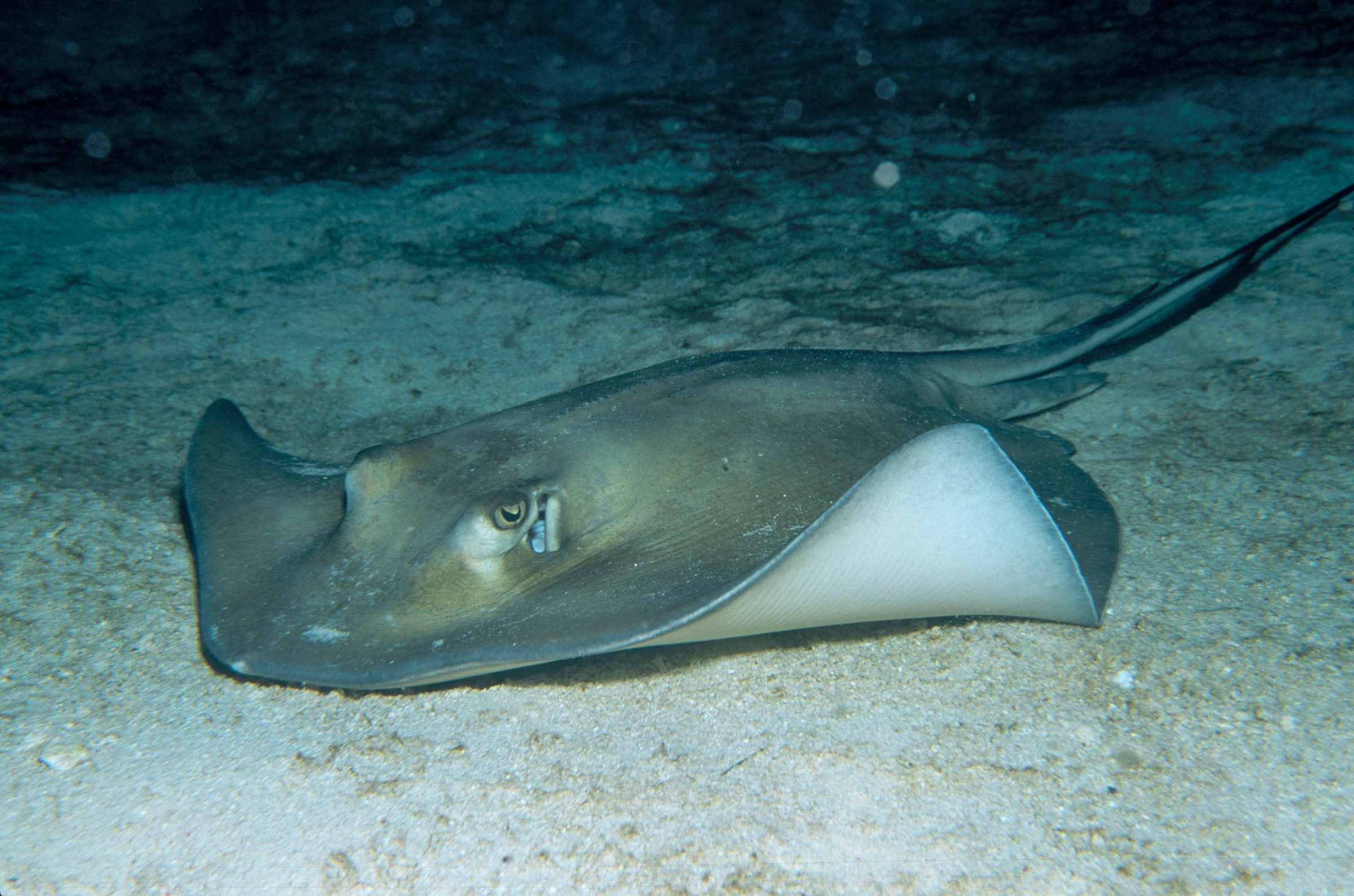
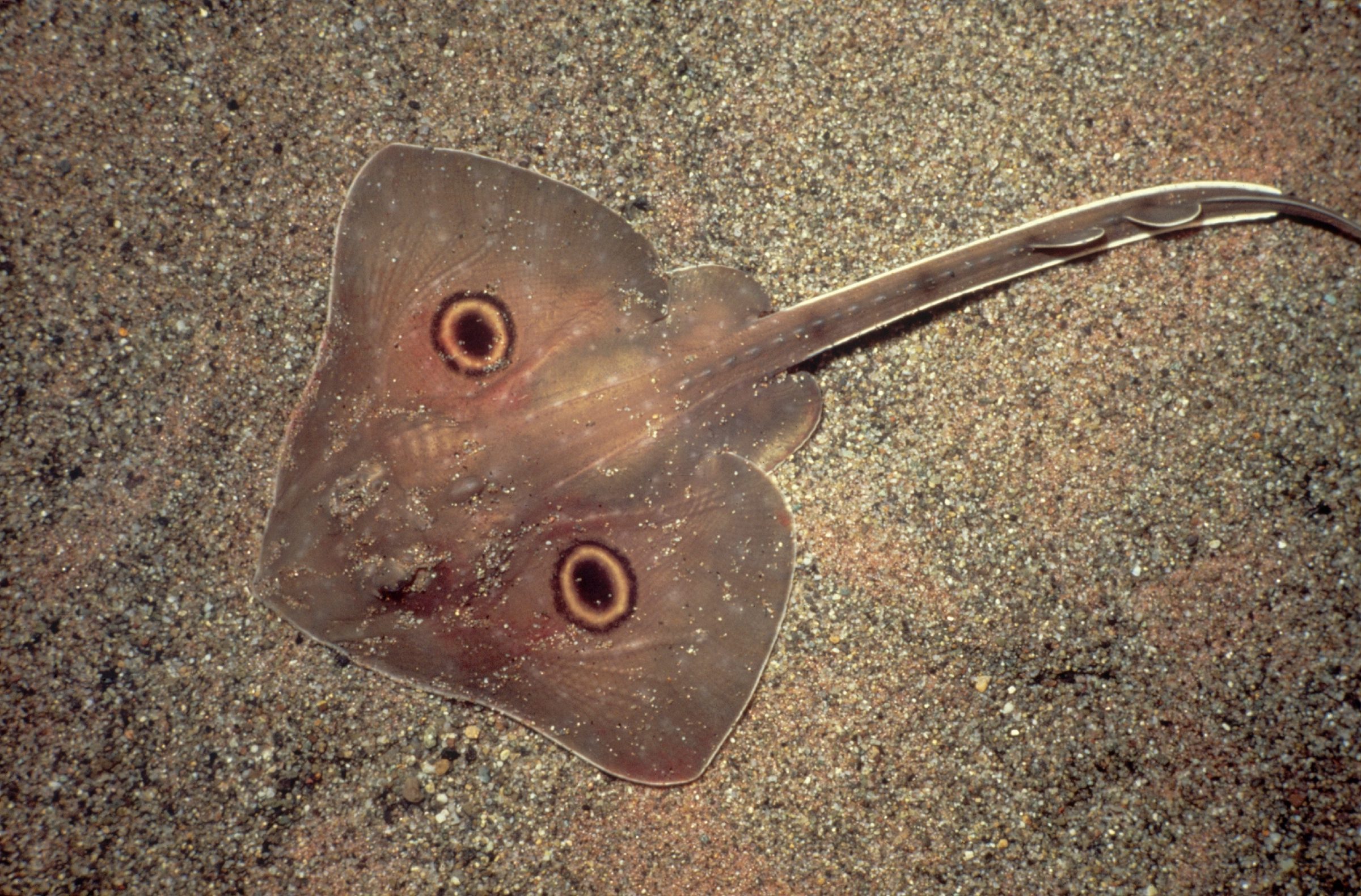
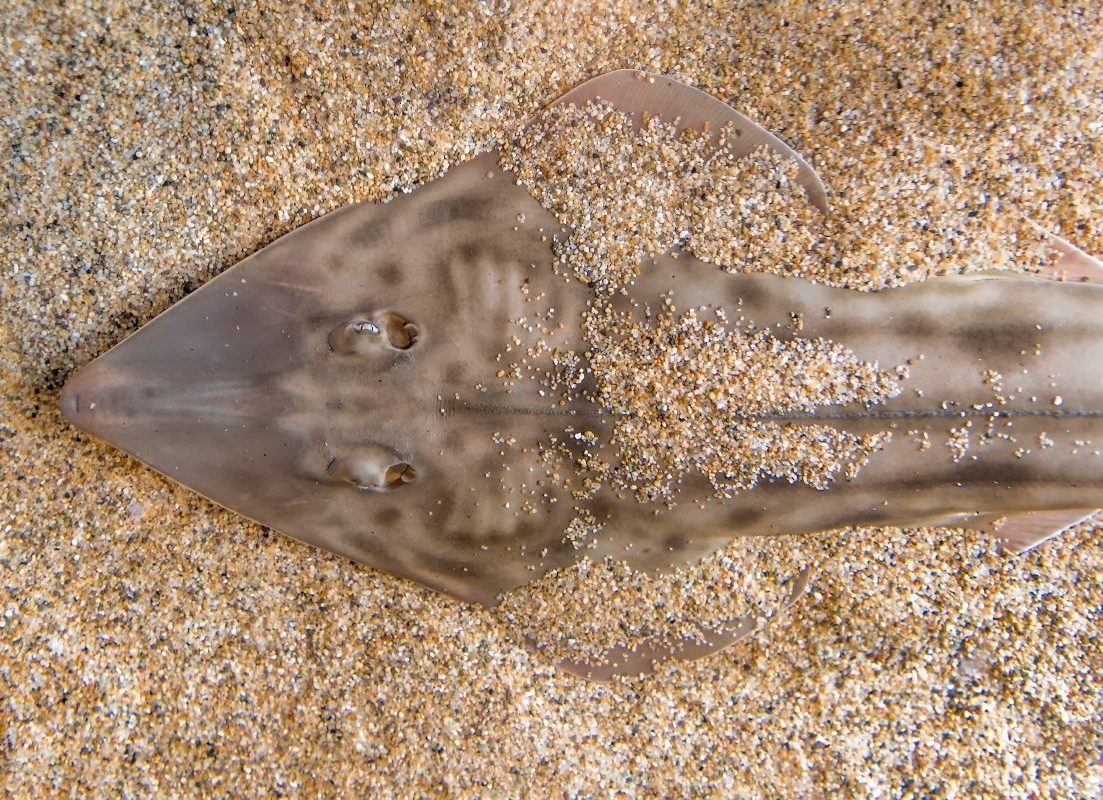
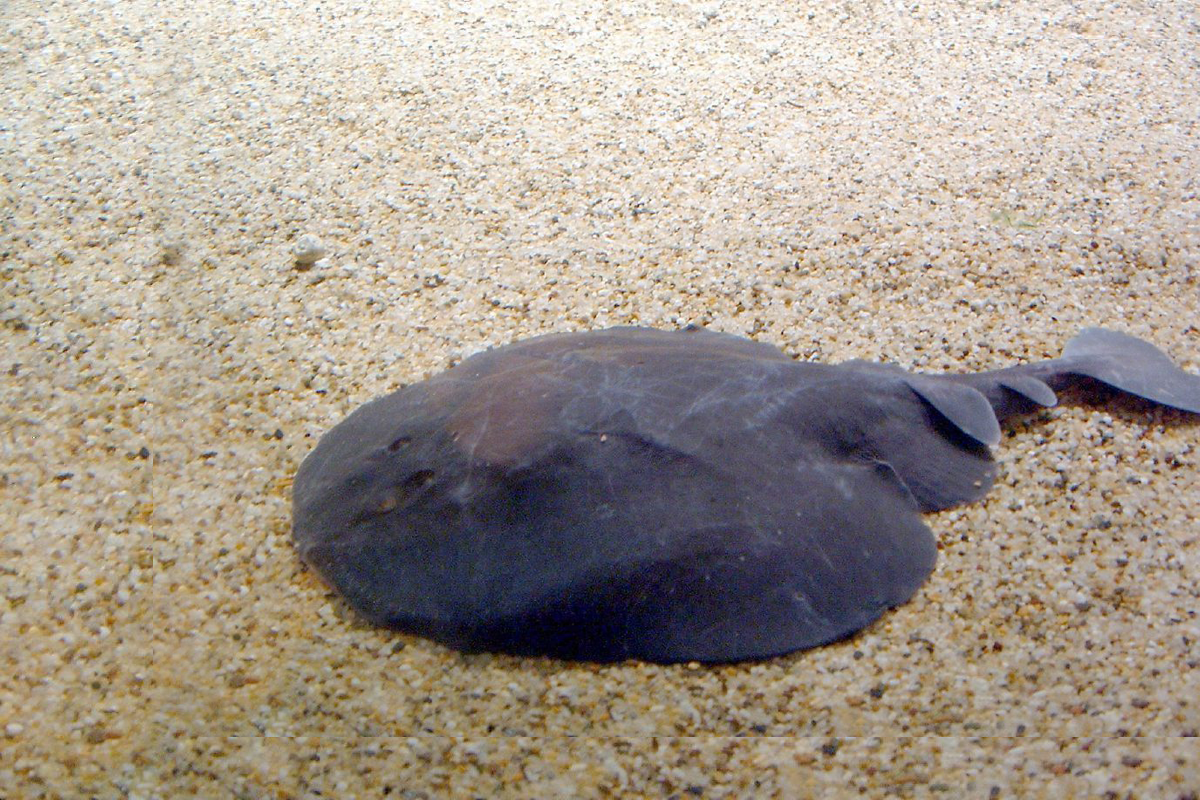
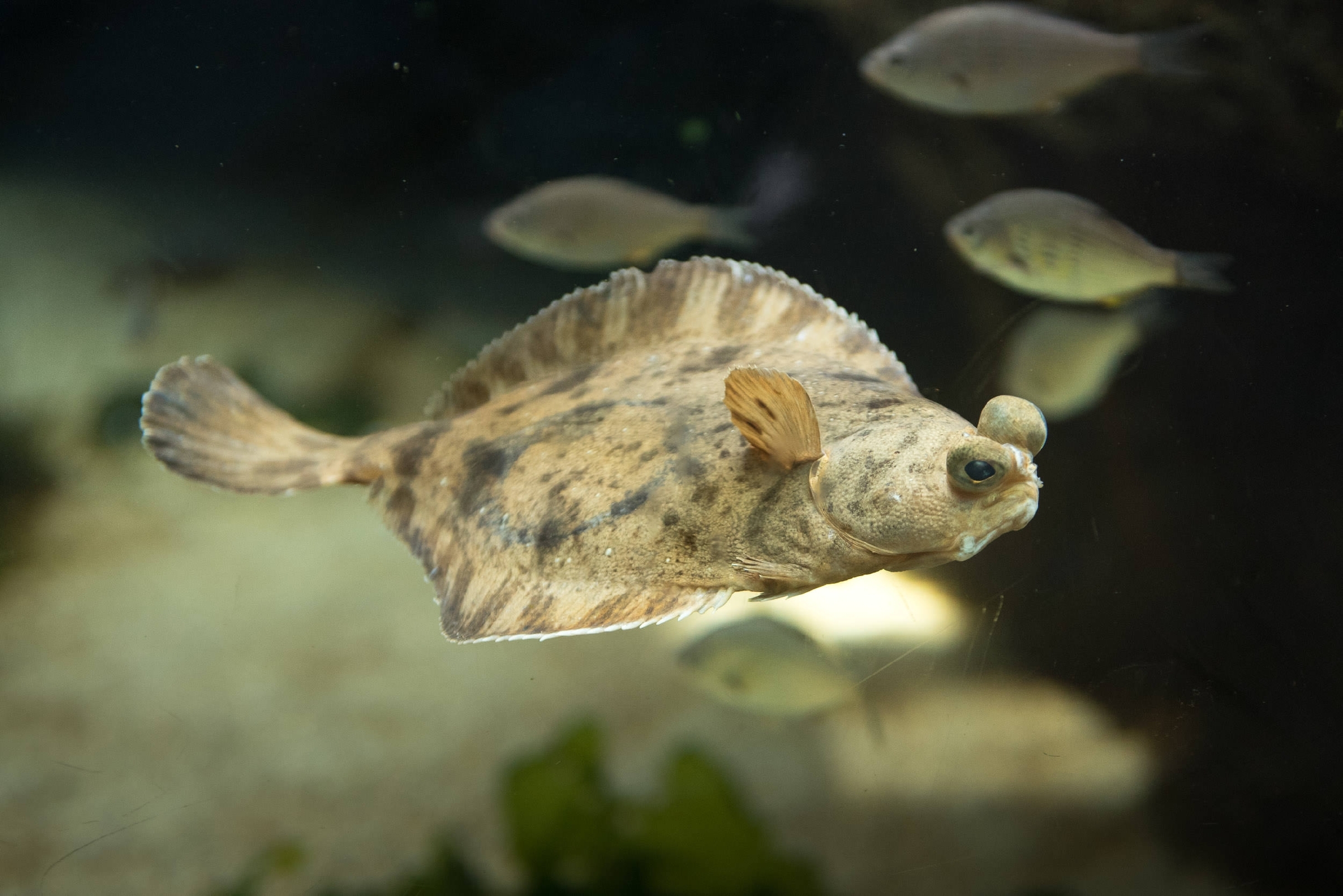
Still other species have adapted to use the seafloor’s shifting sands to their advantage. Flatfish shuffle along on their sides, their bodies camouflaged in the sand. Some bury themselves in the sand until only their eyes are visible. Rays and skates blend in with their surroundings as they cruise close to the sandy bottom. Or they lie still, half buried in the sand, to surprise their prey.
How this habitat changes
Wave action is the most powerful natural force affecting the sandy seafloor, sometimes scooping up and relocating large swaths of sand. But human activity from dredging and bottom trawling also impacts this habitat, often damaging or destroying large parts of the sandy seafloor—and with it, the animals that live here.
Things to look for and notice
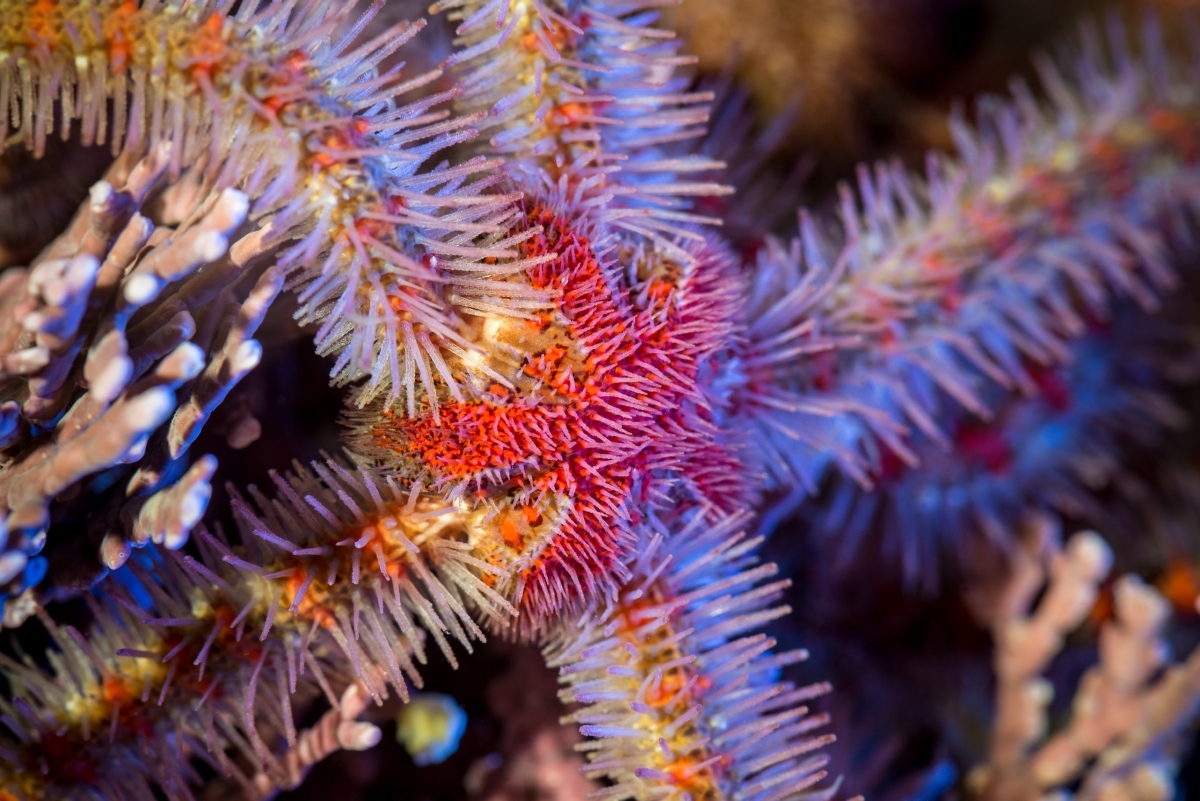
While species diversity is relatively low here, concentration is high. Look for sand dollars crowding together over a single area, and spiny brittle stars piling up to form thick, living carpets. Also, notice the tiny particles of organic matter that settle like snow flurries onto the seafloor. They provide much needed food for scavengers and filter feeders, like crabs and burrowing anemones.
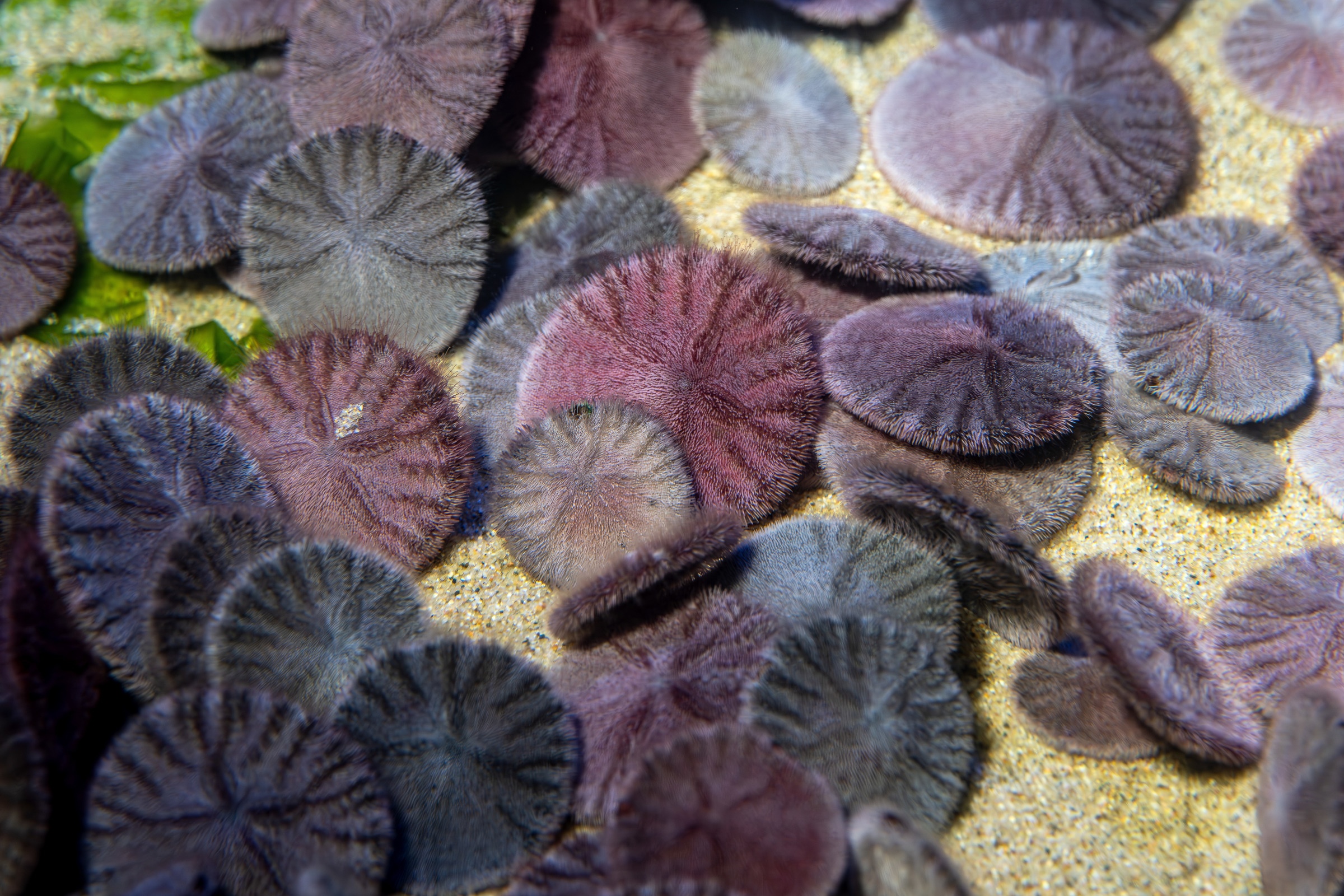
Sand dollars (Dendraster excentricus) stand on their edges to filter food when waters are quiet, and lay flat to hold on when waves get rough.
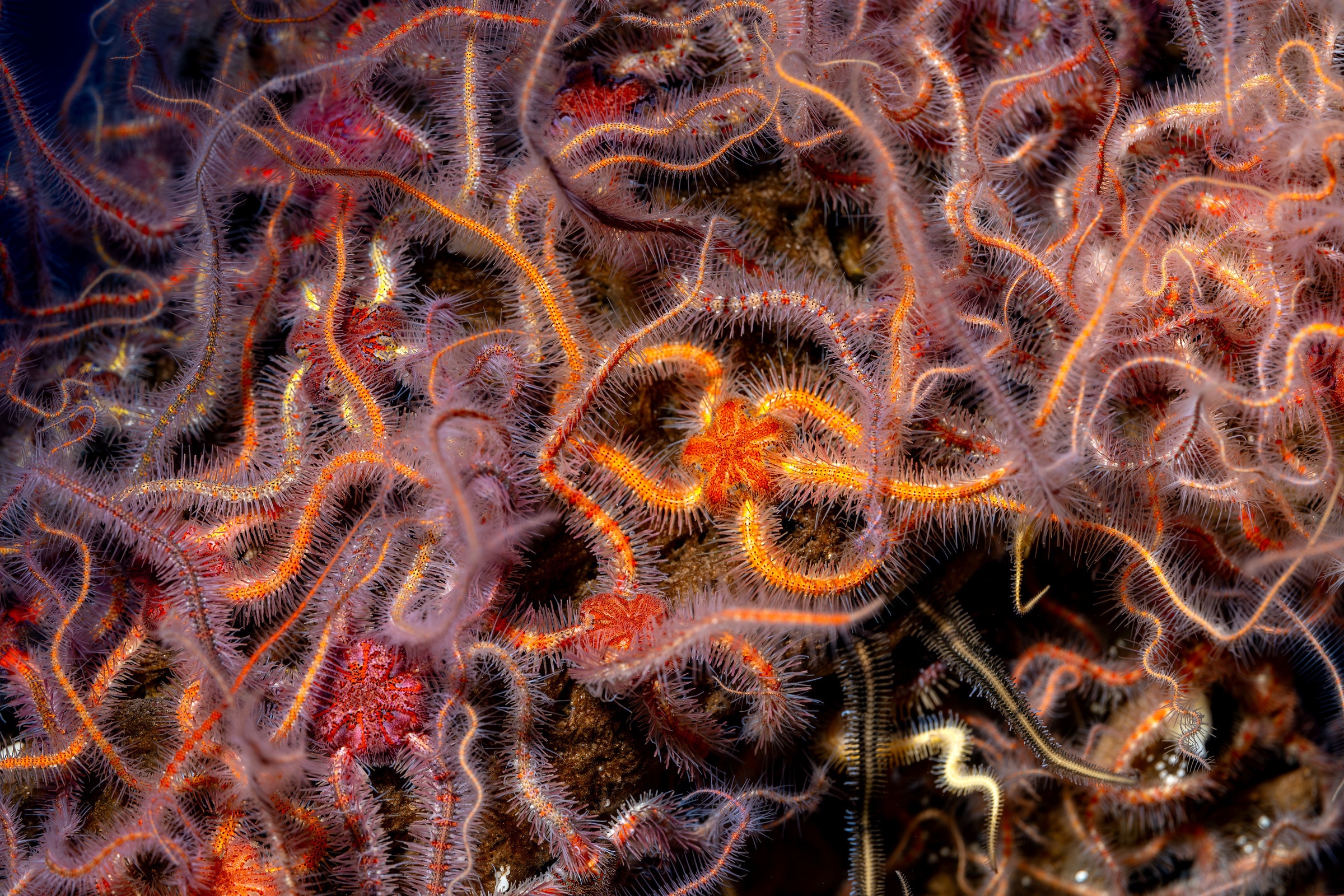
Spiny brittle stars (Ophiothrix spiculata) cluster together, forming thick, carpetlike layers on the seafloor.
How to enjoy and protect this habitat
The sandy seafloor is a valuable resource and needs protection.
Choose sustainable seafood
Bottom trawling causes damage to seafloor habitats and accidentally catches and kills tons of marine life every year. Learn more about the effects of trawling, and how to choose seafood wisely.
Reduce runoff
This habitat is also vulnerable to pollution from motor oil and other harmful chemicals. These contaminants find their way through urban runoff into the ocean. Make sure your vehicle isn’t leaking oil onto surface streets, where rainwater can easily wash residual oil into storm drains and out to the ocean. You can also make a difference by properly disposing of used motor oil whenever changing the oil in your vehicle.
Pick up litter and debris
Accumulated marine debris—old fishing gear, sunken vessels and everyday objects, made from metal, glass, rubber, paper and plastic are common sights on the sandy seafloor. These items degrade marine habitats by obstructing the seafloor and changing the chemical composition of the sediment.
You can help by picking up and disposing of litter and plastic waste found near beaches, wharfs and harbors. Bringing your own reusable water bottles, utensils, and food containers whenever you visit these areas also protects these habitats. Learn more ways you can help reduce plastic pollution.
Explore more of the ocean
Ecosystem
Kelp forest
Giant kelp plants that provide food and shelter for a diverse community of plants and animals.