
Sustainable tuna buying guide
Tuna is one of the most popular seafoods and sushi ingredients in the United States. In fact, on average, we each eat two pounds of canned tuna a year! Consumers can find sustainably harvested tuna, but over 35 percent of the most popular kinds of tuna caught globally are considered unsustainable by Seafood Watch standards, so it’s important to know what to buy and what to avoid.
Quick buying guide
- Buy canned and pouched tuna from the Atlantic or Pacific when you see one of these terms on the label: pole-caught, pole-and-lines, troll-caught, or FAD-free (also called free school or school-caught).
- Buy tuna caught in Hawai‘i.
- Buy albacore and yellowfin tuna caught by U.S. longline fisheries in the Atlantic.
- Buy skipjack and yellowfin tuna from the Indian Ocean labeled pole-caught, pole-and-lines, or FAD-free, or from the Maldives.
- Avoid all bluefin tuna, except for the wild-caught Pacific bluefin tuna sources we recommend.*
- Avoid tuna caught with longlines or purse seines using FADs, except for the sources we recommend.*
- Avoid tuna caught in the Indian Ocean, except for the sources of skipjack and yellowfin tuna we recommend.*
* Scroll down to see the sources we recommend.
Albacore caught with trolls or pole-and-lines is on our Super Green list—good for you and the planet!
What to buy or avoid?
It’s pretty easy to find sustainable canned or pouched albacore (white tuna), skipjack (chunk light or light tuna), and yellowfin (ahi). If the tuna is fresh or frozen, find out the species, where it was caught, and how it was caught, then check our recommendations below.
Canned tuna
- Buy canned and pouched tuna from the Atlantic or Pacific when you see one of these terms on the label: pole-caught, pole-and-lines, troll-caught, or FAD-free (also called free school or school-caught).
- Buy skipjack and yellowfin tuna from the Indian Ocean labeled pole-caught, pole-and-lines, or FAD-free, or from the Maldives.
- Some brands, such as American Tuna and Wild Planet, provide information about how the tuna was caught, but always check the label. The Monterey Bay Aquarium Seafood Watch program doesn’t formally endorse specific brands, and other ocean-friendly canned/pouched tuna products may be available at your grocery store.
- Whole Foods Market and MOM's Organic Market have sustainable seafood policies that cover their canned/pouched tuna.
- Take a pass if you don’t see one of the above terms on the canned/pouched tuna label. Note: Dolphin-safe does not mean the tuna is environmentally sustainable, and “line-caught” usually means the tuna was caught with longlines.
Read more tips for choosing sustainable canned tuna on SeafoodWatch.org
Albacore
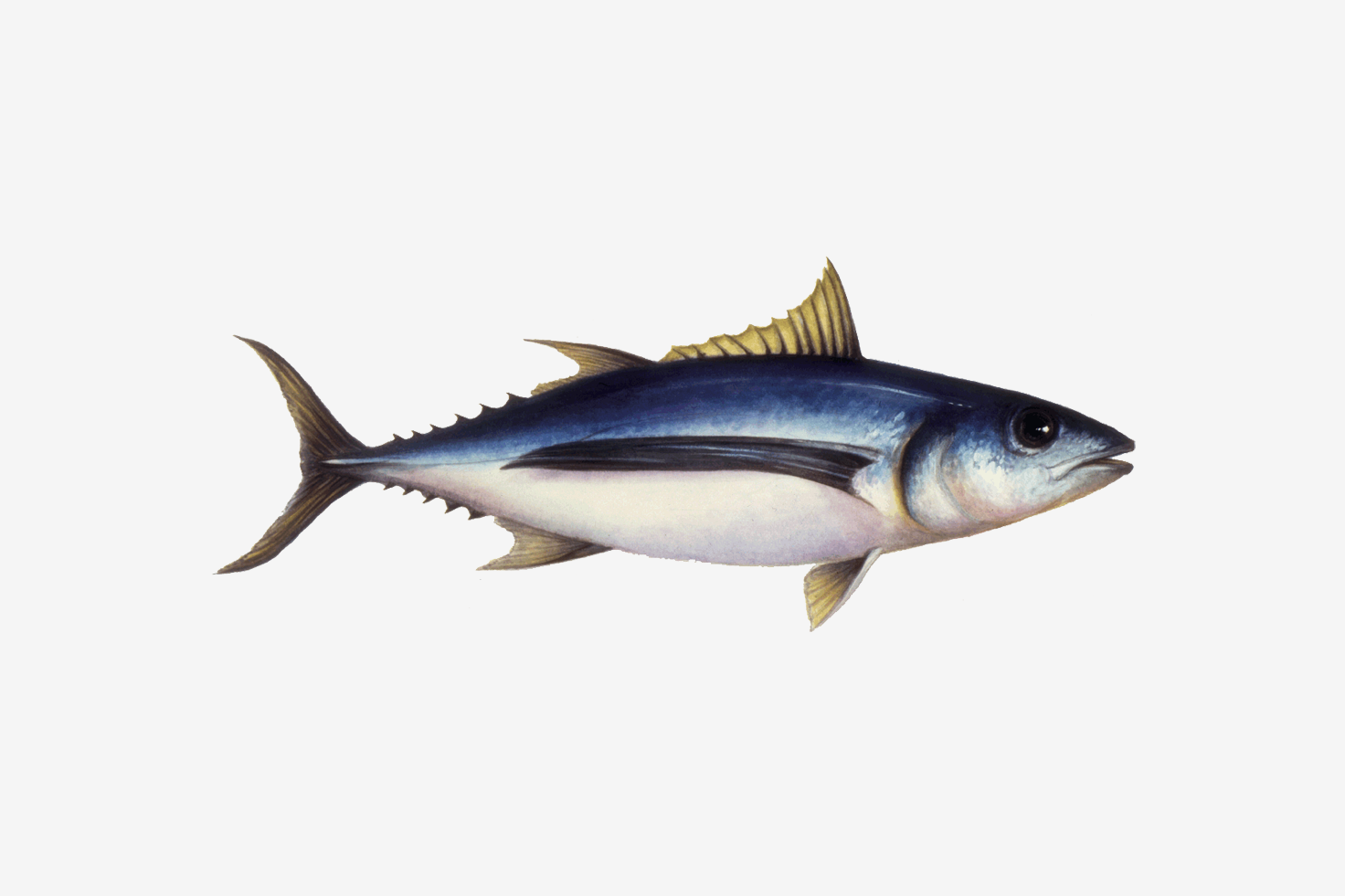
Albacore populations are healthy in the Atlantic, Indian, and Pacific Oceans. It's available fresh, frozen, canned, and in pouches, and is typically labeled “white” tuna.
- Buy albacore from the Atlantic or Pacific that′s labeled pole-caught, pole-and-lines, or troll-caught.
- Buy U.S. longline-caught albacore from Hawai‘i or the Atlantic.
- Avoid all other longline-caught albacore.
- Avoid albacore caught in the Indian Ocean.
Atlantic, Pacific, and southern bluefin tuna
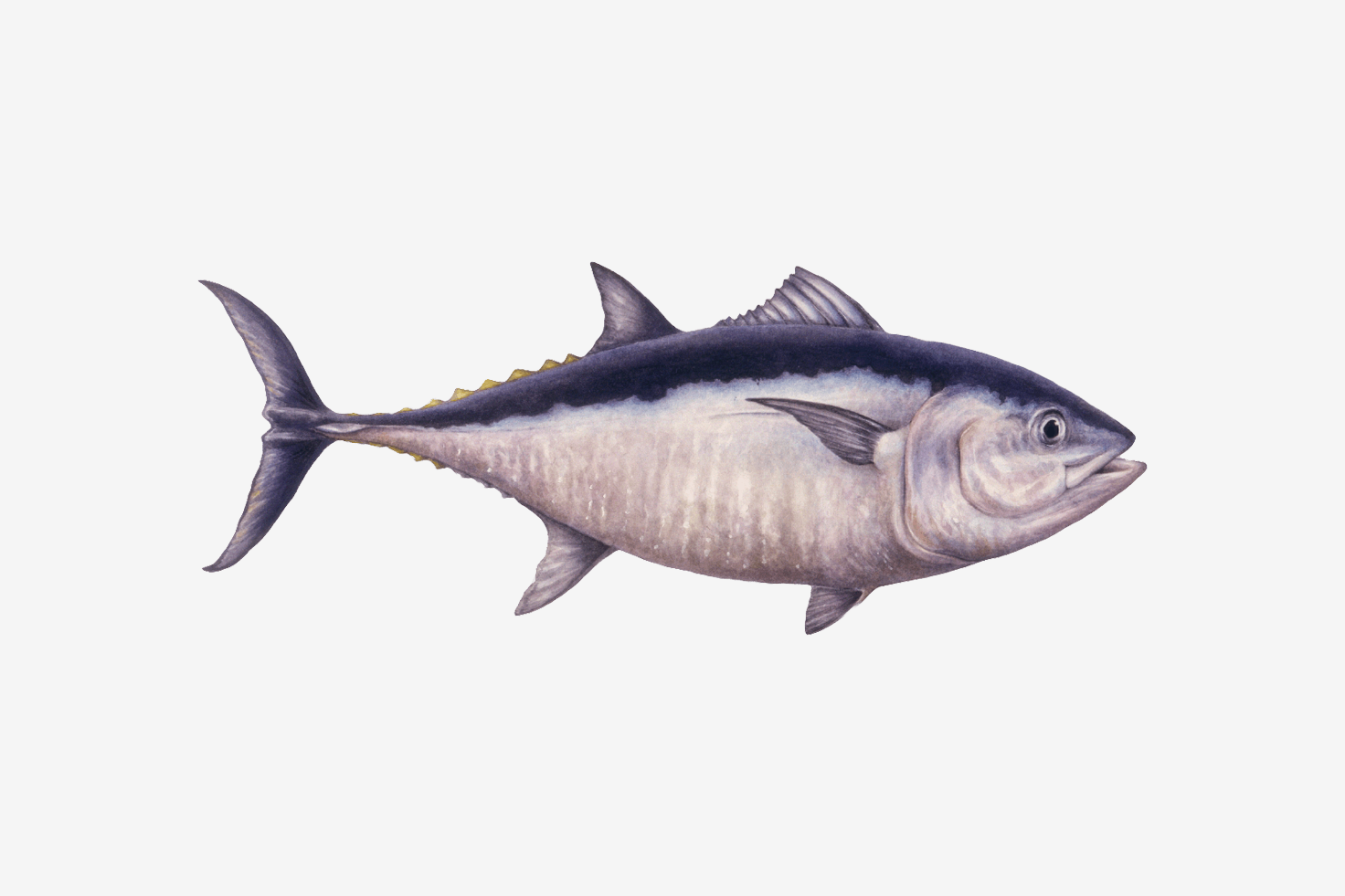
Pacific bluefin tuna is no longer considered overfished, and strong management is needed to ensure it’s harvested sustainably. Once heavily overfished, Atlantic bluefin tuna populations have not fully recovered. Southern bluefin tuna are still depleted, but the population is rebuilding and no longer experiencing overfishing.
- Buy Pacific bluefin tuna that’s labeled pole-caught, pole-and-lines, troll-caught, or FAD-free (also called free school or school-caught).
- Buy Pacific bluefin tuna caught in California.
- Avoid all other wild or farmed Atlantic, Pacific, and southern bluefin tuna.
- Avoid "kuro maguro" or "hon maguro" sushi because it's bluefin tuna.
© Scandposters
Bigeye tuna
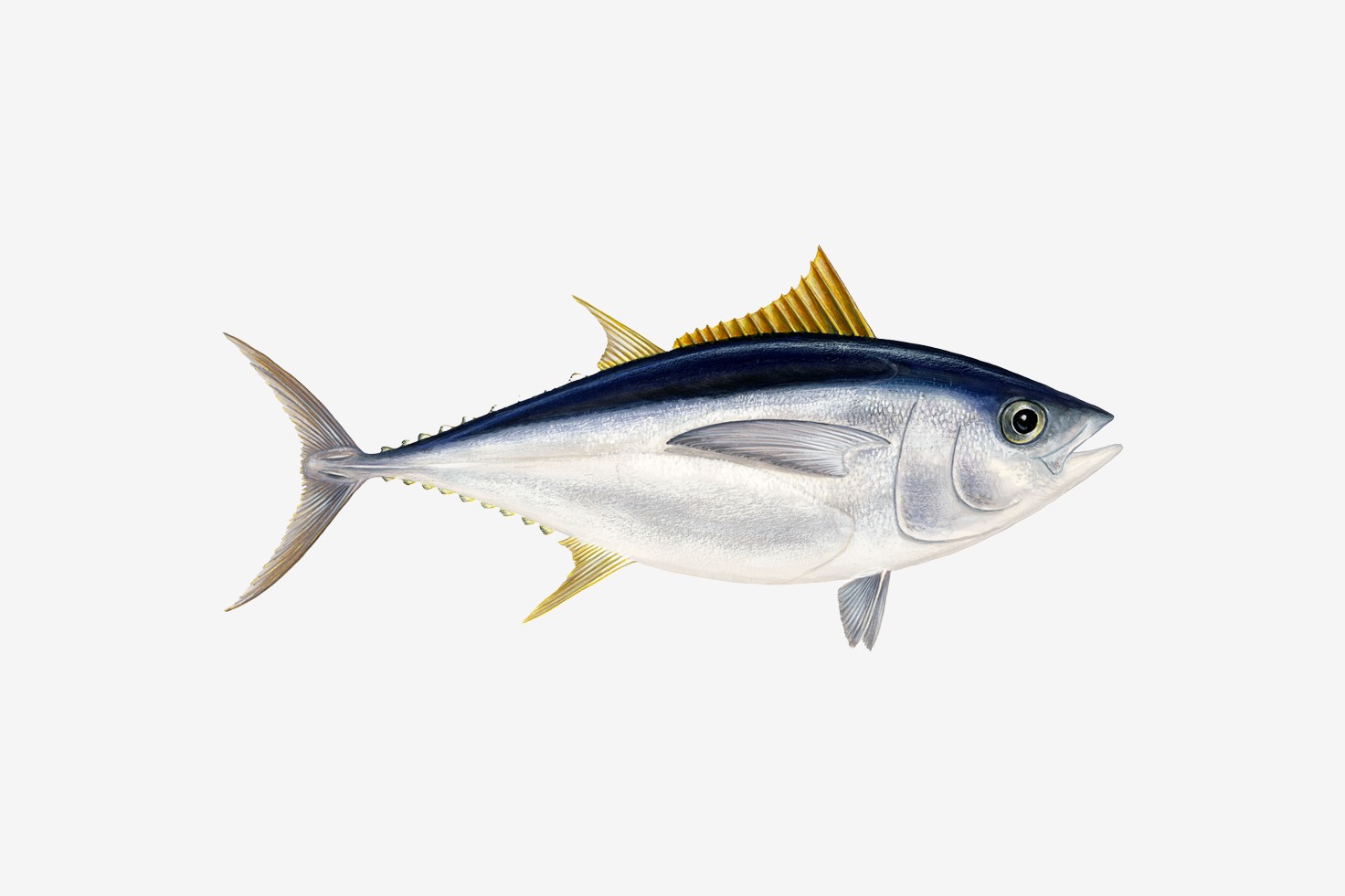
Bigeye tuna populations are healthy in the Pacific Ocean, but they're experiencing overfishing in the Atlantic and Indian Oceans. Bigeye tuna is more commonly sold fresh or frozen than in shelf-stable forms, and is often labeled “ahi.“
- Buy bigeye tuna from the Atlantic or Pacific that′s labeled pole-caught, pole-and-lines, troll-caught, or FAD-free (also called free school or school-caught).
- Buy U.S. longline-caught bigeye tuna from Hawai‘i.
- Avoid all other longline-caught bigeye tuna.
- Avoid bigeye tuna caught in the Indian Ocean.
- Avoid bigeye caught with purse seines using FADs, except if you confirm it was harvested in the Eastern Central Pacific.
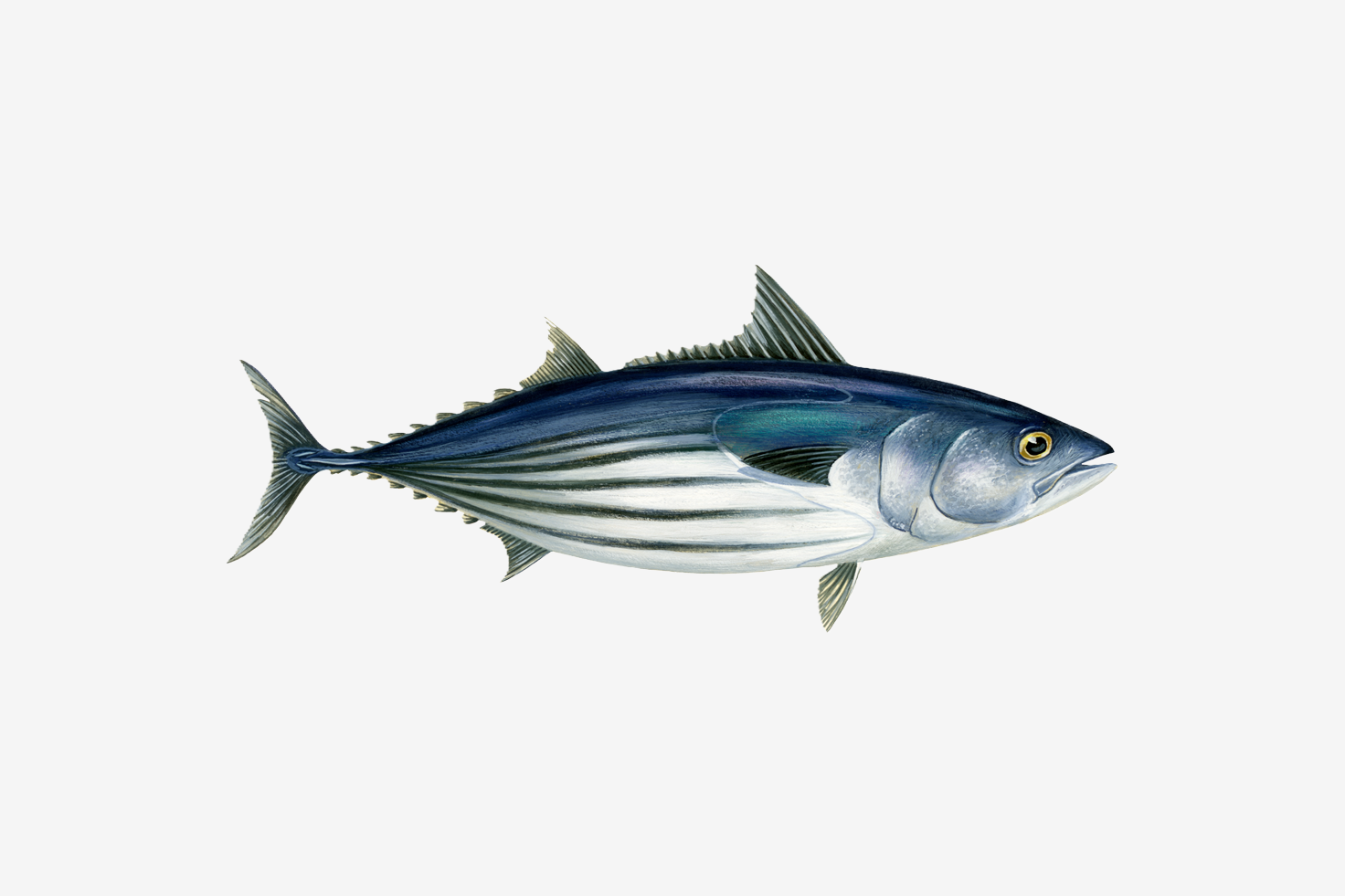
© Scandposters
Skipjack tuna
Skipjack tuna populations are healthy worldwide. It’s the most common canned and pouch tuna, and is typically labeled "chunk light" or "light" tuna.
- Buy skipjack tuna from the Atlantic or Pacific that′s labeled pole-caught, pole-and-lines, or troll-caught, or FAD-free (also called free school or school-caught).
- Buy U.S. longline-caught skipjack tuna from Hawai‘i.
- Buy skipjack tuna caught in the Maldives.
- Buy skipjack tuna caught in the Indian Ocean that’s labeled pole-caught, pole-and-lines, or FAD-free.
- Avoid all other skipjack tuna caught in the Indian Ocean.
- Avoid skipjack tuna caught with purse seines using FADs, except if you confirm it was harvested in the Eastern Central Pacific.
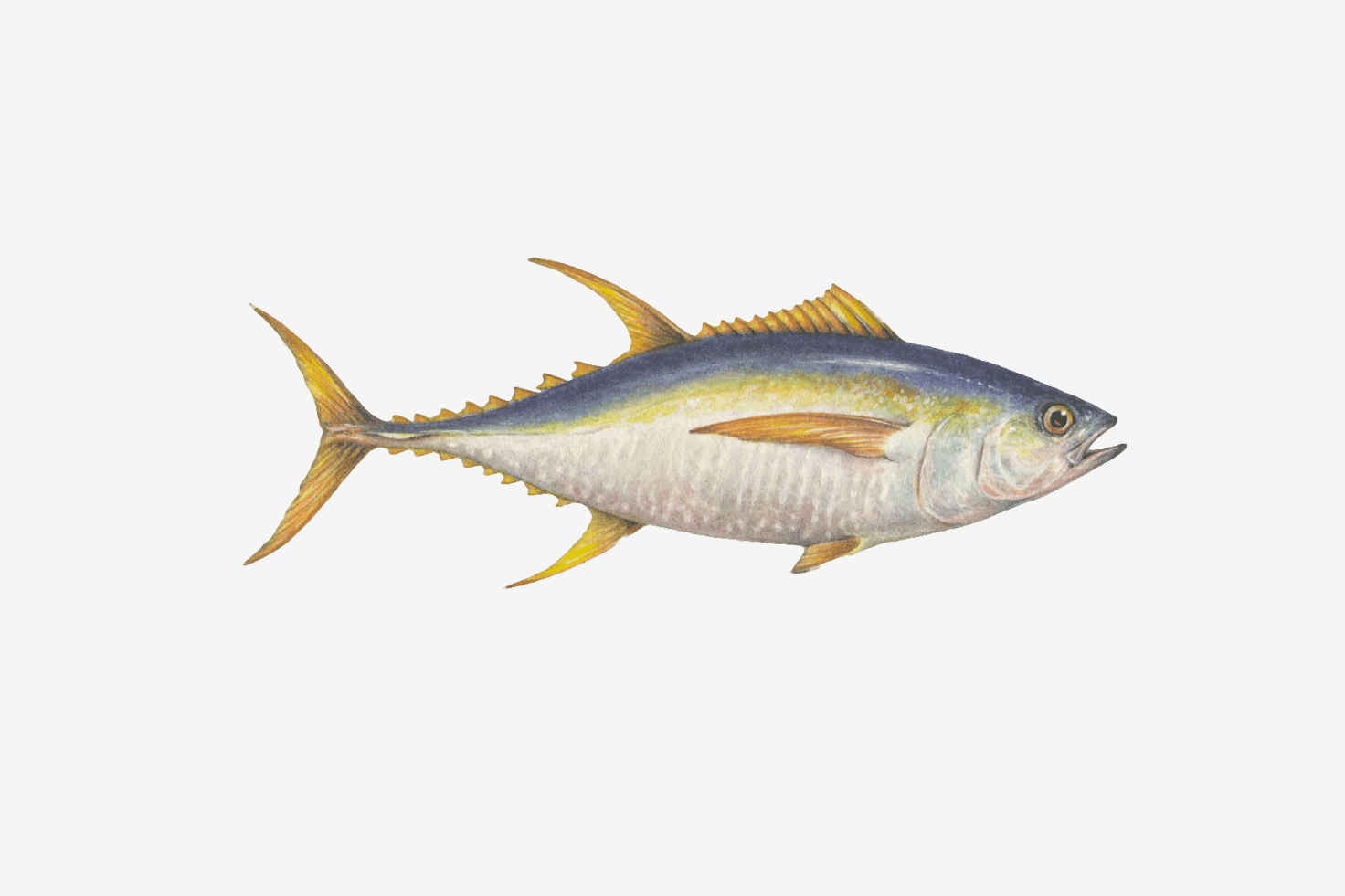
Yellowfin tuna
Yellowfin tuna stocks are healthy in the Atlantic and Pacific but not in the Indian Ocean. It’s available fresh, frozen, canned, and in pouches, and is often labeled “ahi.“
- Buy yellowfin tuna from the Atlantic or Pacific that′s labeled pole-caught, pole-and-lines, troll-caught, or FAD-free (also called free school or school-caught).
- Buy U.S. longline-caught yellowfin tuna from Hawai‘i or the Atlantic.
- Buy yellowfin tuna caught in the Maldives.
- Buy yellowfin tuna caught in the Indian Ocean that’s labeled pole-caught, pole-and-lines, or FAD-free.
- Avoid all other longline-caught yellowfin tuna.
- Avoid all other yellowfin tuna caught in the Indian Ocean.
- Avoid yellowfin tuna caught with purse seines using FADs, except if you confirm it was harvested in the Eastern Central Pacific.
Sushi
Seafood Watch’s tuna recommendations note the following sushi names, but there are others.
- Tuna: Maguro
- Albacore: Shiro maguro
- Bluefin tuna: Hon maguro or kuro maguro (may be spelled as one word)
- Skipjack tuna: Katsuo
- Yellowfin or bigeye tuna: Ahi
Follow the above tips and check the Seafood Watch Sushi Guide for quick reference.
More about our tuna recommendations
When is tuna environmentally sustainable?
Tuna rated green by Seafood Watch is the most environmentally sustainable because it comes from a healthy stock, and the well-managed fishery has minimal to no impact on other marine life.
Tuna rated yellow almost always means management of the fishery is considered moderately effective or better, but the fishery has bycatch impacts. In some fisheries, bycatch isn’t a significant problem, but the tuna population is overexploited.
Wild-caught tuna rated red by Seafood Watch is not environmentally sustainable because it comes from an overexploited stock, is caught in ways that harm other marine life, management of the fishery is considered ineffective, or a combination of these issues. All farmed bluefin tuna is rated red because it’s sourced from overexploited or vulnerable stocks.
What are the main tuna fishing and farming methods?
We define a fishery by the target species and the body of water, such as a defined region of an ocean. Since more than one fishing gear may be used in a fishery, each target species caught by a specific fishing gear will have a unique Seafood Watch rating.
Fishing methods
About a dozen fishing methods are used to catch tuna, and some are more prone to accidentally capturing other marine life than others. Drifting longlines and purse seines using FADs tend to be the worst bycatch offenders. However, in well-managed fisheries, a variety of measures can greatly reduce the amount of bycatch, even when these methods are used.
Here's a quick look at the main fishing methods used to catch tuna:
- Drifting longlines have a mainline supported by floats and evenly spaced branch lines with baited hooks. They can be up to 50 miles long and have thousands of baited hooks.
- Purse seines using FADs surround mahi mahi with a large wall of netting that closes like a drawstring. Floating objects called fish aggregating devices, or FADs, attract mahi mahi and other species, making them easier to catch.
- Unassociated purse seines also surround tuna with a large wall of netting that's closed like a drawstring purse, but FADs are not used. This fishing method is also described as FAD-free, non-FAD, free school, or school-caught.
- Trolling lines or handlines and hand-operated pole-and-lines catch tuna with one or more fishing lines with baited hooks. These more selective methods tend to have fewer bycatch impacts. They are also described as troll-caught, pole-caught, or pole-and-line-caught, especially on canned tuna labels.
Farming methods
Bluefin tuna is farmed in marine net pens. Net pens are structures that hold tuna in open water as they grow. Open systems like net pens pose inherent environmental risks, including escapes and pollution impacts.
Recipe
Creamy tuna-stuffed bell peppers
This nutritious weeknight dish features albacore, fresh bell peppers, and fragrant herbs.
Animals & the ocean
Albacore caught with pole-and-lines or trolls is on the Super Green List
A pantry staple, albacore tuna from troll or pole-and-line fisheries is high in protein and omega-3s.
How to use this guide
Our green, yellow, and red ratings indicate environmental risk. We use our ratings and third-party certifications to make our recommendations.
Choose
- Green-rated seafood because environmental risks are low.
- Yellow-rated seafood because environmental risks are moderate.
Avoid
- Red-rated seafood because environmental risks are high, often due to overfishing, poor management, or harm to marine life and habitats.
Where to find sustainable seafood
Finding sustainable seafood is easier than you might think. Here’s how to get started.
- Use Seafood Watch guides. Our Popular Seafood Guide covers the seafoods you’re most likely to encounter and is the easiest place to start. Our national guide covers many more seafoods and works anywhere in the U.S. Our six regional guides are tailored to what you’re likely to find in your part of the country. Our 14 species guides cover all of our recommendations for each species, including salmon, shrimp, tuna, crab, and other popular seafood.
- Shop at businesses committed to sustainable seafood. Some retailers have made formal commitments to follow Seafood Watch recommendations. MOM's Organic Market and PCC Community Markets follow our recommendations. Whole Foods Market sources green-rated, yellow-rated, and MSC certified wild seafood and has a proprietary standard for farmed seafood.
- Dine with one of our partners. The Cheesecake Factory and California Fish Grill have commitments to serve sustainable seafood, and Seafood Watch Best Choice Restaurant Program partners offer at least one green-rated seafood dish on their menus. For a meal-kit option, all HelloFresh seafood is green-rated, yellow-rated, or certified.
- Ask a question. Next time you’re at a seafood counter or restaurant, ask “Do you sell sustainable seafood?” It’s a simple question that does more than you might think. When you ask this question, you’re helping create demand for sustainable seafood and encouraging businesses to offer it.
Explore more species guides
Animals & the ocean
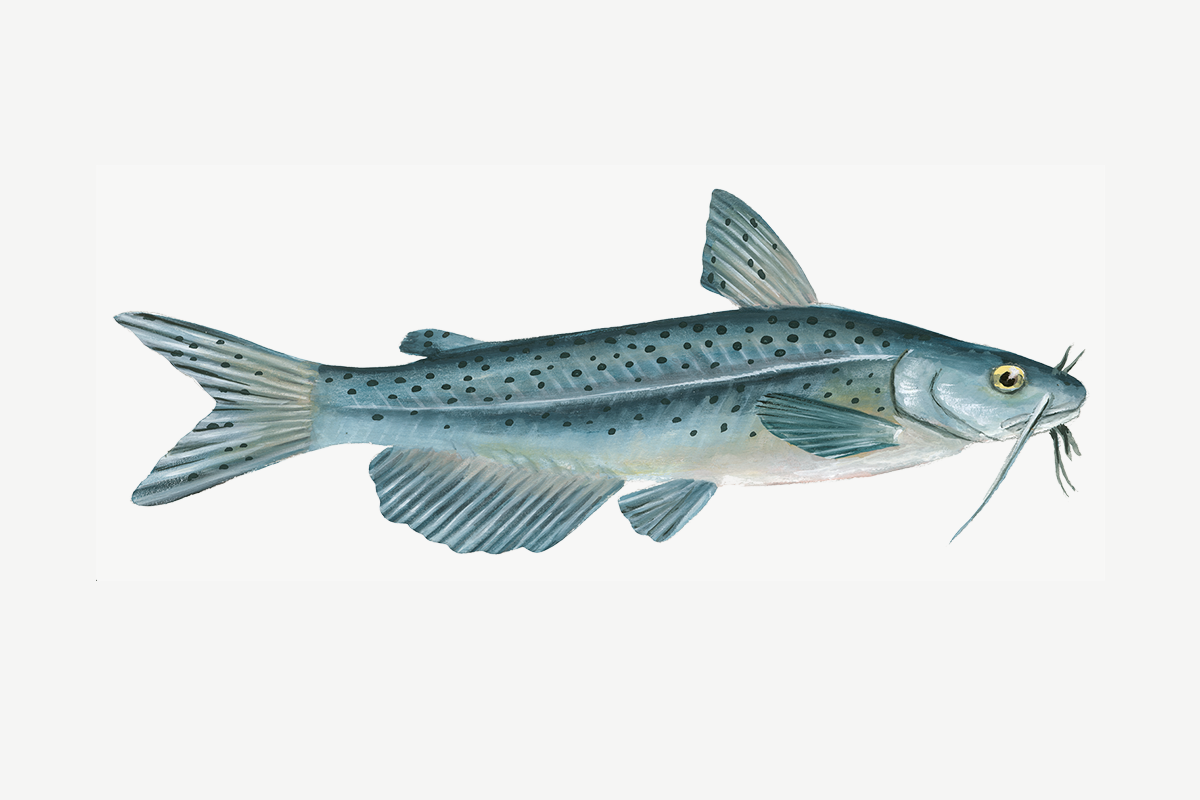
Sustainable catfish & pangasius buying guide
Catfish and pangasius—use this guide to choose wisely.
View this buying guide – Sustainable catfish & pangasius buying guide
Animals & the ocean
Sustainable clams, mussels, oysters & scallops buying guide
Clams, mussels, oysters, and scallops are among the most sustainable seafood choices.
View this buying guide – Sustainable clams, mussels, oysters & scallops buying guide
Animals & the ocean
Sustainable cod & haddock buying guide
Know which cod and haddock to buy and avoid the next time you order fish and chips.
View this buying guide – Sustainable cod & haddock buying guide
Animals & the ocean
Sustainable crab buying guide
Crab can be tricky, but this guide makes it easy to know what to buy and avoid.
View this buying guide – Sustainable crab buying guide