

Sushi Guide
A list of popular sushi to choose and avoid across the U.S.
The sushi seafood guide includes the fish and shellfish that you’re most likely to see at sushi restaurants—like crab, tuna, shrimp and others—to help you decide what to choose and avoid.
What should you buy or avoid?
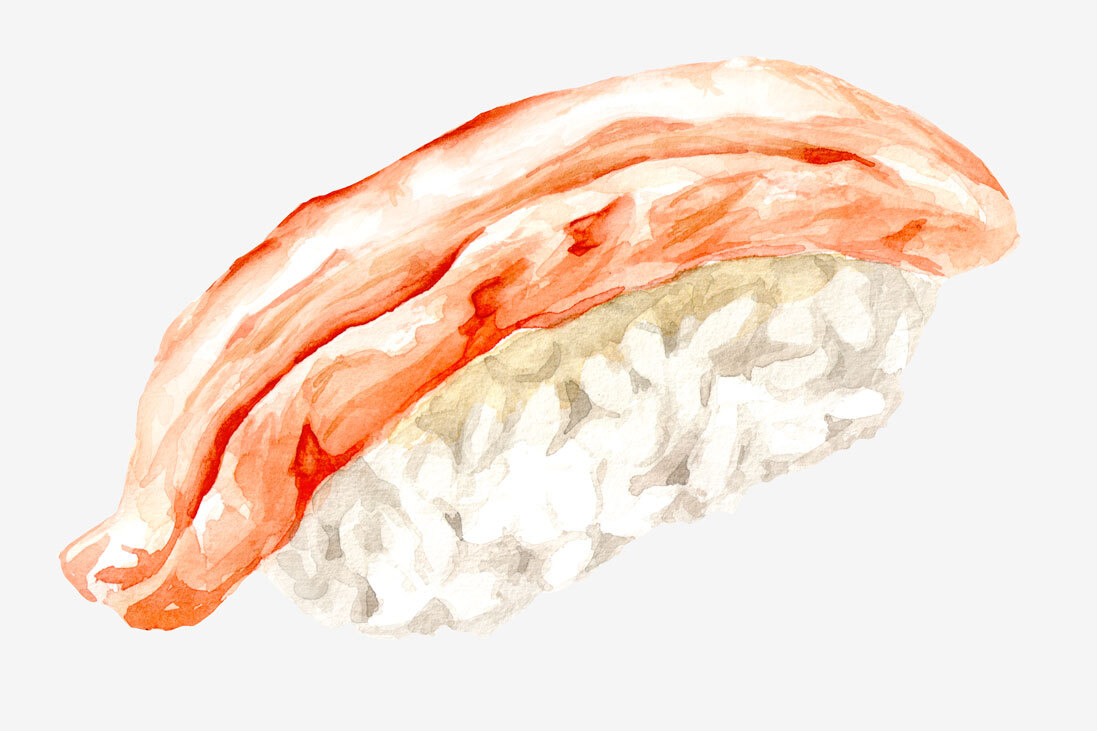
Crab (Zuwagani/Tarabagani)
- Choose all crab from Alaska and blue crab from Alabama, Delaware, Maryland, or New Jersey.
- Avoid blue crab from other U.S. states, snow crab from Canada, and Jonah crab.
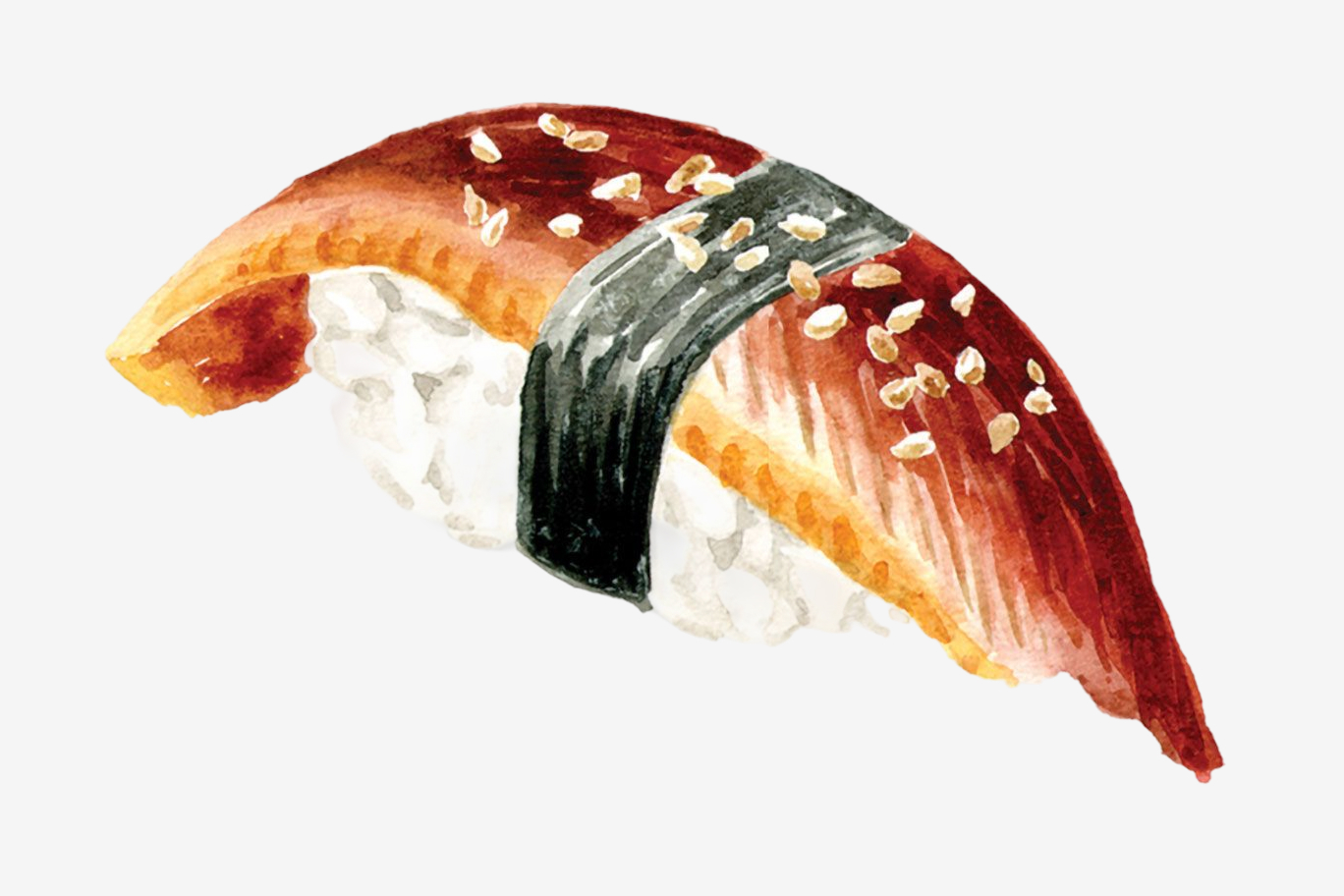
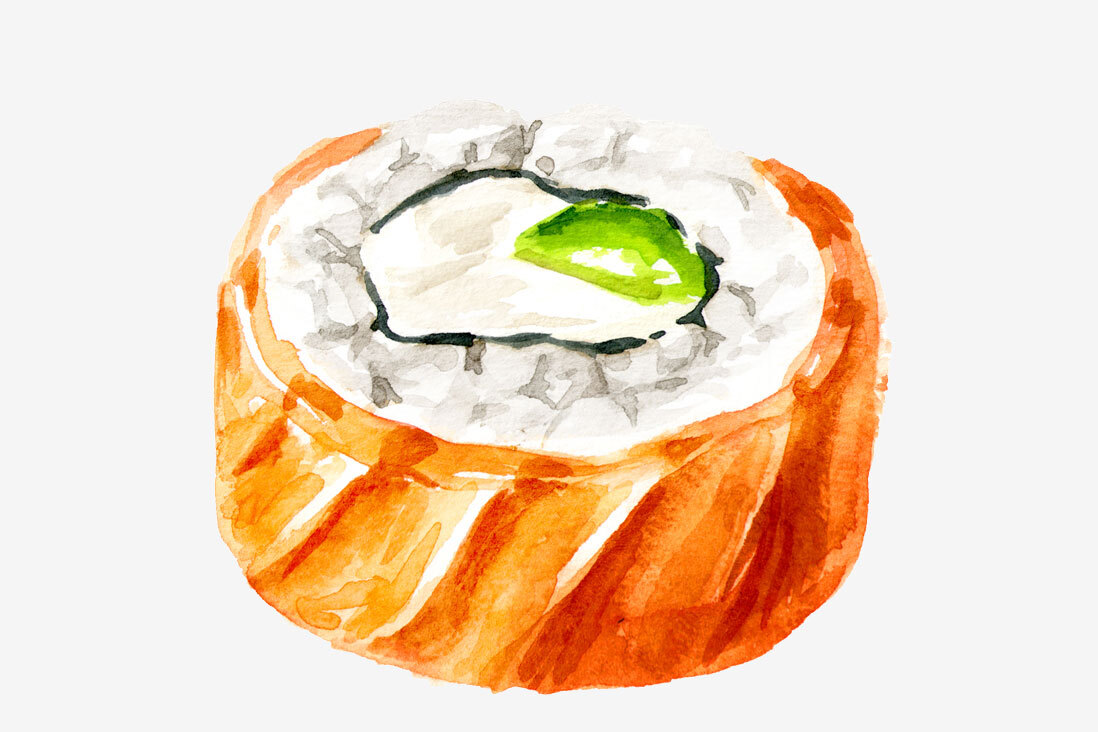
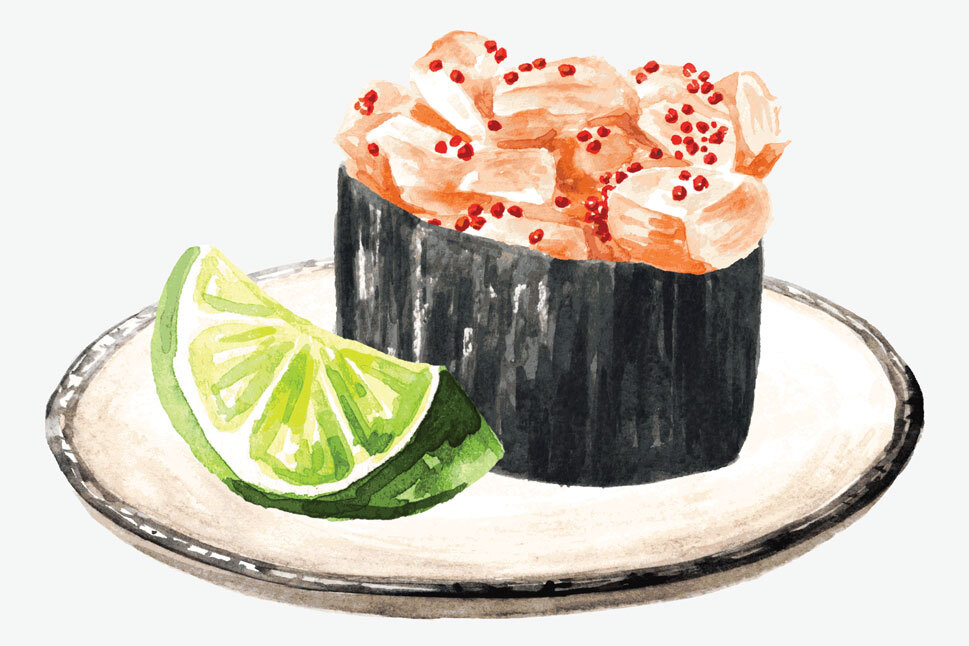
Salmon/Salmon roe (Sake/Ikura)
- Choose wild salmon from the U.S. or Canada and salmon that’s ASC or MSC certified.
- Avoid uncertified farmed salmon.
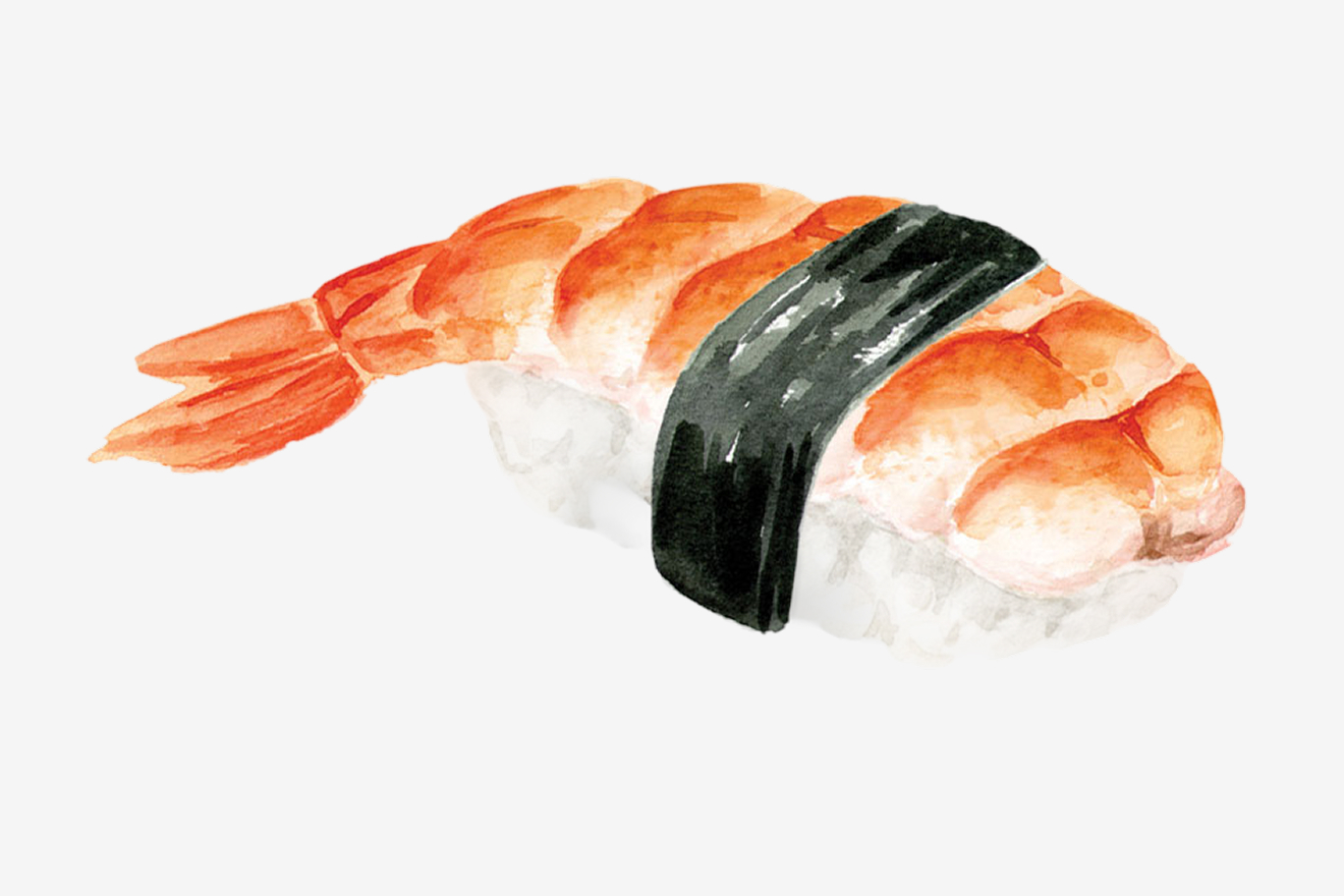
Shrimp (Ebi)
- Choose shrimp from the U.S., Ecuador, or Thailand and shrimp that’s ASC, BAP, or MSC certified.
- Avoid uncertified shrimp from China, India, Indonesia, Mexico, or Vietnam.
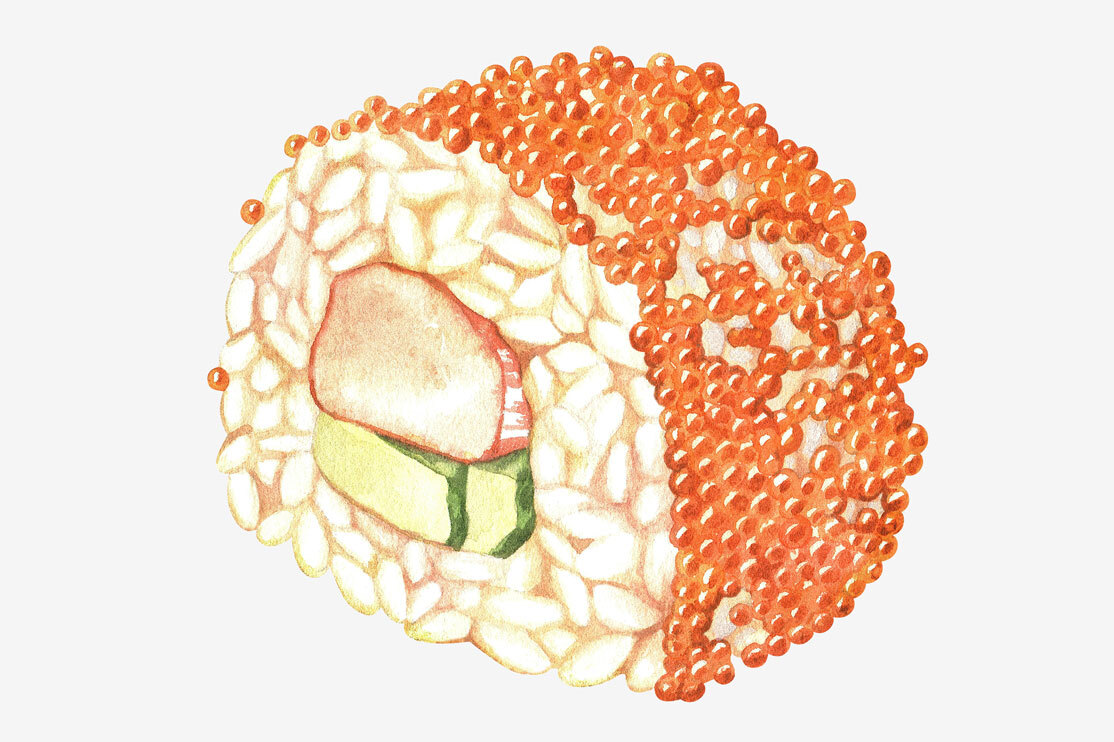
Surimi (Kani/Kanikama)
- Choose surimi made from Alaska pollock and hake from the U.S.
- Avoid all other sources of surimi.
Tuna
Restaurants that source tuna from environmentally sustainable fisheries want you to know. Their labels will state how the tuna was caught using terms like pole-&-lines, free school, or FAD-free.
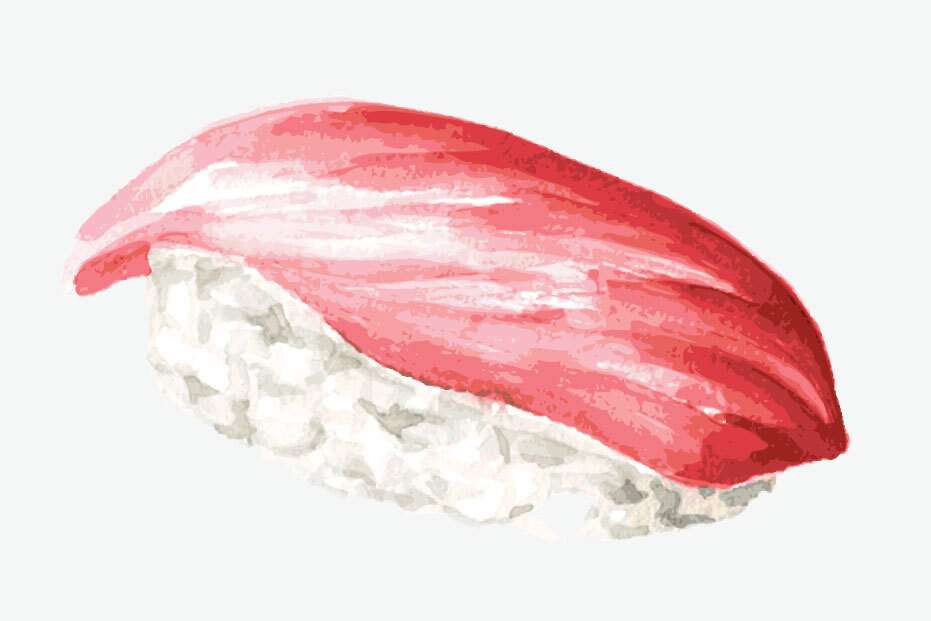
Albacore (Binnaga), bigeye tuna (Maguro/Ahi), skipjack tuna (Katsuo), and yellowfin tuna (Maguro/Ahi)
- Choose tuna from Hawai‘i and tuna from the Atlantic or Pacific caught with trolls, pole-&-lines, or FAD-free purse seines.
- Avoid all other tuna.
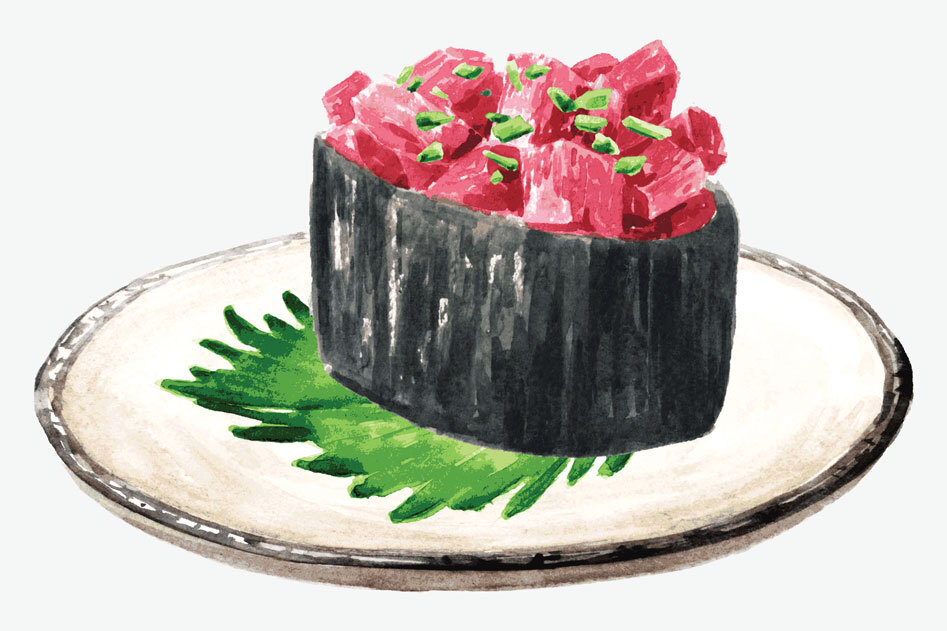
Bluefin tuna (Hon-maguro/Otoro/Toro)
- Choose Pacific bluefin tuna from the U.S. and imported caught with trolls, pole-&-lines, or FAD-free purse seines.
- Avoid Atlantic bluefin, southern bluefin, and farmed/ranched bluefin.
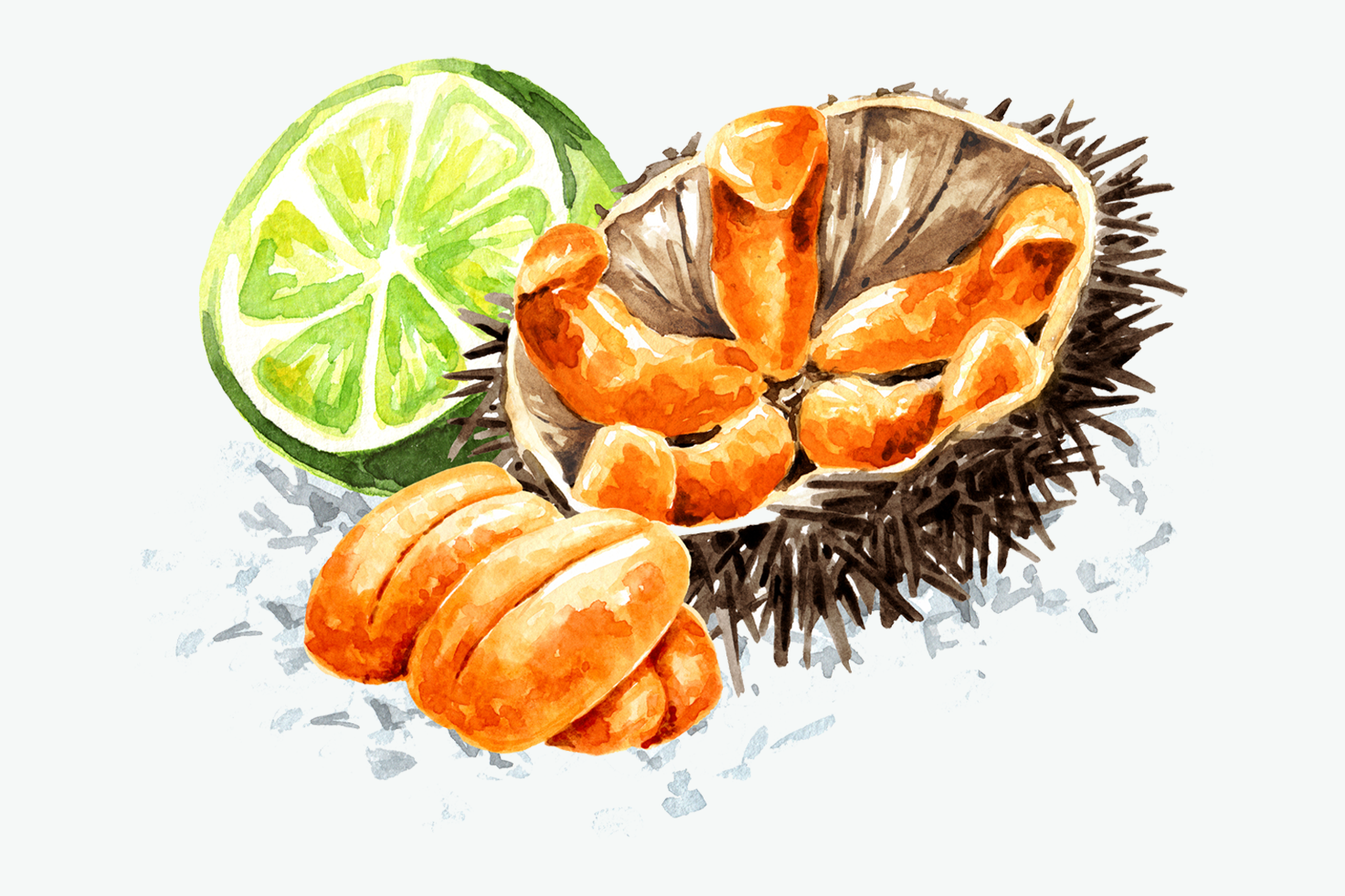
Urchin (Uni)
- Choose urchin from Alaska, California, Oregon, Washington, and Canada.
- Avoid urchin from Maine.
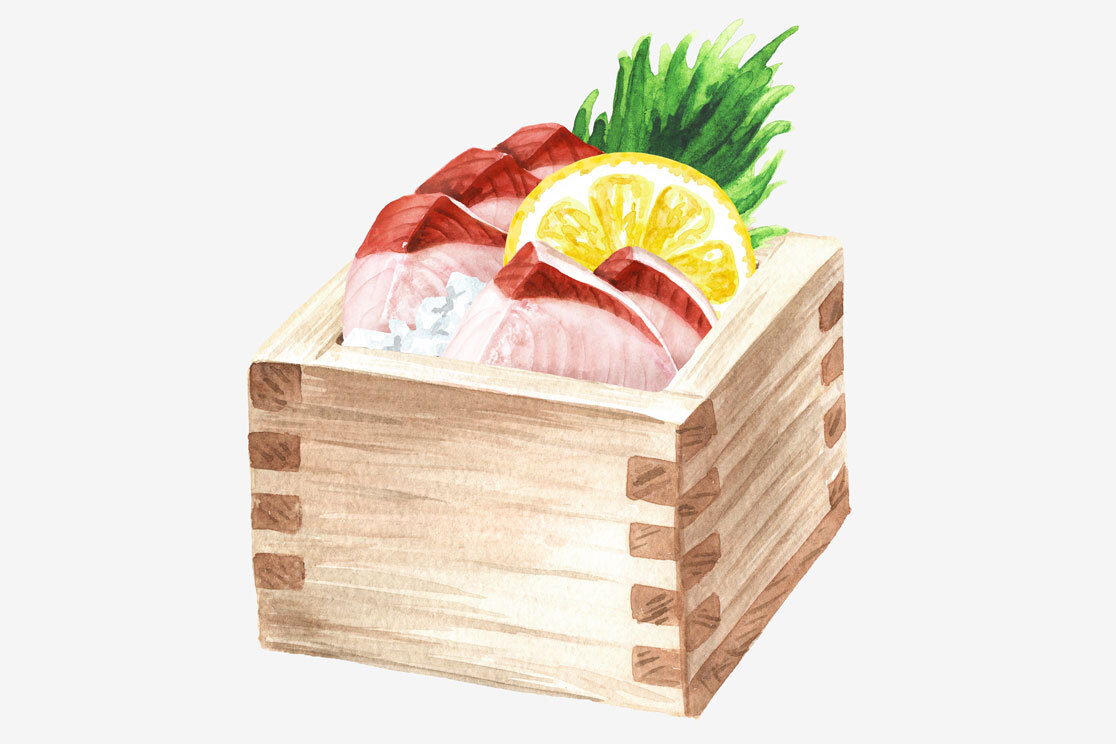
Yellowtail/Amberjack (Hamachi/Hiramasa/Kanpachi)
- Choose yellowtail and amberjack from the U.S. (Kanpachi/Hiramasa).
- Avoid yellowtail and amberjack from Japan (Hamachi/Buri).
View yellowtail and amberjack recommendations on SeafoodWatch.org
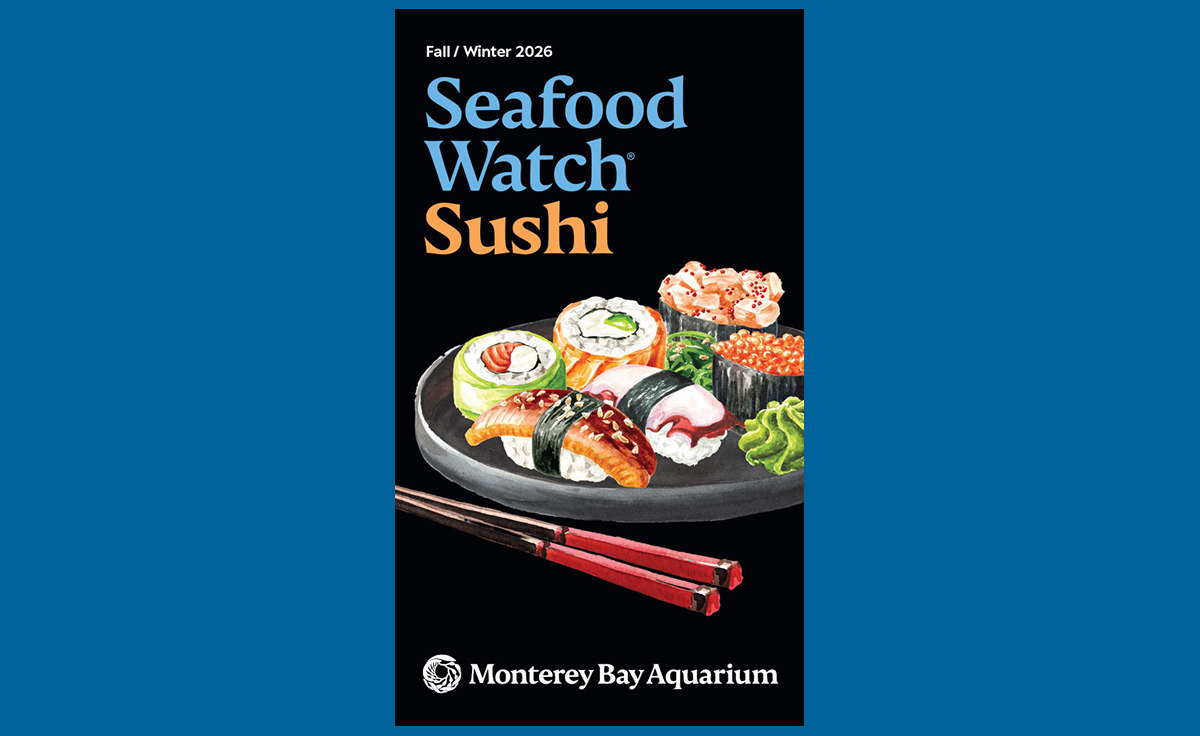
Download the guide
How to use this guide
Our green, yellow, and red ratings indicate environmental risk. We use our ratings and third-party certifications to make our recommendations.
Certified seafood means seafood has been independently certified to a third-party environmental standard. Standards listed in this guide are the Aquaculture Stewardship Council (ASC), Best Aquaculture Practices (BAP), and Marine Stewardship Council (MSC).
Choose
- Green-rated seafood because environmental risks are low.
- Yellow-rated seafood because environmental risks are moderate.
- Certified seafood listed in this guide.
Avoid
- Red-rated seafood because environmental risks are high, often due to overfishing, poor management, or harm to marine life and habitats.
Where to find sustainable seafood
Finding sustainable seafood is easier than you might think. Here’s how to get started.
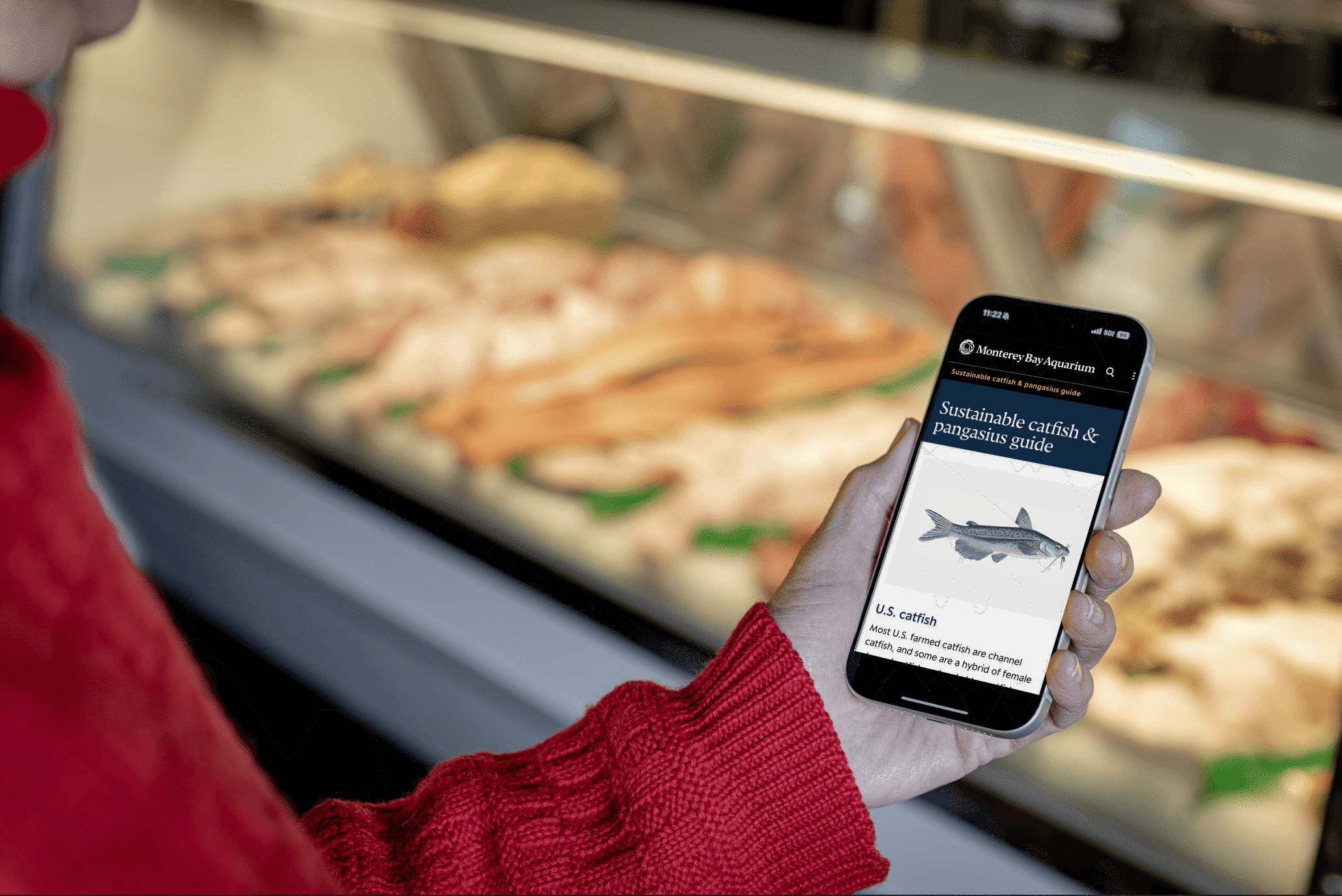
- Use Seafood Watch guides. Our Popular Seafood Guide covers the seafoods you’re most likely to encounter and is the easiest place to start. Our national guide covers many more seafoods and works anywhere in the U.S. Our six regional guides are tailored to what you’re likely to find in your part of the country. Our 14 species guides cover all of our recommendations for each species, including salmon, shrimp, tuna, crab, and other popular seafood.
- Shop at businesses committed to sustainable seafood. Some retailers have made formal commitments to follow Seafood Watch recommendations. MOM's Organic Market and PCC Community Markets follow our recommendations. Whole Foods Market sources green-rated, yellow-rated, and MSC certified wild seafood and has a proprietary standard for farmed seafood.
- Dine with one of our partners. The Cheesecake Factory and California Fish Grill have commitments to serve sustainable seafood, and Seafood Watch Best Choice Restaurant Program partners offer at least one green-rated seafood dish on their menus. For a meal-kit option, all HelloFresh seafood is green-rated, yellow-rated, or certified.
- Ask a question. Next time you’re at a seafood counter or restaurant, ask “Do you sell sustainable seafood?” It’s a simple question that does more than you might think. When you ask this question, you’re helping create demand for sustainable seafood and encouraging businesses to offer it.
Learn more about our collaborations on SeafoodWatch.org
All illustrations: iStock.com/Daria Ustiugova. Surimi illustration by iStock.com/Ekaterina Kudriavtseva

Explore other seafood guides
Animals & the ocean
Sustainable seafood by species
Learn which types of salmon, tuna, shrimp, and other seafood are the best options.
View species guides – Sustainable seafood by species