

Farmed salmon in Chile
Why Chile?
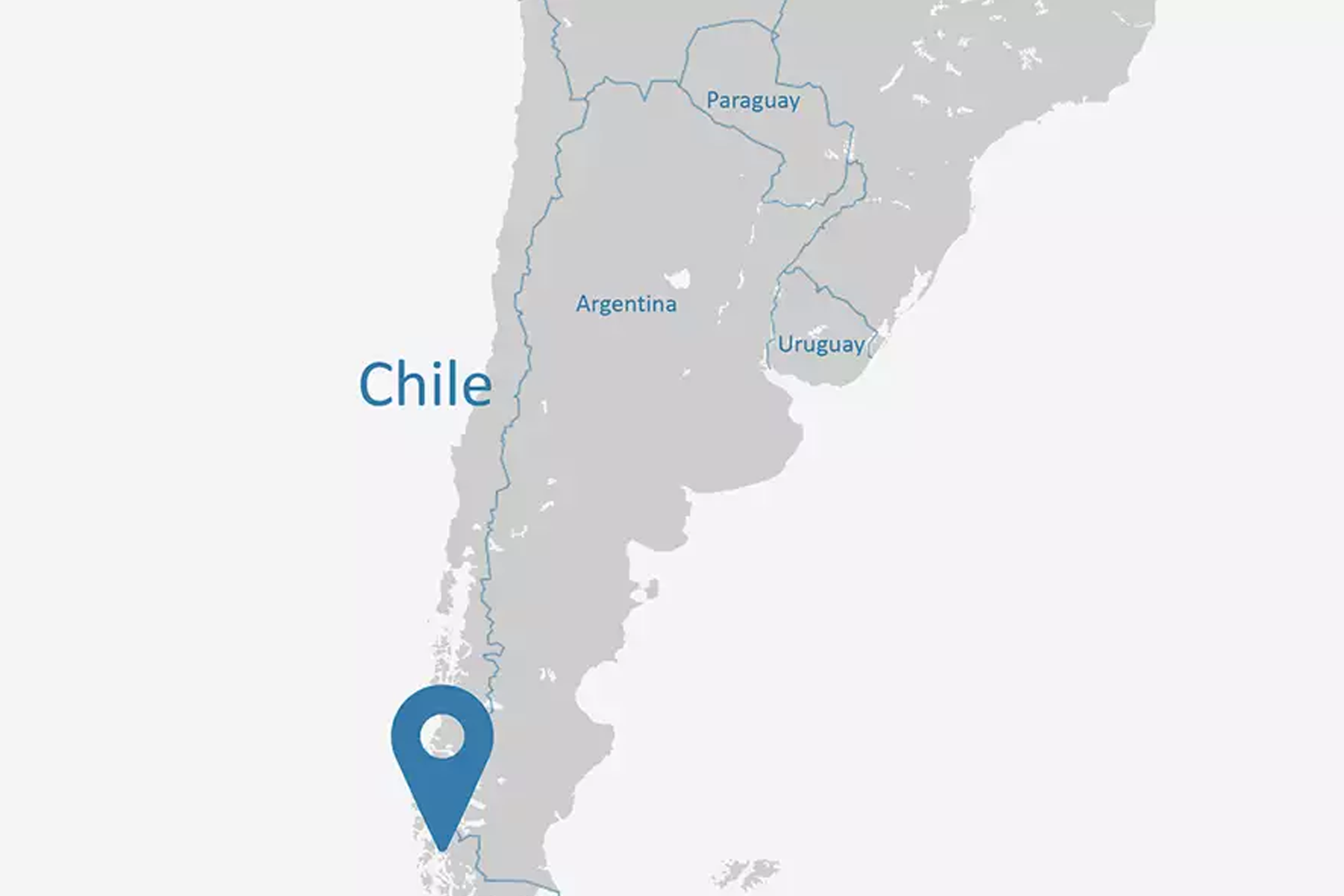
Farmed salmon is one of the most popular and valuable fish consumed in the United States. Over half of farmed salmon imported to the U.S. comes from Chile, the world's second-largest producer of farmed salmon and the largest exporter to the U.S. In 2022, the market value of Chilean salmon exported to the U.S. was $3 billion. However, two-thirds of Chilean farmed salmon is rated red by Seafood Watch due to the high use of antibiotics.
Areas for improvement
The Chilean salmon farming industry struggles to control, Piscirickettsia salmonis an endemic bacterial disease that causes fish to die. To combat these bacteria, Chile uses more antibiotics than any other salmon-farming country.
Project goal
Increased awareness about the risks and challenges of antibiotic use has prompted the industry and government to seek solutions. In 2019, Monterey Bay Aquarium partnered with the Chilean salmon farming industry to launch the Chilean Salmon Antibiotic Reduction Program (CSARP). The initiative aims to reduce the use of antibiotics in Chilean farmed salmon by 50 percent by the end of 2025. In 2024, to recognize the companies that are leading progress toward that goal, the Aquarium and its partners introduced CSARP+.
Roadmap
We’re collaborating with industry to share data and reduce antibiotic use. We’re also working to fill critical research gaps about the effects of antibiotics in aquaculture and to share expert knowledge. Through CSARP+ we’ll be able to track company-level progress in real time, note which companies have the most effective health plans and policies, and share lessons learned.
Top salmon farming countries
(Percent of global production)
Norway
Chile
U.K.
Faroe Islands
Canada
Project scope
- Chile
- Atlantic salmon (Salmo salar), coho salmon (Oncorhynchus kisutch), and rainbow trout (Oncorhynchus mykiss)
- Net pen
- Equal to about 610,000 metric tons (95 percent of Chile's annual production of farmed salmon)
CSARP+ partners
- Australis seafoods
- Blumar
- Camanchaca
- Cermaq
- Cooke Chile
- Multi X
- Nova Austral
Updates as of December 2025
2025: Project findings and collaborations lead to the first ever Scientific Congress on Antibiotic Use in Aquaculture. The Congress brings together a wide range of experts to discuss the complex issues related to the antibiotic use in farmed seafood production, including human and animal health, food safety, antimicrobial resistance, environmental impacts, and social and economic implications. Participants explore different pathways for promoting responsible antibiotic use and developing innovative alternatives to antibiotic use to control disease in aquaculture production. Summary of key findings from the workshop.
Final project updates will be added in summer 2026 following the collection and analysis of 2025 data.
View past updates
2024: Monterey Bay Aquarium launches CSARP+ to recognize individual companies that are leading efforts to reduce antibiotic consumption in Chilean farmed salmon.
2023: The 2022 CSARP Annual Report details project progress, including trends related to farming production, species composition, and export markets based on 2020-2022 data of antibiotic use in Chile.
2022: CSARP report using 2017-2020 data indicates the industry is capable of significantly reducing the use of antibiotics. Achieving the goal of a 50 percent reduction hinges on further reductions, individual company accountability, and investments in new and innovative solutions.
2019: Monterey Bay Aquarium partners with the Chilean salmon farming industry to launch the Chilean Salmon Antibiotic Reduction Program (CSARP), with the goal of reducing antibiotic use in that country’s industry by 50% by 2025.
Antibiotic use in Chilean Atlantic salmon production
(g/harvested mt)
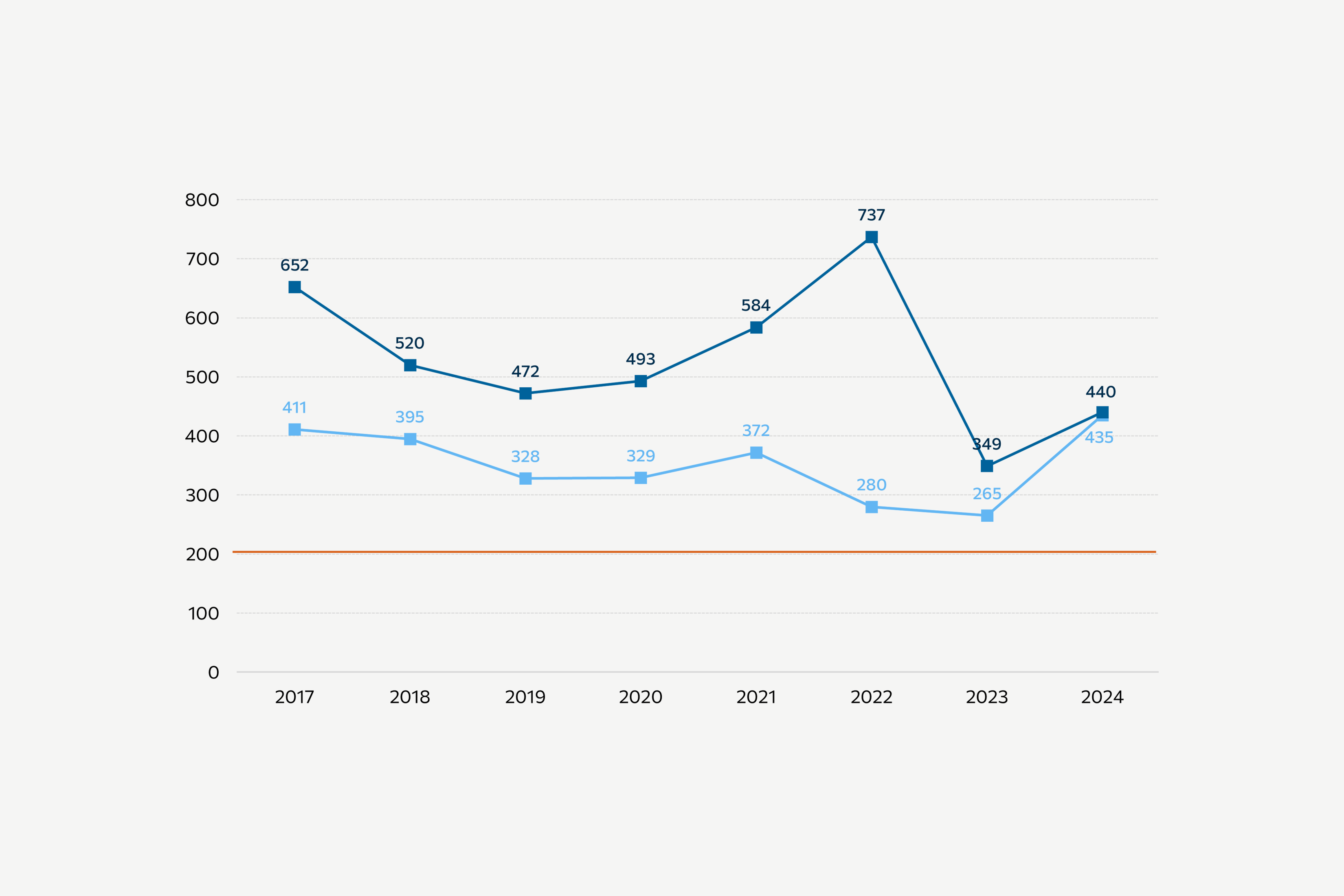
Farmed salmon production in Chile (2017–2024) Two production series peaked in 2022 (737 and 372 units) before declining sharply in 2023. Both rebounded in 2024, remaining well above the 200-unit reference threshold.
Antibiotics use by company
(g/harvested mt)
— 50% antibiotic reduction goal: 206 g/mt by 2025
-
2020
(g/harvested mt)
1000
900
800
700
600
500
400
300
200
100
2020: Australis Seafoods = 242.7, Blumar = 239.8, Camanchaca = 535.6, Cermaq = 314.8, Cooke Chile = 388.1, Multi X = 368.8, Nova Austral = 0
-
2021
(g/harvested mt)
1000
900
800
700
600
500
400
300
200
100
2021: Australis Seafoods = 207.3, Blumar = 281.9, Camanchaca = 867.1, Cermaq = 437.6, Cooke Chile = 213.9, Multi X = 412.2, Nova Austral = 0
-
2022
(g/harvested mt)
1000
900
800
700
600
500
400
300
200
100
2022: Australis Seafoods = 147.5, Blumar = 137.2, Camanchaca = 482.7, Cermaq = 300.6, Cooke Chile = 460, Multi X = 376.7, Nova Austral = 1.8
-
2023
(g/harvested mt)
1000
900
800
700
600
500
400
300
200
100
2023: Australis Seafoods = 81.5, Blumar = 138.3, Camanchaca = 397.5, Cermaq = 225.8, Cooke Chile = 348.1, Multi X = 383, Nova Austral = 0
-
2024
(g/harvested mt)
1000
900
800
700
600
500
400
300
200
100
2024: Australis Seafoods = 147.3, Blumar = 220.9, Camanchaca = 488.5, Cermaq = 573.7, Cooke Chile = 116.6, Multi X = 648.1, Nova Austral = 0
Data source summary: Salmon trade data taken from the National Fisheries and Aquaculture Service (Sernapesca) (2020). Farmed Atlantic and Coho salmon production data are from the FAO (2022). Seafood Watch ratings data are up to date as of February 4, 2025. Antibiotic use by company and antibiotic use in Chilean Atlantic salmon production taken from the CSARP Annual Report (2022).
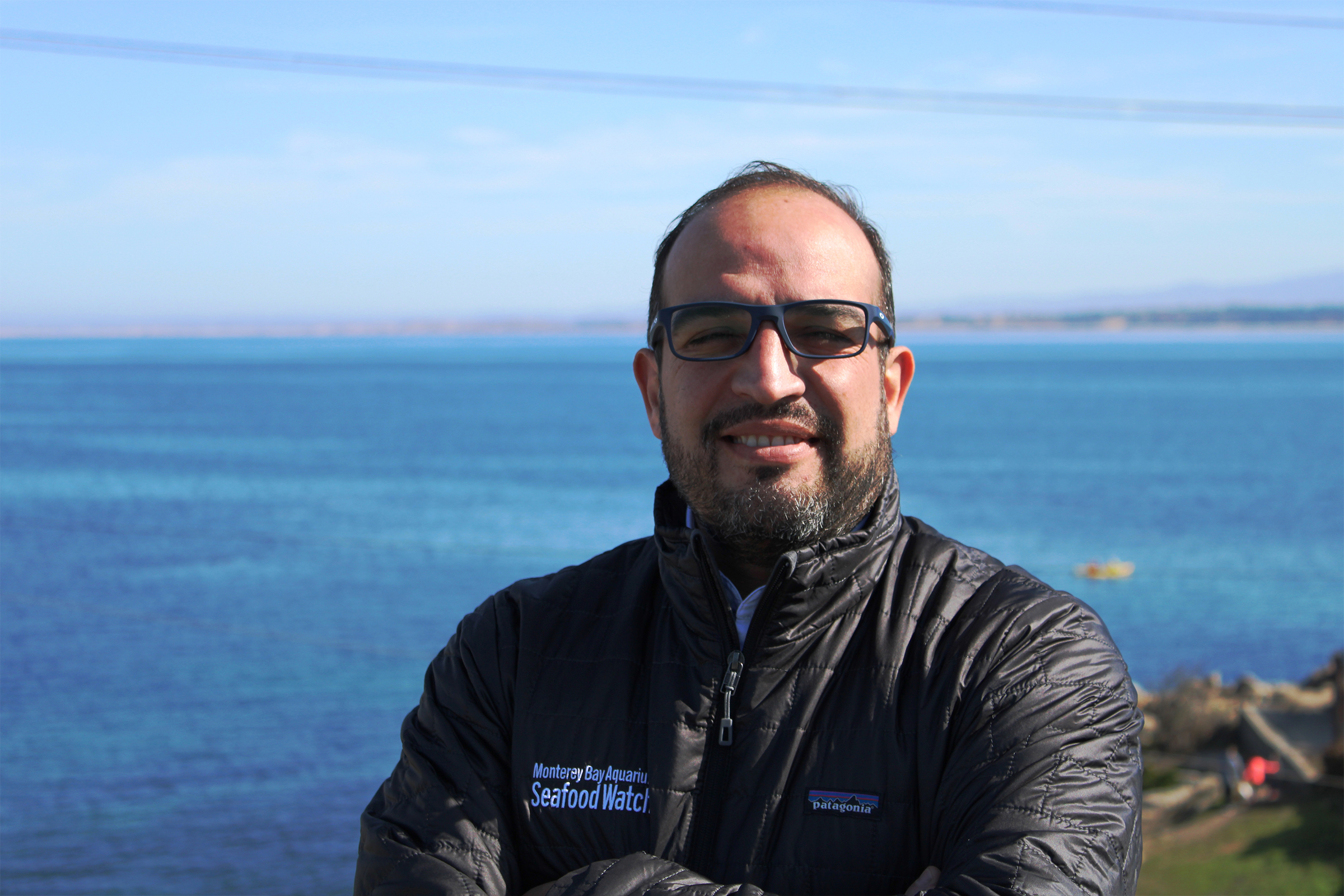
Rolando Ibarra
Team
Wendy Norden
Programs Director, Global Ocean Conservation
Rolando Ibarra
Senior Fellow, Aquaculture Science and Innovation
Daniela Farias
Fellow, Chile Aquaculture
Maria Lorena Gonzales
Post-doctoral researcher, chemical carrying capacity, in partnership with Doris Soto and the Interdisciplinary Center for Aquaculture Research (INCAR)
Related resources
CSARP+: Accelerating Reduction of Antibiotics in Chilean Farmed Salmon
Download PDF 179.1 KB – CSARP+: Accelerating Reduction of Antibiotics in Chilean Farmed SalmonChilean Salmon Antibiotic Reduction Program annual report 2022
Download PDF 3.2 MB – Chilean Salmon Antibiotic Reduction Program annual report 2022Keep exploring
Global projects
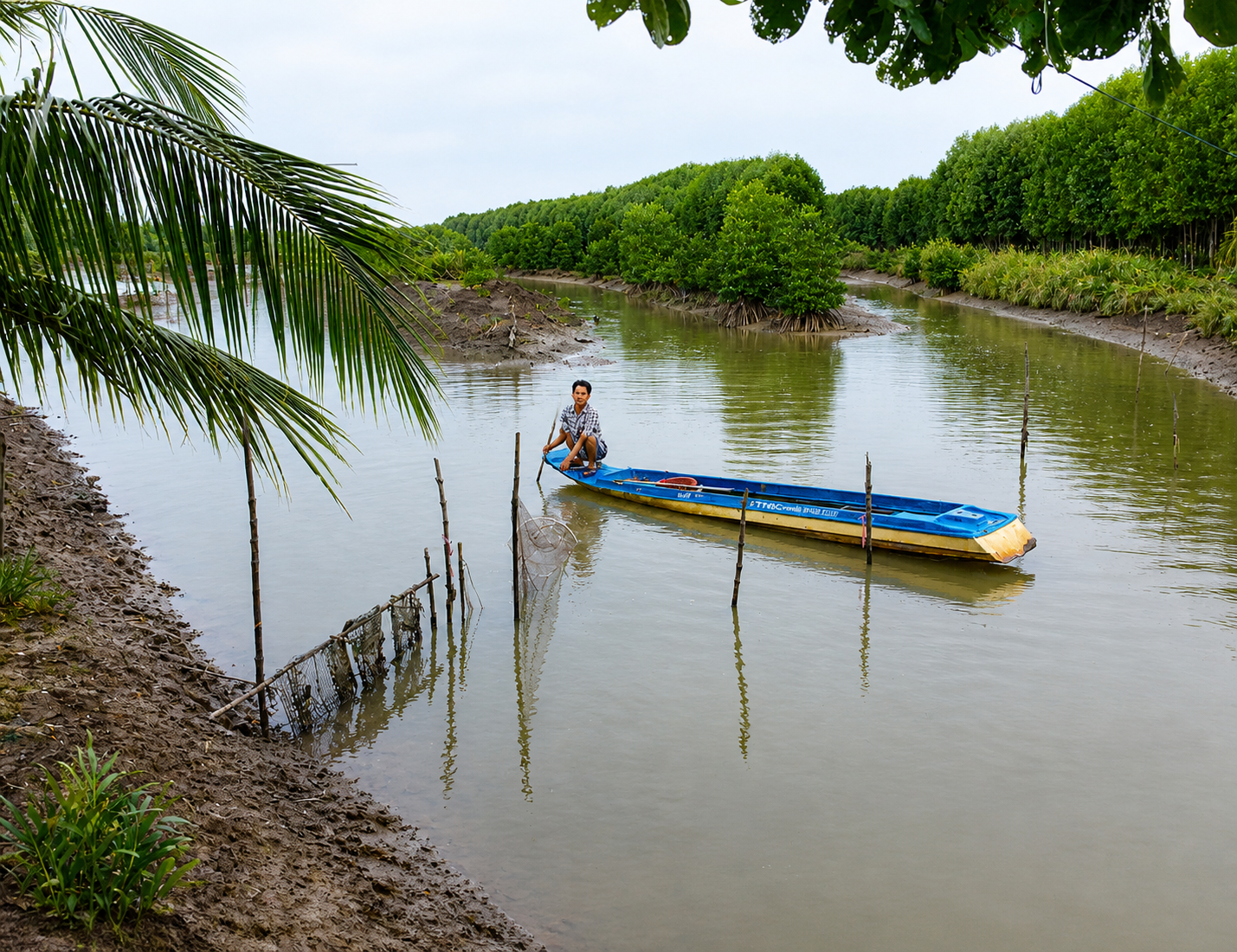
Farmed giant tiger prawns in Vietnam
Vietnam is the top giant tiger prawn producer, yet struggles with chemical use and habitat impacts.
Read more – Farmed giant tiger prawns in Vietnam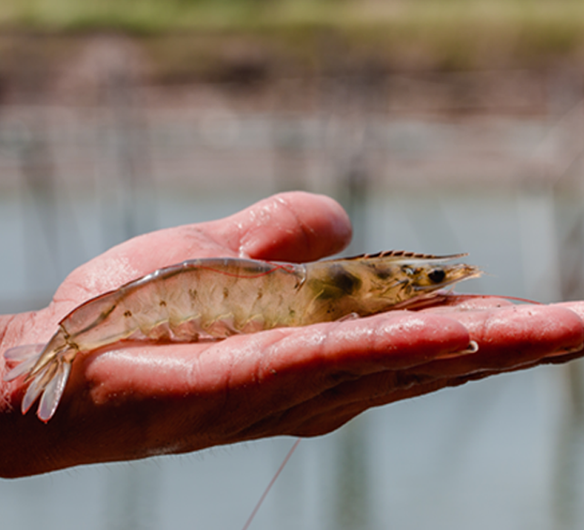
Global projects
Farmed whiteleg shrimp in India
India's rapidly growing shrimp industry faces sustainability challenges including chemical use and management.
Read more – Farmed whiteleg shrimp in India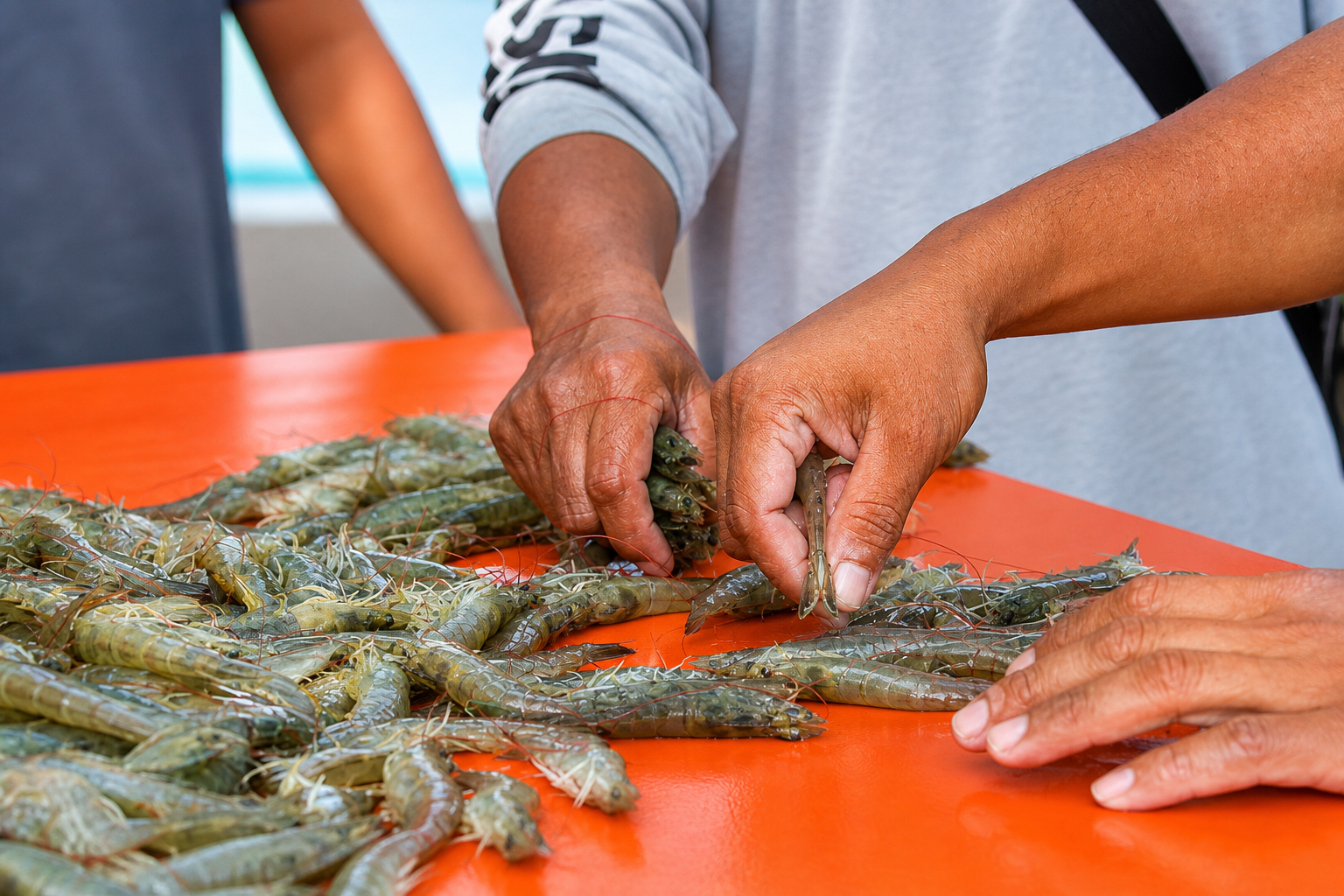
Global projects
Farmed whiteleg shrimp in Indonesia
Indonesia's rapidly growing shrimp industry faces significant sustainability challenges including habitat…
Read more – Farmed whiteleg shrimp in Indonesia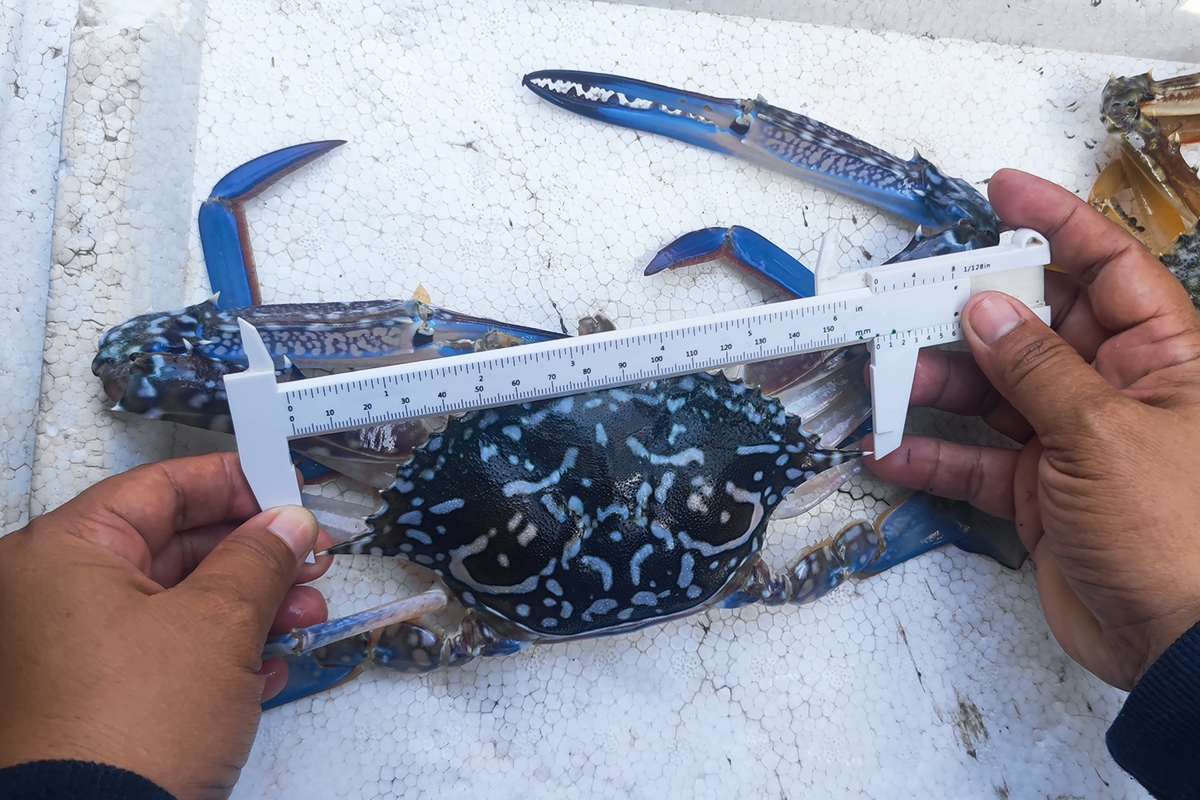
Global projects
Wild-caught blue swimming crab in the Philippines
Working with partners in the Philippines toward sustainable blue swimming crab fisheries.
Read more – Wild-caught blue swimming crab in the Philippines