

Farmed whiteleg shrimp in Indonesia
Why Indonesia?
Indonesia is the world’s fifth largest producer of whiteleg shrimp (Litopenaeus vannamei), accounting for 11 percent of global production or just over 700 thousand metric tons each year. After India, Indonesia is the second largest exporter of whiteleg shrimp to the U.S. after India. They account for 23 percent of U.S. imports, valued at $1.4 billion.
Areas for improvement
The Indonesian shrimp industry is dominated by thousands of small farms. It’s challenging for farmers to demonstrate environmental sustainability because the current tools used to collect data to assess farm sustainability, and identify areas for improvement are not well suited for small farms. Opportunities within the industry include improved data collection on feed sources, better disease and effluent management and minimizing habitat impacts.
Project goals
Our goal is to improve the production practices of 500 whiteleg shrimp farms in Indonesia so they reach a Seafood Watch yellow rating or equivalent by 2028.
Roadmap
As demand for shrimp continues to grow, support for improved aquaculture practices in Indonesia is critical for long-term success. This will be achieved through a multi-faceted approach, including direct engagement with farmers, partnerships with local organizations, and the implementation of improved assessment tools.
Top producing countries of whiteleg shrimp
(Percent of global production)
China
India
Ecuador
Indonesia
Vietnam
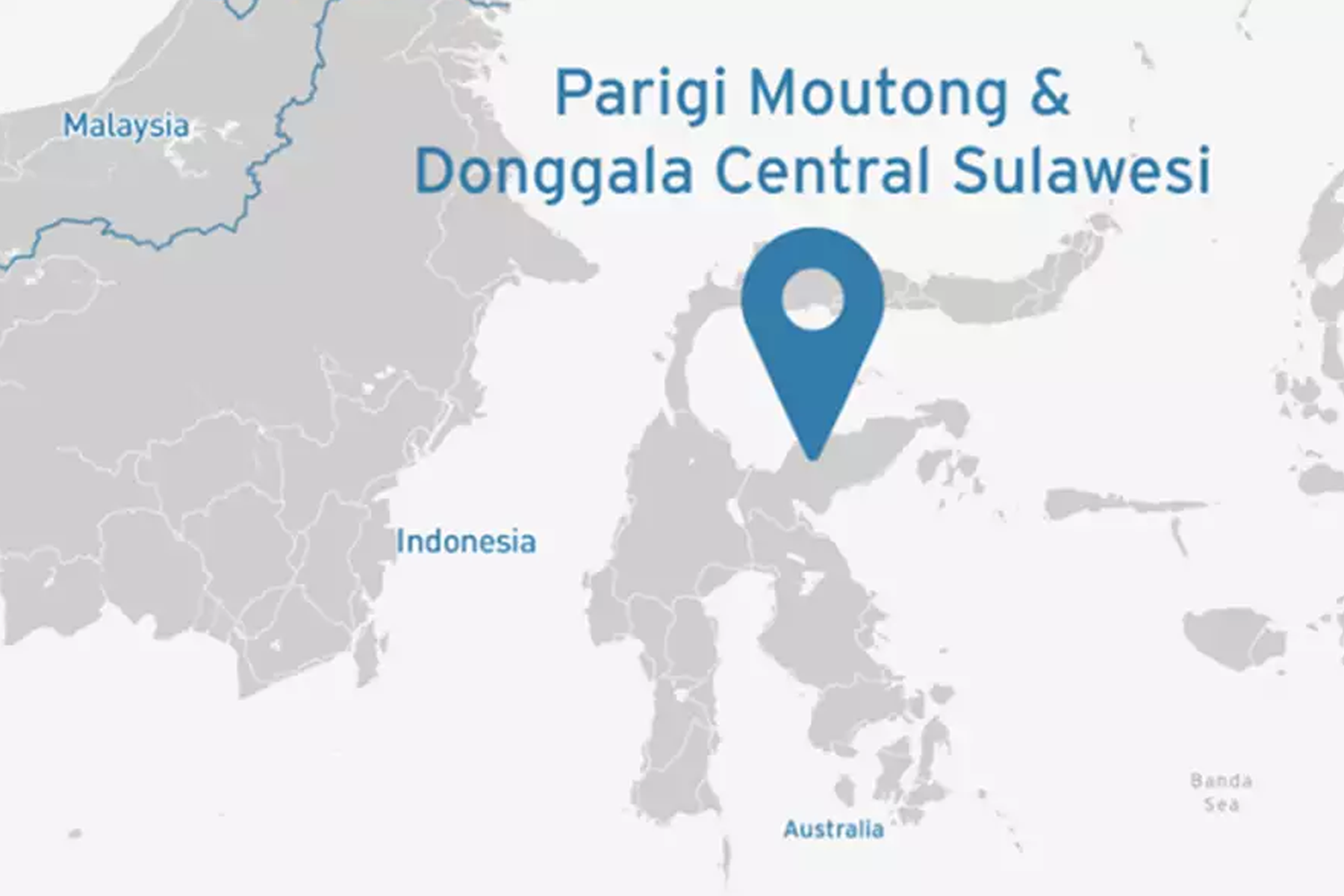
Project scope
- Central and West Sulawesi, Indonesia
- Whiteleg shrimp (Litopenaeus vannamei)
- Ponds: Intensive, semi-intensive, and extensive farms
- Equal to about 11,700 metric tons (1.5 percent of Indonesia’s annual production of whiteleg shrimp)
Updates as of December 2024
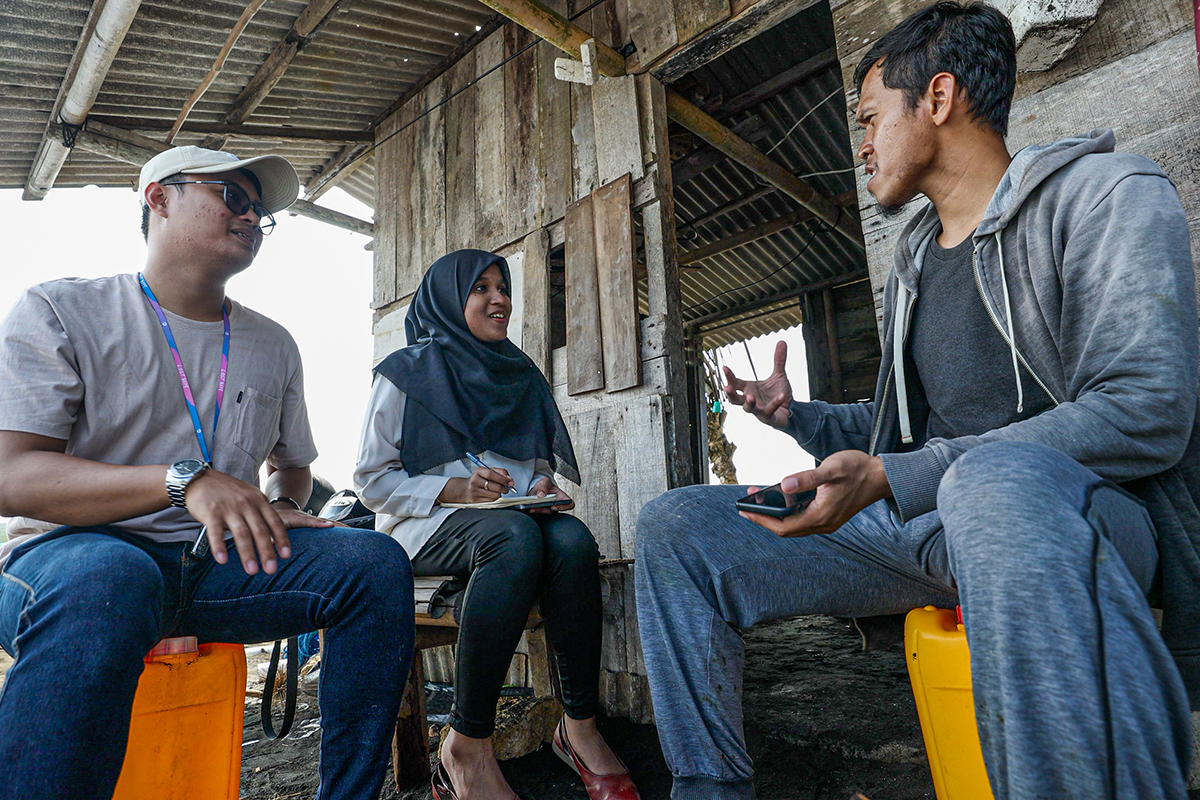
2024: As part of the initial pilot project, 70 farms were assessed in East and Central Java In August 2023. An additional eight farms were assessed in Sulawesi in March 2024, along with an additional 26 farms in May 2024. In the fall, we identified areas for improvement in Sulawesi farms and are working on water quality monitoring of effluent and shrimp health management.
Data source summary: Whiteleg shrimp trade data were taken from the Aquatic Resources Trade in Species dataset (2020). Whiteleg shrimp production data are from the FAO (2022). Seafood Watch ratings data are up to date as of February 4, 2025.
Team
Wendy Norden
Programs Director, Global Ocean Conservation
Cormac O’Sullivan
Senior Fellow, Global Aquaculture Science
Keep exploring
Global projects
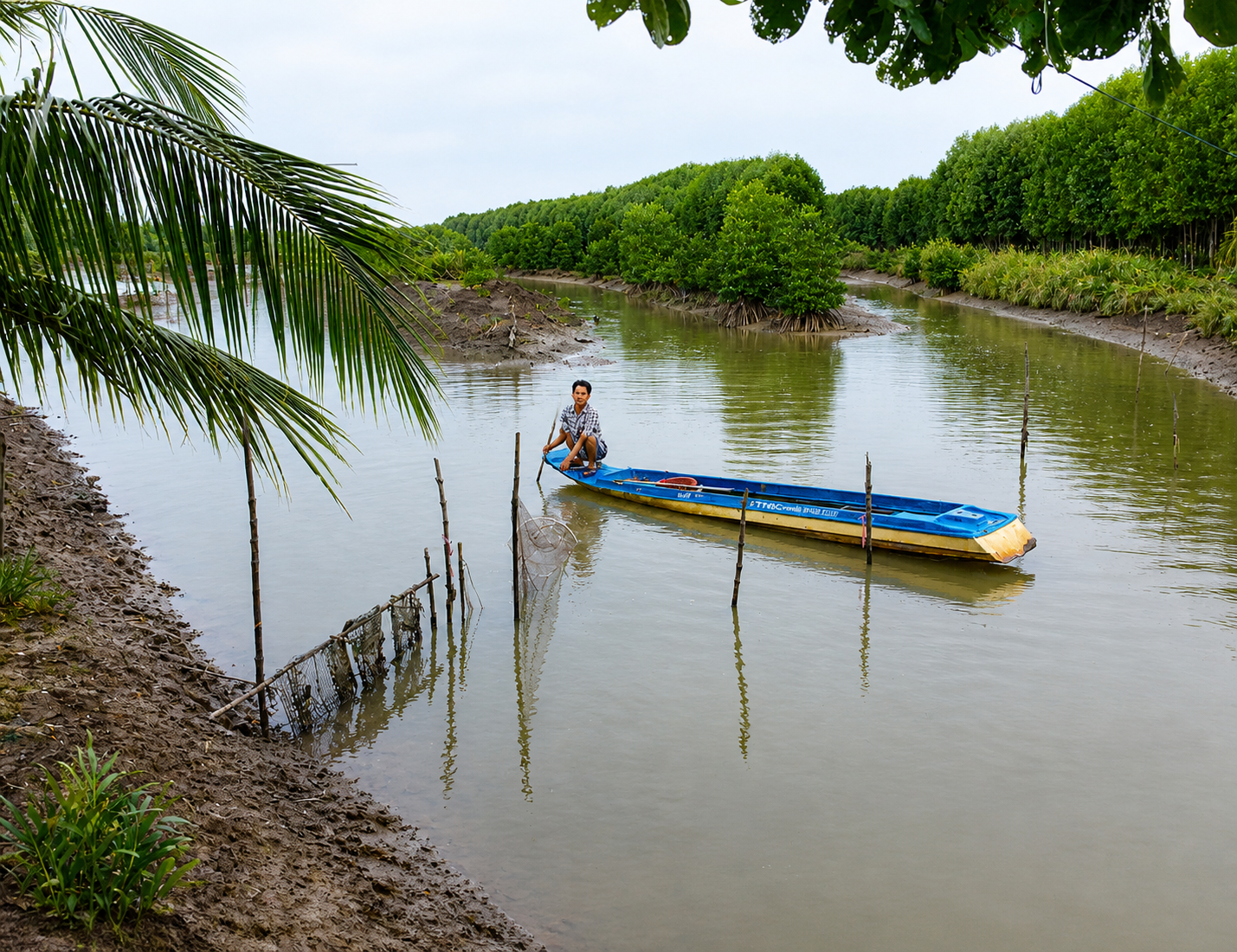
Farmed giant tiger prawns in Vietnam
Vietnam is the top giant tiger prawn producer, yet struggles with chemical use and habitat impacts.
Read more – Farmed giant tiger prawns in Vietnam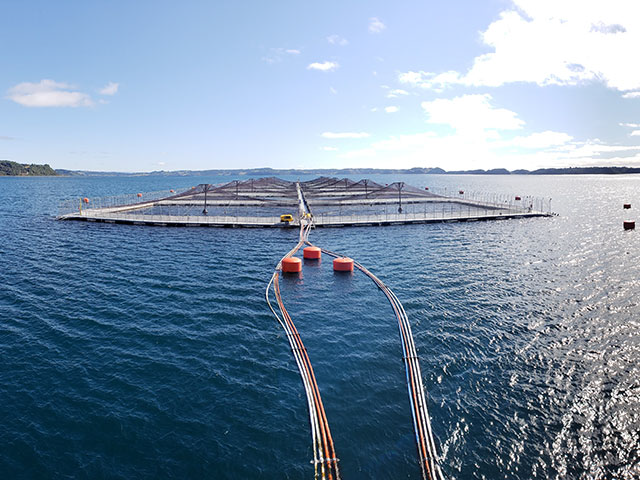
Global projects
Farmed salmon in Chile
Chile is a top global salmon producer but faces ongoing challenges with disease outbreaks and antibiotic uses.
Read more – Farmed salmon in Chile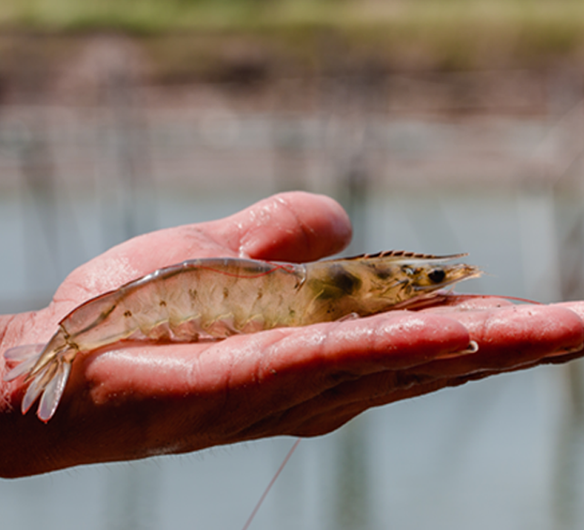
Global projects
Farmed whiteleg shrimp in India
India's rapidly growing shrimp industry faces sustainability challenges including chemical use and management.
Read more – Farmed whiteleg shrimp in India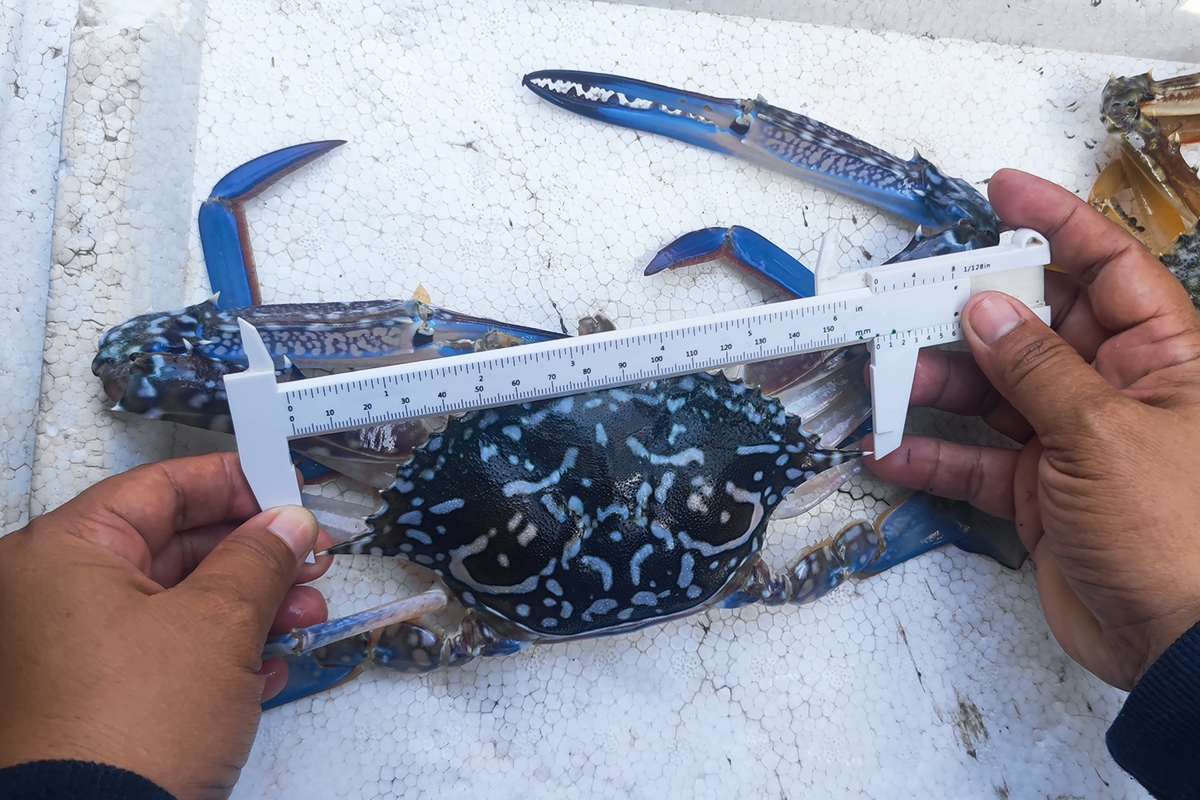
Global projects
Wild-caught blue swimming crab in the Philippines
Working with partners in the Philippines toward sustainable blue swimming crab fisheries.
Read more – Wild-caught blue swimming crab in the Philippines