

Farmed whiteleg shrimp in India
Why India?
India is the world's third-largest producer of whiteleg shrimp (Litopenaeus vannamei), yielding close to 1 million metric tons each year. This equates to almost one out of every six of these popular shrimp produced worldwide. They are also the top exporter to the U.S., accounting for 37 percent of whiteleg shrimp imports in 2020, worth $2.6 billion. However, nearly all whiteleg shrimp farmed in India are currently rated red.
Areas for improvement
Since 2014, India’s farmed shrimp industry has expanded rapidly and faces challenges with disease outbreaks, health management, farm registration, and data availability.
Project goal
We’re working with partners to achieve at least a yellow rating or equivalent for whiteleg shrimp production in Andhra Pradesh by 2025.
Roadmap
As demand for shrimp continues to grow, support for improved aquaculture practices in India is critical for long-term success. We continue to invest in ongoing improvement efforts to address key barriers to sustainable whiteleg shrimp production in India through the application of our Partnership Assurance Model and Verification Platform.
Top producing countries of whiteleg shrimp
(Percent of global production)
China
Ecuador
India
Vietnam
Indonesia
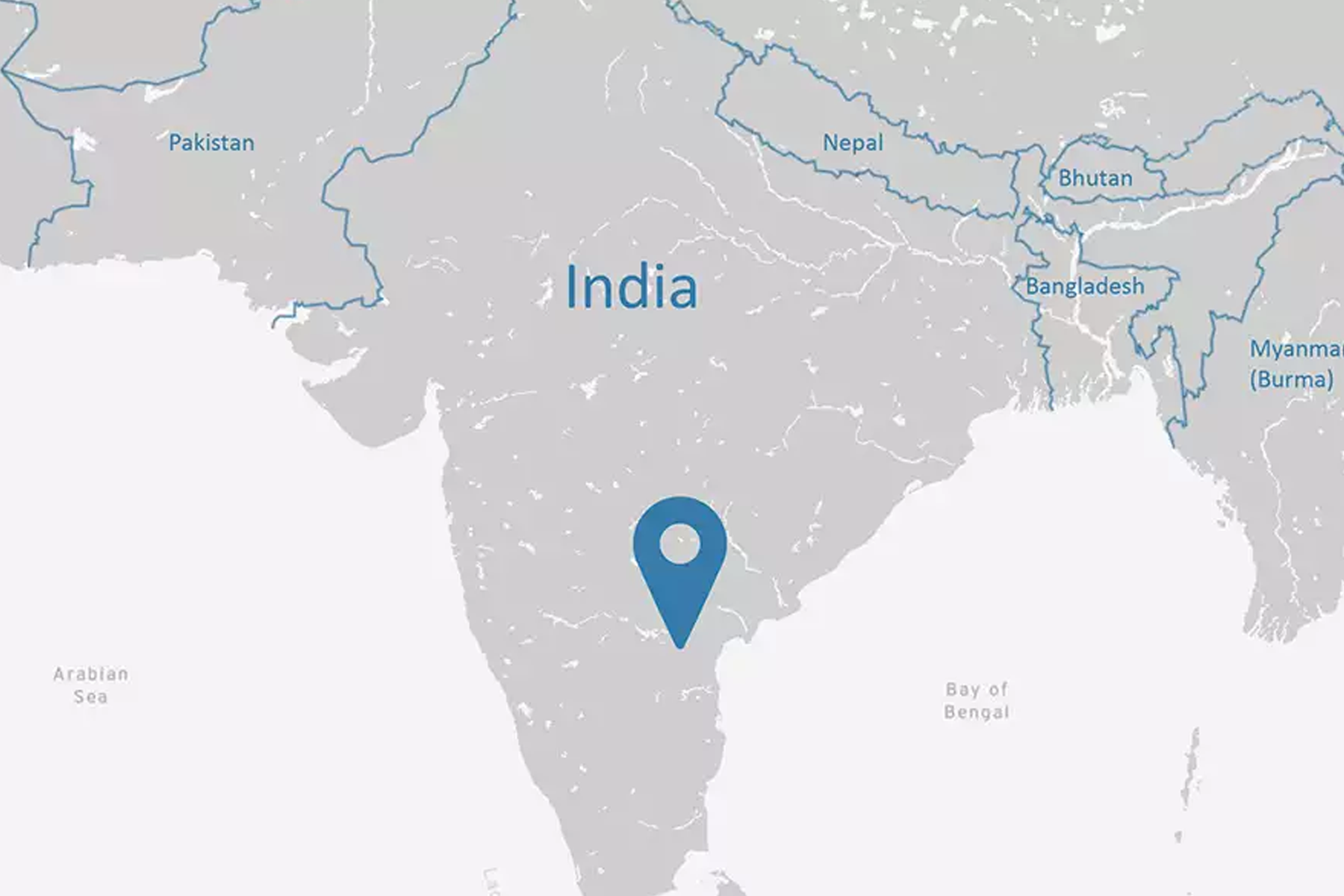
Project scope
- Andhra Pradesh, India
- Whiteleg shrimp (Litopenaeus vannamei)
- Ponds: intensive and semi-intensive
- Equal to about 375,000 metric tons (42 percent of India's annual production of whiteleg shrimp)
Project partners
- AquaExchange
- Beaver Street Fisheries
- Devi Seafoods
- Sandhya Aqua
Updates as of March 2025
2024: We completed a socio-economic baseline study in collaboration with Acharya Nagarjuna University to understand what farmers and their families consider priority issues and to inform the development of socio-economic aquaculture indicators. The results will be made public soon. A locally-based climate expert also piloted our newly developed Climate Vulnerability Assessment Tool in India.
We continued to work with current project partners and welcomed new ones. In May, we presented pilot assessment findings to project partner Nexgen Feeds. We’re now working together to plan how best to tackle identified improvements. New project partner Aqua Exchange is evaluating 55 farms. We also completed the initial assessment of the sustainability of Devi Seafoods' feed in August.
We organized three workshops in Andhra Pradesh in September 2024, presented by Dr. Rolando Ibarra. The workshops provided participants with a fundamental understanding of diseases in aquaculture, as well as primary strategies for their prevention, diagnosis, treatment, and management.
View previous updates
2023: Project partners Growel Feeds, Avanti Feeds, Devi Seafoods, Deepak Nexgen Feeds, and Aquaconnect completed pilot assessments. They evaluated 82 farms and collaborated with key industry stakeholders and farmer producer organizations in Andhra Pradesh. Assessments with Febin Marine Foods and two fish farmer producer organizations are beginning alongside the State Fisheries Department in Andhra Pradesh.
2022: We organized an event on sustainable shrimp farming in India with high-level executives of the Indian shrimp industry in Vijayawada, Andhra Pradesh in July. New staff were hired in March to conduct farm assessments.
2021: New full-time, local staff were hired in July to implement the Partnership Assurance Model.
Related videos
Measuring impact, improving aquaculture
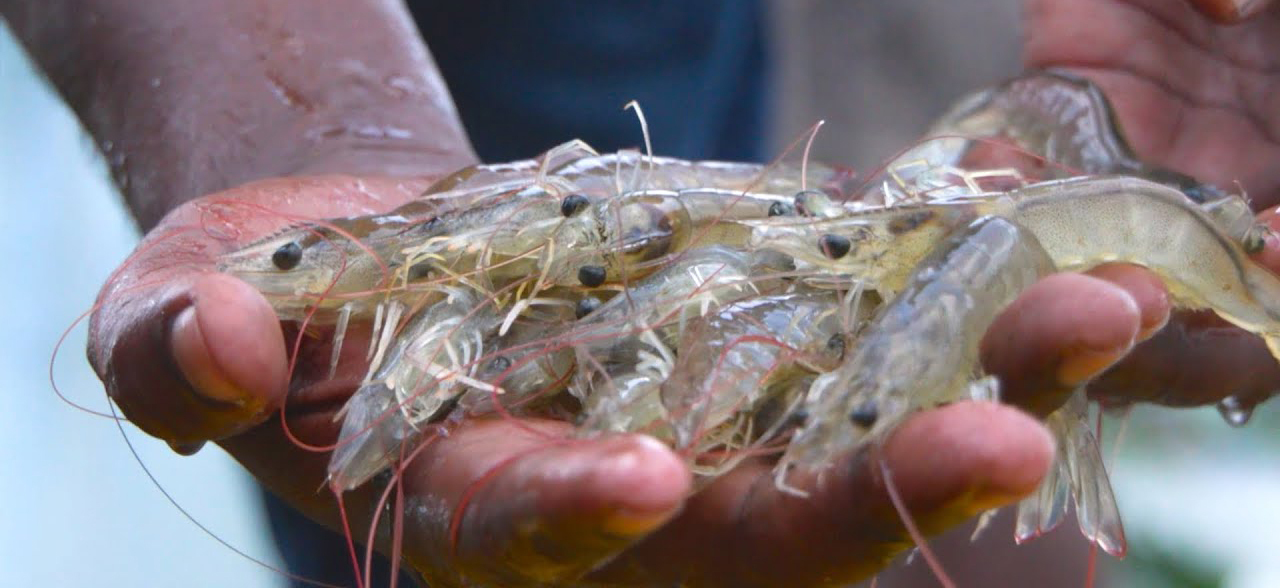
The Monterey Bay Aquarium's Verification Platform helps small-scale shrimp farmers measure their impact and chart a course for improvement.
Data source summary: Whiteleg shrimp trade data were taken from the Aquatic Resources Trade in Species dataset (2020). Whiteleg shrimp production data are from the FAO (2022). Seafood Watch ratings data are up to date as of February 4, 2025.
Team
Wendy Norden
Programs Director, Global Ocean Conservation
Cormac O’Sullivan
Senior Fellow, Global Aquaculture Science
Sudhakar Mathsa
Senior Fellow, India Program Manager
Tim Moore
Senior Fellow, Global Seafood Sustainability
Swaroop KSJ
Fellow, India Field Operations
Keep exploring
Global projects
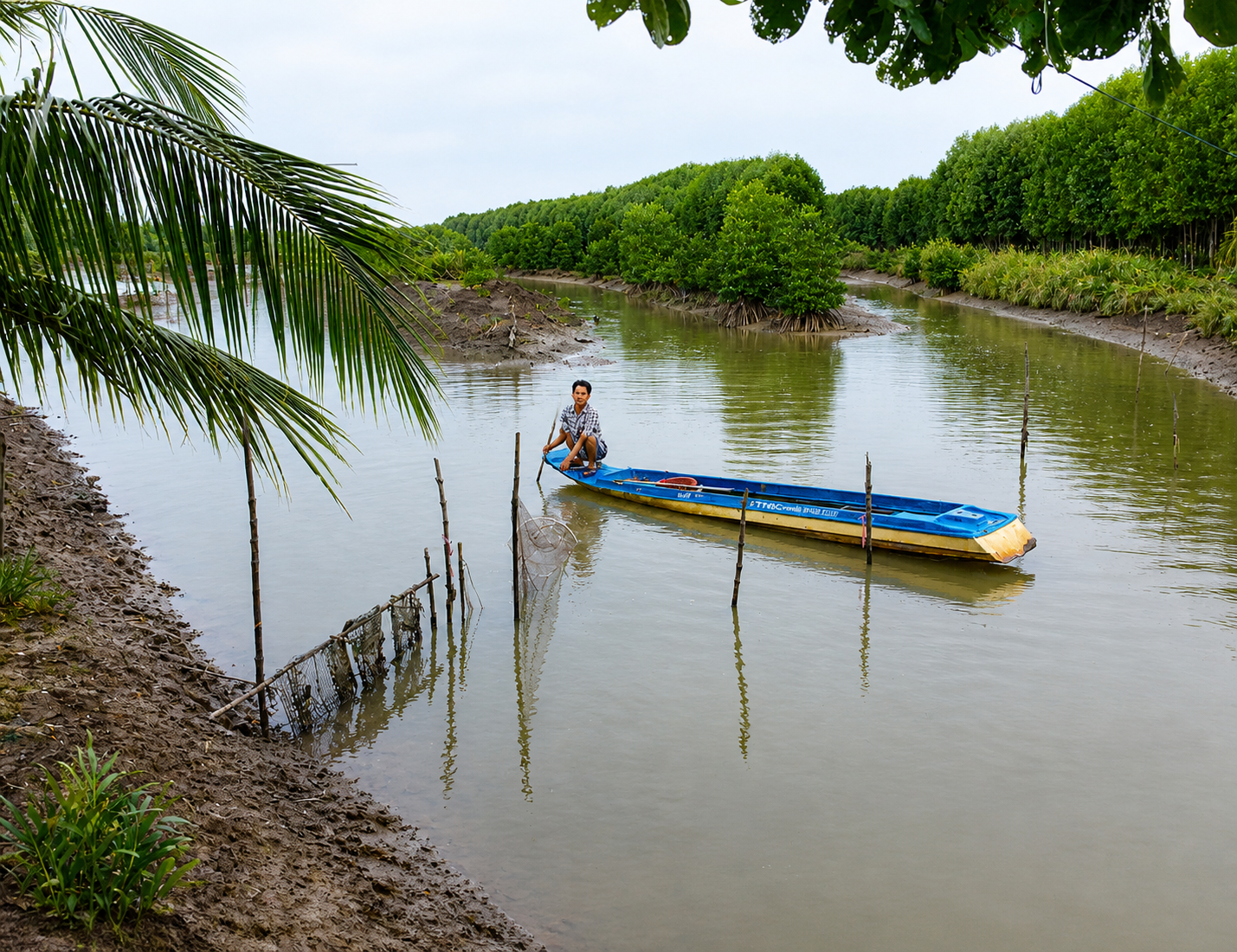
Farmed giant tiger prawns in Vietnam
Vietnam is the top giant tiger prawn producer, yet struggles with chemical use and habitat impacts.
Read more – Farmed giant tiger prawns in Vietnam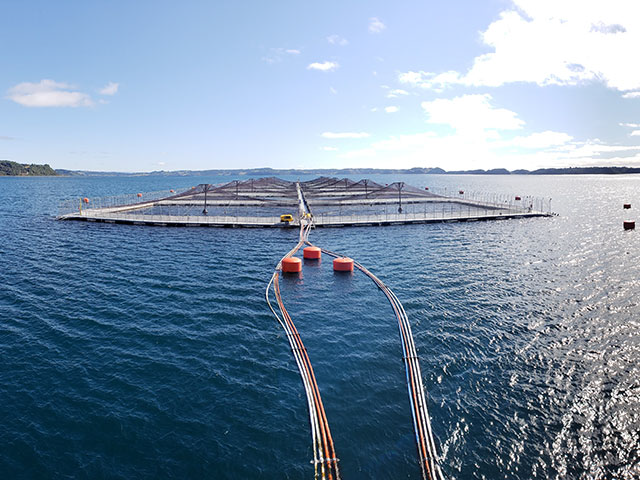
Global projects
Farmed salmon in Chile
Chile is a top global salmon producer but faces ongoing challenges with disease outbreaks and antibiotic uses.
Read more – Farmed salmon in Chile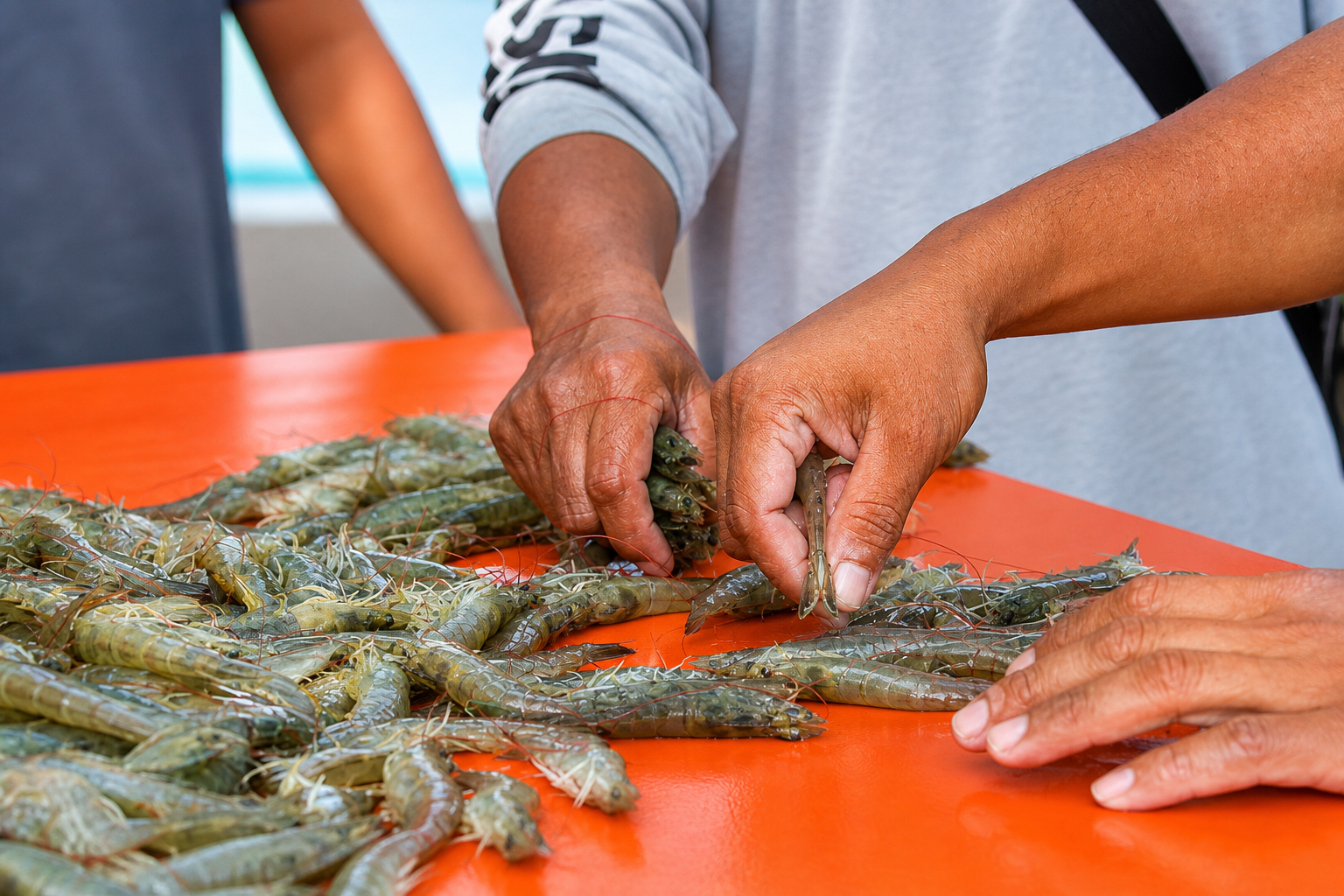
Global projects
Farmed whiteleg shrimp in Indonesia
Indonesia's rapidly growing shrimp industry faces significant sustainability challenges including habitat…
Read more – Farmed whiteleg shrimp in Indonesia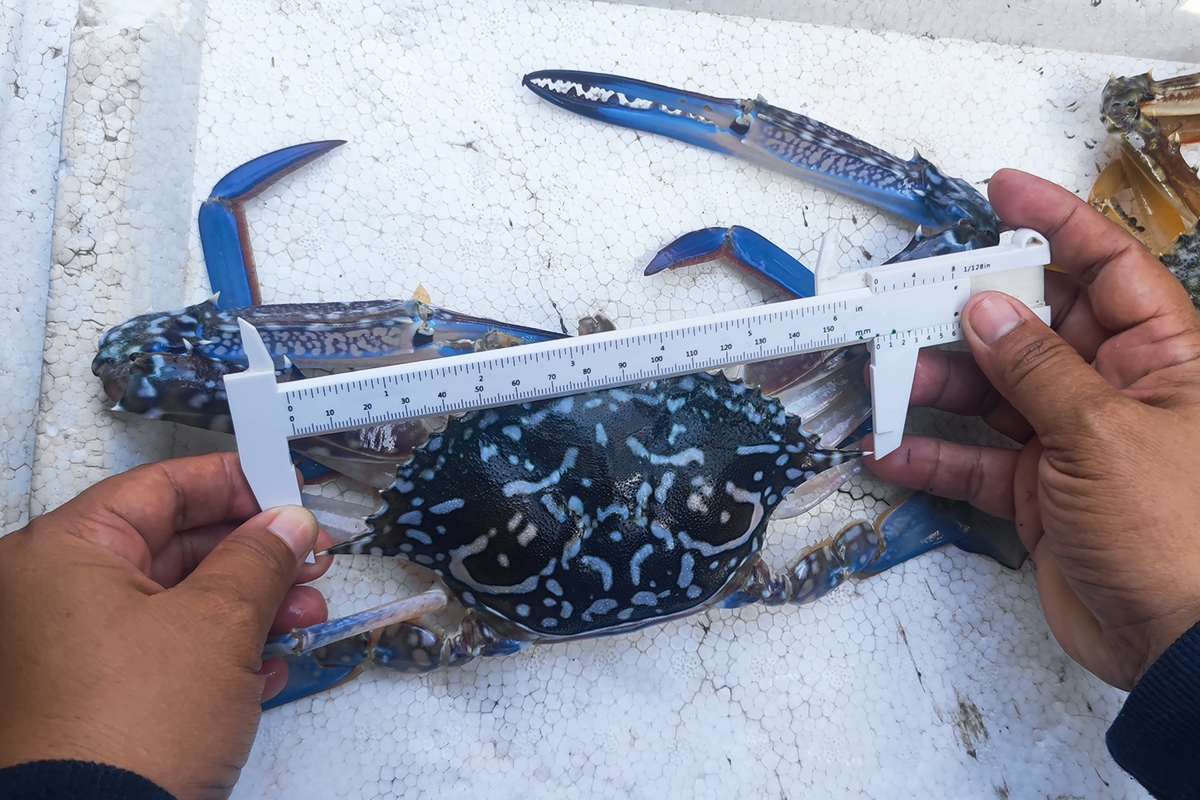
Global projects
Wild-caught blue swimming crab in the Philippines
Working with partners in the Philippines toward sustainable blue swimming crab fisheries.
Read more – Wild-caught blue swimming crab in the Philippines