

White shark
Carcharodon carcharias
- Not on exhibit
- Animal type
- Sharks & rays
- Ecosystem
- Open ocean
- Relatives
- Mako, porbeagles and salmon sharks; Family: Lamnidae
- Diet
- Fishes, other sharks, skates, stingrays, sea turtles, molluscs, crustaceans, seabirds, and even dead whales. Larger white sharks dine mostly on pinnipeds—seals and sea lions—and occasionally on small cetaceans such as dolphins and porpoises.
- Range
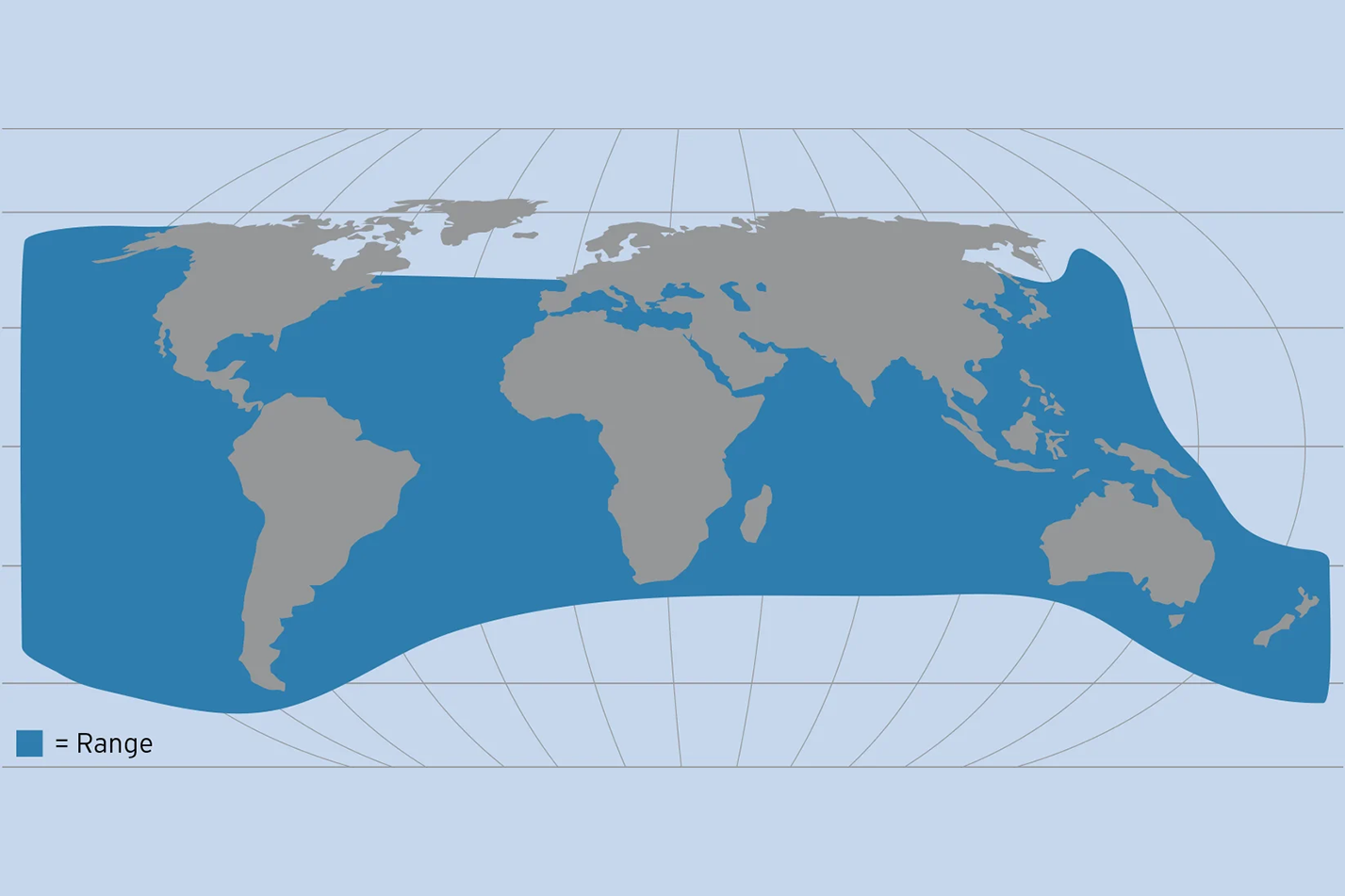
- Continental shelf and open waters of temperate seas and oceans, sometimes venturing into the tropical zones; anywhere from the surface to depths of 4,200 feet (1,280 m)
- Size
- Pups 3.9 to 4.9 feet (1.2 –1.5 m); adults up to 20.9 feet (6.4 m), with females generally larger than males
Meet the white shark
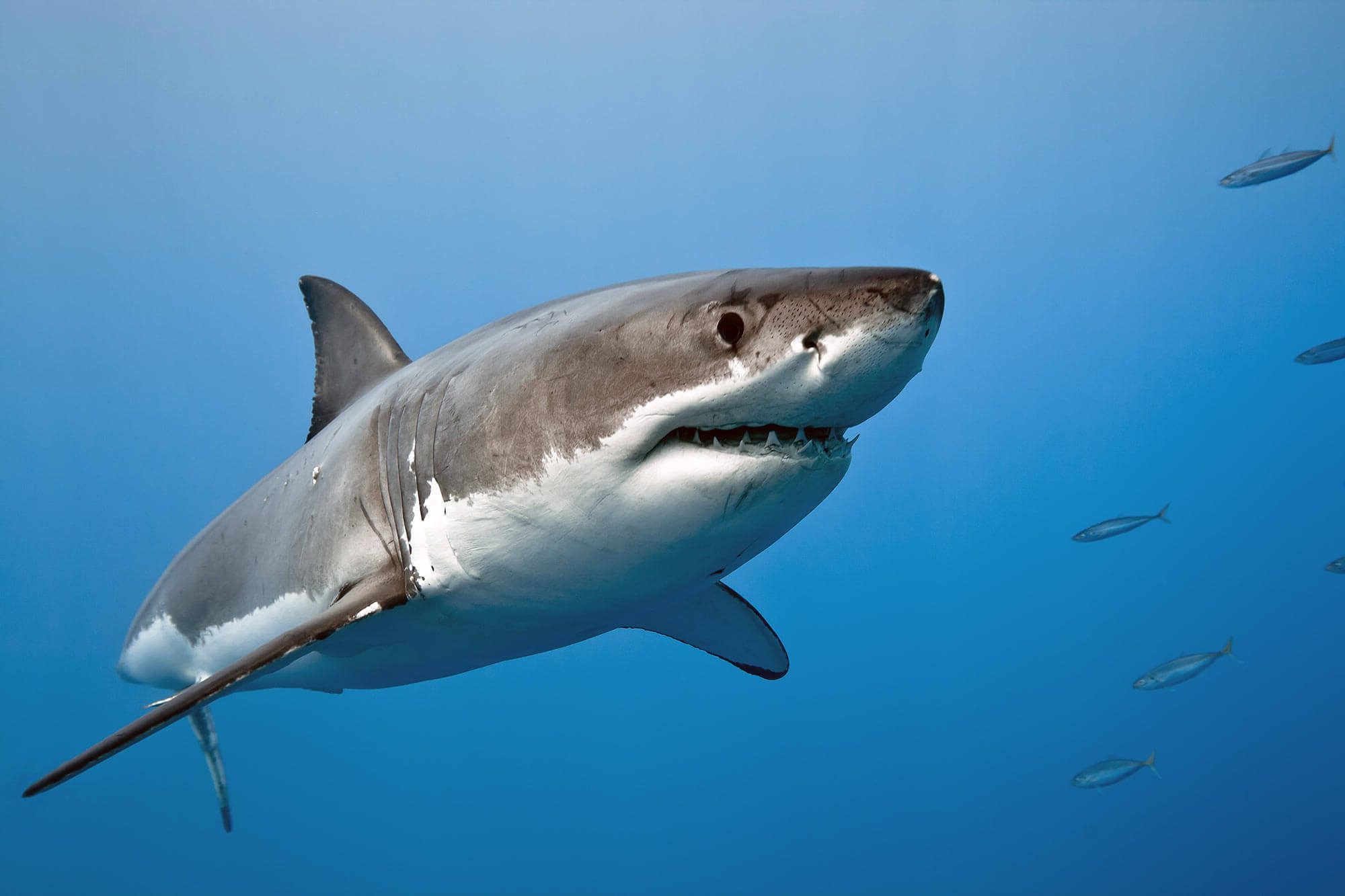
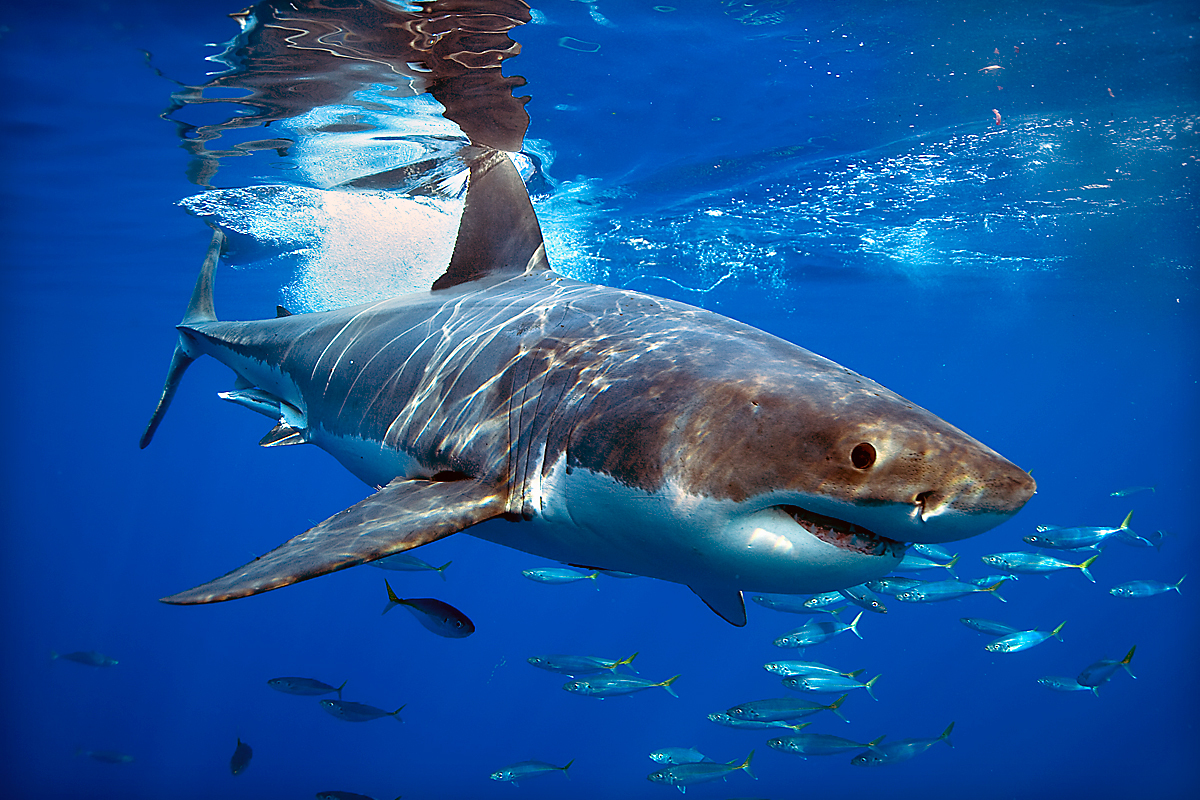
The white shark has captured the imagination of people around the world. It’s the Earth's largest predatory fish—and has thrived for more than 11 million years (with immediate ancestors dating back more than 60 million years)! Although this animal is shrouded in myth, the facts about this finned friend are even more fascinating.
All about the white shark
Habitat
Where do white sharks live? Well, it depends. The white shark is a highly migratory animal, found throughout the world's ocean. White sharks off California and Mexico annually converge in an area previously considered the desert of the Pacific. This vast and seemingly empty ocean expanse halfway between California and Hawaii is known to researchers as "the White Shark Café." After a research voyage to the White Shark Café in the spring of 2018, scientists are analyzing important and fascinating data to determine whether this is a feeding ground or an area where white sharks meet for courtship—and maybe it’s both.
Size
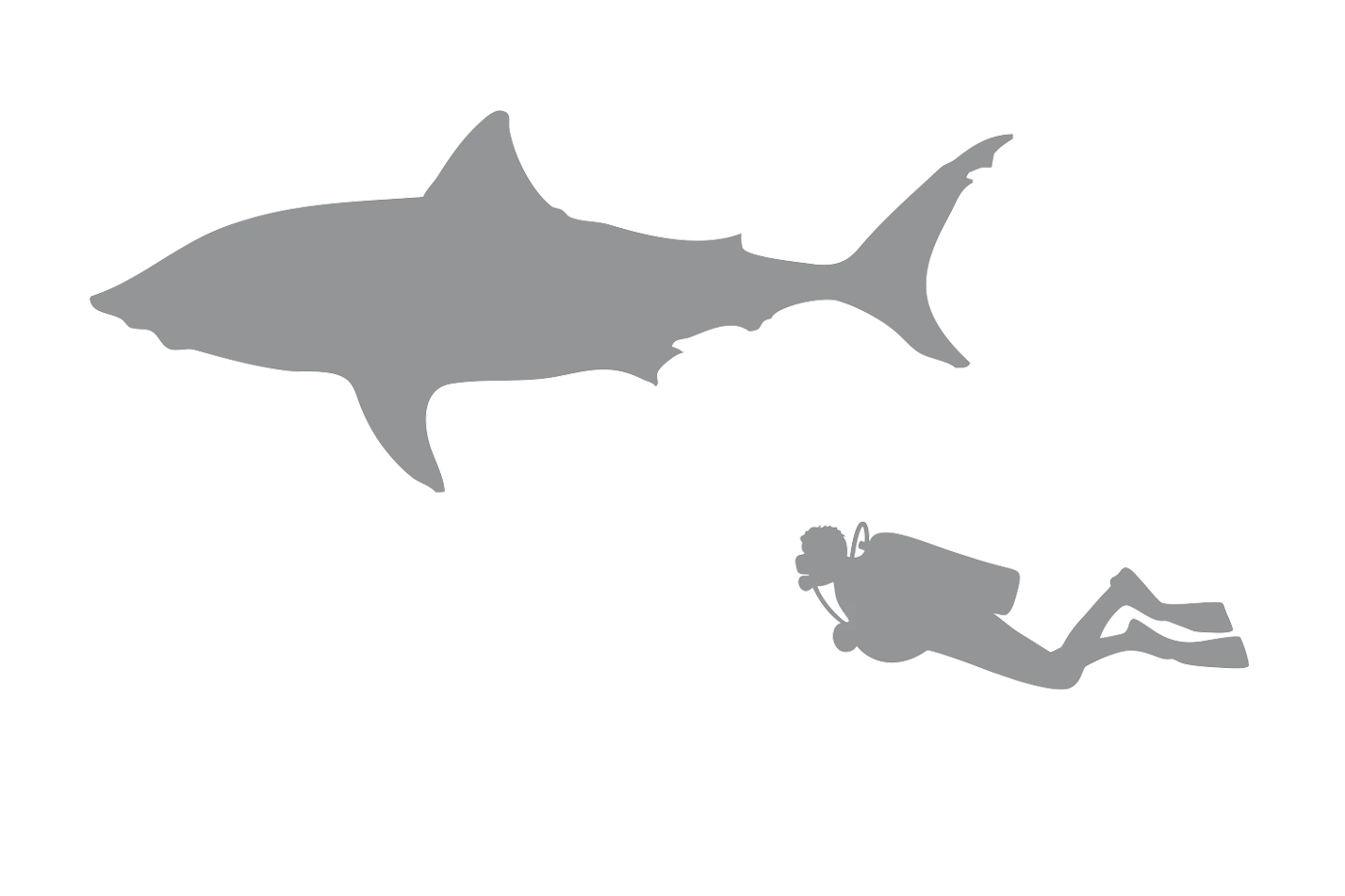
These are big sharks, but they start small—white shark pups are generally about 3.9 to 4.9 feet (1.2 to 1.5 m) long. An adult will grow to be up to 20.9 feet (6.4 m) long—and the female is generally larger than the male. Their maximum reported size is 23.5 feet (7 m). The heaviest weight of a white shark is reported to be 7,500 pounds!
Range
Continental shelf and open waters of temperate seas and oceans, sometimes venturing into the tropical zones; anywhere from the surface to depths of 4,200 feet (1,280 m)
Related videos
White shark vs orca: Who’s the top predator?
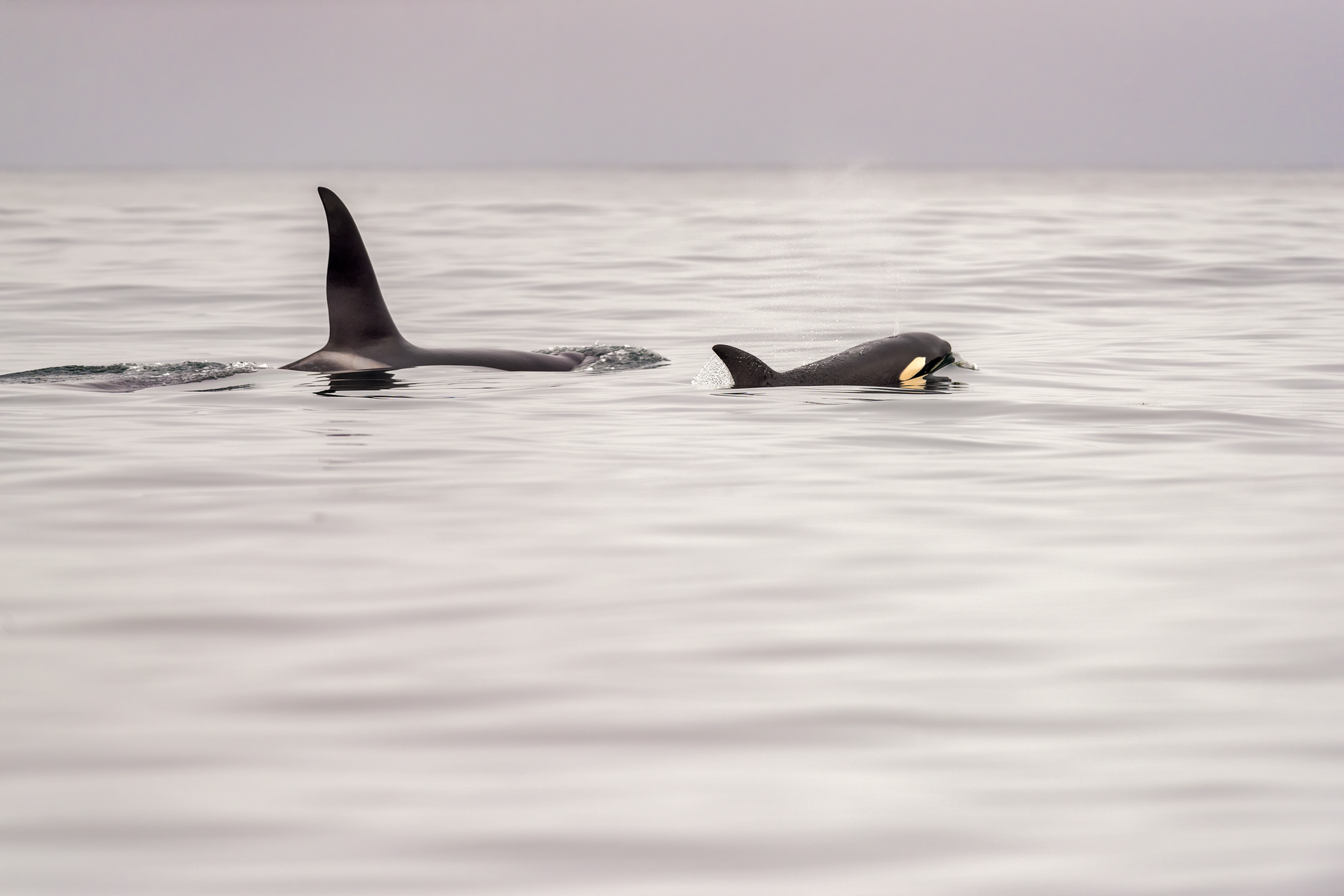
Research from the Monterey Bay Aquarium published in Nature Scientific Reports documents white sharks fleeing from orcas near the Farallon Islands.
Natural history
Lifespan
This animal lives a long life—a male white shark is reported to live up to 73 years. The oldest reported female is 40 years old.
Diet
The white shark is one of the ocean’s most famous predators. It uses quick bursts of speed to ambush its favorite prey—seals and sea lions. The adult also feeds on the carcasses of dead whales, as well as occasional fishes, rays, or smaller sharks.
Predators
White sharks have few known predators, but we learned in one of our recent studies that when orcas show up, white sharks tend to waste no time leaving the area.
Body temperature
An adult can maintain a body temperature up to 27 degrees Fahrenheit (15 degrees Celsius) warmer than the surrounding water. This is due to its large mass and a highly developed heat exchange function in their circulatory system that prevents heat from escaping as blood circulates through its gills and near the body surface.
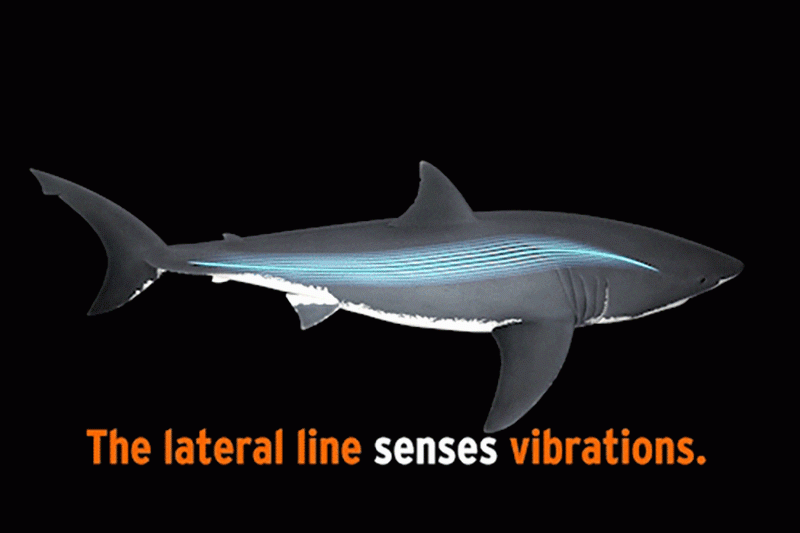
Senses
The white shark has an array of keen senses—including organs that can detect the faint electrical fields from the bodies of potential prey.
Reproduction
Although capable of swimming across ocean basins, white sharks, like salmon, return to their native waters to give birth. As a result, populations of white sharks around the Pacific have become genetically isolated from each other. For example, even though white sharks can and do sometimes traverse ocean basins, white sharks off California have not interbred with those off New Zealand, or a third group off Japan, for around 200,000 years.
Related videos
A journey to the White Shark Cafe
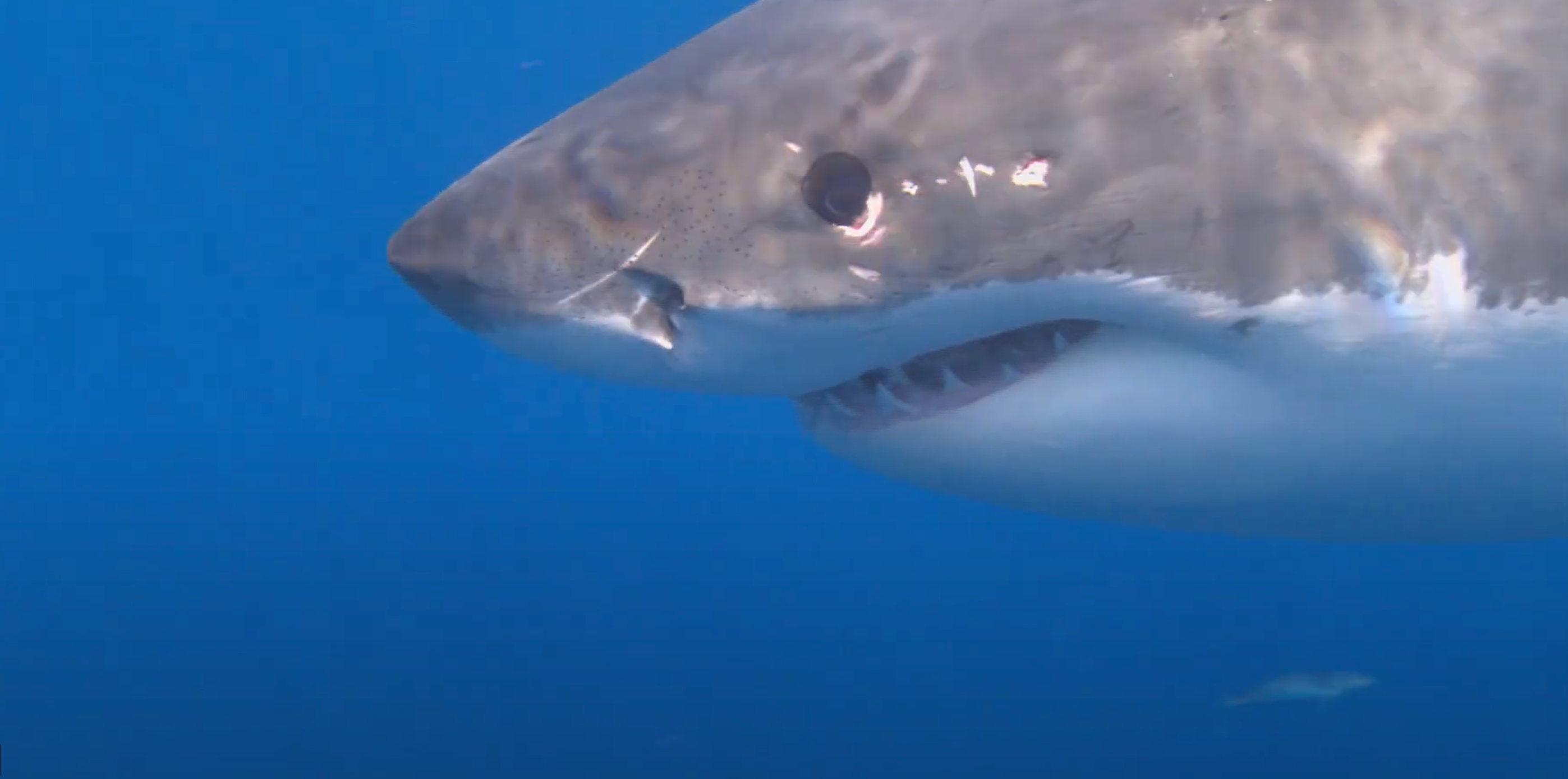
The White Shark Cafe is a mysterious meeting place for white sharks—so we put a camera on a white shark to record what happens there.
In Monterey Bay
White sharks come to Monterey Bay seasonally. They return to California in late summer and early fall after spending months offshore in waters as far west as Hawaii. The sharks gather to feed when juvenile elephant seals assemble together and haul out in colonies along the Central Coast.
In years when ocean conditions bring warmer waters into the bay, there are also sightings of younger white sharks. These animals have a smaller body mass than adults and tend not to thrive as well in the typically colder waters found north of Point Conception. These younger sharks are making the transition from a juvenile diet of skates, rays and schooling fishes to the marine mammals, like seals, that are the main food of adult white sharks.
Conservation
Is the white shark endangered?
No, the white shark is not endangered, but it is considered vulnerable as per the International Union for Conservation of Nature, and stocks may be decreasing globally. The last US stock assessment was done in 2013 and concluded that the species did not warrant listing under the Endangered Species Act (ESA).
White shark populations along the California coast may be increasing due to restrictions on gillnets in state waters, which decreased the mortality rate of young-of-the-year (YOY) and juvenile sharks.
In the past century, however, white shark populations worldwide have sharply declined due to direct fishing pressure. Large take, or kills, by recreational sport fishers and considerable demand for shark products (especially white shark teeth, jaws, fins) have decimated wild stocks of this species.
Our research indicates that young white sharks caught as bycatch experience mortality, especially in gillnets set for halibut and other fisheries in southern California. Understanding a way to reduce mortality will help protect white shark populations.
Be sure to check our Seafood Watch recommendations to find seafood options that don’t harm white sharks.
Global protection for white sharks
In October 2004, white sharks gained new protection in a global wildlife treaty approved by the U.N.-affiliated Convention on International Trade in Endangered Species (CITES).
The 183 member countries in CITES approved regulations requiring a controlled system of permits for all international trade in white shark parts and products. Under the new regulations, trade is closely monitored and may be banned altogether if white shark numbers keep declining.
Next steps for white shark conservation
More widespread protection on an international level is necessary for the recovery of white shark populations. At the Aquarium, we promote policies in the U.S. and internationally to end practices that threaten all shark species—the targeting of sharks for their lucrative fins, and the use of indiscriminate fishing practices that catch and kill sharks in gear intended for other species.
Save that energy! The white shark, along with some other shark species, stores energy in its liver, similar to the way whales store energy in their blubber. The liver becomes enlarged with rich oil as the white shark gorges on seals off California. In the winter the shark taps into these reserves to propel its vast migrations, swimming up to 2,000 miles (3,219 km) non-stop across the Pacific.
Related videos
Project White Shark


Cool facts
- White sharks don’t attack—they bite. Sharks do not have the same emotions as people, and do not bite with the intention of “attacking”. By making an effort to understand and accurately describe white shark behavior, we show respect for these important and majestic animals.
- A recent study by Stanford University and the Aquarium has documented that your chance of being bitten by a white shark in California has decreased by 90 percent in the past 50 years.
- While enjoying California's wild ocean is definitely safer today, it's still unclear whether this is because there are fewer white sharks off our coast or the result of a change in the sharks' behavior. The recovery of seal and sea lion populations in California from near extinction in the late 19th century may be drawing sharks away from populated beaches and toward large seal rookeries along more isolated stretches of the coast.
At the Aquarium
Where’s the white shark?
We released all our white sharks into the wild. We tagged the sharks to track them, and the sharks moved to Baja California, which is where juveniles dwell.
The Monterey Bay Aquarium remains the only aquarium in the world to successfully display a white shark. However, our main purpose for keeping a white shark in this exhibit was to answer important research questions. Those questions have largely been answered, so we will not display white sharks in the future. However, we continue to do vital research on these sharks in the wild.
Up next in open ocean
Animal
Sea angel
This celestial swimming snail flutters through the open ocean with the rhythmic flapping of their wings.
Keep exploring
Animal
Moon jelly
This dreamy jelly is named for their translucent, moon-like bell.