

Open ocean
The open ocean, also known as the pelagic zone, is the vast area of the ocean that lies beyond coastal regions and the seafloor.
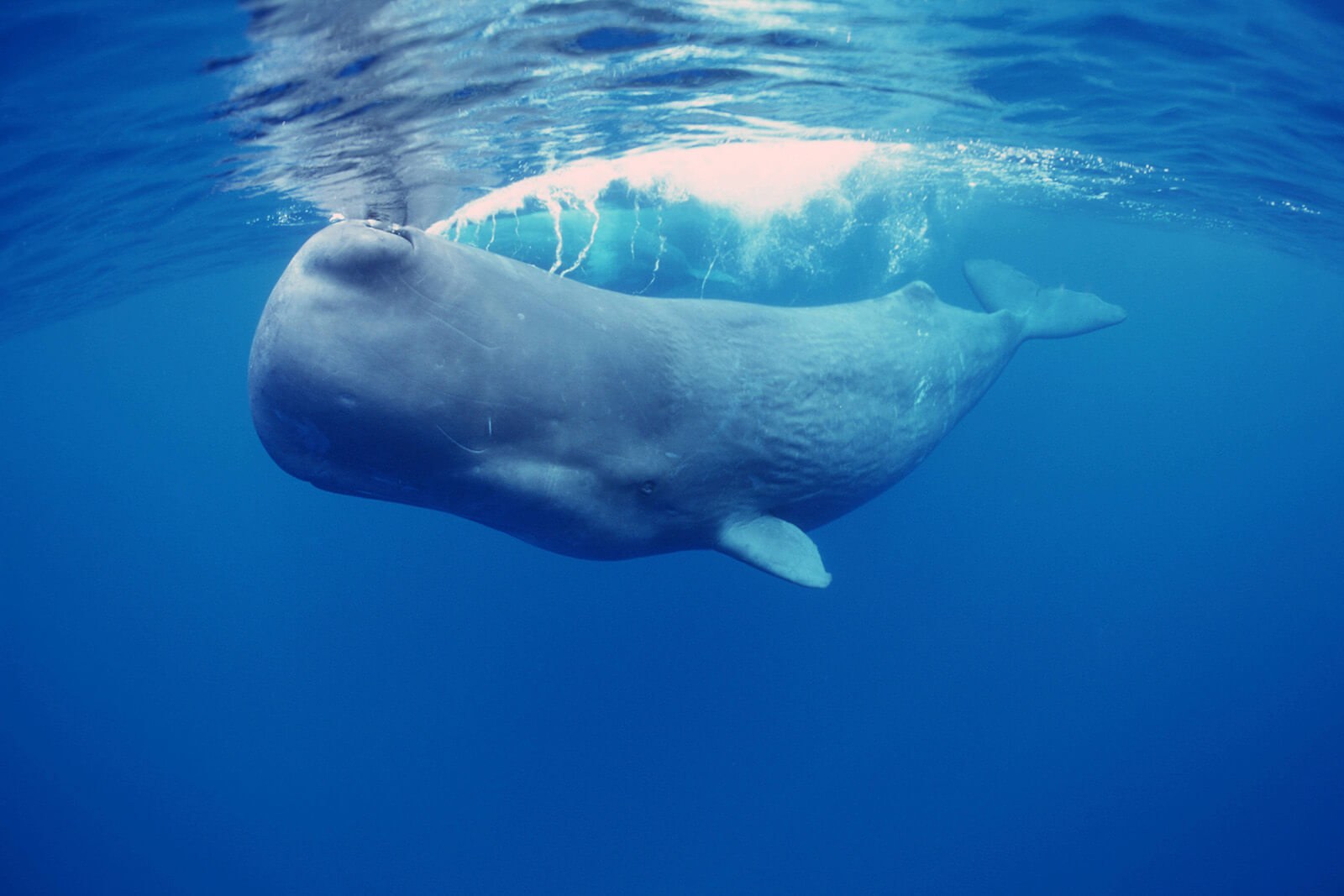
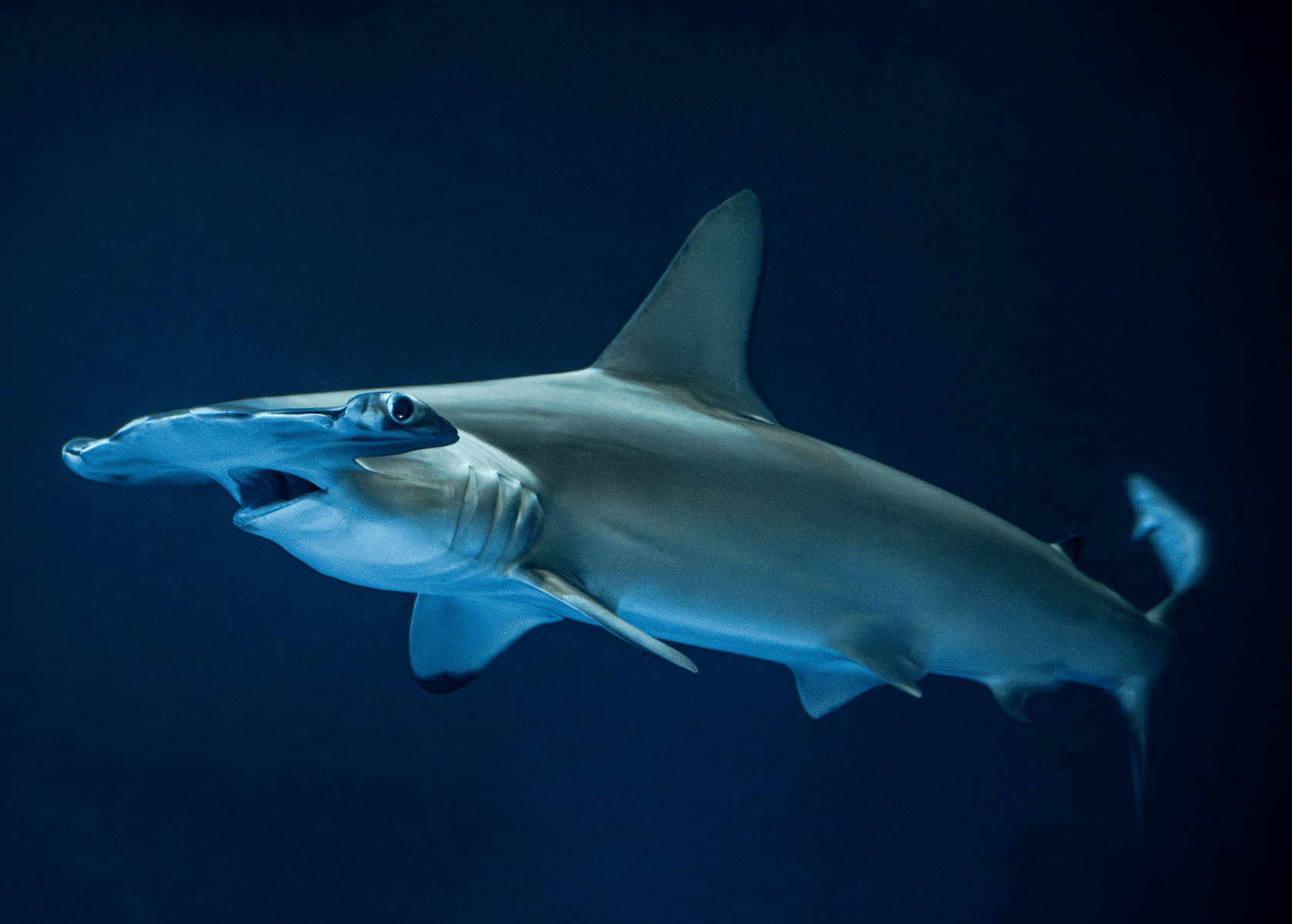
It includes the water column from the surface down to the deep sea and is characterized by its depth, limited nutrients, and wide-ranging marine life such as plankton, fish, whales, and sharks. The residents here sense differences in water temperature, salinity, available sunlight, and nutrients. Changing seasons move the water masses—and the creatures that travel with them.
Related exhibits
Exhibit
Open Sea
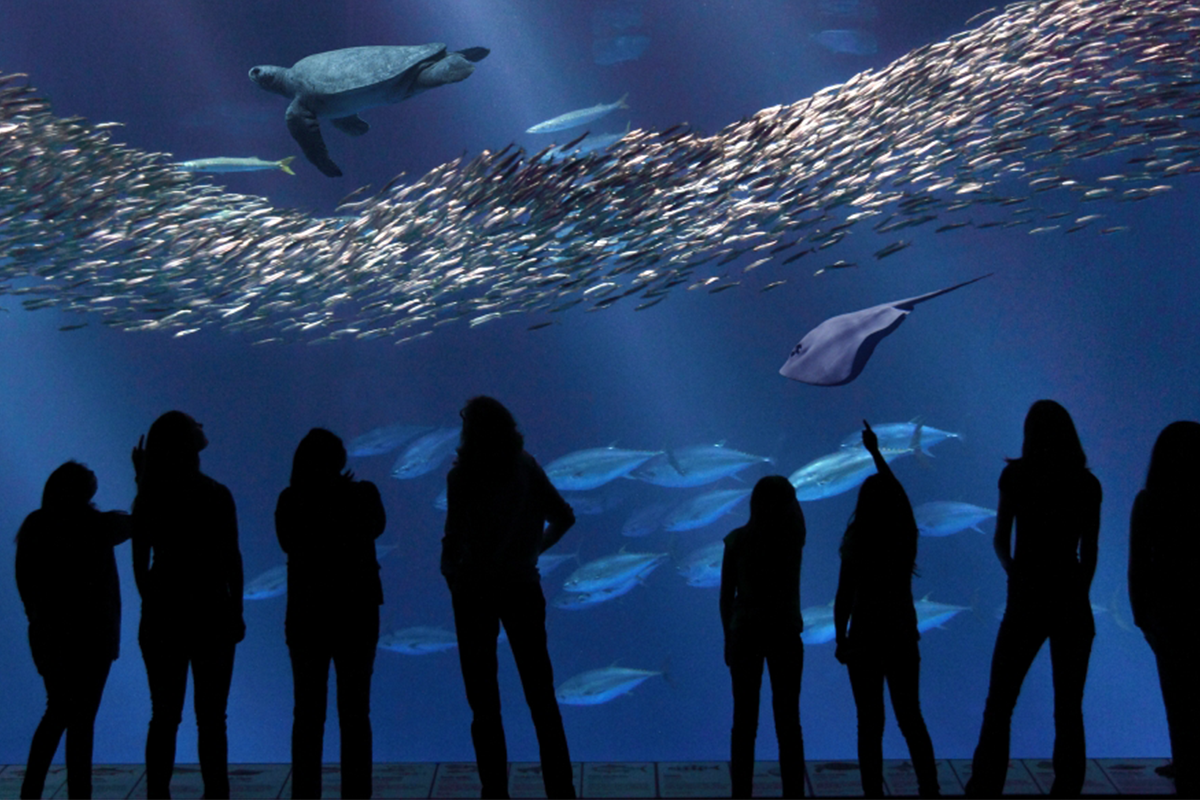
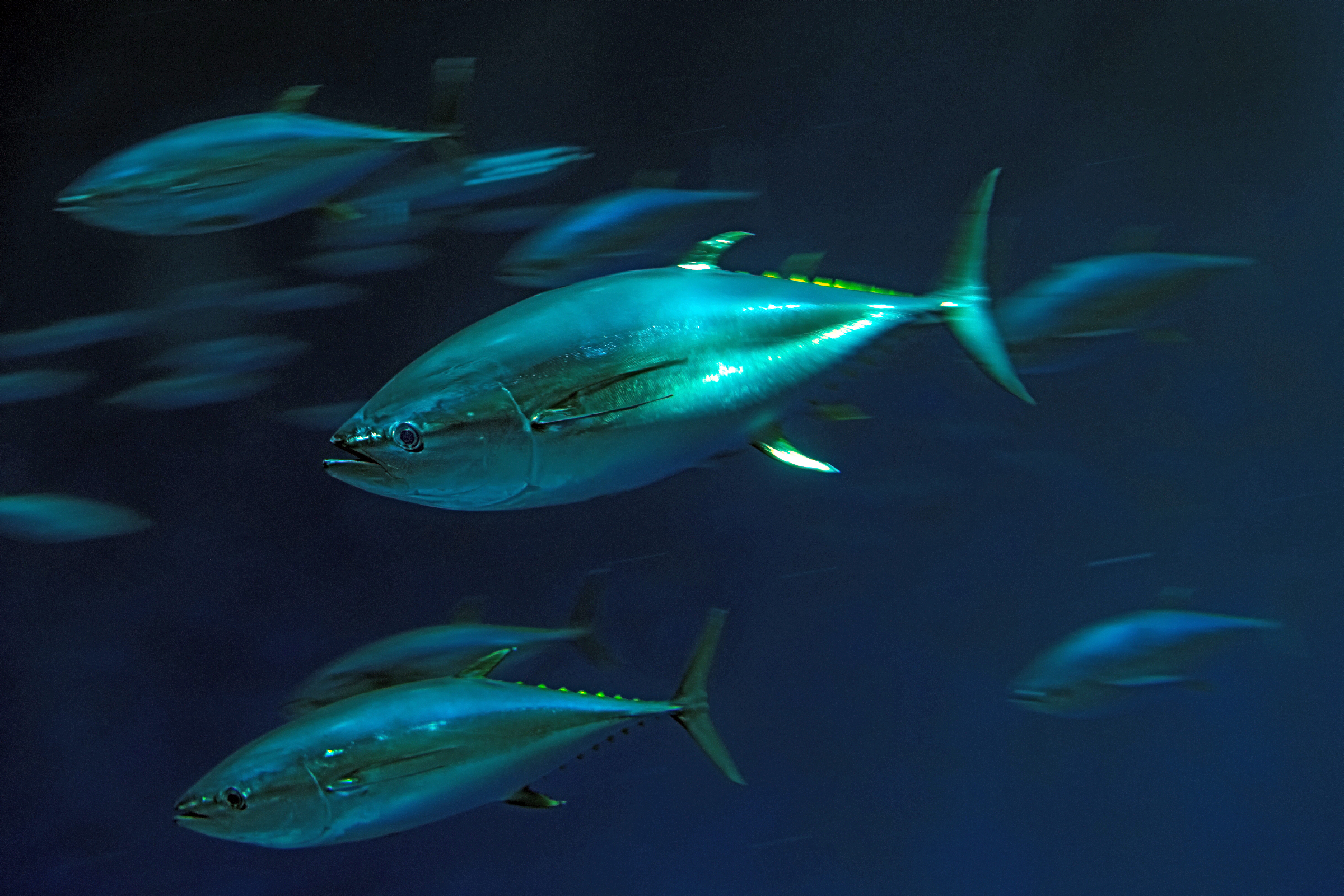
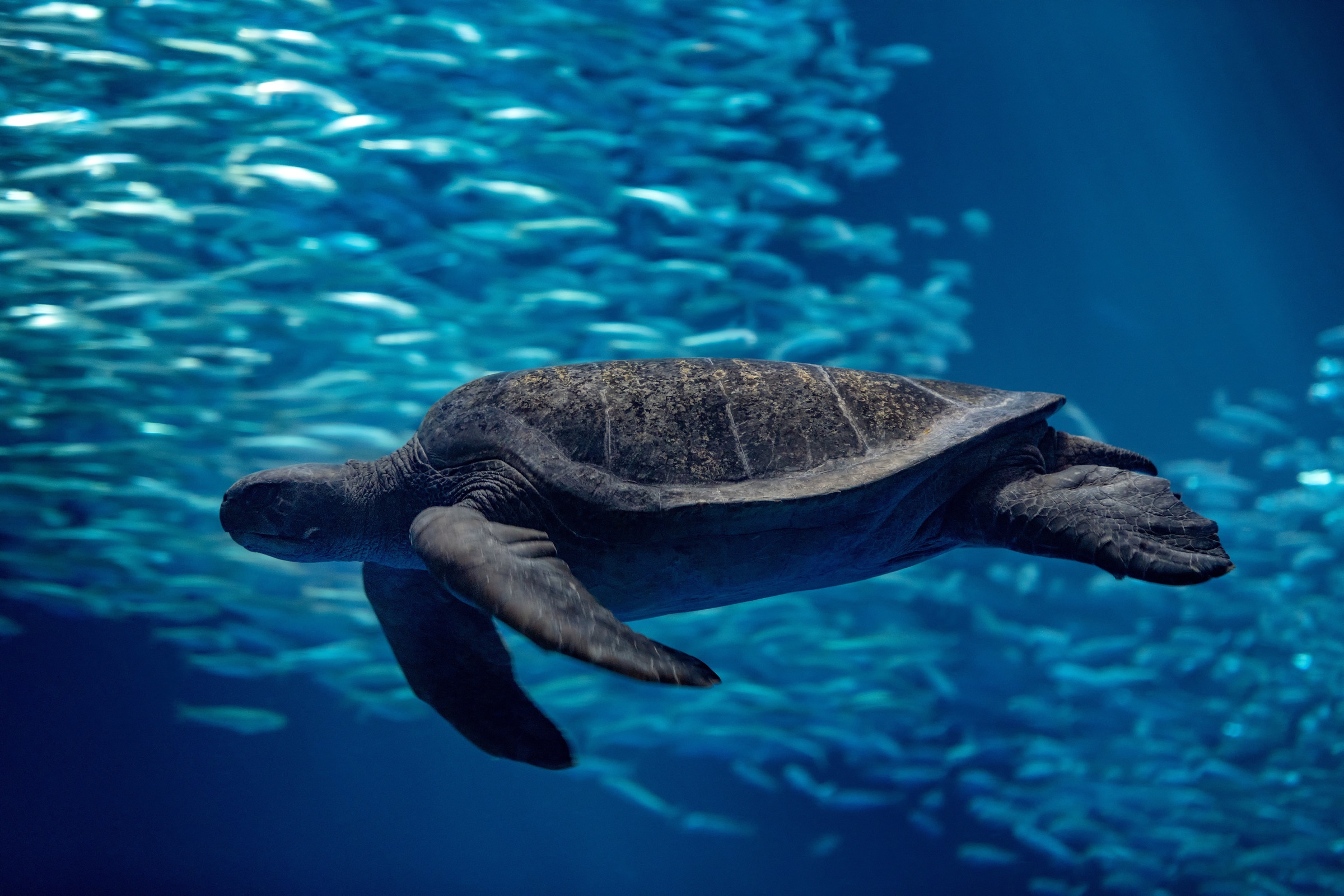
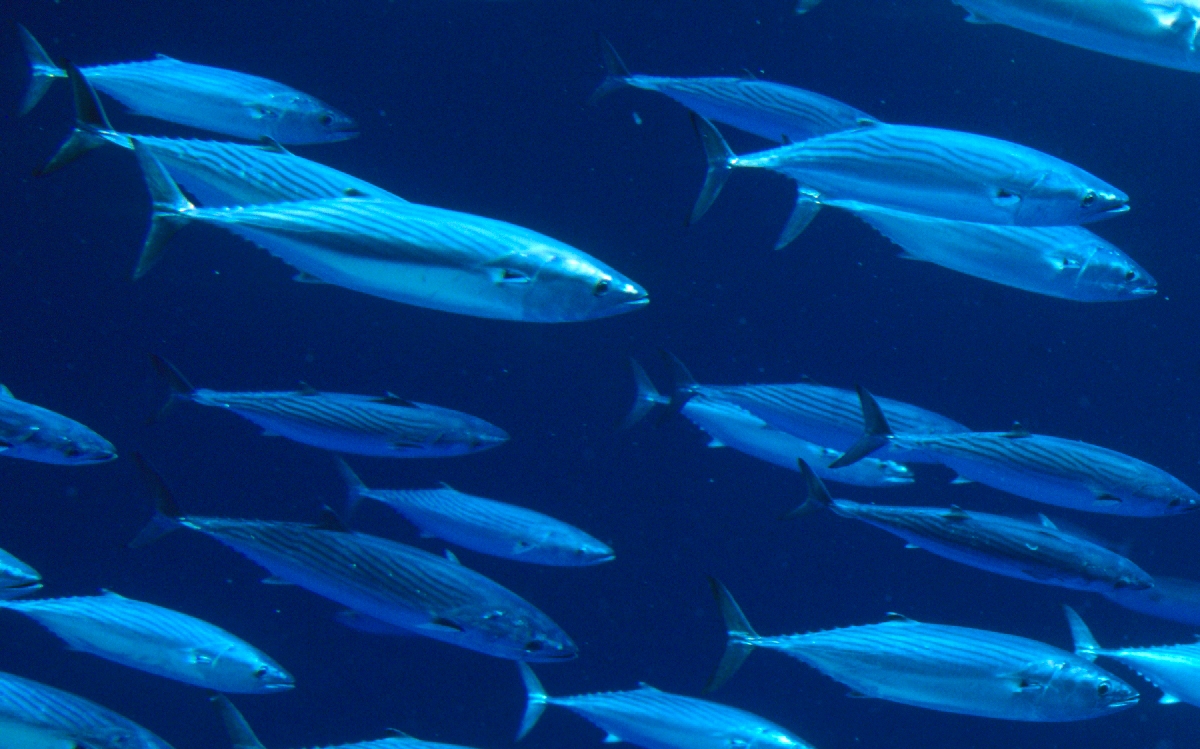
Watch tuna dart, sardines school, and turtles drift past the 90-foot windows of our largest exhibit.
Explore exhibit – Open SeaHow species adapt
Life in the open waters is divided into two groups: drifters (plankton) and swimmers (nekton).
Drifters and swimmers
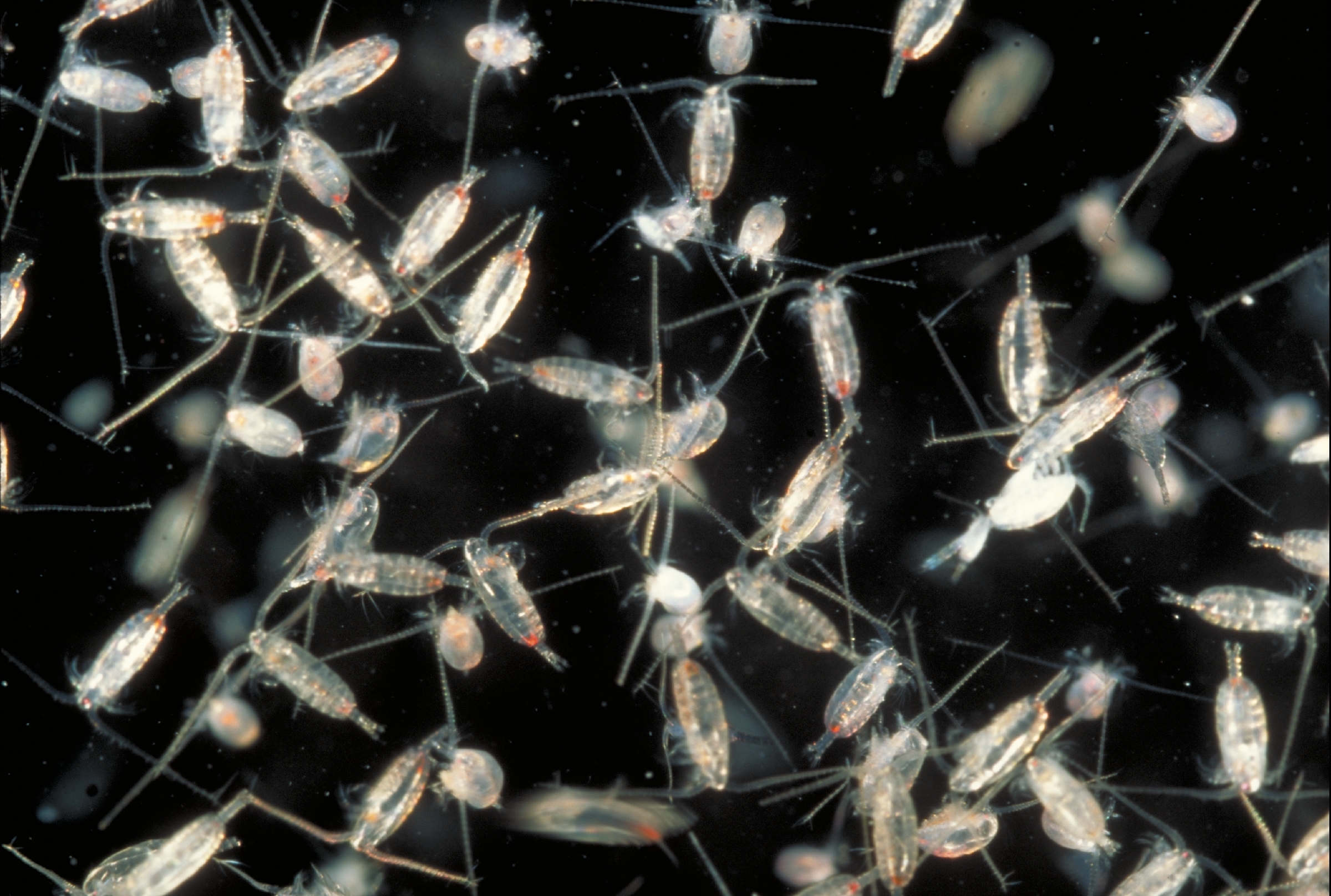
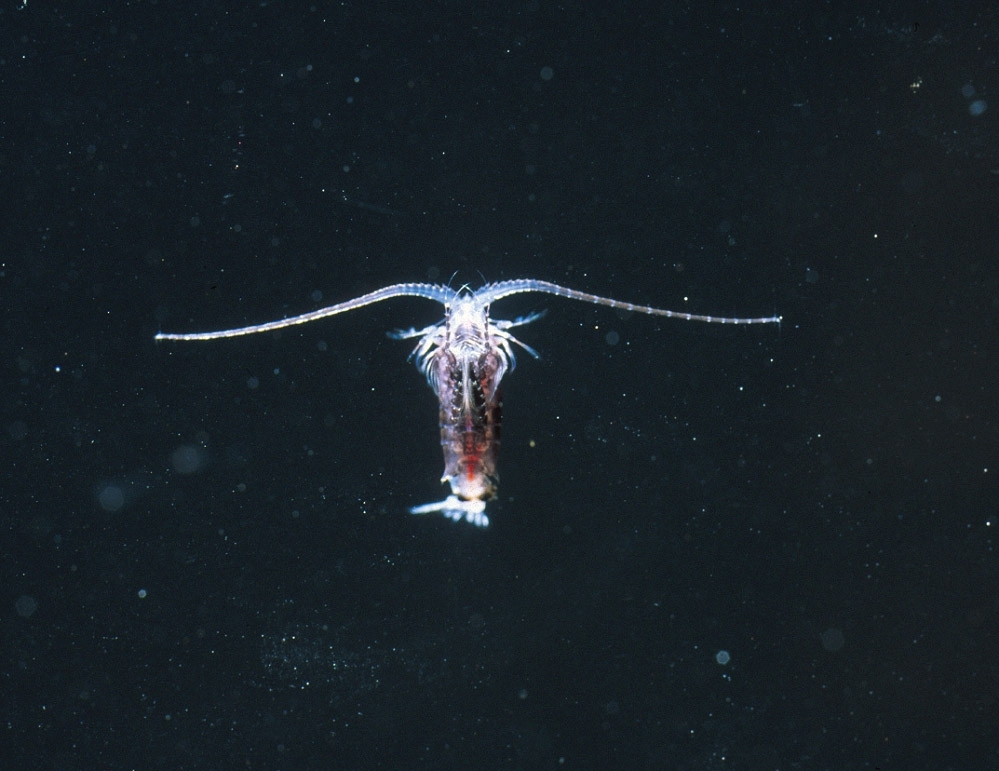
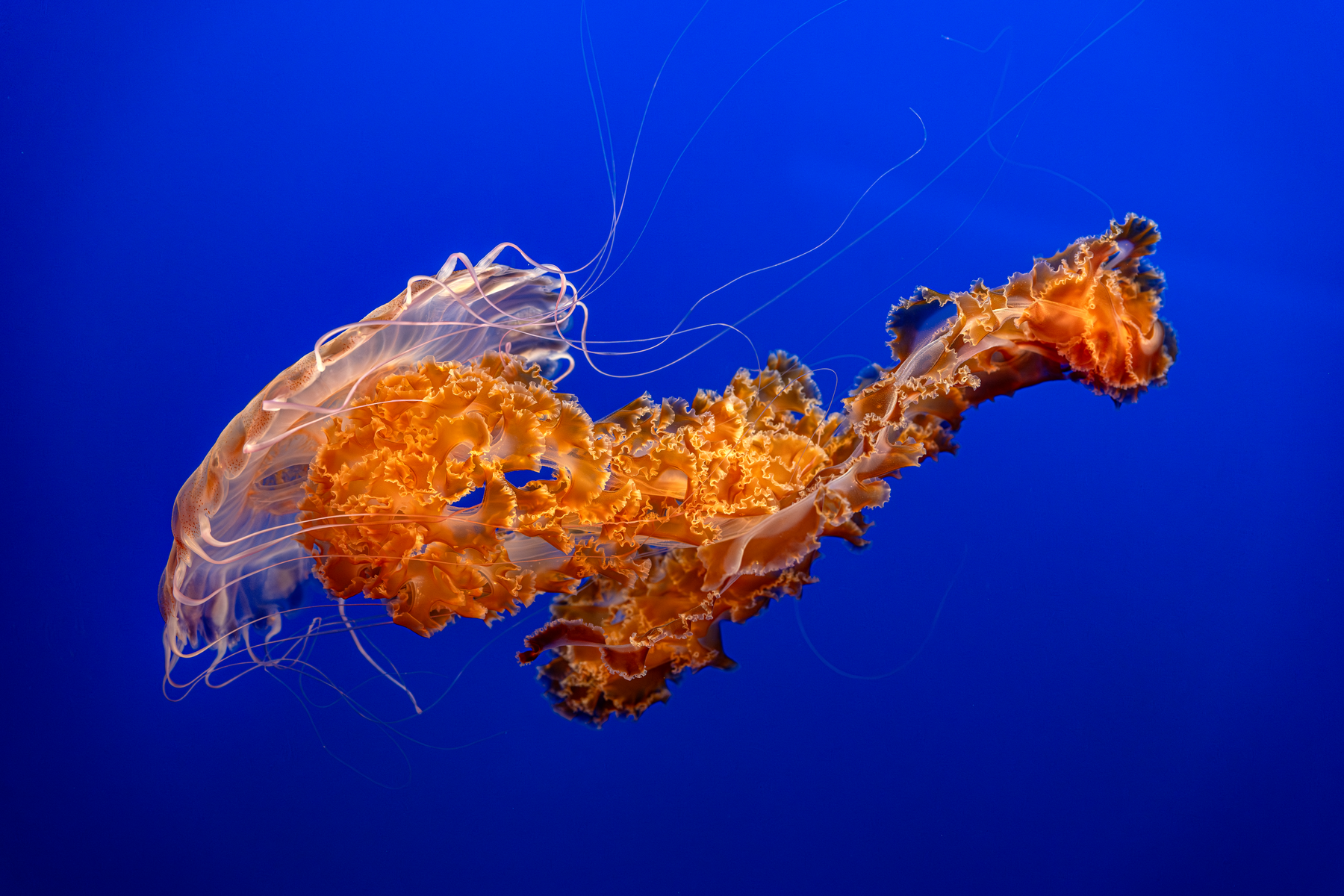
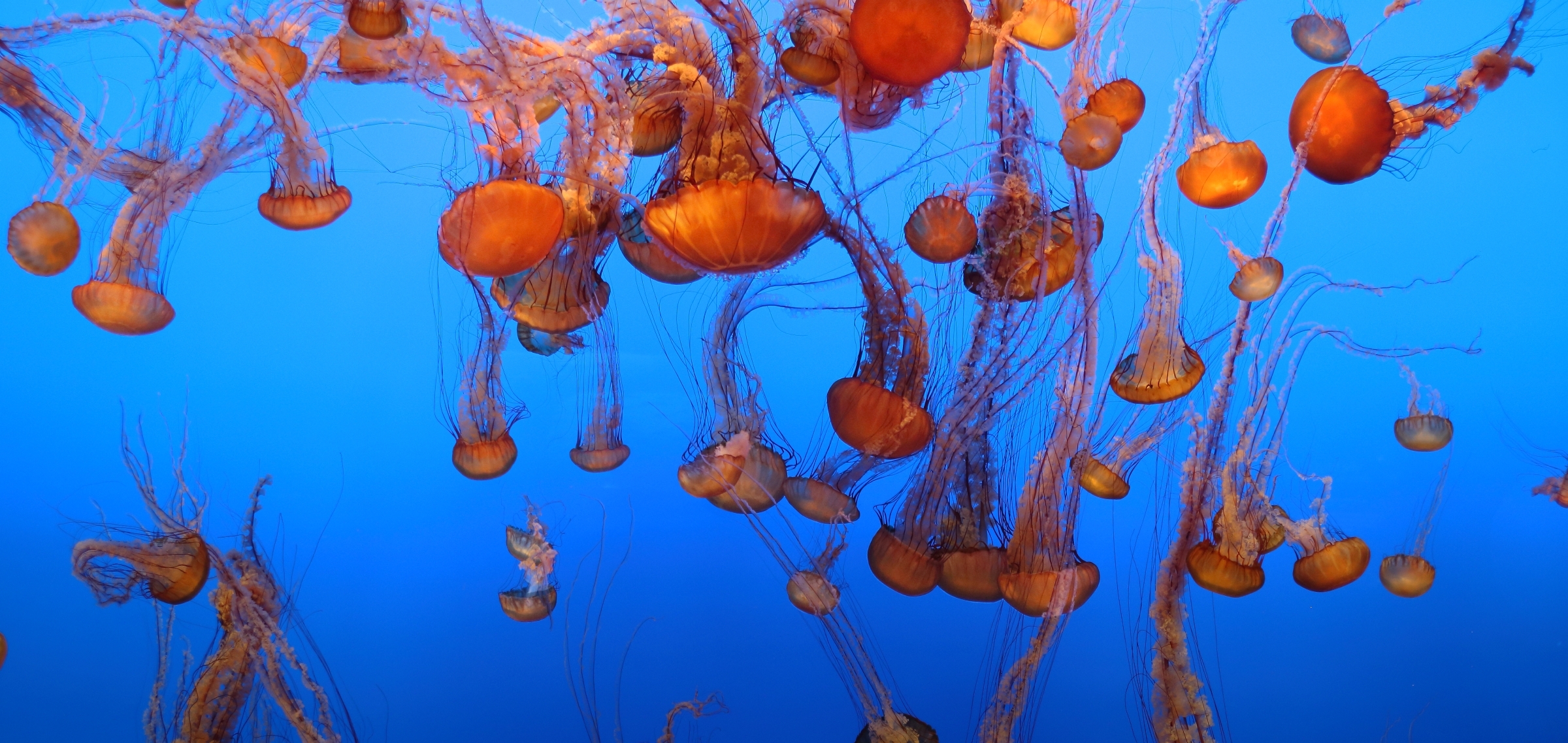
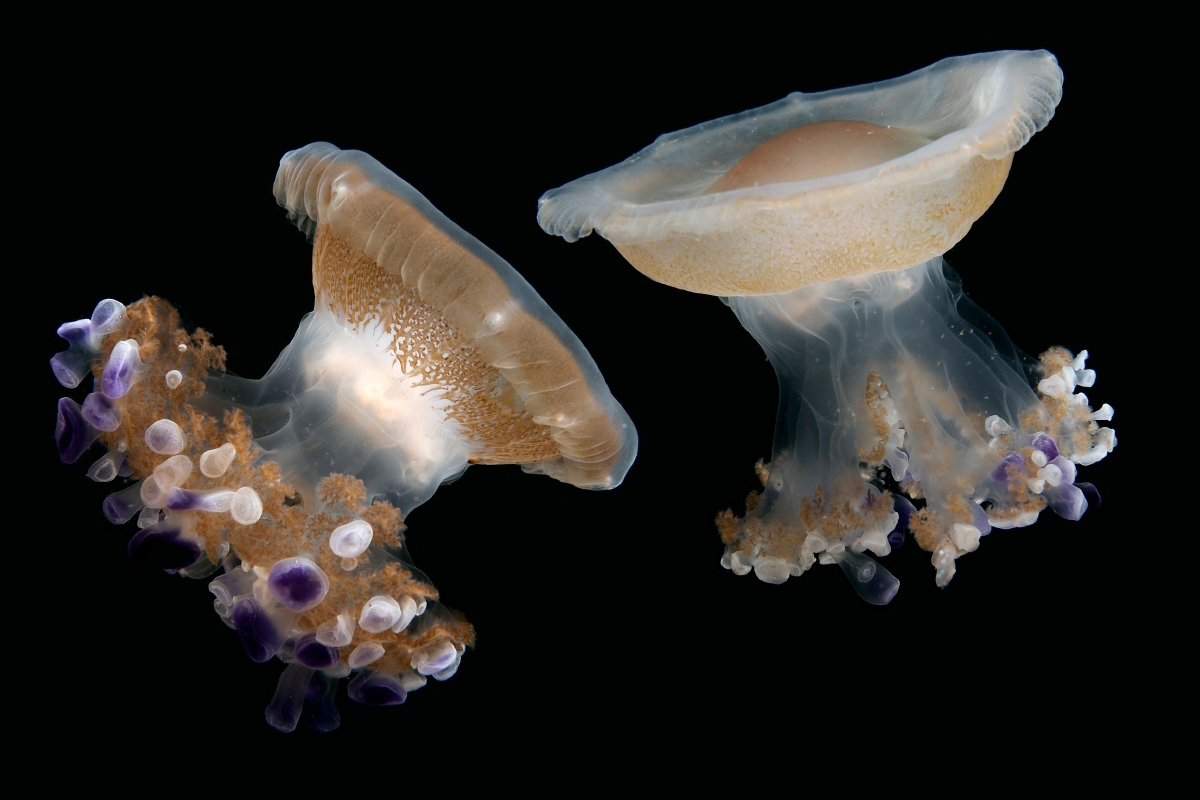
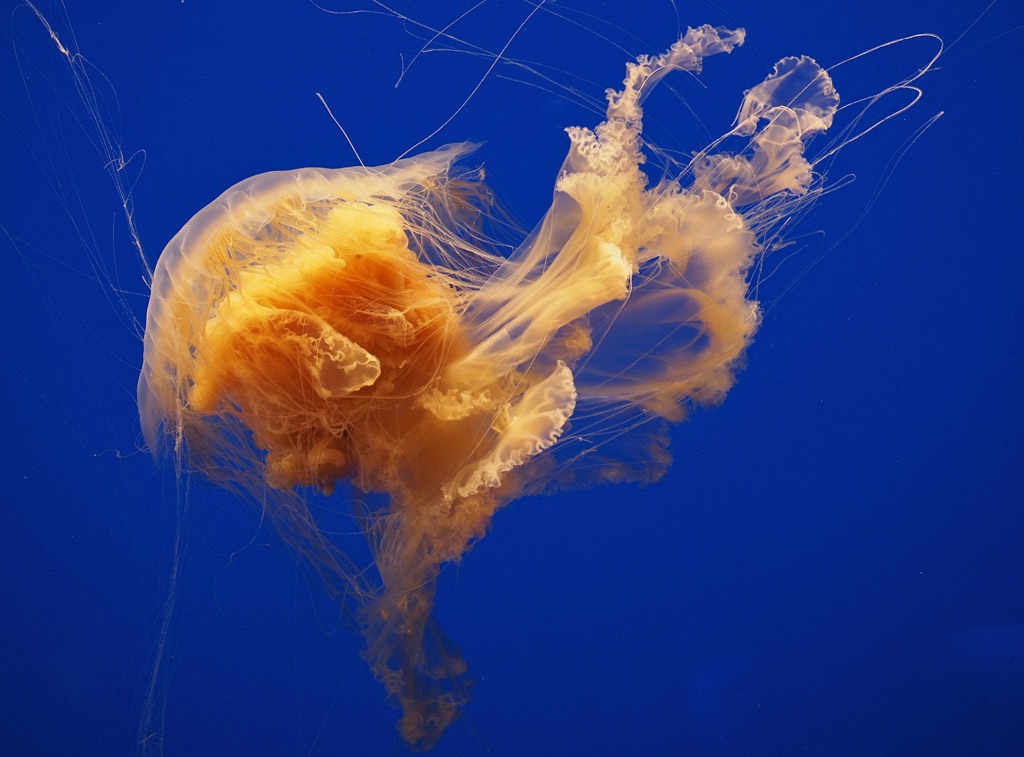
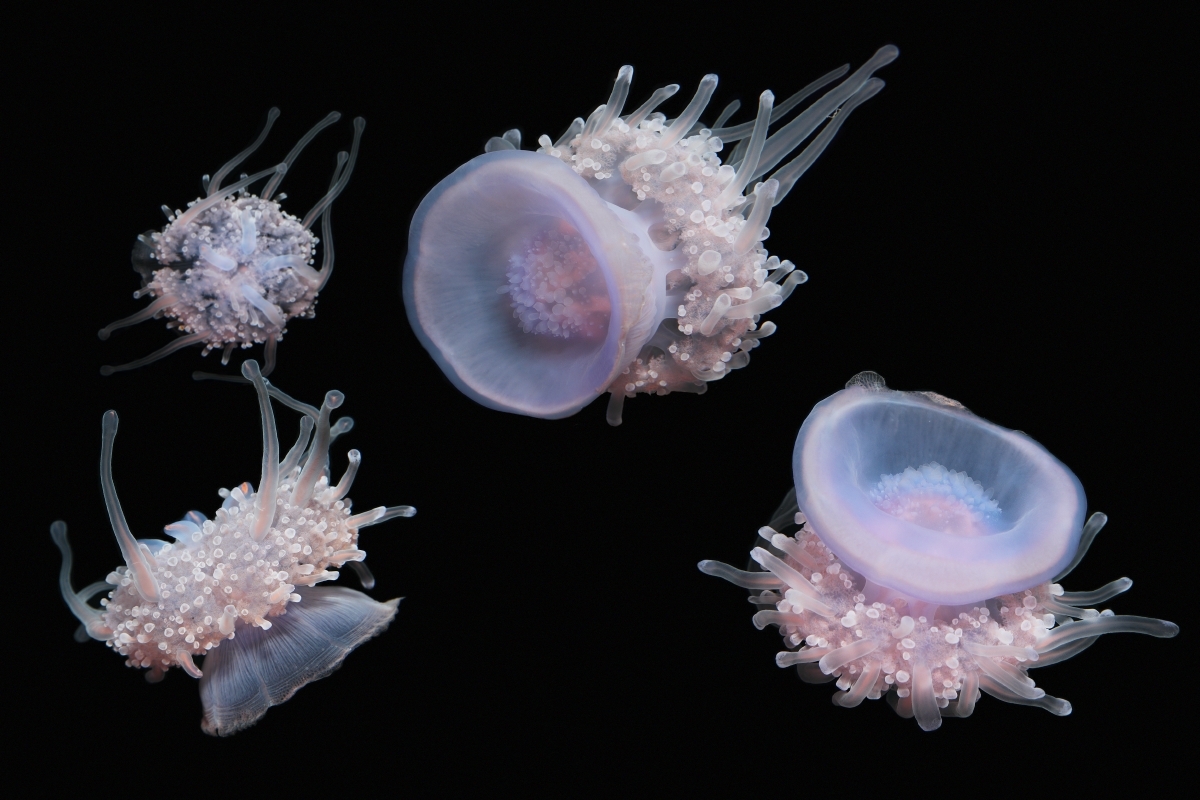
Plankton are carried mainly by currents. A diverse group, they range from microscopic plants and animals (some animals, such as octopuses, begin life as plankton) to large jellies. Nekton travel great distances to find food. This group includes fishes, whales, sea turtles, and squid. With very different lifestyles, both groups are well adapted for life in the open sea.
Sunlight means food
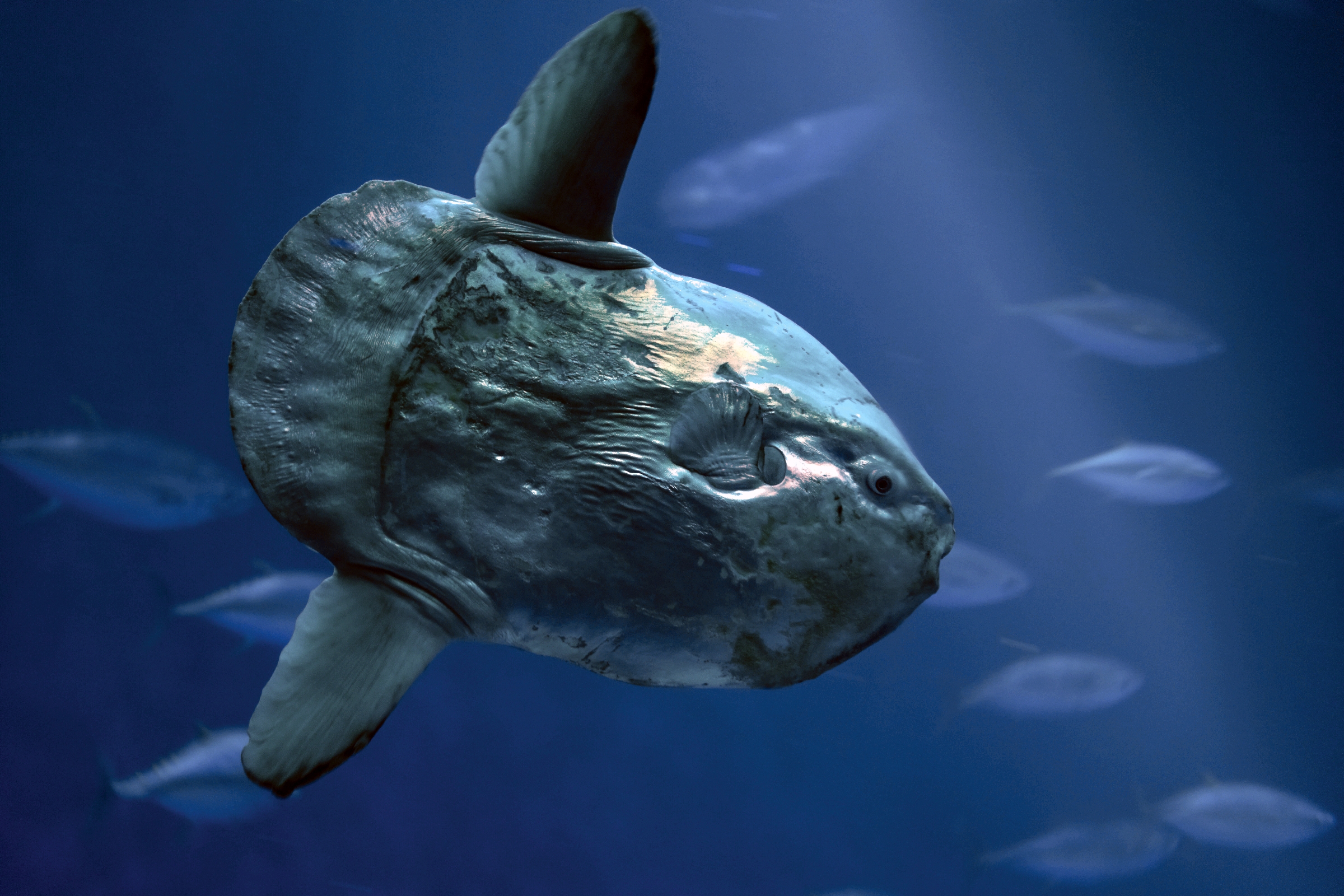
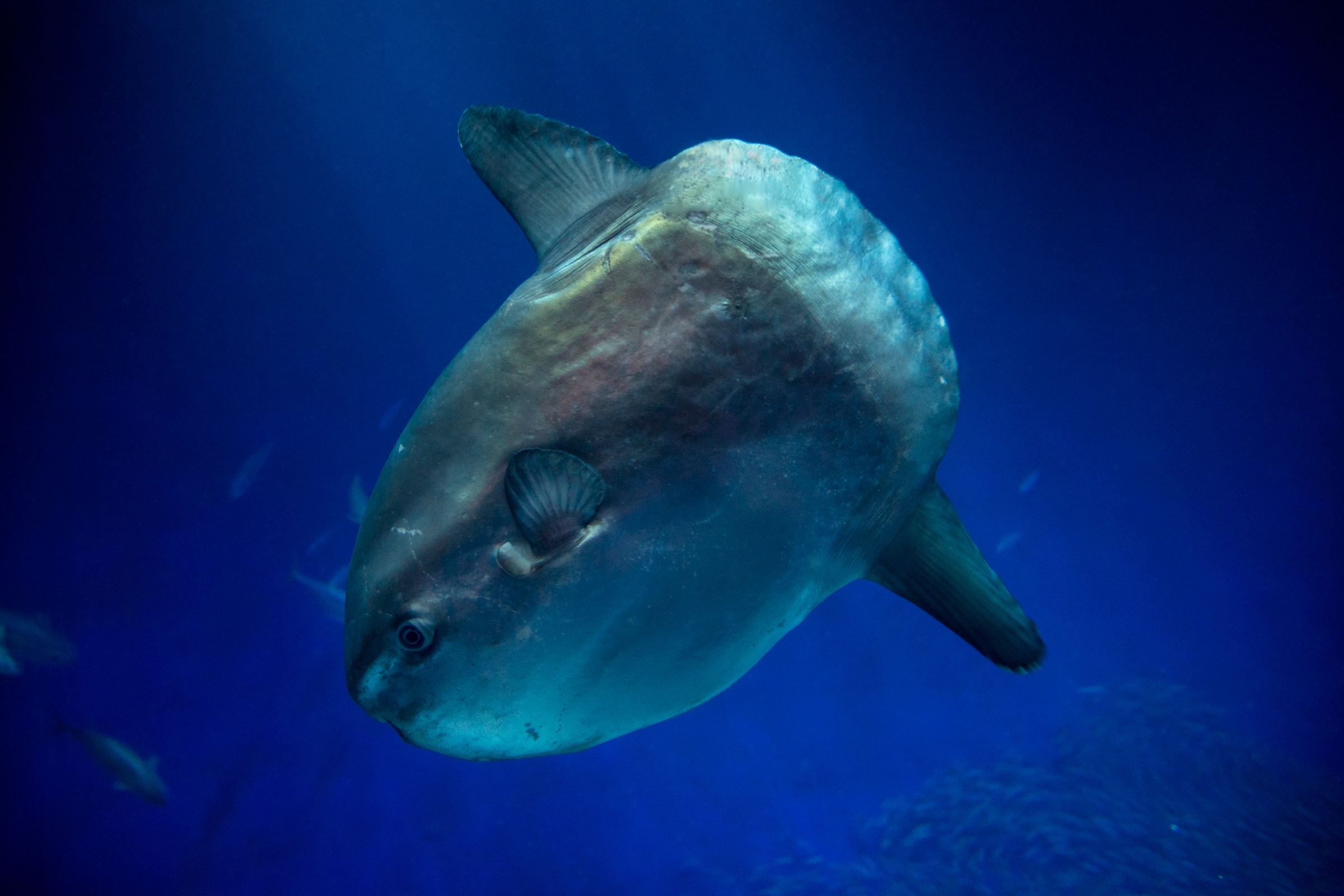
Because sunlight and the richest food supplies are in the surface waters, plants, and plankton eaters must stay near the surface to survive. Some microscopic plants and animals slow their rates of sinking to stay close to the surface. Many species of fish have air-filled swim bladders to support them in the water. Others, such as ocean sunfish and whales, rely on layers of fat beneath their skin to keep them buoyant.
Protection from predators
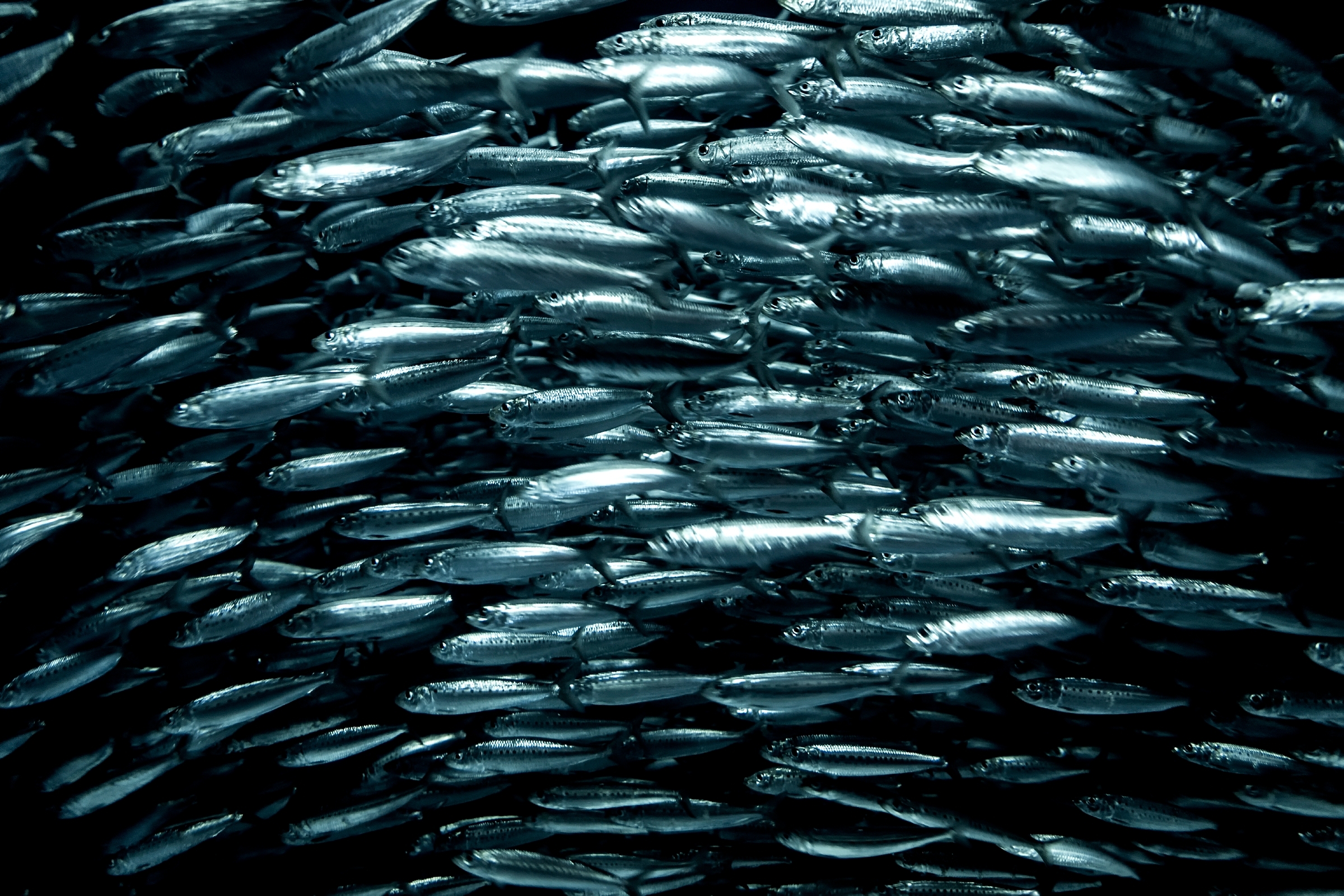
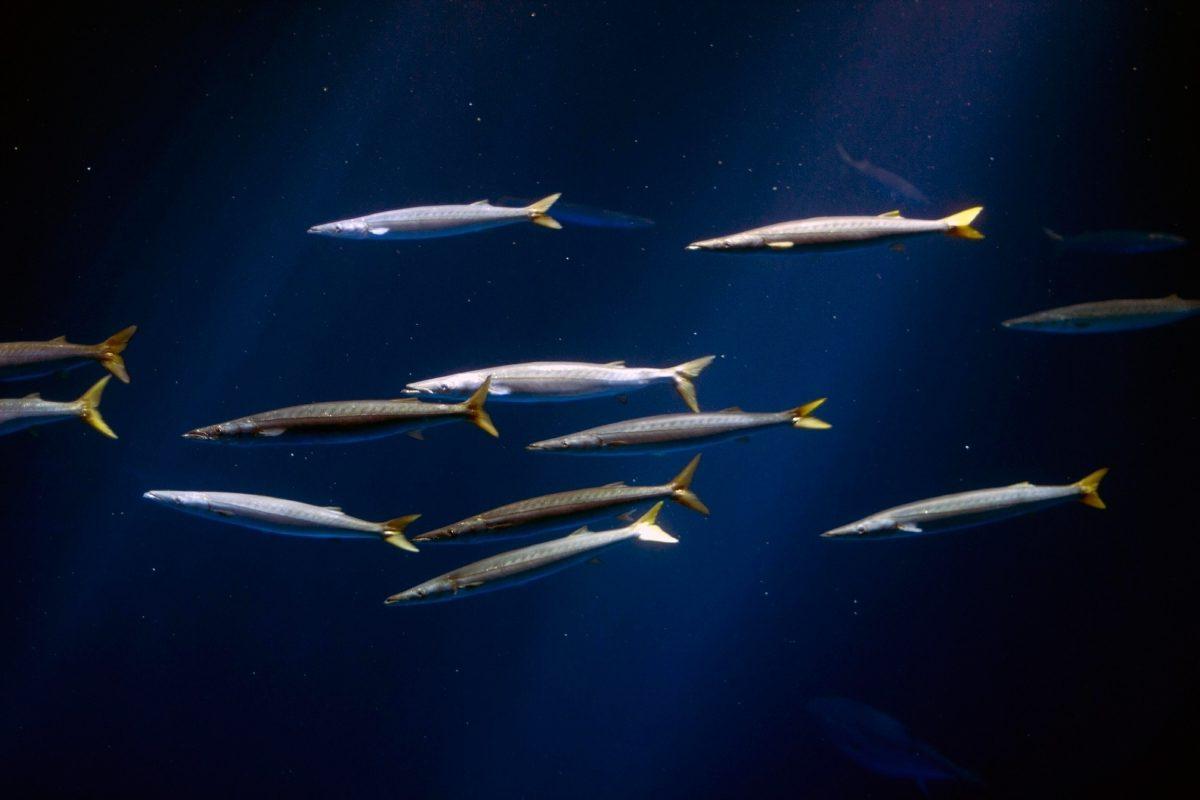
Without places to hide, animals of the open sea must find ways to avoid predators. Many fishes, like sardines and anchovies, school for protection. There’s safety in large numbers since tightly schooling fish can look like an intimidating larger creature. Schooling can also confuse predators trying to catch a single fish in a large group.
The sea as camouflage
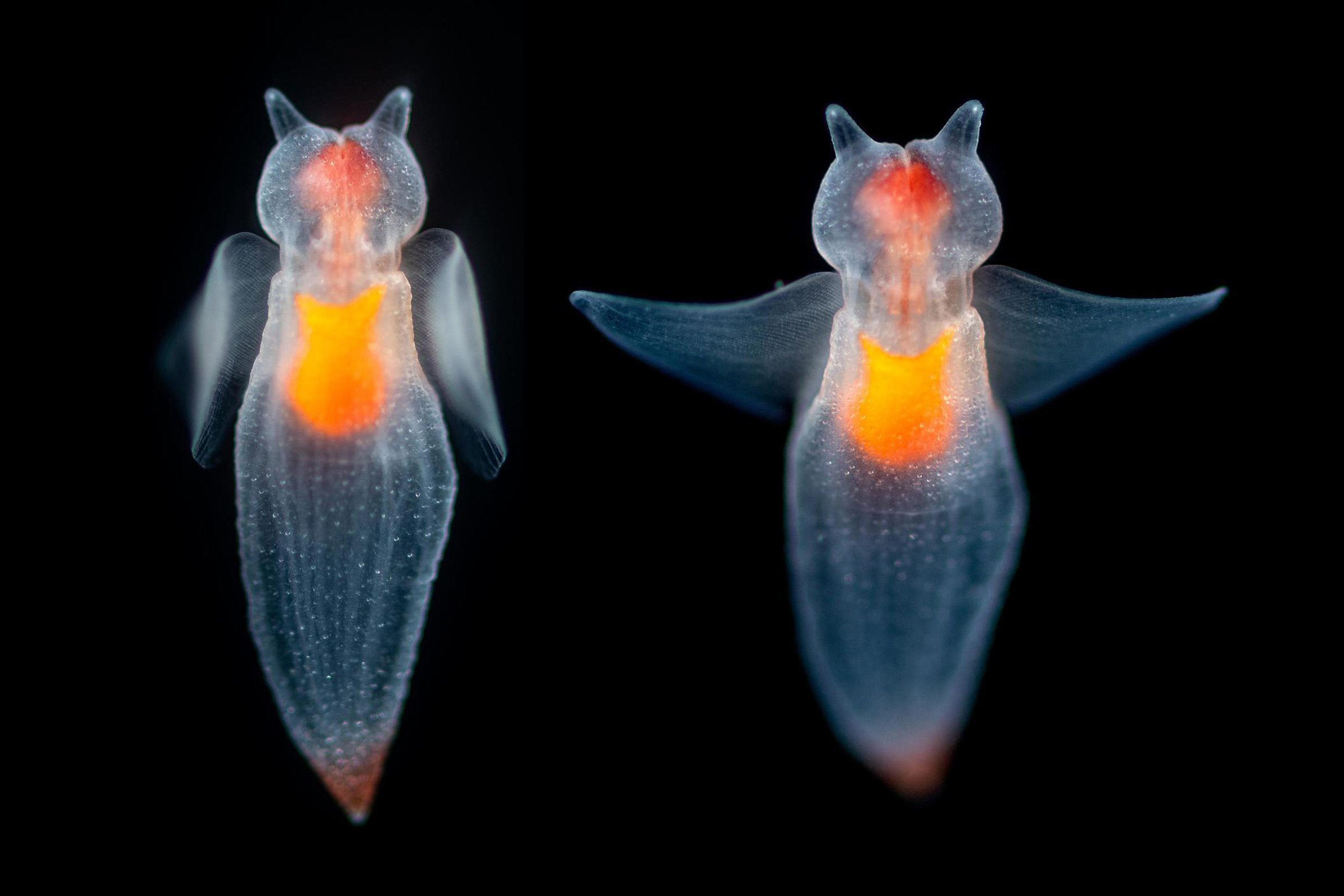
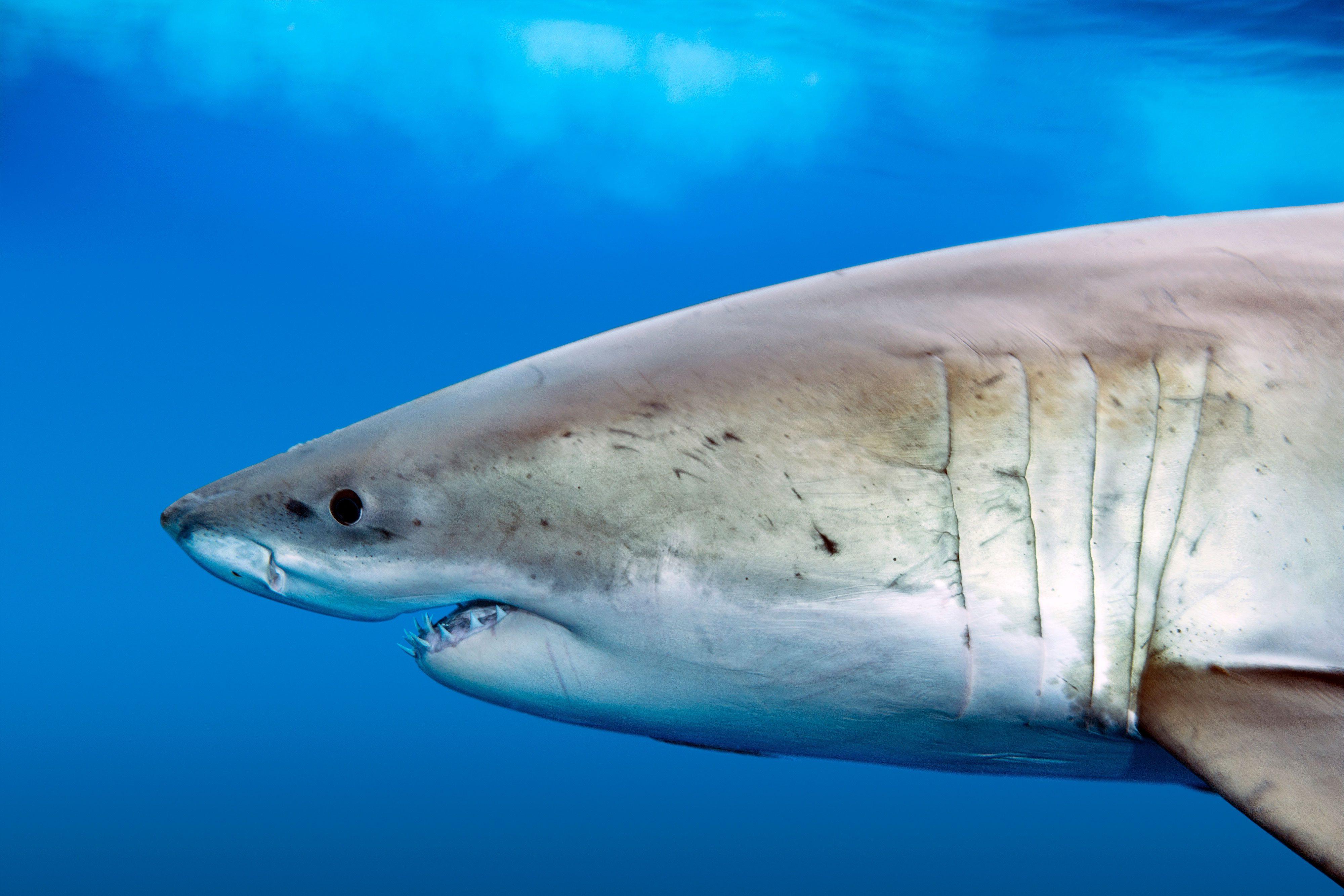
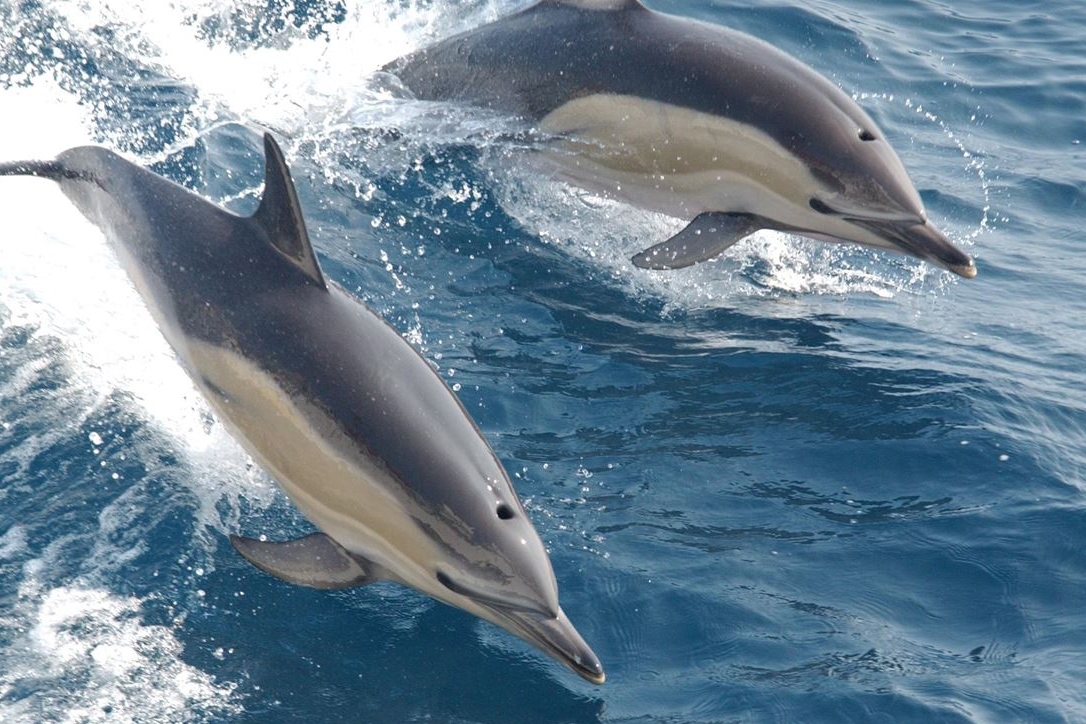
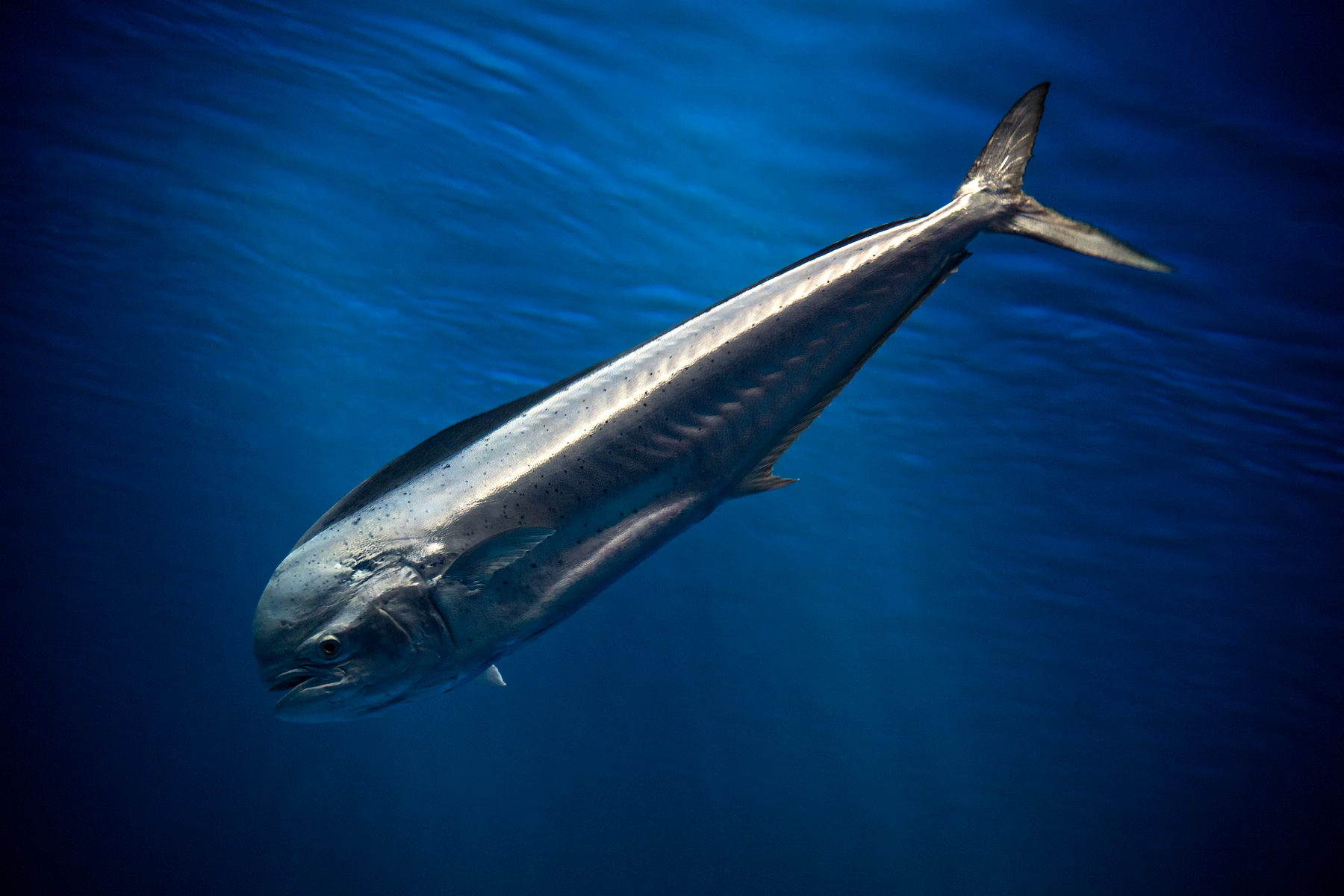
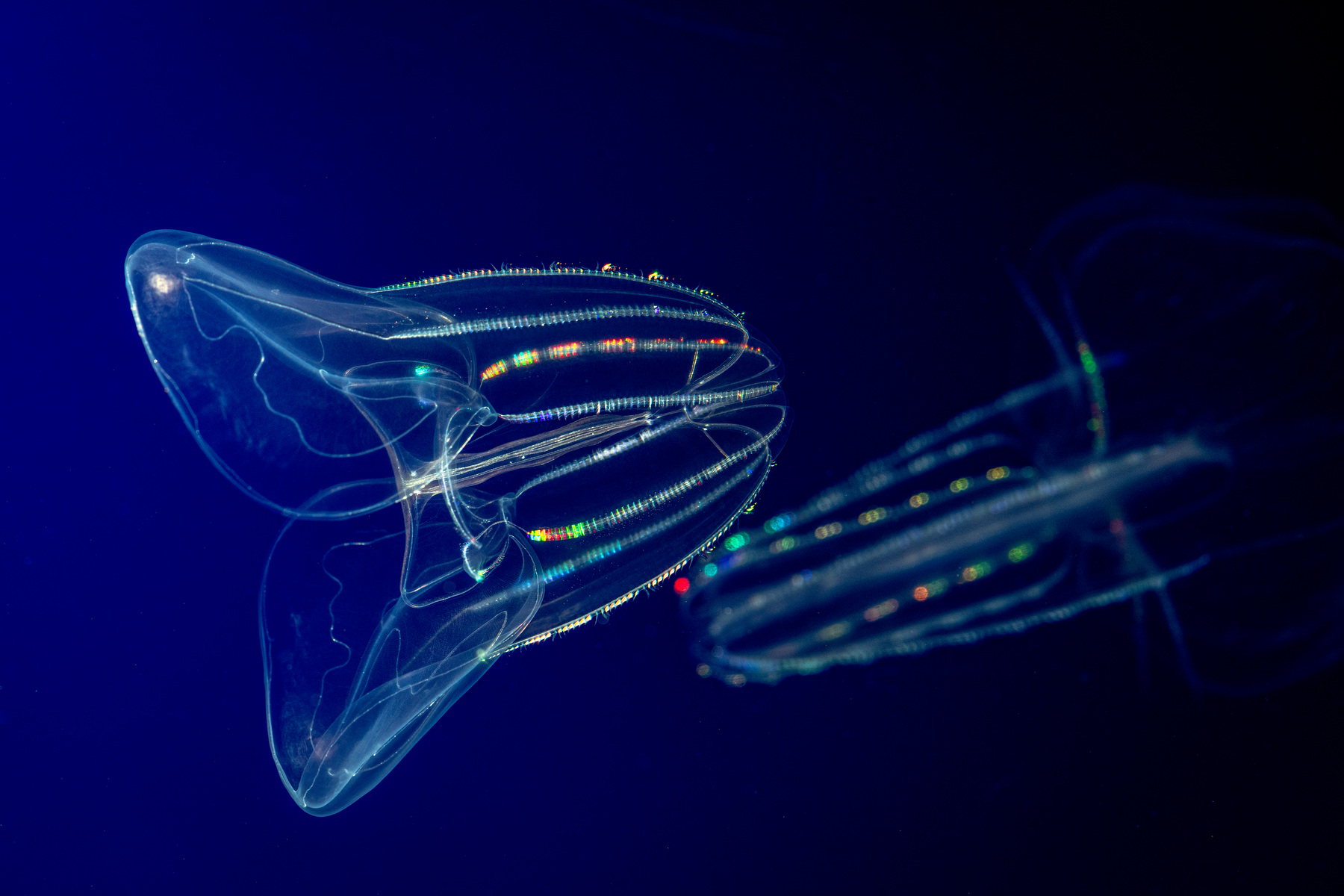
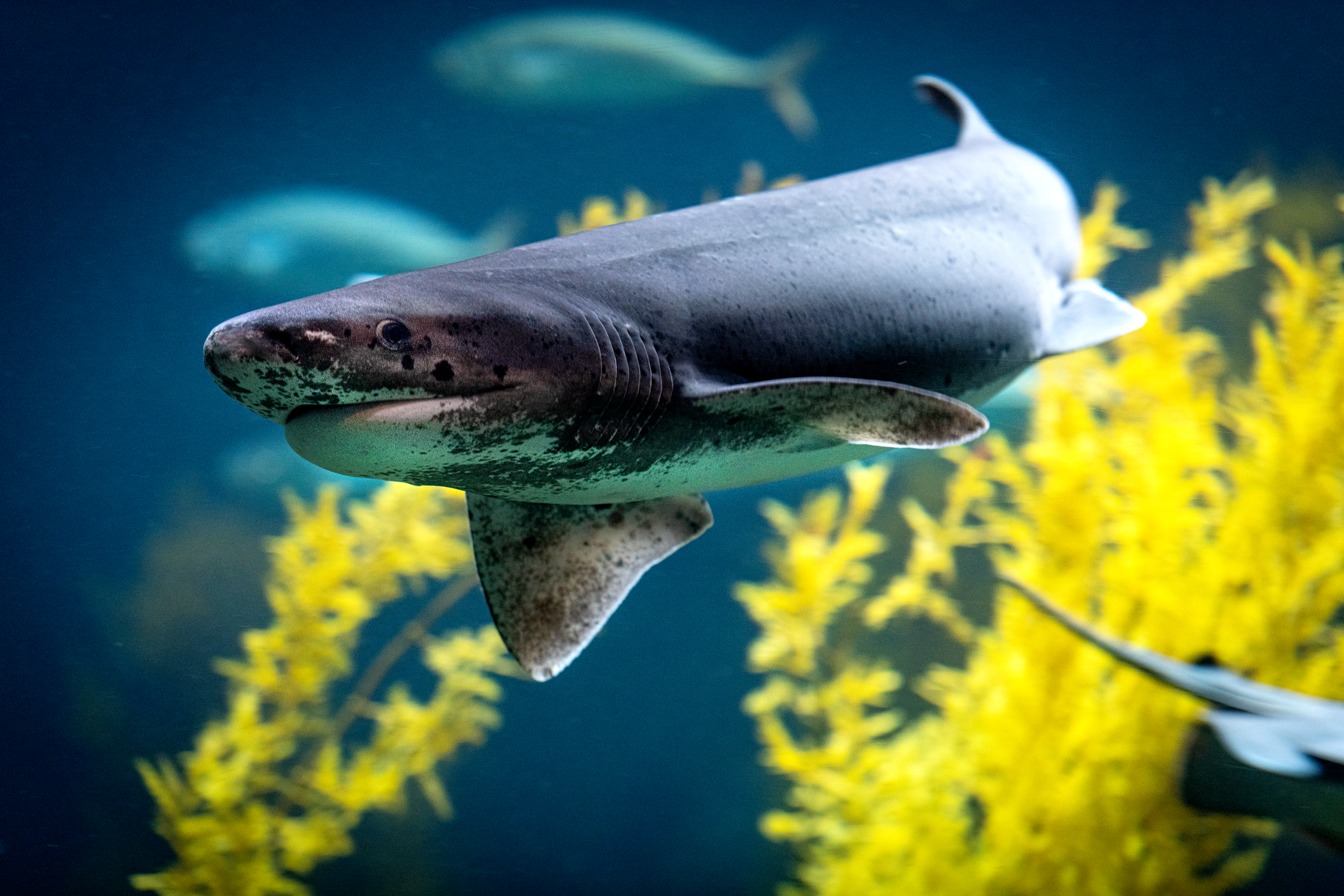
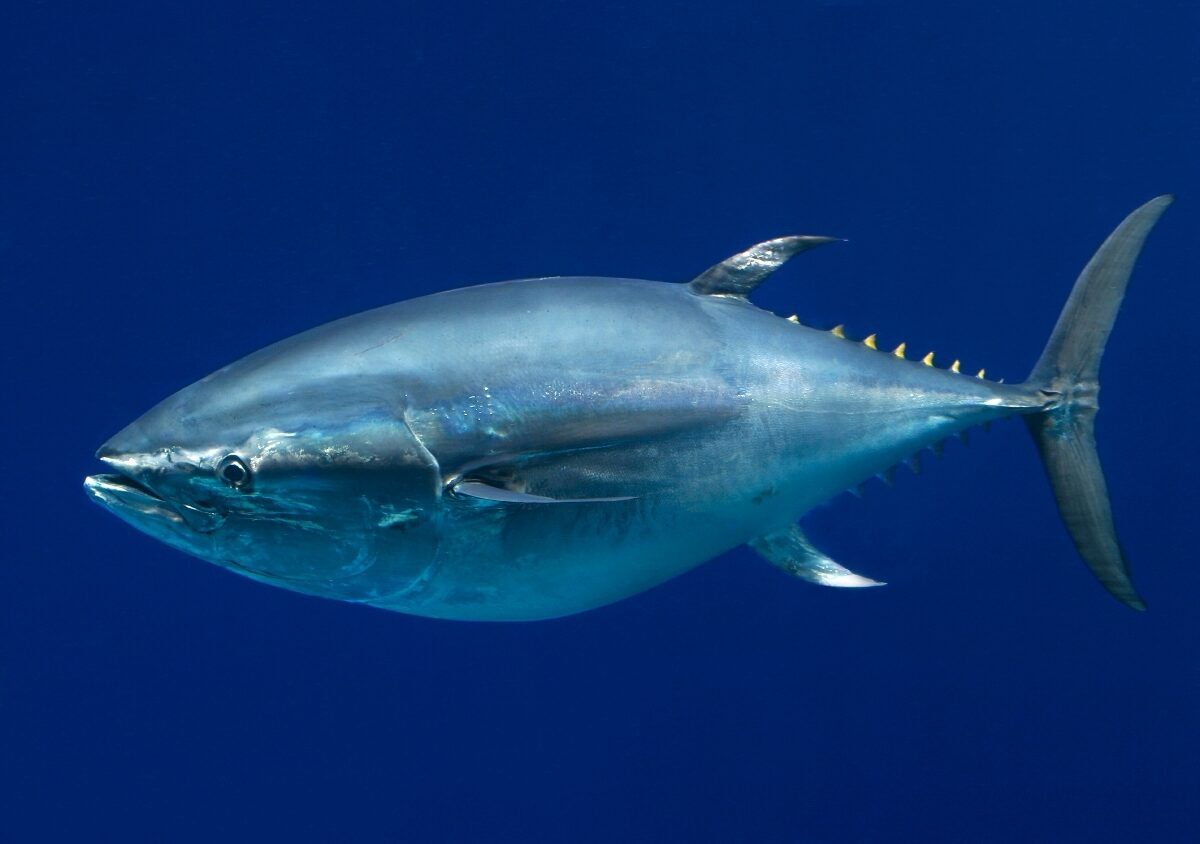
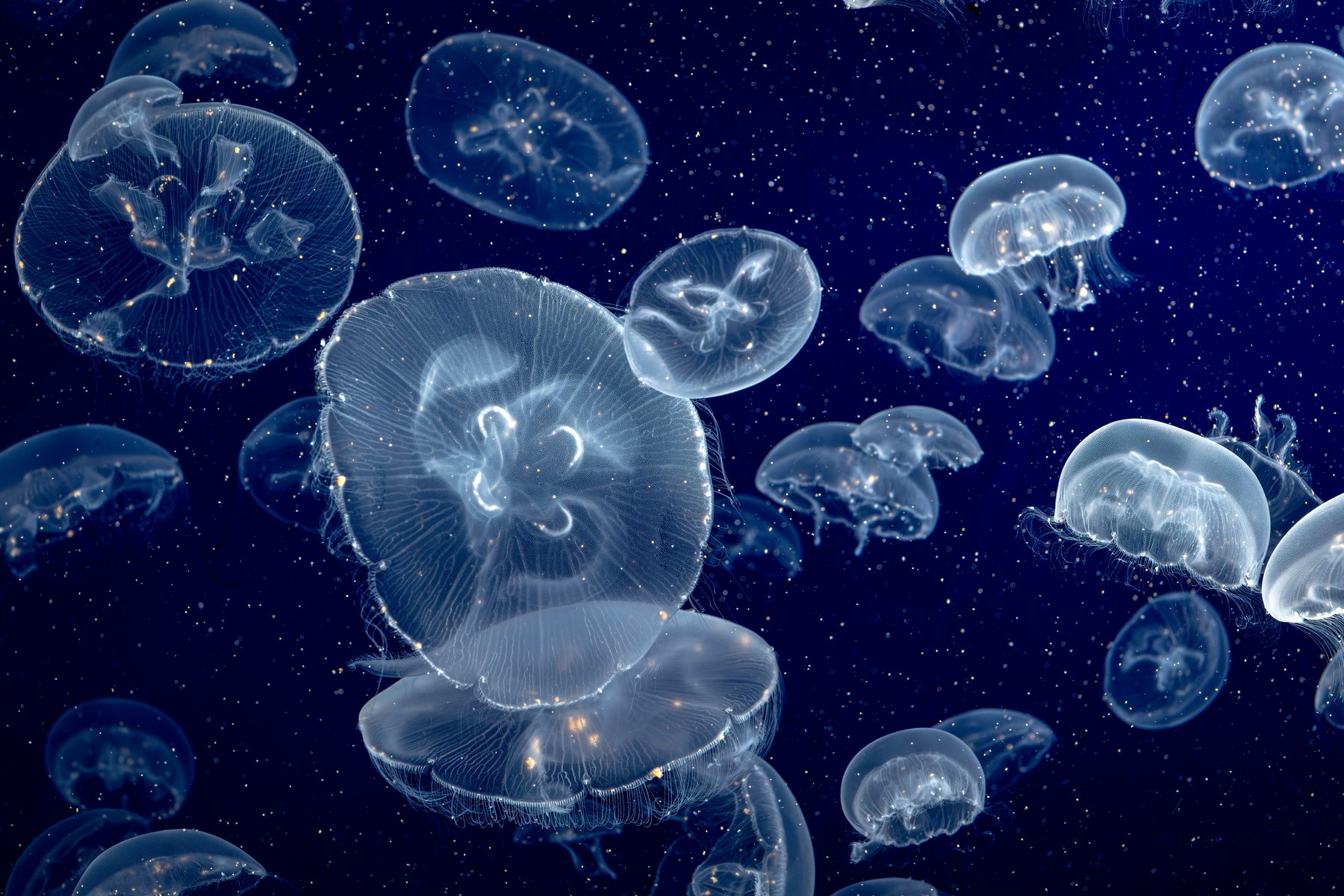
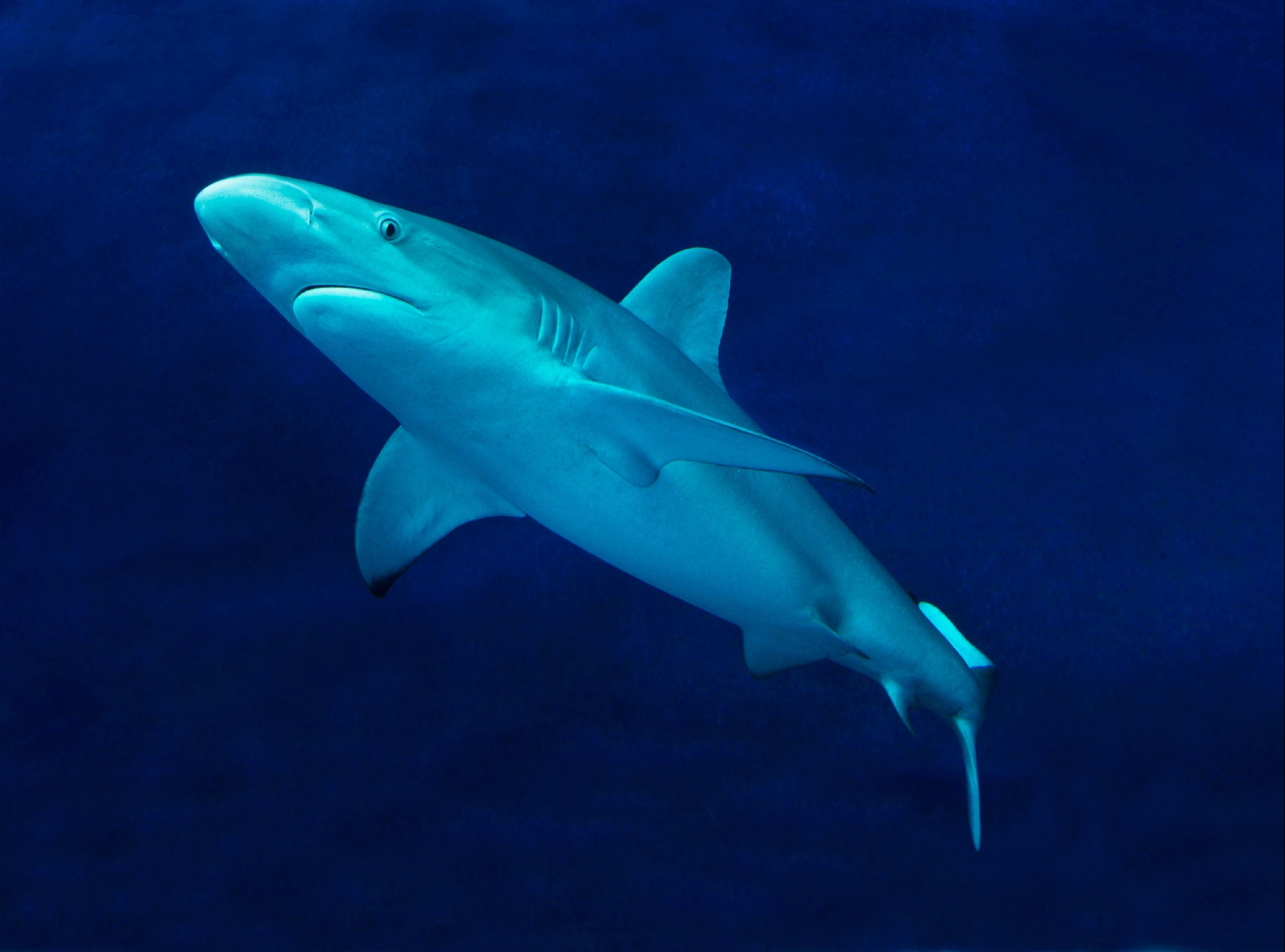
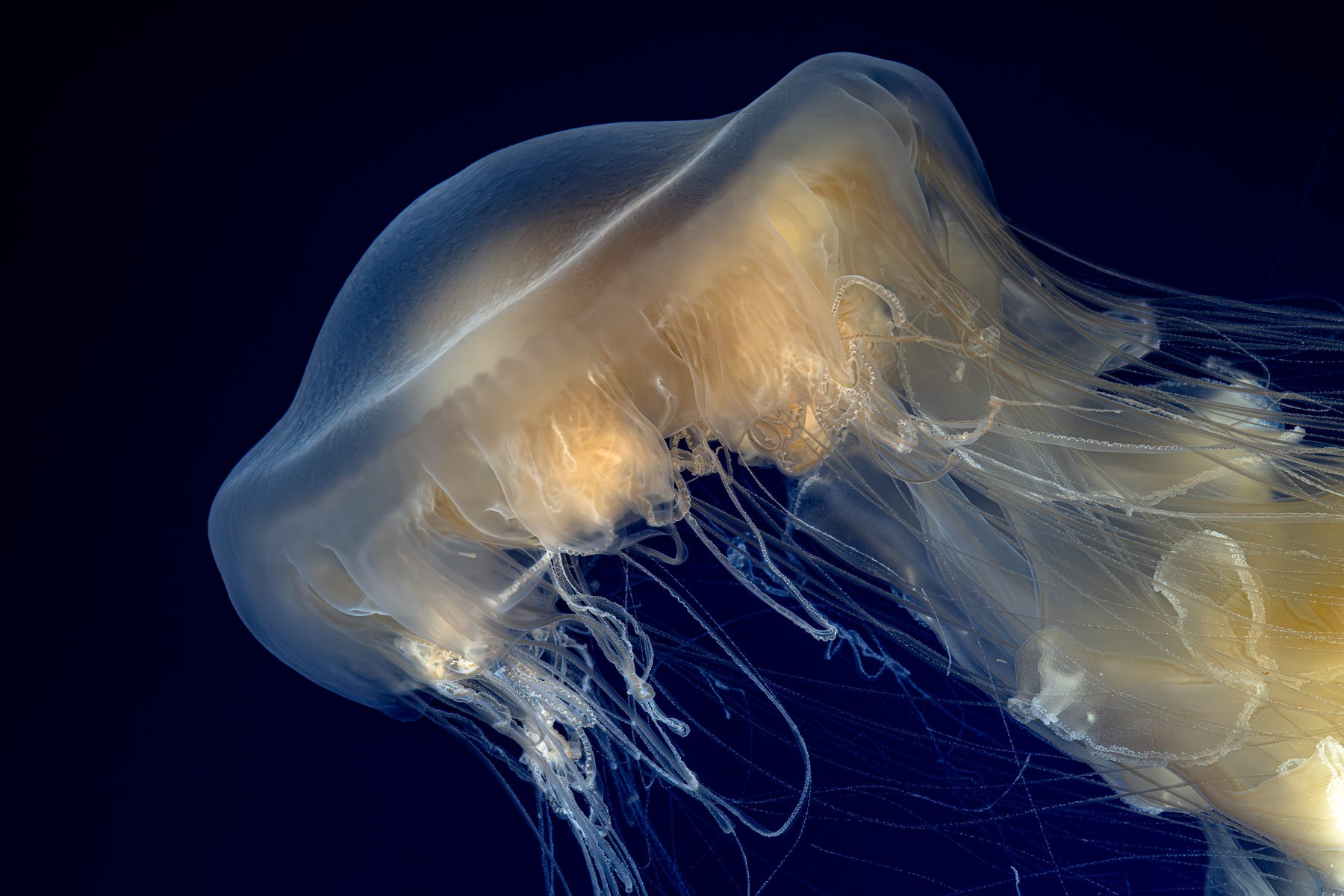
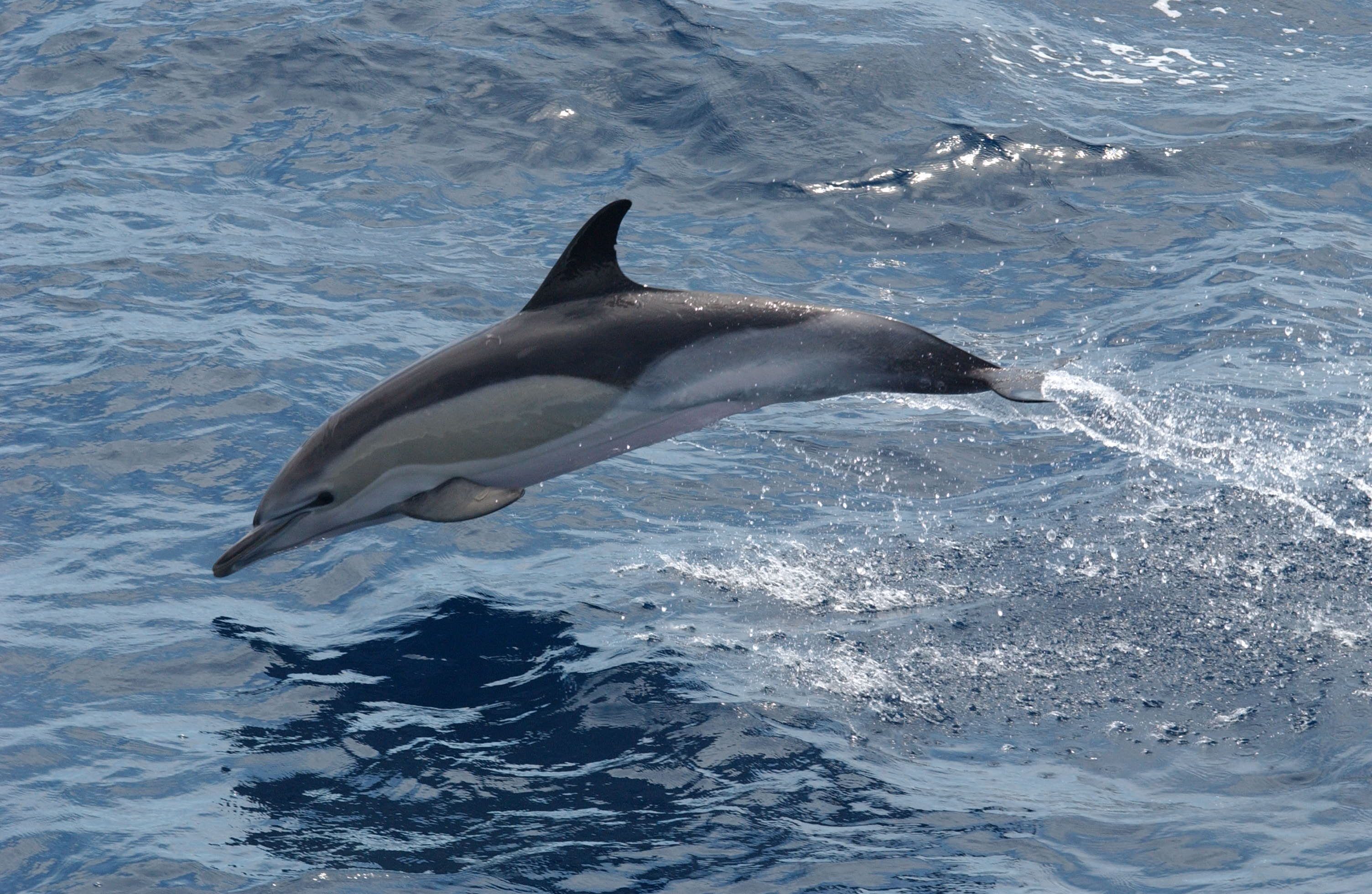
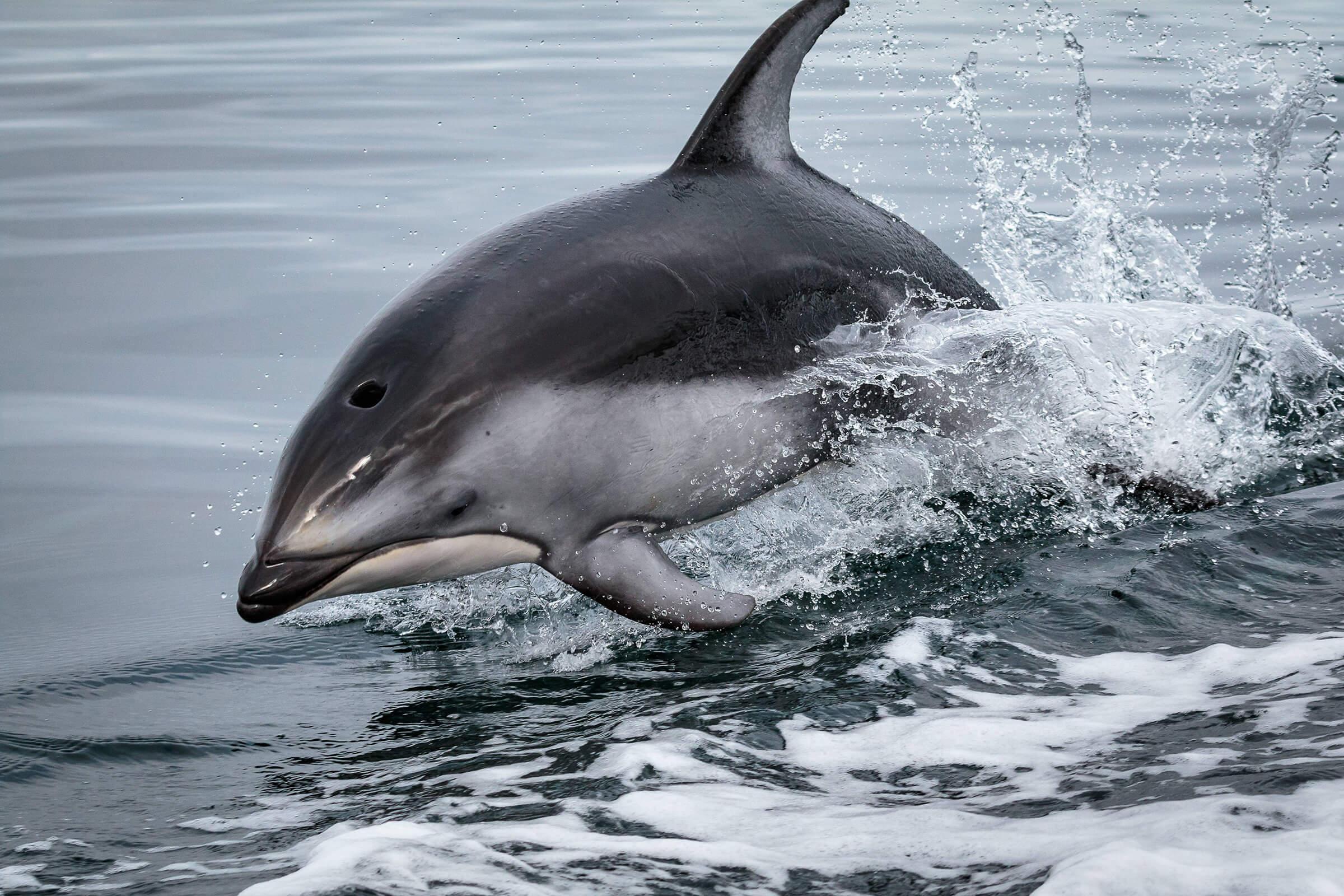
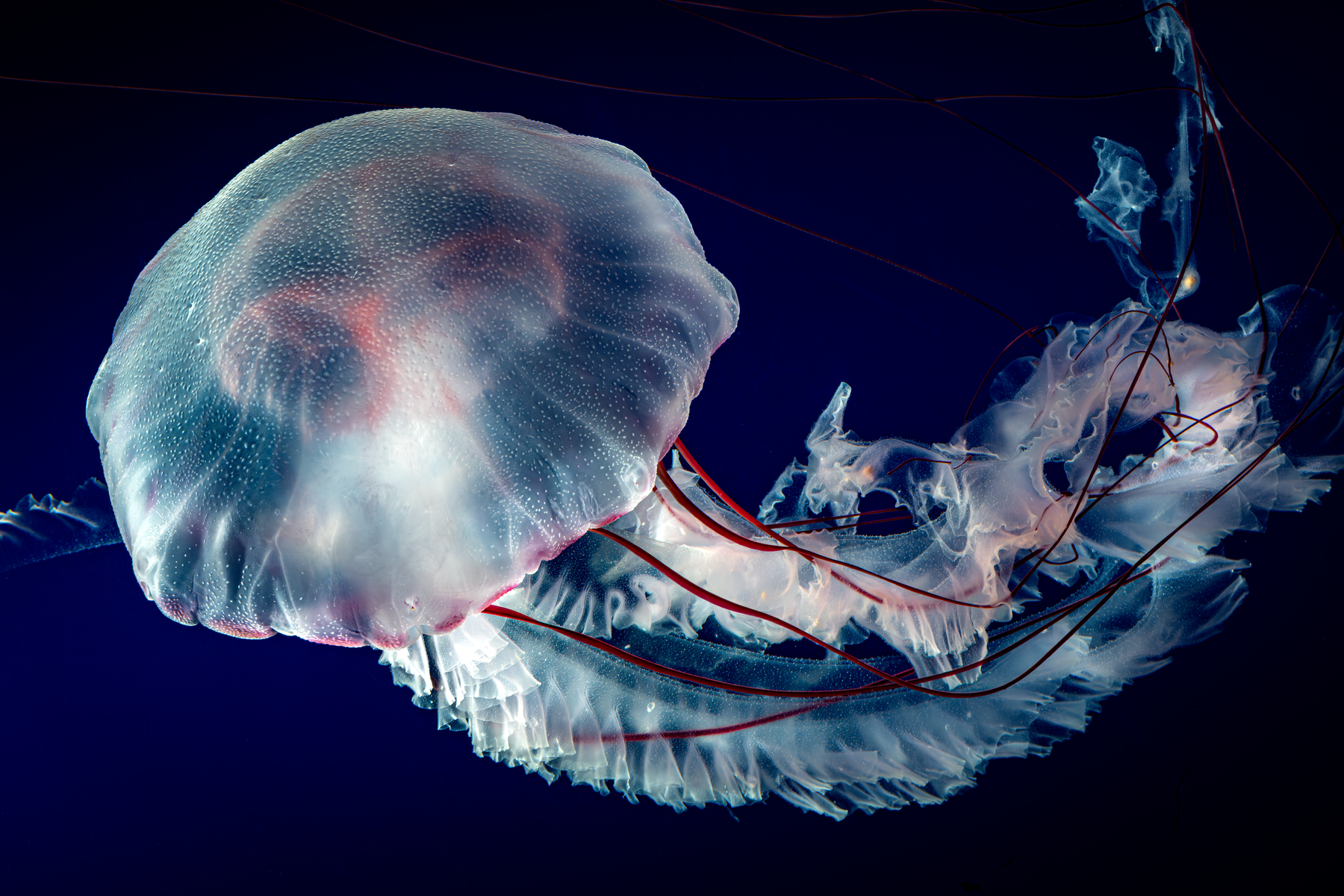
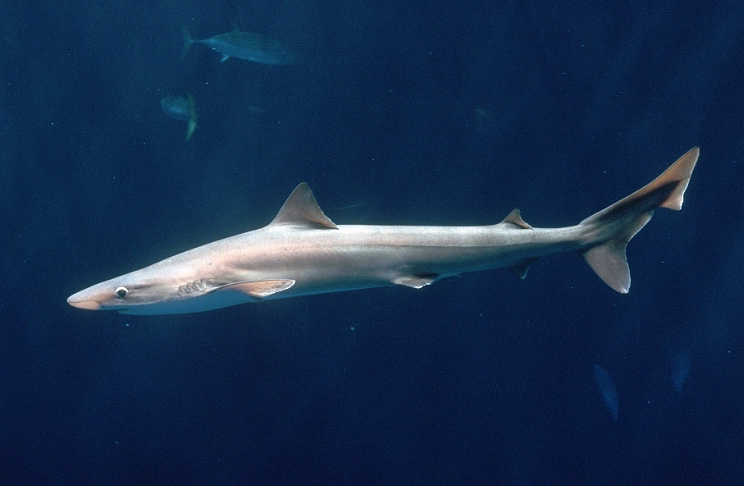
Some animals, like jellies, have virtually invisible gelatinous bodies. Others, like tuna, sharks, dolphins, and sea turtles, rely on countershading (light on the bottom, dark on top) to make them less visible. Viewed from above, their bodies blend in with the ocean depths. From below, their light undersides blend with bright surface waters.
How this habitat changes
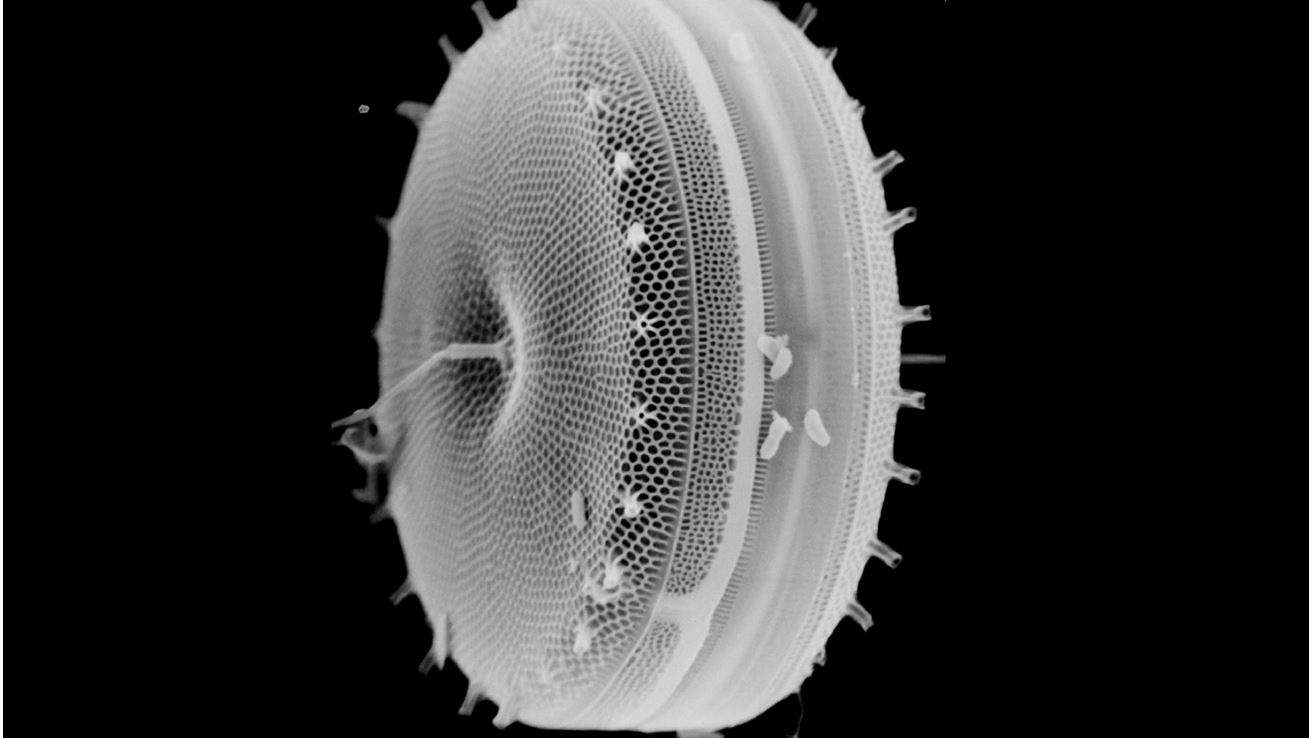
Changes in ocean circulation and water temperature significantly affect microscopic plants called phytoplankton that form the basis of the food chain in the open sea. Whales, shrimp, snails, jellyfish, and many fishes depend on phytoplankton as a primary food source.
Migration
As waters warm, phytoplankton die or migrate to cooler areas, affecting the fish and other marine life that depend on plankton for food. Animals adapt by changing their migration and breeding patterns, which in turn affects other animals in the food web.
Overfishing
Commercial fishing also changes this habitat, creating imbalances that affect all marine life. Overfishing occurs when animals are taken from the ocean faster than they can reproduce. Today, more than 170 billion pounds (77 kg) of marine life is removed from the world’s oceans each year.
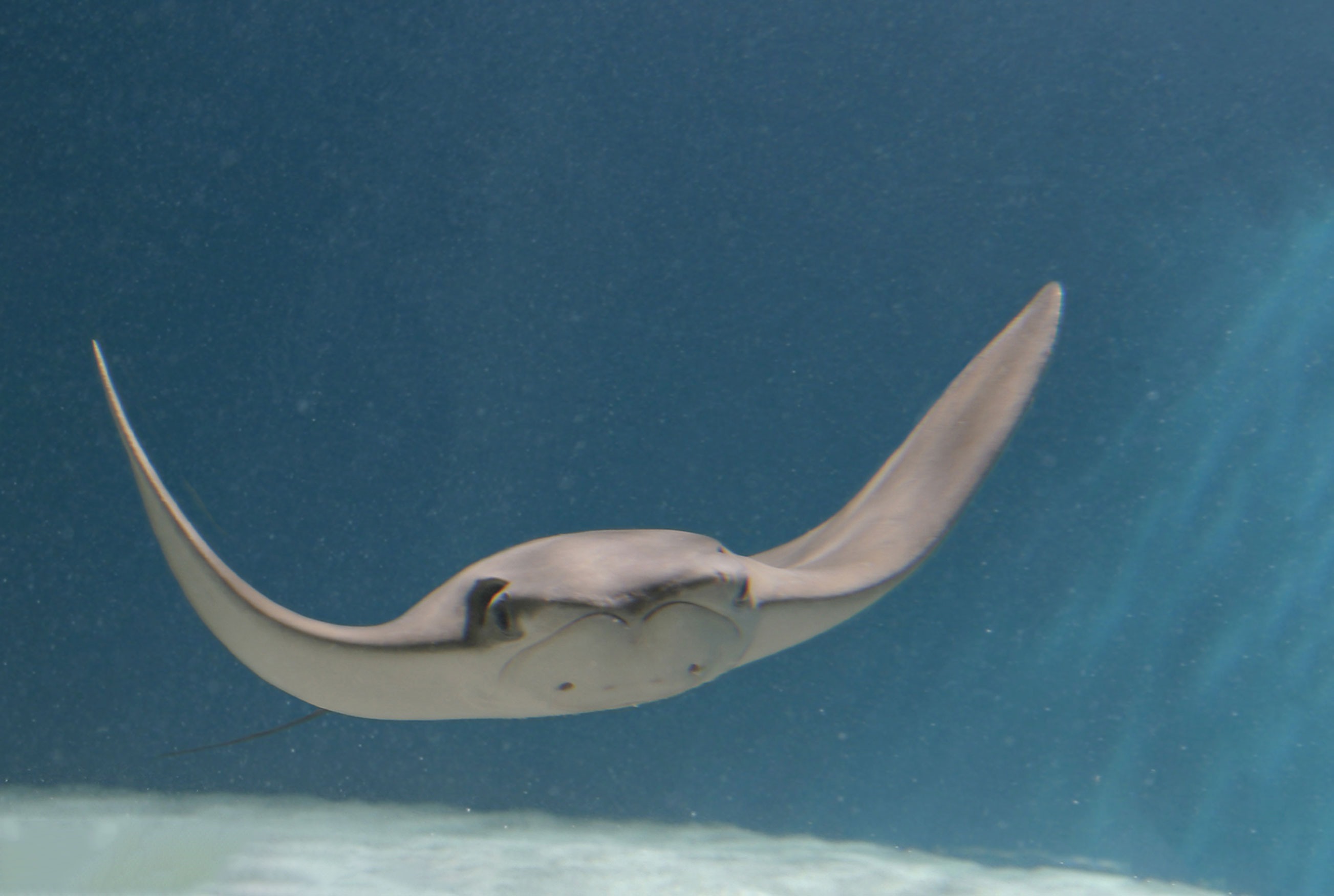
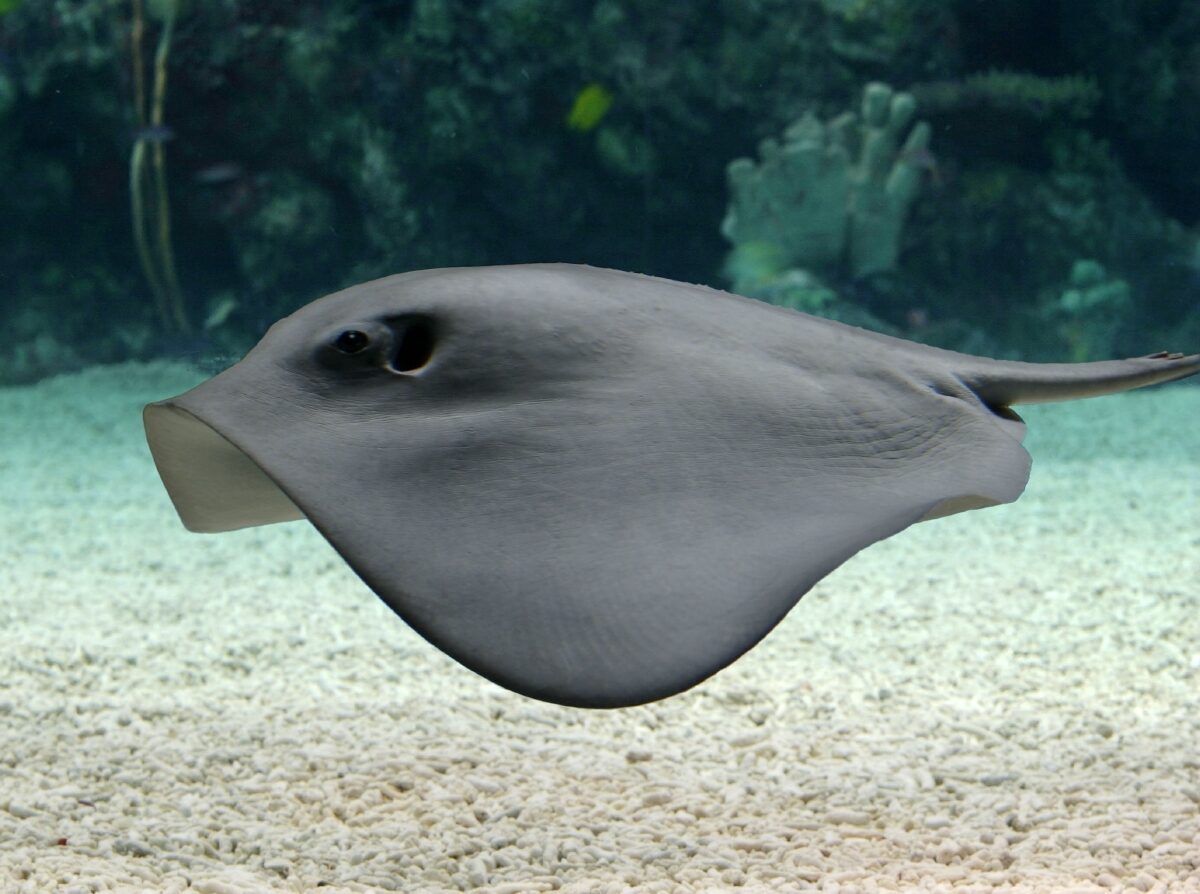
Commercial fishing methods often result in bycatch—the unintentional capture and destruction of additional species. Many sharks and rays are killed and tossed aside as bycatch, for example.
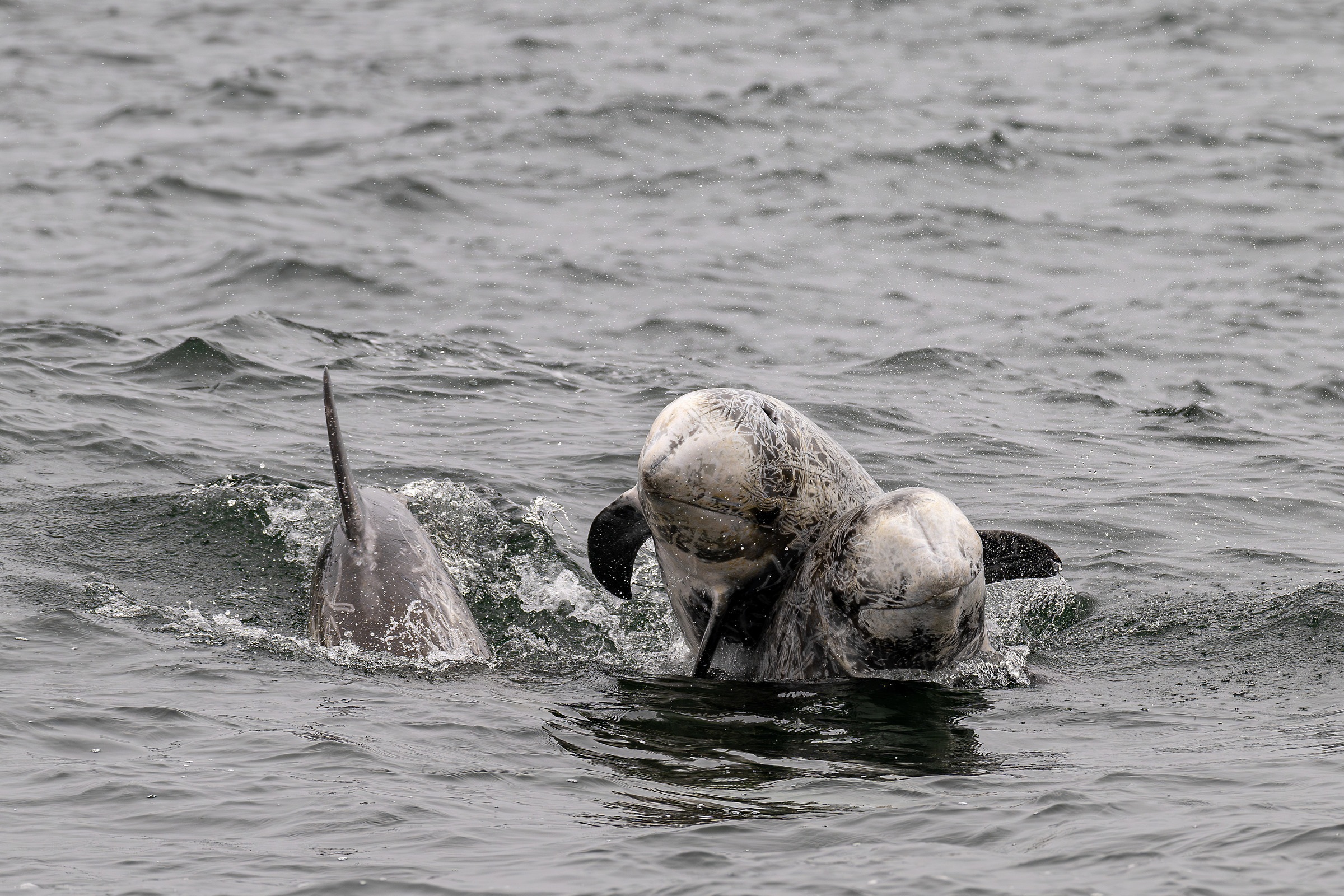
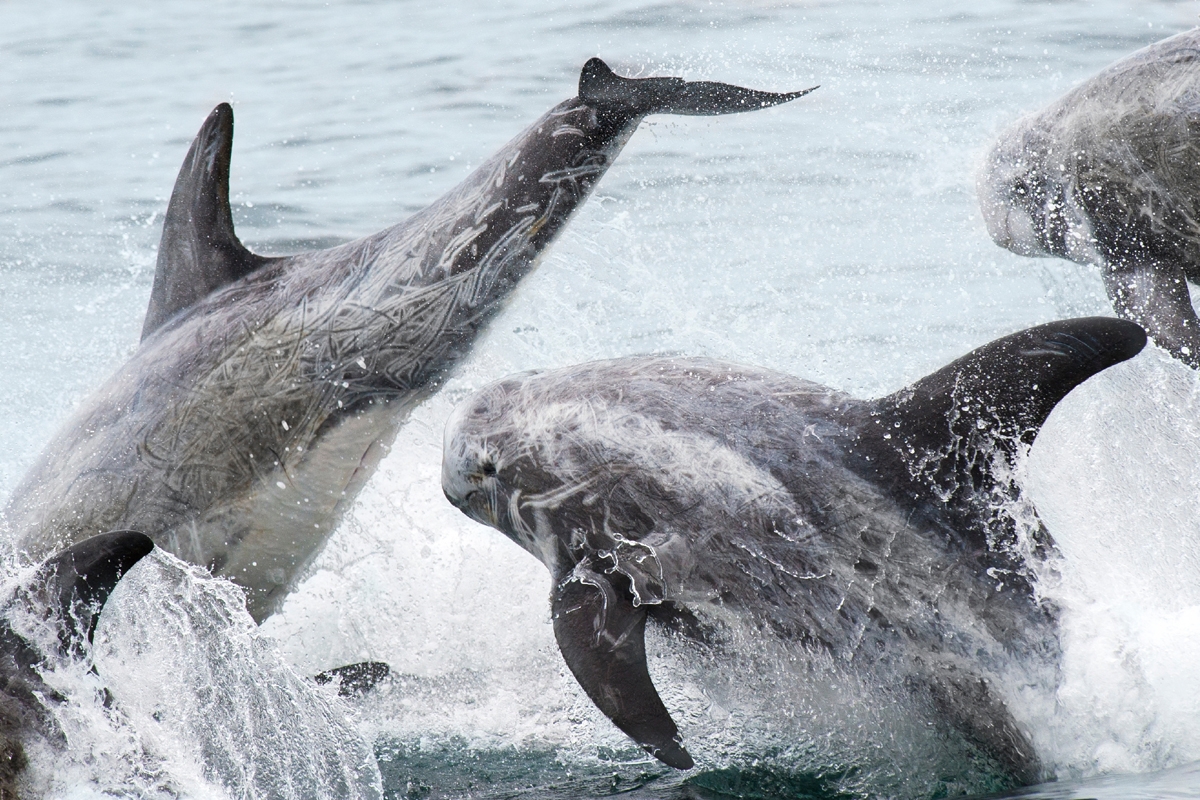
A pod of Risso's dolphins (Grampus griseus) swimming in Monterey Bay.
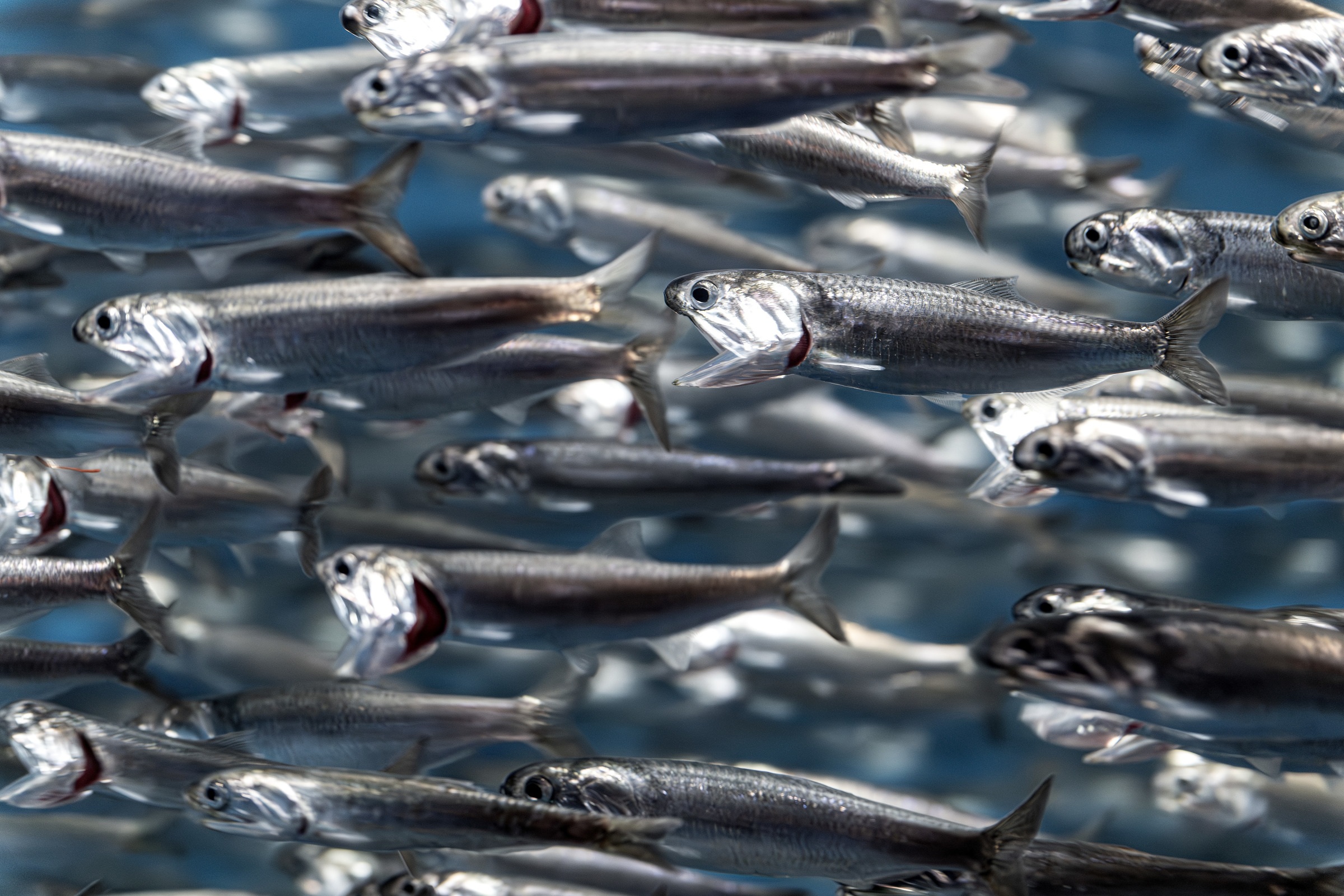
Many fishes, like these Northern anchovies (Engraulis mordax), school for protection. Schooling can confuse predators trying to catch a single fish in a large group.
Things to look for and notice
Large “slicks” of phytoplankton are found in patches near the ocean’s surface. Tiny but present in unimaginable numbers, phytoplankton support virtually all life in the ocean.
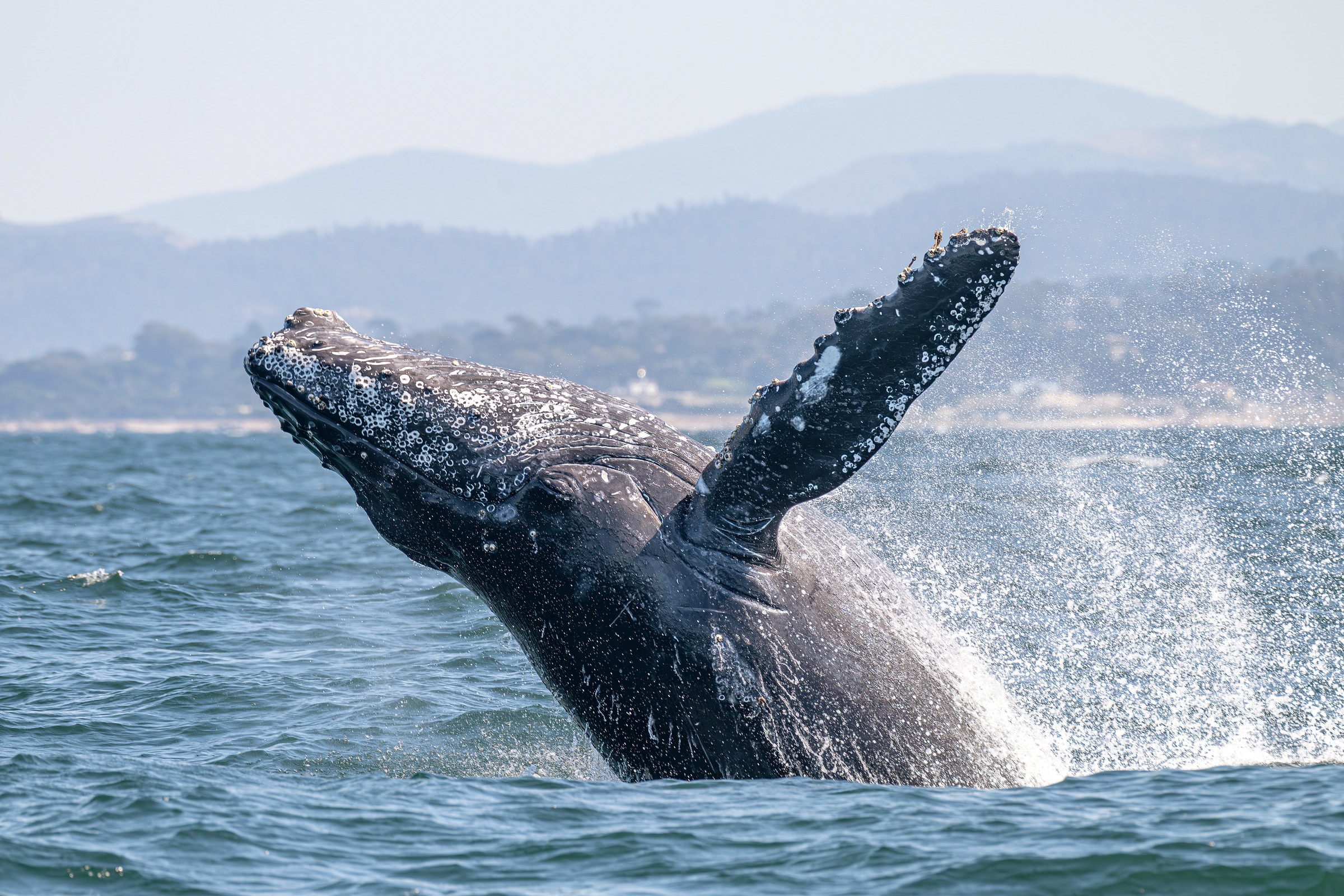
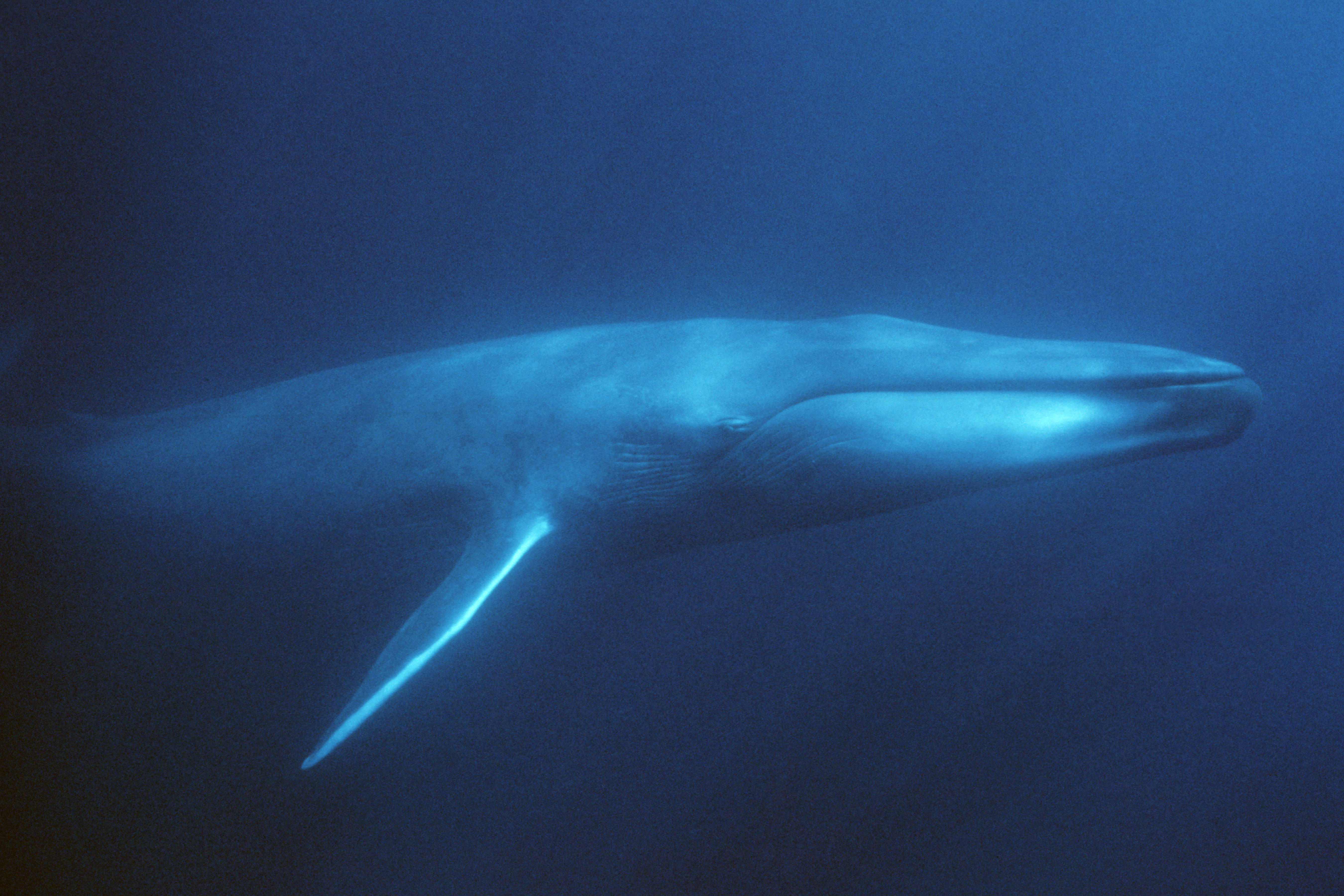
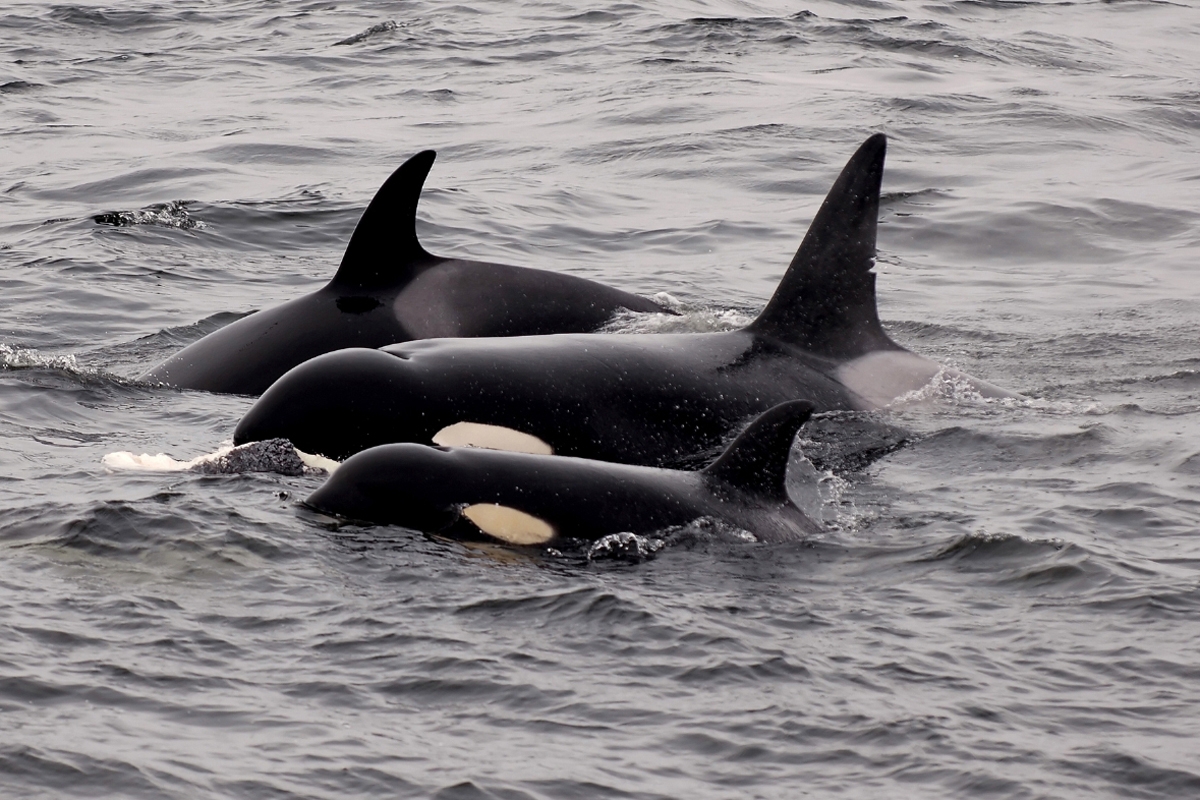
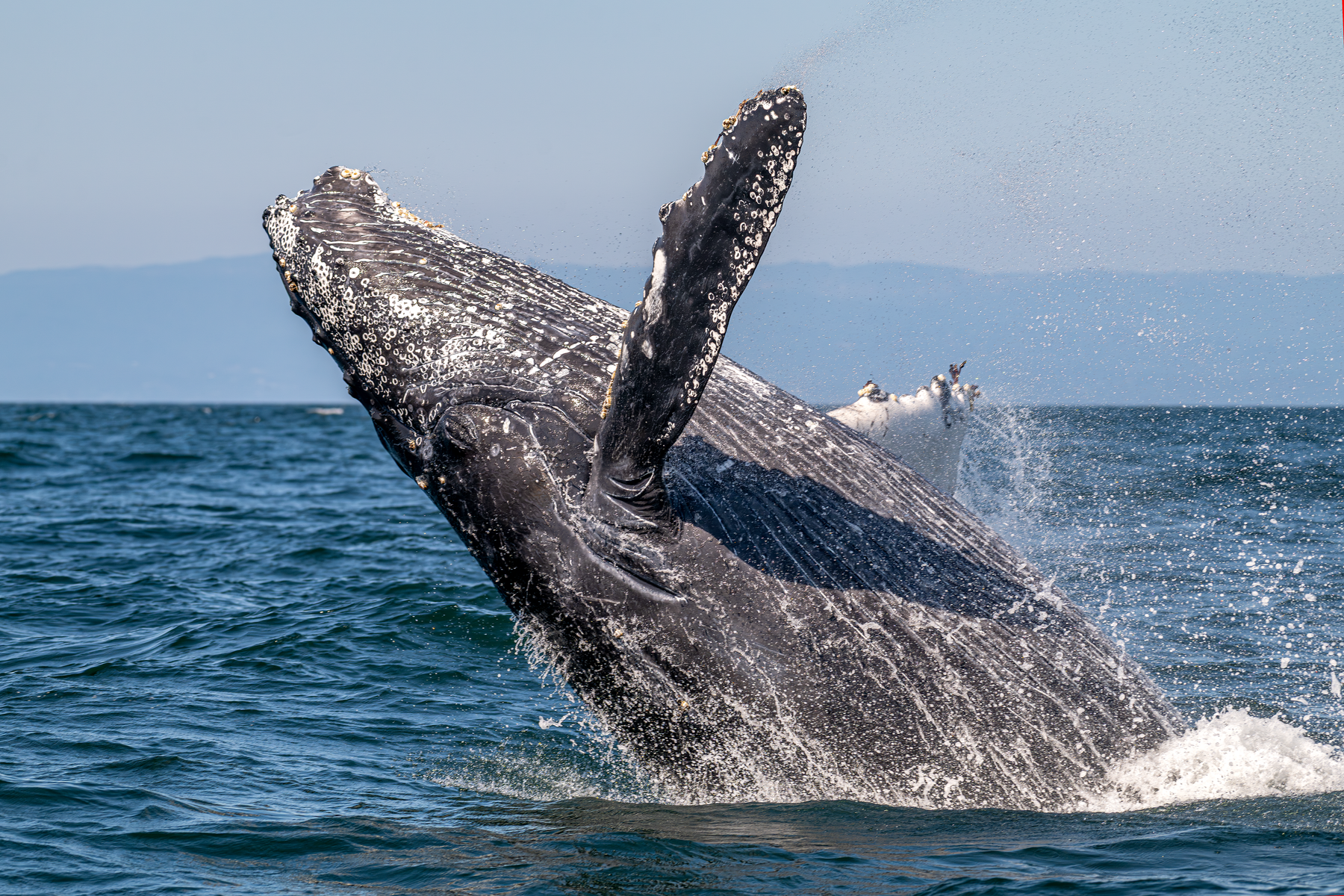
Watch for marine mammals such as dolphins, whales, seals coming to the surface to breathe air—and to have a look around.
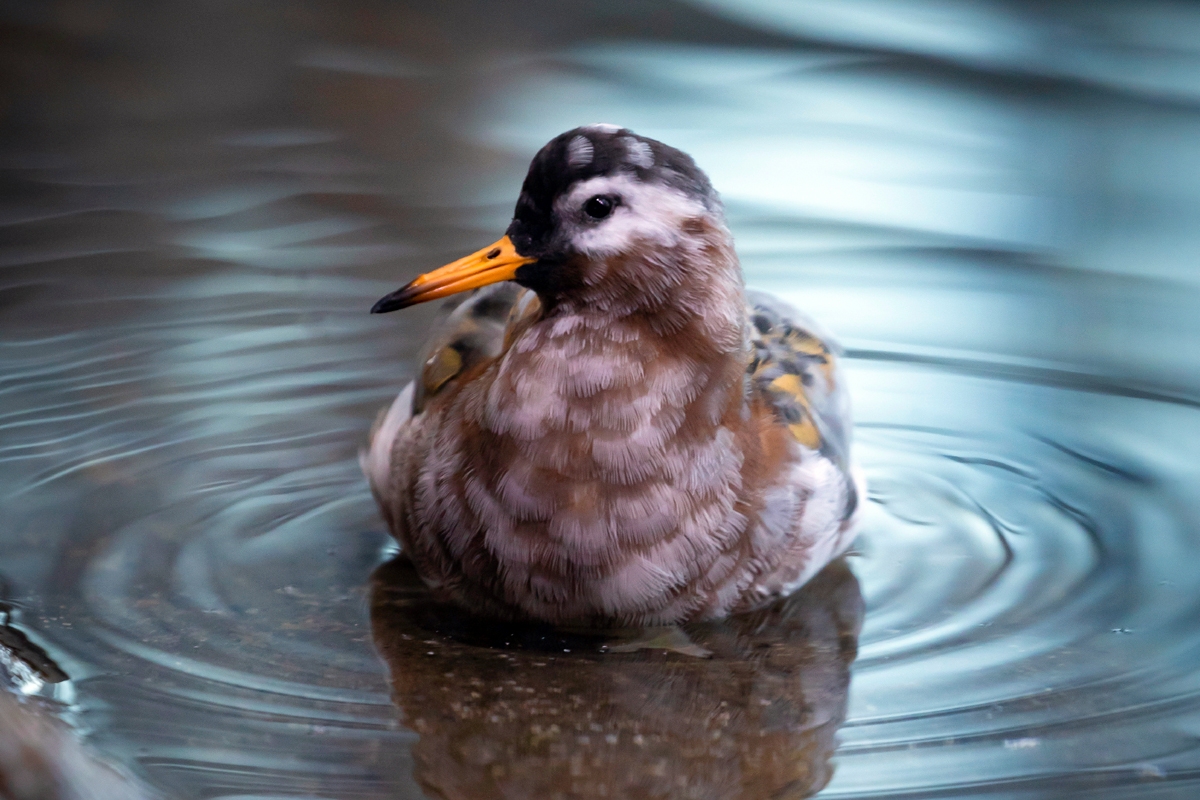
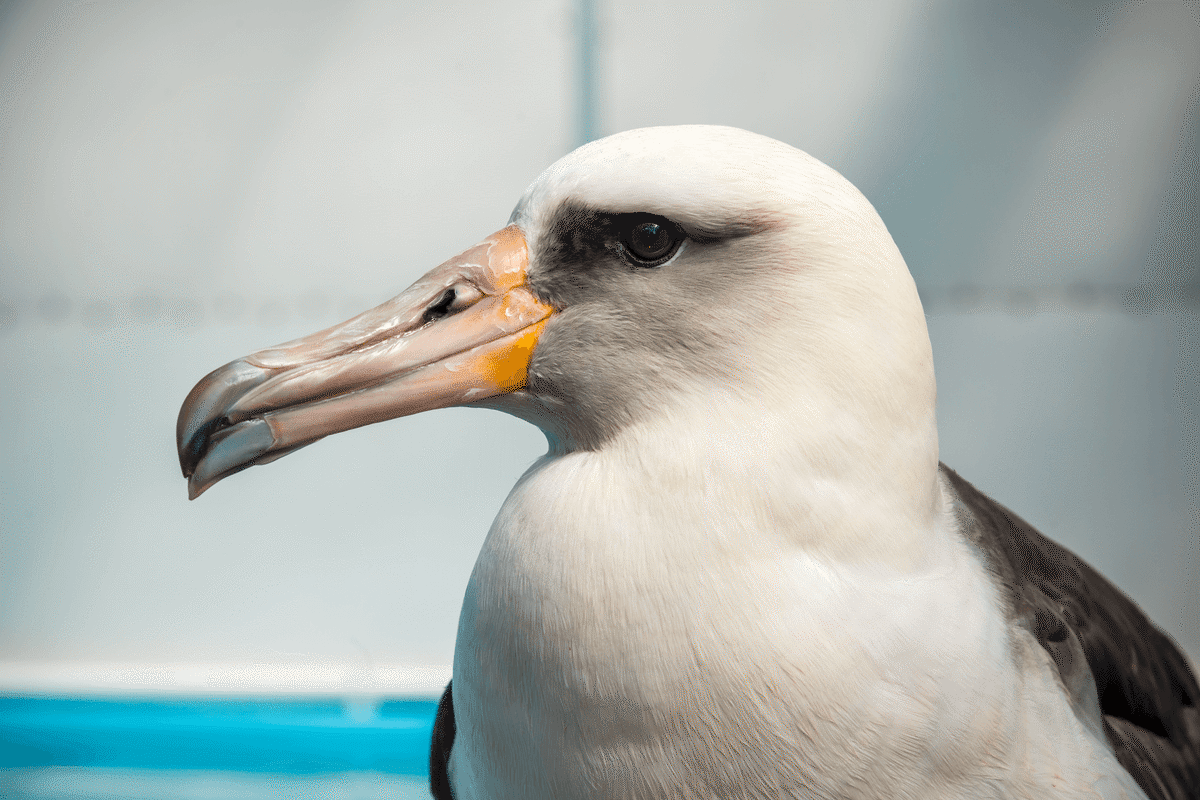
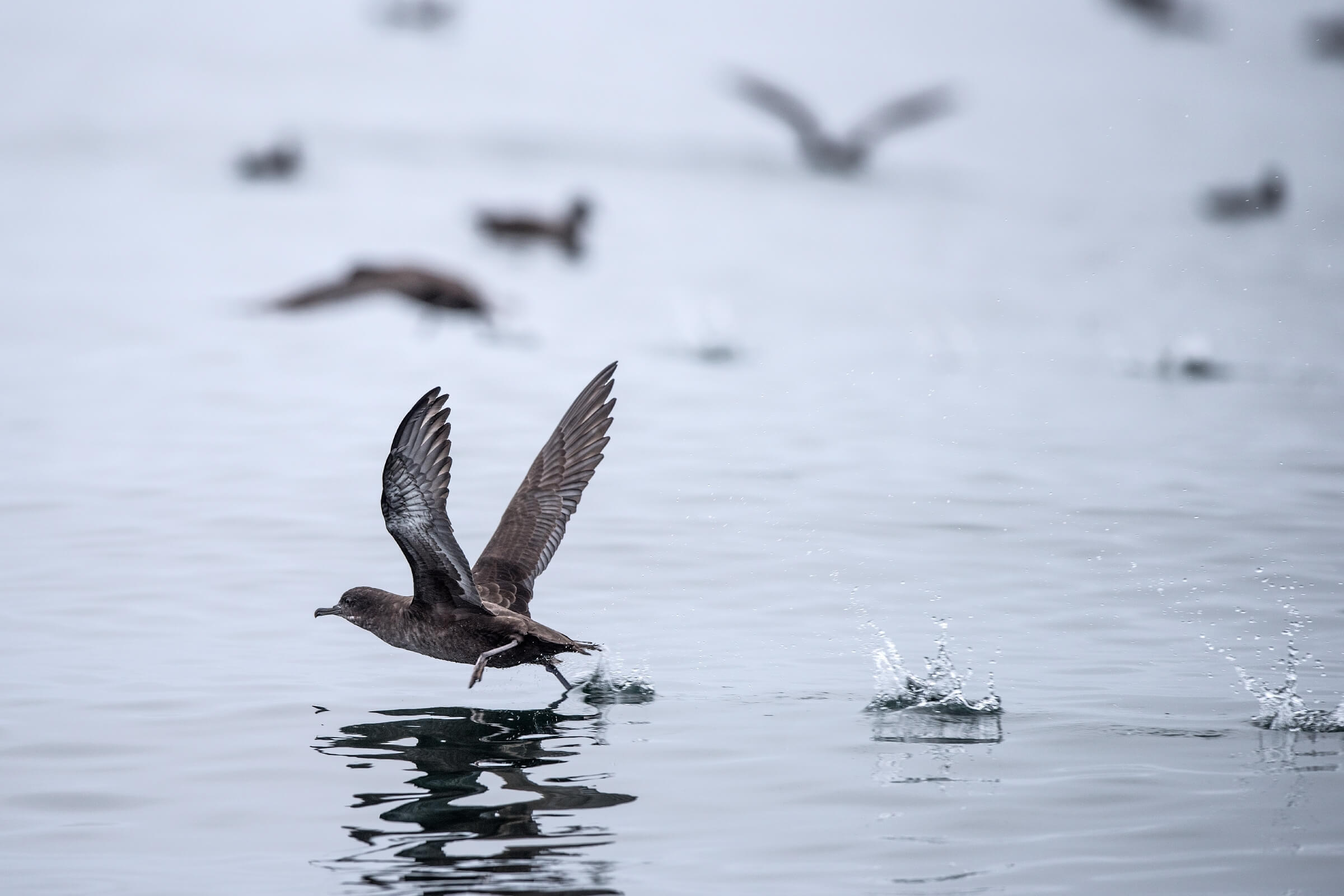
You might also spot seabirds such as the common murre, congregating in large numbers on the surface in open waters.
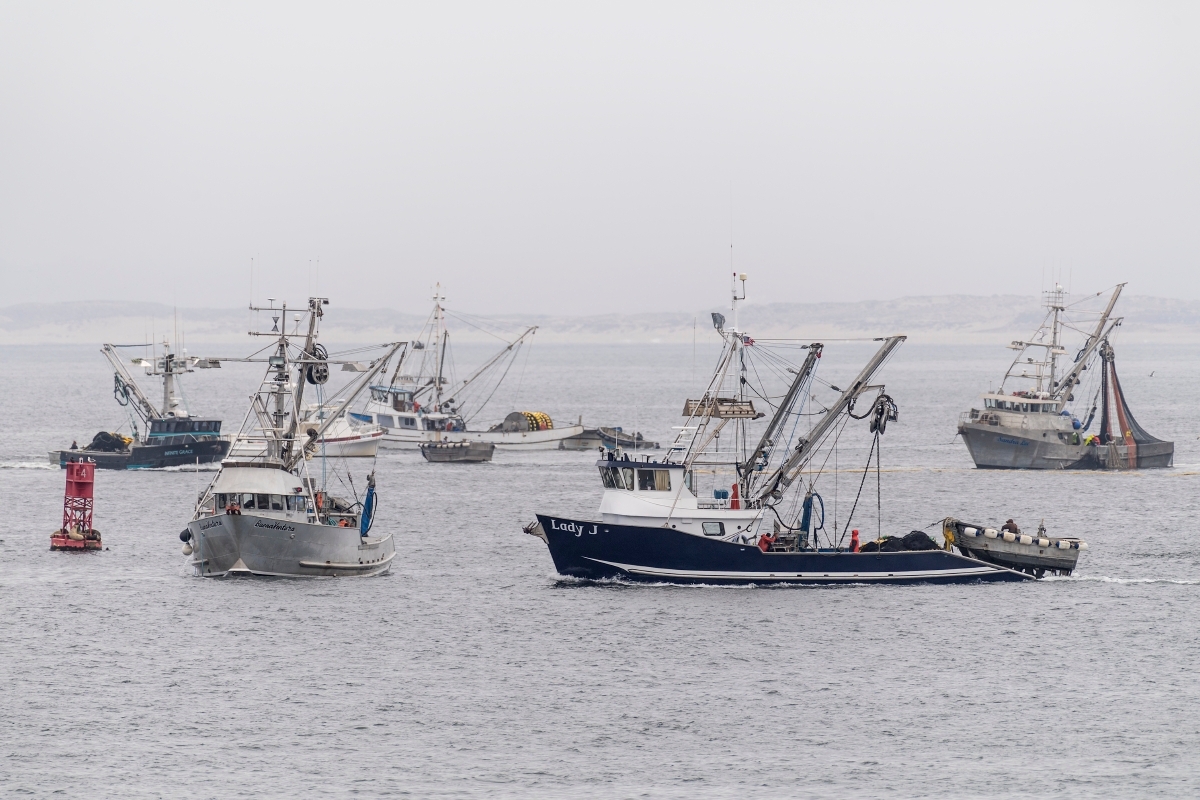
Overfishing occurs when animals are taken from the ocean faster than they can reproduce.
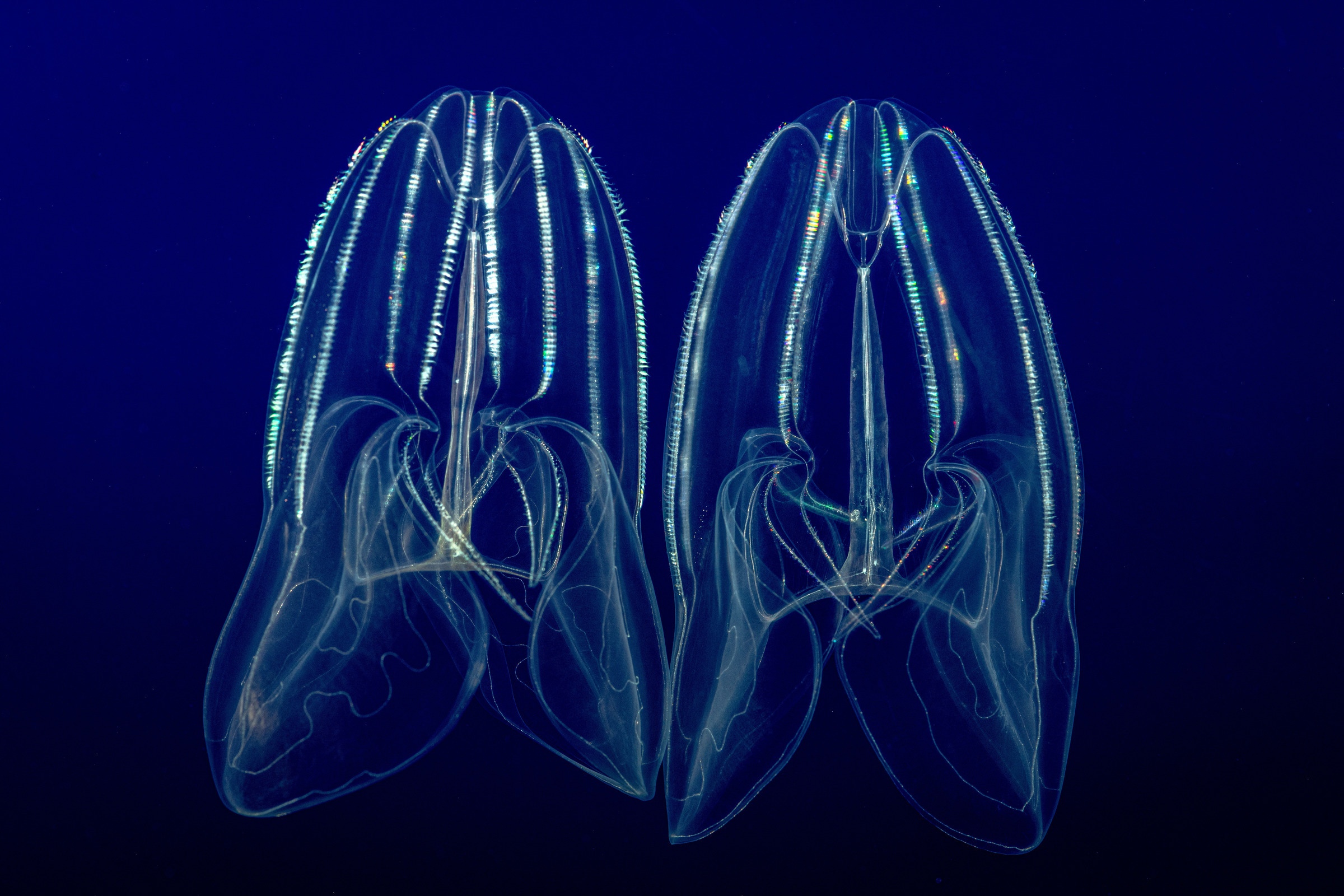
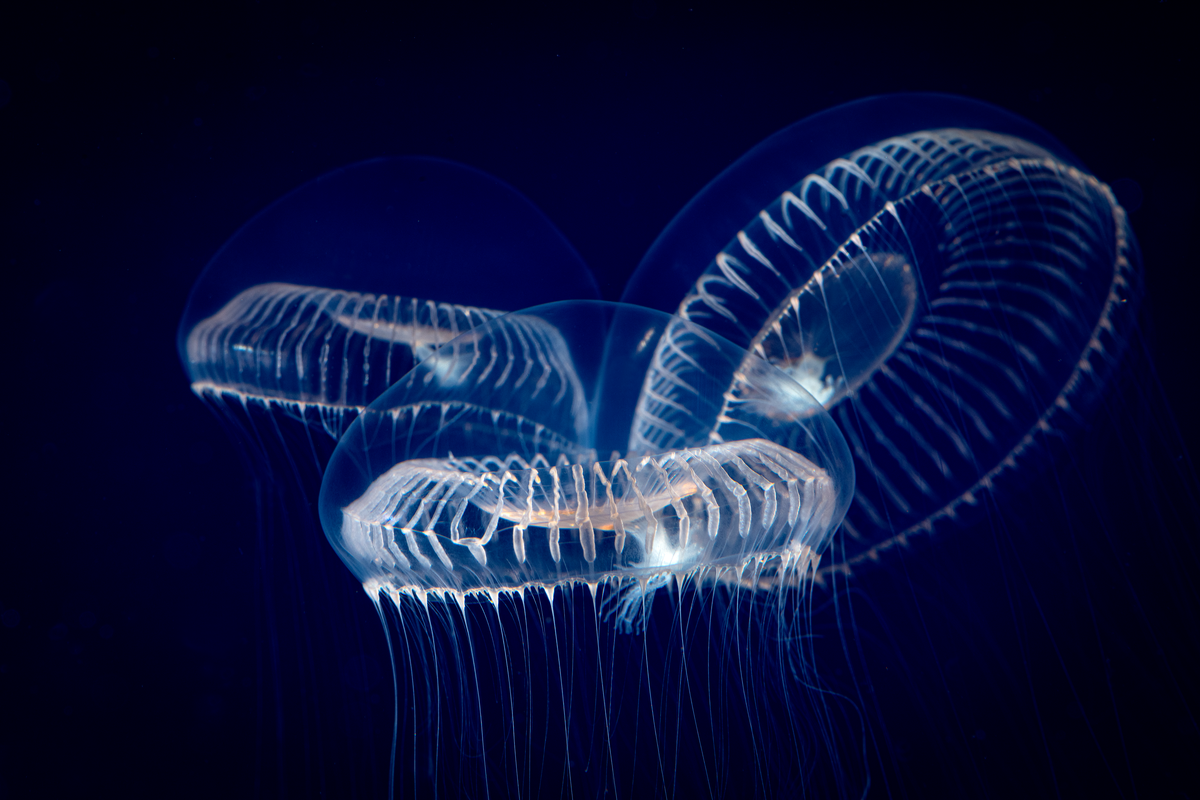
Comb jellies beat eight rows of tiny comblike plates to move through the water.
How to protect this habitat
People are having a greater impact on the ocean’s inhabitants and water quality. We can help keep seas healthy by supporting effective environmental legislation, respecting and obeying fishing regulations, keeping trash off of our beaches, and safely disposing of toxic chemicals.
Buy sustainable seafood
Choose seafood that is fished or farmed in ways that support a healthy ocean. Learn more at Seafood Watch.
Reduce your plastic use
Plastic bags kill sea turtles, molas, rays and other animals who swallow them, believing they’re jellies. Carry reusable shopping bags with you to the store, reuse the plastic bags you do have, and pick up any plastic trash you find blowing around outdoors. Learn more about how you can help end plastic pollution.
Explore this habitat in the Monterey Bay area
Whale watching trips offer a great way to see whales and other marine life in the open sea. Check the Monterey County Convention and Visitors Bureau for trip information and tips for first-time whale watchers.
Explore more of the ocean
Ecosystem
Coastal waters
These low-lying stretches of land, saturated with water, are home to a mix of plants, fish, and wildlife.