

Stop illegal fishing
What’s the issue? Fisheries that enforce management plans and regulations are keeping fish populations and the environment healthy. But it's estimated that one-fifth of wild-caught fish are caught illegally—harming the economy and environment.
Understanding the issue
Illegal fishing is a global problem
Illegal, unreported and unregulated fishing—or IUU fishing—accounts for one of every five wild-caught fish. Some experts estimate that 10–26 million tons of IUU-caught fish is taken each year—an amount equal to 11–19 percent of the global reported catch. Although difficult to measure, IUU is estimated to cost global economies between $10–23 billion per year.
But that’s not the only cost. IUU fishing contributes to overfishing since these illegally caught fish aren’t accounted for in management plans designed to protect wild fish stocks. Illegal fishing can also damage the environment by violating regulations that protect habitat and limit bycatch of other species. IUU also undermines other fishermen who adhere to the regulations by threatening the sustainability of the fish stocks they rely on and increased competition.
What is IUU?
IUU includes fishing activities that are illegal, underreported or unregulated:
- Illegal fishing: fishing activities that go against regulations. For example, fishing in areas that are off-limits, using prohibited gear or catching a prohibited species.
- Underreported: catching more fish than reported to the regulating agency.
- Unregulated: fishing in areas that don’t have management policies in place.
Difficulties in fighting illegal fishing
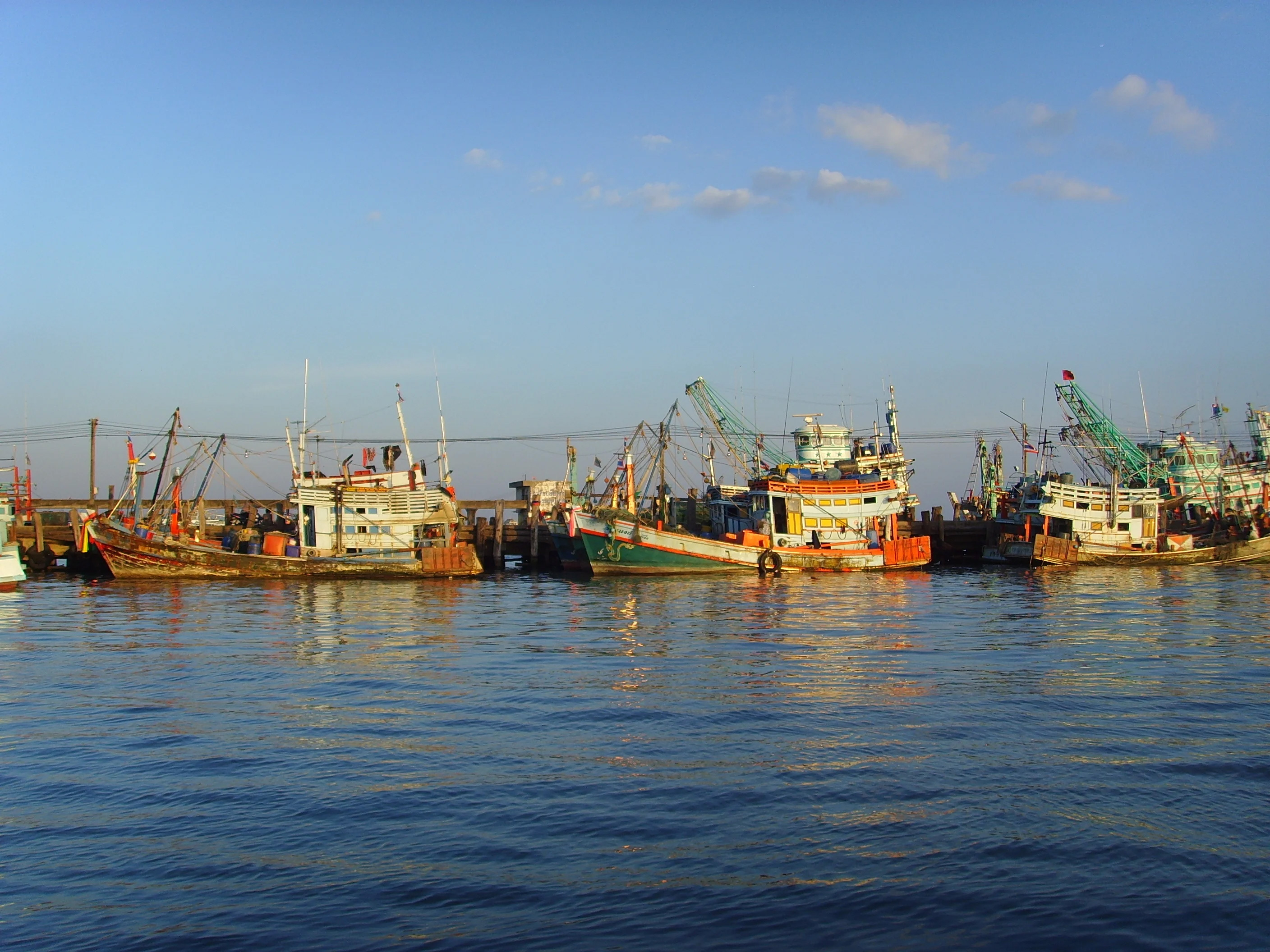
© Eleanor Partridge/Marine Photobank
Fishing where no one is watching
Each nation regulates fishing activities within a zone along their coast called the exclusive economic zone. But fishing often occurs in waters beyond these zones where there is no clear owner. There are some international regional agreements, but not all countries sign on to them. Fishing activities on the high seas are far away from the eyes of regulators, so it is hard to enforce regulations.
Flags of convenience
Fishermen should follow the regulations of the country that their vessel is registered to. Some countries aren’t signed on to international policies or don’t enforce them, so vessels with those flags can fish unregulated. This practice is called flying a flag of convenience.
Transhipping
A ship that is fishing illegally may offload its catch onto another vessel while at sea. Mixing illegally caught fish together with legal catch while still out at sea makes it impossible to distinguish between the two when they arrive at port. Sometimes these ships will process and package the illegally caught fish en route to port to hide their activities.
Sustainable solutions
Enforcement
Around the world, laws and rules exist to regulate the seafood industry and maintain a thriving ocean. But without enforcement policies in place, these regulations are unlikely to stop illegal fishing. Enforcing fishing regulations requires governments to collaborate with other agencies and countries to monitor fishing activities at sea, inspect vessels at port, establish legal procedures, and much more.
Advances in monitoring
Patrolling the ocean looking for illegal activities is a big job, and beyond the resources many nations have. Traditionally patrolling has been done by planes or ships. Now satellites, Global Positioning System (GPS) and onboard Vessel Monitoring Systems help regulators more easily track the location of fishing vessels—including if they enter protected areas or another country’s waters.
Ships often have human monitors onboard to ensure they are following the rules. Today, new artificial intelligence technology using onboard cameras is automating some of this monitoring.
Demanding traceability
Consumers and companies that demand traceability of their seafood are helping to fight illegal fishing. Traceability is the ability to track a seafood product from the point of harvest through the supply chain all the way to the point of sale. And it is required to be able to verify the environmental and social sustainability of the seafood on your plate. Increased traceability reduces the flow of illegally caught fish into the supply chain.
What Seafood Watch is doing?
Our fishery scientists consider the level of illegal fishing when assessing fisheries against our sustainable seafood standards.
Keep exploring
Animals & the ocean
Avoid overfishing
Overfishing puts pressure on ocean ecosystems, but science-based solutions can help protect fish populations.
Read more – Avoid overfishing
Animals & the ocean
Consider climate
It takes a lot of fuel to grow, package, and transport food, which contributes to climate change.
Read more – Consider climate
Animals & the ocean
Improve traceability
By tracking seafood through the supply chain, consumers can verify its environmental and social impact.
Read more – Improve traceability
Animals & the ocean
Limit bycatch
Bycatch—when non-target marine life is caught in fishing gear—harms ocean wildlife, but solutions exist.
Read more – Limit bycatch