

Avoid overfishing
Overfishing means fish are being caught faster than they can reproduce, hindering their ability to maintain healthy population numbers. Overfishing is a global problem, and it’s causing fish populations to decline and harming ocean ecosystems. As demand for seafood continues to grow, it’s critical that we avoid, reduce, and stop overfishing.
Understanding the issue
What causes overfishing?
We are too good at catching fish. Modern fishing gears allow us to harvest massive amounts of fish quickly, and technology has revolutionized today’s fishing practices. For example, satellite navigation makes it easier to find fish, and onboard refrigeration and processing equipment allow larger boats to stay at sea longer, even months at a time. Other major drivers of overfishing include a growing global population, increasing demand for seafood, and government subsidies that encourage fishing beyond sustainable levels.
What are the impacts of overfishing?
- Wild fish populations are declining. In 1974, 90 percent of fish stocks were within biologically sustainable levels. Today, that figure has decreased to 66 percent. Left unchecked, overfishing can cause a fish population to collapse, meaning the population’s abundance is less than 10 percent of the original amount.
- Large fish are the first to go. Fish that are large, live a long time, and are slow to reproduce are among the most vulnerable to overfishing. These traits also make it hard to rebuild their populations once overfishing stops. Unfortunately, many of the favorite seafoods in North America—such as cod, snapper, grouper, rockfish (Pacific snapper), orange roughy, and Chilean seabass—share these traits.
- Fishing down the food web. When the larger fish are no longer plentiful, fishermen move on to smaller species, such as sardines and anchovies. This phenomenon is known as “fishing down the food web.“ These species are often important prey for other animals, and their removal can harm the entire food web.
- Harm to ecosystems. Removing fish that play key or outsized roles in food webs also alters the larger dynamics of ocean ecosystems. For example, many fish eat the algae that keep coral reefs clean and thriving. In areas where these species have been overfished, the algae overgrow the reef, killing corals and negatively impacting the many species that call the reef home.
- Economic and social costs. The ocean’s ecosystem and the food on our tables aren’t the only things affected by overfishing. Fishermen find it increasingly difficult to make a living. For example, cod fishing had been a way of life for hundreds of years along the New England coast. Then, in the early 1990s, overfishing drove the cod fishery to collapse, with the population falling to one percent of its historical levels. Thousands of fishermen and fish plant workers lost their jobs and livelihoods in the region, devastating the coastal economy.
Fisheries can thrive with strong, science-based management, allowing fish populations to remain abundant for generations. Achieving this requires stock assessments, catch limits that maintain and rebuild populations, gear modifications to reduce bycatch, and efforts to stop illegal fishing.
Sustainable solutions
Strengthen fisheries management
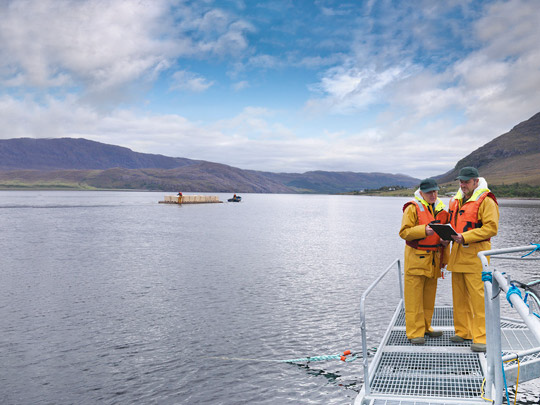
Healthy and thriving fisheries are possible with strong, forward-thinking management by government agencies. For example, rockfish and flatfish fisheries from Alaska to California are among the most intensively managed in the world.
Managers use a suite of tools to reduce and prevent overfishing, including stock assessments to evaluate and monitor fish populations, catch limits that allow healthy populations to remain abundant and overfished populations to recover, fishing gear restrictions and modifications to reduce bycatch, and closures that limit when and where fishing can occur or the entry of new fishermen and boats.
Learn more about how science-based management prevents overfishing
Stop illegal fishing
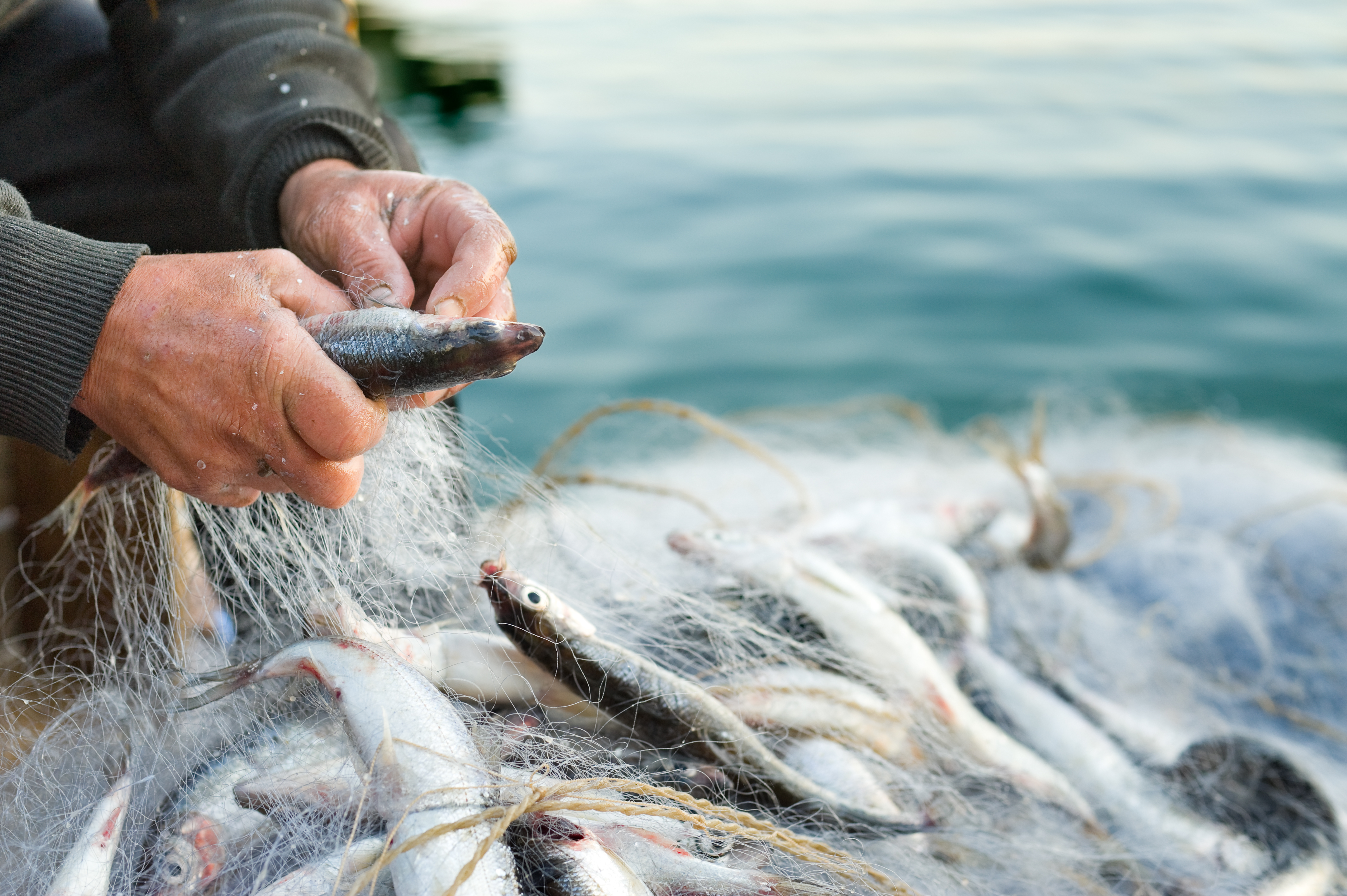
Illegal fishing undermines management efforts and contributes to overfishing. Legal catch limits are based on scientific estimates of what fish populations can sustain. When more fish are caught than allowed under the management plan, populations are at risk of overfishing.
Animals & the ocean
Fishing & farming methods
When you choose sustainable seafood, you reward the fishermen and farmers who use better harvest methods.
What Seafood Watch is doing?
Overfishing is one of our key concerns with wild-caught seafood. Our ratings assess if seafood comes from healthy, abundant populations and is fished at sustainable levels.
Strong fishery management is key to preventing overfishing. Our scientists assess how well fishery managers prevent unsustainable declines in target fish populations. Key factors include enforcement of regulations, data collection, and monitoring of fish stocks. Fishermen and their communities benefit from well-managed fisheries too because they’re more lucrative and reliable.
Explore more sustainable solutions
Animals & the ocean
Consider climate
It takes a lot of fuel to grow, package, and transport food, which contributes to climate change.
Read more – Consider climate
Animals & the ocean
Improve traceability
By tracking seafood through the supply chain, consumers can verify its environmental and social impact.
Read more – Improve traceability
Animals & the ocean
Limit bycatch
Bycatch—when non-target marine life is caught in fishing gear—harms ocean wildlife, but solutions exist.
Read more – Limit bycatch
Animals & the ocean
Limit wild fish use as feed
Some aquaculture species are fed wild fish—adding to the pressure on wild fish populations.
Read more – Limit wild fish use as feed