

Improve traceability
Seafood products often travel through a complex supply chain before being sold. Maintaining data on how and where the seafood is harvested is essential to verifying its sustainability.
Understanding the issue
To know if your seafood is from an environmentally responsible source, you have to know what kind of fish it is, where it was harvested and how it was caught or farmed.
This type of information must be recorded at harvest and passed along with the seafood item as it moves through the supply chain. This is known as end-to-end traceability.
In many industries, manufacturers can put a barcode or serial number right on the product. But how do you track a fish? Once a fish has been filleted it can be hard to even determine what species it is.
To complicate things even further, a single fish may change hands and forms multiple times before it is sold at market. There is a high risk that the data about that seafood item gets lost or not carried with the product accurately. But without those data, it is impossible to know if the seafood you buy was caught or farmed sustainably.
A look at the seafood supply chain
Source
Seafood begins its journey when it’s harvested by fishermen or fish farmers. And since seafood is a global commodity, your seafood is often caught on the other side of the world. An astounding 90 percent of the seafood we eat in the United States is imported from other countries.
Processors
Once harvested, seafood is sent to one or more processors to be cleaned, filleted and packed into cans or boxes for market.
- It’s not unusual for fish to be caught in the U.S., then shipped to China for processing, before being returned to the U.S. to be sold.
- Seafood may switch hands multiple times as it moves from where it was harvested to be auctioned, processed, packaged, distributed and sold.
- Often fish from different vessels or farms are commingled on their way to or when they reach the processing plant.
Seafood distributors
Once processed, seafood items can often travel to a secondary processor for further product development. Distributors then sell and deliver seafood products to buyers including restaurants, grocery stores or seafood markets.
Retailers and consumers
Finally, consumers buy the seafood from retailers. Luckily, efforts to improve the traceability of seafood throughout the supply chain are making it easier for seafood buyers to know the environmental and social impact of their seafood.
Sustainable solutions
Certification
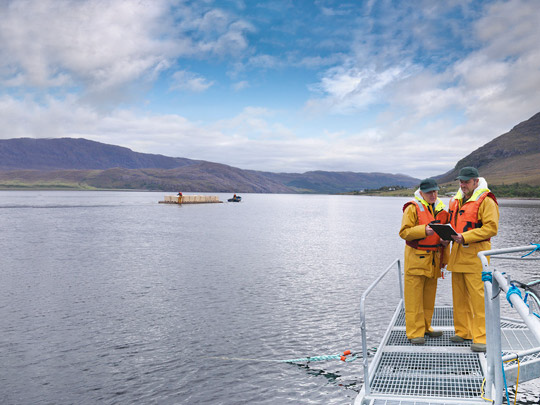
One way traceability is being addressed is through certification. Seafood that is certified sustainable by a third-party requires supply chains to segregate the certified product from the non-certified in order to label it at the point of sale. Unfortunately, this is still a small percentage of the overall seafood in the market and the overall demand for accurate seafood transparency is still needed.
Advances in technology
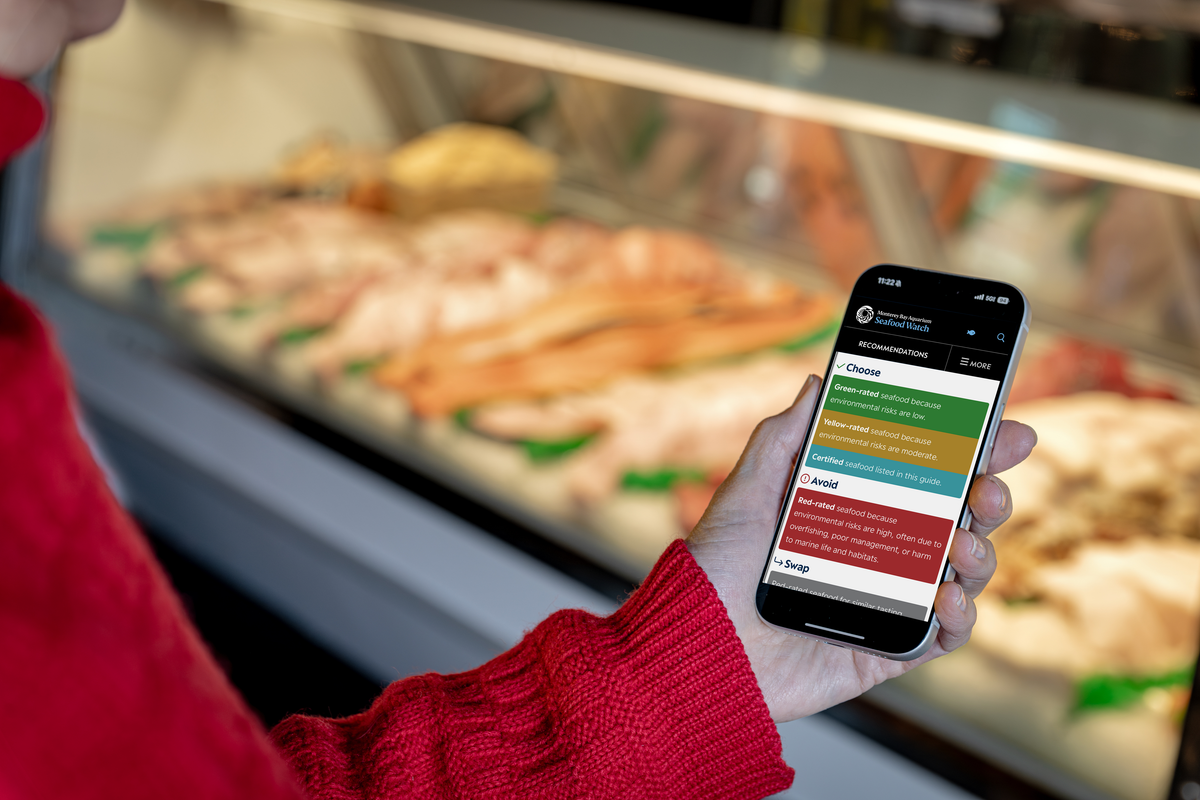
Today, advances in data capture and technology are helping make product traceability more common. Ultimately, consumers will be able to scan a product package with their smartphone and learn how and where their seafood was harvested. Until then, it is important to keep demanding to know where your seafood comes from and how it was caught or farmed. This will continue to support the demand for transparency throughout all supply chains.

Consumer demand for traceable products
Processors and distributors often mix seafood from multiple sources, making sustainably raised fish indistinguishable from those produced unsustainably. But if retailers and consumers continue to demand environmentally sustainable products, distributors and processors will respond by sourcing better seafood items. Having the sourcing data follow the item all the way to the consumer will be a requirement in the purchasing process, and if they can get a higher price for responsibly sourced seafood, processors won’t commingle sustainable and unsustainable seafood.
Explore more sustainable solutions
Animals & the ocean
Avoid overfishing
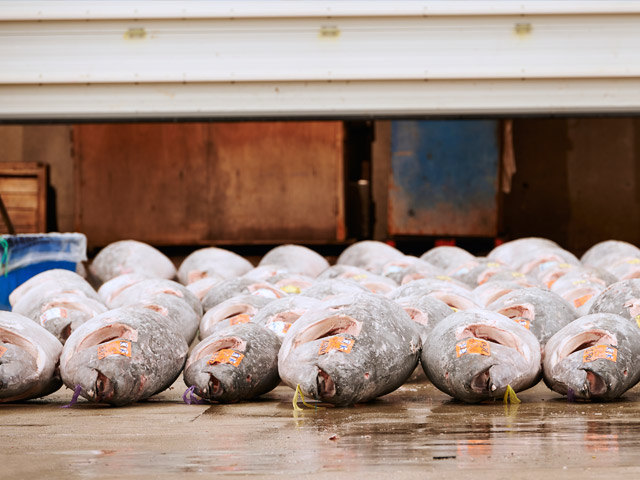
Overfishing puts pressure on ocean ecosystems, but science-based solutions can help protect fish populations.
Read more – Avoid overfishing
Animals & the ocean
Consider climate
It takes a lot of fuel to grow, package, and transport food, which contributes to climate change.
Read more – Consider climate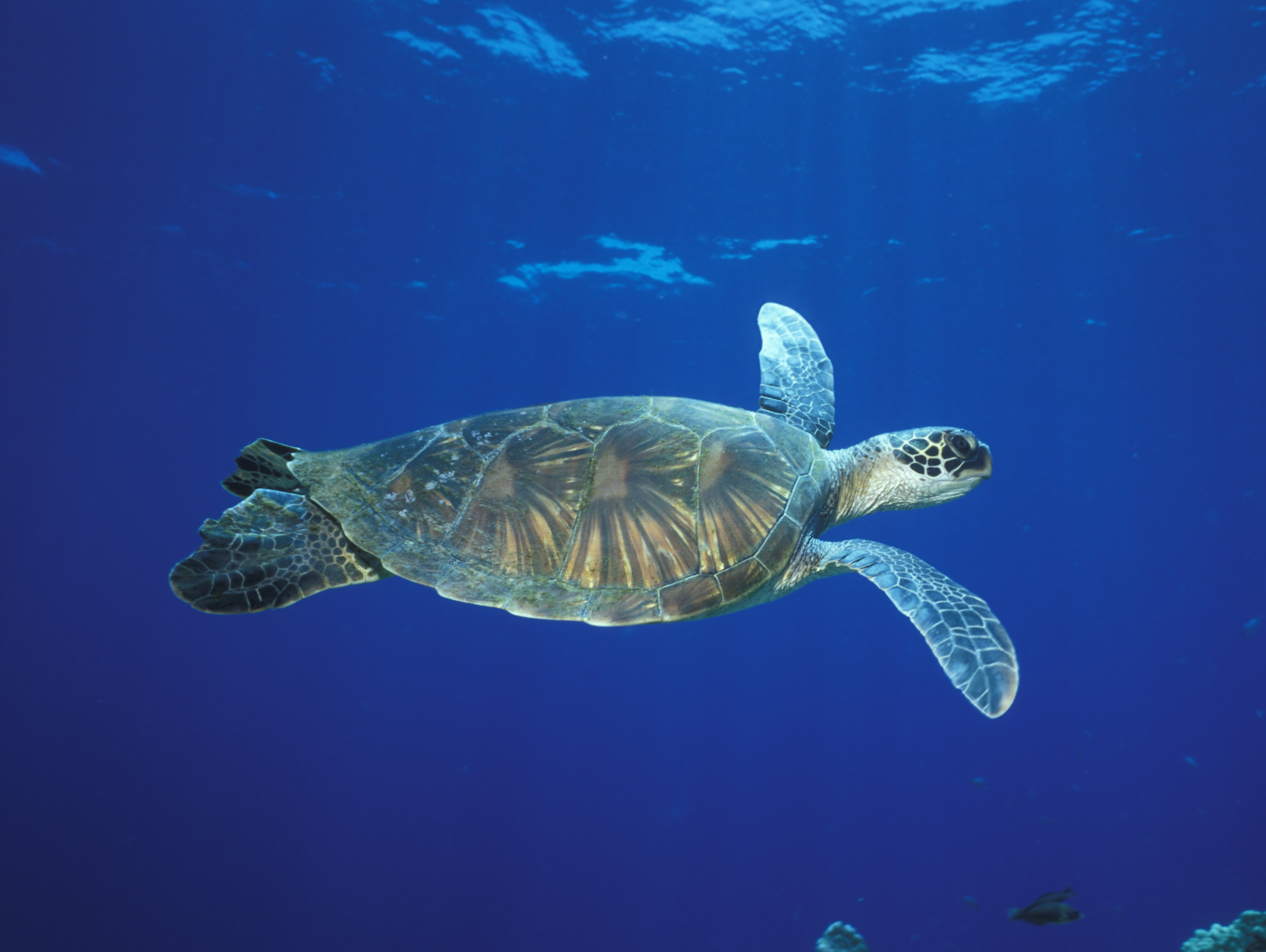
Animals & the ocean
Limit bycatch
Bycatch—when non-target marine life is caught in fishing gear—harms ocean wildlife, but solutions exist.
Read more – Limit bycatch
Animals & the ocean
Limit wild fish use as feed
Some aquaculture species are fed wild fish—adding to the pressure on wild fish populations.
Read more – Limit wild fish use as feed