

Arctic char
The Super Green List
Hailing from the frigid Arctic waters, Arctic char is increasingly prized as a sustainable alternative to salmon. This seafood is part of the Super Green List—seafood that’s good for you and the planet.
What are they?
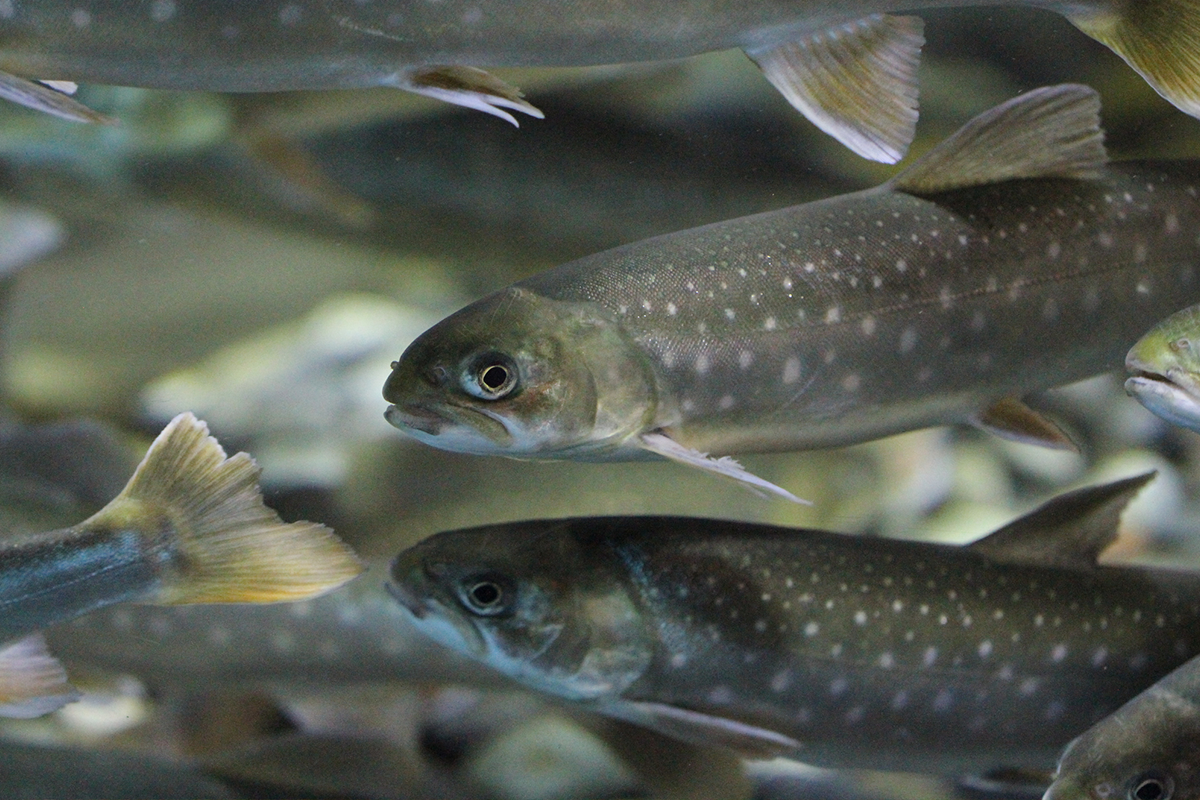
Arctic char (Salvelinus alpinus) is the northernmost freshwater fish in the world. With a natural range encompassing the entire Arctic region, this hearty fish thrives in extremely cold waters. It’s provided an important, nutrient-rich food source—raw, cooked, or dried—in traditional Inuit diets through the centuries.
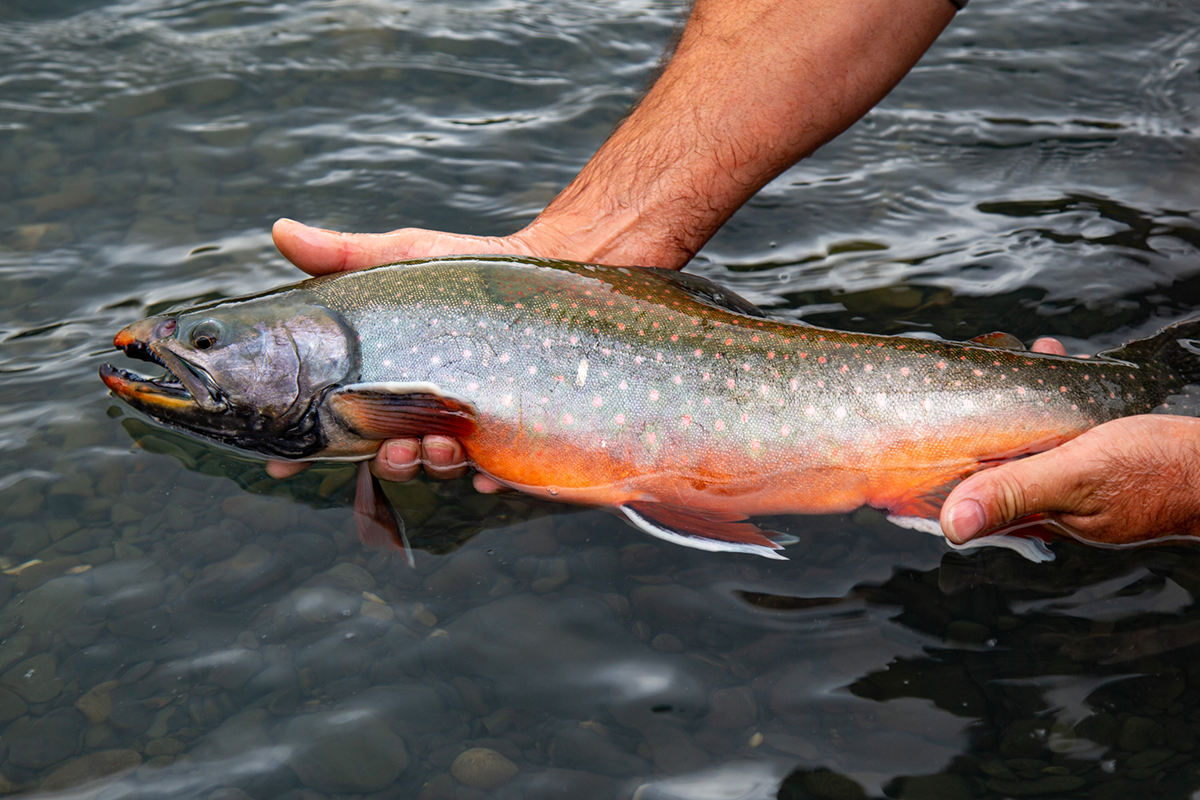
Related to trout and salmon, Arctic char have long, dark brown bodies with a silver back, light spots, and white, red, pink, or orange undersides. Arctic char are long-lived, up to about 20 years. Some populations remain in freshwater rivers and lakes their entire lives, but others migrate between freshwater and the ocean. These fish hatch in river systems and feed on shrimp and larvae. Once they’re older, they migrate seasonally—spending summers in the ocean and estuaries, where they gorge on plankton and small fish. They return to freshwater for winter and also spawn in freshwater.
With a delicate pink flesh and high healthy fat content, Arctic char is milder in flavor than salmon and has a light, flaky texture. No wonder this protein-rich, delicious fish has been treasured in traditional cuisines, including Scandinavian dishes like salt-cured and wood-smoked Arctic char. Today, this fish is increasingly valued as a sustainable alternative to salmon in numerous cultural and innovative dishes, from tostadas with grilled Arctic char to pan-fried fillets with miso-butter and asparagus.
Good for you
A nutrient superstar, Arctic char delivers the following benefits in a 100-gram (about 3.5-ounce) serving:
- With 19 grams of protein per serving, Arctic char helps maintain muscle synthesis and repair.
- Provides a sunshine vitamin bonus. Arctic char is a rich source of vitamin D (464 IUs per serving), a nutrient of common dietary shortfall with important roles in bone health and immune function.
- Achieves super omega-3 status. Arctic char is at the top of the list for omega-3 fatty acid levels of DHA and EPA. At more than 1,000 milligrams per serving, these levels are similar to salmon and trout, making them an important addition to diets for healthy heart and brain function.
Good for the planet
Wherever you find Arctic char sold in North America, it’s a pretty good bet that it’s environmentally sustainable. There are several green-rated sources recommended by Seafood Watch, and no red flags!
Ready, set, cook!
- Enjoy whole Arctic char a la Mediterranean by seasoning it with garlic, parsley, olive oil, and lemon. Then wrap it up in parchment, and roast until tender and fragrant.
- Broil fresh or frozen fillets with a touch of lime, honey, and cilantro for a simple, aromatic entree to serve with brown rice and zucchini.
- Create a Nordic-style fish pie by baking seasoned fillets in the bottom of a dish, then smothering them with mashed potatoes and dill.
- Grill fillets, and serve with a Veracruz sauce featuring tomatoes, capers, and olives.
Where to find
- You can find fresh Arctic char whole or as individual fillets in many well-stocked grocery stores and seafood markets.
- Look for frozen fillets, both plain and seasoned varieties, in your nearby supermarket as a more shelf-stable, economical option.
- Some seafood markets may offer house-smoked or cured Arctic char, which is a savory specialty linked to traditional northern cuisines.
Top shopping tips
- When you purchase fresh Arctic char, rinse it with cold water, pat it dry, and store it in a sealed package in the fridge. Use within two days in simple preparations, such as grilled, broiled, poached, or pan-fried.
- Stock your freezer with frozen fillets, which can cost about 50 percent less than fresh, depending on your market.
- Ask your seafood market or supermarket seafood counter whether they offer smoked or cured Arctic char, which has a long shelf life in the refrigerator and can be enjoyed with toast or crackers.
More FAQs
Is Arctic char safe to eat?
Arctic char from Iceland and Canada is safe to consume. In their native environments, these fish are predatory and consume insect larvae, shrimp, snails, clams, and some small fish, which are fairly low on the food chain and have lower levels of environmental contaminants, such as heavy metals. In their aquaculture environments, Arctic char are fed a controlled diet that is tested for quality and purity, thereby reducing the potential for heavy metal contamination.
What are the differences between farmed salmon and Arctic char?
Both farmed salmon and Arctic char are healthy seafood options with similar levels of protein, vitamin D, and omega-3 fatty acids.
Unless specifically stated otherwise, most salmon you’ll find in restaurants is farmed Atlantic salmon. From an environmental perspective, most farmed Atlantic salmon is rated red. Green-rated and yellow-rated options do exist, but there’s not much of it sold on the U.S. market. Most Arctic char you’ll find in the U.S. is rated green or certified.
Another major difference is taste. Arctic char has a milder flavor and a delicate texture.
Another difference is availability and cost. While Arctic char is typically less costly than wild salmon, it’s usually more expensive than farmed salmon and may be less readily available in many supermarkets and seafood counters. Vote with your fork by requesting your neighborhood market to carry Arctic char if it’s not currently available.
Arctic char recipe
Recipe
Sonoran Arctic char fish tacos with chili-lime mayo
This taco recipe features pan-cooked Arctic char with bold Sonoran Mexican-American border flavors.
Explore more Super Green seafood
Change & impact
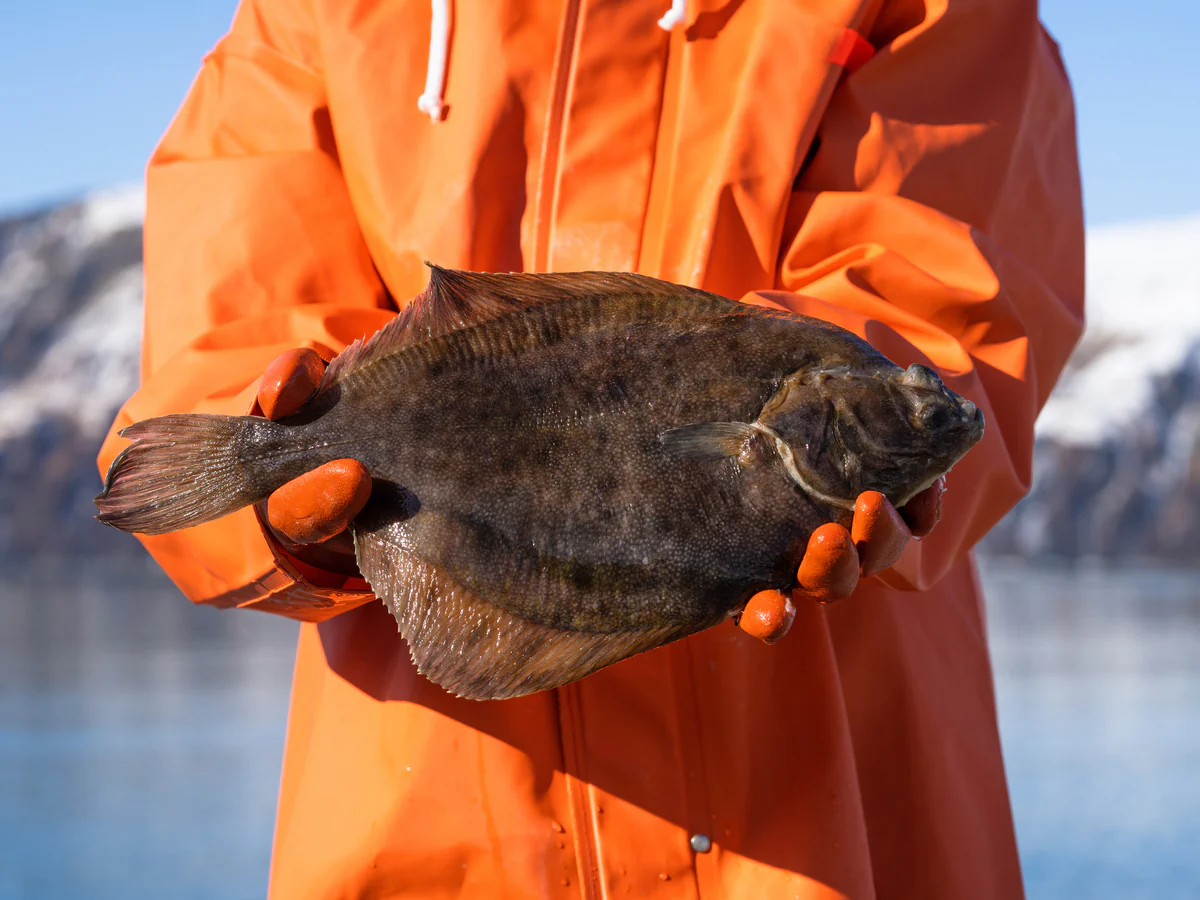
Alaska flounder & sole
Choose flounder and sole caught in Alaska for a delicious, sustainable whitefish.
Read more – Alaska flounder & sole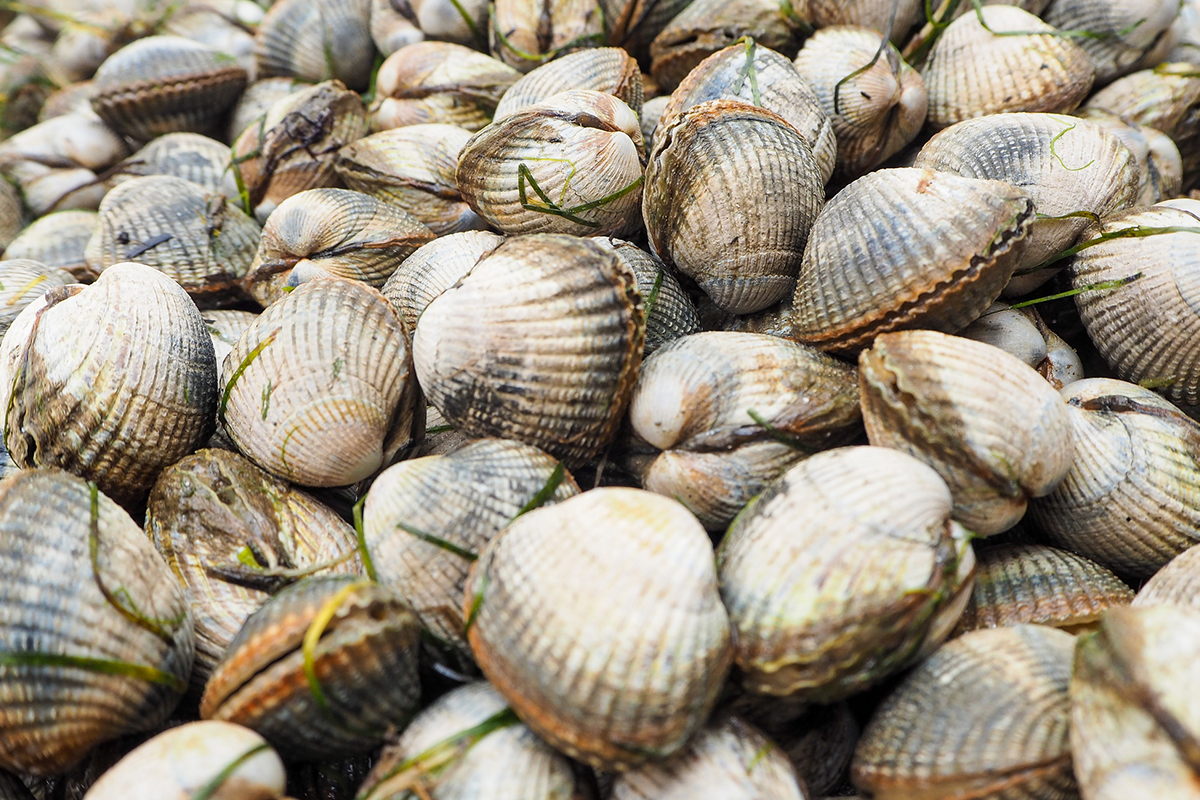
Change & impact
Farmed clams
These beautiful bivalves are a sustainable, versatile culinary delight.
Read more – Farmed clams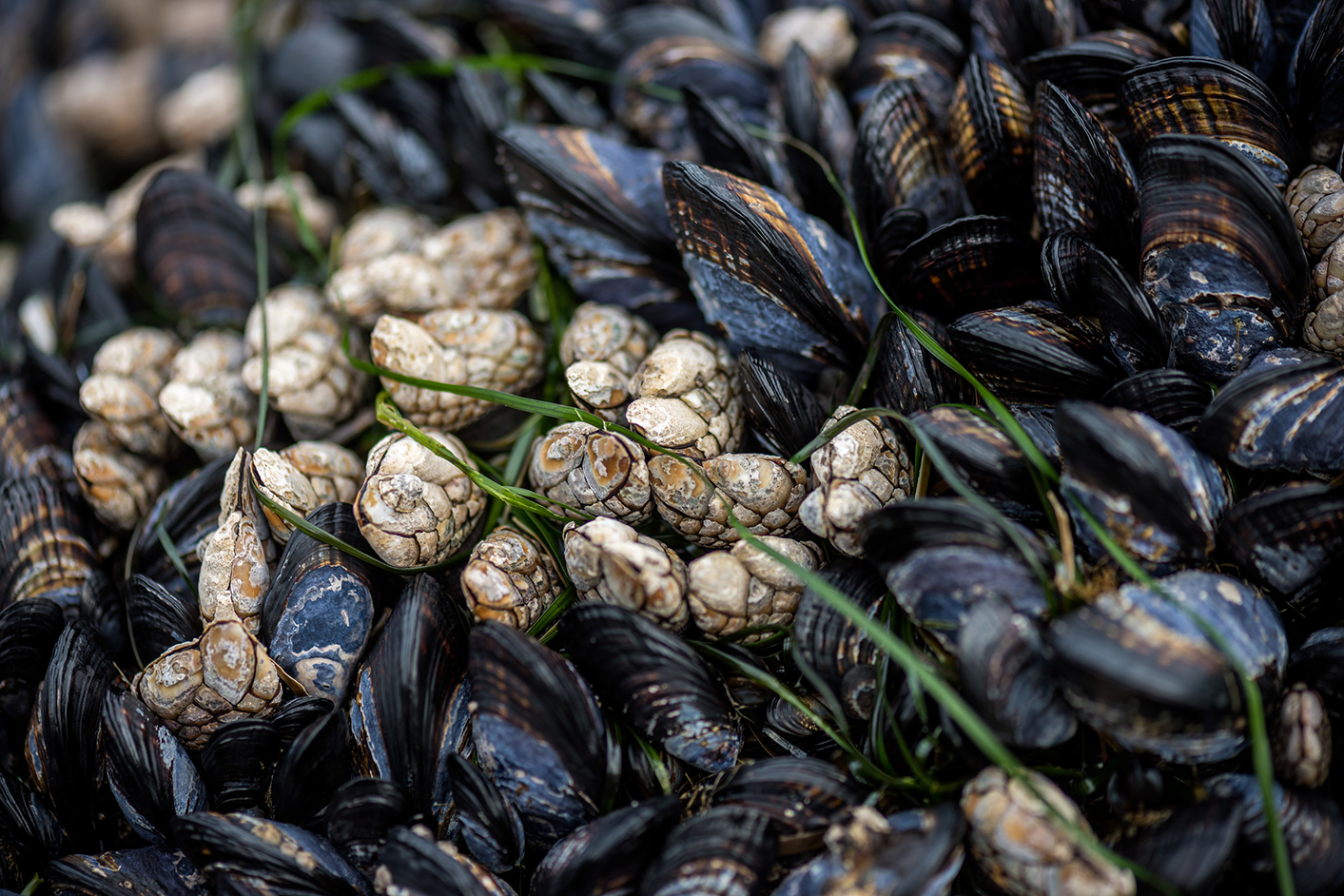
Change & impact
Farmed mussels
Within each small mussel shell, you’ll find a treasure trove of essential nutrients.
Read more – Farmed mussels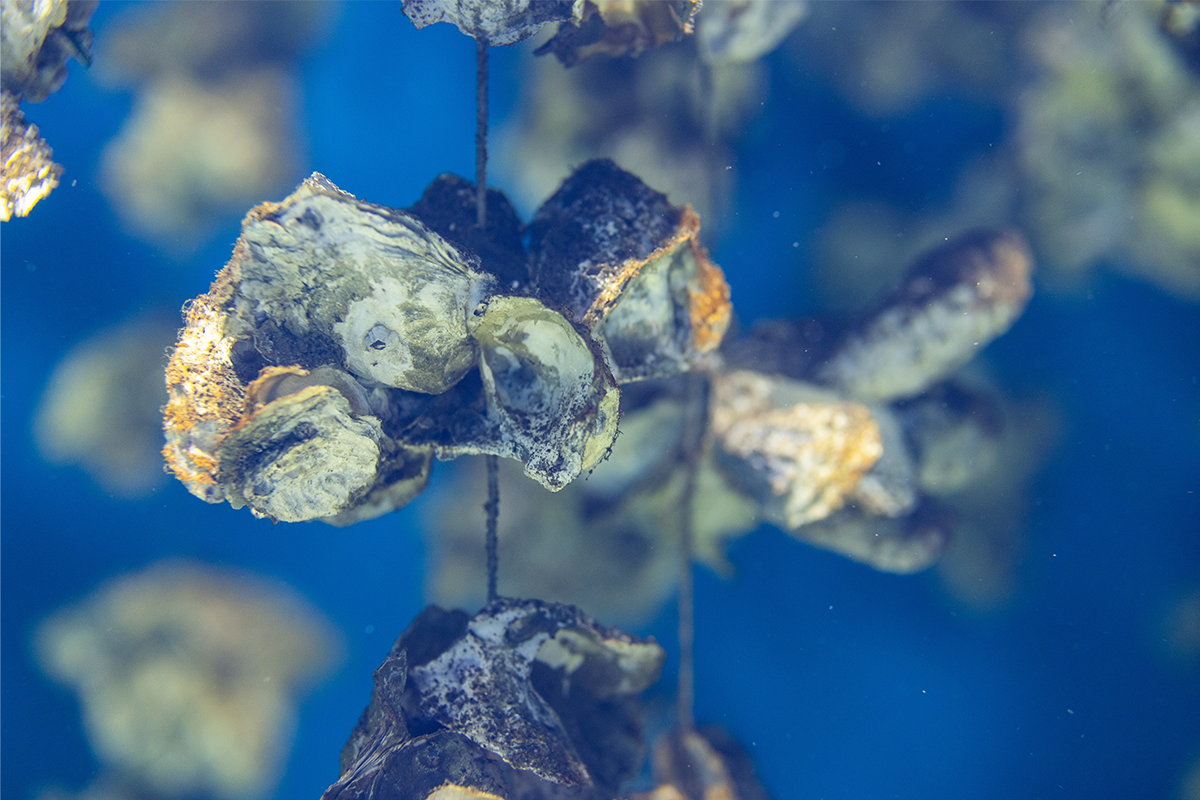
Change & impact
Farmed oysters
Prized for their flavor and rich nutritional content, farmed oysters are a sustainable seafood option.
Read more – Farmed oysters