

Alaska flounder & sole
The Super Green List
Looking for a ready-in-minutes seafood option that’s a cinch to prepare, even on those hectic weeknights? Say hello to wild-caught Alaska flounder and sole. This seafood is part of the Super Green List—seafood that’s good for you and the planet.
What are they?
Shaped like haphazard pancakes, flounder and sole are flatfish. They carry both their eyes on one side of their head and lie flat on the seafloor, blending in seamlessly with the bottom habitats they call home. They swim horizontally, too, moving with the grace of a finned Belgian waffle. These fish, which include species like arrowtooth flounder, yellowfin sole, and flathead sole, are an important part of ocean food webs. They chow down on prey like crabs, krill, and small fish and, in turn, provide food for larger predators like Pacific cod, sharks, orcas, seals, and sea lions.
Flounder and sole shine with nutritional benefits for humans, too. They’re a top-notch source of protein and are low in mercury. These fish have a delicate, slightly sweet flavor and a tender, flaky texture. Whether starring in fish tacos, panko-crusted fish sliders, or fragrant curries, flounder and sole are versatile whitefish that work well with a variety of global flavors and preparations. They’re also hailed by chefs as a forgiving fish because you can’t go wrong preparing them. When you choose a flounder or sole from Alaska, you can also be confident you’re getting a sustainable seafood as well.
Good for you
The nutritional benefits of flounder and sole are anything but flat.
- With over 12 grams per serving, Alaska flounder and sole are a great source of lean protein, essential for muscle repair and body strength.
- They aid in heart health. Flounder and sole have low saturated fat levels and good amounts of the long-chain omega-3 fatty acids EPA and DHA, which help protect against cardiovascular disease.
- They promote strong bones. Flounder and sole are good sources of phosphorus and vitamin D, important nutrients for maintaining strong bones and teeth. A serving provides 20 percent of your daily phosphorus needs and 14 percent of the Daily Value of vitamin D.
- They power a healthy thyroid and metabolism. One serving of these Super Green List fish provides nearly half the Daily Value of selenium, an essential mineral that plays an important role in healthy thyroid and metabolism function.
- They boost vitamin B-12. You can meet nearly half of your daily B-12 needs with a serving of flounder or sole, supporting nerve function, DNA production, and red blood cell formation.
Good for the planet
There are several different species of flounder and sole. We recommend any Alaska flounder or sole species rated green by Seafood Watch or certified by the Marine Stewardship Council (MSC). Flounder and sole populations in Alaska are generally healthy and well-managed. Laws and programs are in place to keep stocks abundant and to close harvest seasons once the catch quota is met.
As the name might suggest, groundfish like flounder and sole are usually found and harvested close to the seafloor, so habitat destruction from fishing gear like bottom trawls can be a big concern. Bottom trawls are cone-shaped nets that are pulled along the seafloor. This heavy gear can damage sensitive habitats, and these nets can also accidentally pick up a lot of bycatch, which is the catch of unwanted species, along the way.
Luckily, there are ways to reduce or even prevent these negative impacts. Managers use closed areas to minimize damage to particularly sensitive or important areas. Where trawling does occur, it’s usually in less sensitive habitats. For example, arrowtooth flounder is found in sandier sections of the ocean floor. Bottom trawls affect sandy areas less than other habitats, so it’s usually fairly low-impact to fish for arrowtooth flounder on this type of substrate.
In Alaska, trawling for flatfish can also catch other bottom-dwelling animals, such as crabs, salmon, and halibut, but gear modifications help reduce this bycatch. In the central Gulf of Alaska and Bering Sea, fishers use Bering Sea flatfish gear, which was created collaboratively by scientists and fishers. This gear modification raises up the sweep—the angular ropes jutting out from the front of the trawl that herd fish into the net. This reduces contact with the seafloor by 90 percent, minimizing both bycatch and habitat impact, according to MSC.
Learn more about flounder and sole from an Alaskan fishery on Instagram
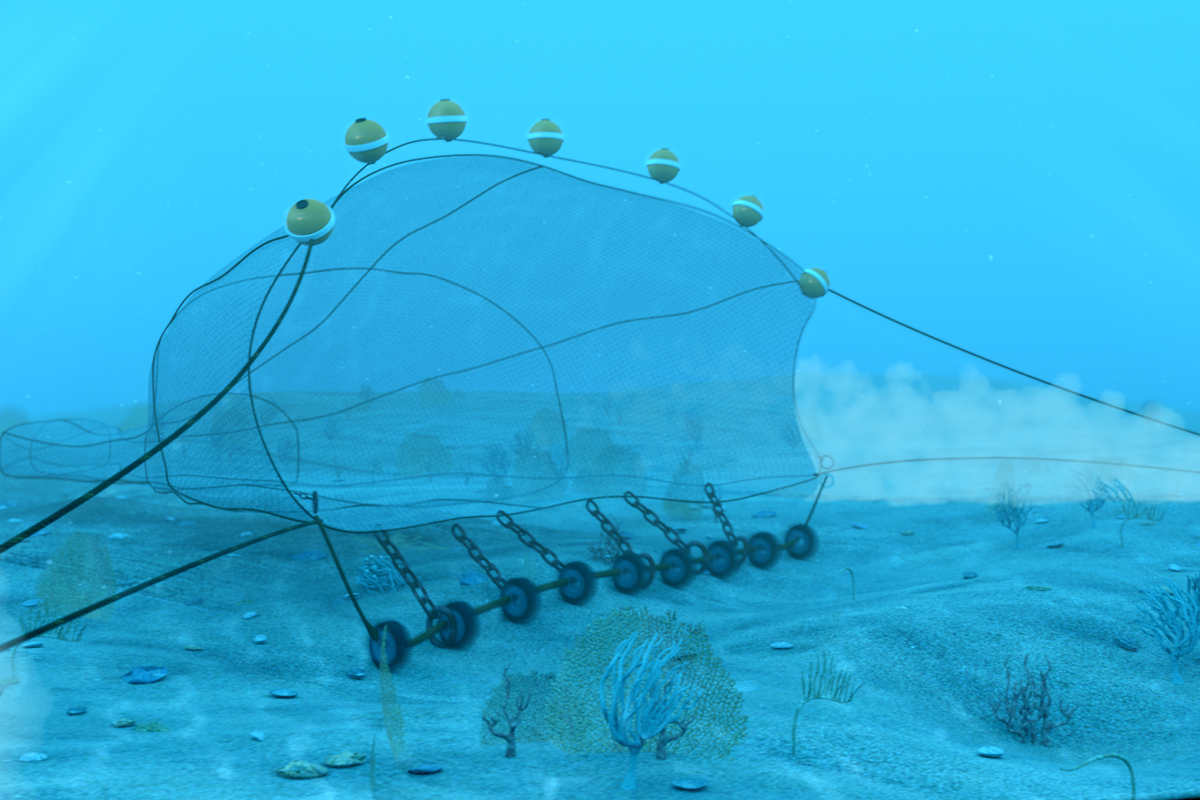
Bottom trawls, shown here, can damage sensitive habitats and pick up bycatch. Gear modifications, like the Bering Sea flatfish gear used in Alaska, can help reduce these impacts.
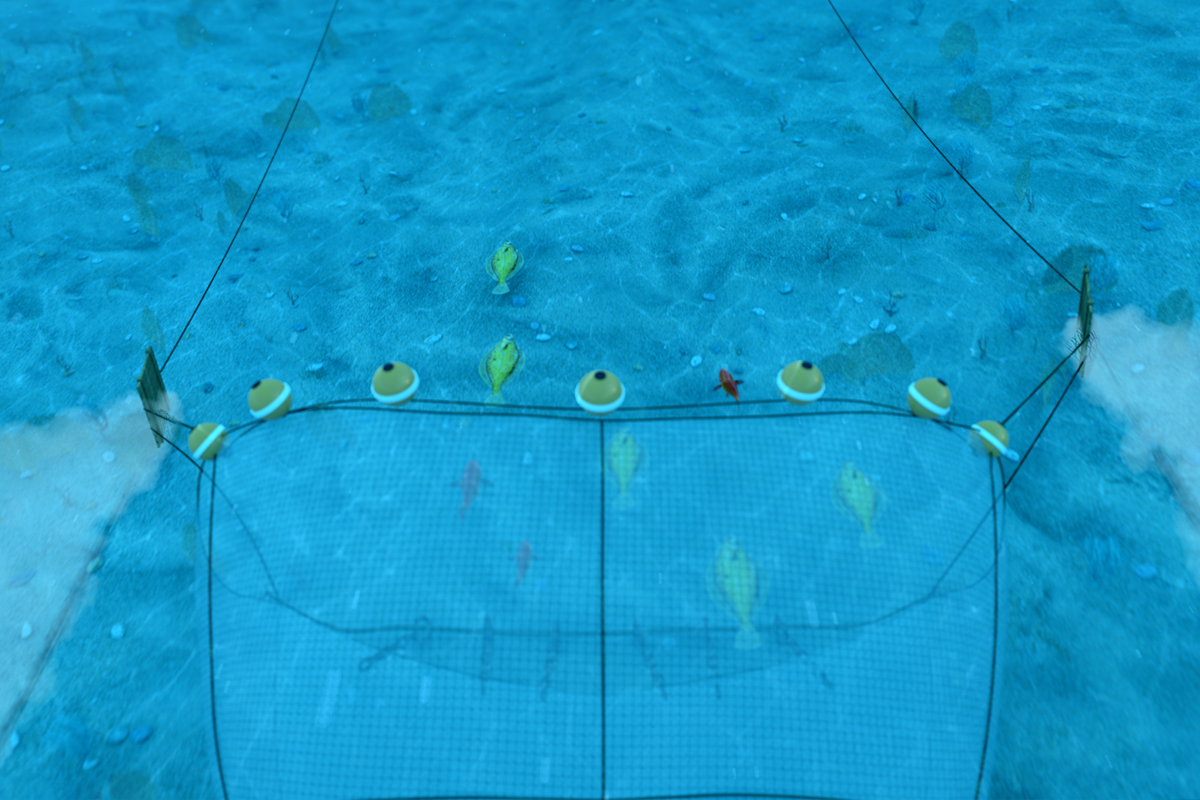
Ready, set, cook!
- Brush filets with olive oil. Season with salt, pepper, garlic powder, capers, and a squeeze of lemon. Bake at 375°F for 8-10 minutes until it flakes easily with a fork.
- Try blackened flounder and sole tacos. Rub fillets with smoked paprika, cumin, and oregano, and saute in vegetable oil for 3-5 minutes. Fill tortillas with fish, slaw, cilantro, and salsa.
- Serve miso-marinated flounder and sole with steamed rice and a garlicky-ginger bok choy.
Where to find
- Look for frozen wild Alaska flounder or sole fillets in the freezer section of your favorite grocery store.
- Fresh flounder or sole fillets may be available at the seafood counter or local fish market.
Top shopping tips
- Frozen flounder and sole are often easier to find and more affordable than fresh. You can easily thaw before cooking.
- Fresh wild Alaska flounder and sole may be available in season in certain regions of the country.
- Flounder and sole fillets are typically skinless, boneless, and ready-to-use, requiring minimal preparation or special cooking techniques.
See our sustainable flounder, plaice, & sole buying guide for more tips
More FAQs
Are Alaska flounder and sole high in mercury?
The Food and Drug Administration lists flounder and sole as healthy and safe options due to their lower mercury content, especially when compared to larger predatory fish. This makes them a safer go-to option for regular consumption, including for pregnant women and young children.
What if I can’t find flounder and sole from Alaska?
Choosing flounder and sole from the U.S. and Canadian Pacific is a good rule of thumb. There are also environmentally friendly options from the U.S. Atlantic, but it’s important to know what to buy and what to avoid. If you’re looking for sustainable flounder and sole but can’t find any from Alaska, several other options exist.
See our sustainable flounder, plaice, and sole buying guide for more tips
Explore more Super Green seafood
Animals & the ocean
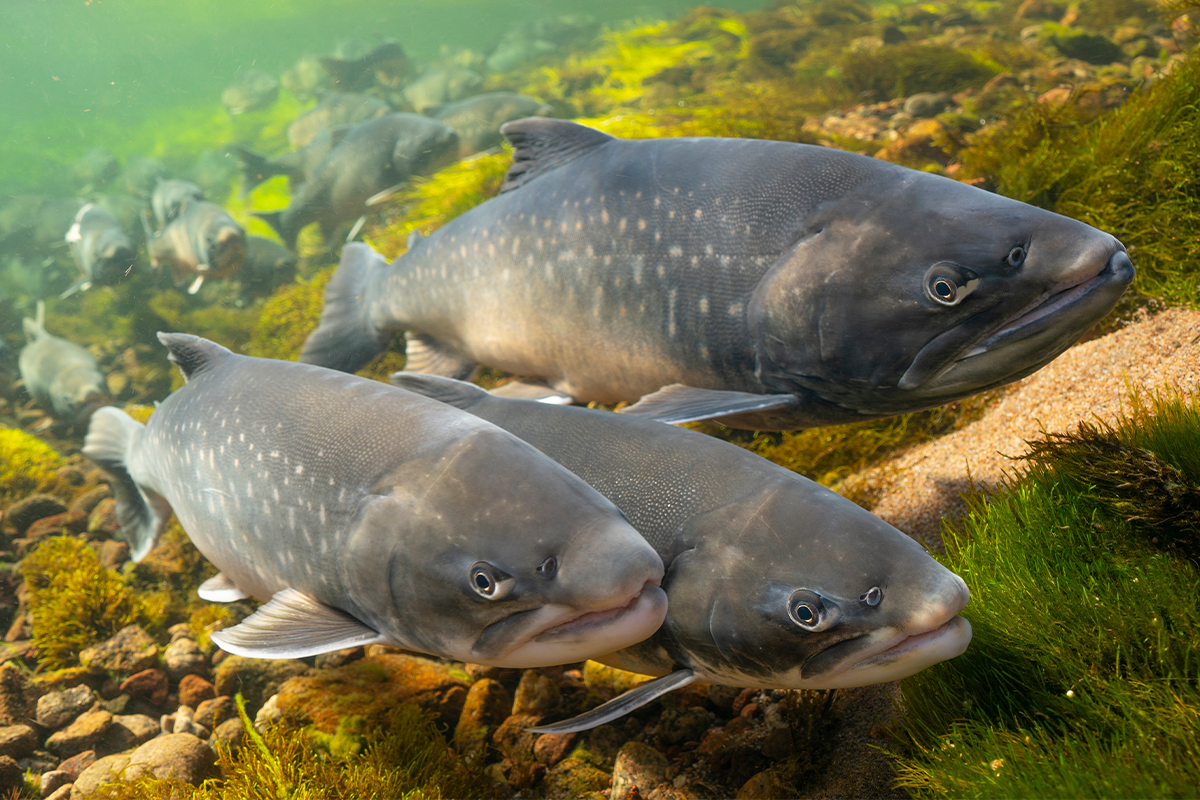
Arctic char
Hailing from frigid Arctic waters, this delicious fish is a sustainable and delicious alternative to salmon.
Read more – Arctic char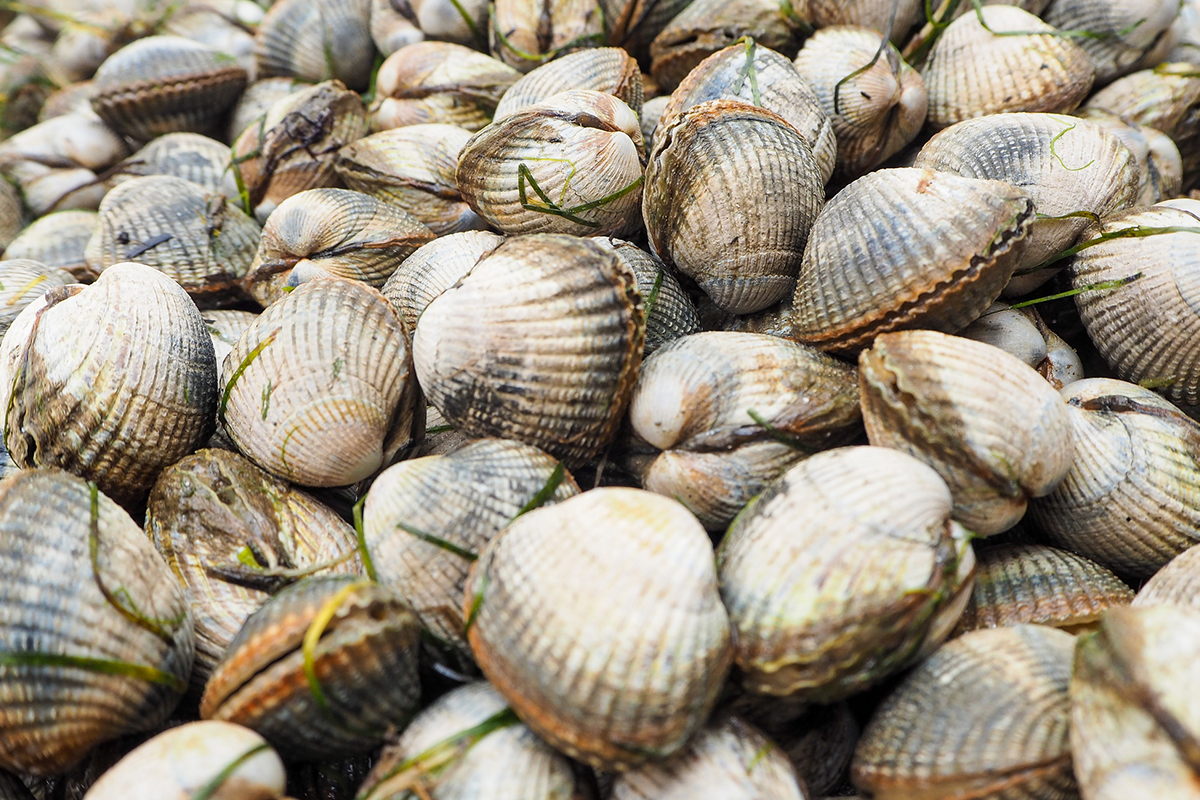
Animals & the ocean
Farmed clams
These beautiful bivalves are a sustainable, versatile culinary delight.
Read more – Farmed clams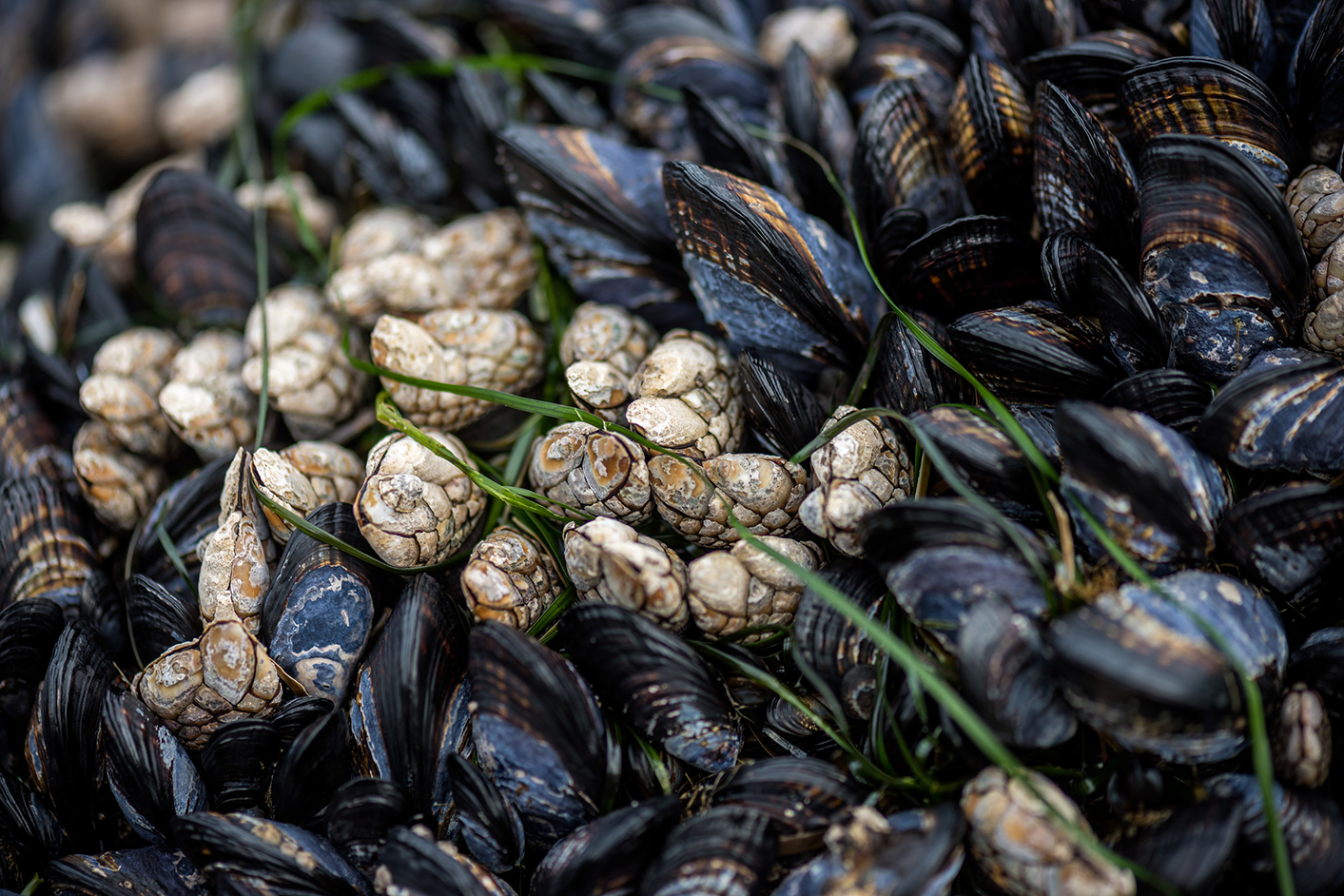
Animals & the ocean
Farmed mussels
Within each small mussel shell, you’ll find a treasure trove of essential nutrients.
Read more – Farmed mussels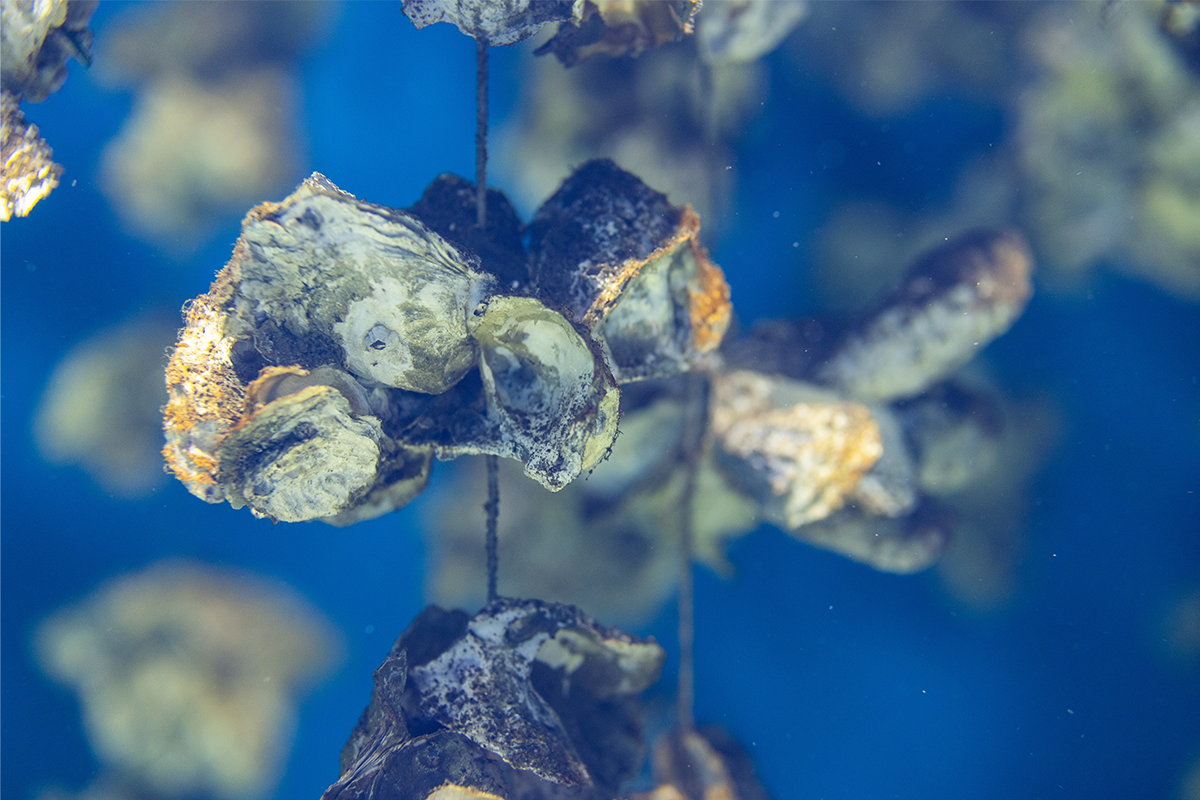
Animals & the ocean
Farmed oysters
Prized for their flavor and rich nutritional content, farmed oysters are a sustainable seafood option.
Read more – Farmed oysters