

Farmed oysters
The Super Green List
Prized for their flavor and rich nutritional content, farmed oysters are a sustainable seafood option that can enhance biodiversity and help to restore coastal ecosystems. This seafood is part of the Super Green List—seafood that’s good for you and the planet.
What are they?
Prized for their fresh-from-the-sea flavor, rich nutritional content, and beautifully colored and shaped shells, oysters have long been an important and versatile food staple of many coastal cultures around the world. These hinged-shelled bivalves thrive in both salt and freshwater systems. The waterways in which oysters are harvested influence their flavor—a concept called merroir by some oyster lovers—which can range from briny and minerally to sweet and buttery. Many oyster species, such as Pacific and Eastern oysters, are also rich in protein, essential omega-3 fatty acids, and important minerals like selenium and zinc.
Oysters also play a vital role in ecosystems by filtering water, and they’re often called ecosystem engineers because they form reef structures that serve as habitat for other species.
With a history spanning thousands of years, oysters have been enjoyed across many cultures, including the U.S. East and Gulf coasts, France, and Japan. From being a luxury food in ancient Rome to a common staple in modern American oyster bars, these hearty bivalves have stood the test of time. Today, oysters are primarily farmed using sustainable aquaculture methods, making them one of the world’s most sustainable, nutrient-rich animal protein sources.
Good for you
A healthy addition to your diet, oysters are high in protein, omega-3 fatty acids, and important vitamins and minerals. A three-ounce serving of raw Pacific oyster provides:
- A pop of protein, with eight grams of protein per serving to support muscle growth and repair.
- A B12 boost. You’ll get over 500 percent of your daily Vitamin B12 needs to support energy metabolism and nerve health.
- An immune-support bonus, as oysters provide more than 78 percent of the Daily Value for zinc, helping to strengthen your body’s natural defenses.
- Heart-healthy omegas, with 372 mg of EPA and 212 mg of DHA. This exceeds the daily recommendation for these omega-3 fatty acids and supports cardiovascular and brain health.
Good for the planet
Farmed oysters are rated green for environmental sustainability by Seafood Watch, and, since most oysters you’ll find in restaurants and grocery stores are farmed, there’s a good chance what you’re eating is sustainable.
Most global oyster farming occurs in Asia, with China, South Korea, and Japan accounting for 94 percent of global production. While the U.S. accounts for only 2.6 percent of global production, about 93 percent of the oysters consumed in America are farmed domestically. Oyster production in the United States is practiced in most coastal states, with Massachusetts leading the charge. Most U.S. oyster operations are small family businesses.
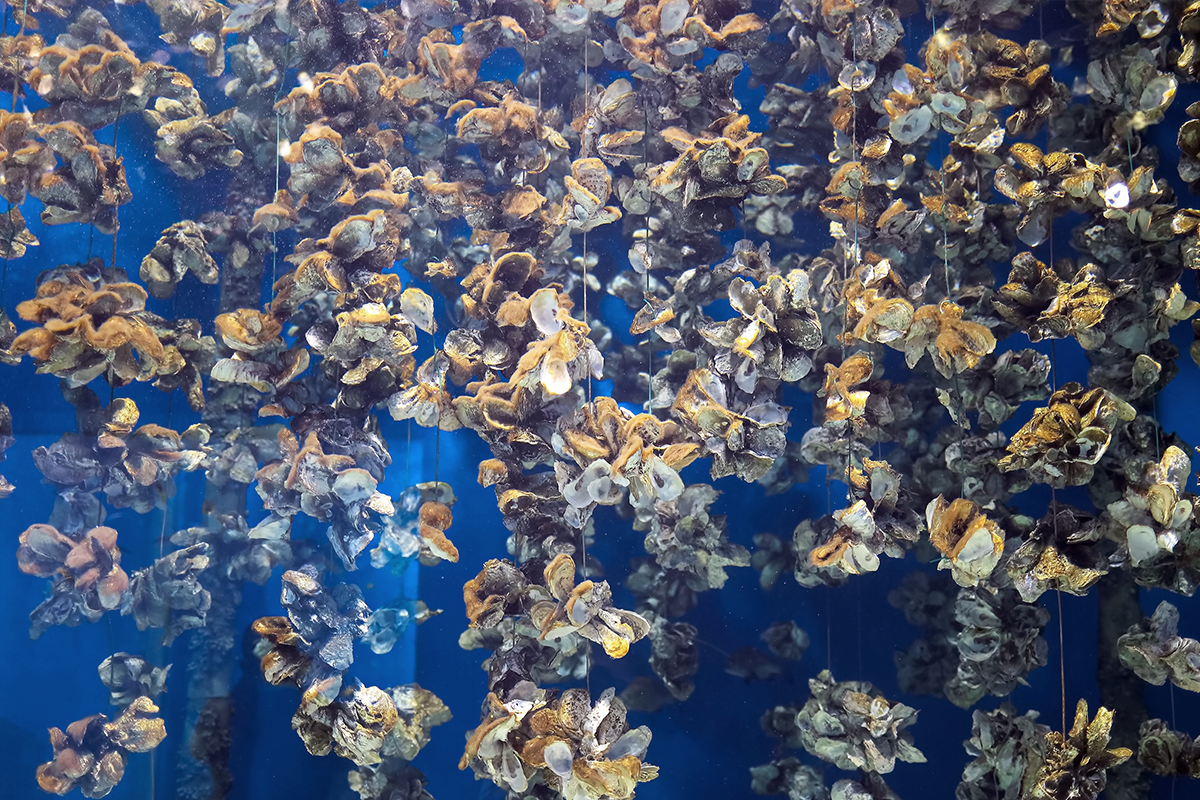
There are many different species of farmed oysters and several ways to grow them. The most commonly farmed species of oyster globally are Pacific oyster, European flat oyster, and Eastern oyster, while American cupped oyster and Pacific cupped oyster are the most common varieties grown in the U.S. Oysters are farmed using both on-bottom and off-bottom aquaculture production methods. Bottom culture involves growing shellfish on the seabed while off-bottom culture involves growing oysters in ways where they don’t touch the ocean floor.
As filter-feeders, farmed oysters aren’t given external feed, getting their nutrition from the ocean water around them instead. Oyster production also doesn’t typically rely on chemicals. Instead, manual labor, like pressure-washing and freshwater baths, is used to prevent and remove predators and fouling organisms.
Oyster farming is generally a boon to the environment, too. It’s associated with a host of ecological benefits for water quality, nutrient cycling, habitat creation, and shoreline stabilization. For example, oyster farming has been shown to improve water quality by filtering out excess nutrients. They’re a great choice for you and the planet.

Oyster farming is generally a boon to the environment and is associated with a host of ecological benefits.
Ready, set, cook!
- Grill fresh oysters on the half-shell, adding a squeeze of lemon or a drizzle of olive oil for a simple yet show-stopping dish packed with the flavors of the sea.
- Sauté canned oysters with garlic, ginger, soy sauce, and sesame oil. Then toss with noodles, and top with green onions and a sprinkle of toasted sesame seeds.
- Use frozen oysters to create a simple baked dish: Thaw oysters, then top with garlic butter, breadcrumbs, and Parmesan cheese. Broil for 5-7 minutes until golden and bubbly.
Where to find
- Look for oysters in fresh, refrigerated, frozen, or canned forms at seafood markets or grocery stores.
- Find frozen oysters conveniently prepared in the half shell or as frozen oyster meat in your local grocer’s frozen seafood section.
- Try canned or smoked oysters, which come in a variety of global flavors, such as red chili pepper or herbed olive oil. These options are nutritious, ready-to-use, and shelf stable.
Top shopping tips
- Fresh oysters are a signature way to enjoy these nutrient-rich powerhouses, though they tend to be more expensive. Choose fresh oysters with tightly closed or responsive shells, a heavy feel, and a clean, briny ocean scent. When opened, the flesh should be plump and moist, not dry or shriveled.
- Fresh tubs of oyster meat offer a highly convenient and versatile option for enjoying the benefits of oysters. Packed in their natural juices, they retain their briny flavor and are ready to use in recipes, making them a time-saving, nutritious, and cost-effective alternative to fresh oysters in the shell.
- Frozen and canned oysters are usually more affordable than fresh, without sacrificing flavor or health benefits. These forms of oysters are also less perishable and less prone to foodborne bacteria.
See our sustainable clams, mussels, oysters, & scallops buying guide for more tips
More FAQs
Are oysters safe to eat raw?
Raw oysters are a popular delicacy long enjoyed by diverse and traditional coastal cultures. However, according to the U.S. Department of Agriculture, consuming raw shellfish can pose a potential risk for foodborne illness, especially for individuals with weakened immune systems. If you choose to consume oysters raw, always buy from trusted sources, including reputable seafood markets, certified shellfish suppliers, and grocery stores that follow proper handling and safety protocols. Store fresh oysters in the refrigerator at 40°F or below, keeping them in their shells on a tray covered with a damp cloth, and consume within 1-2 days to ensure safety. If in doubt, cook them, or opt for canned or frozen options.
How do oysters contribute to sustainability?
Oysters play a crucial role in our ecosystems by filtering water, removing pollutants, and providing important habitat diversity for marine life. Farmed oysters, in particular, are a sustainable seafood option with minimal environmental impact, as they require no feed or fertilizers to be produced. Additionally, oyster farming can enhance biodiversity, support regional economic resilience, and help to restore coastal ecosystems.
Oyster recipe
Recipe
Smoked oysters and sweet pea carbonara with fresh dill
This twist on a classic Roman dish pairs umami-rich smoked oysters with dill, lemon zest, and spring peas.
Explore more Super Green seafood
Animals & the ocean
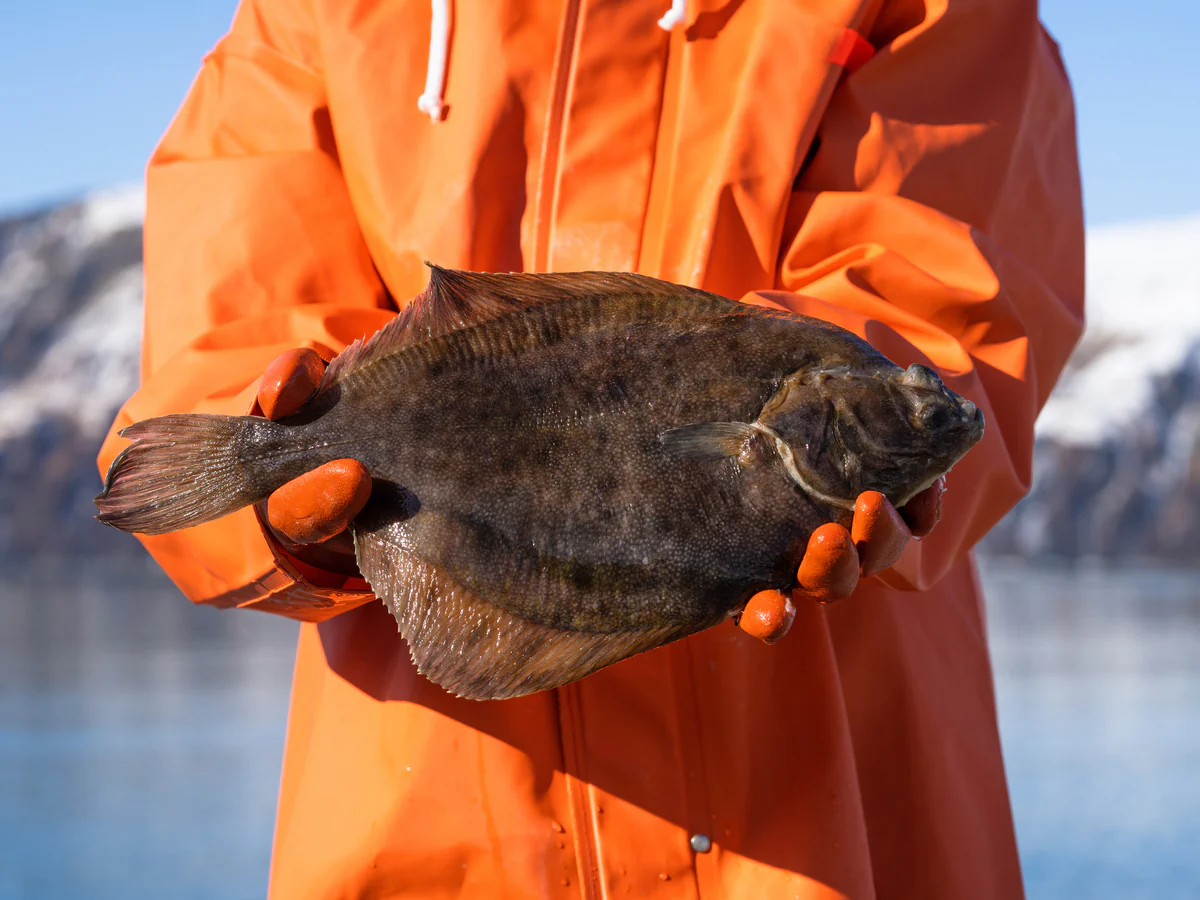
Alaska flounder & sole
Choose flounder and sole caught in Alaska for a delicious, sustainable whitefish.
Read more – Alaska flounder & sole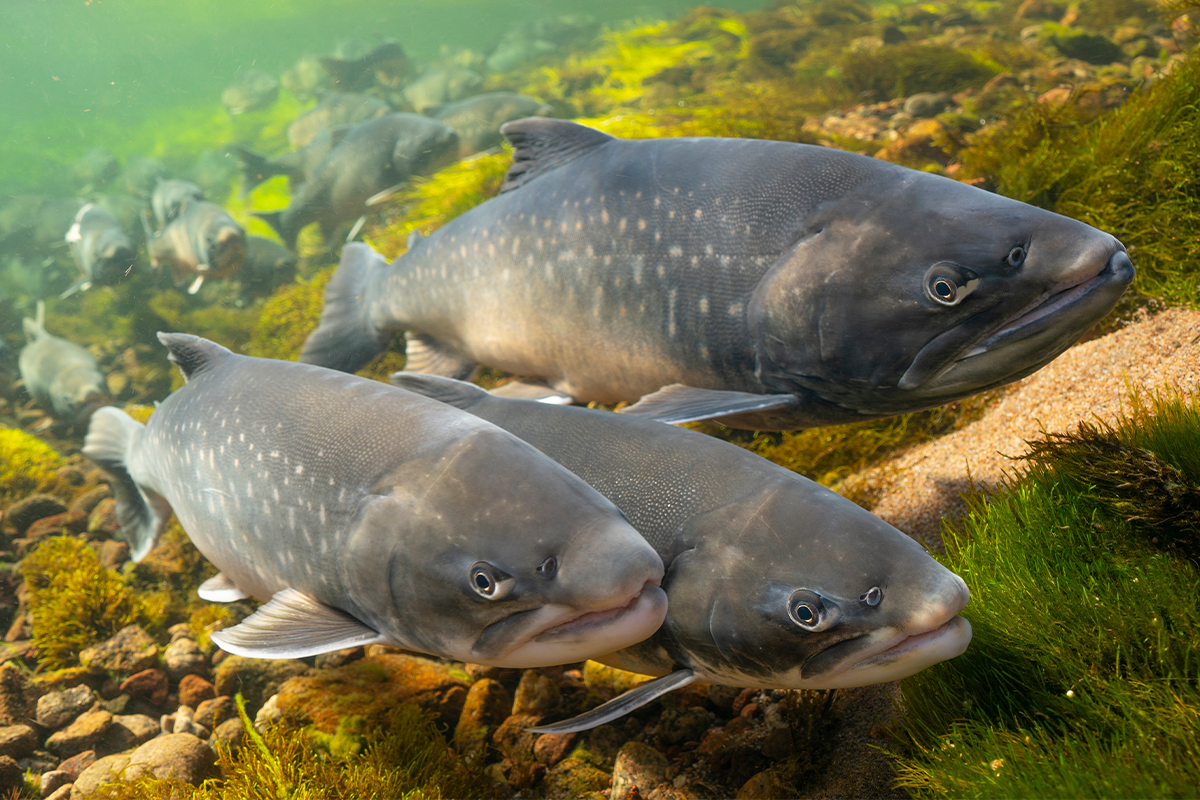
Animals & the ocean
Arctic char
Hailing from frigid Arctic waters, this delicious fish is a sustainable and delicious alternative to salmon.
Read more – Arctic char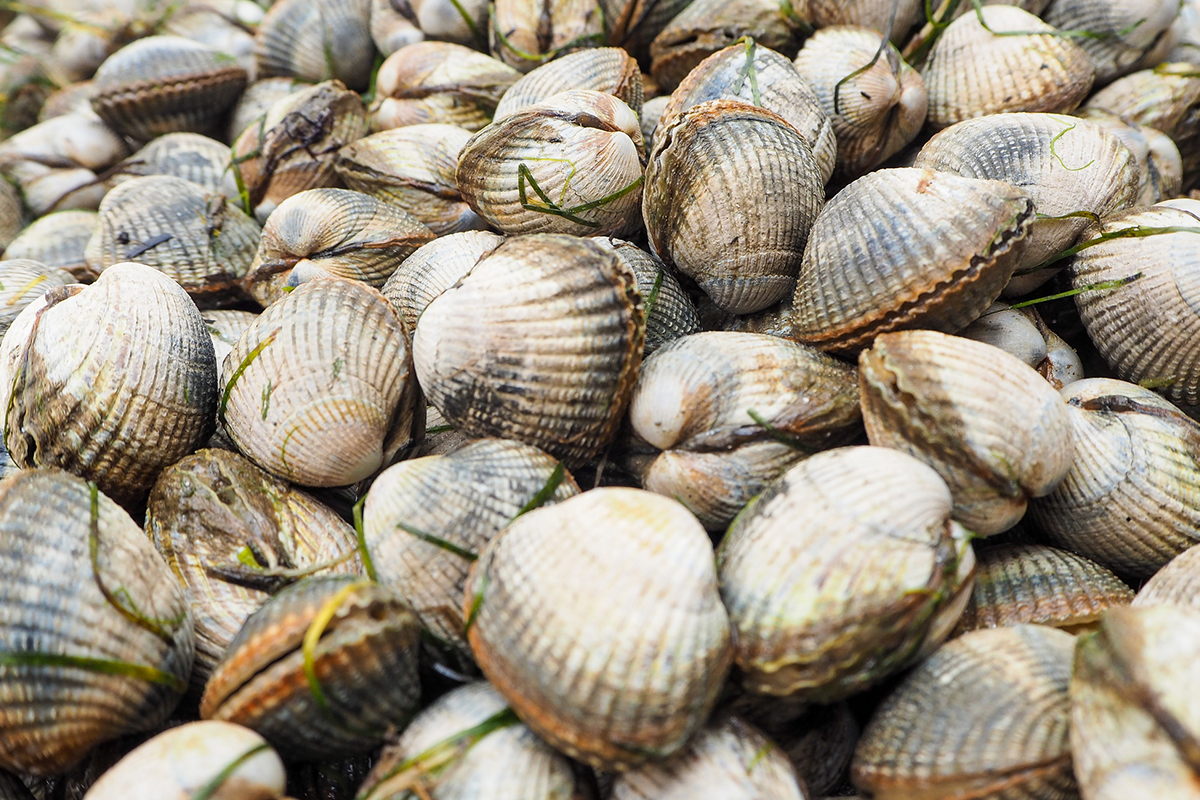
Animals & the ocean
Farmed clams
These beautiful bivalves are a sustainable, versatile culinary delight.
Read more – Farmed clams
Animals & the ocean
Farmed mussels
Within each small mussel shell, you’ll find a treasure trove of essential nutrients.
Read more – Farmed mussels