

Farmed mussels
The Super Green List
With a delicate buttery taste of the sea, mussels are perfectly suited for your favorite dishes, from pizza and sandwiches to pasta and soups. This seafood is part of the Super Green List—seafood that’s good for you and the planet.
What are they?
Mussels are bivalves, a category of aquatic mollusks that have bodies enclosed within a hinged shell. This nutritious seafood has a long, rich cultural history in many parts of the world. Hand-harvested along marine and freshwater coastal waterways for millennia, you can find an abundance of global bivalve varieties in an array of colors, shapes, and sizes, including blue mussels (Mytilus edulis), the most common variety in the U.S.; hatchet-shaped mejillónes de galicia in Spain; and green-lipped mussels found only in New Zealand—a staple in Indigenous Māori diets.
Today, most of the mussels you’ll buy or order at a restaurant in the U.S. are probably farmed. Aquaculture—fish farming—accounts for 94 percent of all commercial global mussel production. That’s good news! Aside from being healthy and delicious, farmed mussels are rated green by Seafood Watch for environmental sustainability.
Good for you
Mussels are nutrition superstars. One serving (three ounces or 85 grams) of steamed blue mussels provides:
- 20 grams of protein
- 23 percent Daily Value of thiamin
- 850 percent Daily Value of vitamin B12
- 33 percent Daily Value of iron
- 28 percent Daily Value of zinc
You can enjoy multiple health benefits by including mussels as part of your health goal of eating seafood twice a week, as recommended by the U.S. Department of Agriculture's Dietary Guidelines for Americans:
- Maintain a healthier immune system, thanks to nutrients like vitamins A and E and zinc.
- Decrease risk of cardiovascular disease due to heart-healthy omega-3 fatty acids DHA and EPA.
- Help improve brain health, including reduced risks of depression and dementia, linked with omega-3 fatty acid intake.
Good for the planet
The environmental impacts of mussel farming are minimal, and in some cases, it can even benefit surrounding ecosystems.
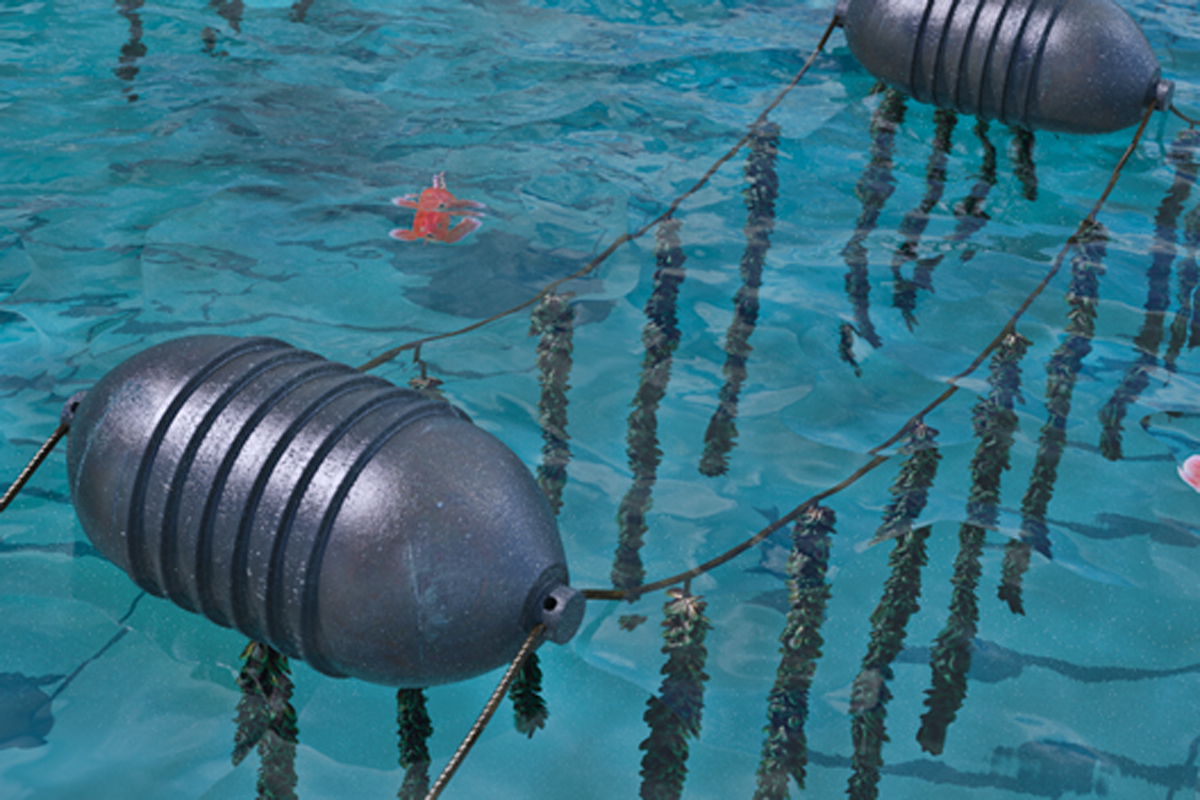
Mussels are farmed using a range of production systems. Bottom culture involves growing bivalves on the seafloor. Off-bottom culture involves growing bivalves in ways where they don’t touch the ocean floor. For example, raft culture entails growing bivalves on old shells that have been punctured, strung together, and attached to raft-like structures. Farming usually takes place in shallow coastal waters.
Farmers don’t feed mussels. Instead, these filter feeders gather food like organic matter and phytoplankton naturally from the ocean water around them. Filter feeding can improve water quality by reducing nitrogen and phosphorus levels. Mussels can also help reduce suspended solids—tiny particles that make the water hazy. In places where wild mussel beds have been depleted, farmed mussels can provide these important ecosystem services instead.

Mussels are farmed using a range of production systems, including bottom culture and off-bottom culture.
Ready, set, cook!
- Steam fresh, in-shell mussels by boiling them in water or seasoned broth for 5-6 minutes, until the shells open.
- Serve steamed mussels over pasta or rice, in soups or stews, or with sauteed vegetables.
- Spoon canned mussels over whole-grain toast or crackers as a protein-rich snack or meal.
- Make a savory Mediterranean stew with fresh or frozen mussels, cooked in a tomato-herb broth.
Where to find
Look for mussels in the supermarket in a variety of easy-to-use forms, including:
- Fresh, in-shell mussels from the seafood counter or local fishmonger.
- Frozen whole mussels or mussel meat in the frozen seafood aisle.
- Canned mussels, also available in seasoned varieties, such as smoked, and in tomato sauce or olive oil with herbs, are in the canned seafood section.
Top shopping tips
- While fresh mussels are delicious, they may cost more in some supermarkets.
- Frozen and canned mussels are often more affordable, convenient, versatile, and shelf-stable. They can help you create easy, nutritious meals with minimal food waste.
- You can swap out fresh mussels for frozen or shelf-stable mussels in most recipes.
See our sustainable clams, mussels, oysters, & scallops buying guide for more tips
More FAQs
Should I worry about food allergies to mussels?
Just because you have a fish or shellfish allergy, it doesn’t automatically mean you are allergic to mussels, according to Food Allergy Research & Education. They are in a different category than crustaceans, such as shrimp, crab, and lobster. Mussels are less likely to be linked with allergies. Talk to your healthcare provider if you have questions.
Are locally produced mussels available in my region?
In the U.S., most farmed mussels are imported. In 2018, the U.S. imported 30,889 metric tons of mussels, primarily from Canada, Chile, and New Zealand. U.S. aquaculture only produced 406 metric tons of mussels in 2016. U.S. mussels are farmed mainly in Washington, California, Maine, Rhode Island, and the Chesapeake Bay, but you can find them in many supermarkets across the country.
Mussel recipe
Recipe
Mediterranean mussels and arugula pizza
This crave-worthy pizza recipe features green-rated farmed mussels, chickpeas, olives, lemon, and parsley.
Explore more Super Green seafood
Change & impact
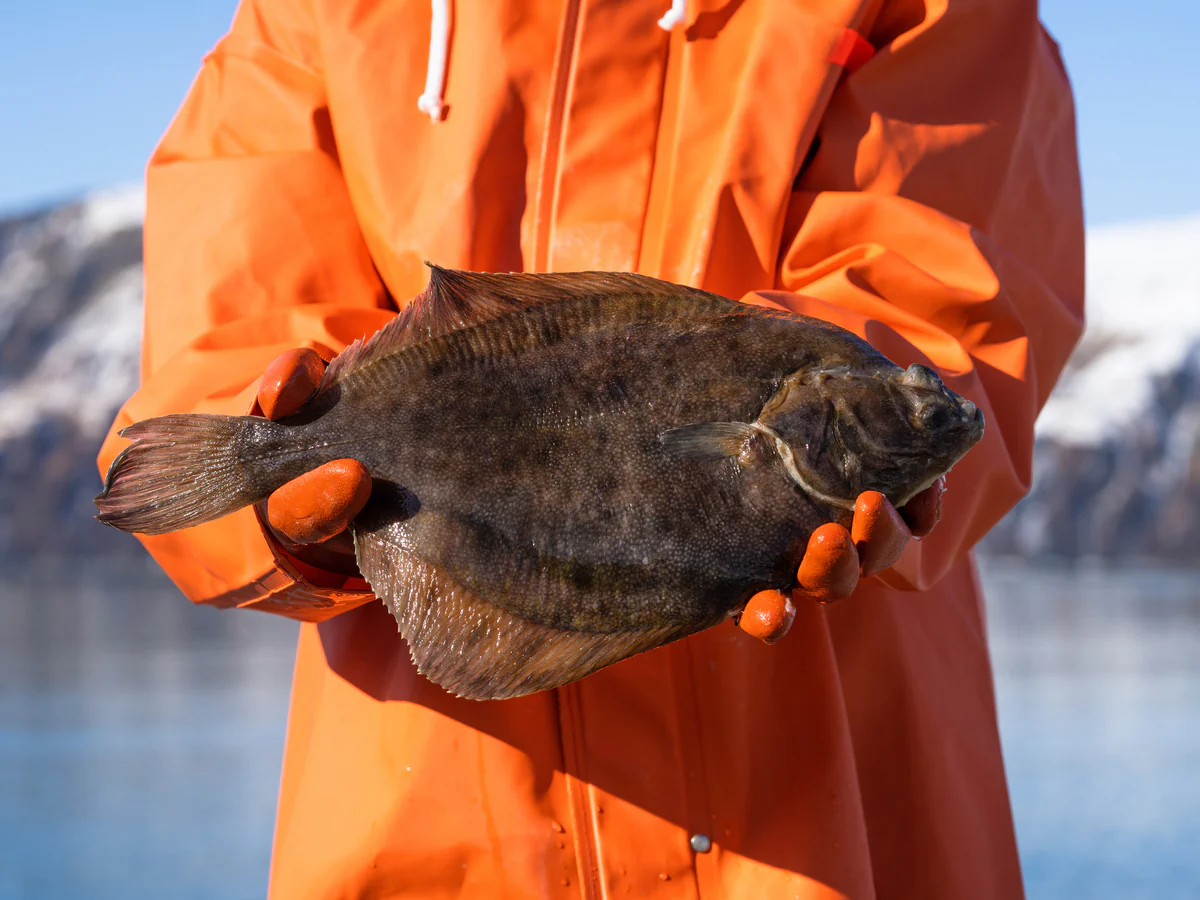
Alaska flounder & sole
Choose flounder and sole caught in Alaska for a delicious, sustainable whitefish.
Read more – Alaska flounder & sole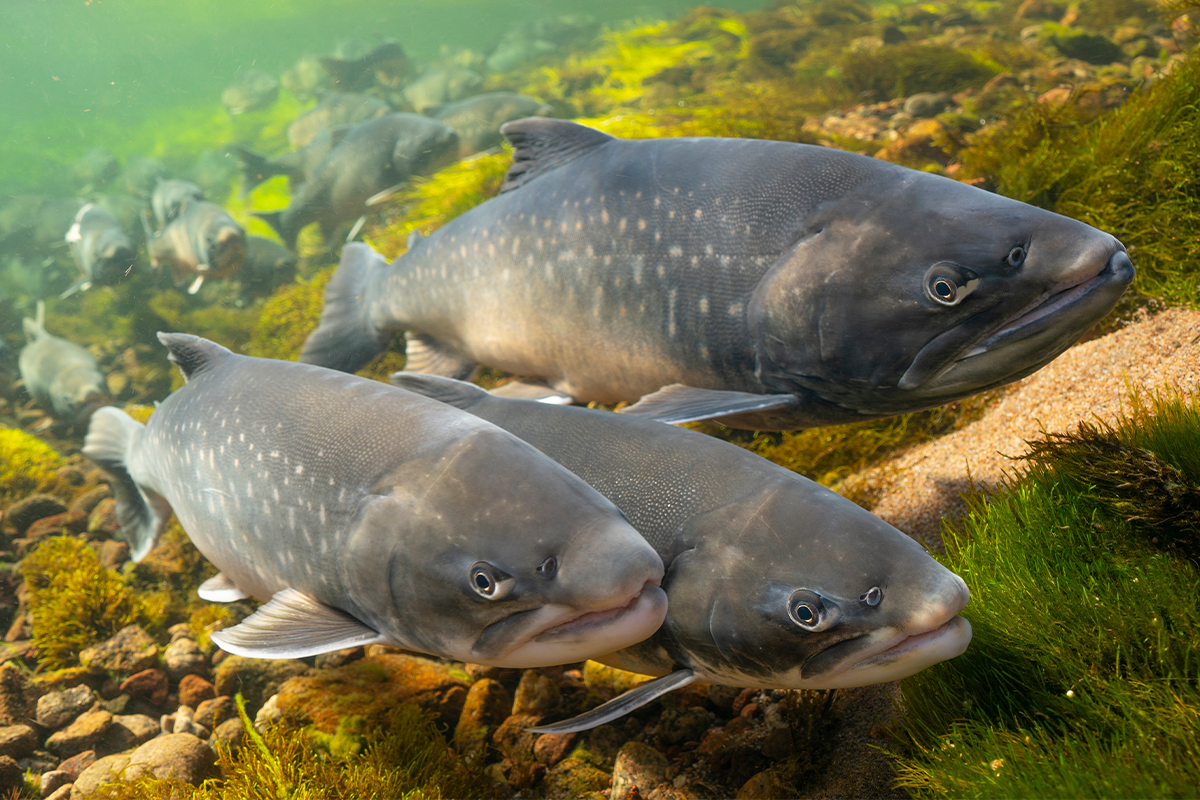
Change & impact
Arctic char
Hailing from frigid Arctic waters, this delicious fish is a sustainable and delicious alternative to salmon.
Read more – Arctic char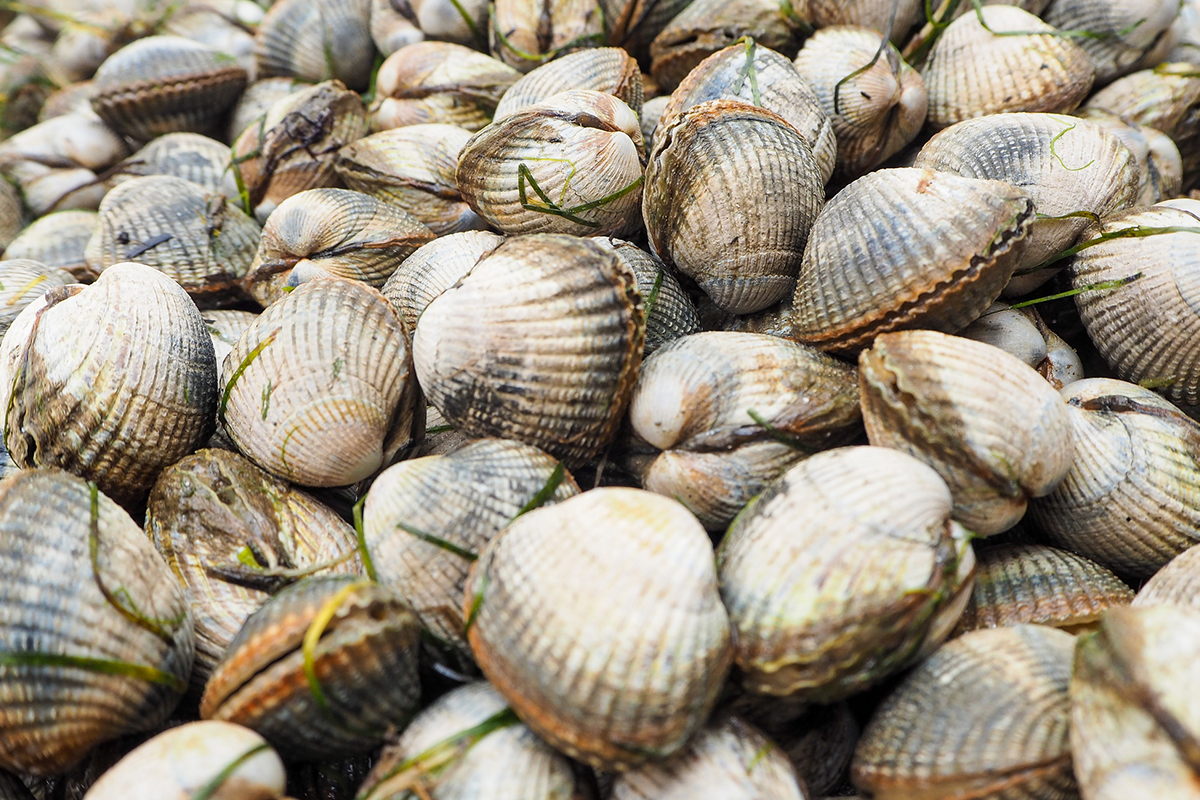
Change & impact
Farmed clams
These beautiful bivalves are a sustainable, versatile culinary delight.
Read more – Farmed clams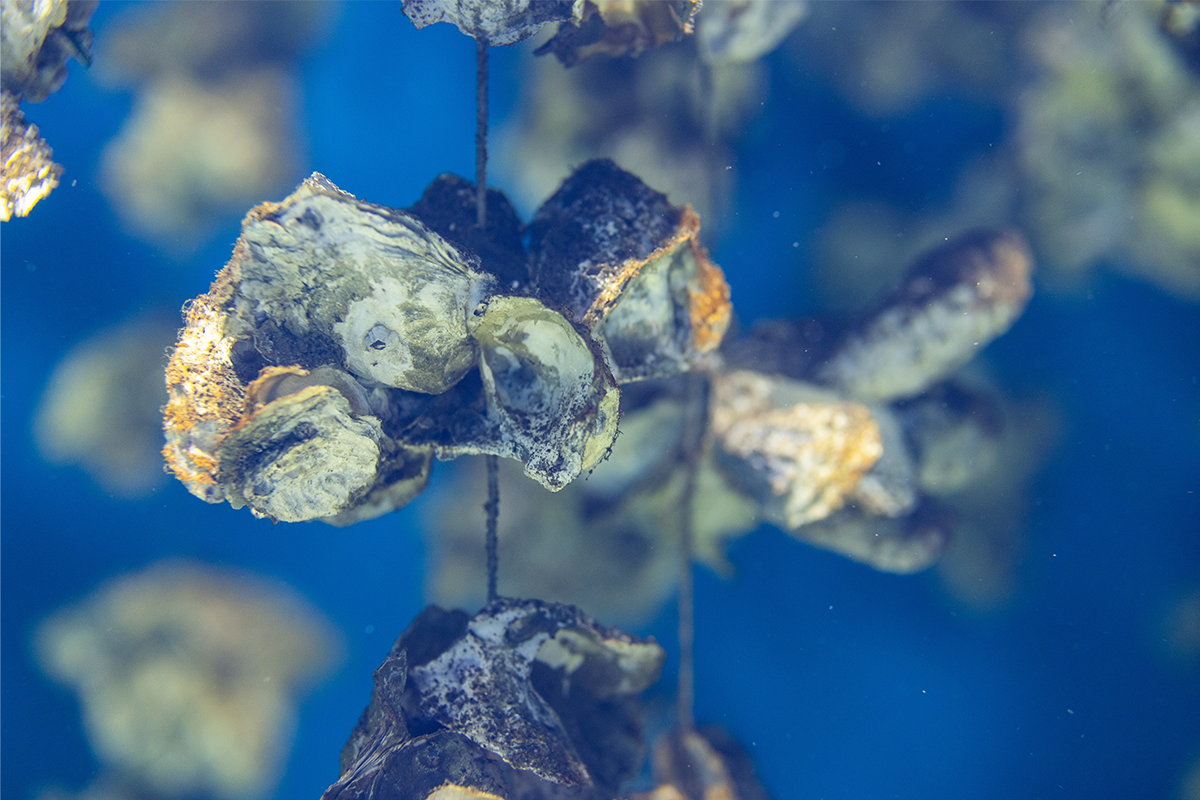
Change & impact
Farmed oysters
Prized for their flavor and rich nutritional content, farmed oysters are a sustainable seafood option.
Read more – Farmed oysters