

Farmed clams
The Super Green List
This seafood is part of the Super Green List—seafood that’s good for you and the planet.
These beautiful bivalves are a sustainable, versatile culinary delight—perfect for both special occasions and weeknight dinners.
What are they?
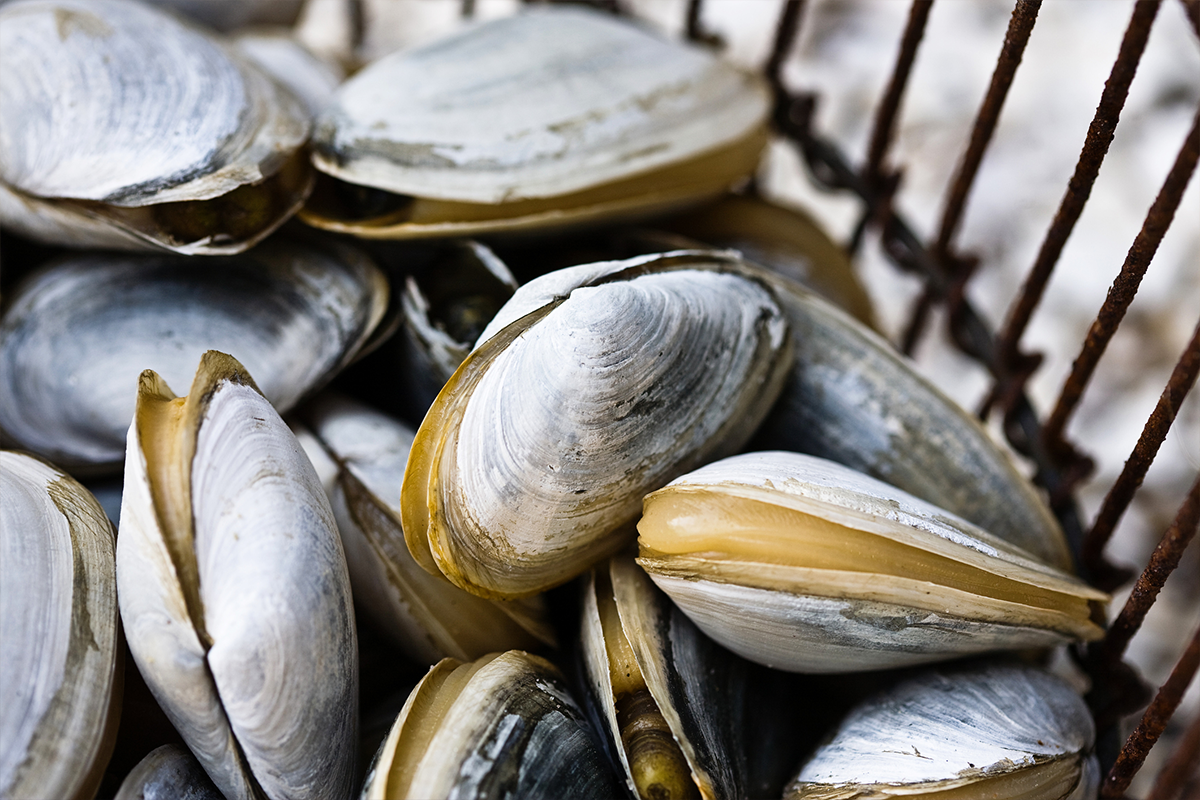
Clams are bivalve mollusks, which means the soft-bodied animals are housed within two hinged shells. With a stunning array of shapes and shimmering colors, there are hundreds of types of clams worldwide, each boasting its own distinctive flavor, traditional harvest method, and culinary history. Cherrystone, littleneck, razor clam, cockle, steamer, and quahog are just some of the varieties you may see on a menu, recipe, or seafood display at your favorite grocery store or seafood market.
Sweet and briny, tender and meaty, with a clean hint of the sea are just a few of the descriptors bestowed upon clams to celebrate their rich diversity of flavors. Clams are a traditional food source for many North American Indigenous communities along the Atlantic and Pacific coasts, who have relied on them as an accessible, plentiful, nourishing food source. Many cultures enjoy clams as everyday foods, from dishes like clams with Thai coconut green curry to ceviche de almejas. Other people associate clams with dining in restaurants or special feasts, such as a New England clambake.
Most clams you’ll find in the U.S. are farmed and rated green for environmental sustainability. They’re among the most sustainable seafoods you can buy! Clam-curious eaters can try easy ways to add this healthy, sustainable protein to their diets, such as topping pizza with clams, adding them to chili, or trying smoked clams on a charcuterie board.
Good for you
There’s a lot of nutrition packed into that shell!
- Get a protein bonus. Clams are a protein powerhouse with 15-20 grams per three-ounce serving (without shell), depending on variety. This makes them an excellent source of lean protein for muscle maintenance and repair.
- Enjoy a boost of nutrients thanks to clams’ rich profile of essential micronutrients, including vitamin B12, choline, and selenium. These are important for supporting healthy blood and nerve cells, brain and nervous function, and antioxidant defense.
- Gain omega-3 fatty acids in your diet. Clams contribute to your daily suggested intake of the long-chain omega-3s EPA and DHA, which support cardiovascular health and brain function and help reduce inflammation.
Good for the planet
Around the world, people love clams—so much so that wild clams can’t keep up. That’s where aquaculture comes in. Clam farming has grown rapidly since about 1990, following consumer demand. It’s a great example of how aquaculture, when done well, can both meet people’s growing demand for delicious protein sources and protect the ocean.
About 5,392,277 metric tons of clams, cockles, and arkshells (excluding Pacific geoduck, which has its own Seafood Watch assessments) were farmed globally in 2015. The U.S. produces about half of its demand for clams domestically and imports the rest. Most clam imports come from China, with smaller quantities from Canada and Vietnam. In the U.S., Virginia is the leader in clam production, and farming also occurs in other states, including Florida.
Usually, small clam seedlings are raised in hatcheries. Once they’re large enough, they’re planted—buried in mud, sand, or gravel in intertidal or shallow subtidal zones near the ocean—to grow until they’re big enough to harvest. To keep predators from chowing down, growers sometimes lay a plastic mesh cover over the seedlings. Alternatively, seedlings are sometimes placed in large polyester mesh bags before planting for the same reason.
Filter feeders, such as clams, sift nutrients from the water around them. They aren’t given any extra feed or fertilizer. Clams can actually improve water quality and nutrient cycling near farms.
In North America, clam farms also don’t use chemicals. Instead, manual labor, such as pressure washing or freshwater baths, is used to prevent and remove clam predators, and good husbandry helps limit disease rather than relying on antibiotics. (Note: There is some evidence of chemical use in China to remove predators and competitors.)
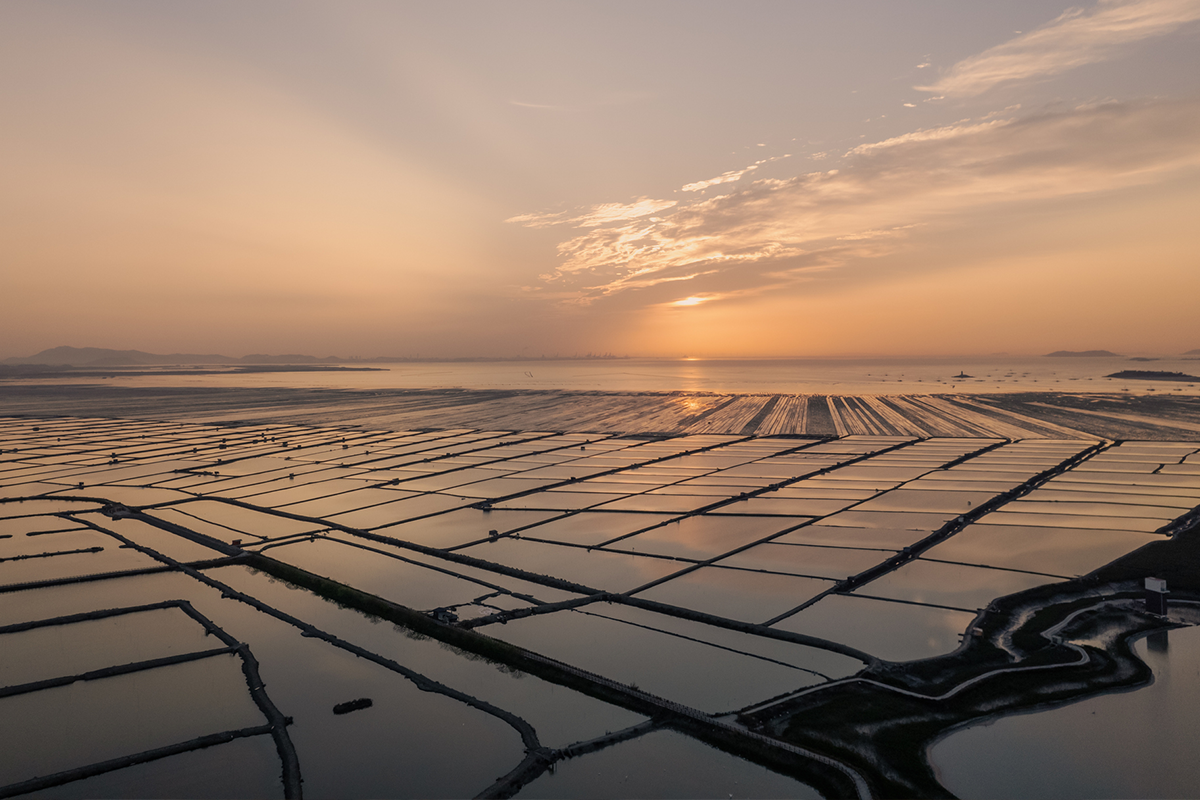
Clam farming is a great example of how aquaculture, when done well, can both help support people’s rising need for delicious protein sources and protect the ocean.
Ready, set, cook!
- Simmer fresh clams with wine, lemon, garlic, and fresh herbs, and serve with bread to sop up the sauce! Enjoy clams al mojo de ajo as a tasty Mexican version of this dish.
- Toss together canned clams with noodles, soy sauce, ginger, garlic, cilantro, and crispy shallots for a quick and easy meal.
- Try grilled fresh clams drizzled with a flavorful sriracha, miso, and lime oil for a smoky, spicy, umami-packed dish.
Where to find
Even if you don’t live near the sea, you can still find many different easy-to-use forms of clams at the grocery store, such as:
- Fresh, in-shell clams from the seafood counter or local fishmonger.
- Frozen whole clams or breaded clam strips in the frozen seafood aisle.
- Canned clams (whole or chopped) packed in water, brine, or clam juice in the canned seafood section. Some varieties come smoked or flavored with spices and seasonings.
Top shopping tips
- When you’re shopping for fresh, in-shell clams on ice at the seafood counter in grocery stores and seafood markets, look for those that smell clean and briny, but not fishy. They often come in breathable bags with a harvest date, location, and use-by date. If buying loose, fresh clams, you can ask your fishmonger for this information.
- Clams are also available in and out of the shell in frozen form, which can offer an affordable, convenient, accessible swap for fresh clams in many recipes.
- Canned clams can be a cost-effective, shelf-stable, easy option for adding this superfood to your diet, especially if fresh or frozen clams are not available. Simply open and serve! Look for your favorite brined, smoked, or seasoned varieties.
See our sustainable clams, mussels, oysters, & scallops buying guide for more tips
More FAQs
Should I be concerned about food safety when purchasing clams?
To safely select shellfish, including clams, the Food and Drug Administration recommends the following:
- Look for the label on fresh clams. This is the tag on the breathable bag that lists the producer and indicates they were harvested in accordance with national shellfish safety standards. If buying loose clams, you can ask your fishmonger to share the tag information.
- Discard any cracked or broken shells when purchasing fresh clams.
- Do a tap test. Live clams will close when their shells are tapped. If they don’t close when tapped, don’t buy them.
- Check the package. Don’t buy frozen clams if the package is open or has signs of frost or ice crystals, which may indicate the package was thawed and refrozen.
- Store properly. Store on ice or in the refrigerator below 40°F. (Some sources also suggest putting clams in a bowl covered by a damp cloth or paper towel when storing in the fridge.) Use within two days. Follow package directions for thawing frozen clams.
- Separate for safety. To minimize the risk of cross-contamination, keep raw clams separate from ready-to-eat foods during storage and food preparation. Wash your hands and any cutting boards, dishes, and utensils between preparing raw foods and ready-to-eat foods.
Clam recipe
Recipe
Taiwanese stir-fried clams with basil
Clams and fragrant basil make this a favorite Taiwanese dish, with aromas that recall the streets of Taiwan.
Explore more Super Green seafood
Change & impact
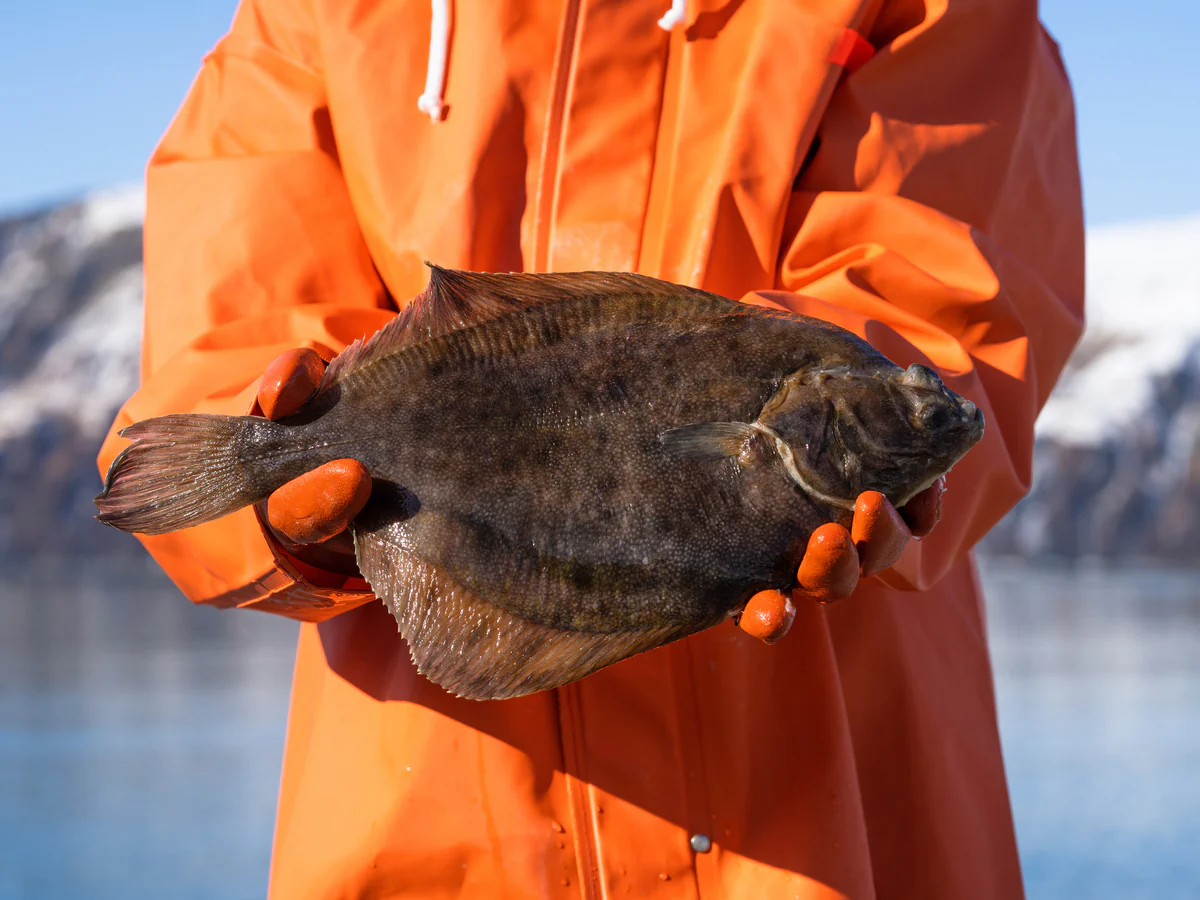
Alaska flounder & sole
Choose flounder and sole caught in Alaska for a delicious, sustainable whitefish.
Read more – Alaska flounder & sole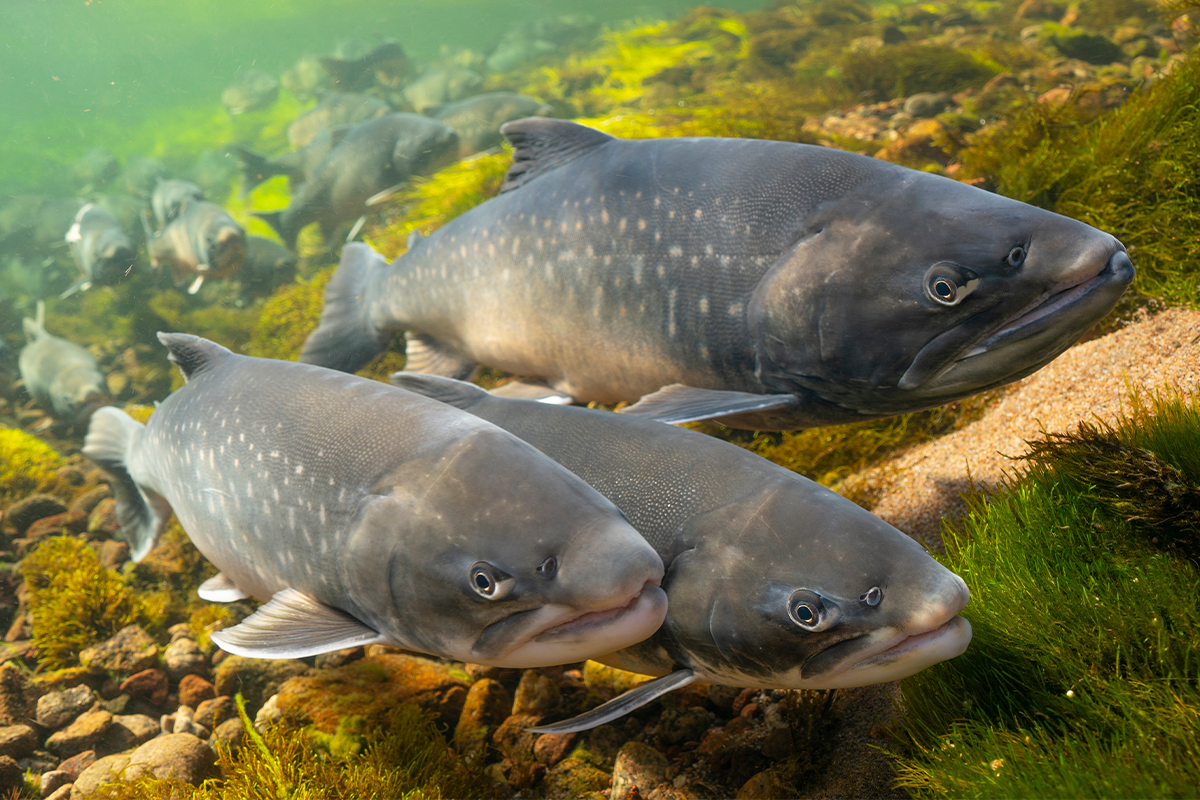
Change & impact
Arctic char
Hailing from frigid Arctic waters, this delicious fish is a sustainable and delicious alternative to salmon.
Read more – Arctic char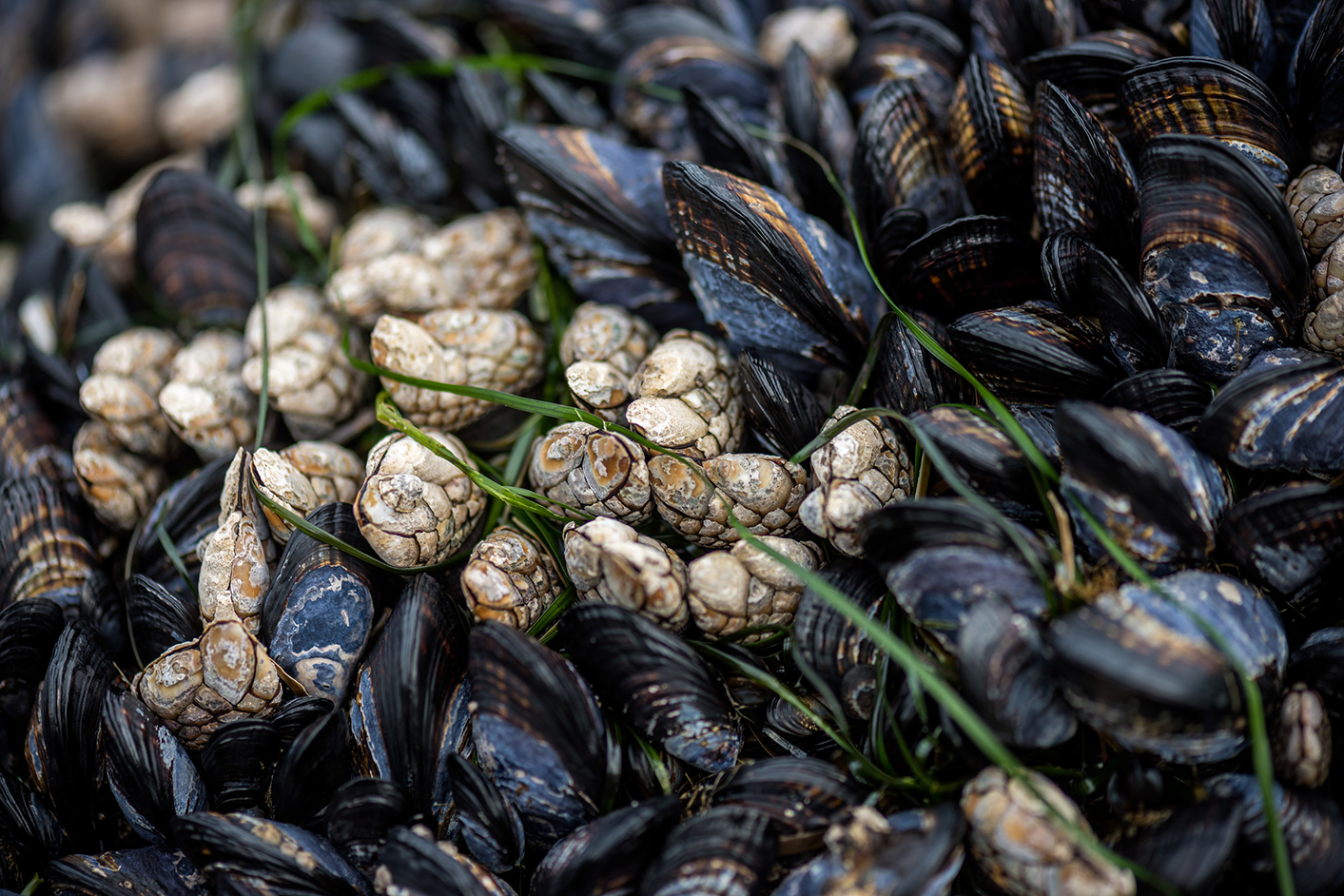
Change & impact
Farmed mussels
Within each small mussel shell, you’ll find a treasure trove of essential nutrients.
Read more – Farmed mussels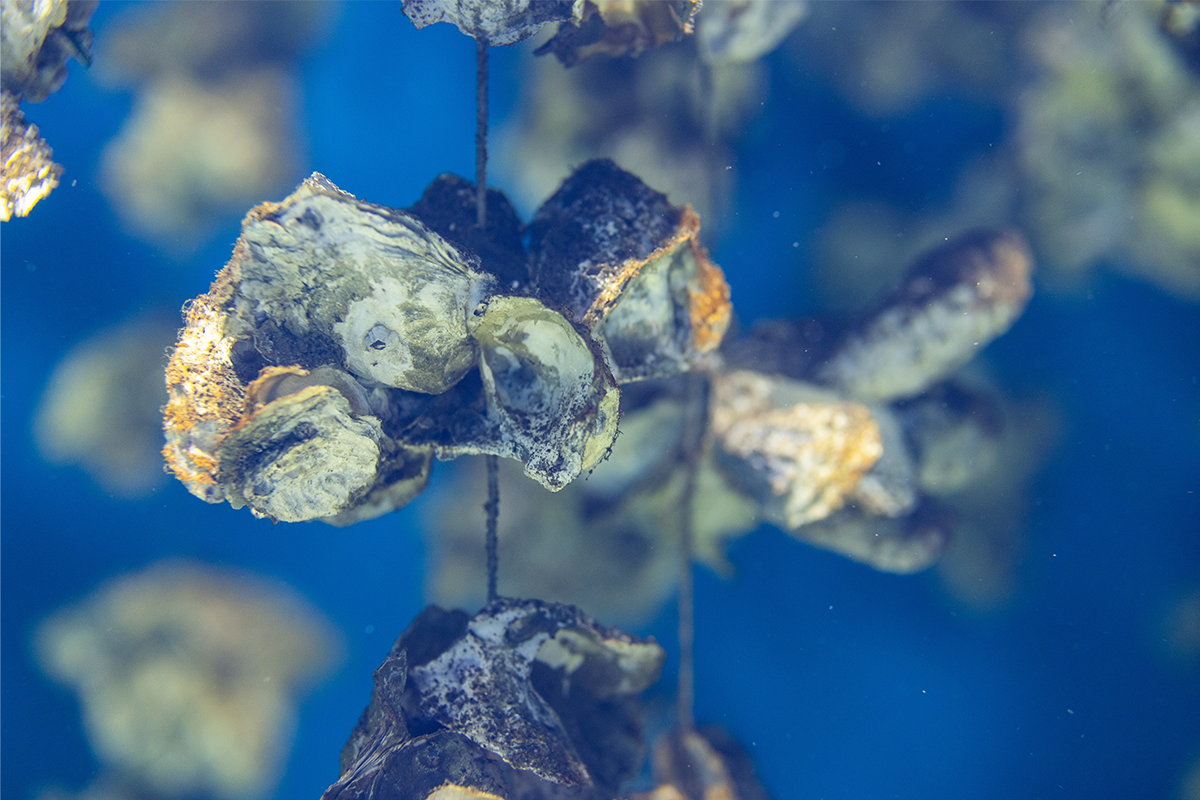
Change & impact
Farmed oysters
Prized for their flavor and rich nutritional content, farmed oysters are a sustainable seafood option.
Read more – Farmed oysters