

U.S. farmed rainbow trout
The Super Green List
Whether tossed on the grill, added to a soup or curry, or enjoyed straight out of the can, rainbow trout is a cinch to swap into your favorite fish recipes. This seafood is part of the Super Green List—seafood that’s good for you and the planet.
What are they?
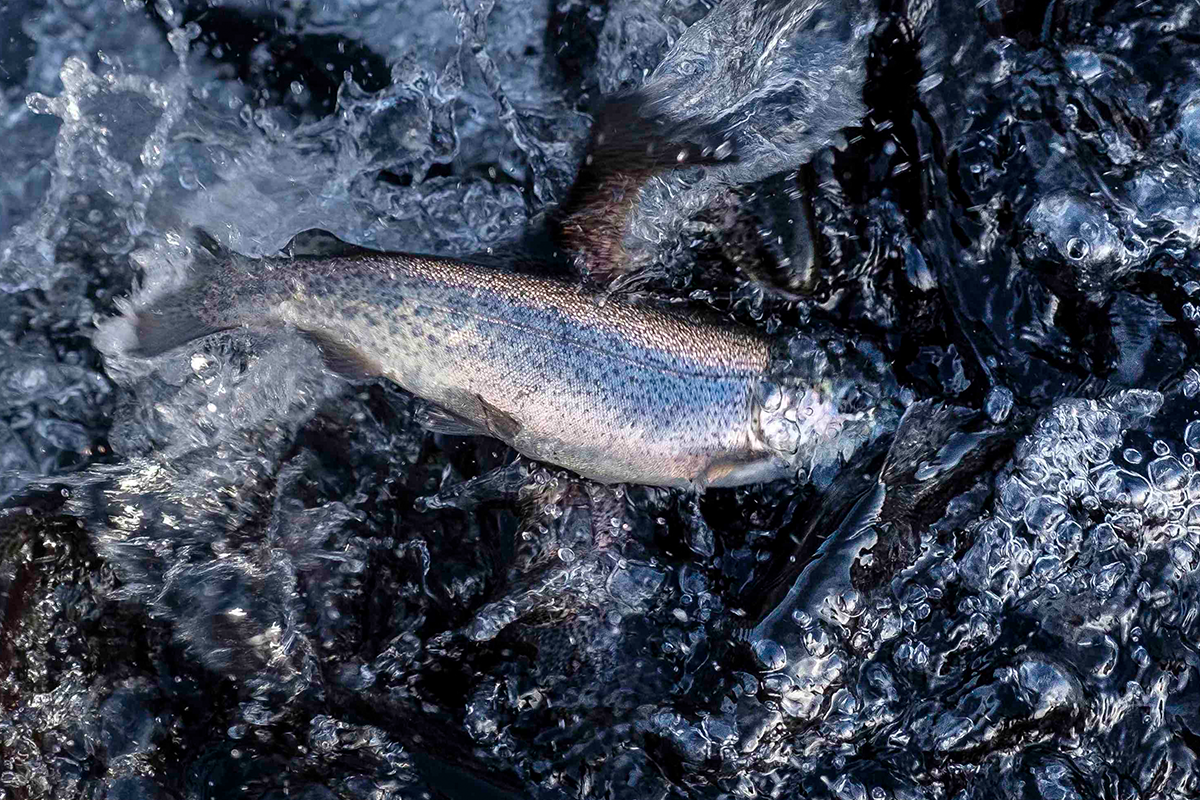
Rainbow trout, also called steelhead in their ocean-dwelling form, have sleek, silvery bodies with spots, a red or pink stripe, and an iridescent sheen that gives them their name. These shiny salmonids are native to North American waterways that empty into the Pacific. Rainbow trout have historically been a cornerstone of Indigenous and regional Western cuisine, but they can now be found just about everywhere, from Alaska to Argentina. This adaptable fish is a favorite for aquaculture production and is also often stocked for recreational fishing.
With a mild, delicate taste, rainbow trout offers a nutrient-dense protein package: a three-ounce serving packs hefty amounts of selenium, omega-3 fatty acids, and vitamins D and B12. Its versatility makes rainbow trout an ideal pairing for global flavors, from spicy to savory to herbaceous. Rainbow trout farmed in the U.S. is also rated green for environmental sustainability, making it a pot of gold no matter what you’re cooking.
Good for you
Rainbow trout is brimming with nutrition. One three-ounce serving provides:
- 190 percent Daily Value of vitamin D, essential for strong bones and teeth, as well as a healthy immune system.
- 171 percent Daily Value of vitamin B12, crucial for maintaining healthy nerve cells, producing DNA, and aiding in red blood cell formation.
- 875 milligrams of omega-3 fatty acids (EPA and DHA), critical for heart health, as these healthy fats help lower triglyceride levels and reduce inflammation.
- 51 percent Daily Value of selenium, important for a healthy immune system and thyroid function to support metabolism.
- 41 percent Daily Value of niacin, playing a crucial role in maintaining healthy skin, nerves, and digestion.
- Eating rainbow trout can also help maintain muscle mass due to being an excellent source of high-quality protein. There are 24 grams of protein per three-ounce serving.
Good for the planet
All rainbow trout (and steelhead) farmed in the U.S. is rated green for environmental sustainability.
In the U.S., rainbow trout are generally farmed in freshwater systems, including in freshwater net pens, flowthrough raceways, and ponds. The industry’s management methods, alongside strong regulations set by U.S. federal and state governments, help reduce a lot of the risks that might otherwise be associated with raceway farming systems (and other aquaculture methods).
Flowthrough raceways are long troughs where water flows in one end and out the other, mimicking the way water moves in a river. In the U.S., raceways are built so that fish can’t accidentally escape, and waste from the water is captured and cleaned out in settling ponds. In some cases, this waste can be composted and reused in regenerative farming.
The largest rainbow trout farm in the U.S., Riverence, is located in Idaho and uses flowthrough raceways.

The biggest trout farm in the U.S. is Riverence, a raceway farm located in Idaho. Raceways, shown here, recreate a river-like environment. (Images courtesy of Riverence)
Courtesy of Riverence
Ready, set, cook!
- Try a sheet pan dinner. Sprinkle olive oil, salt, smoky Aleppo pepper, and lemon juice over a whole trout fillet, and roast with broccoli and cherry tomatoes.
- Grill trout fillets brushed with oil (skin side down), and serve with a fresh salsa of pineapple, cilantro, mint, lime juice, jalapeno, and avocado.
- Enjoy pieces of dried or smoked trout on a charcuterie board, atop salad greens, or with crackers.
- Brush a whole rainbow trout with olive oil, and season with sumac, salt, and pepper. Pan fry, and sprinkle with chopped nuts and fresh herbs or greens.
Where to find
Look for U.S. farmed rainbow trout in a variety of easy-to-use forms, including:
- Fresh trout fillets or whole trout at the seafood counter or your local fishmonger.
- Frozen trout fillets in the frozen seafood section.
- Canned trout, also available in seasoned varieties such as herbs and olive oil, is in the canned seafood aisle.
- Packaged dried or smoked trout, also available with seasonings such as lemon and cracked pepper, is available in the deli section or by the seafood counter.
Top shopping tips
- Diversify your protein sources and make more affordable meals by stocking up on frozen trout fillets when they are on sale.
- Try swapping out frozen trout for fresh in most recipes.
- Include shelf-stable canned trout or trout jerky on your shopping list for quick meal solutions.
More FAQs
What are the nutritional differences between wild and farmed rainbow trout?
Farmed trout typically have a higher fat content, including beneficial omega-3 fatty acids, due to their controlled, energy-dense diets. As a result, farmed trout tend to have a milder flavor and softer texture than their wild counterparts. Both varieties are excellent sources of protein, vitamins (such as B vitamins), and minerals (such as selenium and phosphorus).
What’s the difference between rainbow trout and steelhead?
Genetically speaking, steelhead and rainbow trout are the same species of fish. The only difference is that steelhead spend part of their lives in the ocean, while rainbow trout live their entire lives in freshwater. The technical term is anadromous—a fish that lives in the ocean and then migrates to spawn in freshwater.
Steelhead go through a metamorphosis called smoltification that prepares them for life at sea. They grow larger and change color, becoming silver. Changes also occur at the molecular and cellular levels that enable steelhead to adapt from freshwater to saltwater. Scientists don’t know exactly why some rainbow trout head out to sea to become steelhead, and others stay behind.
Rainbow trout recipe
Recipe
Lemon caper orzo salad with rainbow trout
This tasty orzo salad features U.S. farmed rainbow trout, a mild fish paired with capers, citrus, and arugula.
Explore more Super Green seafood
Change & impact
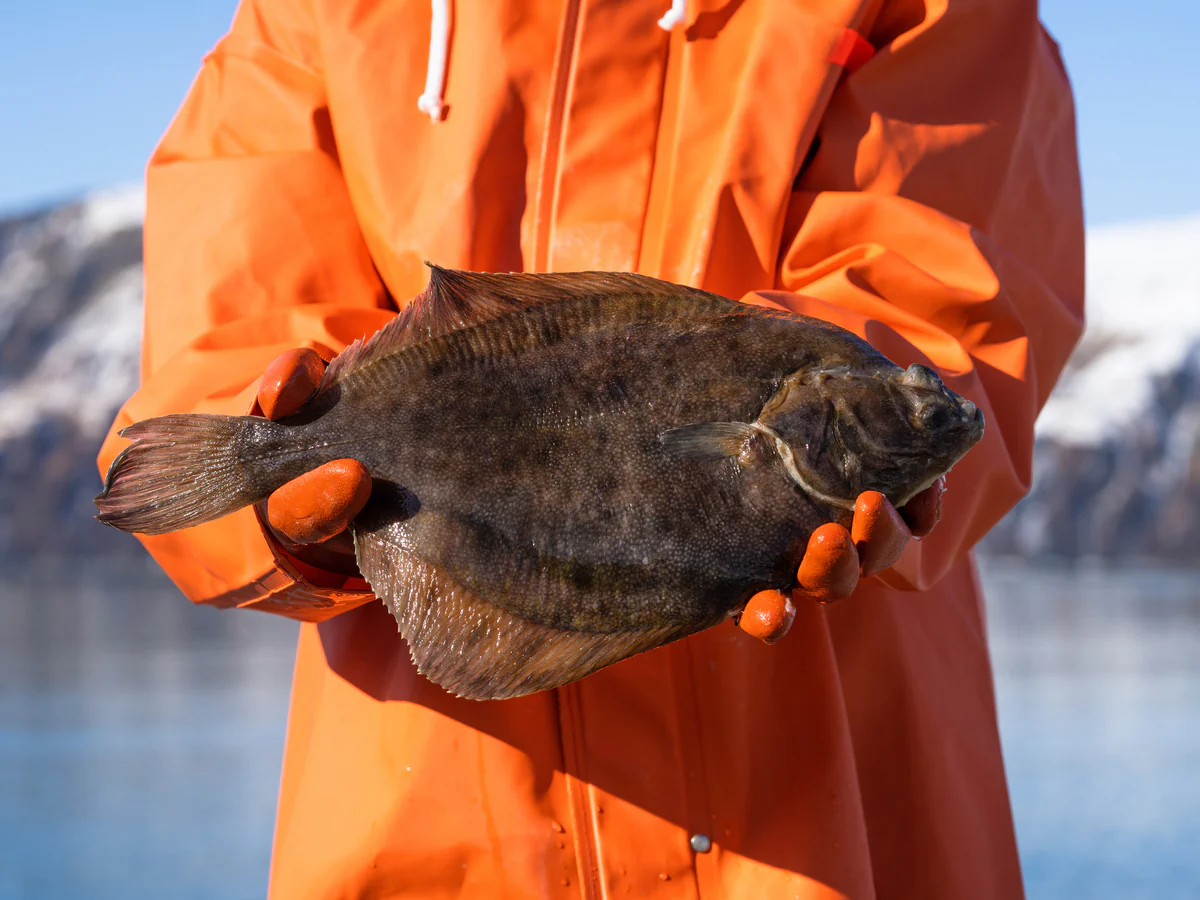
Alaska flounder & sole
Choose flounder and sole caught in Alaska for a delicious, sustainable whitefish.
Read more – Alaska flounder & sole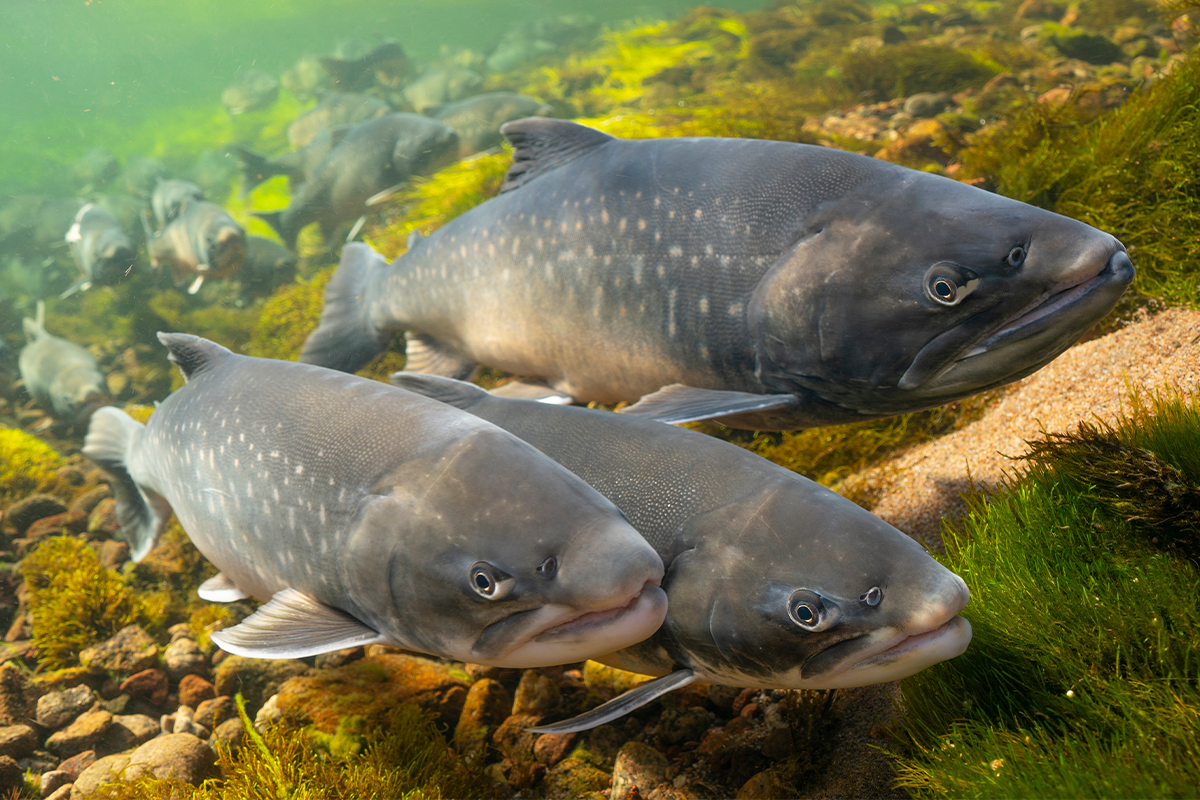
Change & impact
Arctic char
Hailing from frigid Arctic waters, this delicious fish is a sustainable and delicious alternative to salmon.
Read more – Arctic char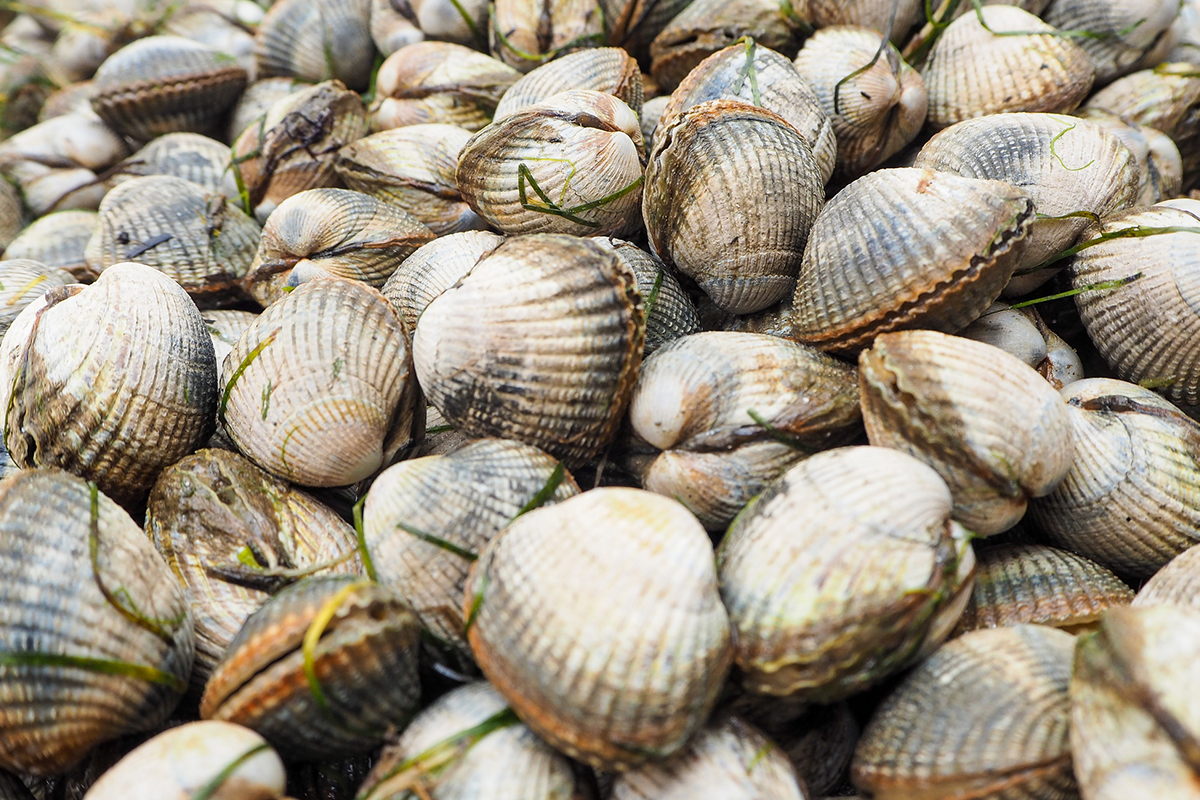
Change & impact
Farmed clams
These beautiful bivalves are a sustainable, versatile culinary delight.
Read more – Farmed clams
Change & impact
Farmed mussels
Within each small mussel shell, you’ll find a treasure trove of essential nutrients.
Read more – Farmed mussels