

U.S. farmed striped bass
The Super Green List
Also known as sunshine bass, this green-rated hybrid of striped bass and white bass offers a rich, buttery flavor and plenty of protein. This seafood is part of the Super Green List—seafood that’s good for you and the planet.
What are they?
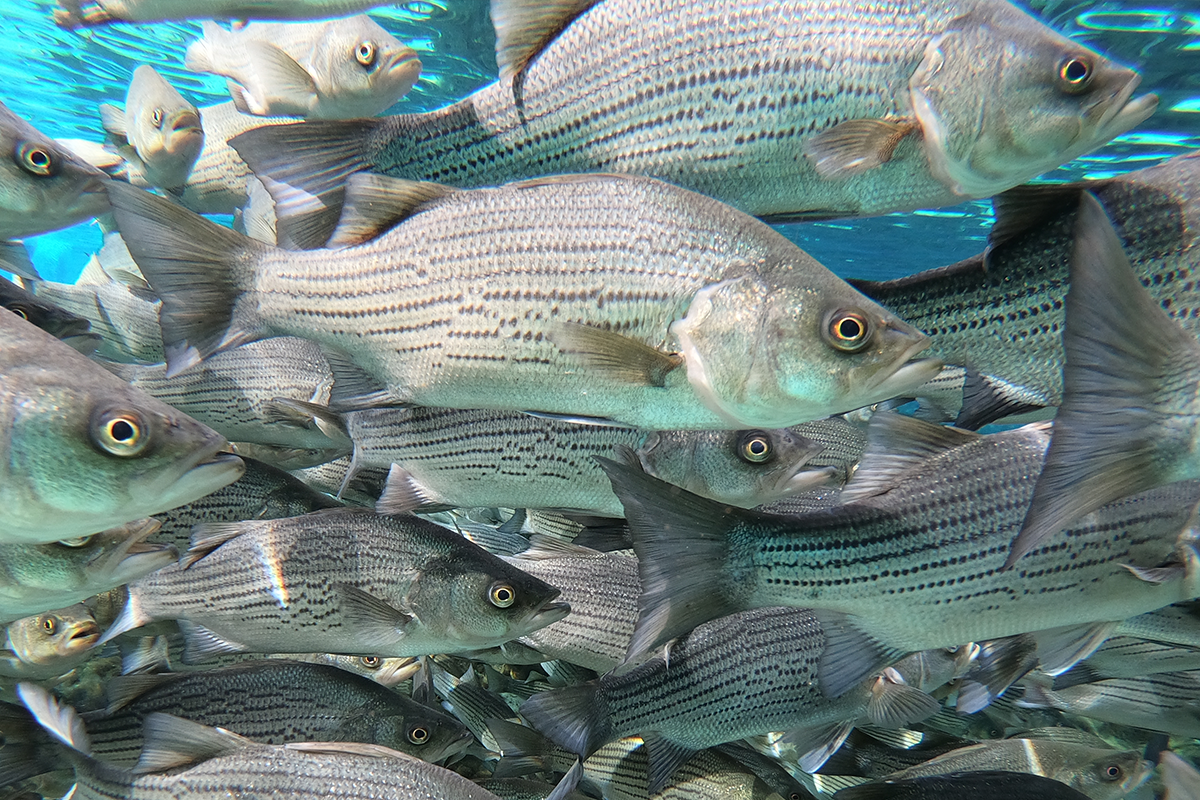
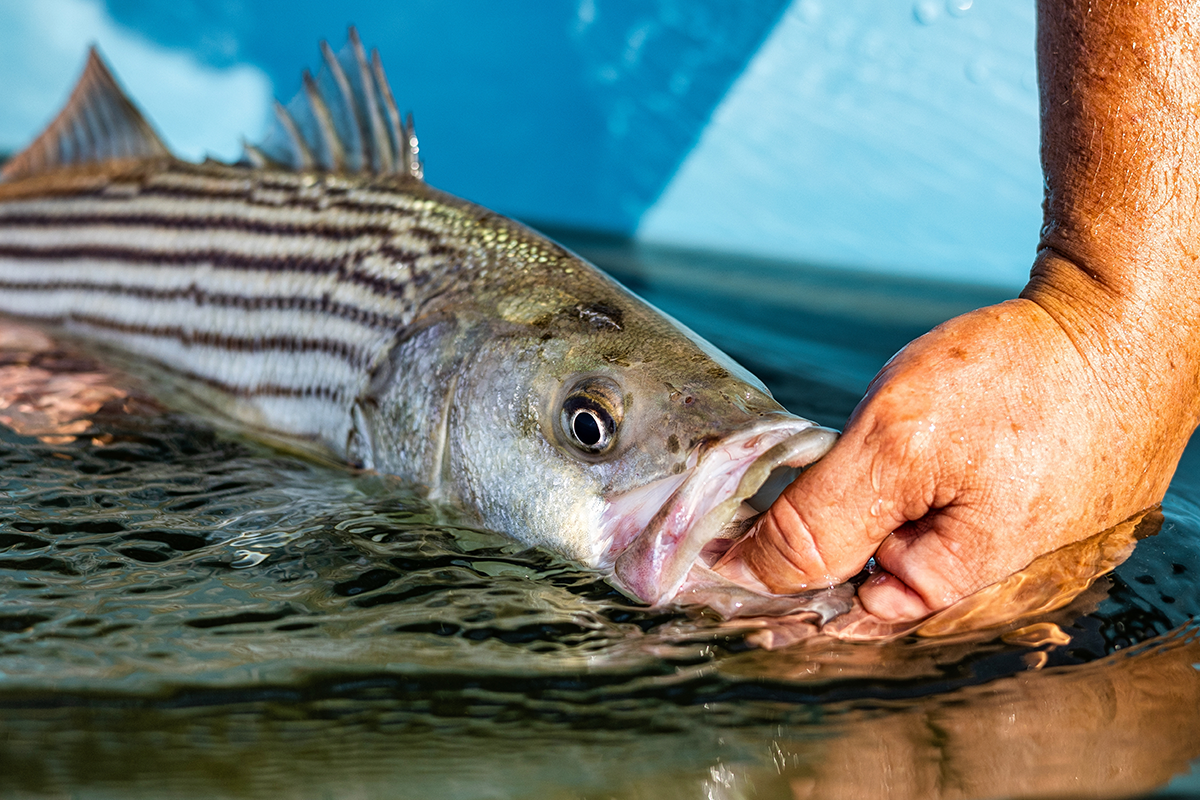
Farmed striped bass are a cross between naturally occurring striped bass from the Atlantic, sometimes called stripers (Morone saxatilis), and freshwater white bass (Morone chrysops). These sturdy hybrid fish are more tolerant of warm, shallow water bodies than their parent species, grow quickly, and are disease-resistant. These characteristics make them a favorite for aquaculture production.
Most farmed striped bass you’ll find in stores and restaurants is sunshine bass, produced by a female white bass and a male striped bass. The reciprocal cross between a female striped bass and a male white bass is called a palmetto bass and is usually stocked in rivers and other water bodies as a sport fish. You’ll also see this fish sold simply as striped bass.
Regardless of what you call it, this seafood option offers a meaty, rich, and buttery flavor, along with a nutrient-dense protein package that includes significant amounts of selenium, omega-3 fats, and vitamins B12 and D. This versatile fish pairs well with numerous global flavors, from spicy to savory. It’s ideal for grilling, baking, or adding to soups and curries. You can include this fish in recipes as diverse as coconut curry striped bass, striped bass fish tacos, and miso-glazed striped bass.
Farmed U.S. hybrid striped bass is also rated green for environmental sustainability, making it a kick(b)ass choice all around!
Good for you
Hybrid striped bass provides a solid nutritional base. Striped bass:
- Is packed with protein—19 grams per three-ounce serving—to help boost muscle strength and recovery.
- Delivers a significant vitamin B12 boost, providing over 150 percent of the Daily Value essential for the production of healthy red blood cells.
- Provides 40 micrograms (72 percent Daily Value) of selenium, enhancing your immune system and supporting thyroid function.
- Is rich in heart-healthy omega-3s, including 200 mg of EPA and 600 mg of DHA per serving, which are important for heart and brain health.
Good for the planet
Hybrid striped bass is the fourth-largest aquaculture industry in the U.S. by monetary value and the fifth largest by volume. Most hybrid striped bass—up to 90 percent by some estimates—are grown in ponds, with some aquaculture also occurring in tanks. Farms are spread across 20 states, but most production takes place in North Carolina and Texas. Most hybrid striped bass are sold domestically or exported to Canada.
Hybrid striped bass farmed in the U.S. is rated green for environmental sustainability and is a Best Choice. The industry has strong management regulations and compliance. They also use best practices to guide their farming techniques, and farms have robust health and biosecurity protocols. For example, farms procure their stock from certified disease-free sources, use quarantine periods, disinfect hauling trucks, and don’t usually allow equipment to be used on multiple sites. Disease prevalence is low, chemicals are used infrequently, and ponds typically have low water discharge rates. This limits the chance of pollution, escaped fish, or disease entering local watersheds.
Ready, set, cook!
- Grill striped bass fillets with a drizzle of olive oil, garlic, vinegar, and oregano for a simple, delicious Mediterranean entree.
- Pan-sear fillets with rice wine, miso, and soy sauce for a Japanese-inspired main dish served with rice.
- Stuff whole striped bass with capers, tomatoes, and fennel, and bake for a satisfying meal.
- Grill slices of striped bass to serve in fish tacos with a fresh mango salsa for a flavorful twist.
Where to find
Look for U.S. farmed hybrid striped bass in various forms, including:
- Fresh fillets or whole fish at your local supermarket seafood counter or fishmonger are perfect for immediate cooking, offering rich flavors and texture.
- Frozen fillets are a convenient option, providing the same nutrient-dense benefits and versatility for grilling, baking, or adding to soups and curries.
Top shopping tips
- Stock up on frozen striped bass fillets, especially when they’re on sale. Frozen fish is nutritious, easy to store, and often less expensive than fresh fish.
- Opt for whole striped bass to impress! Grill, bake, or roast it with lime, avocado oil, and cilantro for a hearty main dish. Save the bones to season a flavorful stock or broth.
More FAQs
What are the nutritional differences between wild and farmed striped bass?
Farmed hybrid striped bass often has a higher fat content, including beneficial omega-3 fatty acids, due to their controlled diets. Wild striped bass may have a firmer texture and stronger flavor, but both varieties offer excellent nutritional benefits, including high-quality protein and essential vitamins and minerals.
How does farm-raised hybrid striped bass compare to wild-caught in terms of human health?
Farm-raised hybrid striped bass can often be safer than wild-caught bass in terms of environmental toxin levels because diet and environment are more controlled. This allows for better management of contaminants, resulting in fish that meet strict safety standards. The Food and Drug Administration and the Environmental Protection Agency set maximum allowable limits for contaminants in fish feed to ensure safe consumption.
U.S. farmed striped bass recipe
Recipe
Pan-seared striped bass with Korean yangnyeomjang
This bold, savory recipe features green-rated U.S. farmed hybrid striped bass with Korean yangnyeomjang sauce.
Explore more Super Green seafood
Change & impact
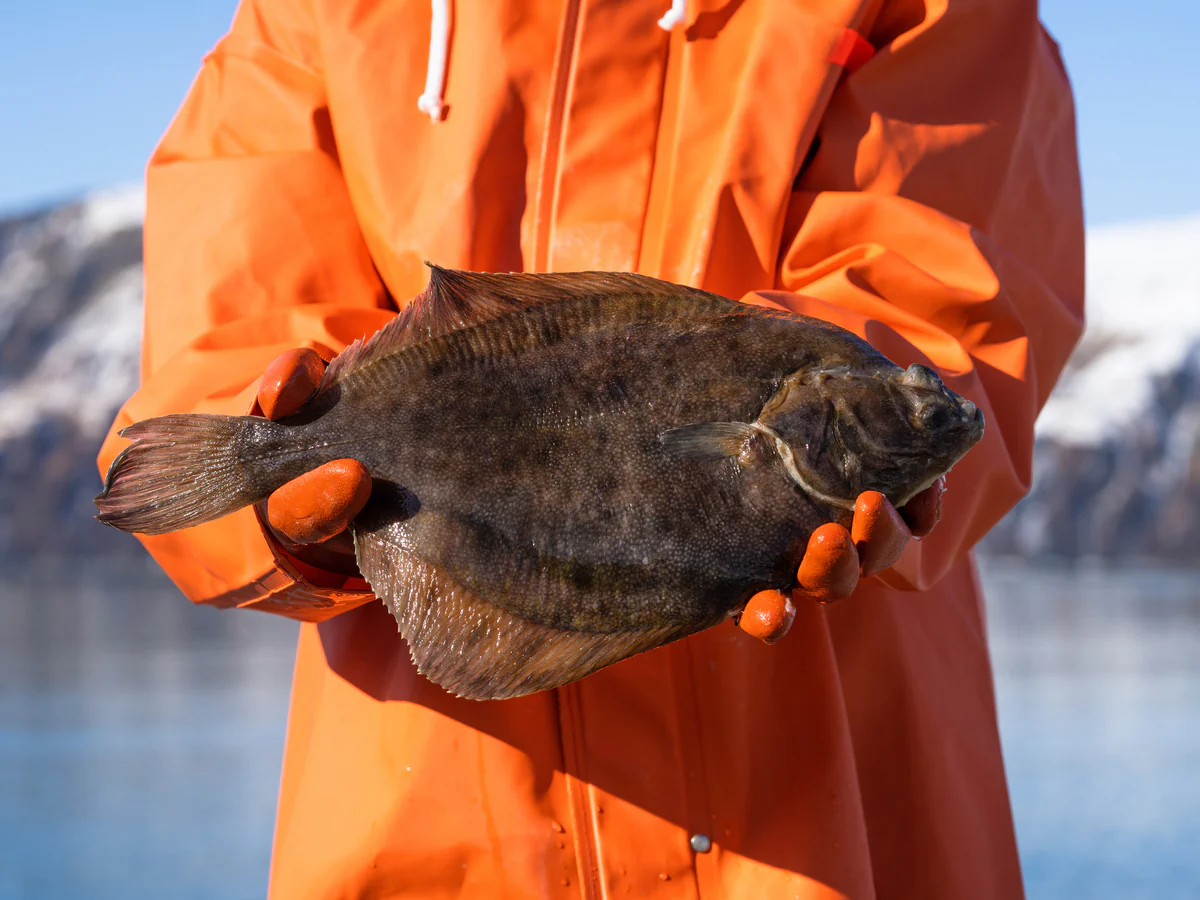
Alaska flounder & sole
Choose flounder and sole caught in Alaska for a delicious, sustainable whitefish.
Read more – Alaska flounder & sole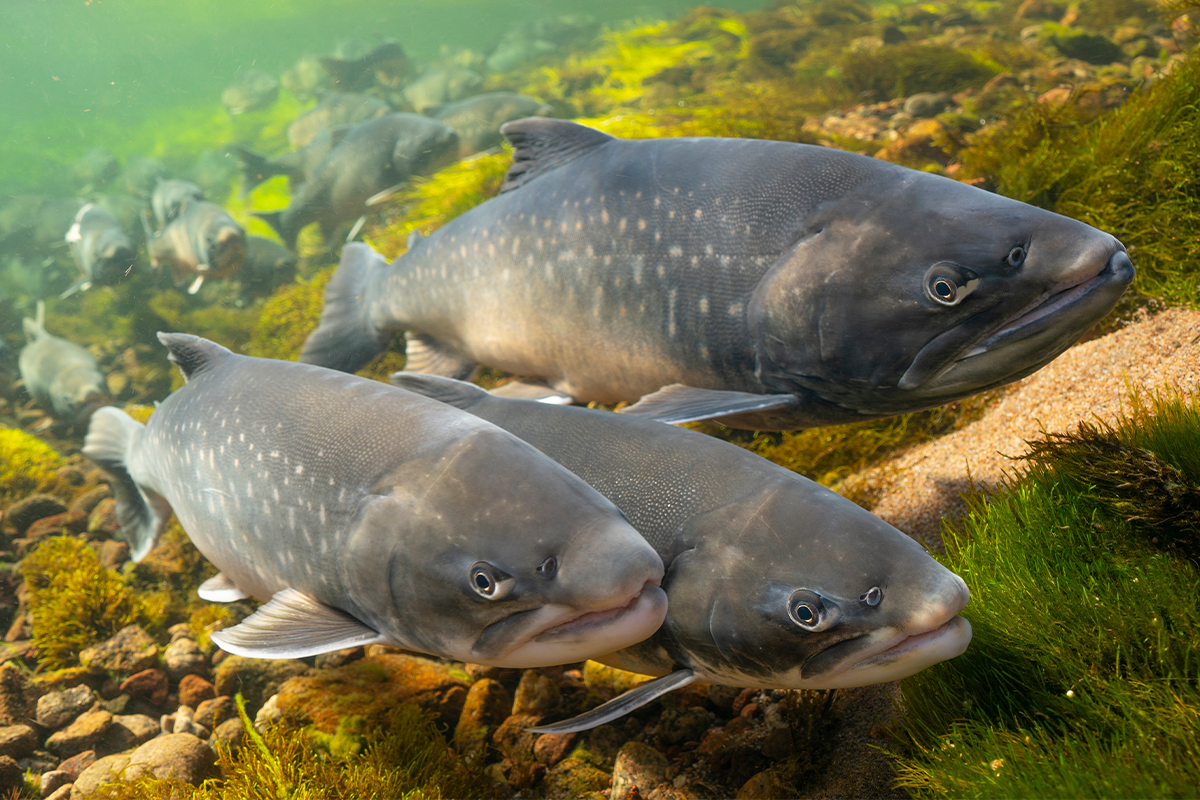
Change & impact
Arctic char
Hailing from frigid Arctic waters, this delicious fish is a sustainable and delicious alternative to salmon.
Read more – Arctic char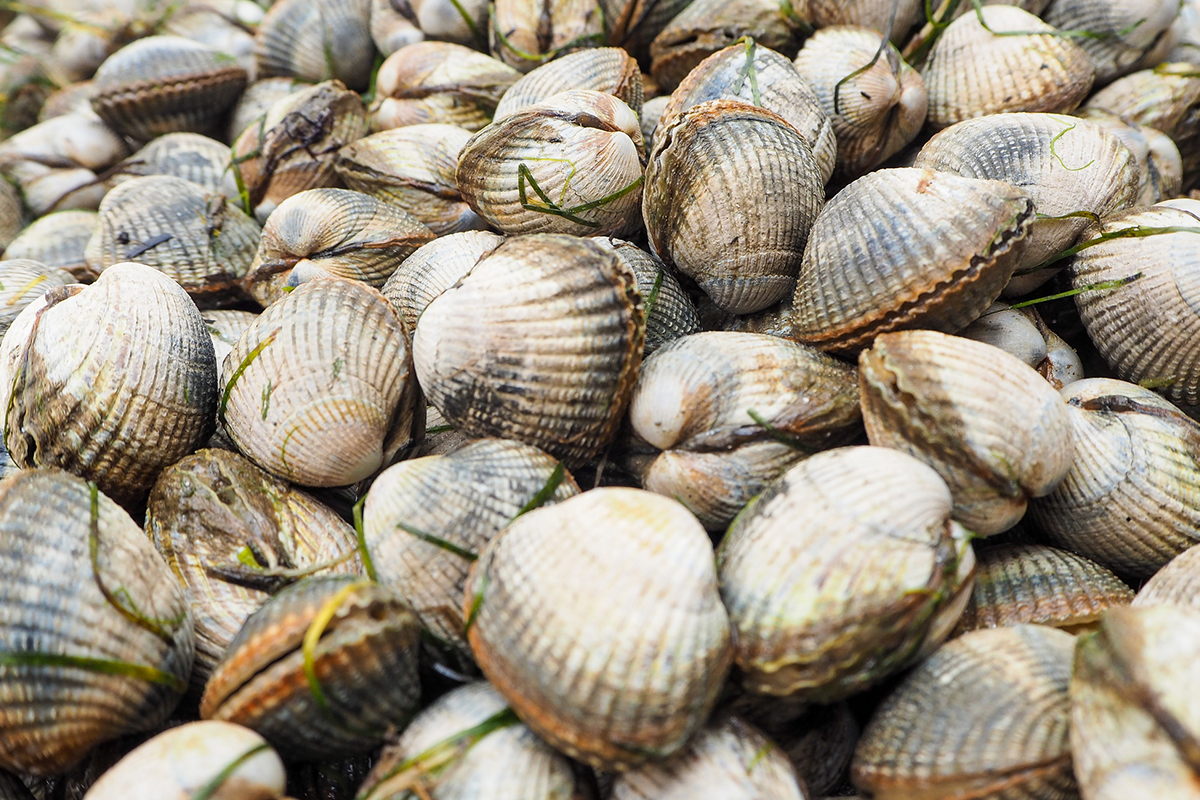
Change & impact
Farmed clams
These beautiful bivalves are a sustainable, versatile culinary delight.
Read more – Farmed clams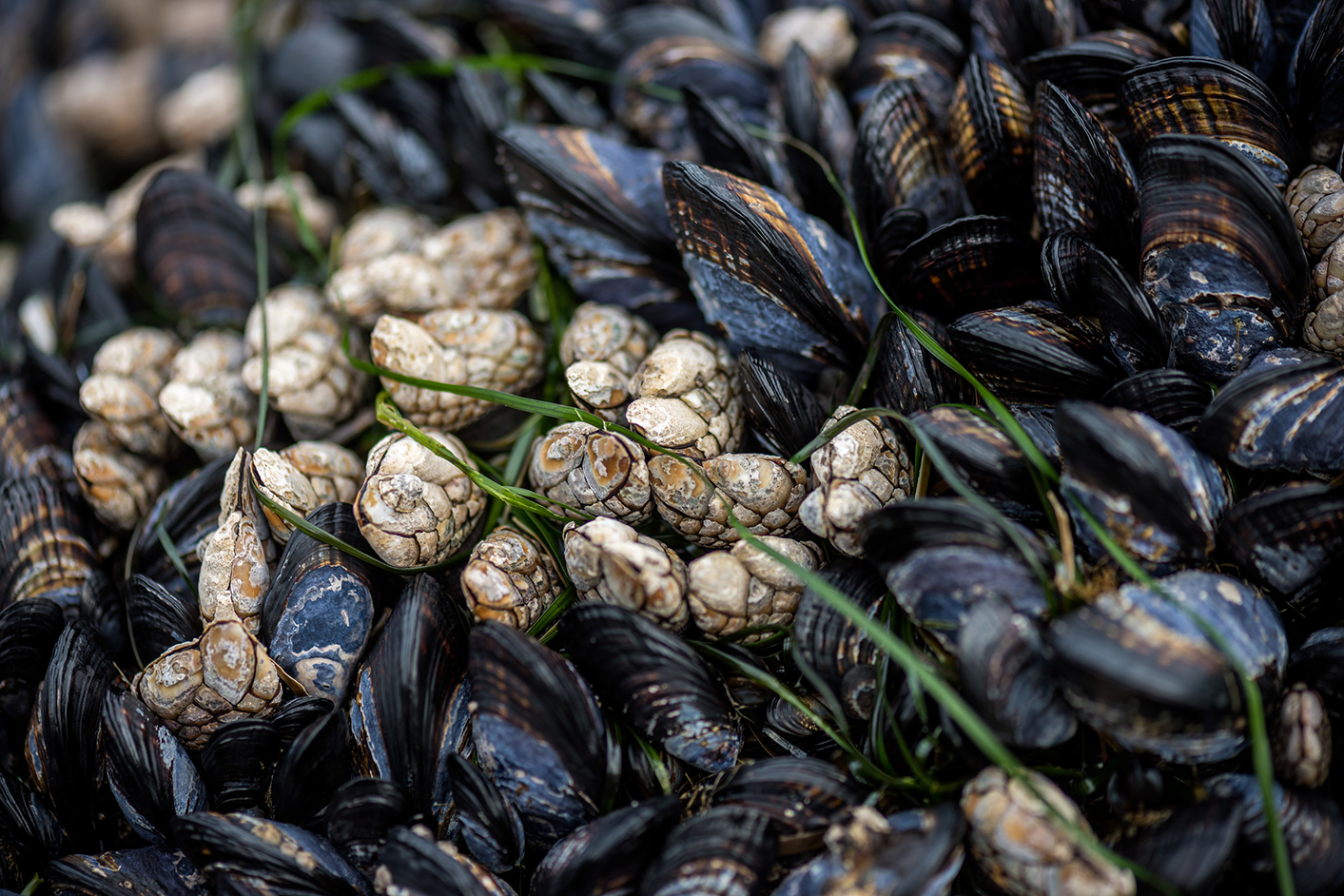
Change & impact
Farmed mussels
Within each small mussel shell, you’ll find a treasure trove of essential nutrients.
Read more – Farmed mussels