

Down to the deep
Into the Deep Exhibit
A wide world of blue swirls with life. The journey to the deep sea starts in sunlit waters near the surface. Schools of fishes swim and sparkle. Sea turtles and rays ride the currents. Sharks glide through seemingly endless water.
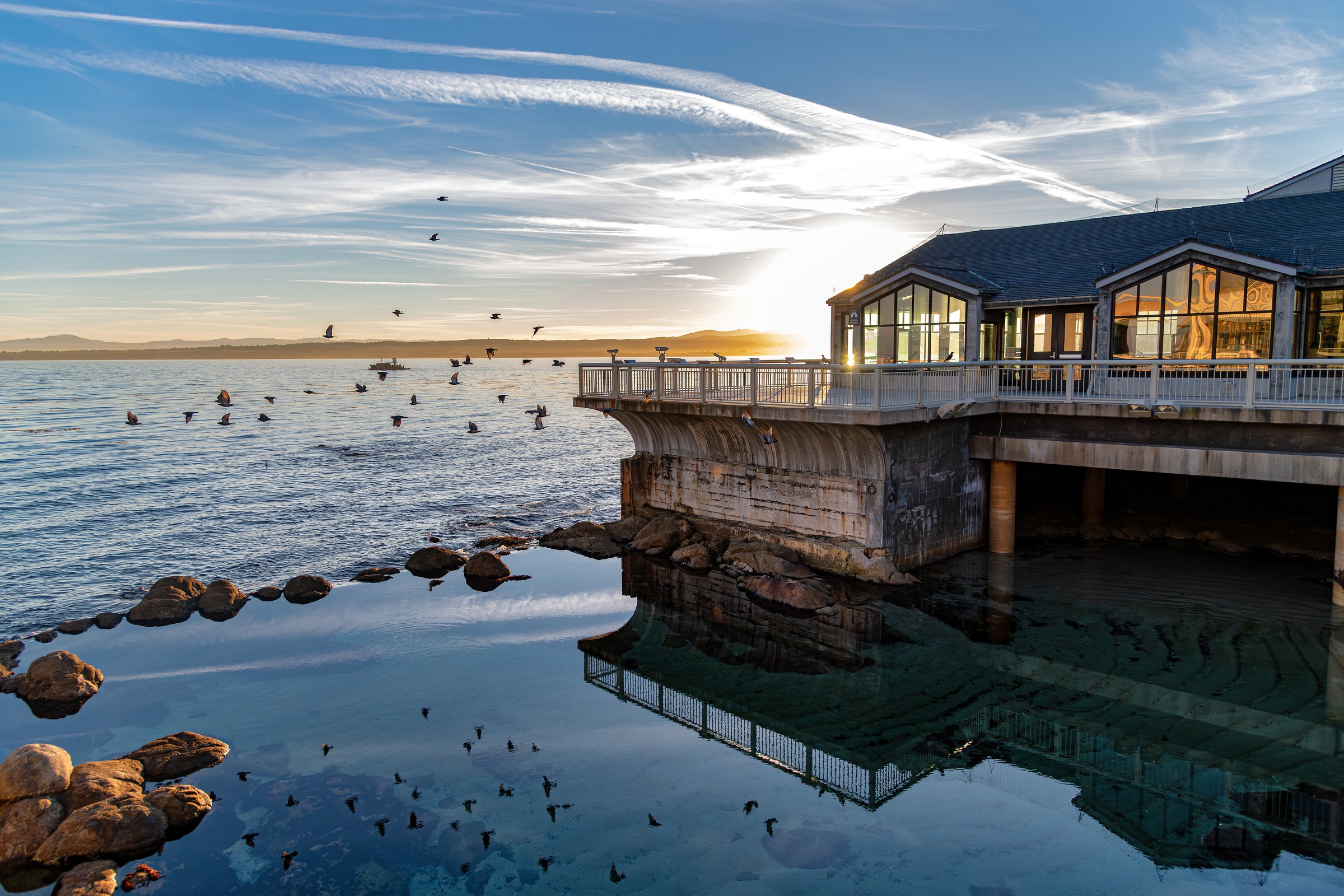
MBARI and the Aquarium work together
Monterey Canyon brings the deep sea close to shore here in Monterey Bay. The Aquarium partners with MBARI (Monterey Bay Aquarium Research Institute) to share this special place with the world and inspire its protection.
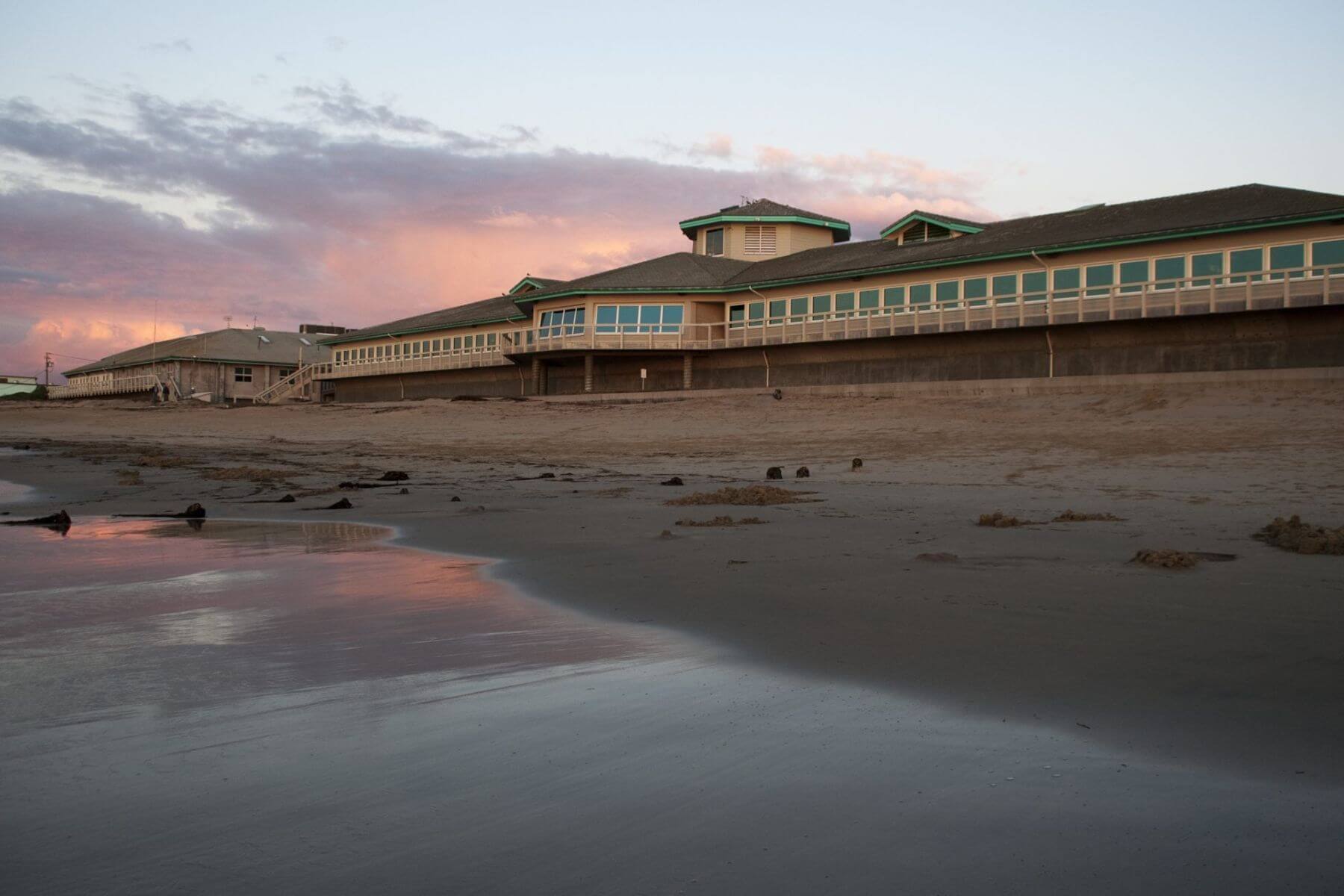
Deep-sea research happens in our backyard
MBARI’s location gives them easy access to the deep waters of Monterey Canyon. Researchers deploy tools from ships and the shore to learn more about the deep sea. These tools observe animals, map the seafloor, track ocean health, and more.
© MBARI
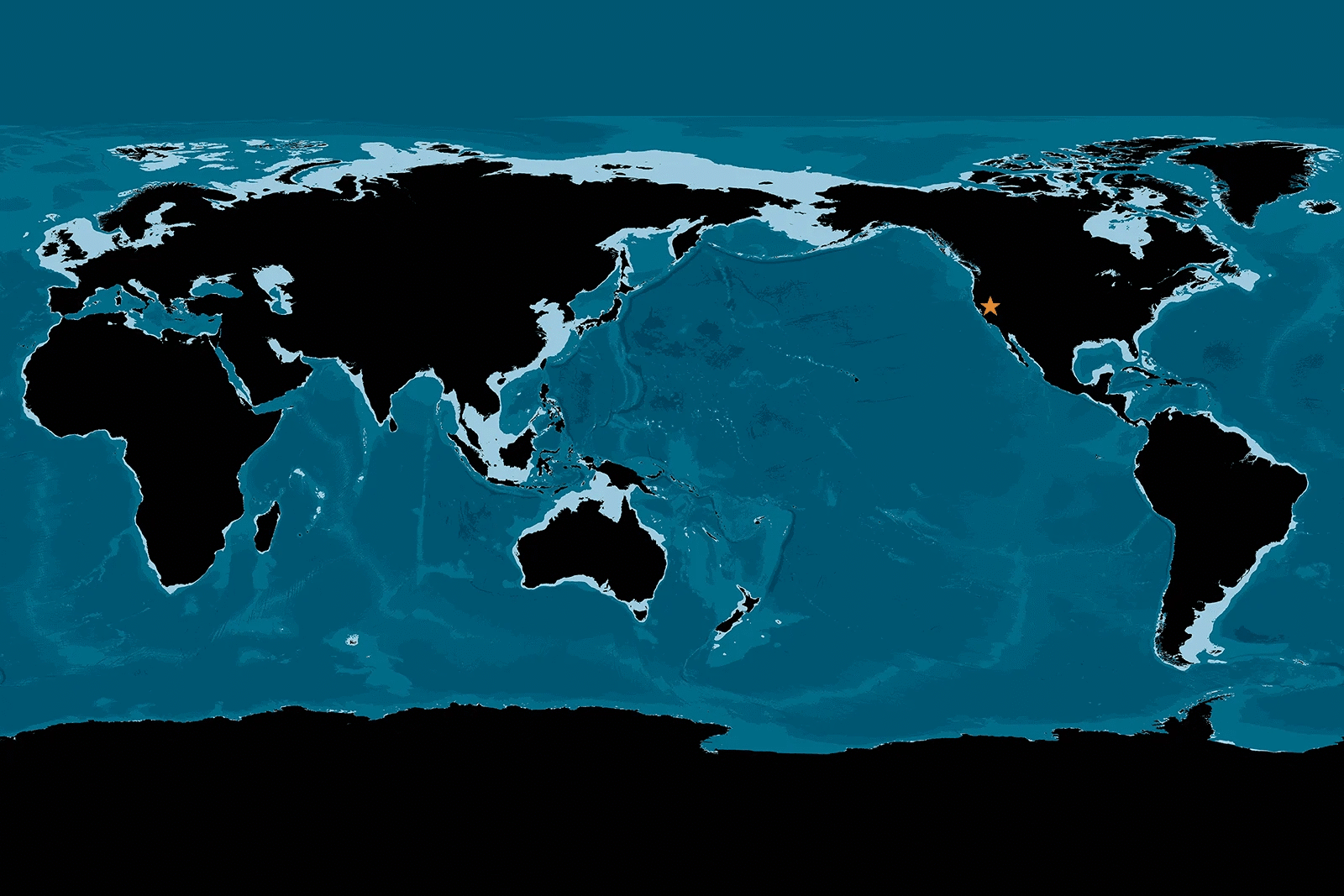
Map of one deep ocean
The deep sea spans the globe. Descend past 650 feet (200 meters) and enter the deep sea—the largest living space on Earth. Most of the ocean is about two miles (three kilometers) deep, but steep trenches can plunge to almost seven miles (11 kilometers).
| Depth |
| 0–660 feet |
| 660 feet–7 miles |
Related videos
A grand canyon lies beneath the waves
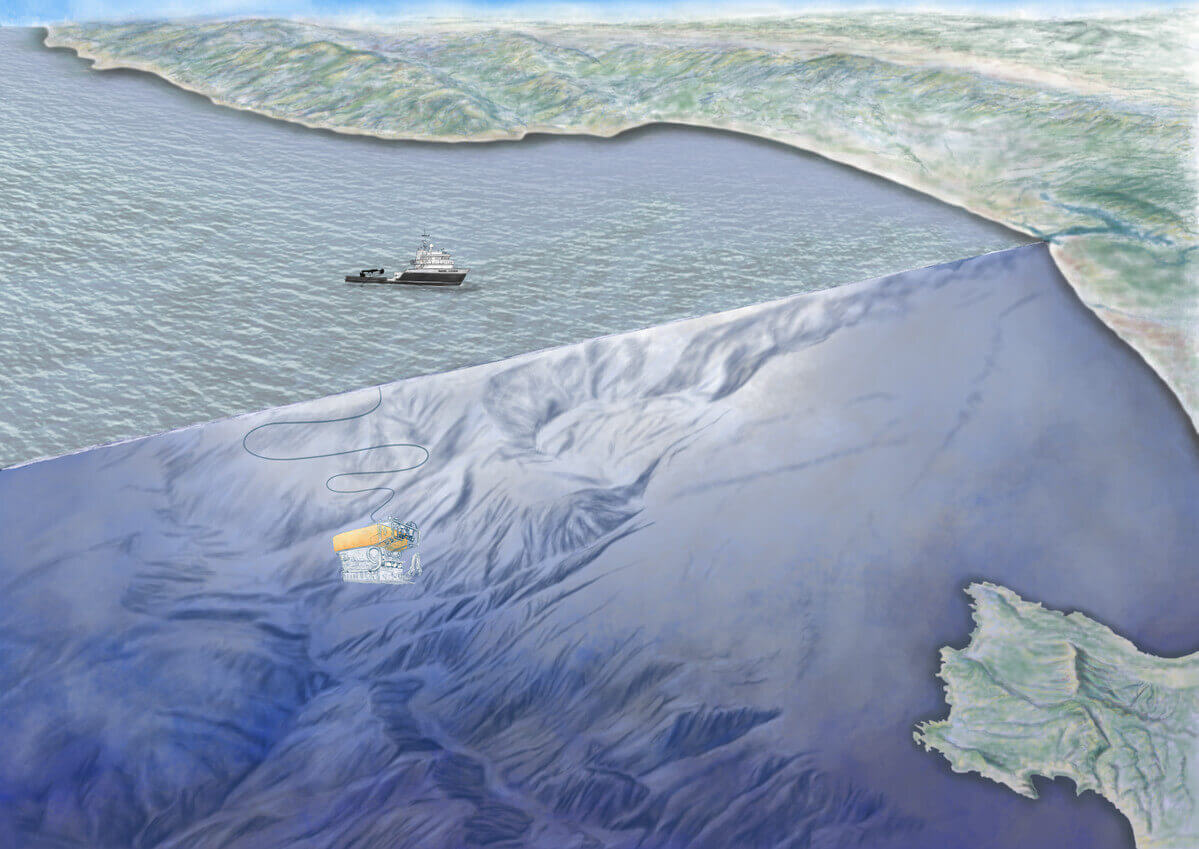
Monterey Bay is home to one of the largest underwater canyons on the West Coast. Monterey Canyon twists and turns almost 250 miles (400 kilometers) out to sea. At its deepest point, it plunges to 2.5 miles (4 kilometers)
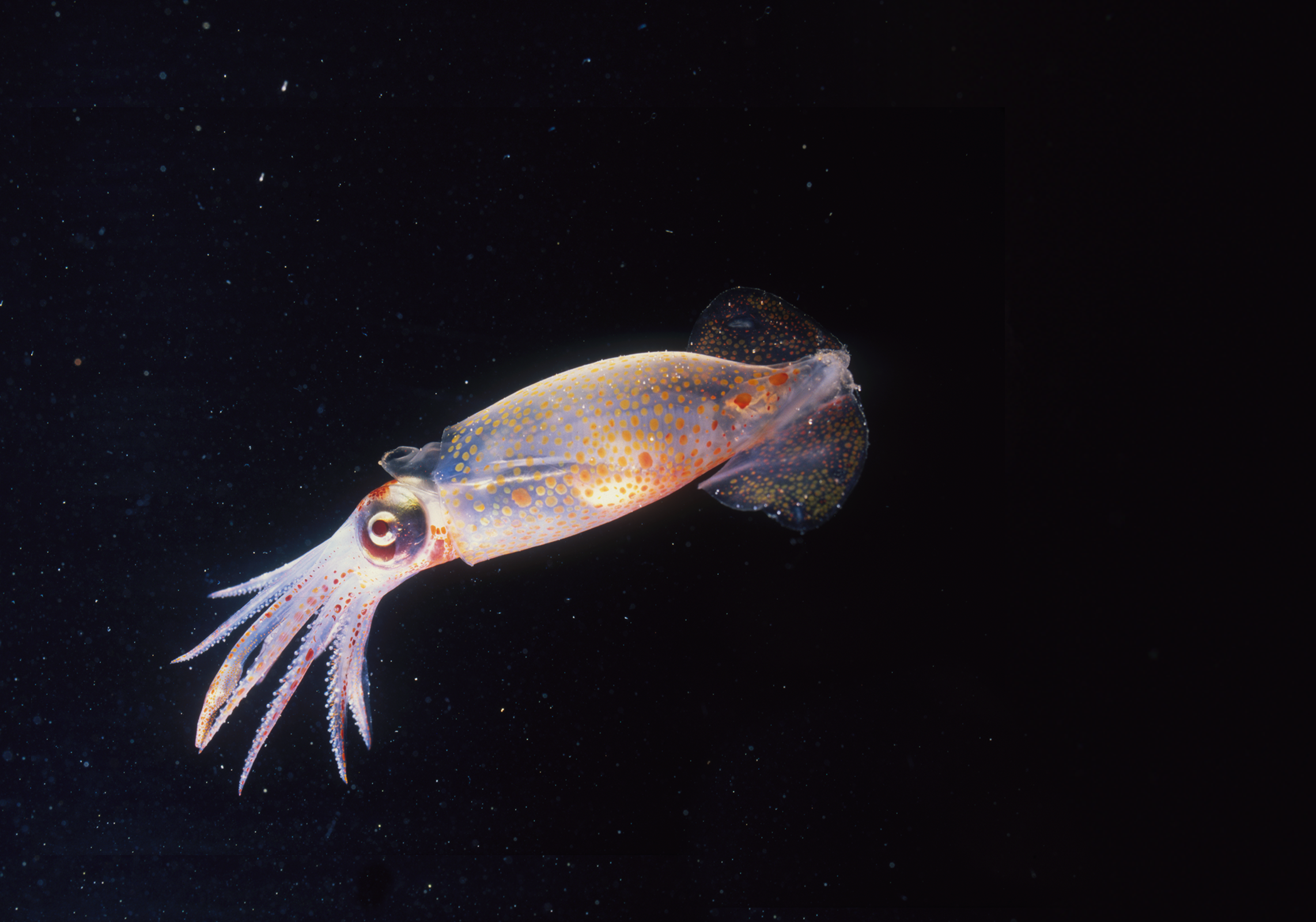
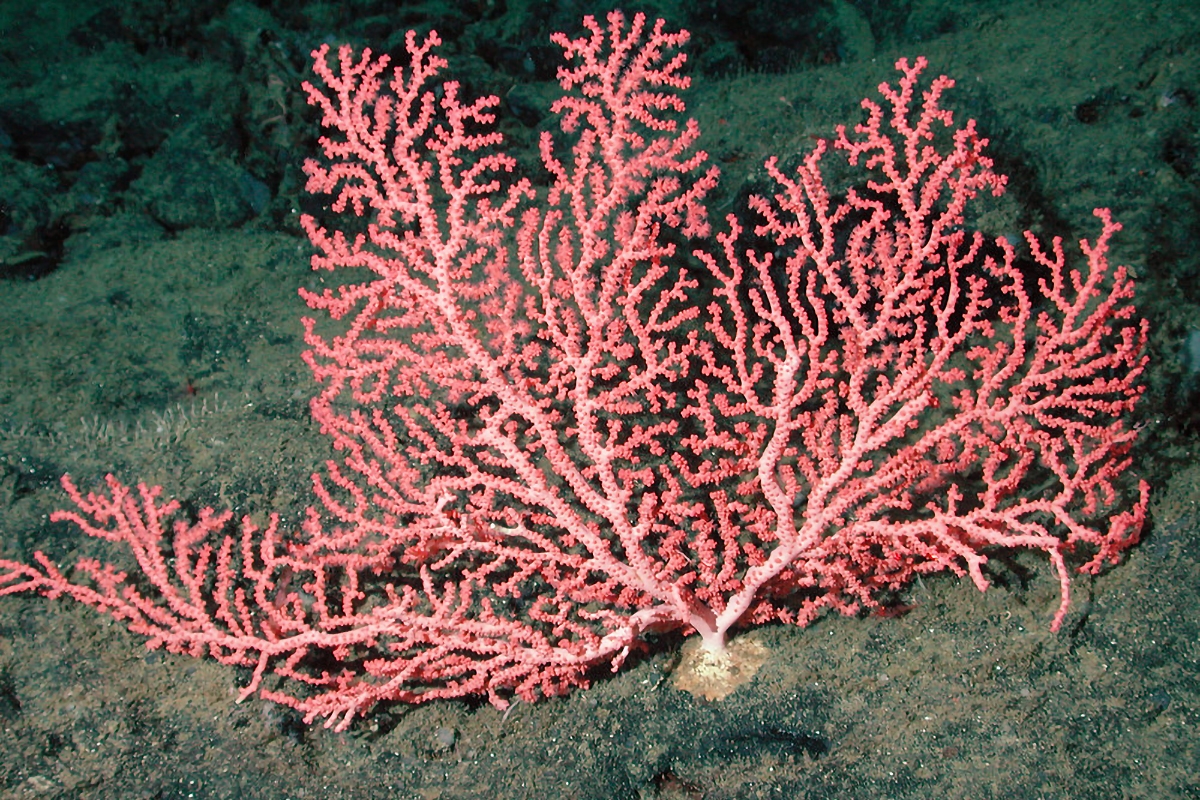
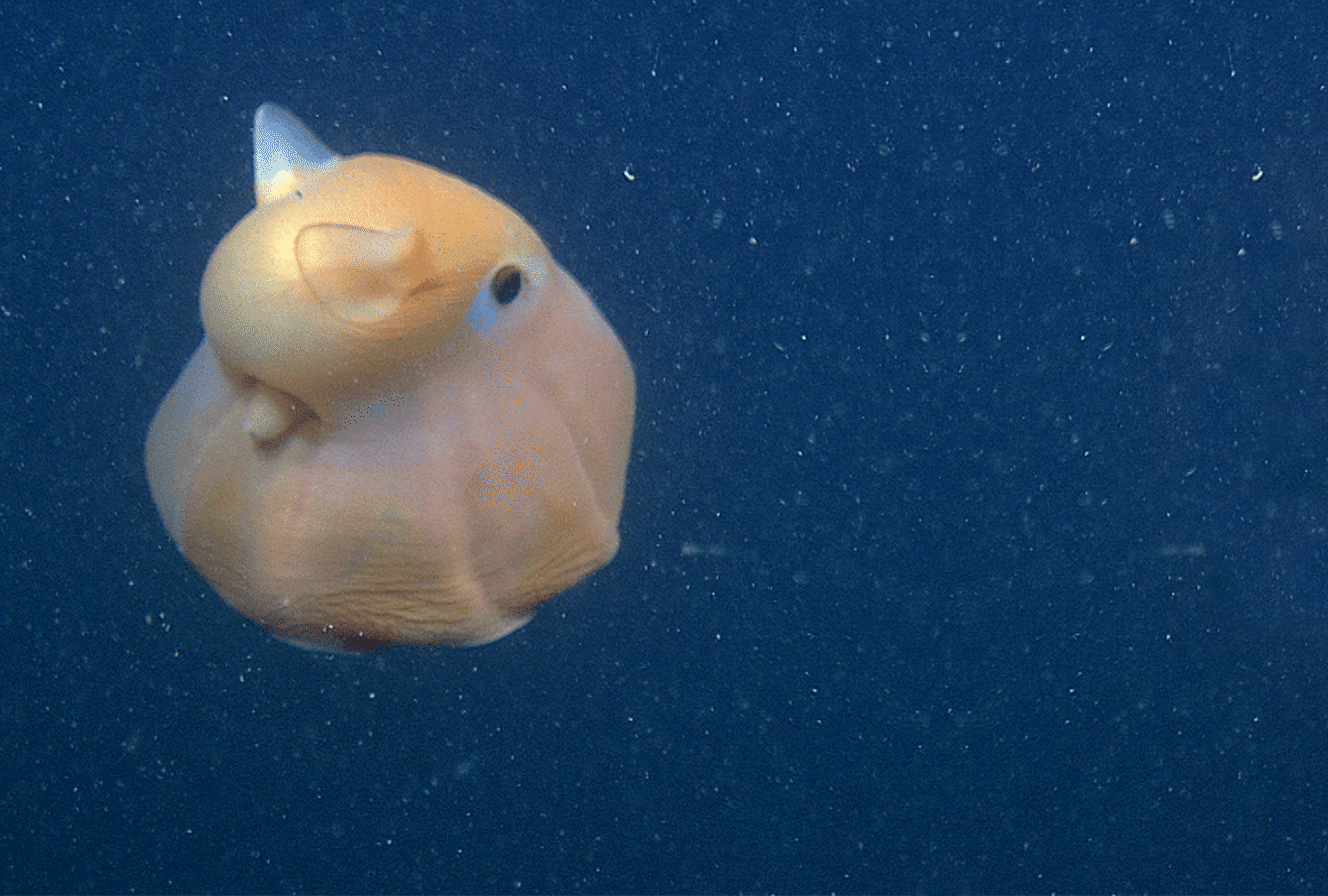
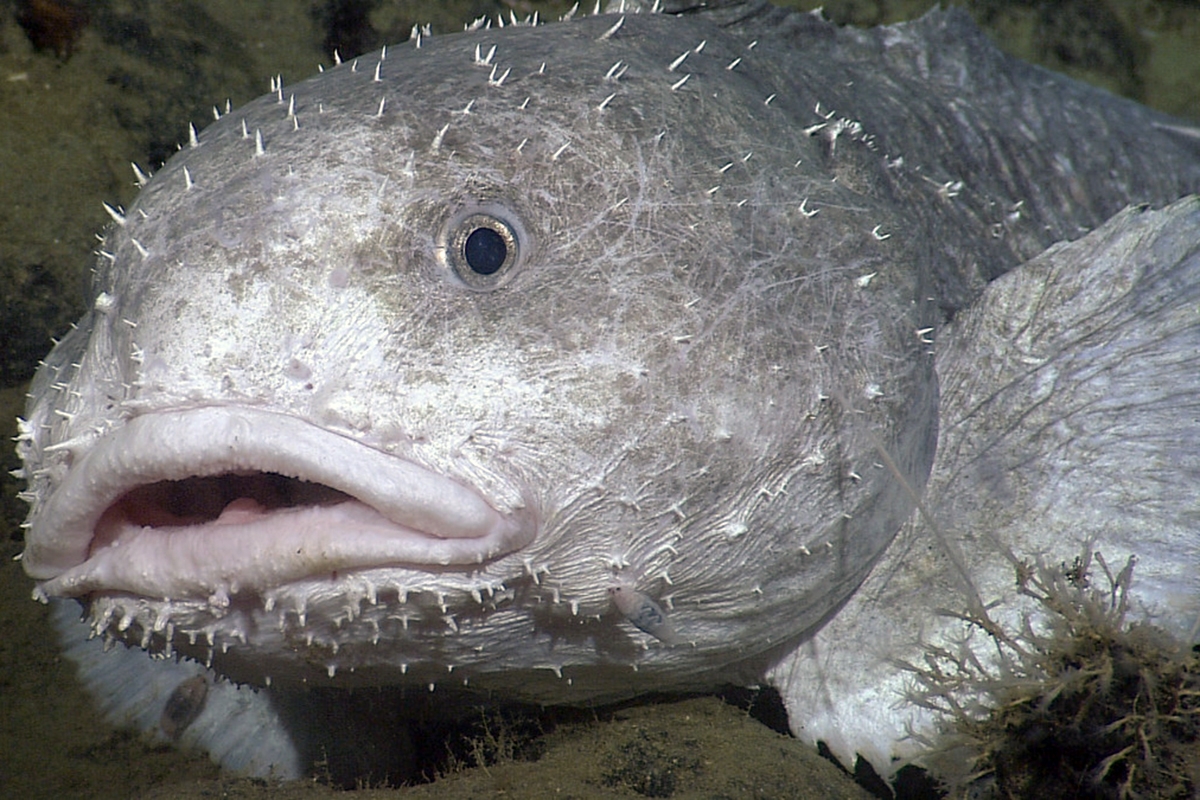
Related videos
Deep beneath the ocean's surface
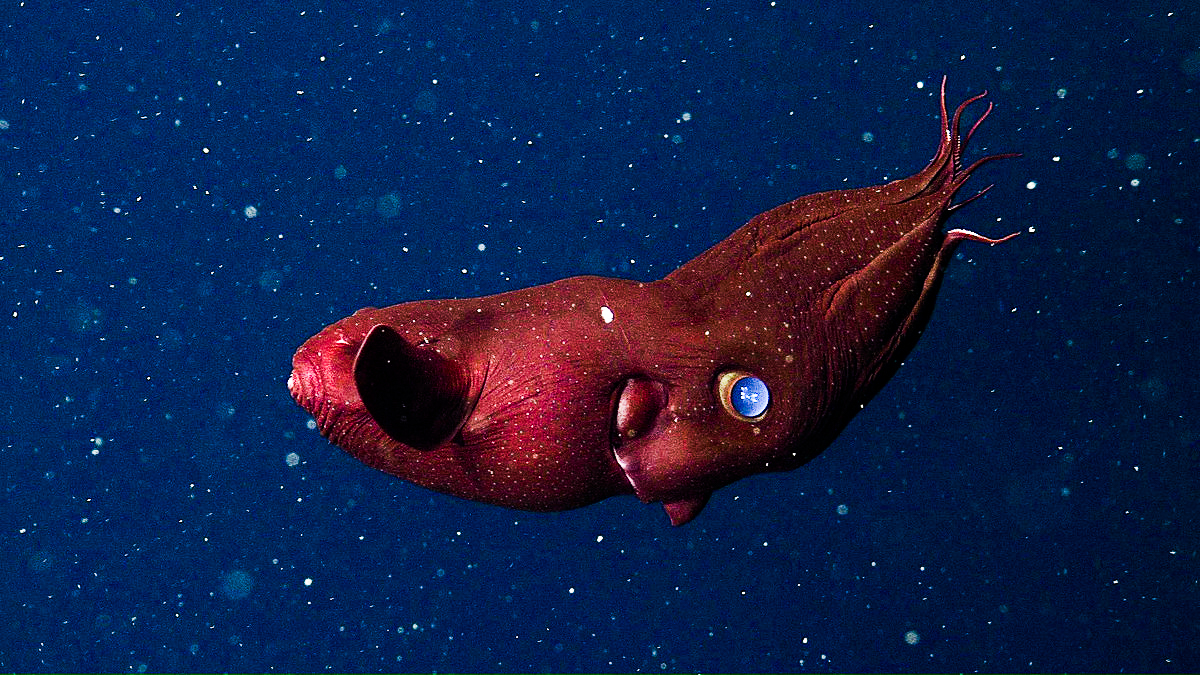
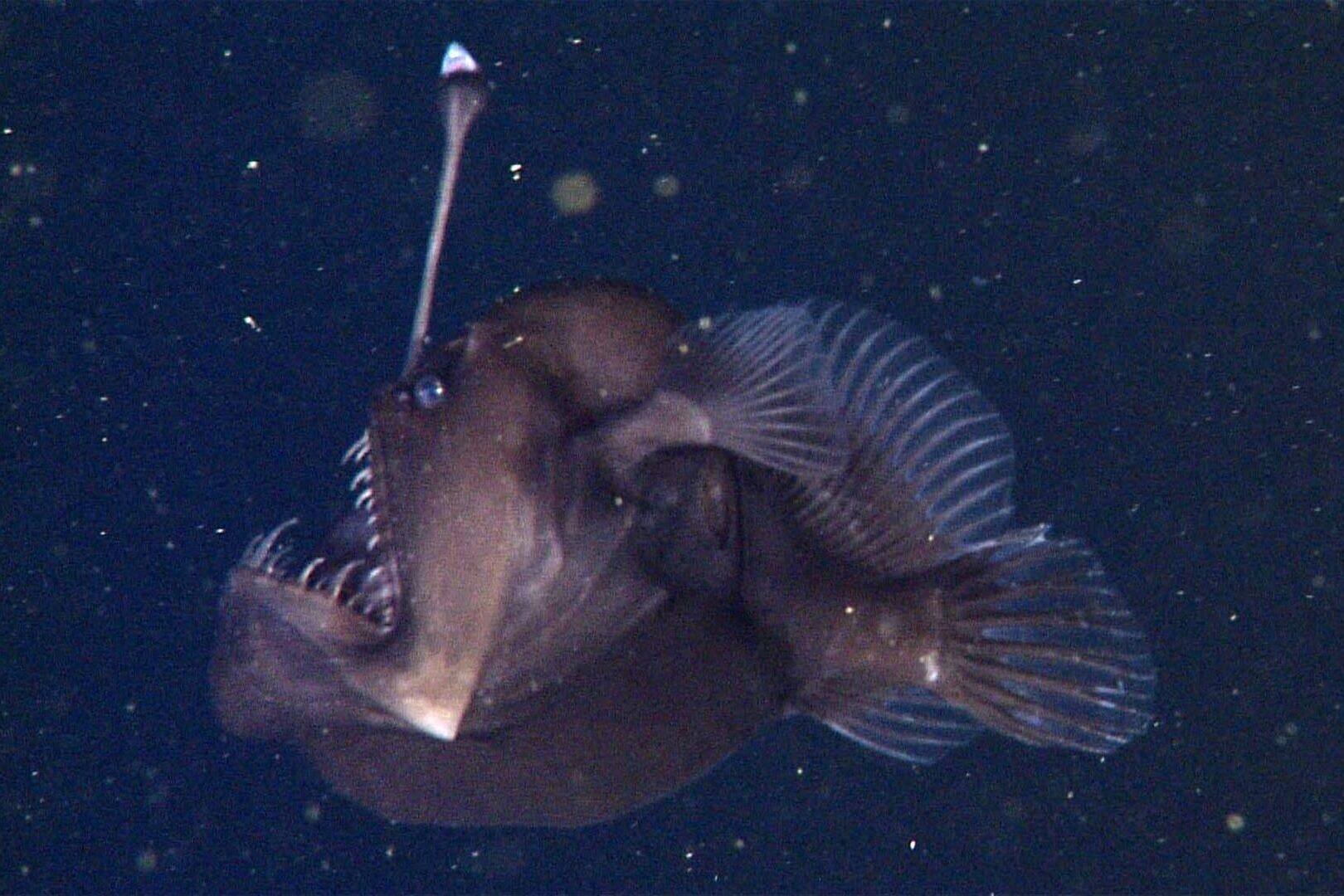
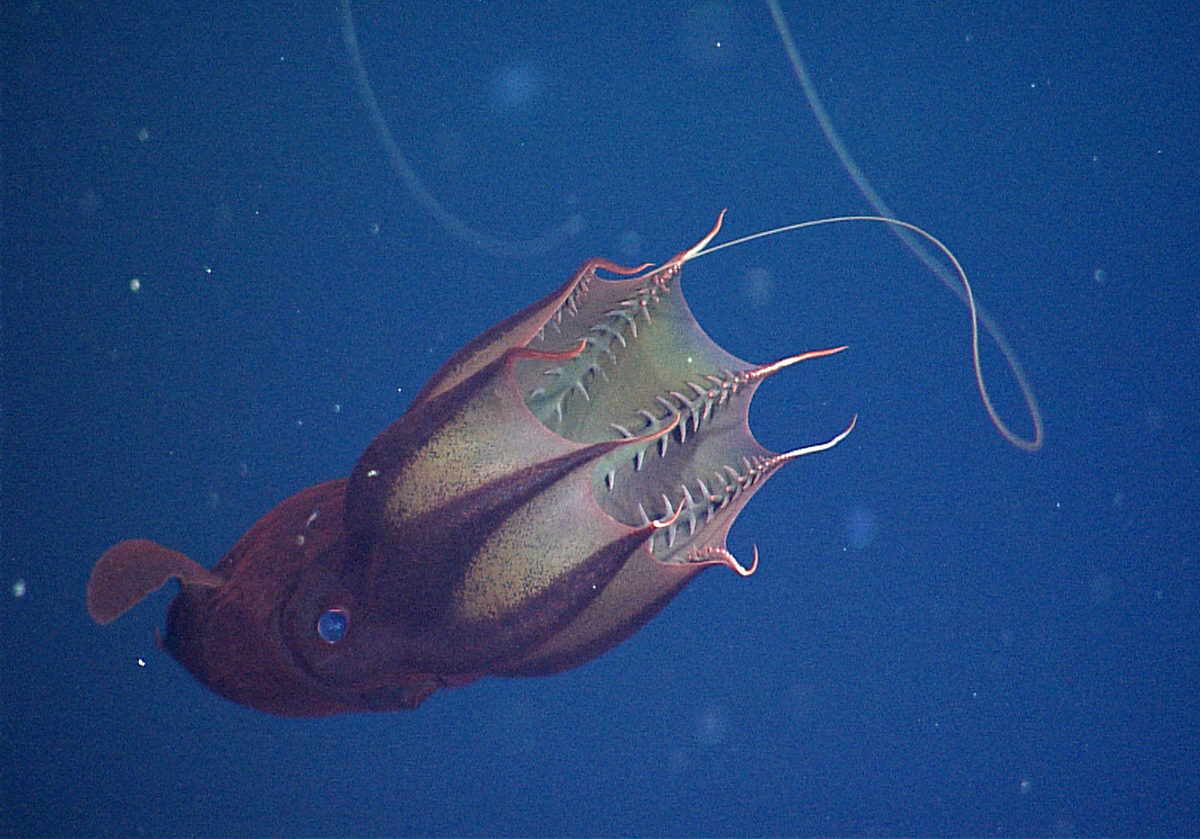
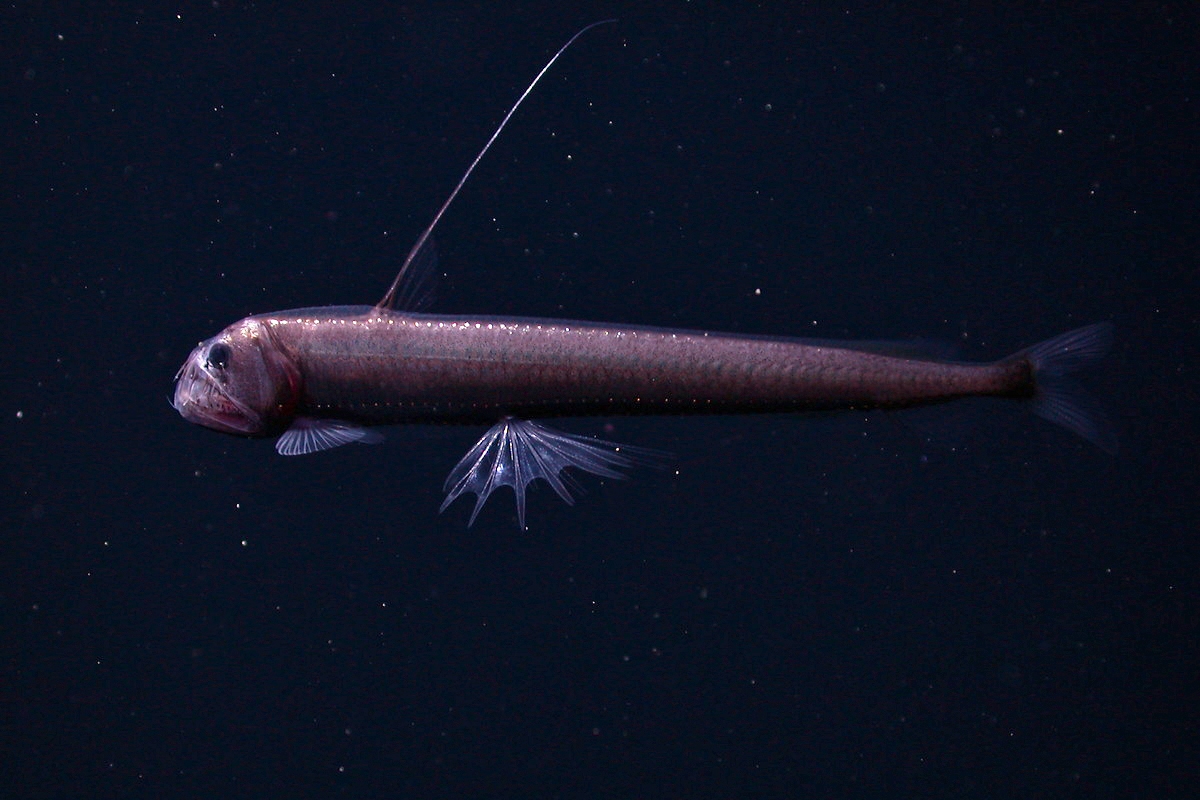
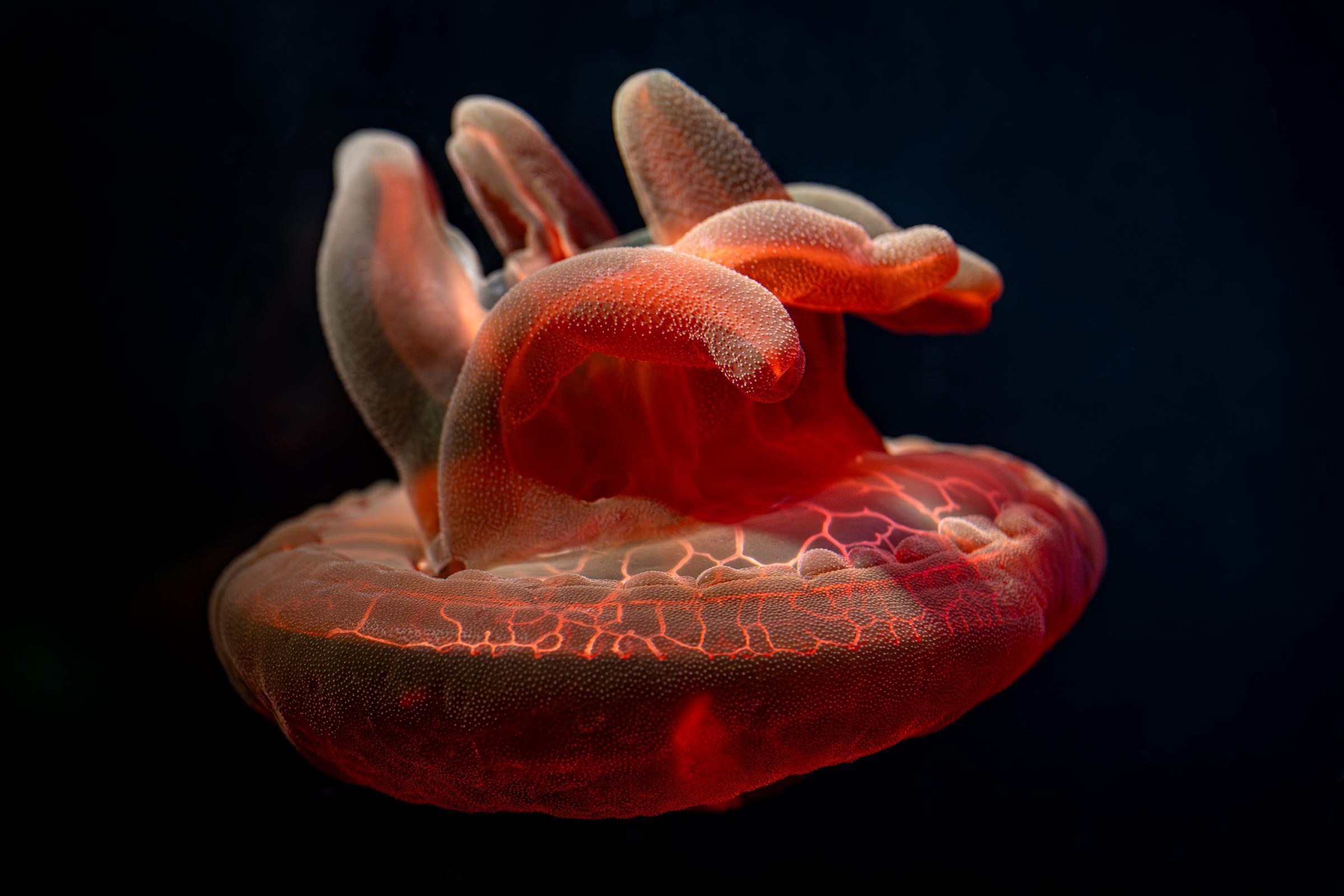
The inky darkness surrounds. Icy water slows motion and crushing pressure constricts. Curious creatures thrive.
© MBARI
Emerging technology will give us new ways of seeing how animals live in the deep sea. Our discoveries will inspire more innovation.
Kakani Katija
MBARI engineer
Meet MBARI
MBARI (Monterey Bay Aquarium Research Institute) is a world leader in ocean exploration. Scientists, engineers, educators, and other professionals work together to advance our understanding of the deep sea so we know how to best protect it.
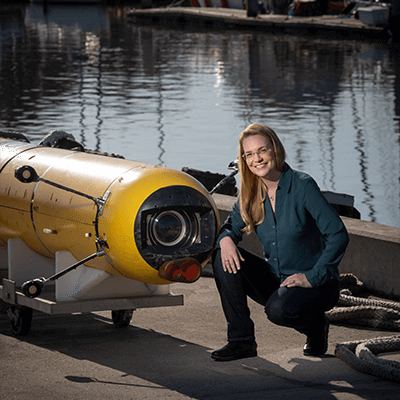
Acoustic Ecologist
Acoustic Ecologist
Kelly Benoit-Bird
I use sound to study animals in the deep sea. Sonar shows me where animals are and how they behave so I can understand how they survive in the open ocean.
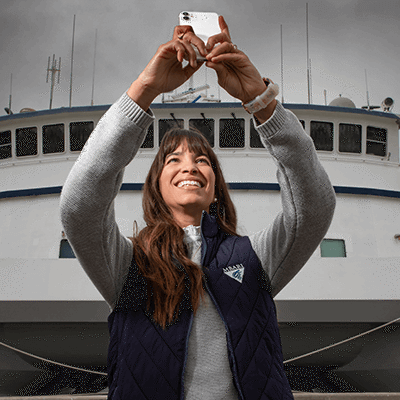
Social Media Specialist
Social Media Specialist
Cassy Burrier
I connect people to the deep sea. I’m always amazed by what our scientists and engineers discover. I share these discoveries with followers around the world on social media.
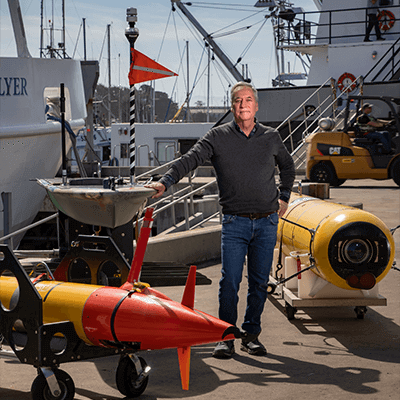
Oceanographer
Oceanographer
Francisco Chavez
I lead a team that studies how marine life responds to changes in ocean physics and chemistry caused by climate variability and change. We look at local and global patterns to identify how human actions impact the ocean.
Biological Oceanographer
Biological Oceanographer
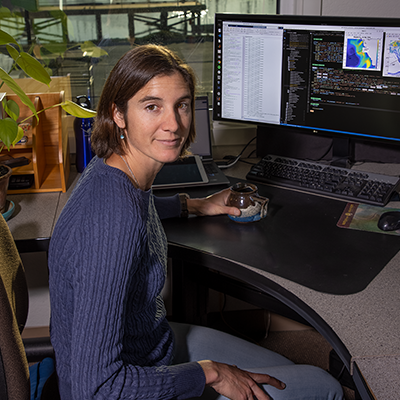
Monique Messié
I work with data from satellites and other monitoring tools to study how microscopic life on the ocean’s surface supports life in the deep sea. Ocean communities change over time depending on what happens on the surface.
Science Communicator
Science Communicator
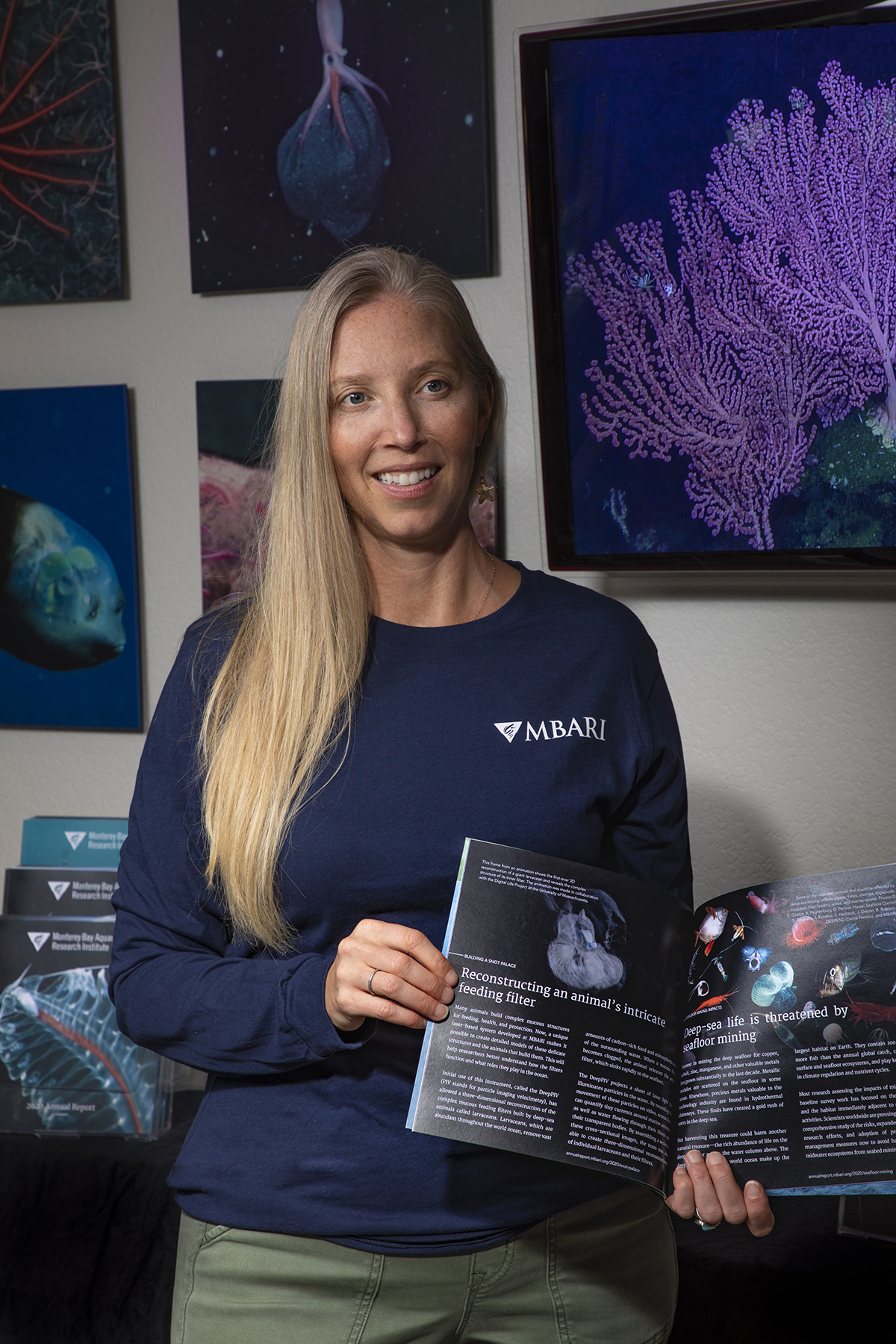
Susan von Thun
I share stories about MBARI’s discoveries. I help people understand how our actions are changing the ocean, including the deep sea. My passion is to inspire the next wave of ocean leaders.
President and CEO
President and CEO
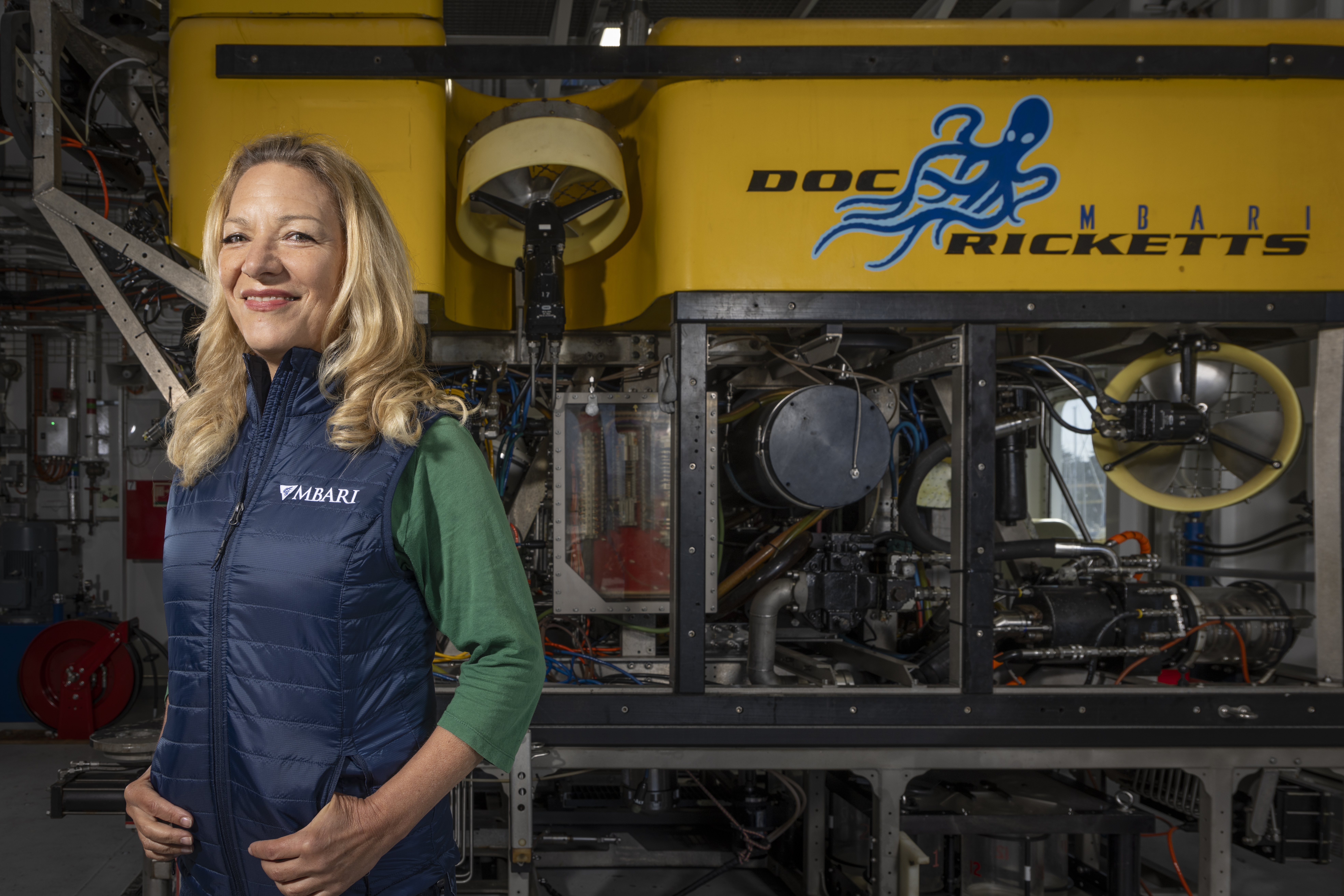
Antje Boetius
The deep sea is home to countless unknown species and habitats. MBARI works with collaborators around the world to discover what lives in the ocean, what critical role this environment plays on our blue planet, and how we can best protect and manage it.
Marine Chemist
Marine Chemist
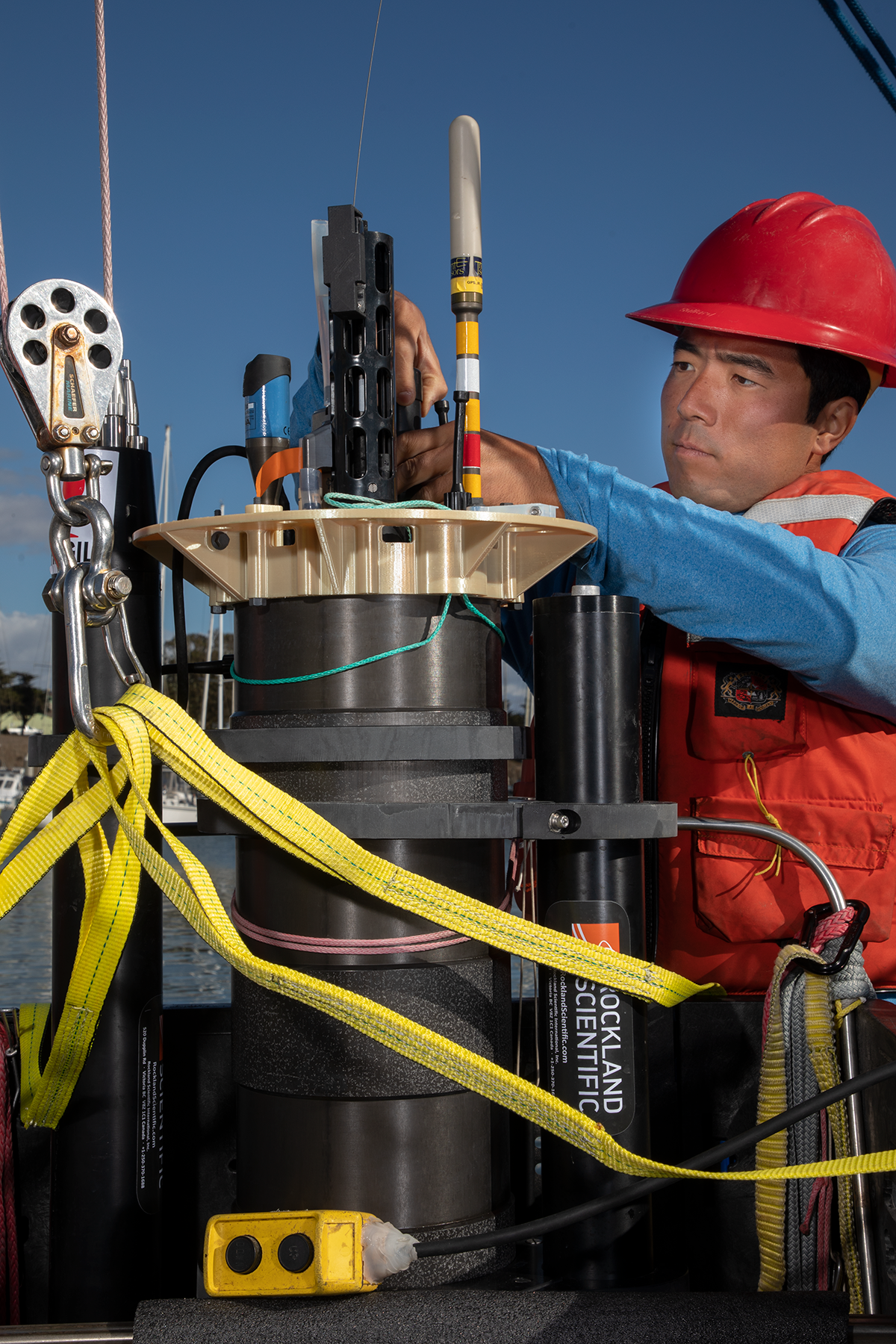
Yui Takeshita
I develop sensors that detect how climate change alters ocean chemistry. I study how these changes affect ecosystems from the coast to the open sea.
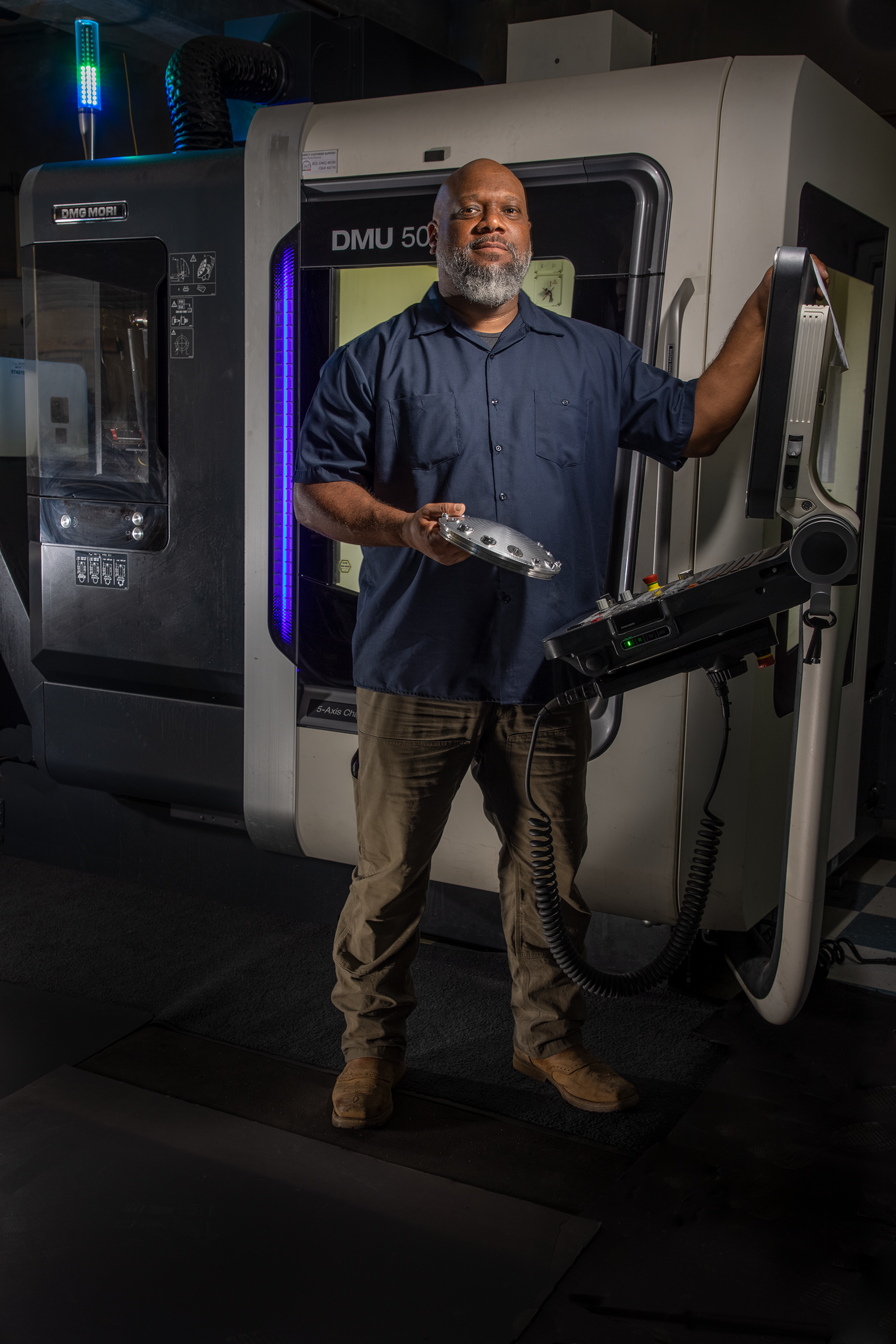
Machinist
Machinist
Mark Tynes
I design, prototype, and build the precision parts we need to study the deep sea. The ocean can be brutal on machinery, so these parts have to hold up to waves, salt water, and crushing pressure.
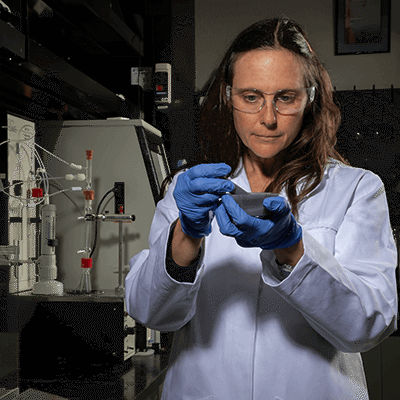
Marine Biologist
Marine Biologist
Crissy Huffard
I study the amount of carbon making its way to the deep sea from the ocean’s surface. My research reveals how changes in carbon, including those caused by climate change, affect animals, ecosystems, and ocean health.
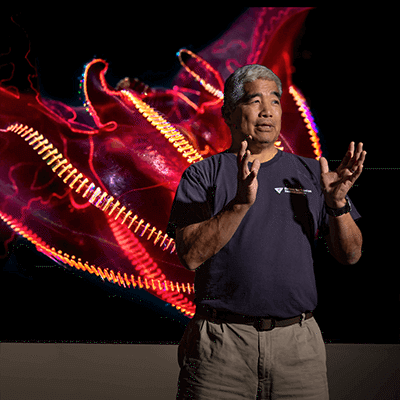
Science Educator
Science Educator
George Matsumoto
I enjoy sharing what fascinates me about the ocean and the life it supports. I hope to inspire an appreciation for the ocean and encourage others to act for its protection.
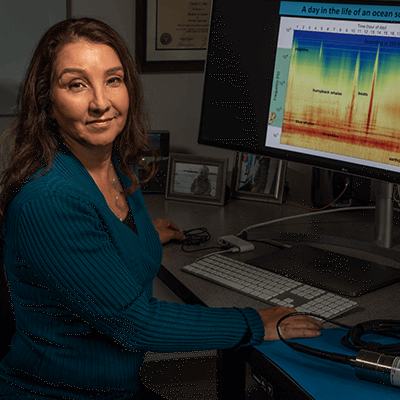
Software Engineer
Software Engineer
Danelle Cline
I design and build computer programs to help us understand the ocean. I work with scientists to develop software to analyze thousands of hours of video and sound data.
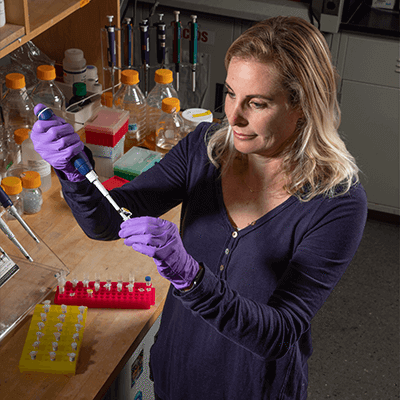
Population Geneticist
Population Geneticist
Shannon Johnson
Many deep-sea animals look the same, but they’re actually really different. I compare their DNA to tell them apart and see how they’re related.
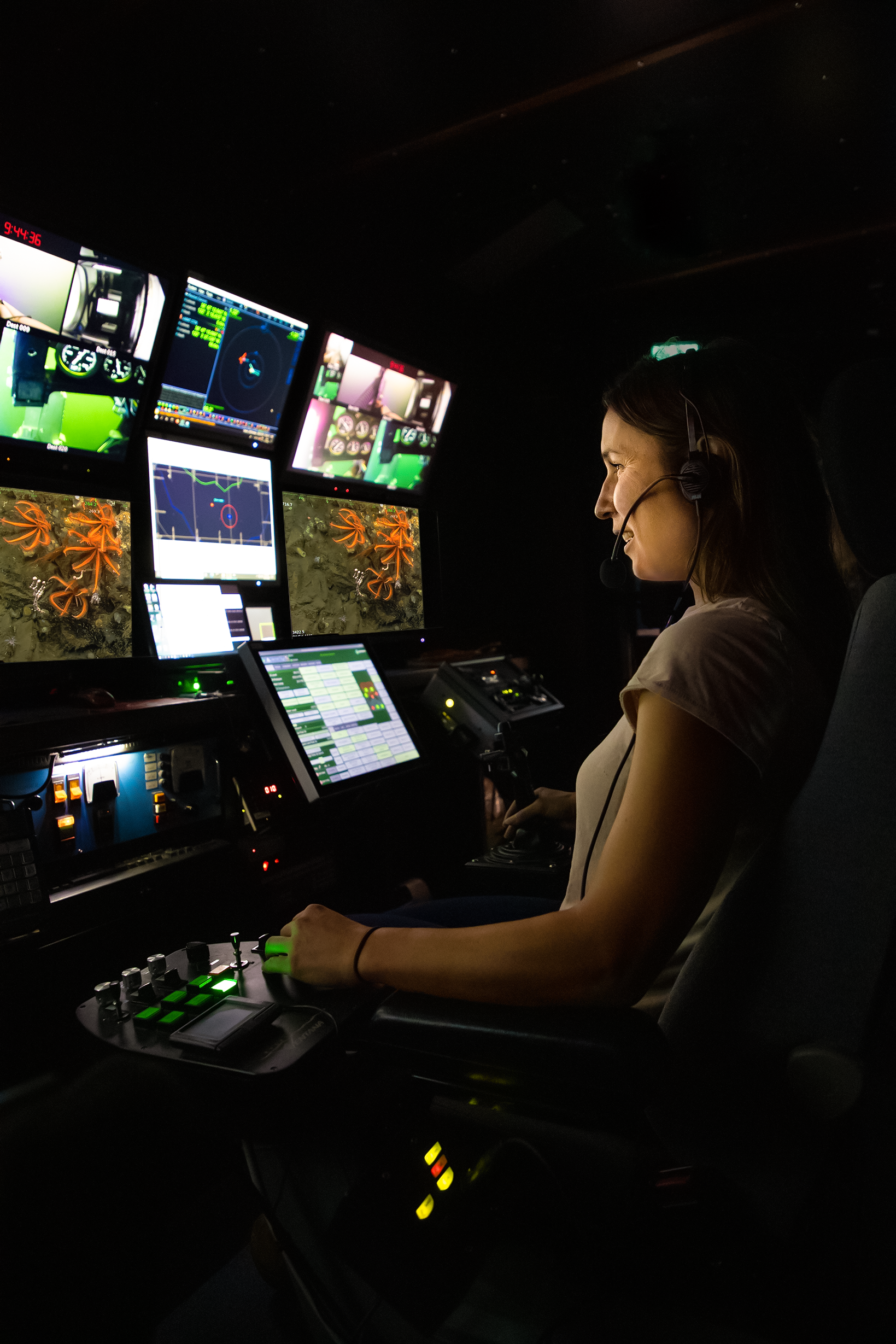
Underwater Robot Pilot
Underwater Robot Pilot
Karen Martinez
I fly a robot—the size of a small car—13,000 feet (4,000 meters) deep in the ocean. Using remote controls from a ship on the surface, I track drifting and swimming animals and collect specimens and video.
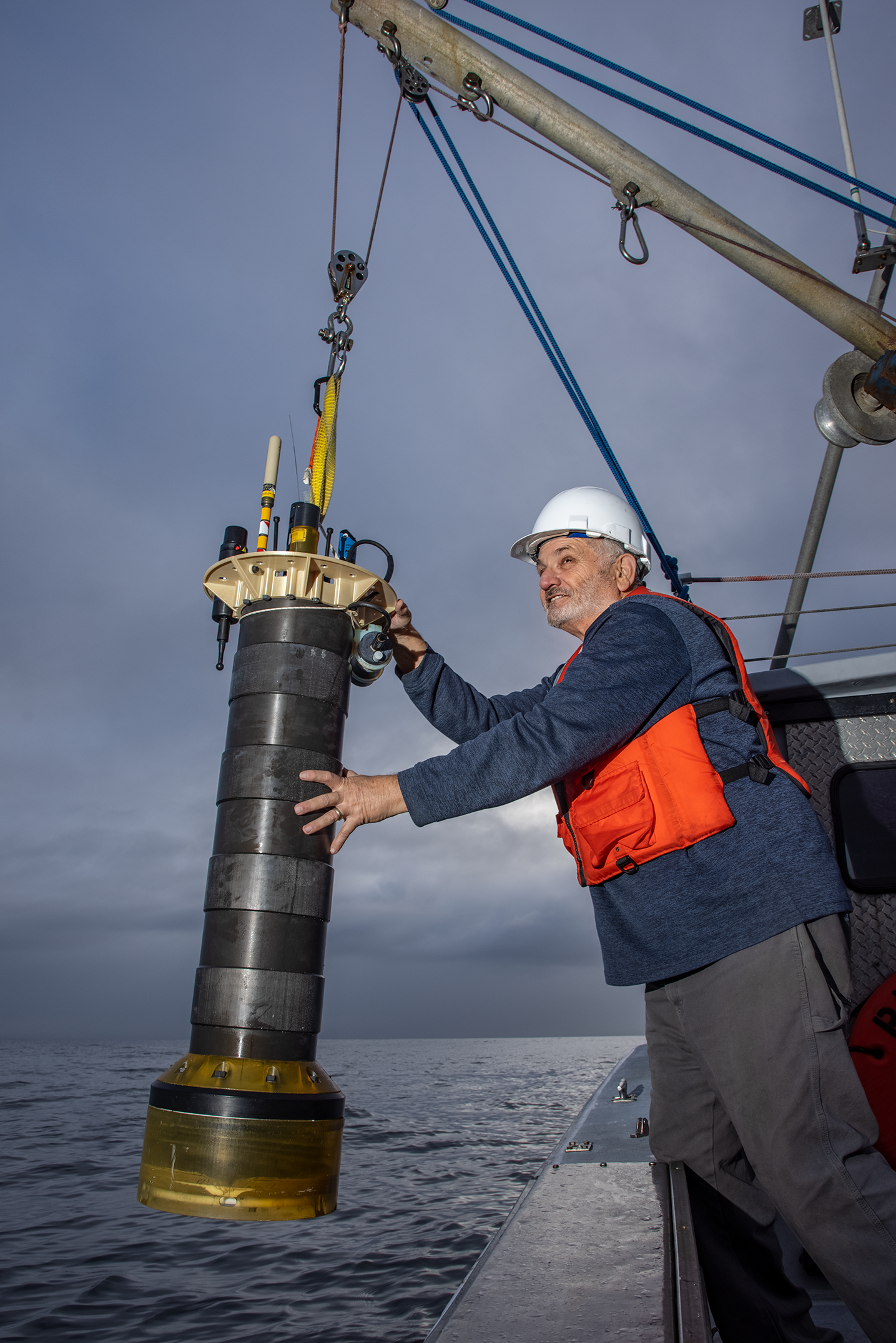
Engineer
Engineer
Gene Massion
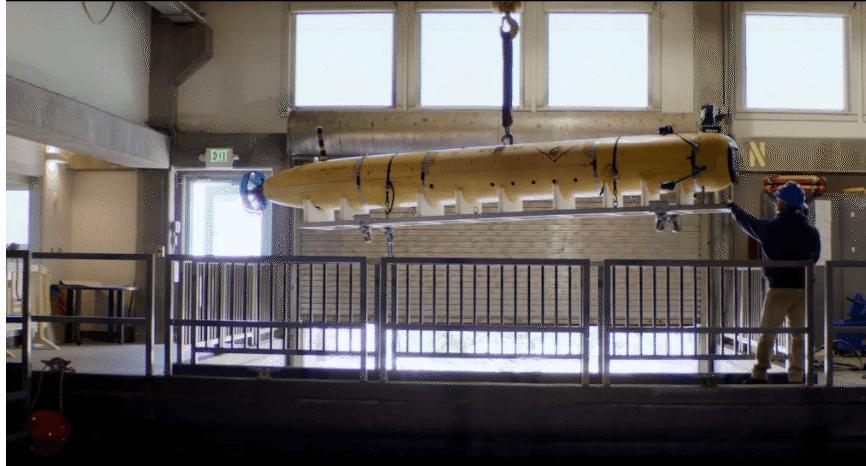
I work with a talented team of technicians, scientists, machinists, and engineers. We design, build, and operate the sensors and floating robots that we use to assess the health of the ocean.
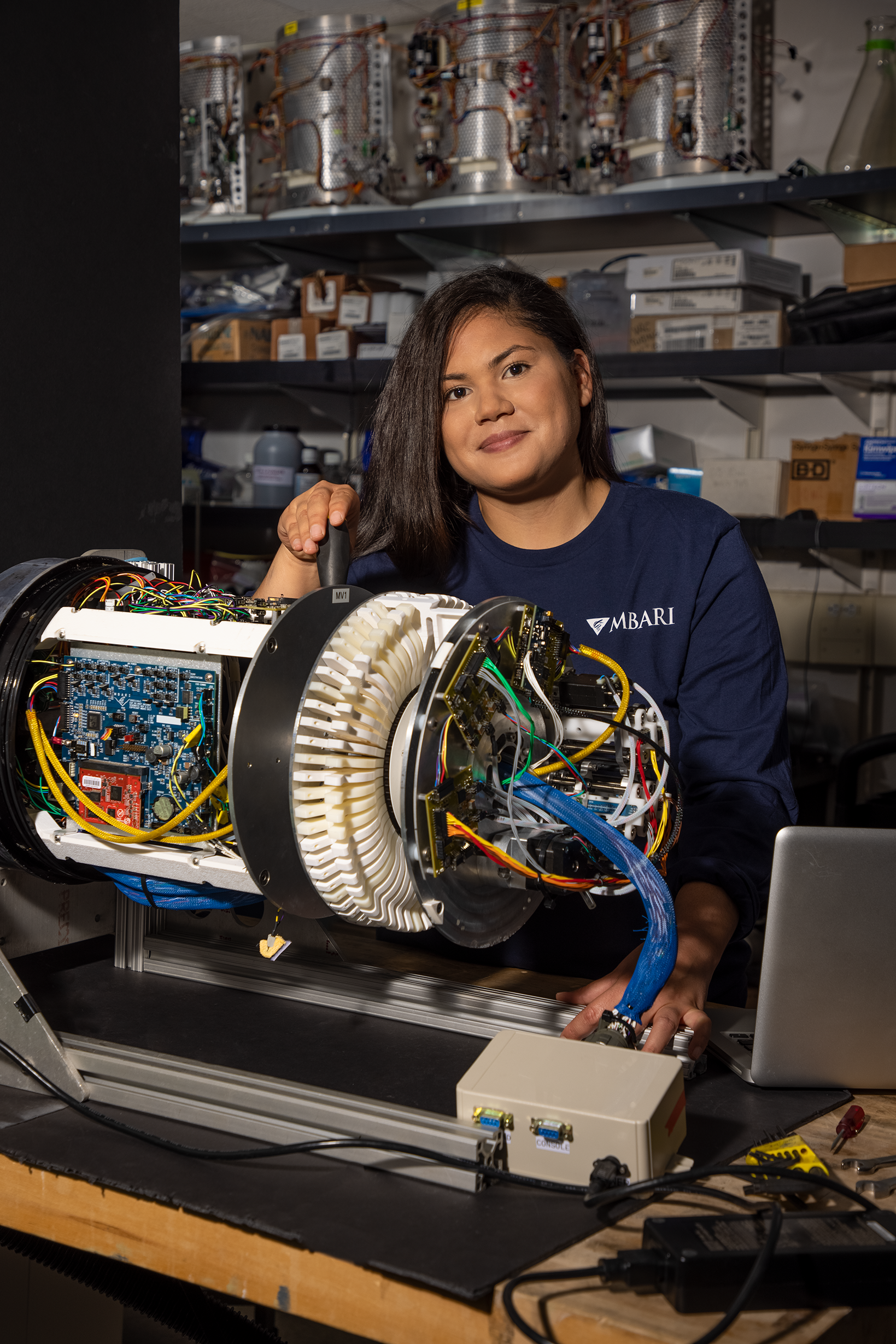
Engineering Technician
Engineering Technician
Nadia Allaf
As an engineer, I create, test, and maintain the instruments inside our robots. I’m currently working on DNA-sampling devices that tell us where organisms live in the deep sea, as well as in rivers and lakes.
Marine Biologist
Marine Biologist
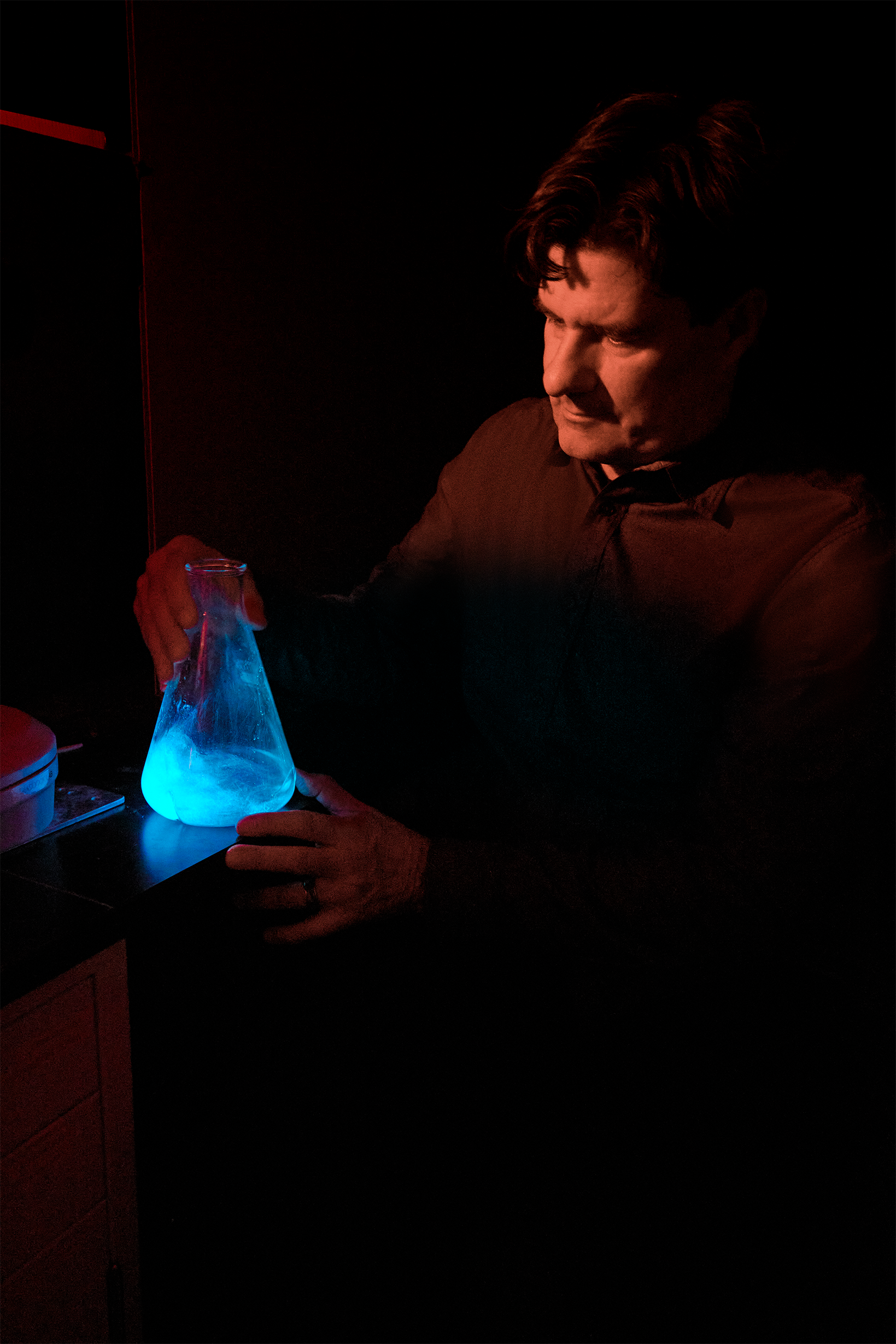
Steven Haddock
I study bioluminescence and biodiversity of the deep sea. Every time we go to sea, we find something unexpected, like glowing jellies that are new to science. Once we found an ancient mammoth tusk 10,000 feet (3,000 meters) deep.
Related videos
Deep-sea research takes teamwork
Follow MBARI’s discoveries
MBARI (Monterey Bay Aquarium Research Institute) asks and answers questions about the deep sea in our backyard—and beyond.
Dive deeper into the Into the Deep exhibit
General content
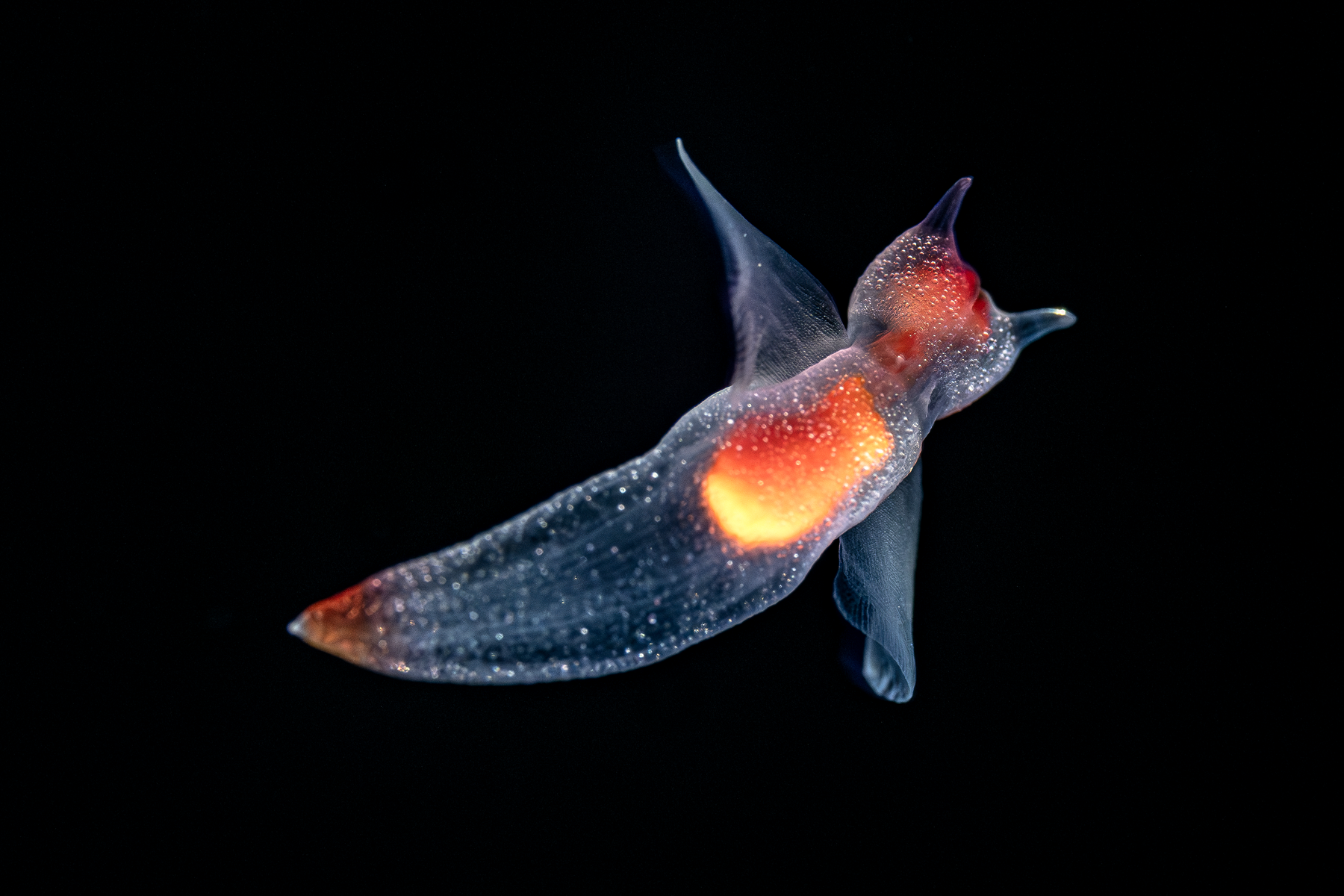
The midwater
Between sunlit water and the deep seafloor lies the midwater.
Read more – The midwater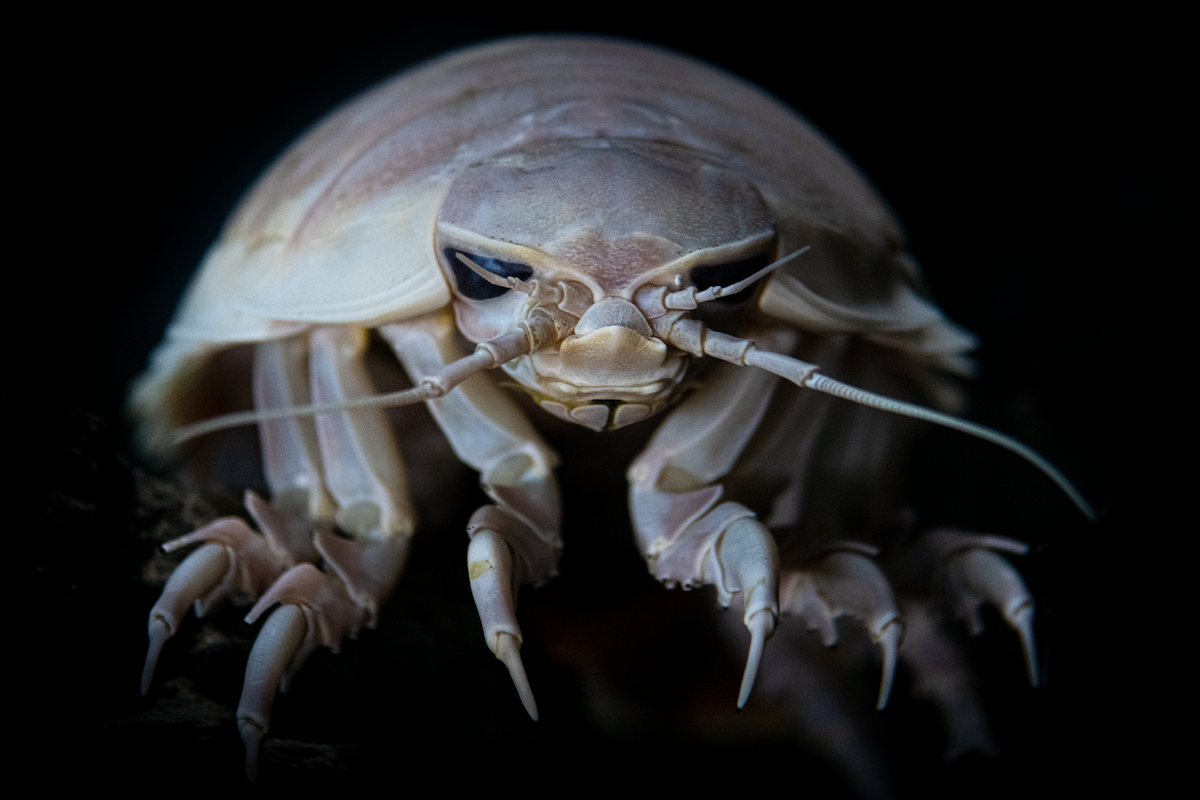
General content
Explore the seafloor
Deep below the surface, long-legged crabs, colorful corals, and pancake-shaped octopuses live on the seafloor.
Read more – Explore the seafloor
General content
On the horizon
Keep exploring with behind-the-scenes chats with staff and scientists, online courses, stories, and more.
Read more – On the horizon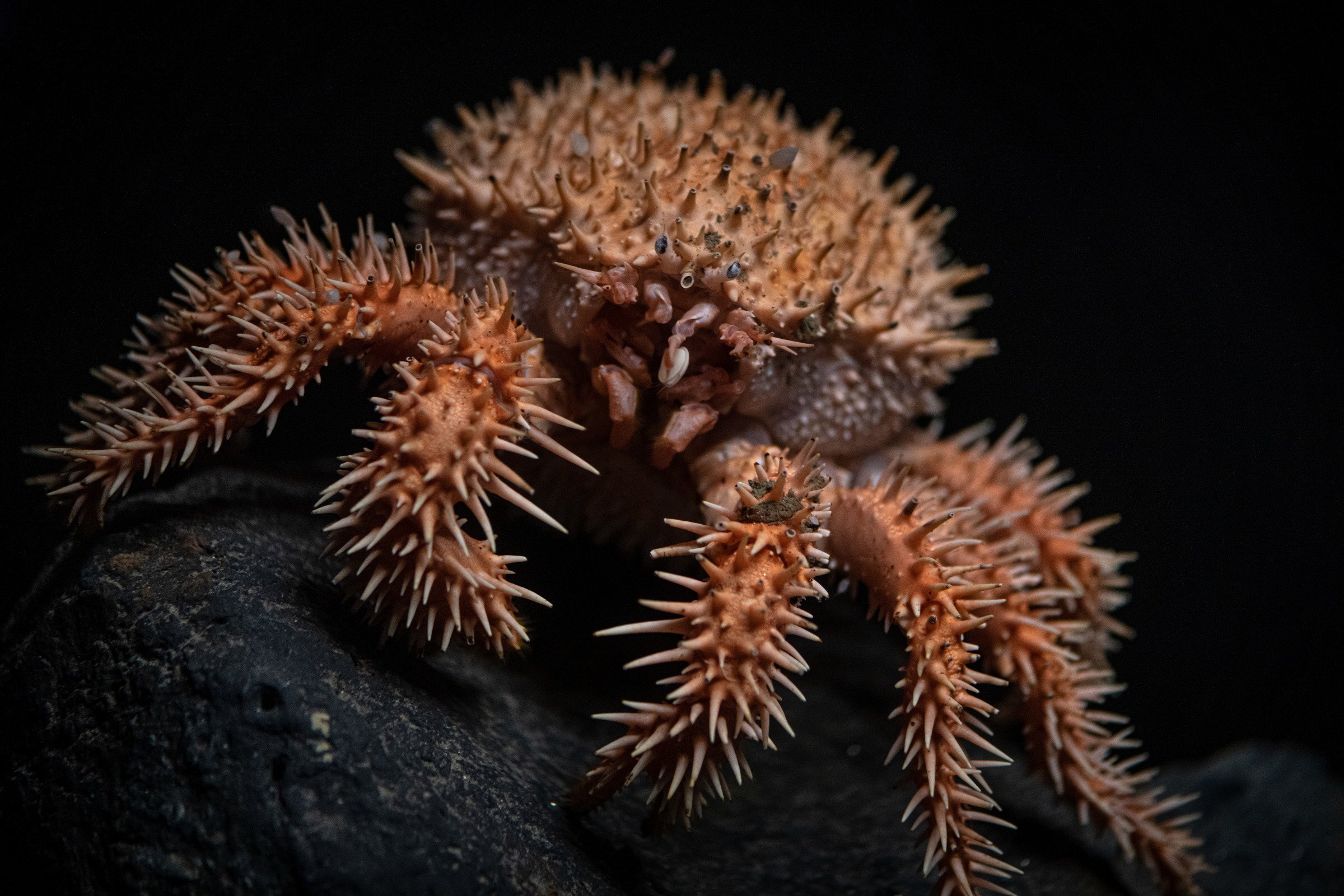
Animals & the ocean
Deep sea animals A to Z
From football-sized giant isopods to transparent jellies that glow, the deep sea is brimming with life.
Read more – Deep sea animals A to Z