

The midwater
Into the Deep Exhibit
Deep water defines this living space. Between sunlit water and the deep seafloor lies the midwater. This vast expanse is the largest habitat on Earth. Life here darts and drifts with no boundaries, little to no light, and few places to hide.
In our care
Are these animals under pressure? The deep-sea animals we collect do fine at surface pressure, but they need icy cold water. And some do best when we remove some oxygen from their water. We’re the first to keep many of these animals alive—so we had to figure out what conditions they needed to survive.

Animals that live in the midwater
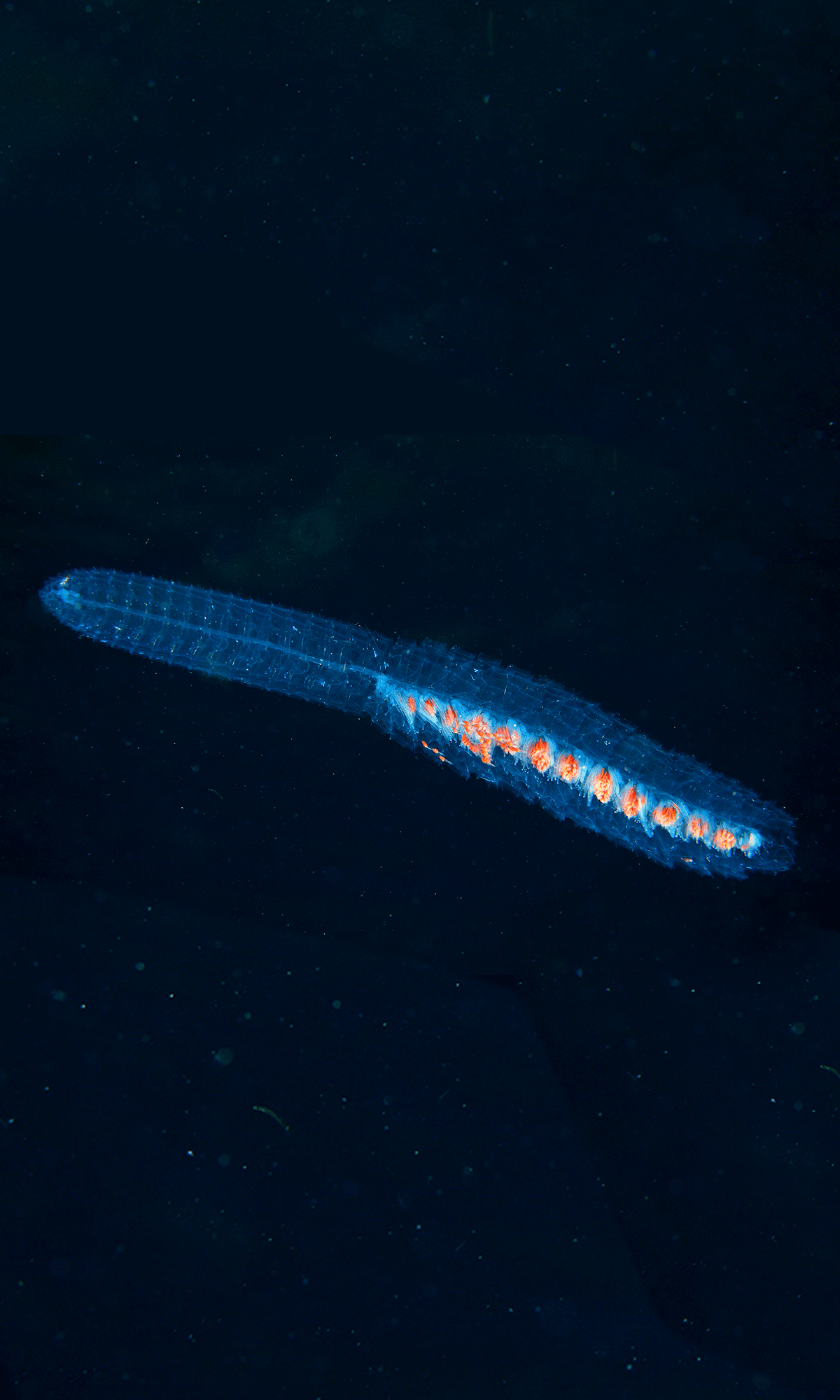
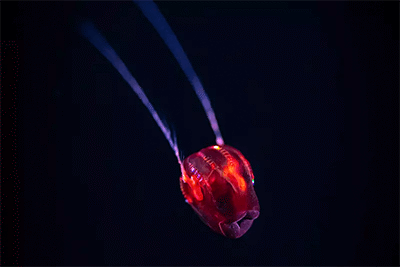
Red-spotted siphonophore
Red-spotted siphonophore
By day, this predator reels in its long tentacles and drifts. At night, it travels up near the surface to feed.
Check out this animal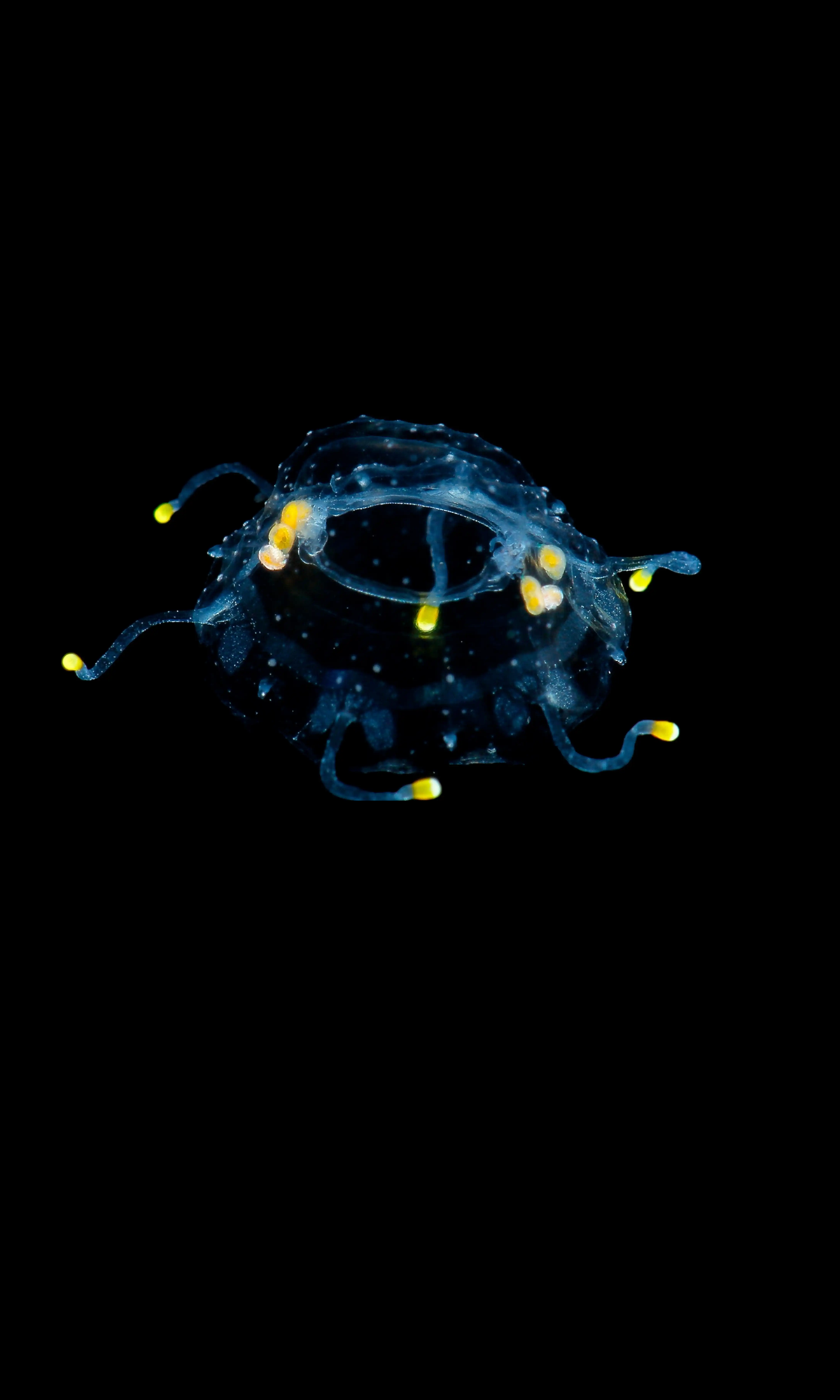
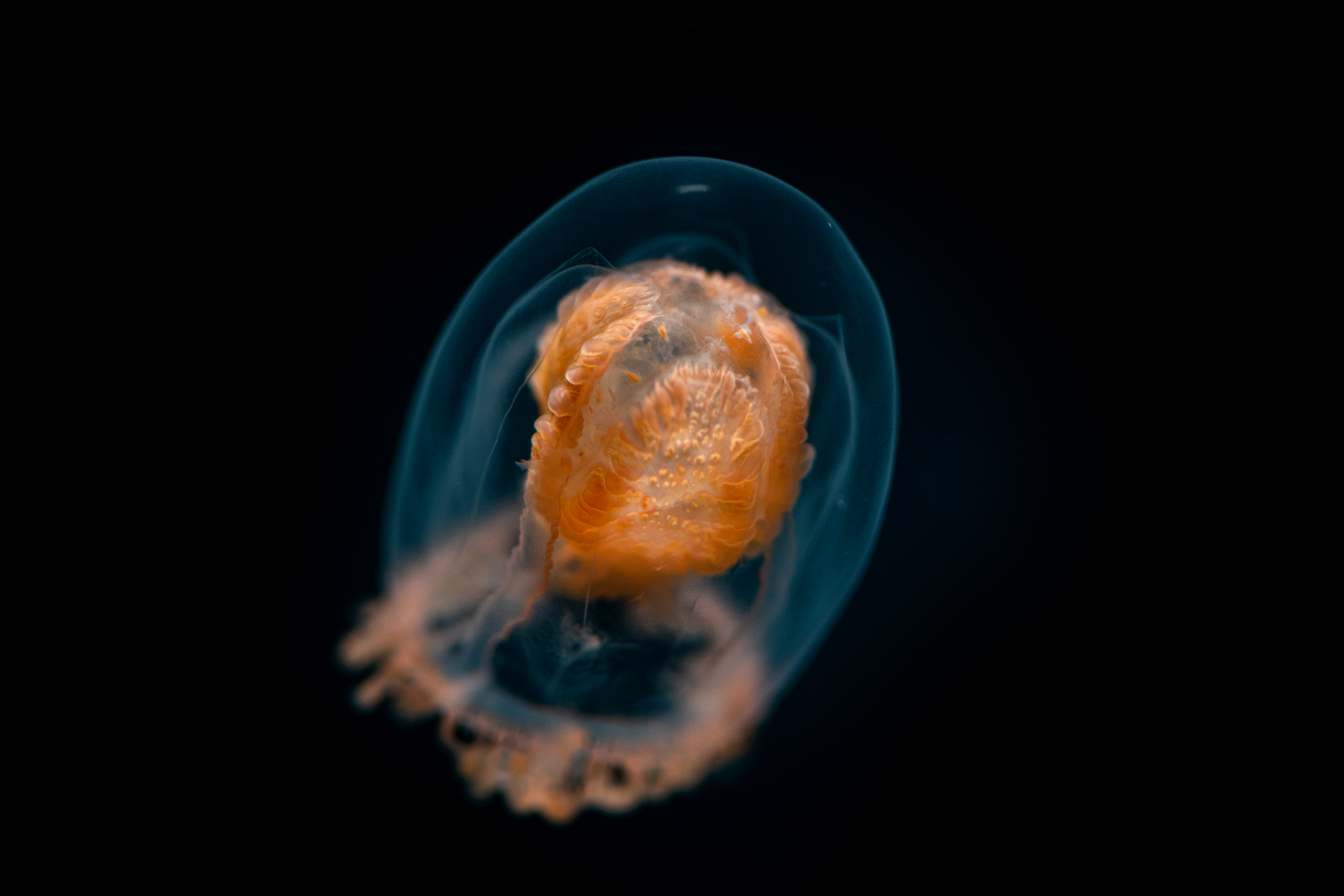
Gold-spotted crown jelly
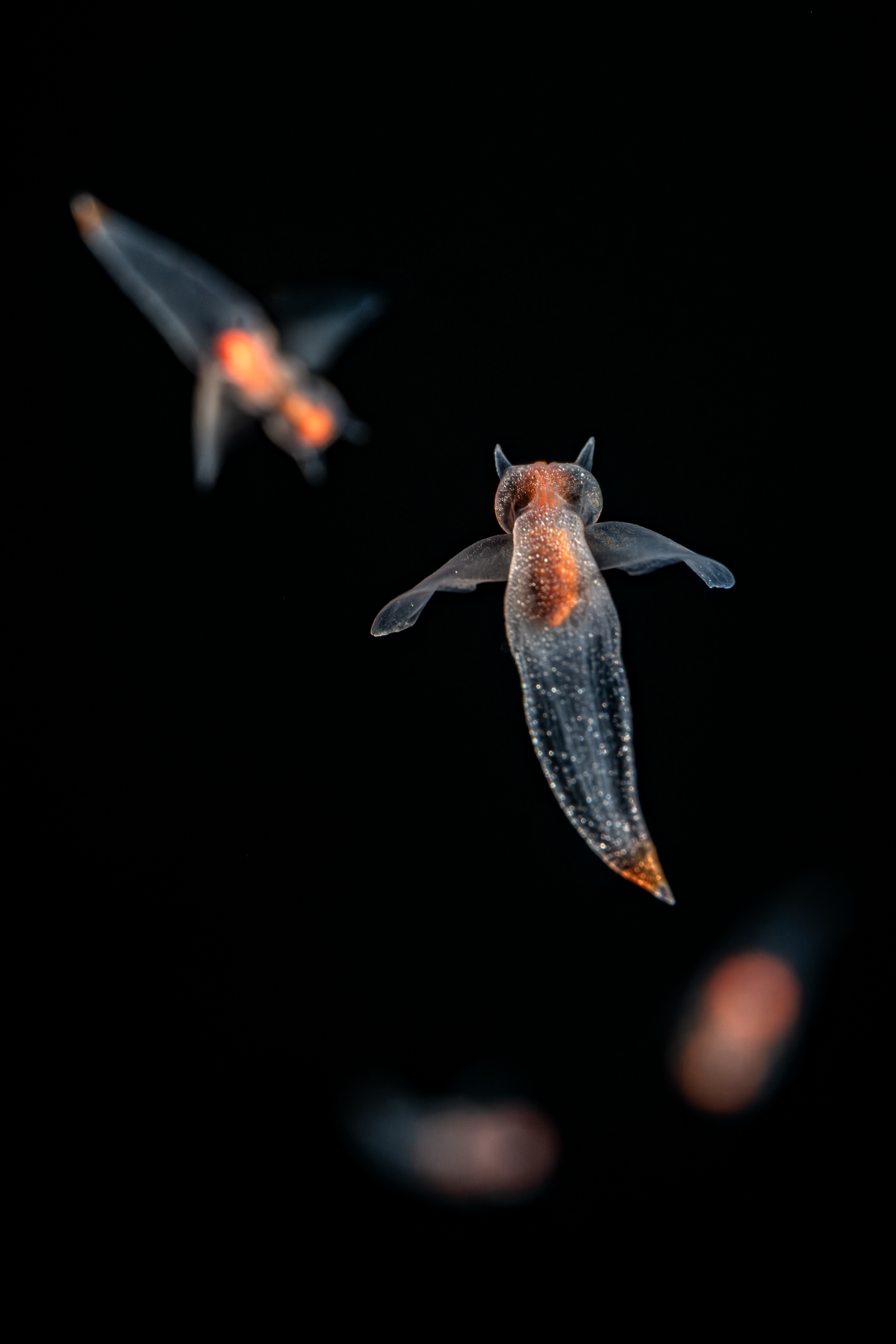
Sea angel
Sea angel
This celestial swimming snail flutters through the open ocean with the rhythmic flapping of their wings.
Check out this animal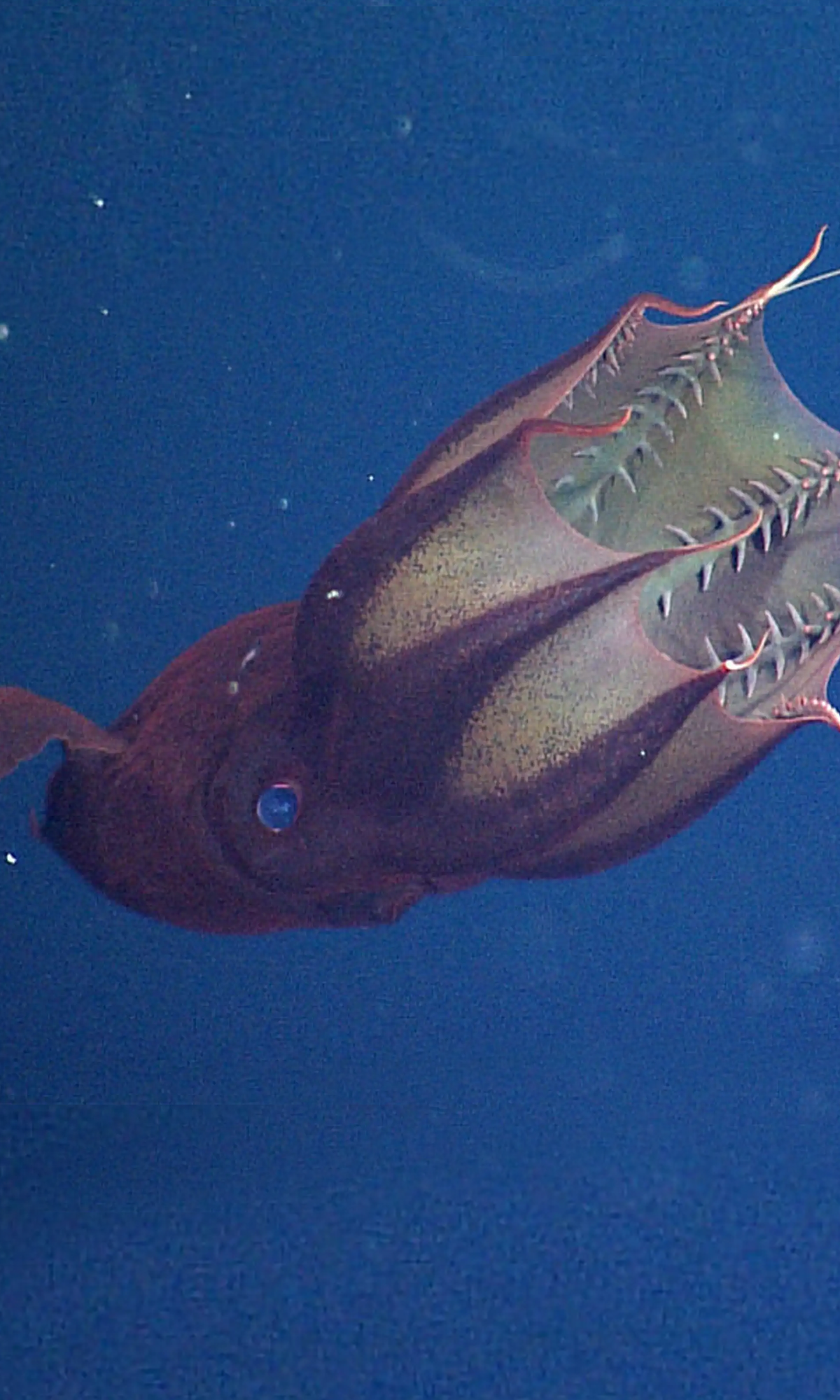
Vampire squid
Vampire squid
This scavenger floats through the deep sea collecting debris called marine snow with long feeding filaments.
Check out this animal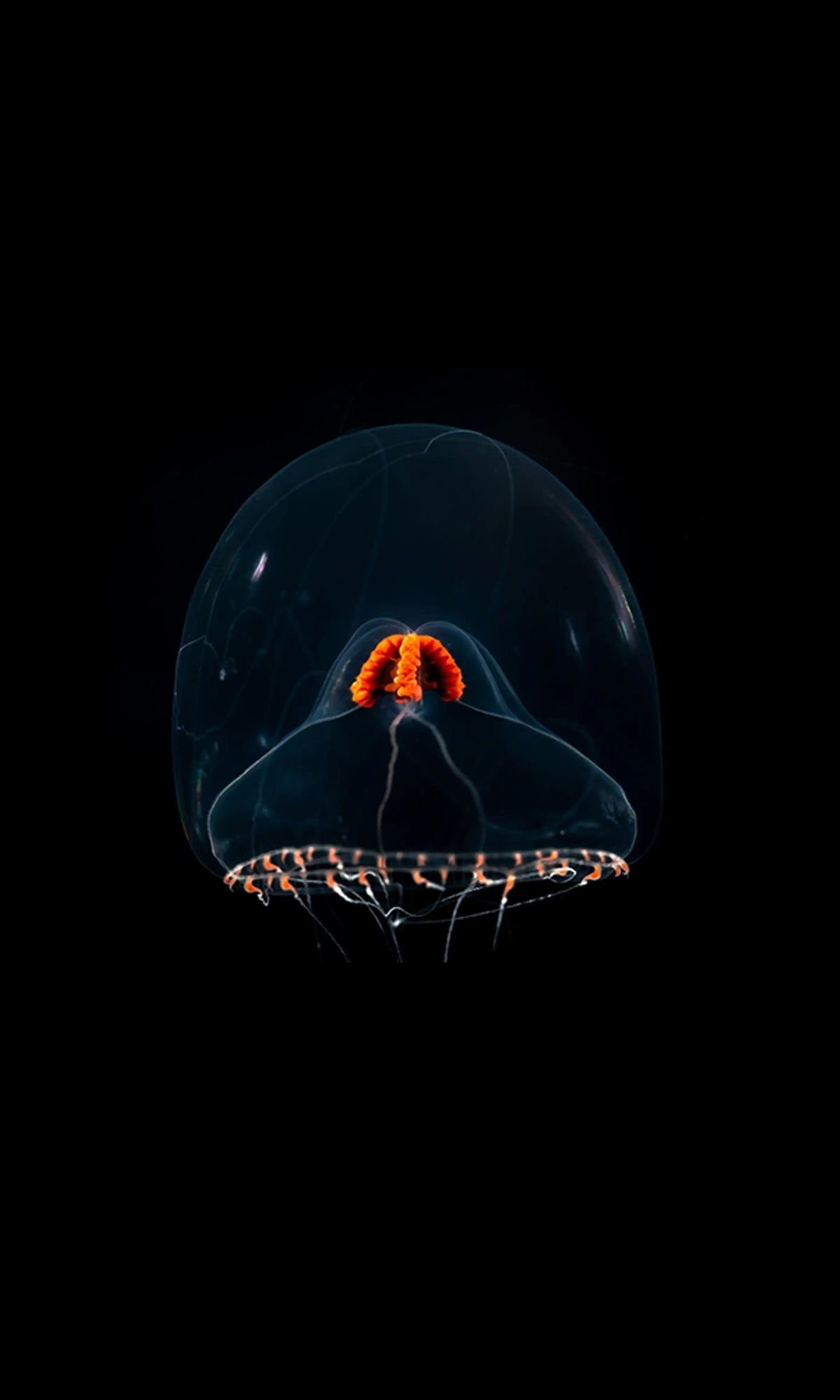
Snow globe jelly
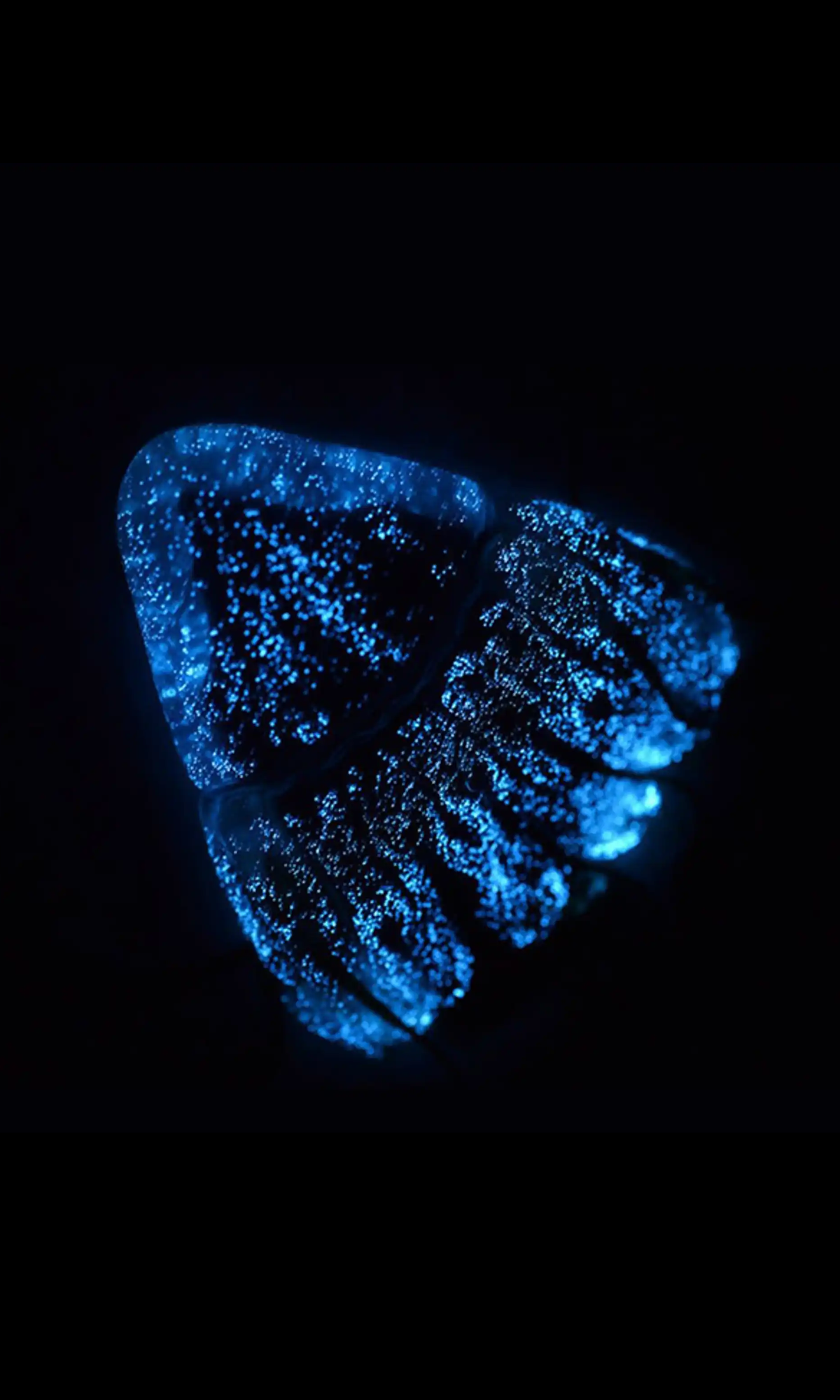
Helmet jelly
Helmet jelly
At the hint of danger, a bright-blue strobe washes over the helmet jelly’s bell.
Check out this animal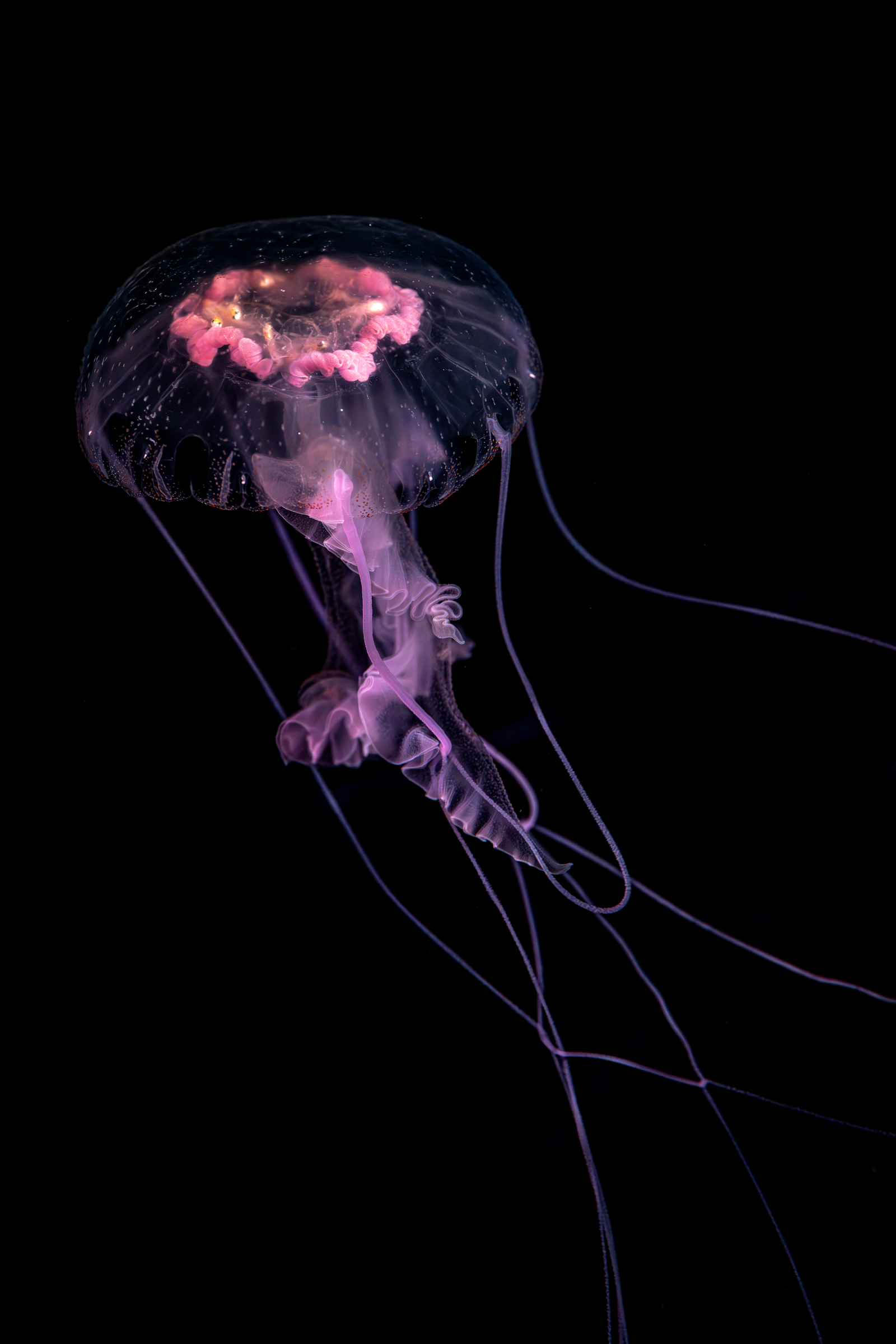
Mauve stinger
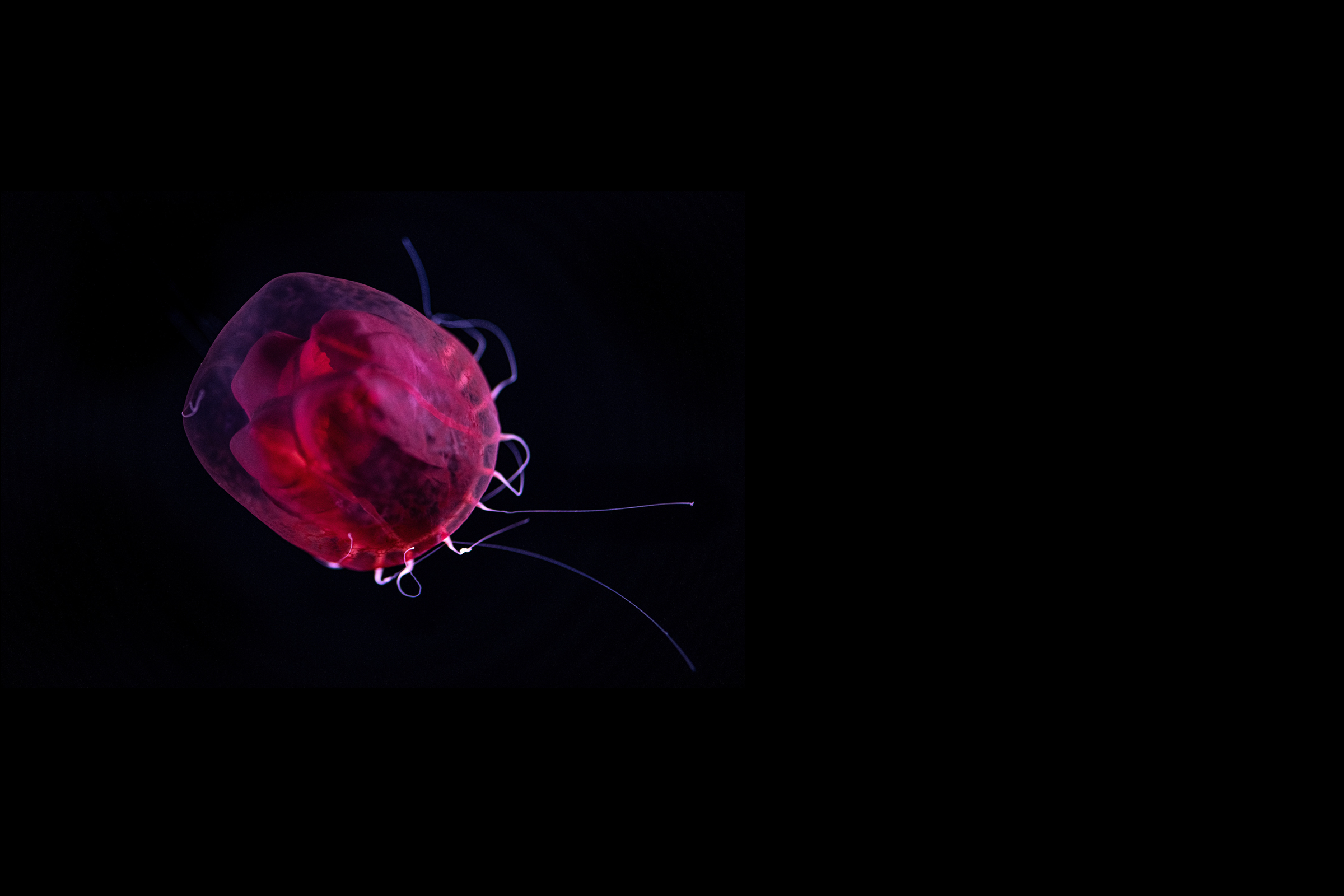
Red paper lantern jelly
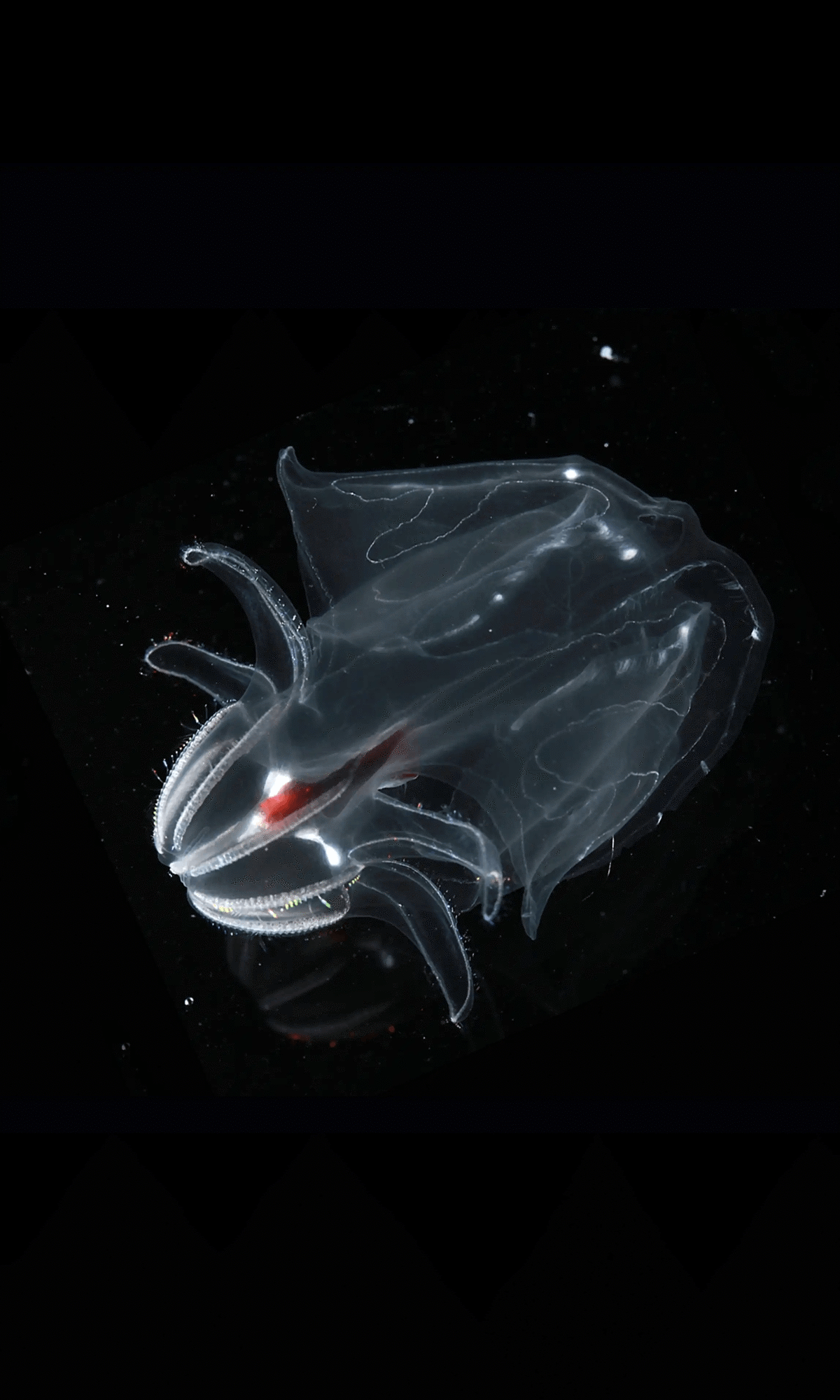
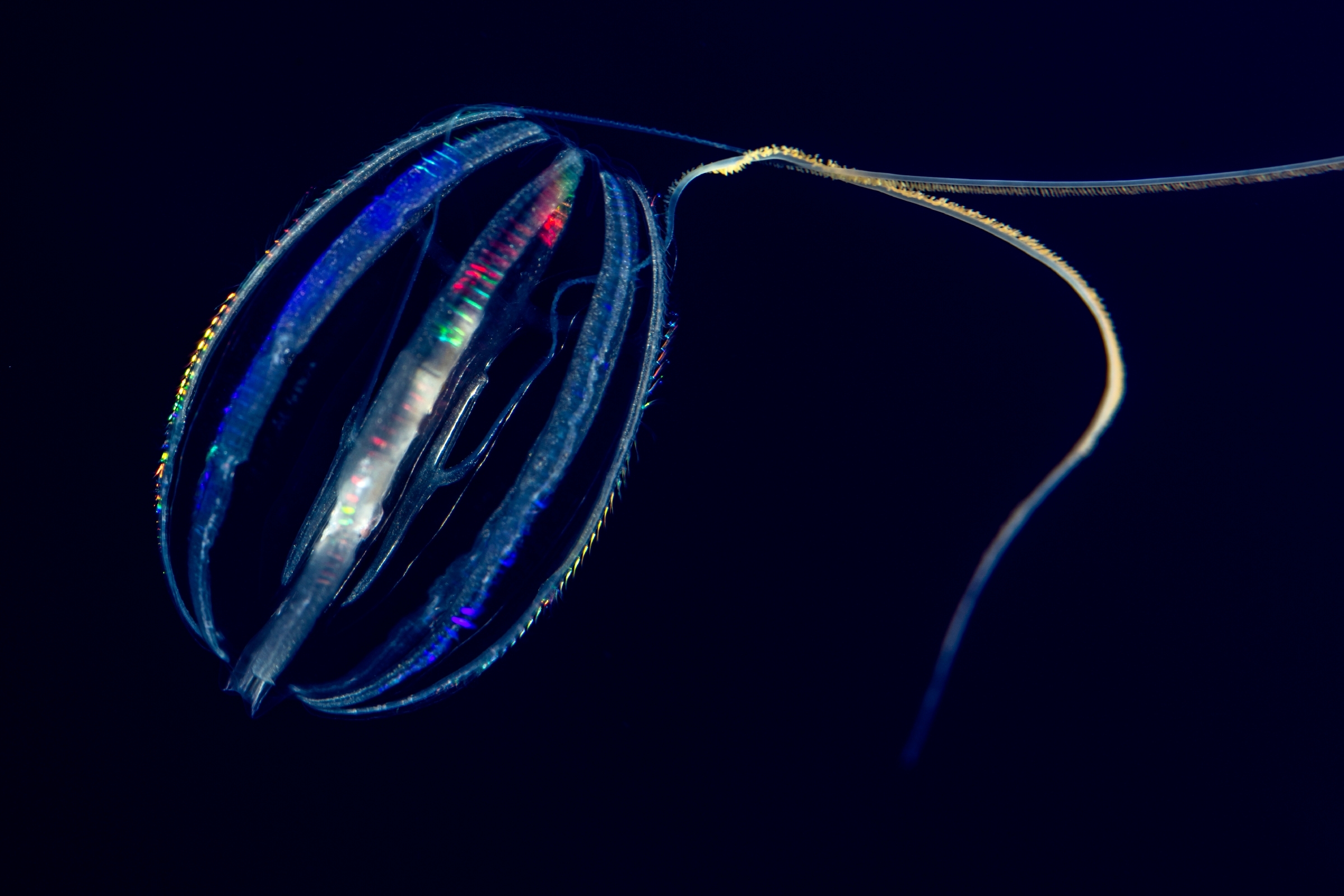
Scallop comb jelly
Scallop comb jelly
Red looks black in the deep sea and keeps the jelly invisible to predators.
Check out this animal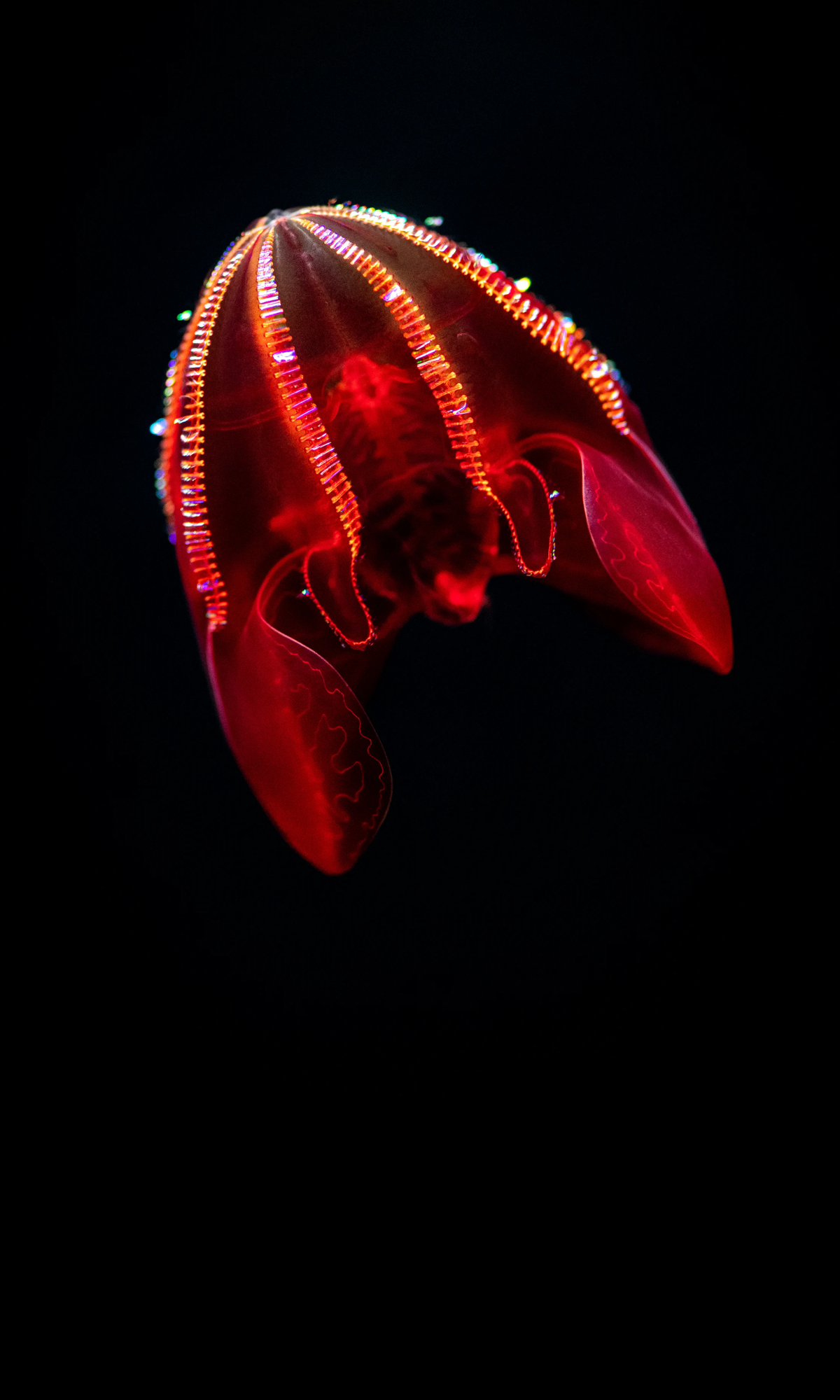
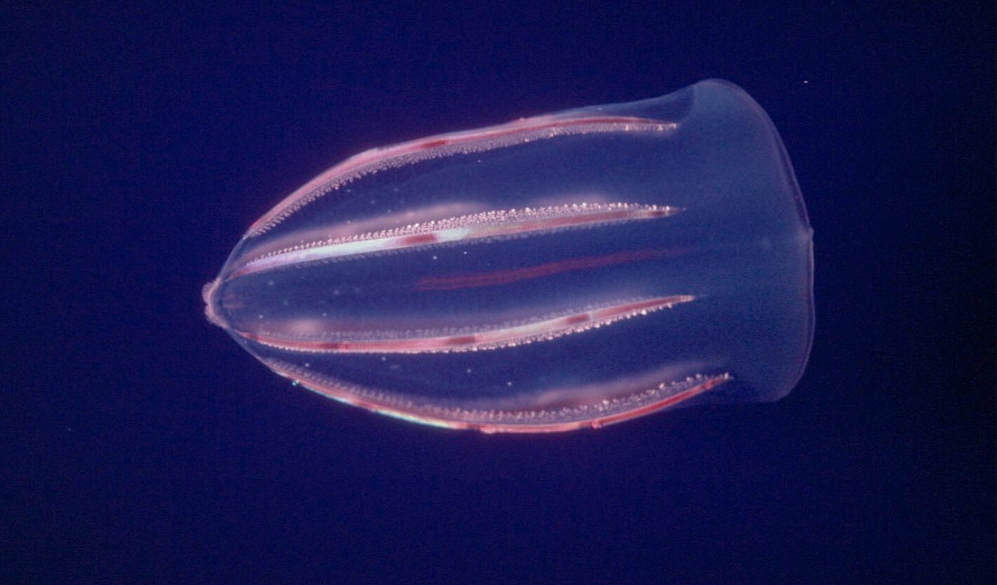
Bloody-belly comb jelly
Bloody-belly comb jelly
This vibrant jelly is nearly invisible to predators in the deep sea.
Check out this animal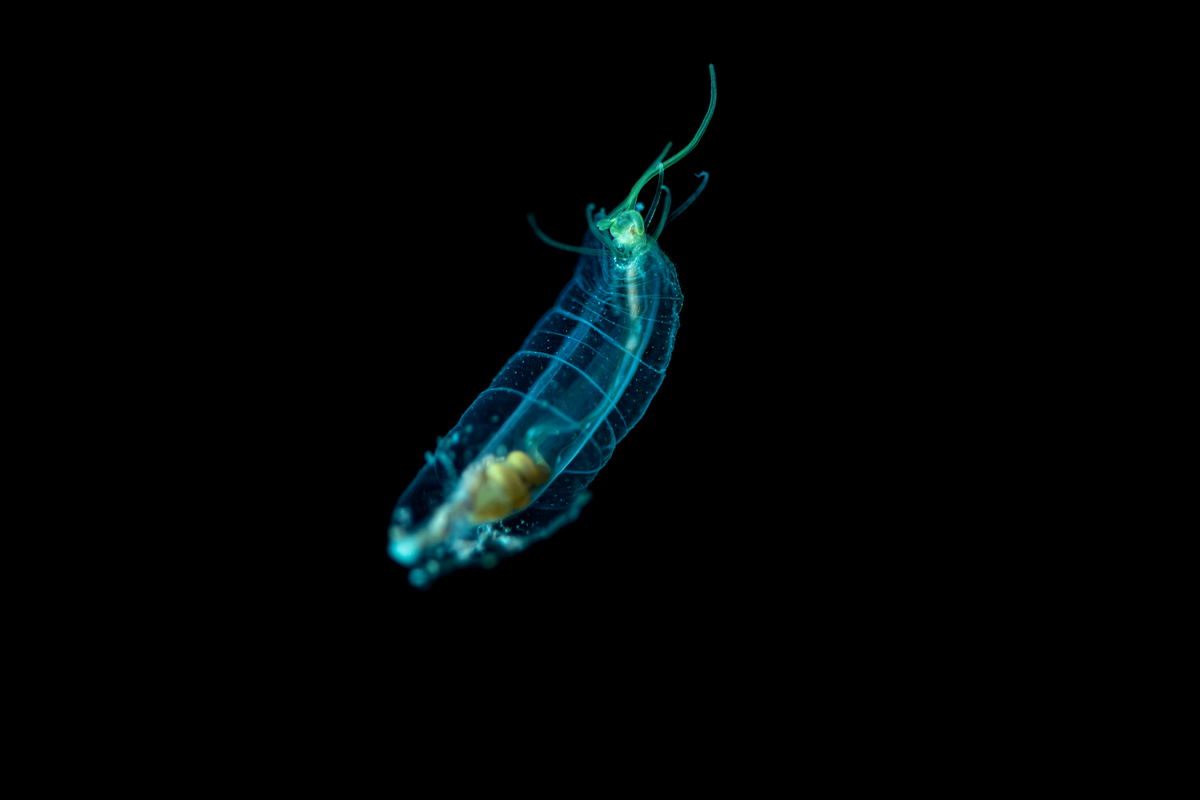
Balloon worm
Balloon worm
A balloon worm feasts on bits of dead animals, poop and mucus that drift down from the surface.
Check out this animal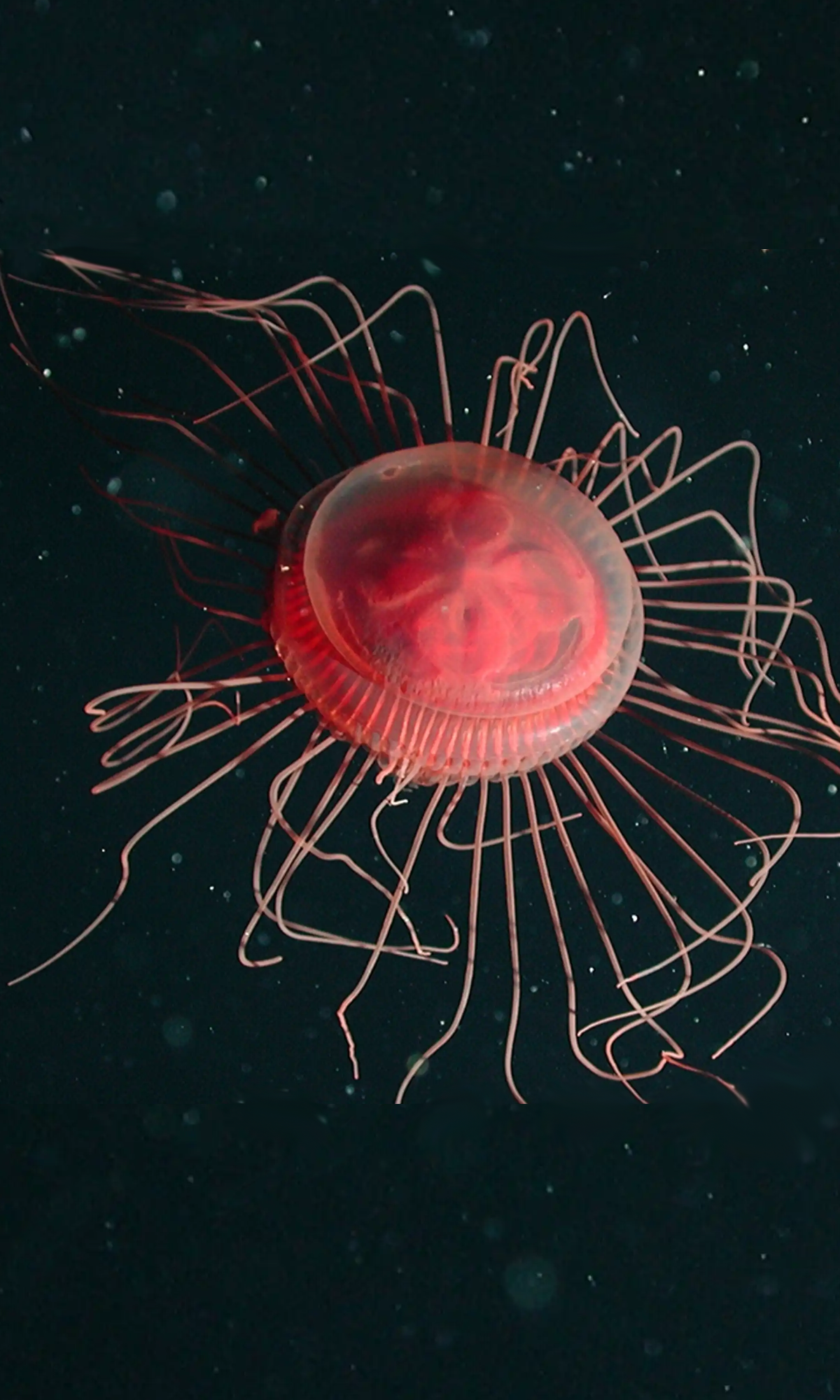
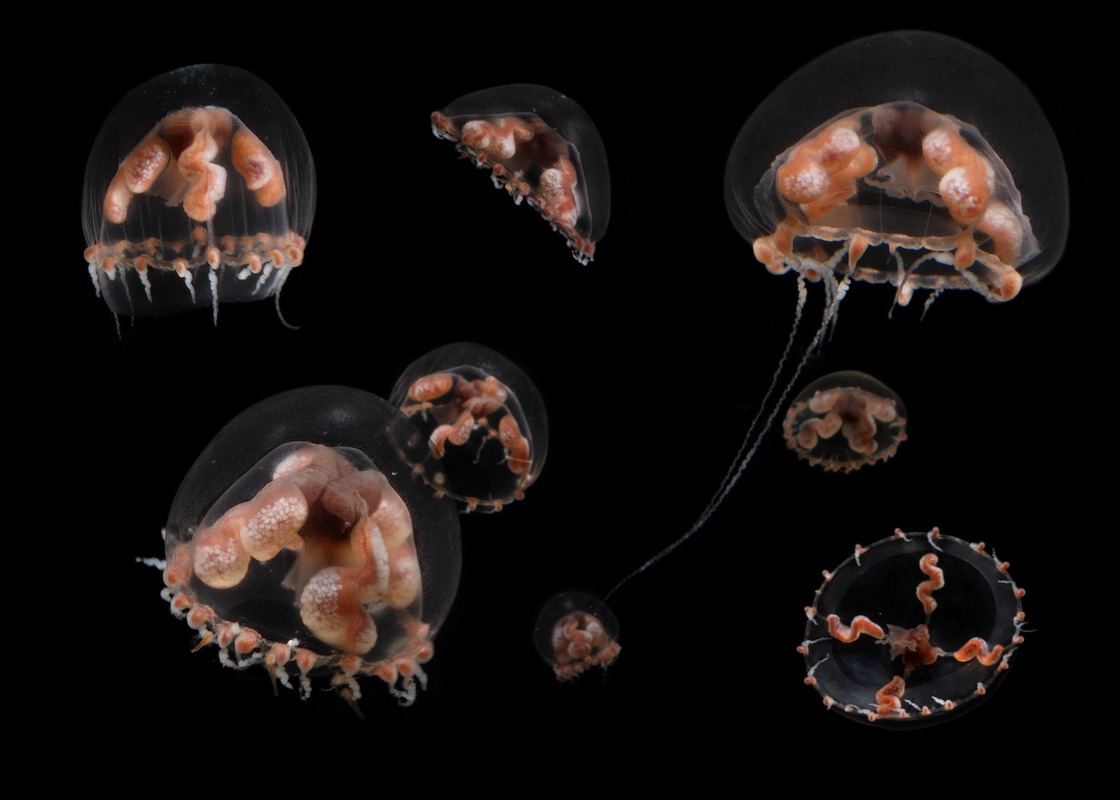
Red crown jelly
Red crown jelly
When startled, this jelly sets off blue lights that sparkle around the rim of its bell like a crown.
Check out this animalMidwater animal discoveries
Here are some of the most remarkable discoveries from ongoing explorations, highlighting the surprising abundance and variety of gelatinous animals in the midwater zone.
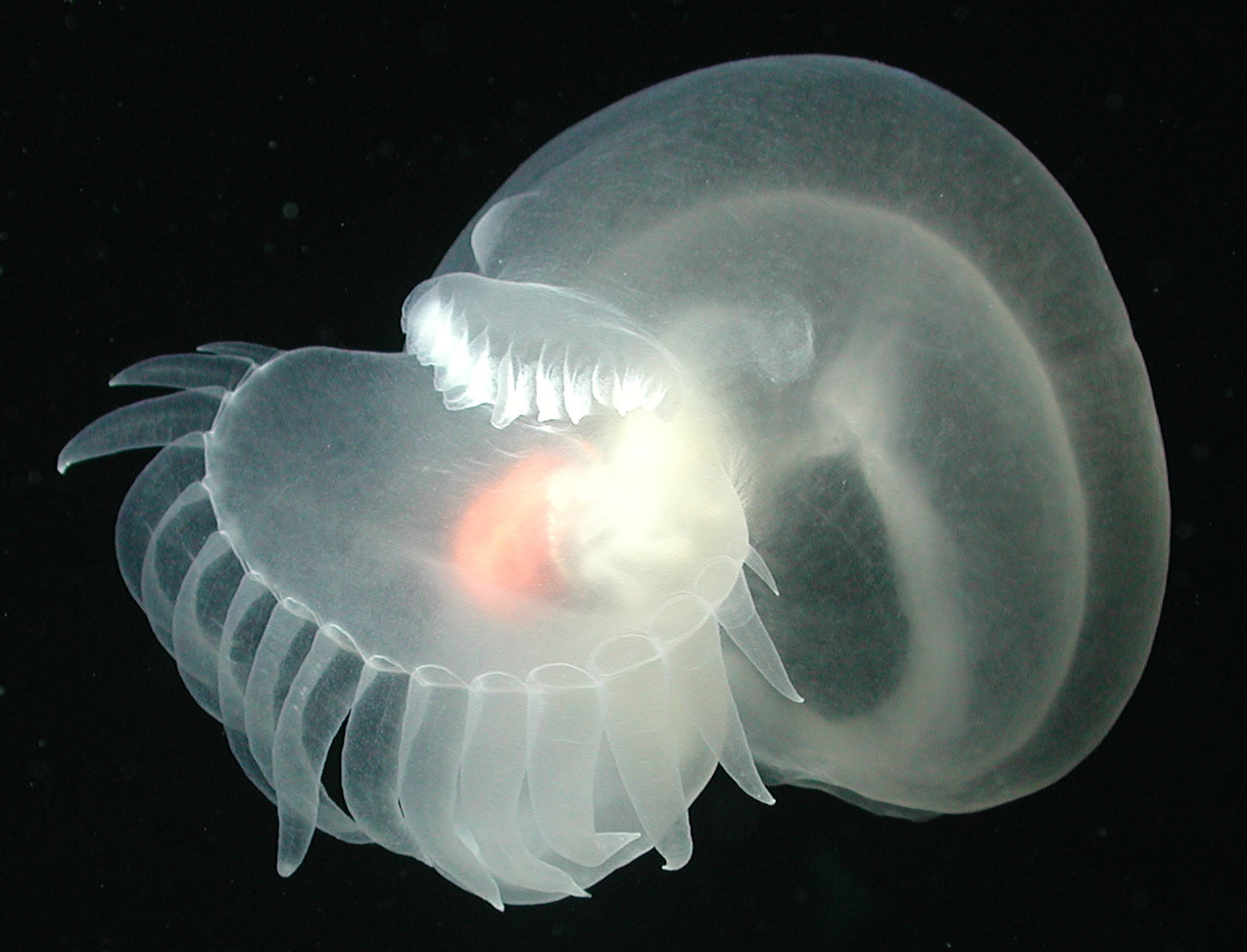
© NOAA/MBARI
This sea slug drifts in open water
While most sea slugs sit or crawl on the deep seafloor, this midwater wonder moves like a jelly. MBARI scientists first observed this slug back in 2000, but only recently identified it as a new species.
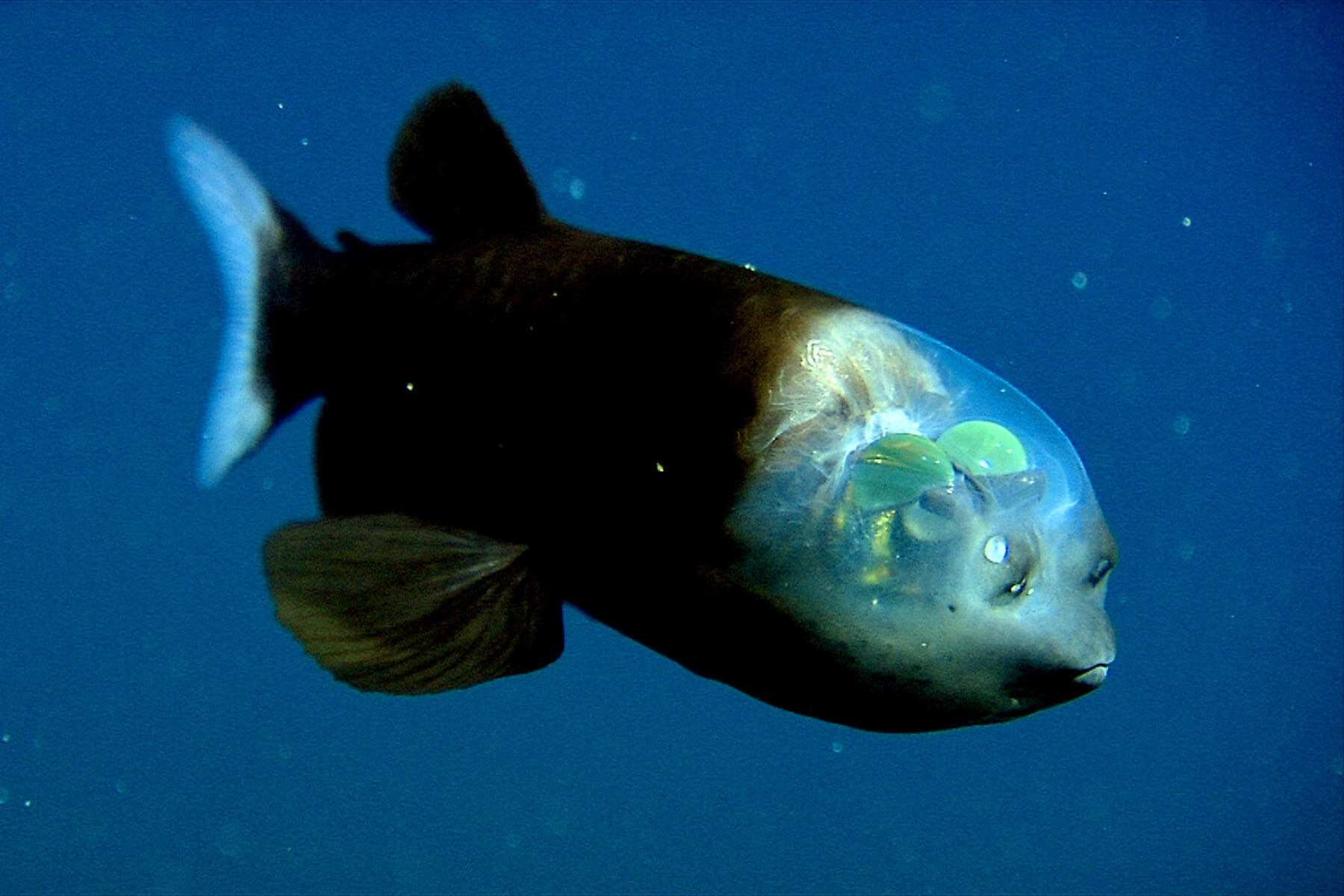
© MBARI
Eyes rotate to keep prey in sight
The barreleye confused scientists who observed its eyes fixed upward. How could this fish see what it’s eating? MBARI scientists worked together to discover its eyes can rotate to look up and forward.
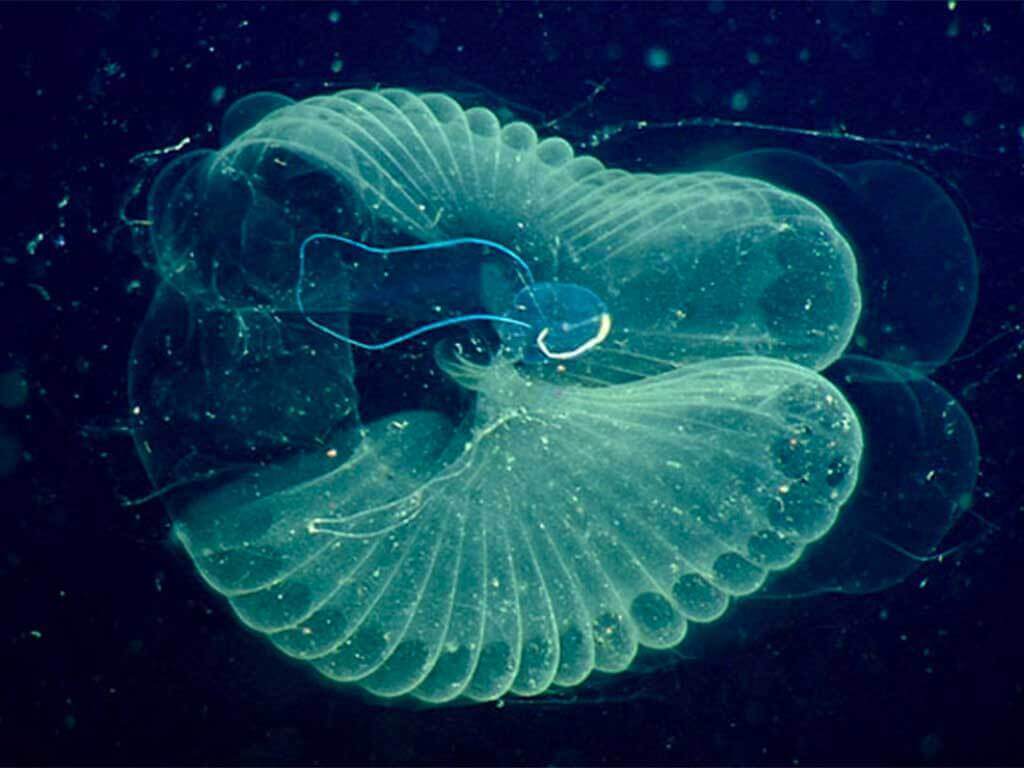
Filters strain food from sea water
This animal, called a giant larvacean, surrounds itself with filters made of mucus to gather food. Its tail pumps water through these delicate structures. MBARI scientist Kakani Katija revealed the inside of these filters using new laser technology.
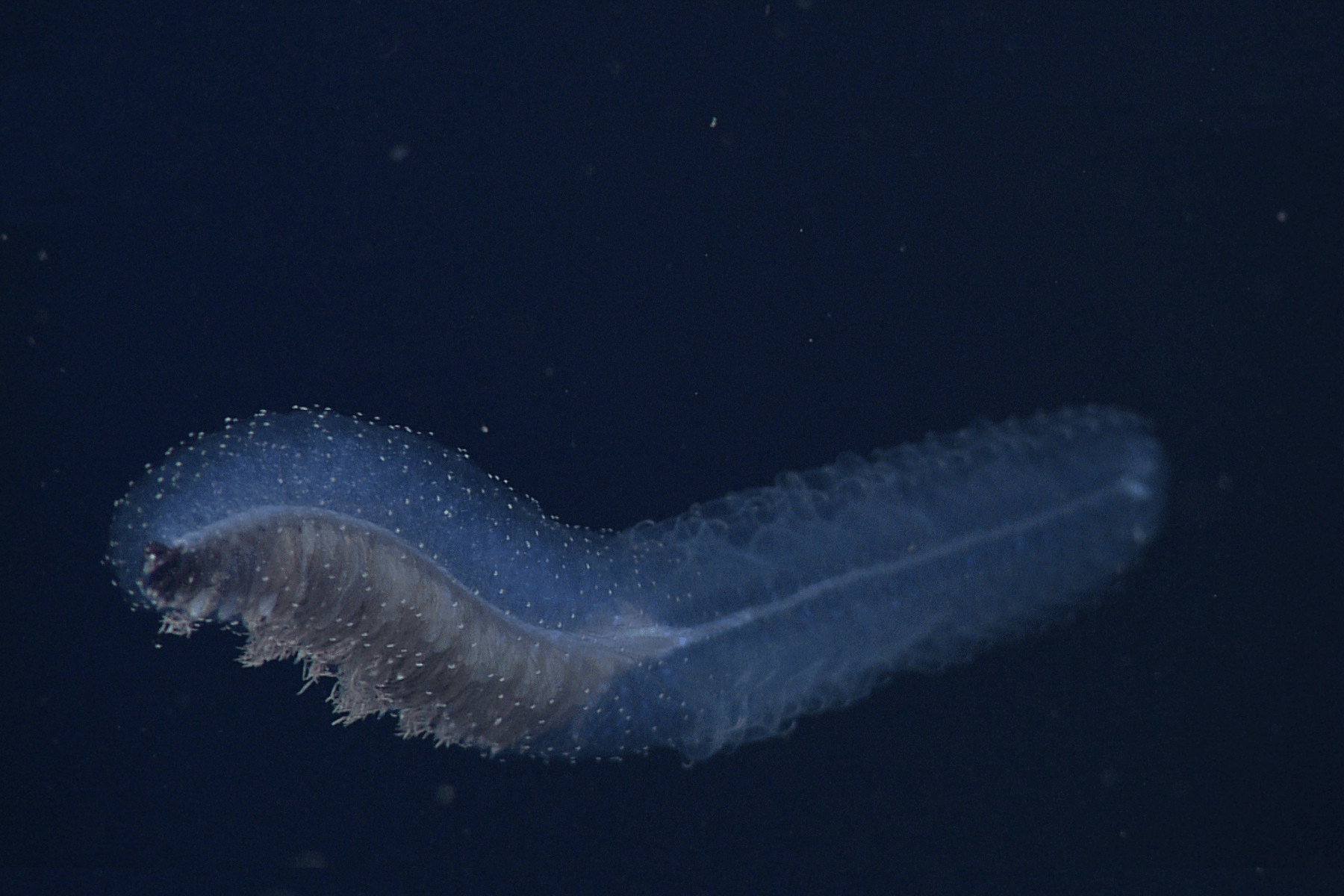
© MBARI
Light-up lures attract fish
This predator, called an angler siphonophore, lights up lures to draw in prey. To a fish, those twinkling red lights look like tiny crustaceans. MBARI scientists discovered this animal and its brilliant bait.
Interactive
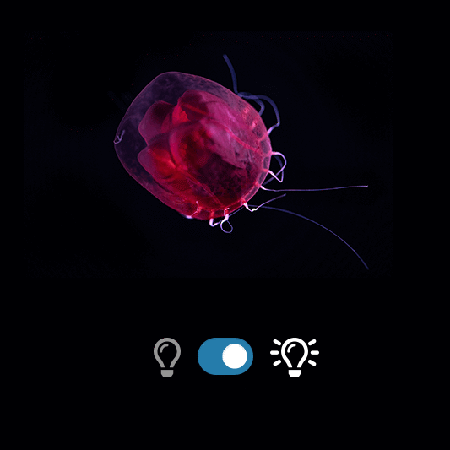
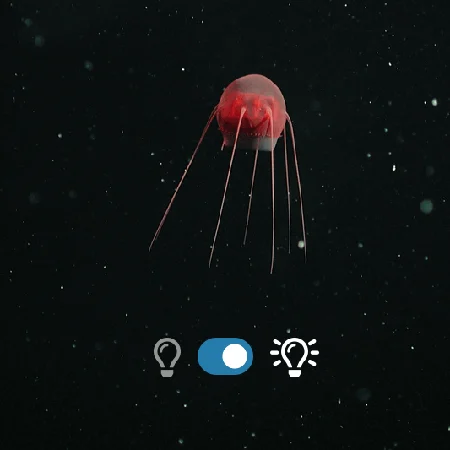
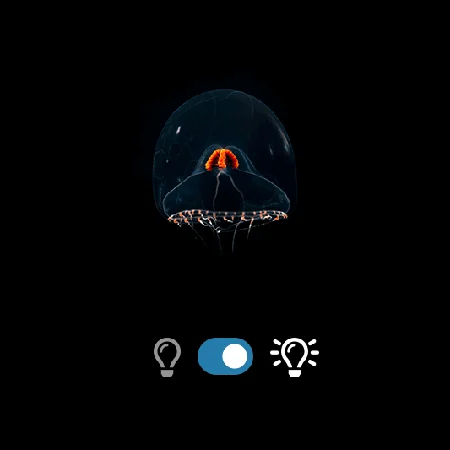
What does this jelly look like in the deep sea?
Red is a disguise in the deep sea. Without red light, you can’t see the color red. Red light doesn’t reach the deep sea, so red animals like these look black and are invisible to most predators.
-
Red paper lantern jelly
-
Raspberry jelly
-
Snow globe jelly
Related videos
Watch to enjoy a show with video footage of real midwater animals!
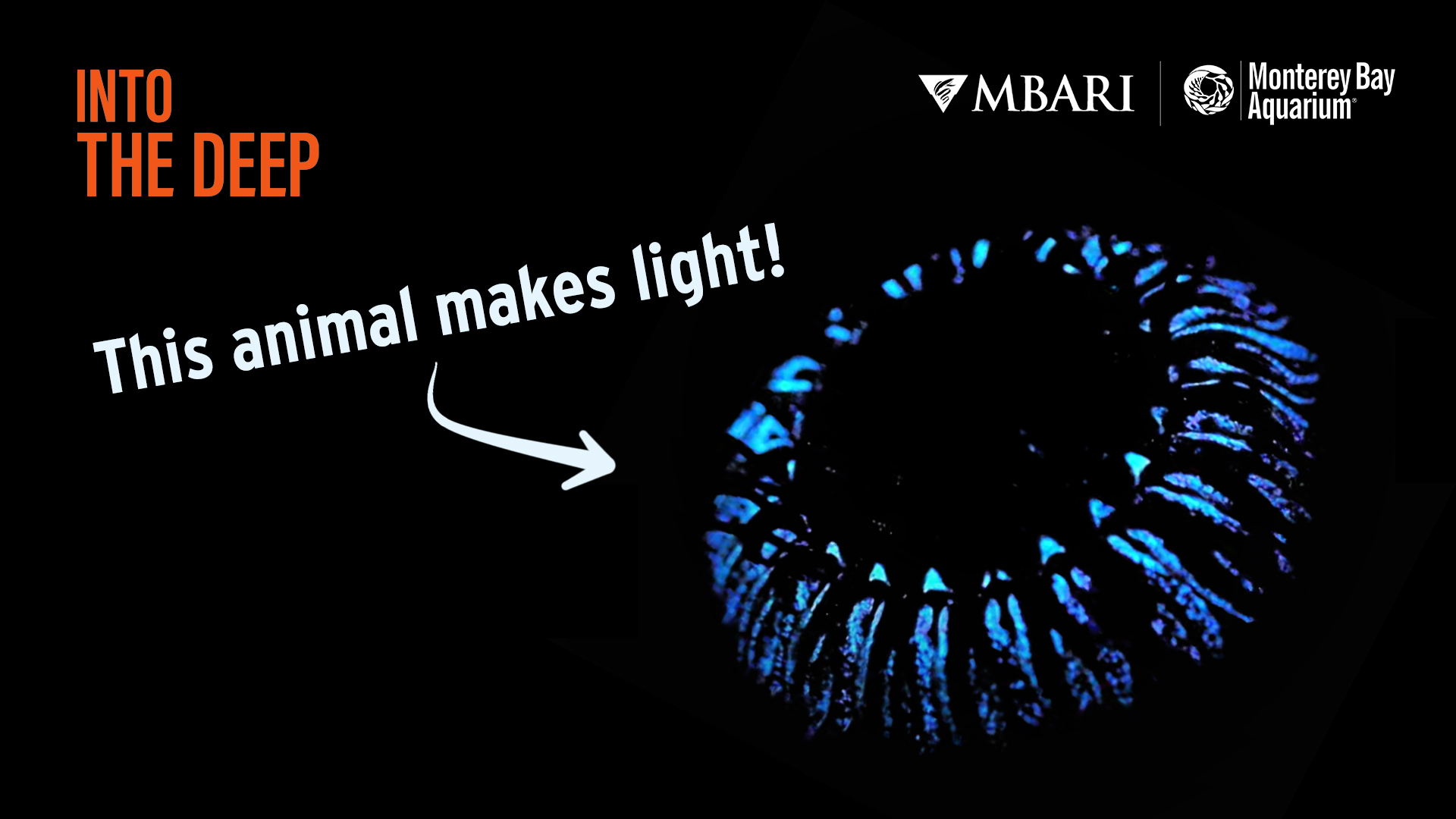
Enter a twinkling world. In the darkness of the deep sea, there’s a language of light. Most animals here create their own glow, called bioluminescence. These dazzling displays confuse predators, lure prey, or attract mates.
Since 1987, our exploration of the deep sea has led to more than 200 new animal discoveries. Still, much of this vast realm remains a mystery.
Bruce Robison
MBARI scientist
More midwater discoveries
There’s plastic in the deep sea
What’s food and what’s plastic? Plastic in the ocean breaks up into tiny pieces called microplastic or enters the ocean as barely visible pieces. Many animals in the deep sea feed on bits of food about the same size as microplastic—and the animals can't tell the difference between the two.
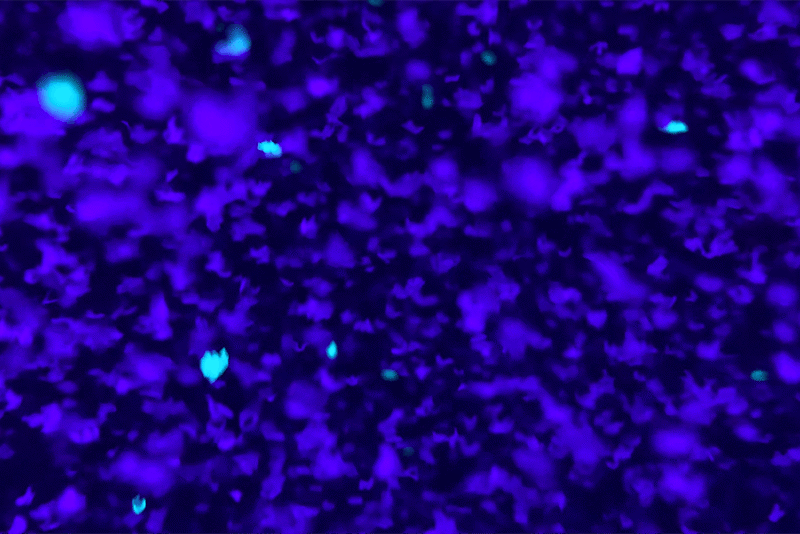
The green bits in the water represent microplastic.
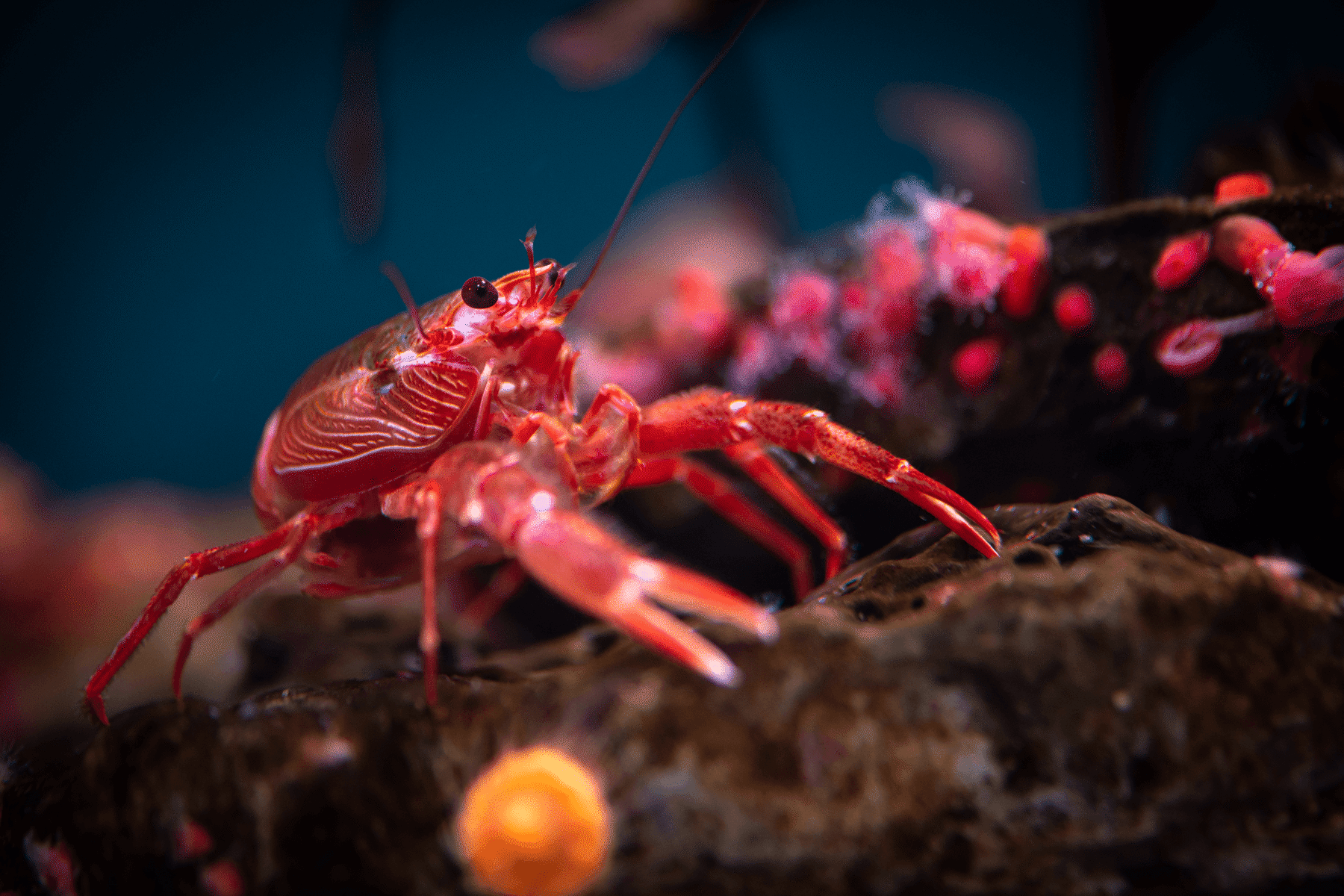
Plastic pollutes the ocean food web
Scientists at MBARI and the Aquarium found microplastic inside pelagic red crabs and other small animals that filter food from sea water. Larger animals that eat these smaller animals are also at risk of eating microplastic.

We can slow the flow of plastic
A lot of the plastic in the ocean comes from things we buy, like single-use bottles and bags. Together, let’s work toward a plastic-free ocean by choosing reusable alternatives when we can.
Follow MBARI’s discoveries
MBARI (Monterey Bay Aquarium Research Institute) asks and answers questions about the deep sea in our backyard—and beyond.
Dive deeper into the Into the Deep exhibit
General content
Down to the deep
A wide world of blue swirls with life. The journey to the deep sea starts in sunlit waters near the surface. …
Read more – Down to the deep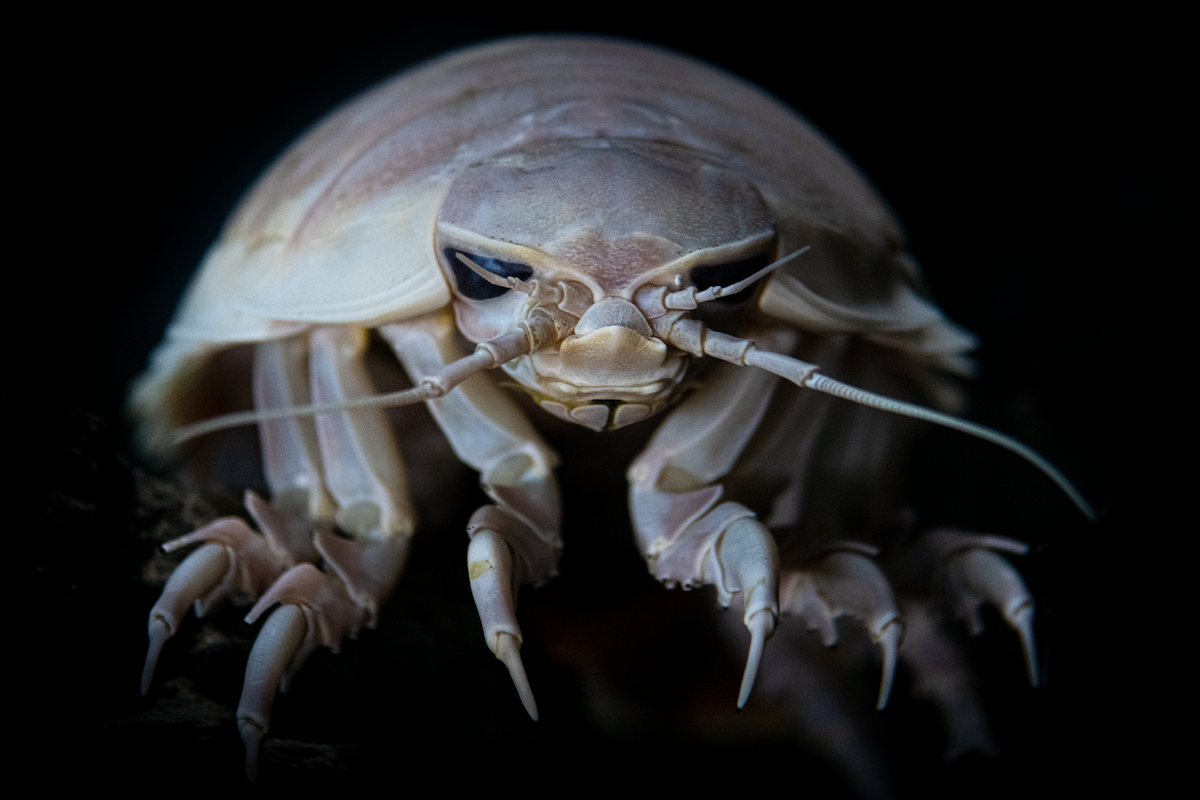
General content
Explore the seafloor
Deep below the surface, long-legged crabs, colorful corals, and pancake-shaped octopuses live on the seafloor.
Read more – Explore the seafloor
General content
On the horizon
Keep exploring with behind-the-scenes chats with staff and scientists, online courses, stories, and more.
Read more – On the horizon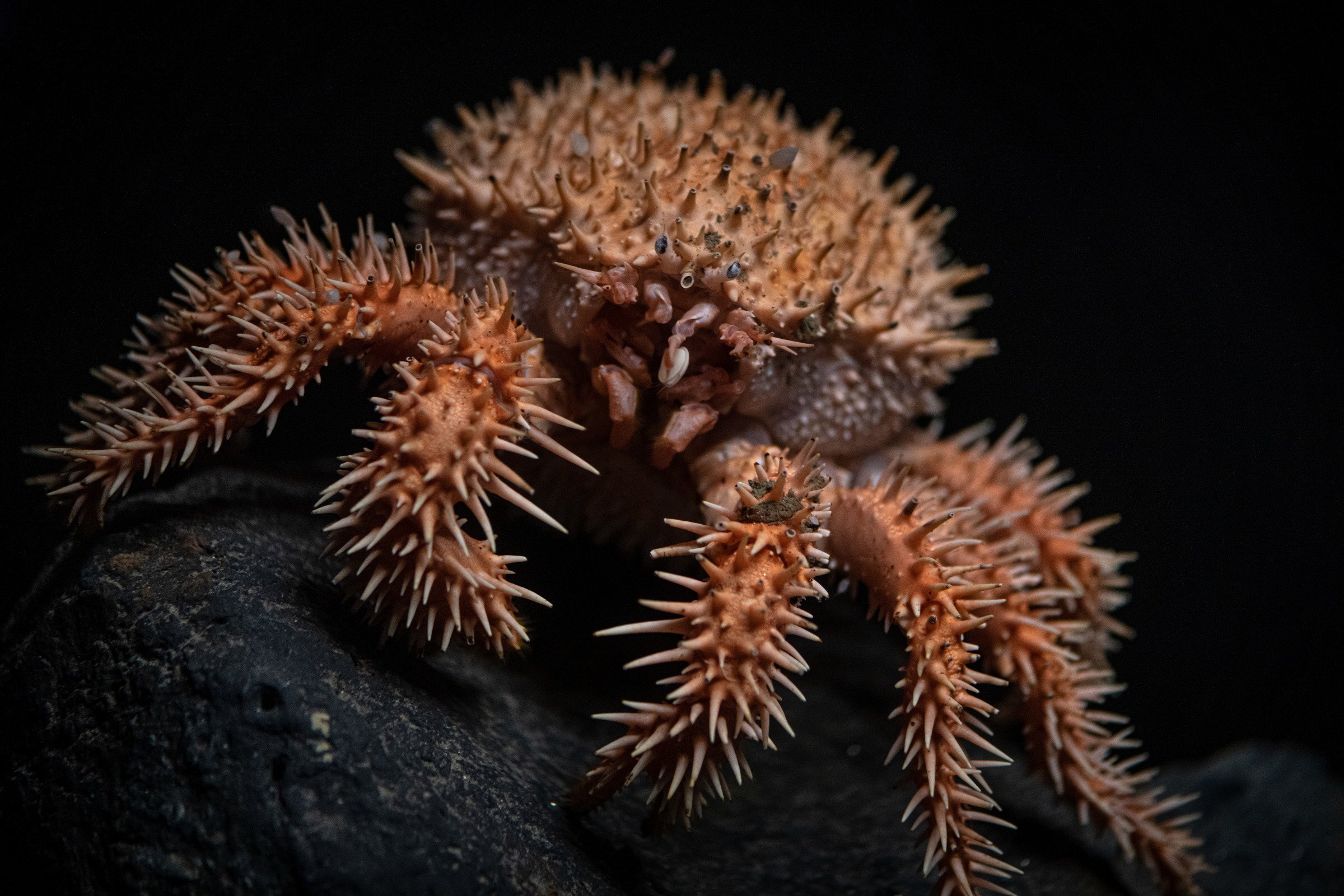
Animals & the ocean
Deep sea animals A to Z
From football-sized giant isopods to transparent jellies that glow, the deep sea is brimming with life.
Read more – Deep sea animals A to Z