

Explore the seafloor
Into the Deep exhibit
A diversity of life thrives on the seafloor. Thousands of feet below the surface, long-legged crabs, colorful corals, and pancake-shaped octopus make their homes on the seafloor. Steep underwater mountains and hydrothermal vents create oases rich with life.
Muddy plains
Miles of mud are home to many. Muddy plains span the globe and support an amazing diversity of life. Octopuses, crabs, fishes, anemones, and sea stars all make their homes on the seafloor. They catch food that falls from above or drifts by in the currents.
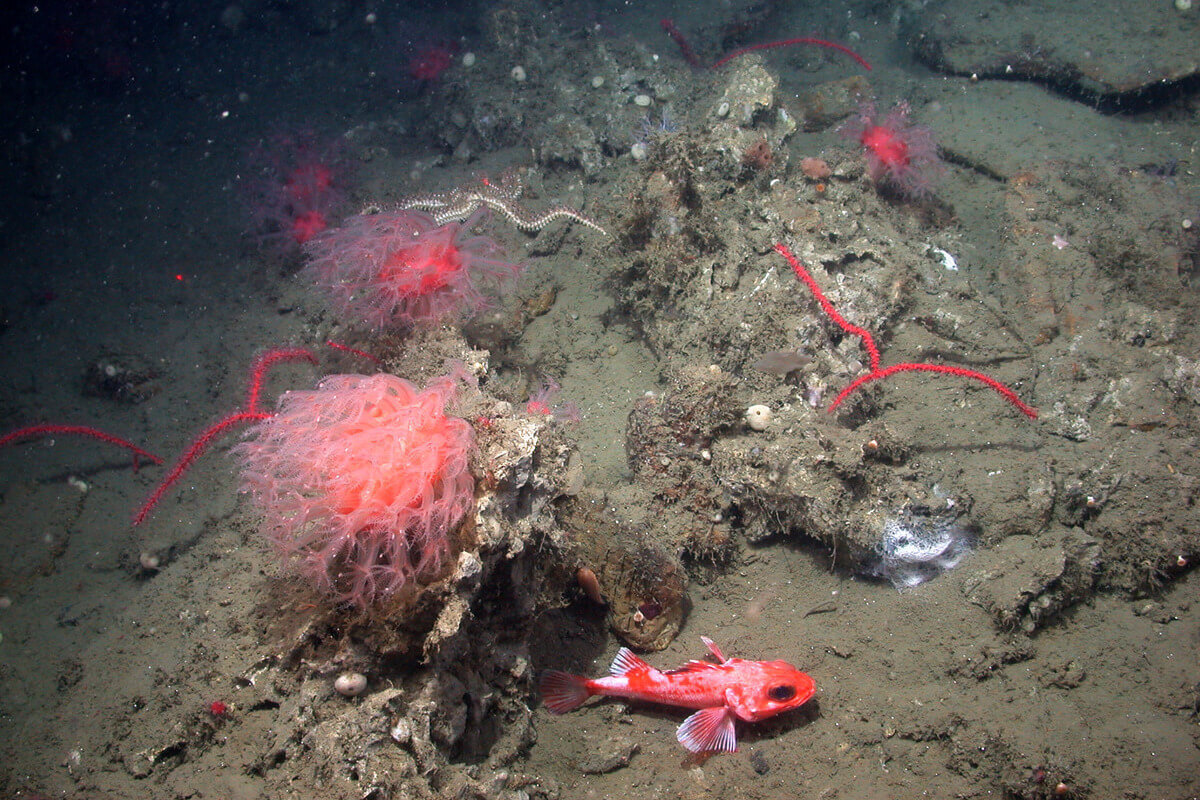
Animals that live in the muddy plains
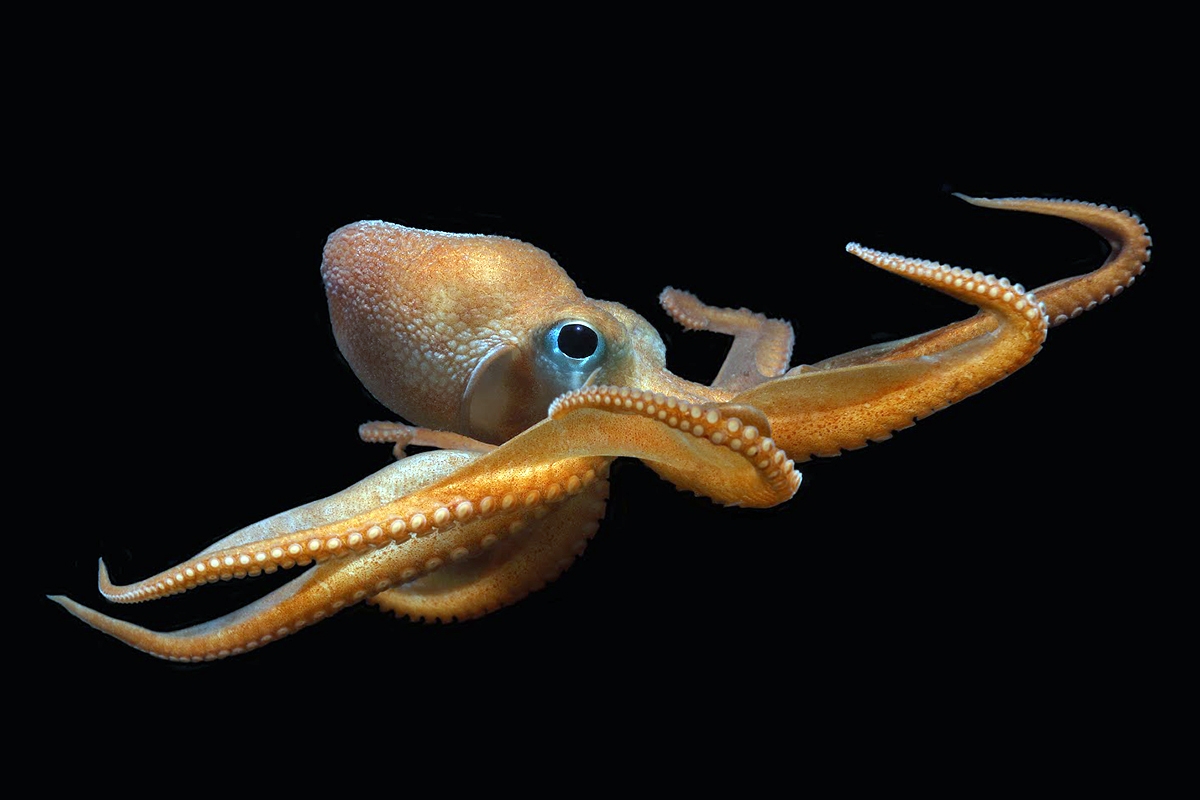
North Pacific bigeye octopus
North Pacific bigeye octopus
Do you spy a big eye? This North Pacific bigeye octopus is common on the seafloor. It dines on fishes, shrimp, and crabs. Those big eyes help to spot dinner in deep waters, where there’s little light.
Check out this animal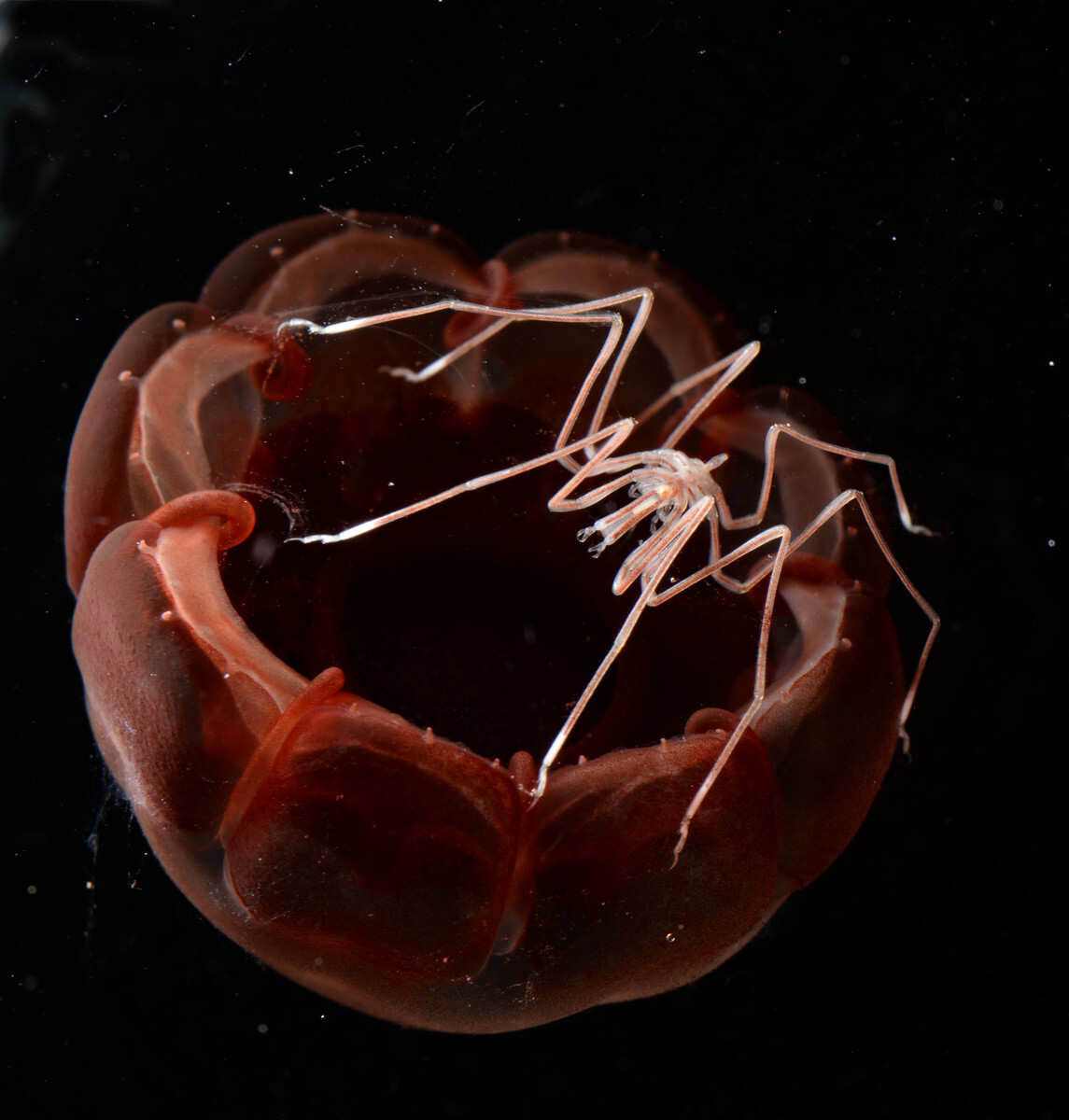
Sea spider
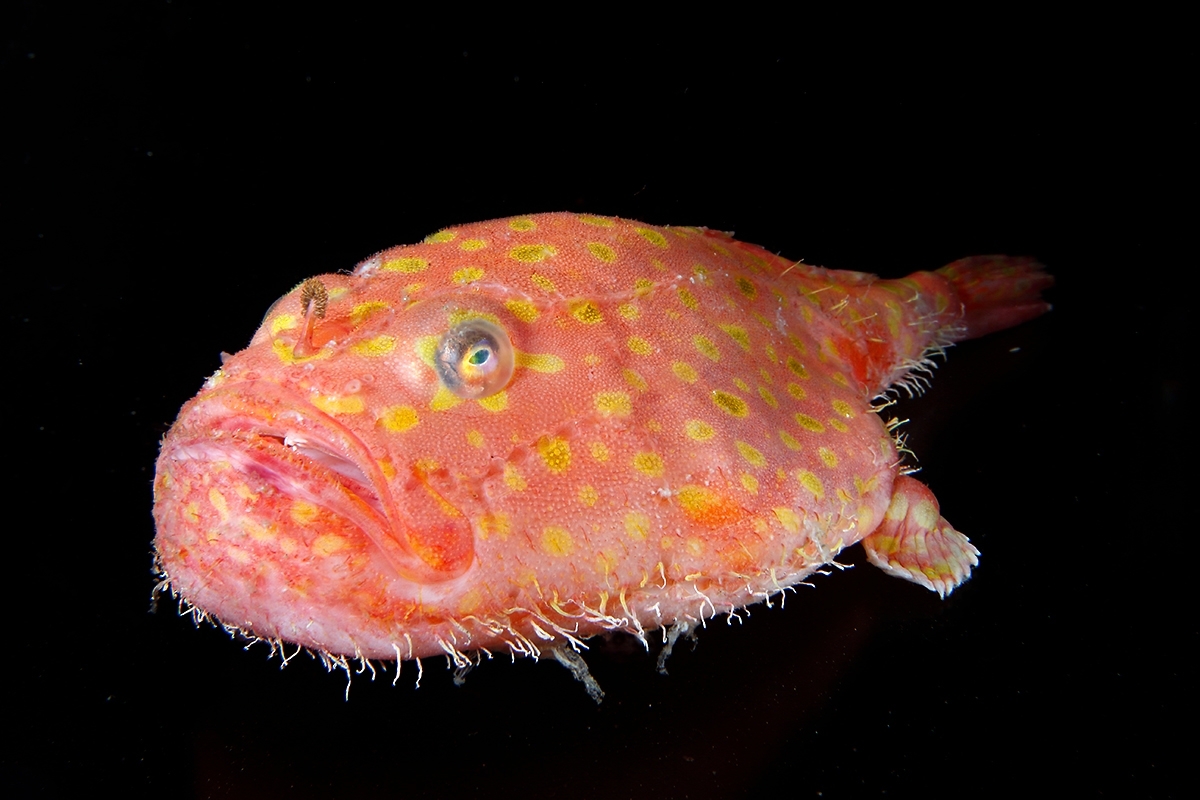
Sea toad
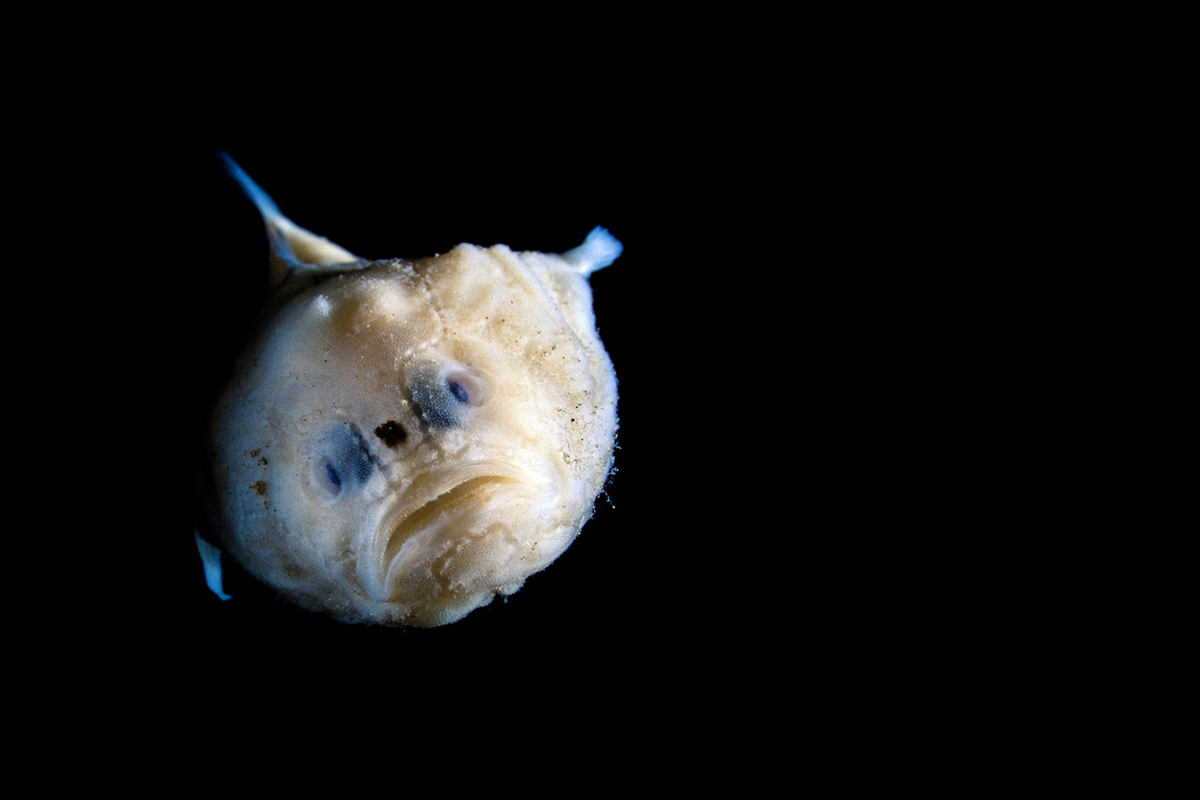
Pink frogmouth
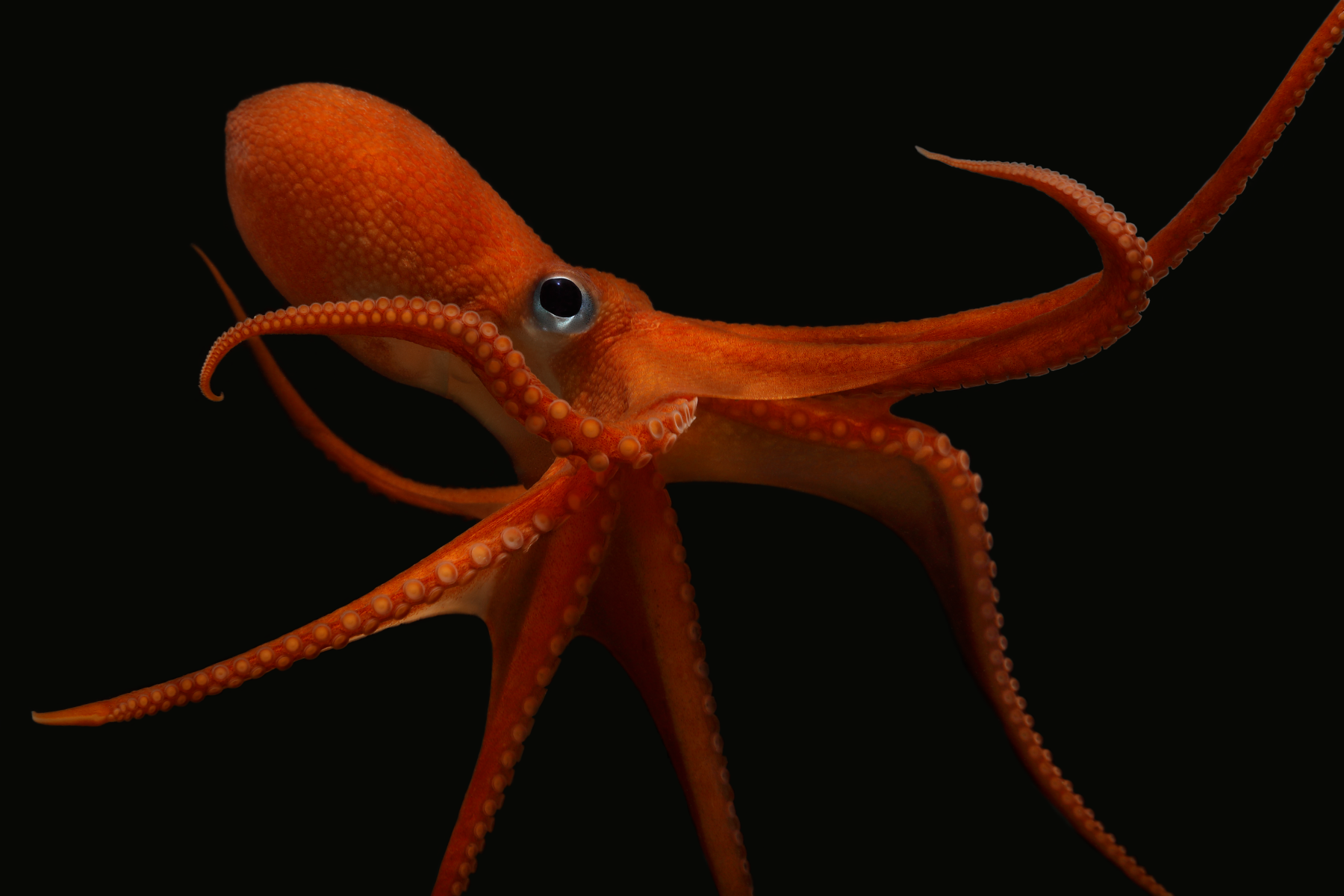
Do you spy a big eye?
This small octopus is common on the seafloor. It dines on fishes, shrimp, and crabs. Those big eyes help to spot dinner in deep waters, where there’s little light.
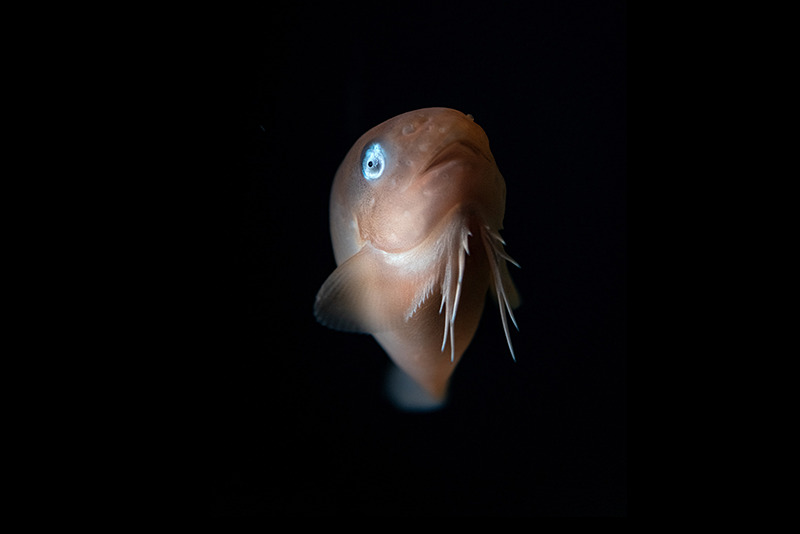
Frilled fins dig for dinner
See those frilly fins? A salmon snailfish uses the fins on its chin to feel for a meal. It digs into the muddy seafloor to find small crustaceans, like amphipods and crabs.
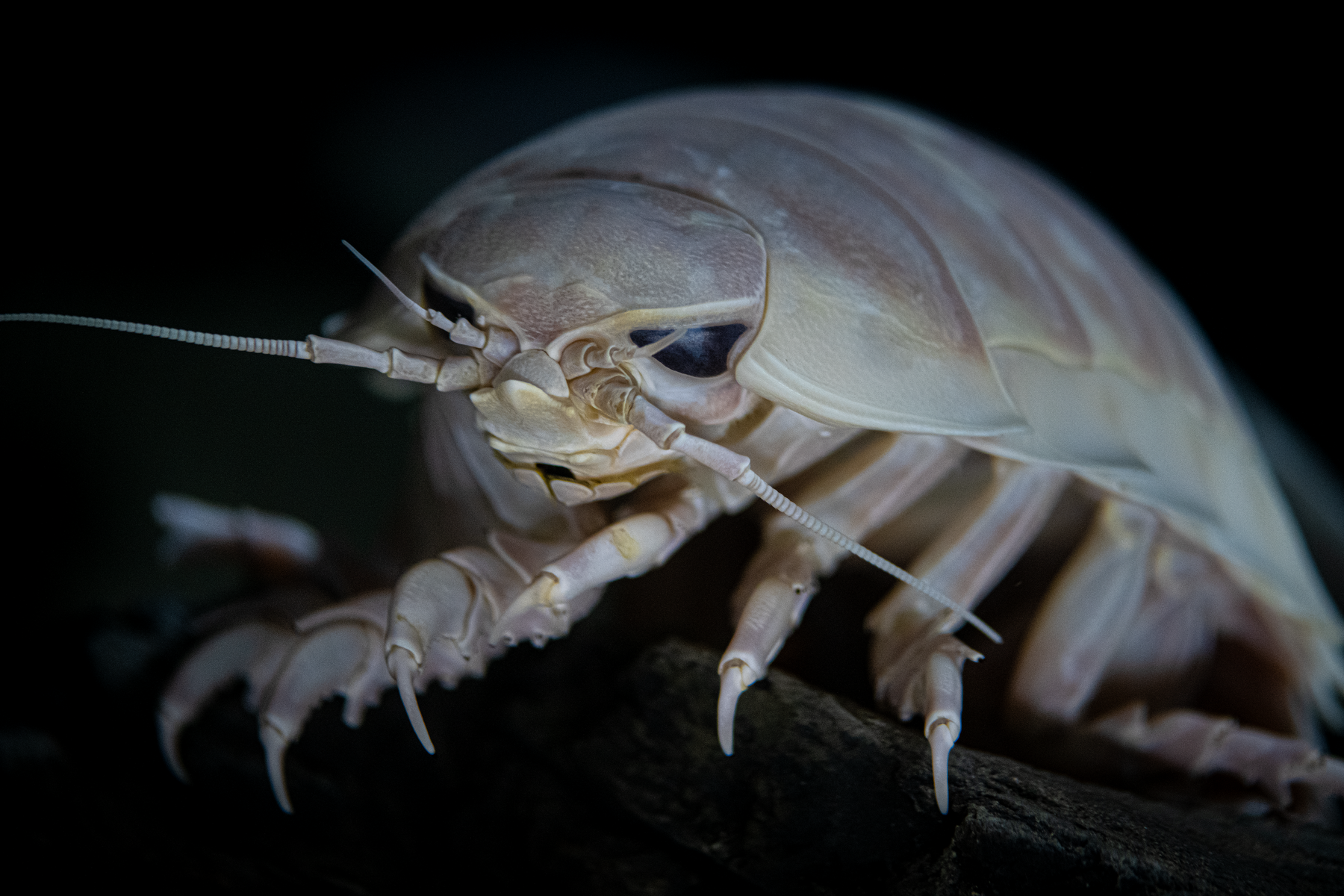
Deep-sea giants
Giant deep-sea isopods are related to the tiny roly-poly bugs in your backyard. In the deep sea, some animals grow larger than their shallow-water kin. A giant size may help with survival in icy cold water and crushing pressure.
Seamount
Steep mountains rise from the seafloor. Seamounts deflect currents and gather food for many animals. Their rocky slopes support corals and sponges in need of a hard surface to settle on and grow. Communities of fishes and invertebrates seek shelter in these lush gardens of life.
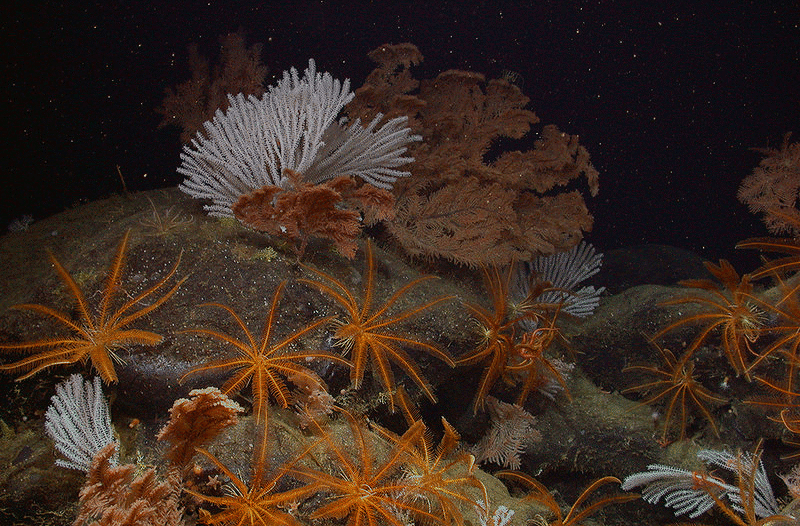
© MBARI
Animals that live in the seamount
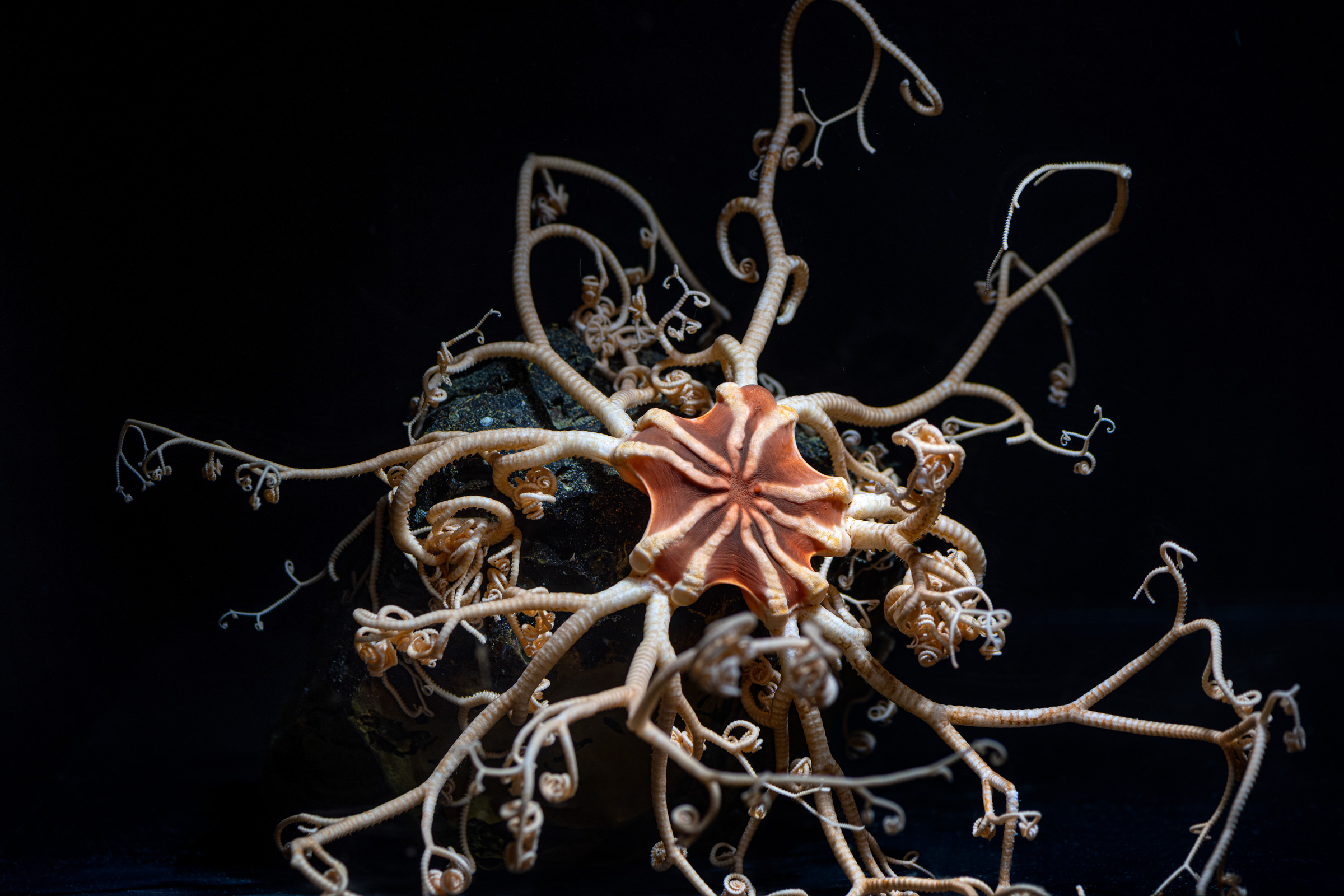
Basket star
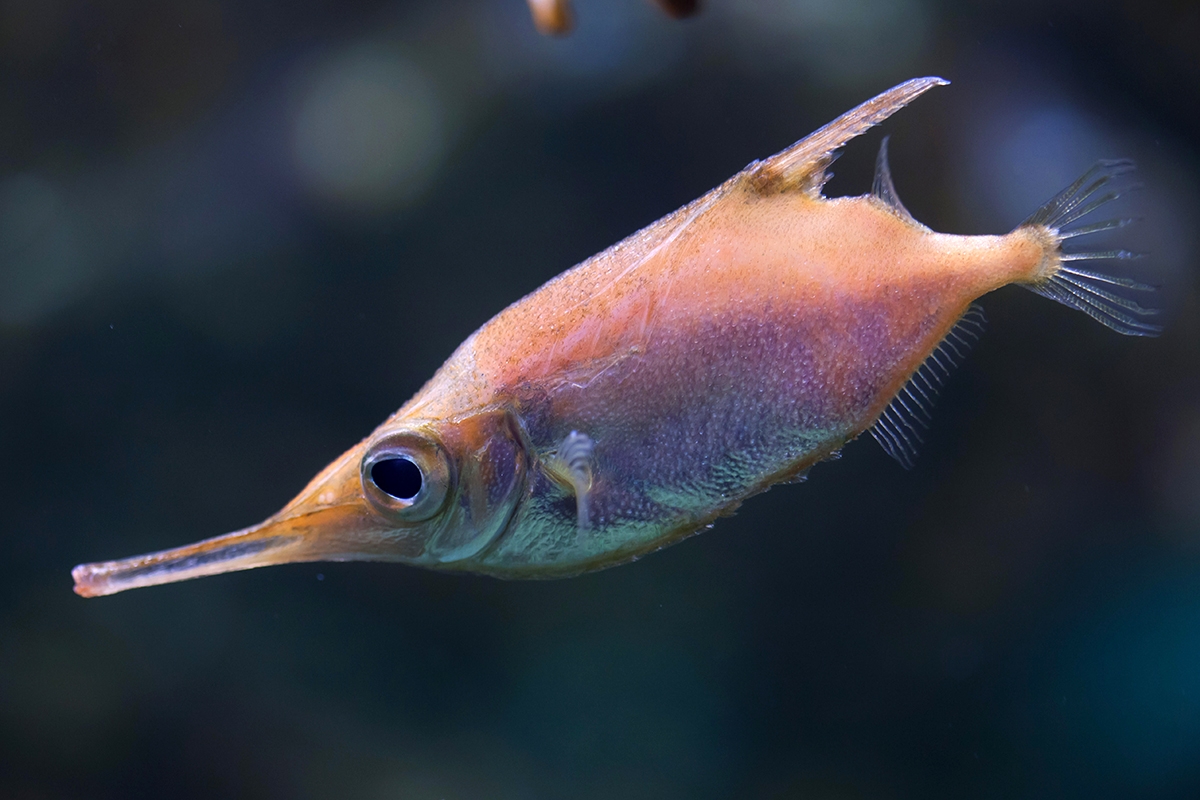
Longspine snipefish
Longspine snipefish
A snipefish will suck down almost any animal that fits into its tiny mouth.
Check out this animal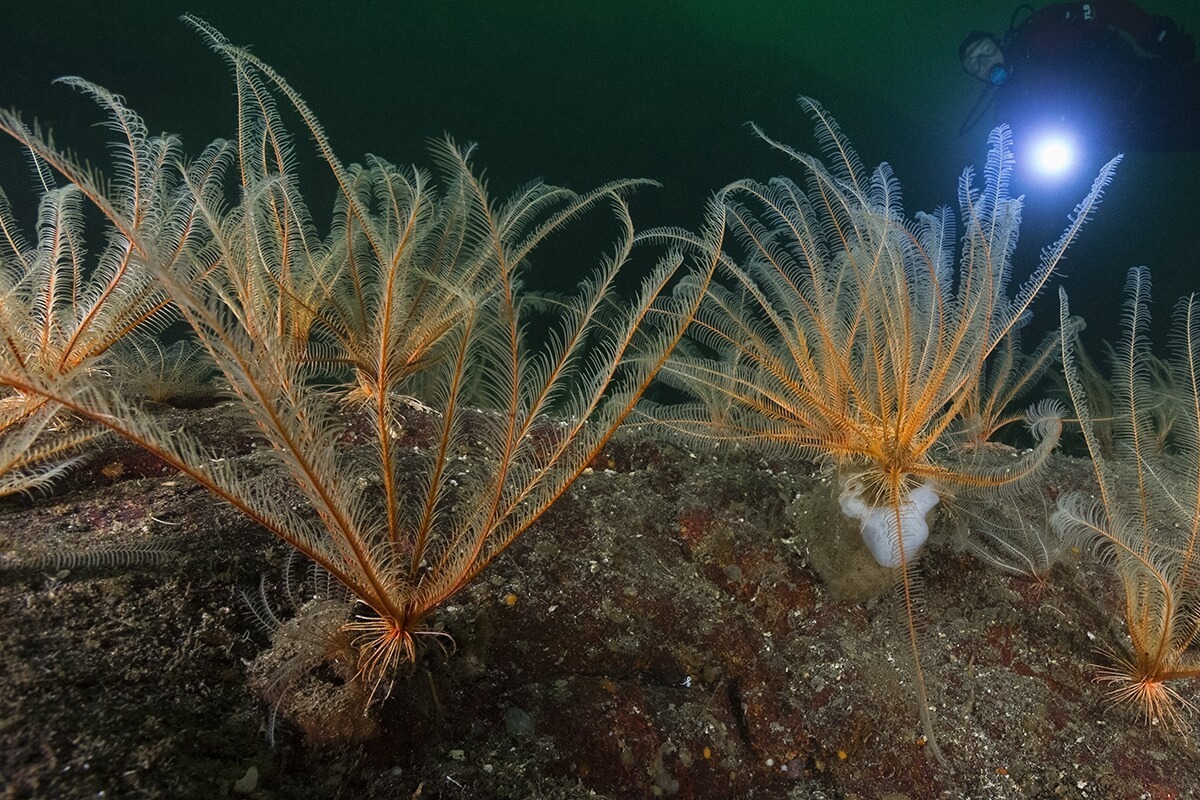
Feather star
Feather star
A feather star settles on the deep seafloor and swims when startled.
Check out this animal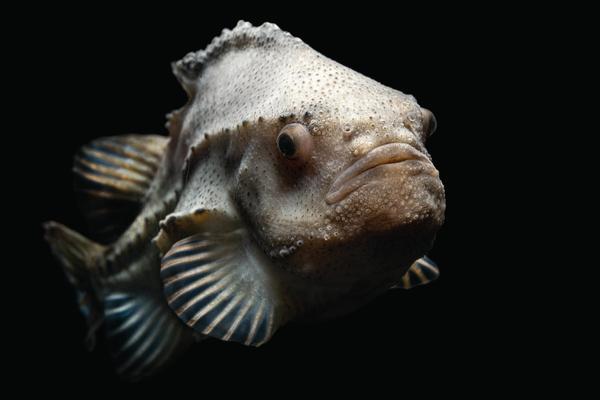
Lumpfish
Lumpfish
These stumpy, lumpy swimmers cling to rocks with a special suction disc.
Check out this animalSeamounts need our protection. Life on seamounts develops so slowly that damaged habitats could take centuries to recover. Drilling, mining, and fishing can put corals, sponges, and the animals they shelter at risk. We can help safeguard these special places by supporting protections for ocean habitats.
Related videos
Exploring the seafloor
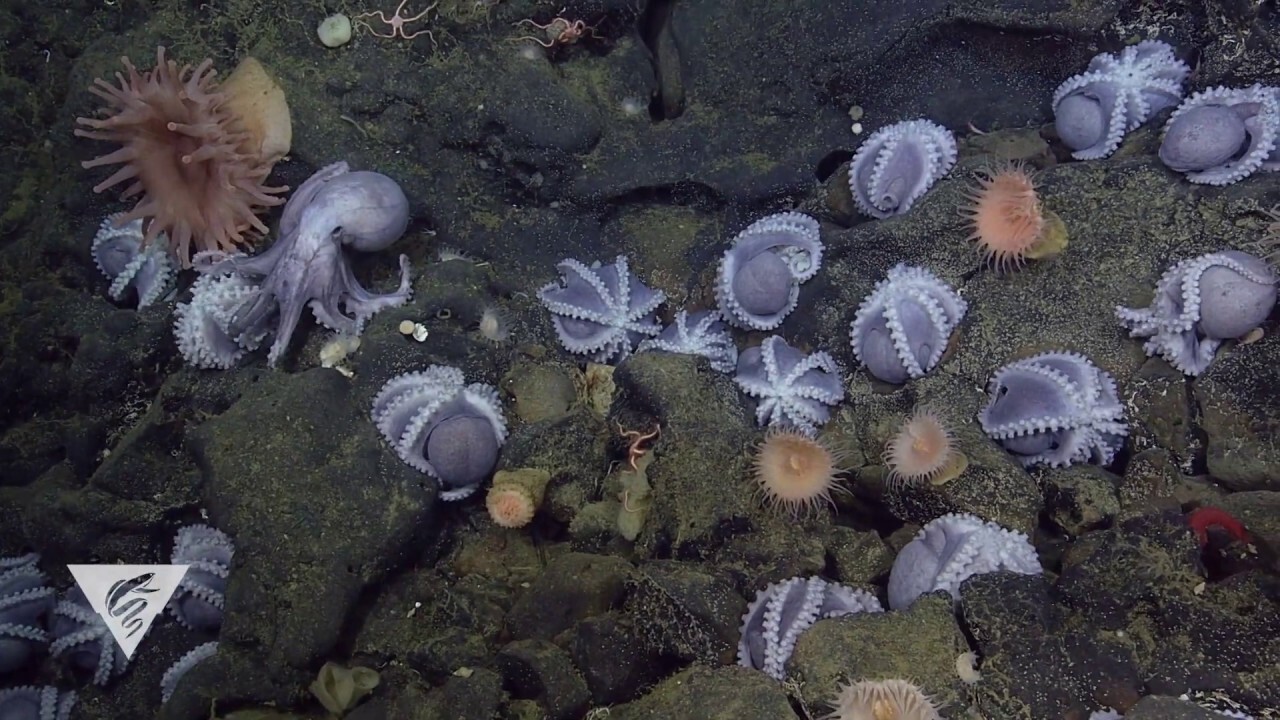
How does this octopus garden grow?
The largest octopus garden ever discovered is at the base of a seamount off the coast of central California. Scientists think warm water seeping from the seafloor draws thousands of octopus moms here to nest and rear their young. MBARI (Monterey Bay Aquarium Research Institute) partners with the Monterey Bay National Marine Sanctuary to explore Davidson Seamount and inspire its protection.
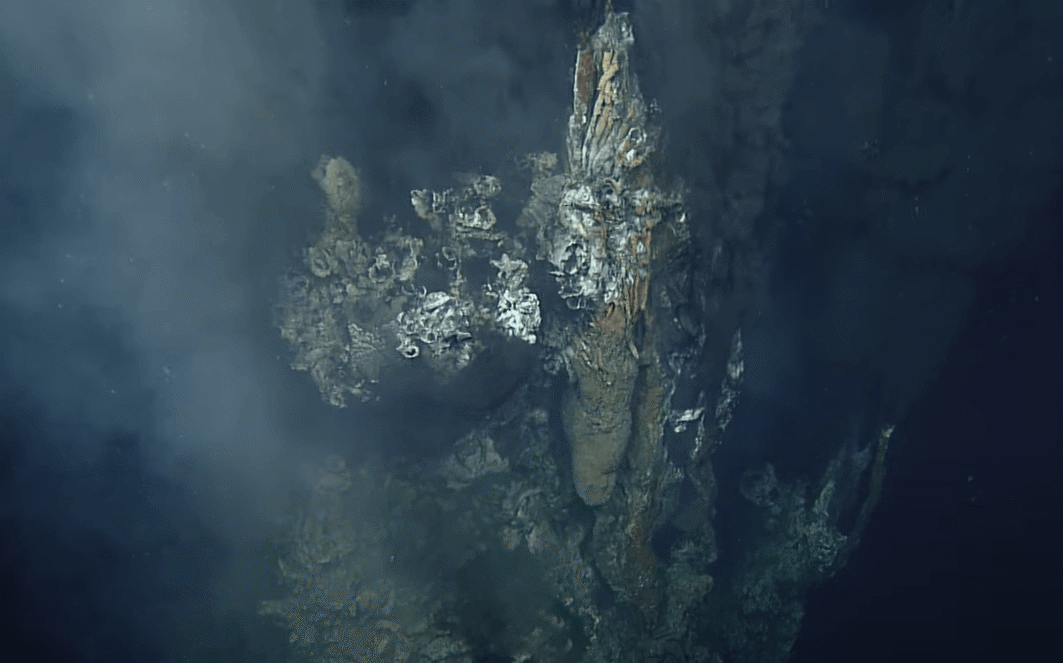
Hot vents
Deep-sea vents are a world unlike any other. Volcanic activity on the deep seafloor creates scattered oases called hydrothermal vents. Rocky chimneys belch superheated water and chemicals that tiny bacteria turn into energy. Those bacteria fuel a community of tubeworms, crabs, fishes, clams, and more.
Whalefall community
When a dead whale sinks, a new community springs to life. Food is scarce on the seafloor. When a dead whale lands on the mud, a new community moves in and the feast begins. Hungry sharks, crabs, and worms come to dine on a buffet of blubber, baleen, and bones.
Who lives in the whalefall community?
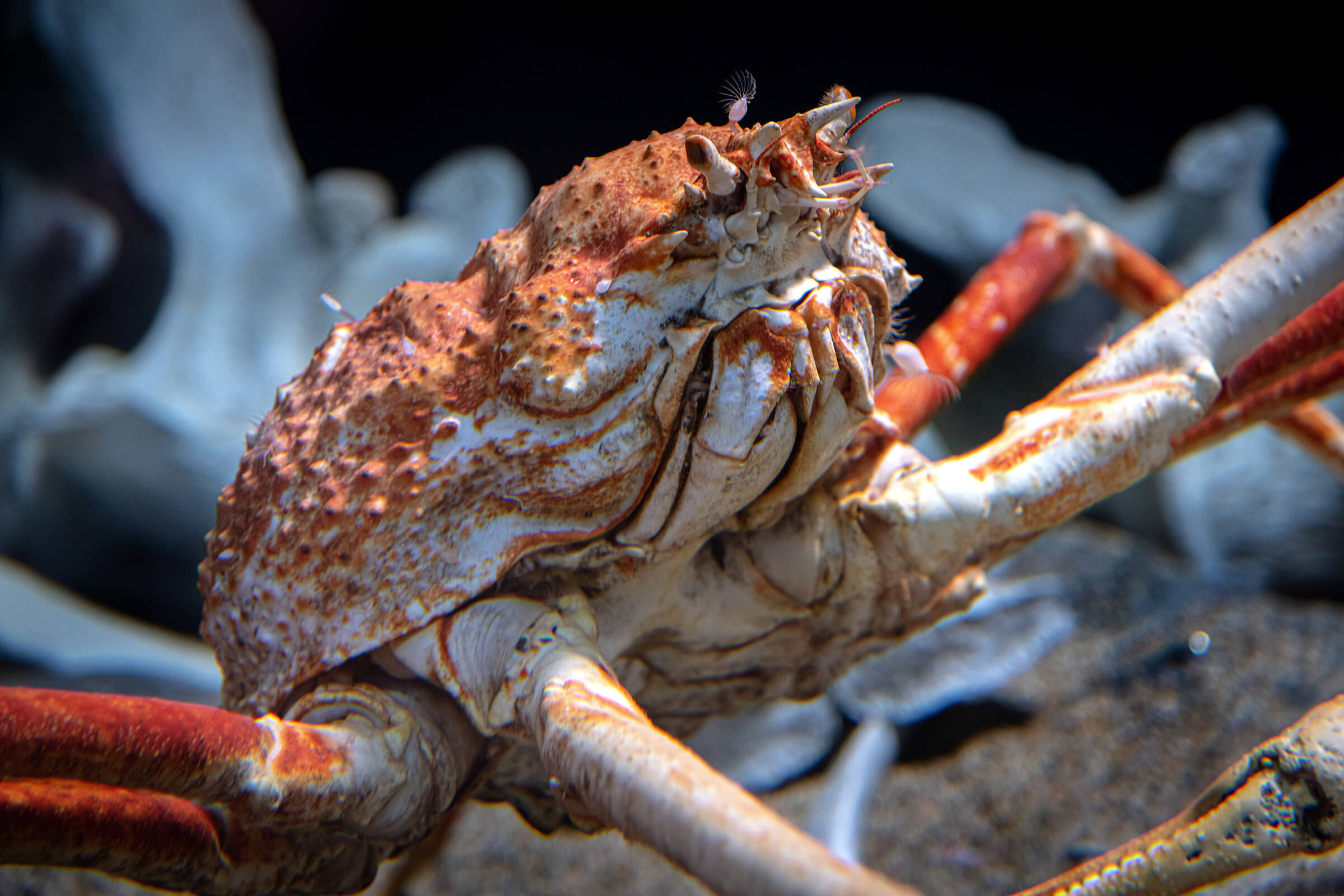
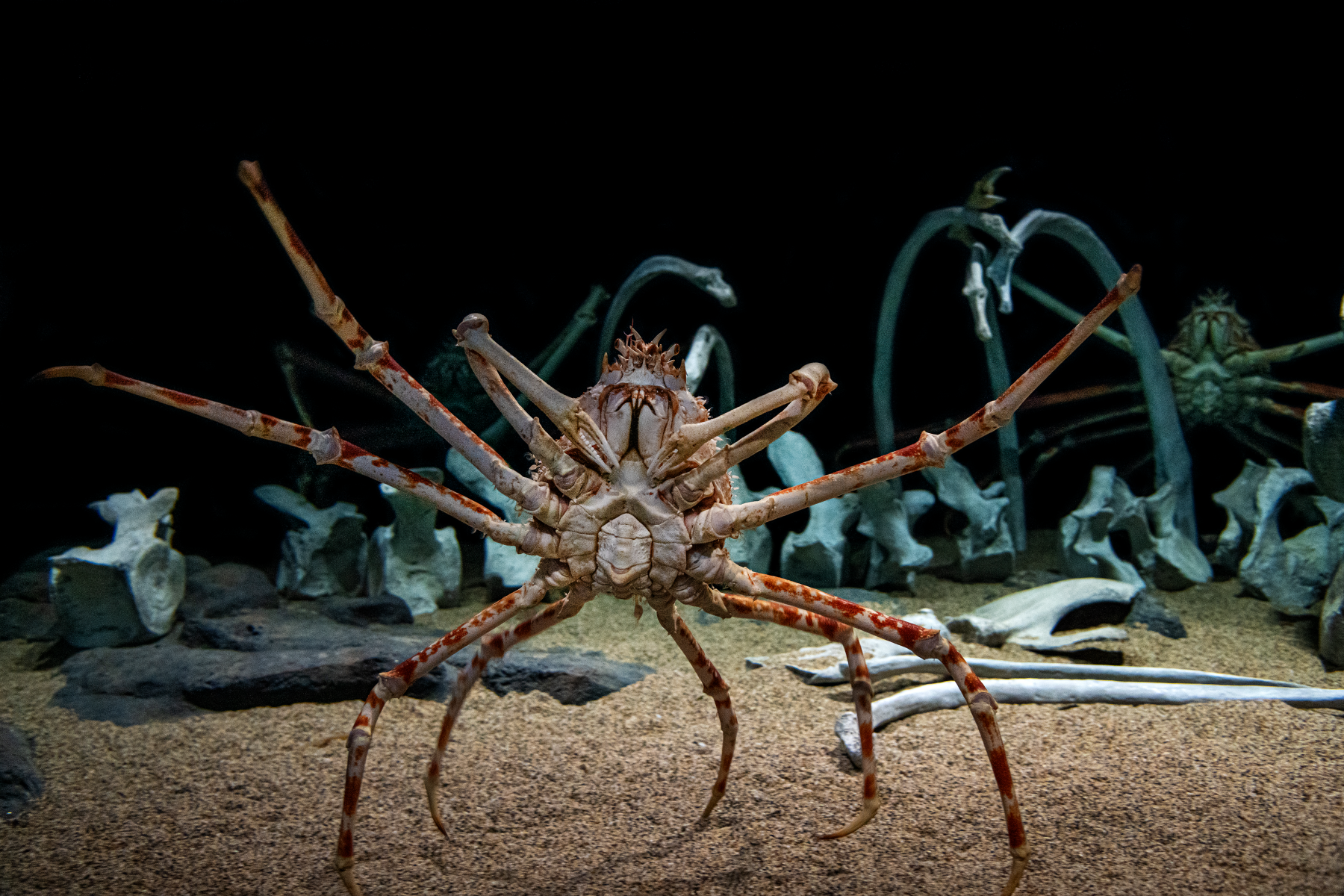
Japanese spider crab
Japanese spider crab
A spider crab travels easily over the mud on long limber legs.
Check out this animal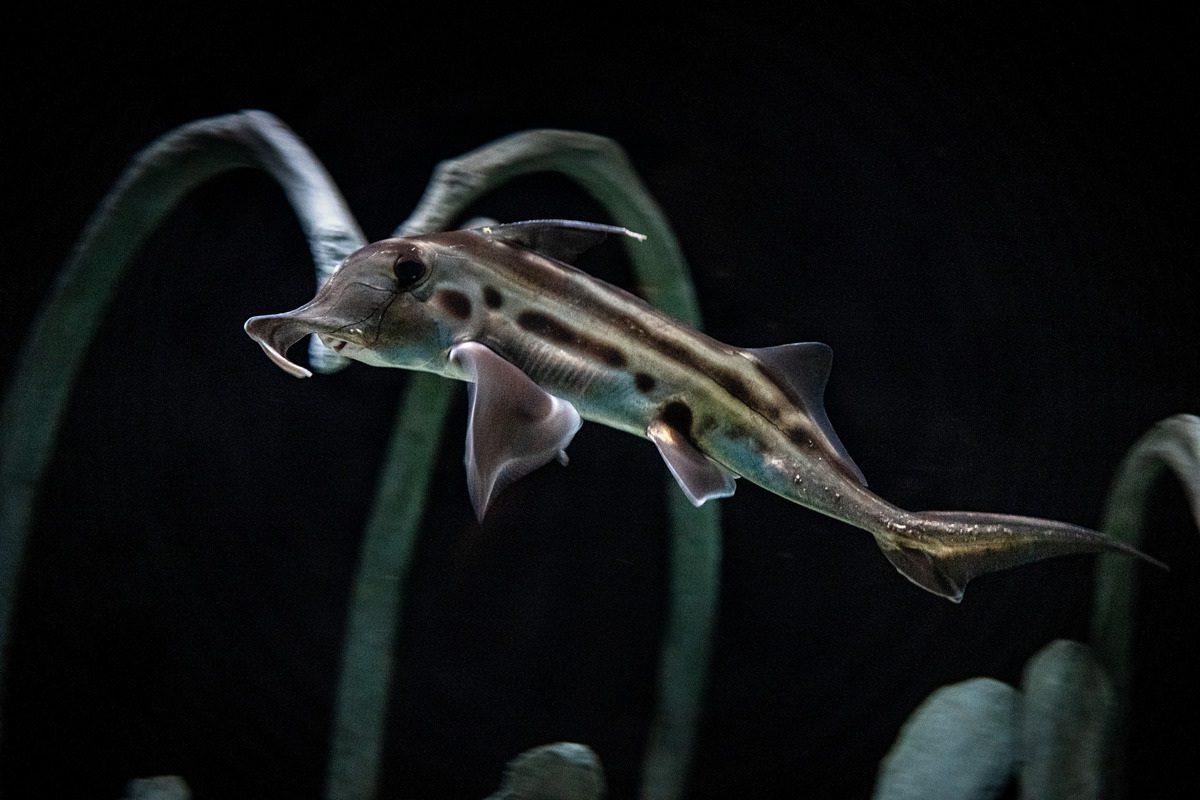
Elephant fish
Elephant fish
That “trunk” on the tip of this fish’s snout is covered in sensory pores to search the seafloor and find prey.
Check out this animal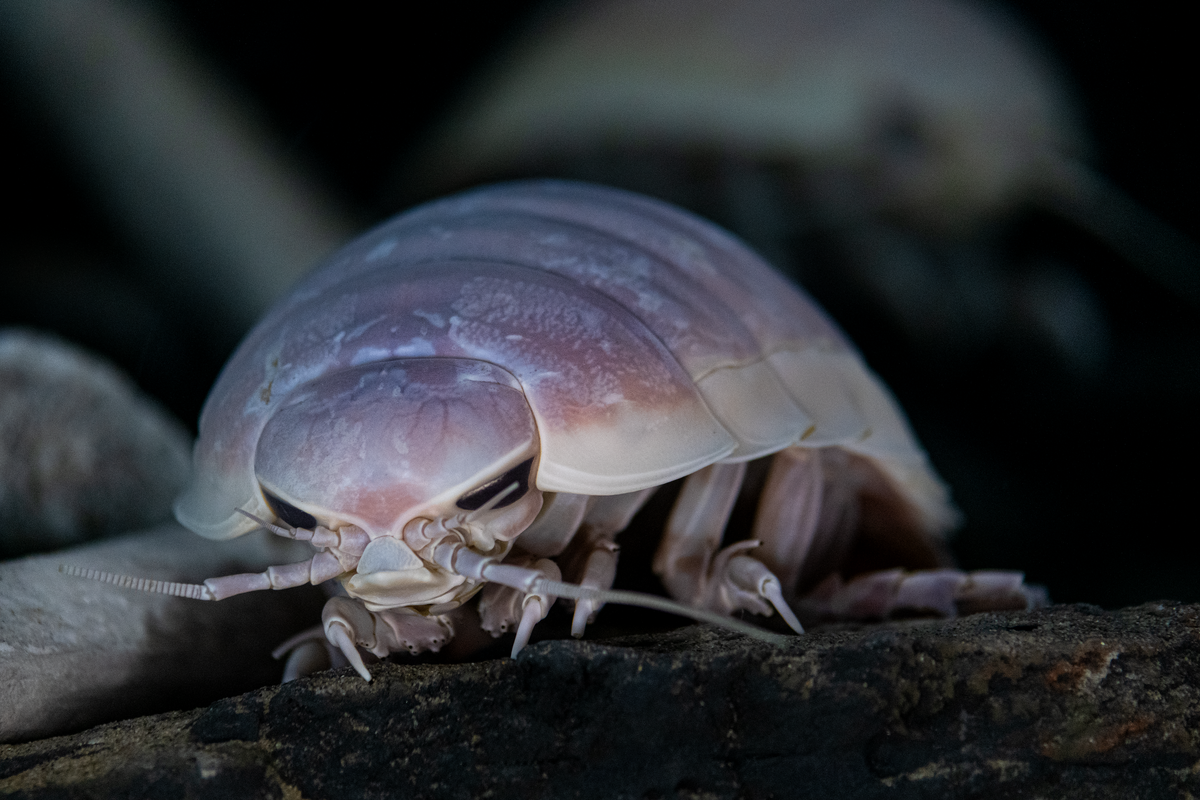
Giant isopod
Giant isopod
The giant isopod roams the deep seafloor feasting on fish carcasses and other debris that fall from above.
Check out this animal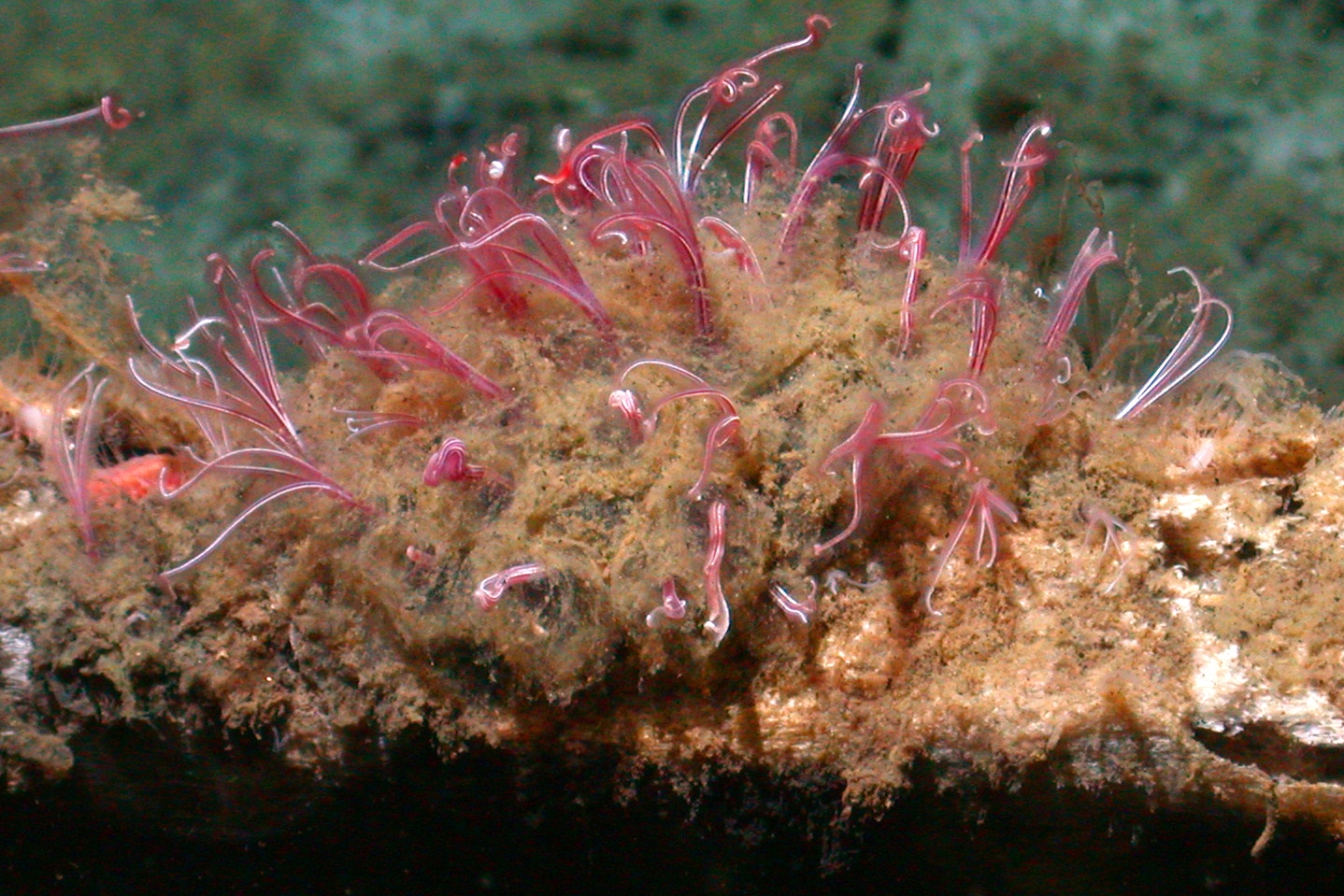
Bone-eating worm
Bone-eating worm
Discovered in 2004, this new species of tube worm feeds on the bones of dead whales that fall to the bottom of the deep sea.
Check out this animalRelated videos
Explore more about whalefalls
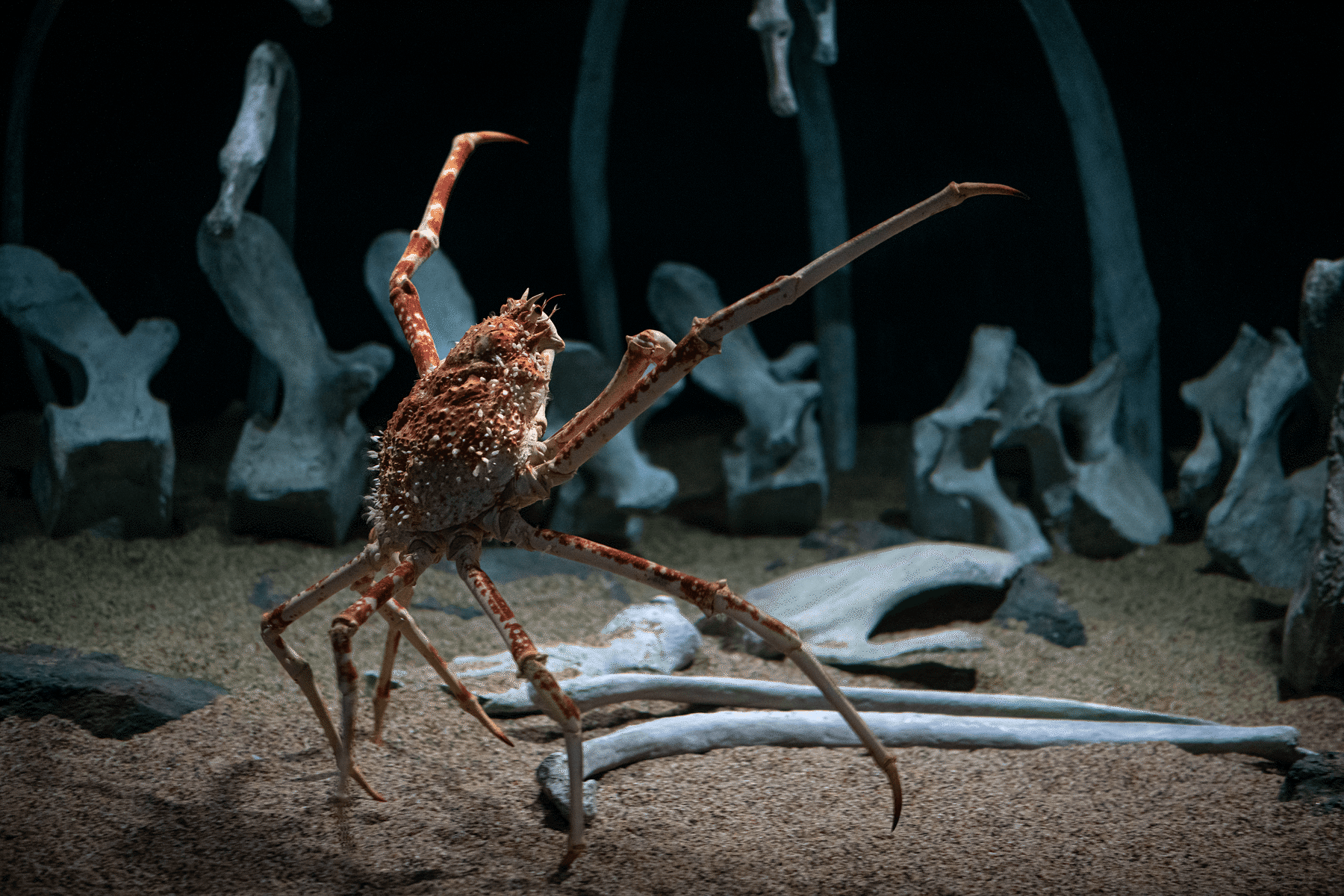
Live cam
Spider Crab Cam
Watch our Spider Crab Cam and see some of the largest deep-sea crabs in our Into the Deep exhibition.
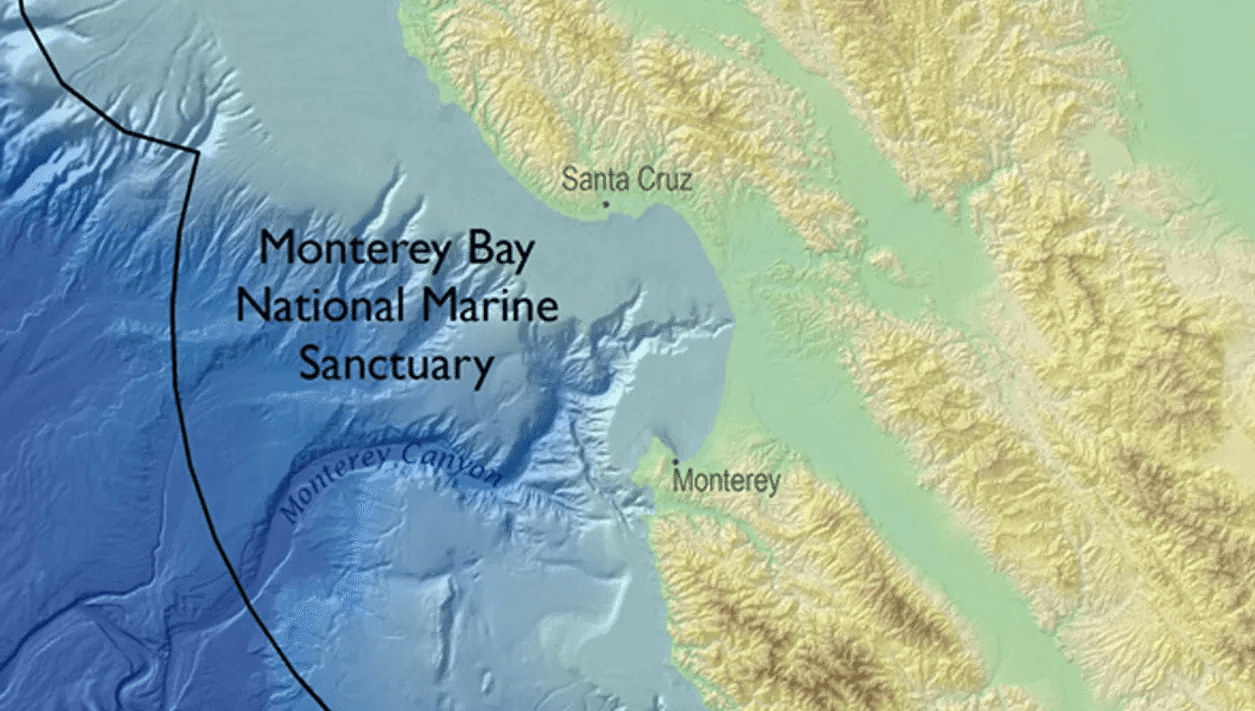
Download
Monterey Bay National Marine Sanctuary Map
Download a map JPG 246.3 KB – Monterey Bay National Marine Sanctuary MapFollow MBARI’s discoveries
MBARI (Monterey Bay Aquarium Research Institute) asks and answers questions about the deep sea in our backyard—and beyond.
Dive deeper into the Into the Deep exhibit
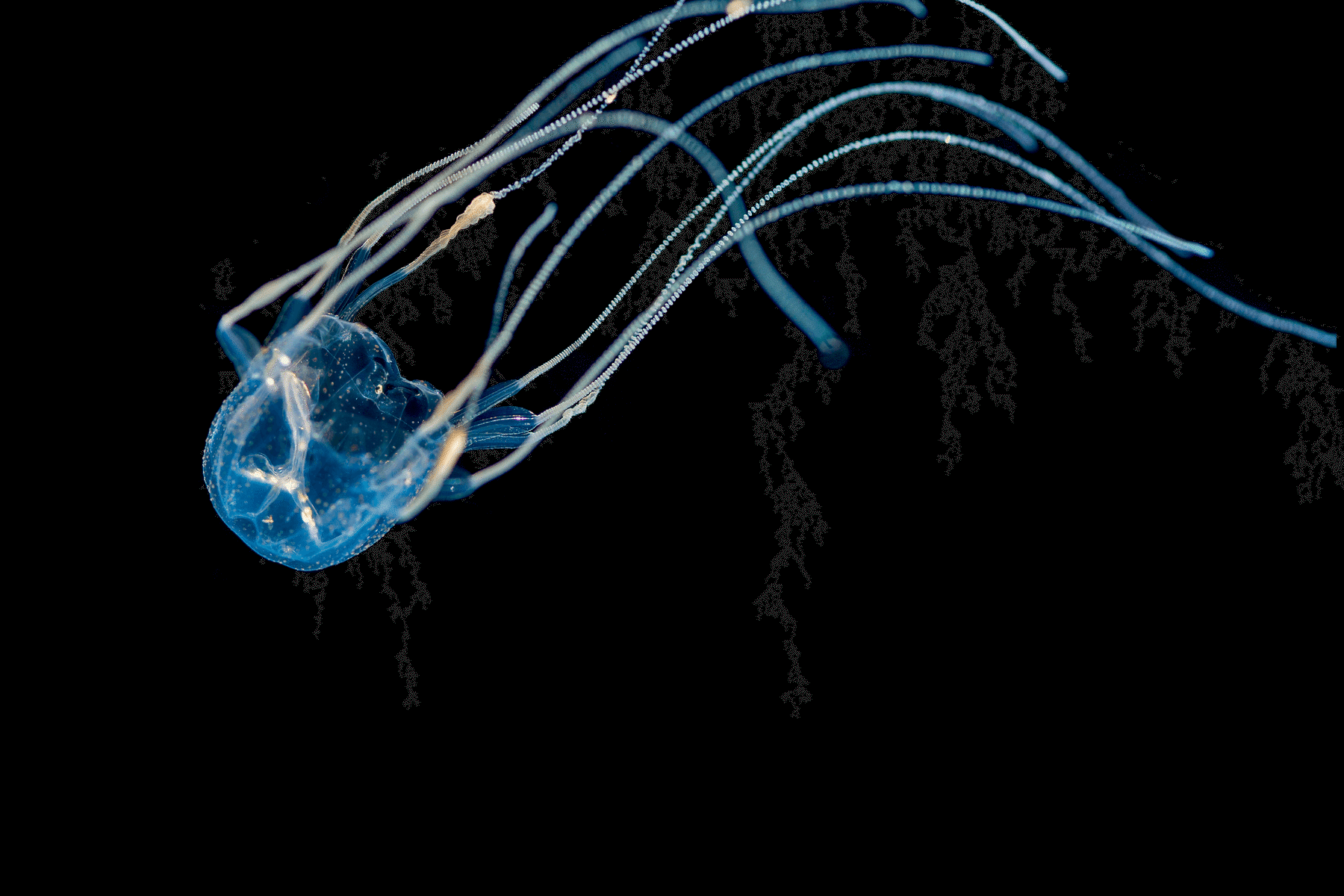
General content
Down to the deep
A wide world of blue swirls with life. The journey to the deep sea starts in sunlit waters near the surface. …
Read more – Down to the deep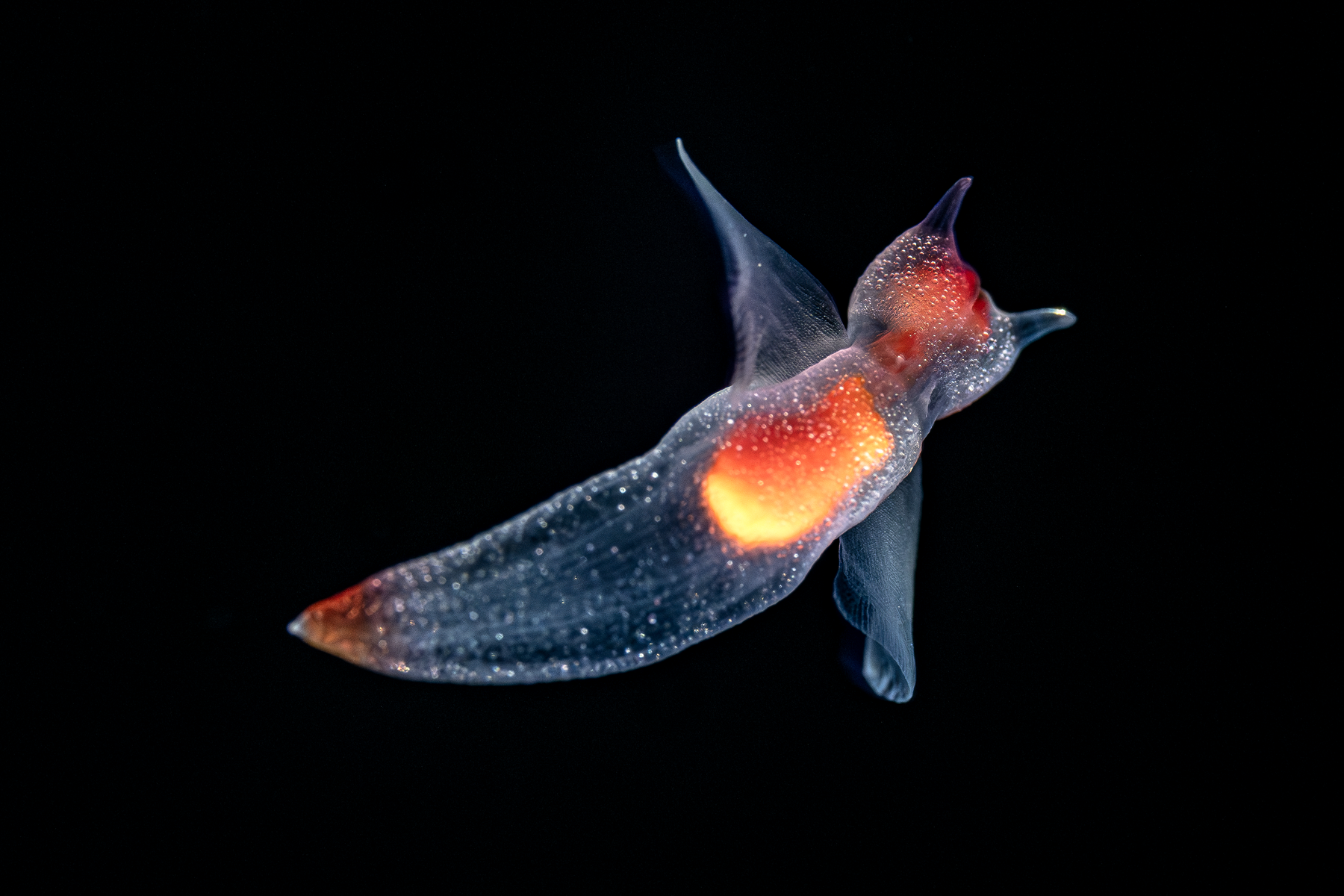
General content
The midwater
Between sunlit water and the deep seafloor lies the midwater.
Read more – The midwater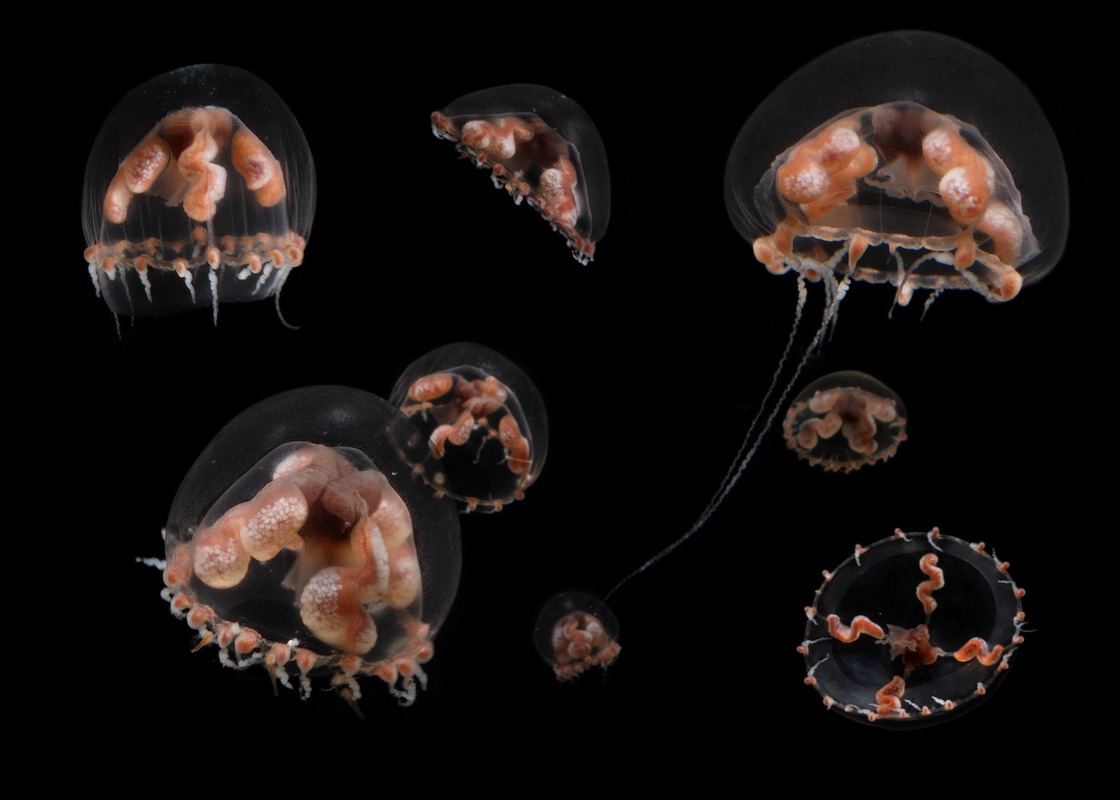
General content
On the horizon
Keep exploring with behind-the-scenes chats with staff and scientists, online courses, stories, and more.
Read more – On the horizon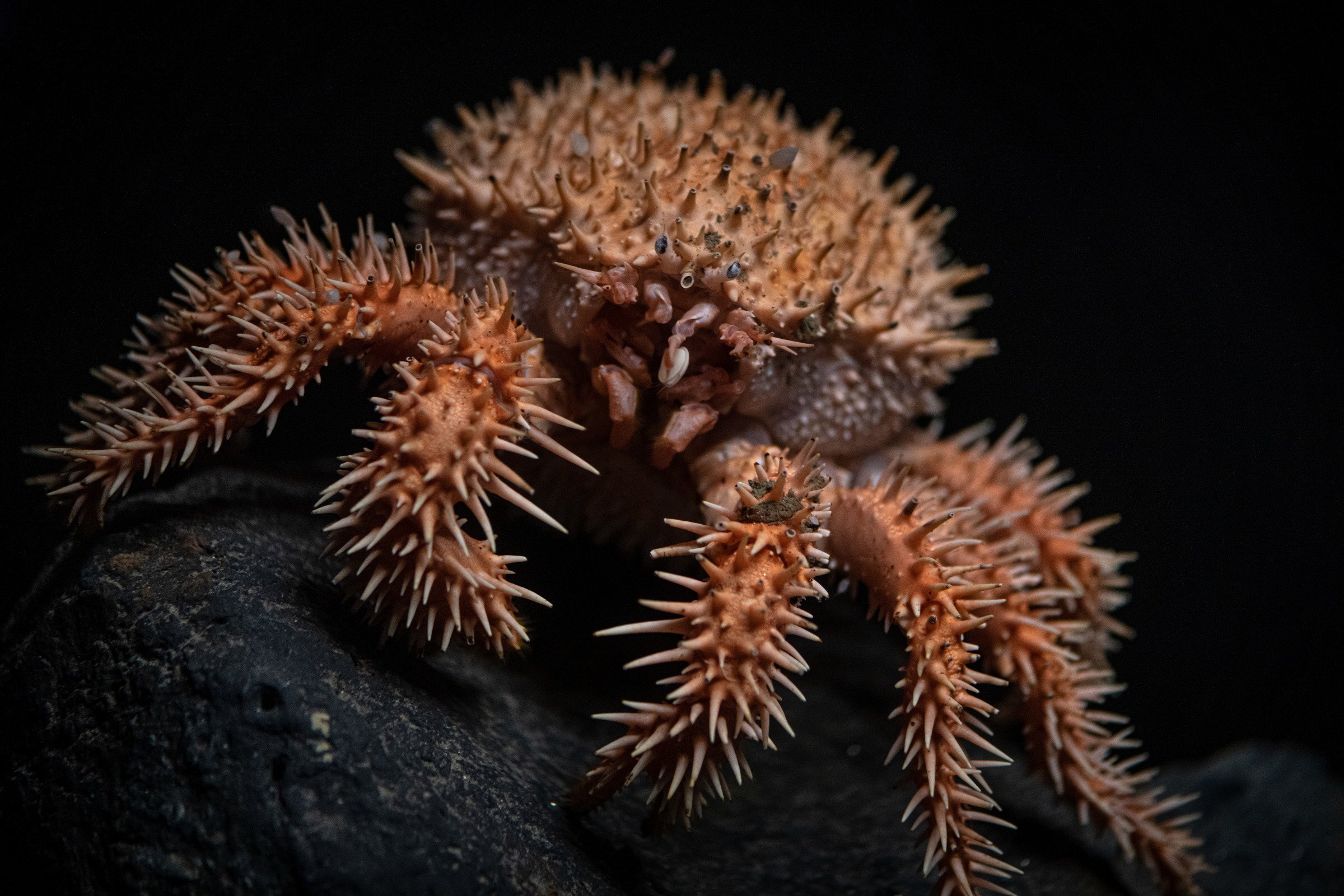
Animals & the ocean
Deep sea animals A to Z
From football-sized giant isopods to transparent jellies that glow, the deep sea is brimming with life.
Read more – Deep sea animals A to Z