

Limit wild fish use as feed
Aquaculture has the ability to supplement our seafood and reduce pressures on wild populations. But the use of wild fish as feed to produce aquaculture’s harvest can have wide-ranging environmental impacts.
Understanding the issue
Many fish, like salmon or sea bass, are carnivores—they eat fishmeal and fish oil. Every year, millions of tons of wild fish, like sardines and anchovies, are caught and processed into fishmeal and fish oil to feed farm-raised species. Using wild-caught fish to feed farmed fish contributes to the overfishing pressure on wild fish populations. But farmers have options that can reduce the reliance on wild-caught feed.
Sustainable solutions
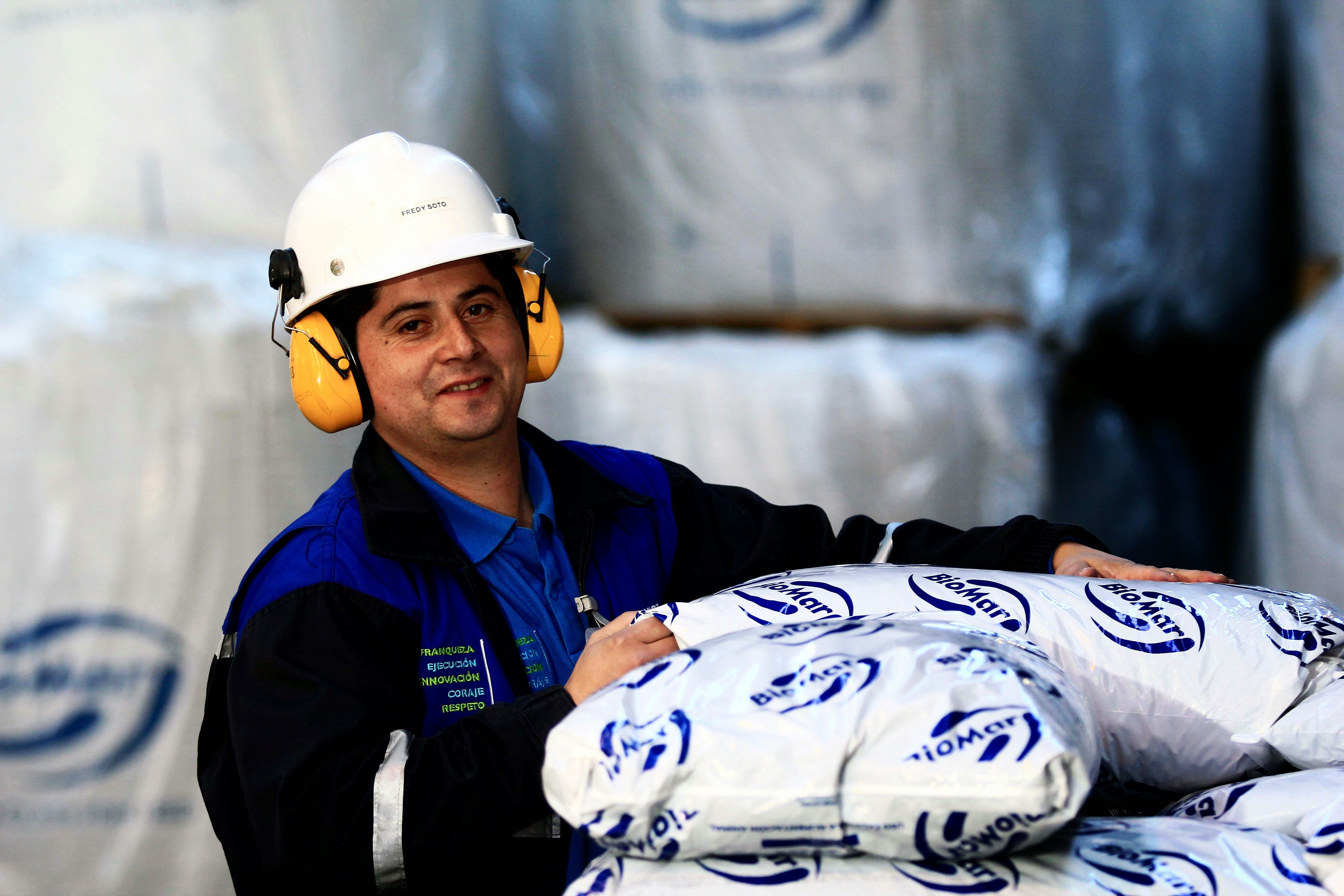
Choose sustainable feed ingredients
Instead of using wild sources, fishmeal can be made from scraps of fish (both wild and farmed) processed for human consumption. Ingredients from plant and animal agriculture—like soy and poultry—are also used to make high protein ingredients.
More recently, insects, algae, and single-cell organisms have been tested to provide many of the same nutrients to farmed fish as more traditional ingredients do. Many of the major feed manufacturers are investing in the development of these alternative feeds and some fish farmers have found success using them.
All feed ingredients have some environmental footprint, so choosing aquaculture feeds that are both good for farmed fish and have minimal impacts on the ecosystem is important.
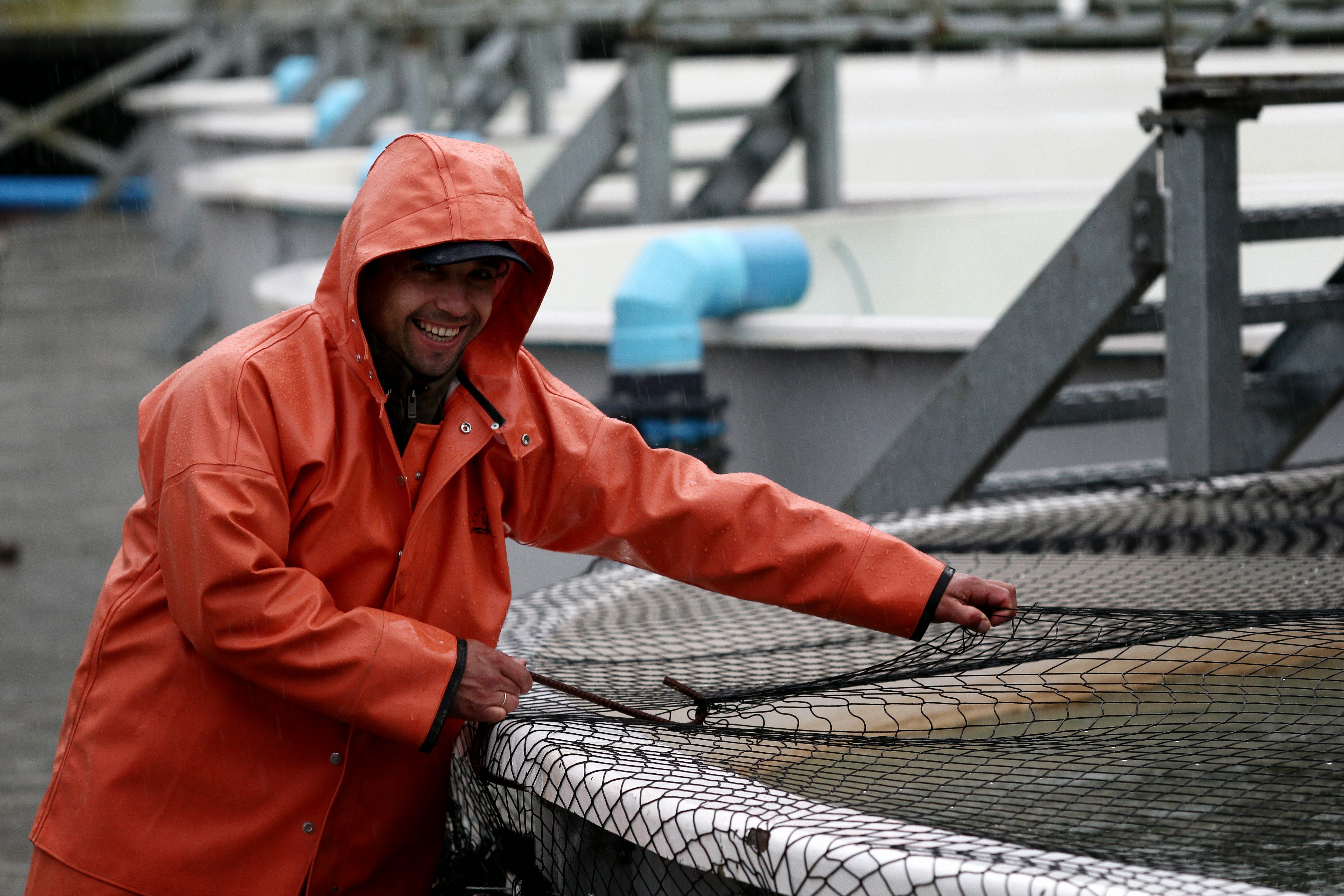
Farm omnivores
Not all fish are carnivores. Some, like catfish and tilapia, can be raised on diets with very little or no fishmeal or fish oil. In some industries, no supplemental feed is required. Fish and shrimp raised in extensive aquaculture systems, and shellfish (like mussels and oysters) feed by filtering plankton and other naturally-produced organisms out of the water.
By farming species that do not require significant amounts of animal protein or oil in their feed, aquaculture can reduce its reliance on wild fisheries.
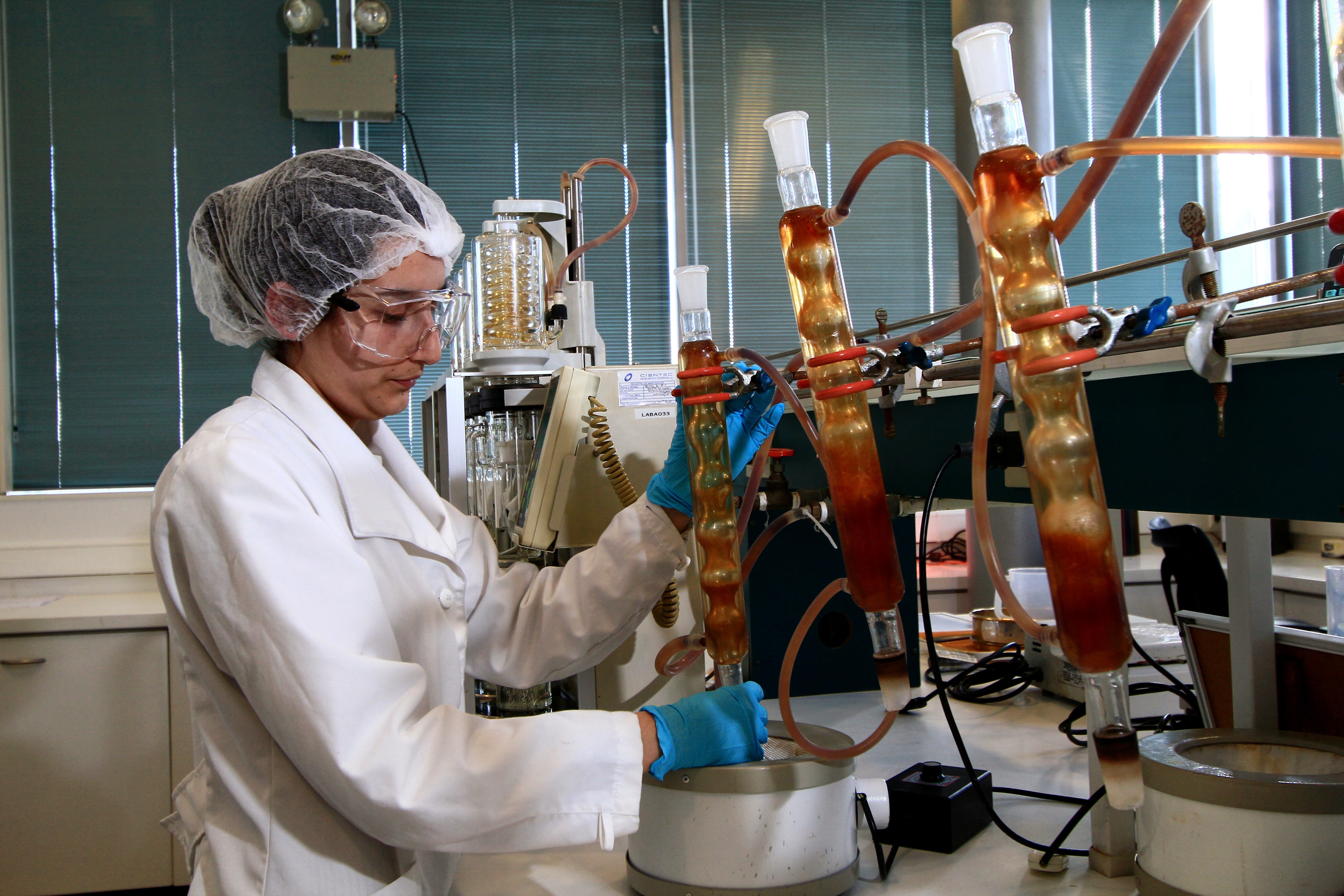
Improve feed conversion efficiency
Feed Conversion Ratio (FCR)—the ratio of how much a fish eats to how much weight it gains—is the most common metric of feed efficiency. In the past, feed efficiency was poor, but technological advances have reduced the FCR of most commonly farmed species including salmon, shrimp and tilapia.
In the best cases today, FCRs of close to 1:1 are possible. However, feed use can still be one of aquaculture’s biggest environmental impacts.
By closely monitoring how much farmed fish eat during feeding and making feeds that are easily digestible, aquaculture should continue to improve the conversion efficiency of feed so that it requires less feed to grow fish successfully.
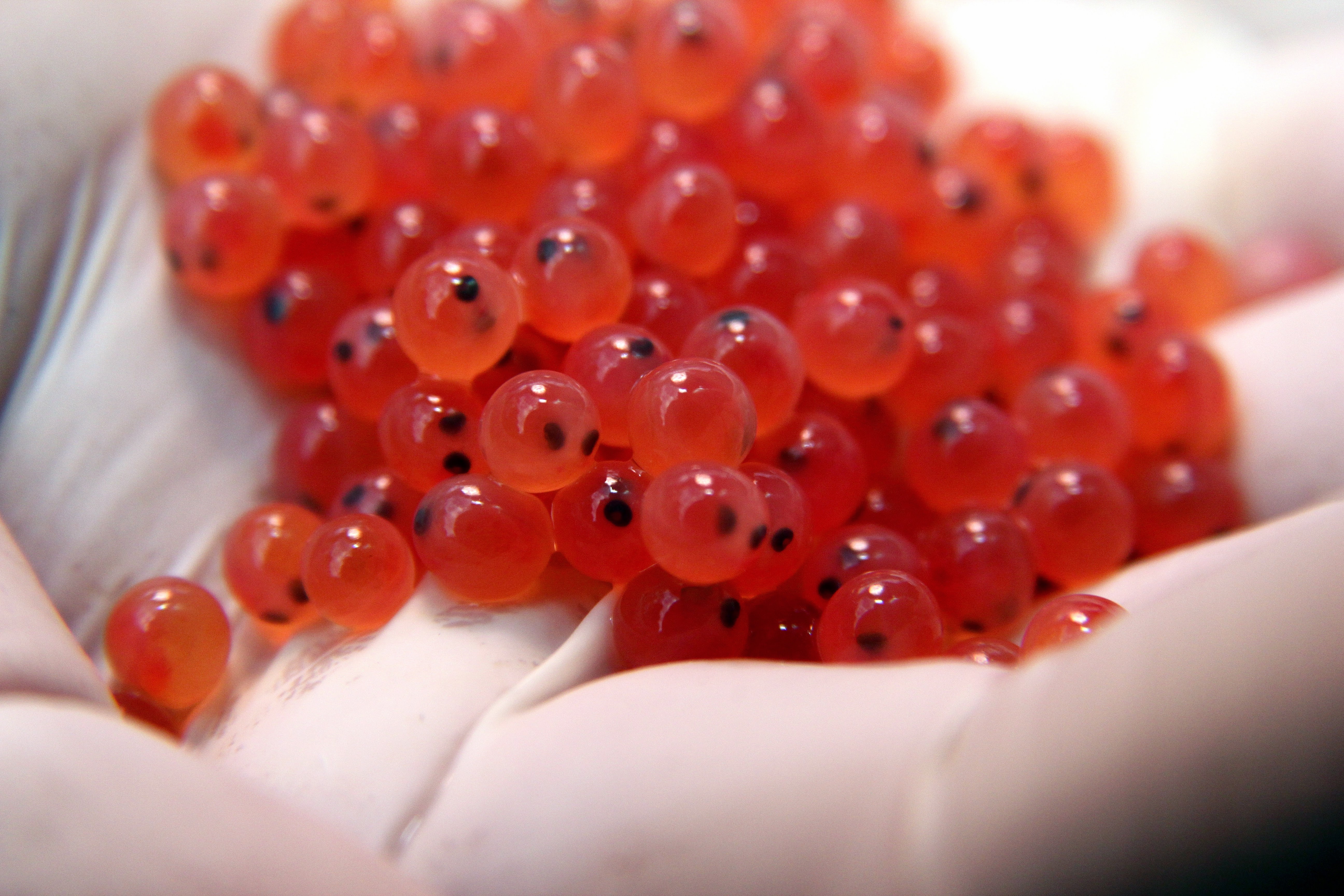
© INTESAL
Sustainable sourcing of broodstock
Where do farmed fish come from? In most cases, farmers maintain groups of mature fish known as a broodstock. These fish provide eggs and/or juveniles for the purpose of being raised to market. This method is preferred to a practice called ranching, which takes fish from the wild and grows them for eventual sale.
Not only do ranches rely on wild populations, in some cases the fish they take are still juveniles, meaning they have not had the chance to reproduce in the wild. For example, young eels are caught and then farmed to supply unagi to sushi bars. Similarly, young bluefin tuna are ranched for the highly profitable but resource-intensive industry. This practice has contributed to the depletion of wild stocks of both of these species.
What Seafood Watch is doing?
Our seafood ratings consider the use of wild fish in aquaculture feed and as the source of aquaculture stock. For feed, we evaluate the amount of fish used and the sustainability of the fisheries supplying it. For the source of stock, our assessments determine the amount of fish that come from hatchery-raised broodstock versus from the wild.
Explore more sustainable solutions
Animals & the ocean
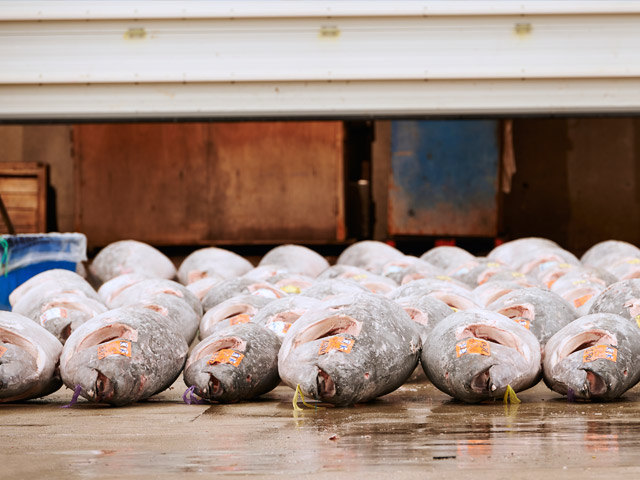
Avoid overfishing
Overfishing puts pressure on ocean ecosystems, but science-based solutions can help protect fish populations.
Read more – Avoid overfishing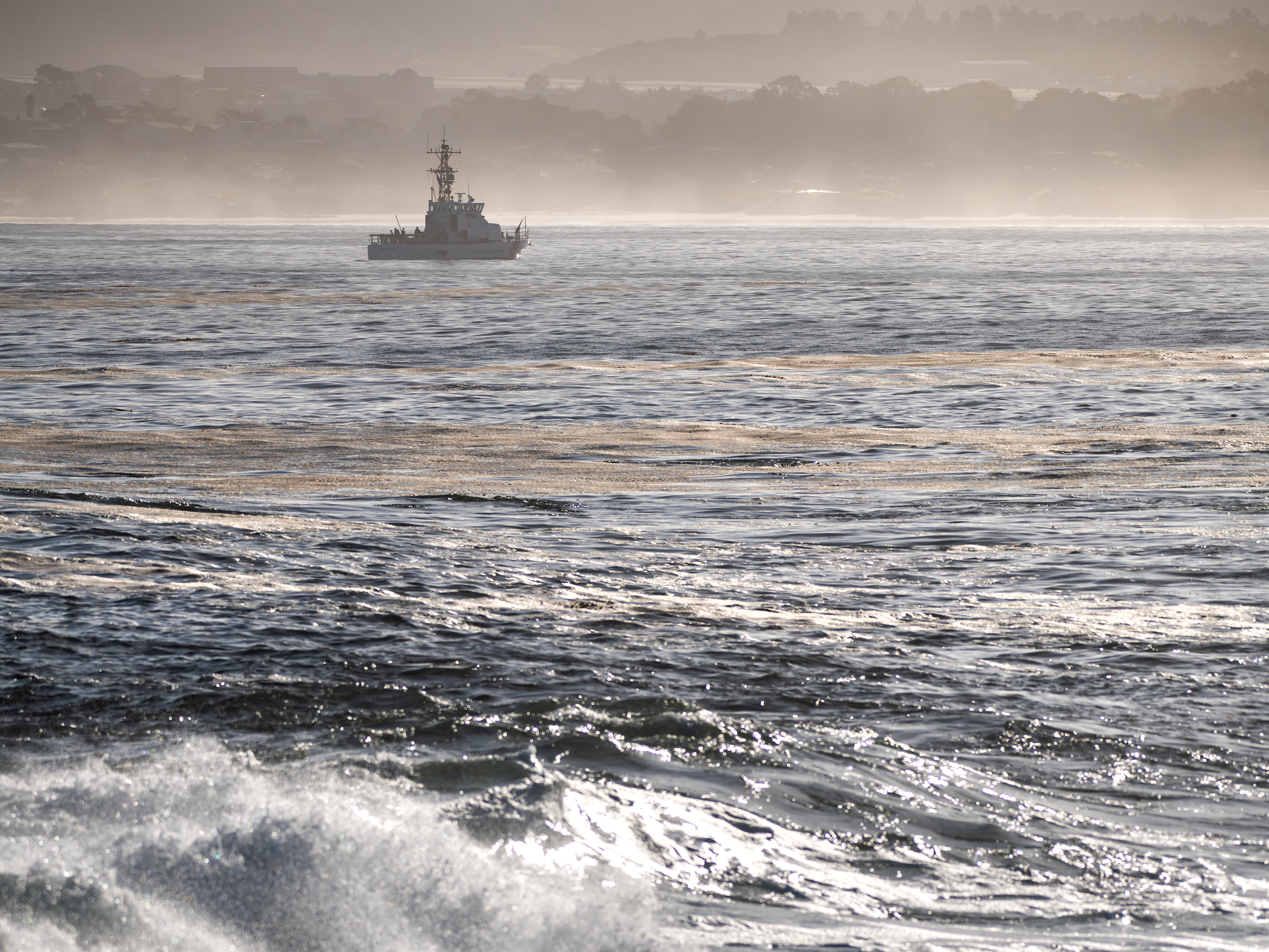
Animals & the ocean
Consider climate
It takes a lot of fuel to grow, package, and transport food, which contributes to climate change.
Read more – Consider climate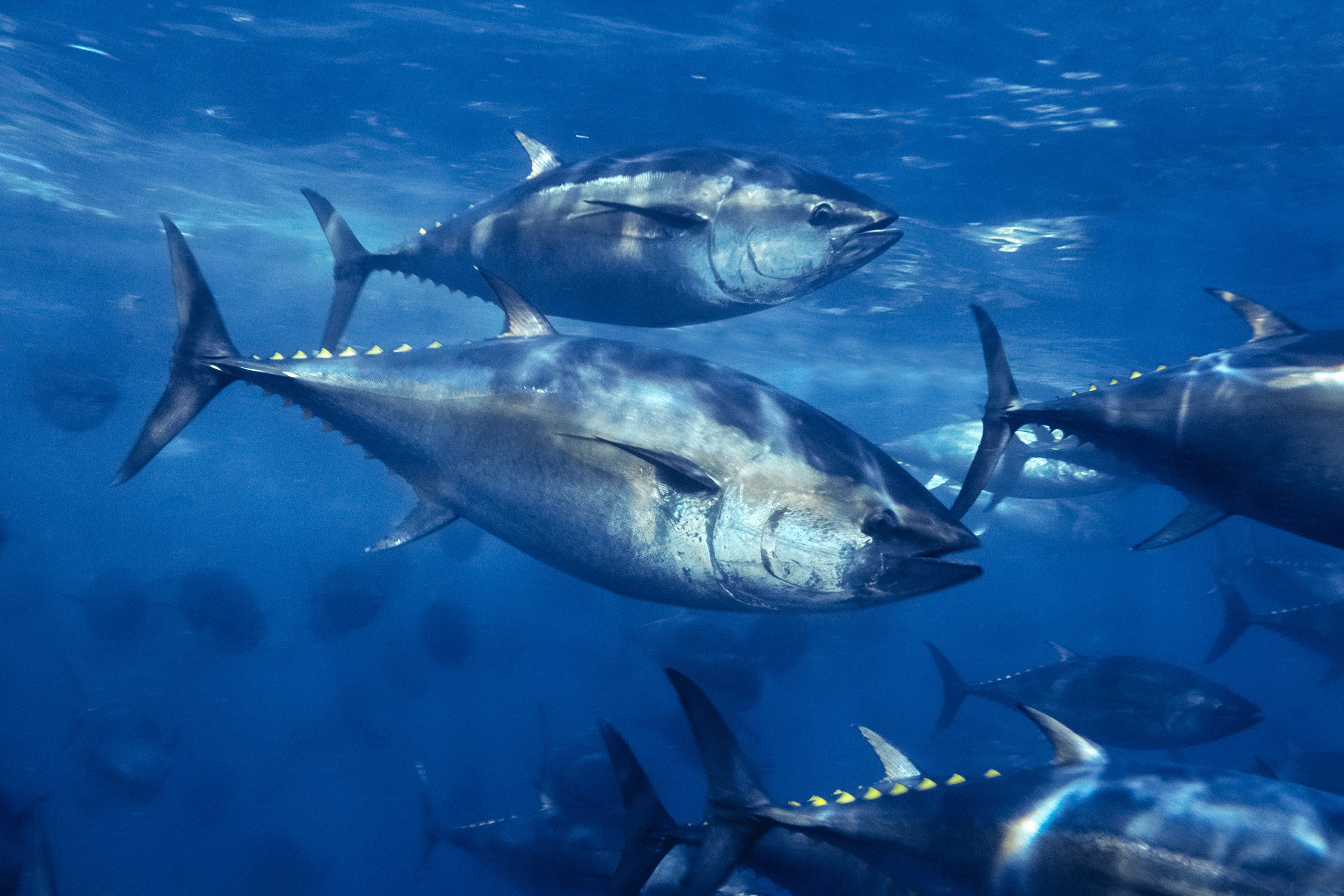
Animals & the ocean
Improve traceability
By tracking seafood through the supply chain, consumers can verify its environmental and social impact.
Read more – Improve traceability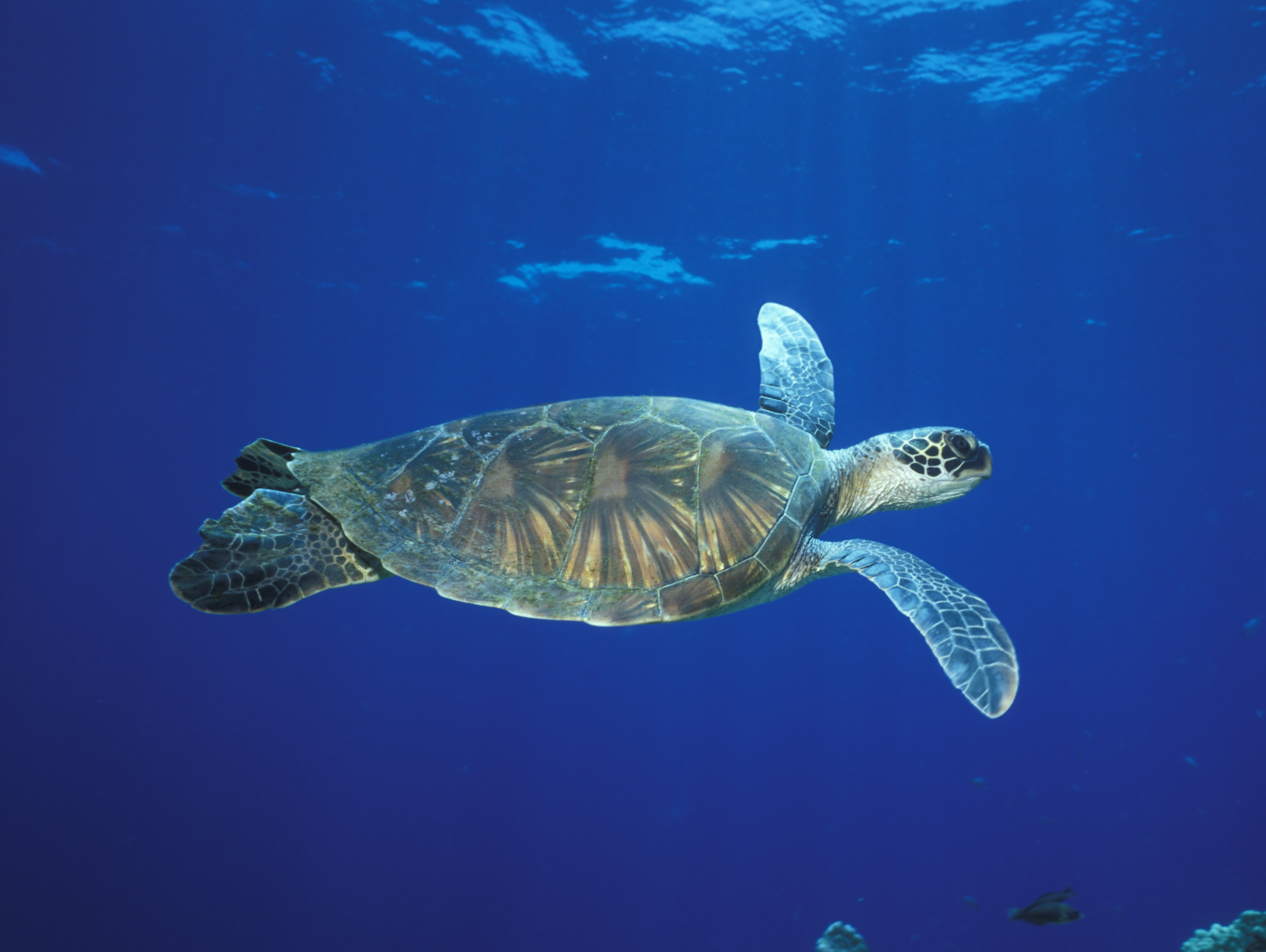
Animals & the ocean
Limit bycatch
Bycatch—when non-target marine life is caught in fishing gear—harms ocean wildlife, but solutions exist.
Read more – Limit bycatch