

Prevent farmed fish escapes
What’s the issue? When aquaculture farms are connected to natural water bodies, some of the stock can escape. In some cases, escapees impact wild populations by competing with them for food, habitat and spawning partners.
Understanding the issue
Farmed fish differ from their wild cousins
Sometimes fish or shrimp on aquaculture farms manage to escape from the nets or pens and make their way into local waterways. Occasionally, large-scale escapes—thousands of fish at a time—occur following storms or predator attacks on net pens. When this many fish escape at once, or some escape consistently, they can have a significant impact on the local ecosystem.
Sometimes, fish are farmed in areas they are not native to. If they can escape and establish themselves, they may compete with native species for resources like food and habitat. Where fish are farmed in their native waters, the concern is often genetic—if escapees breed with their wild counterparts, the genetic makeup of their offspring may be less suited to surviving and thriving in the wild.
Sustainable solution
Preventing escapes
To prevent escapes, farms should be constructed to withstand the local weather and climate conditions, as well as risks like predator attacks. Farmers should also have established procedures to monitor and maintain their facilities, and in the event of an escape, response plans.
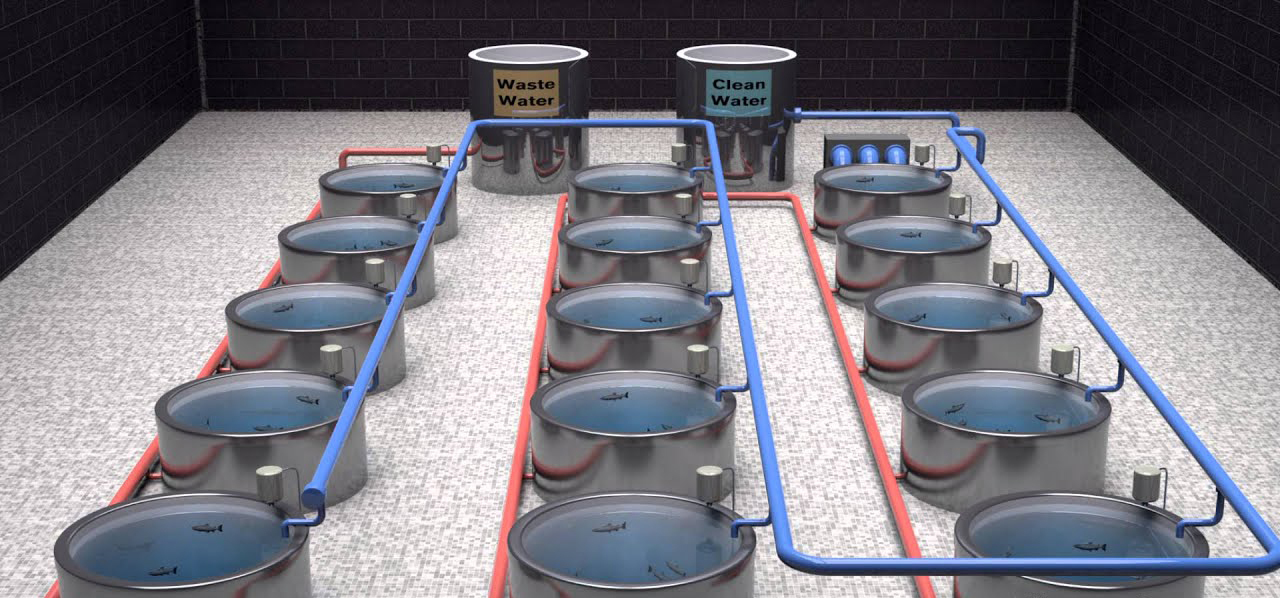
Technological advances have made it possible to raise fish—even large finfish like salmon and striped bass—on land. Large tanks provide fish with continuous water flow and some pump wastewater through treatment systems before returning it to the tank. These recirculating tanks prevent escapes of farmed species.
Related videos
How seafood is farmed: Recirculating Systems
What Seafood Watch is doing?
Seafood Watch’s standards for environmentally responsible aquaculture include an assessment of the risk of escape and the impact that any escapees may have on the nearby ecosystem.
Our scientists consider what type of pens, ponds or tanks are used, whether the farmed species is native or non-native and the effectiveness of management practices aiming to prevent escapes.
Explore more sustainable solutions
Animals & the ocean
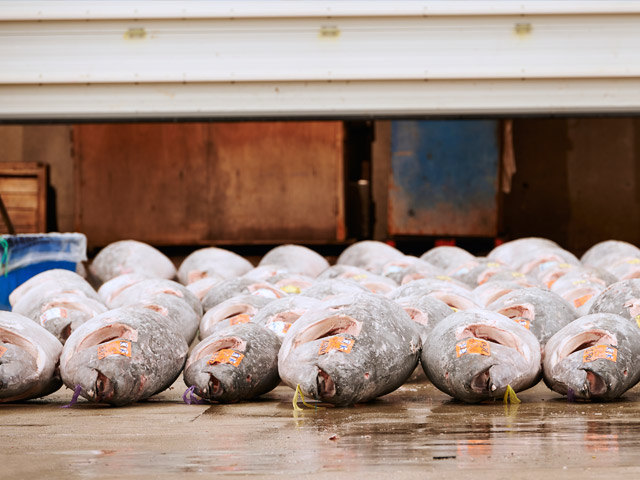
Avoid overfishing
Overfishing puts pressure on ocean ecosystems, but science-based solutions can help protect fish populations.
Read more – Avoid overfishing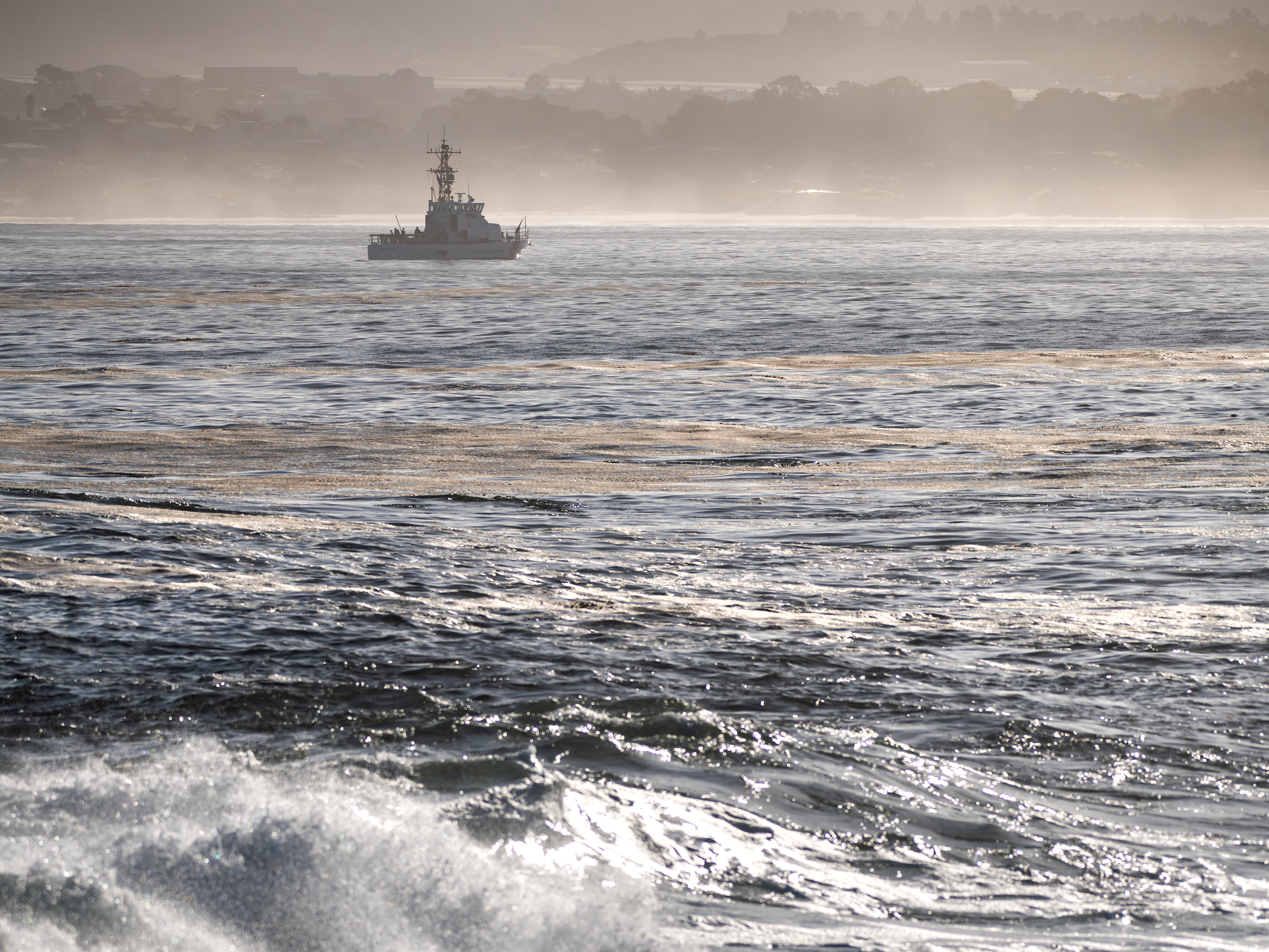
Animals & the ocean
Consider climate
It takes a lot of fuel to grow, package, and transport food, which contributes to climate change.
Read more – Consider climate
Animals & the ocean
Improve traceability
By tracking seafood through the supply chain, consumers can verify its environmental and social impact.
Read more – Improve traceability
Animals & the ocean
Limit bycatch
Bycatch—when non-target marine life is caught in fishing gear—harms ocean wildlife, but solutions exist.
Read more – Limit bycatch