

Strong management
What’s the issue? A key to sustainable fisheries and aquaculture is science-based management and strong enforcement of regulations that deal with issues of overfishing, habitat destruction, pollution, and more.
Understanding the issue
Managing seafood for long-term sustainability
A goal of effective fishery management is to sustain the seafood supply while simultaneously ensuring the long-term health of wild populations and ecosystems. Without oversight and regulations, both fishing and aquaculture can cause a range of environmental impacts from overfishing to habitat damage. Strong science-based management preserves wild populations by regulating what and how much fishermen can catch. Similarly, aquaculture management regulates the location, chemical use, and water quality on farms to prevent harm to the surrounding environment and wildlife.
Guiding governance
Launched in early 2021, the Aquaculture Governance Indicators (AGIs) serve as a diagnostic tool to identify strengths and weaknesses in the aquaculture governance of a country, species or both. By assessing multiple areas of governance against 26 indicators governments, industry and civil society groups have a roadmap to implement responsible aquaculture production. The AGIs were developed by the Environmental Policy Group at Wageningen University & Research, the Monterey Bay Aquarium Seafood Watch Program and a Technical Advisory Board. They have been used to assess 10 aquaculture production systems, including farmed shrimp and salmon. Additional profiles are forthcoming.
© Corey Arnold
Wild-caught fish solutions
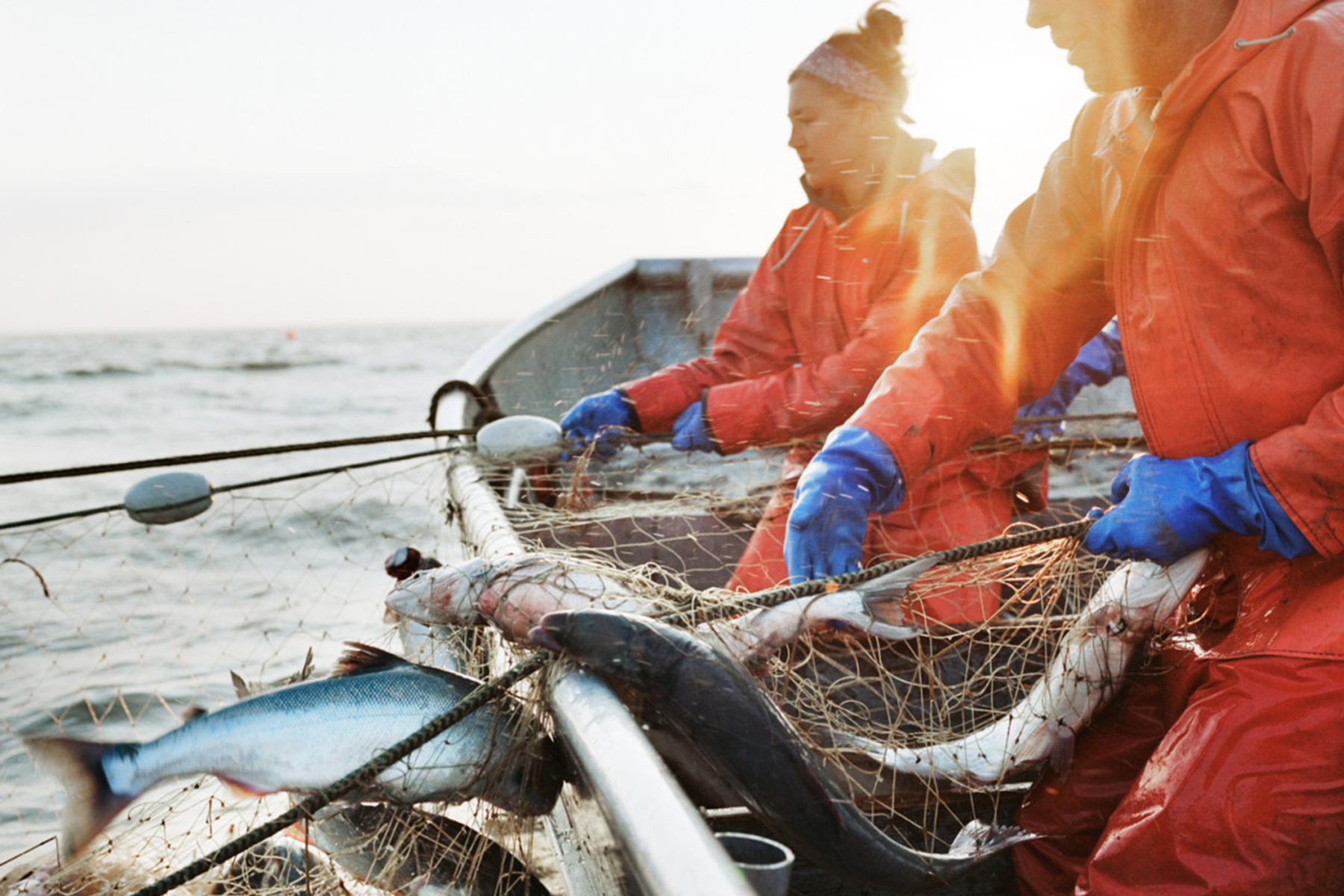
Overfishing is one of the biggest issues facing the health of our oceans. Successful management of wild-caught fisheries can prevent overfishing and help rebuild fish populations. Below are some of the ways wild fish stocks are managed.
Conduct stock assessments
How many fish are there? Fishery scientists can’t go door-to-door conducting a fish census every few years. Instead, they use stock assessments to determine if a fishery is healthy or overfished. Stock assessments use a combination of sampling and population modeling to get this information.
Based on the stock assessment and biological information about the species, managers set a catch limit. This number represents how many fish can be caught and still maintain a healthy, thriving population.
Set and adhere to fishing limits
Below are some of the ways managers can limit the fishing effort or catch:
- Restrict the type of fishing gear used
- Set total allowable catch limits
- Designate seasonal closures
- Establish size limits
Compliance with such measures is critical in achieving management goals. About a fifth of the world's catch is either illegal, underreported or unregulated. Effective management can help end this drain on ocean resources.
Use ecosystem-based management
Traditional fisheries management considers each species separately. Instead, ecosystem-based management takes the entire ecosystem into account. For example, oysters filter seawater keeping it clean for other animals. Removing oysters from the ecosystem can affect other species through poor water quality. Trawling for oysters can damage the seafloor, destroying critical habitat for other species.
Ecosystem-based management considers these secondary effects when setting fishing regulations for oysters. Regulators may set lower catch limits or prohibit trawling in areas where other species live.
Establish Marine Protected Areas
Establishing Marine Protected Areas (MPAs) is another way to manage wild fish populations. Like national parks on land, MPAs preserve undersea habitat and allow marine wildlife to recover and thrive. These safe havens can result in larger, more abundant fish, plants and other marine life. Although fishing and other activities are often restricted within certain types of MPAs, they benefit from their existence. Fish protected inside the MPA replenish fish stocks in the nearby fishing grounds. Even closing areas temporarily can be a powerful tool in fisheries management.
Currently, MPAs cover eight percent of the world's oceans and are becoming more popular across the globe. California implemented the first statewide network of MPAs in the U.S. which protects over 16 percent of state coastal waters.
Aquaculture
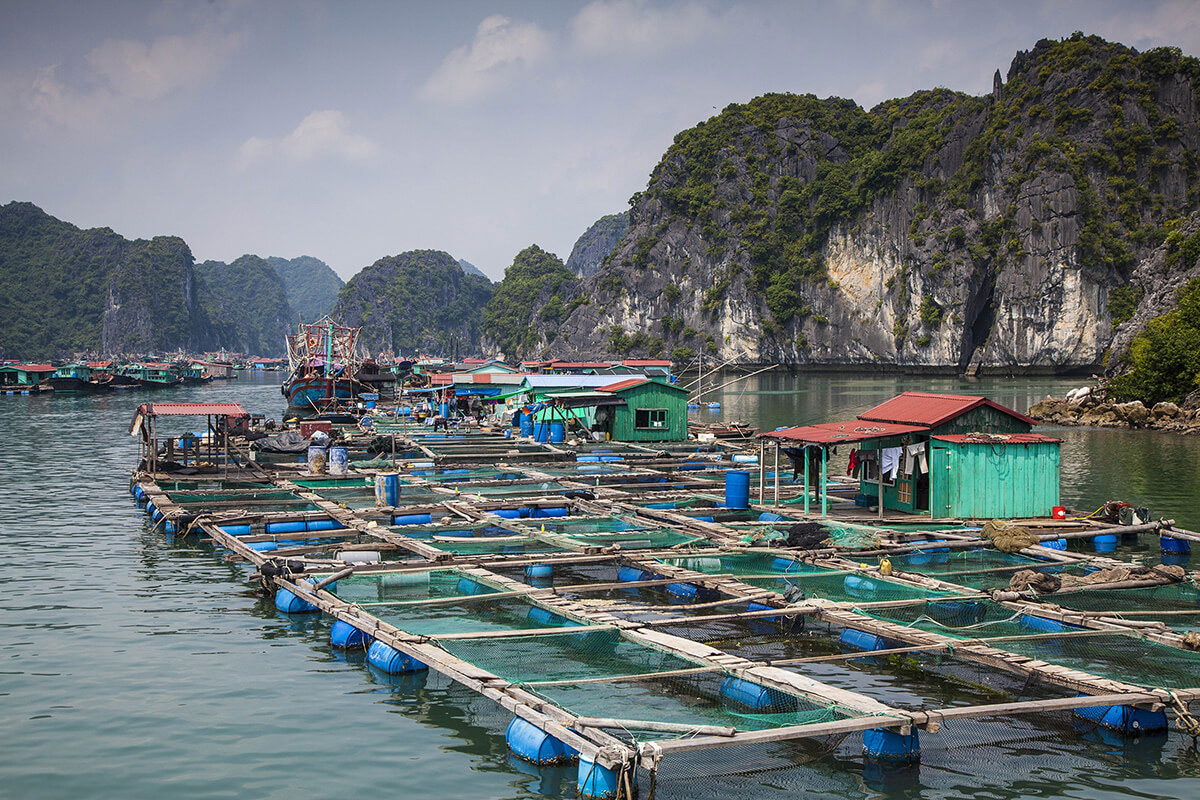
In the aquaculture industry, strong management helps preserve water quality, coastal habitat and the health of wild species in the areas both near and far from farms.
Aquaculture management is diverse. In some industries, farmers make most decisions about how their farm operates, and in others, farmer groups set codes of practice. Others have stronger government oversight. The most effective management integrates all stakeholders—including farmers, NGOs, researchers and governments.
Smart siting
Locating aquaculture facilities away from sensitive habitats and using carrying capacity information to manage the size and arrangement of the industry protects the functionality of ecosystems. Farm siting is typically managed by government regulation, so ecosystem based policies and strong enforcement are key to sustainable aquaculture.
Use sustainable inputs
Most aquaculture systems require inputs, like feed and juveniles. Strong ecosystem based management of fisheries that provide fishmeal and fish oil for aquaculture feed is essential, and ingredients that come from plant and animal agriculture should be sourced with sustainability in mind. It is also best practice to not source wild individuals for broodstock or juveniles—but for those that do, the removal of species from the wild must be done according to science-based fishing limits.
Governments should set sustainability standards for the production of feed ingredients, industry should choose to use ingredients with low environmental impact, and researchers should continue investigating new ways to deliver nutrients with less reliance on natural resources.
Reduce outputs
Minimizing the nutrient waste discharged from farms helps preserve the quality of nearby waterbodies. Reducing drug and chemical use lessens the risk of their unintended impacts. Preventing escapes and the spread of disease keeps local wild species healthy.
Government policies and farm management strategies that promote efficient feeding practices, maintaining farm infrastructure and the health of fish and the treatment of wastewater are ways to reduce aquaculture’s downstream impacts.
What Seafood Watch is doing?
Effective management is a criterion of our standards for environmentally sustainable fisheries. We assess whether the fishery is managed to sustain the long-term productivity of all affected species. In partnership with Wageningen University, we developed Aquaculture Governance Indicators. This tool defines and assesses best practices for responsible aquaculture management.
Explore more sustainable solutions
Animals & the ocean
Avoid overfishing
Overfishing puts pressure on ocean ecosystems, but science-based solutions can help protect fish populations.
Read more – Avoid overfishing
Animals & the ocean
Consider climate
It takes a lot of fuel to grow, package, and transport food, which contributes to climate change.
Read more – Consider climate
Animals & the ocean
Improve traceability
By tracking seafood through the supply chain, consumers can verify its environmental and social impact.
Read more – Improve traceability
Animals & the ocean
Limit bycatch
Bycatch—when non-target marine life is caught in fishing gear—harms ocean wildlife, but solutions exist.
Read more – Limit bycatch