

U.S. farmed catfish
The Super Green List
U.S. farmed catfish is an affordable, sustainable Southern staple—lean, healthy, and nutrient-packed, too! This seafood is part of the Super Green List—seafood that’s good for you and the planet.
What are they?
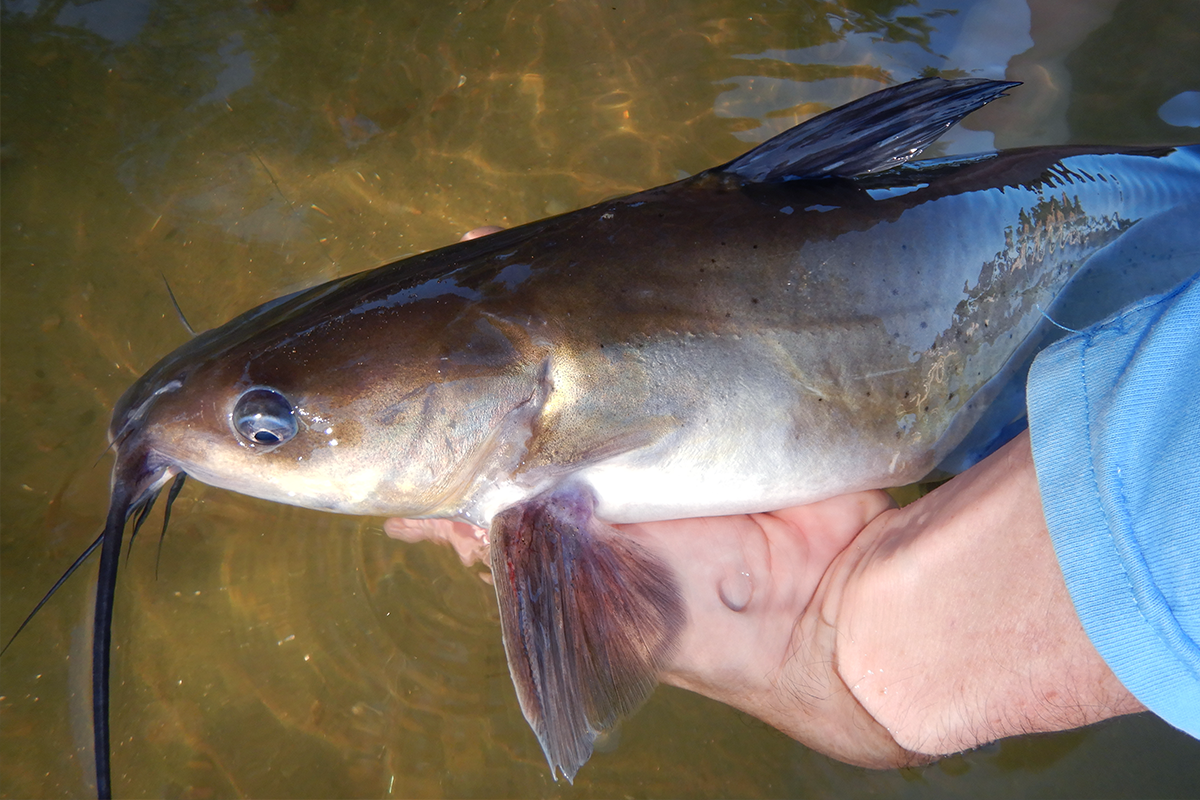
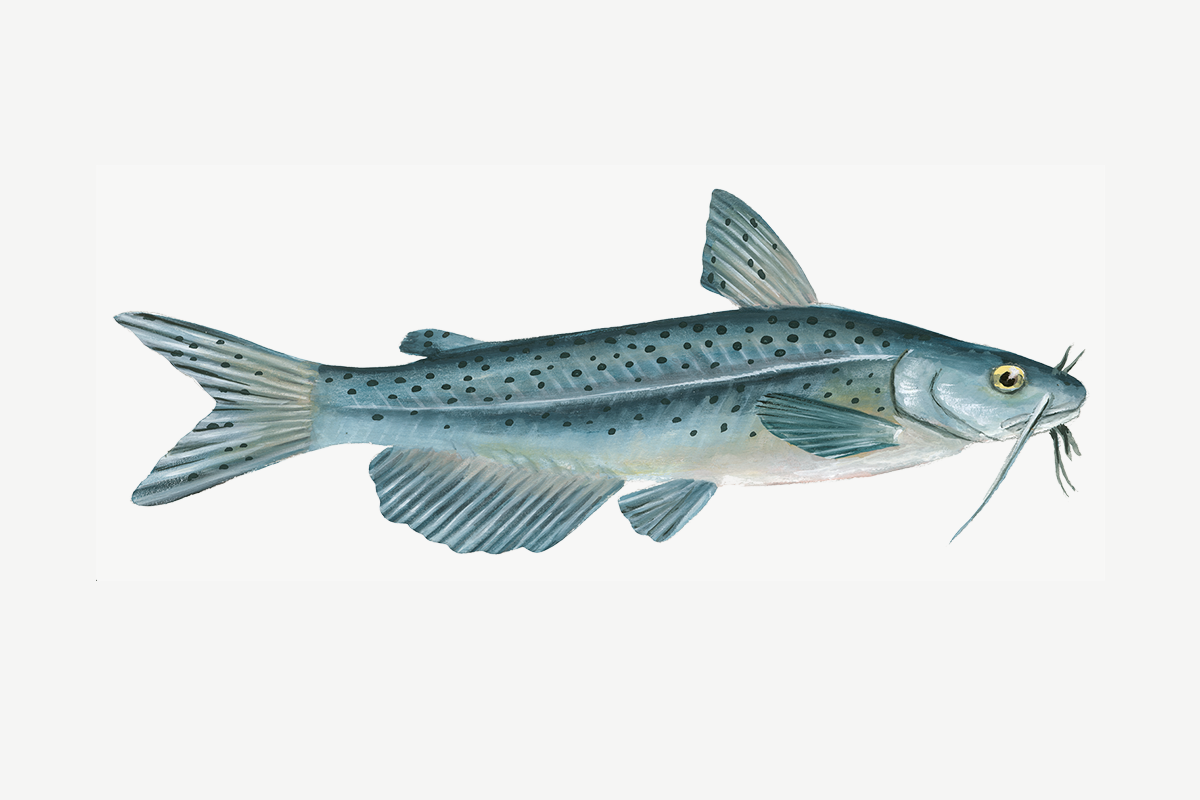
Catfish get their name from their barbels, the face-framing, whisker-like sensory organs that give them a feline facade. True omnivores, catfish eat just about anything and everything. They grow quickly and live a relatively long life near the bottom of freshwater bodies.
Delicious, nutrient-dense, and easy to prepare, catfish has a celebrated history around the world. There are over 2,000 species of catfish, found on every continent except Antarctica. Catfish is a staple in the southeastern U.S., where it’s been enjoyed for millennia, first by the Indigenous peoples and later by those of European and African descent.
Nowadays, most catfish you’ll find in supermarkets is farmed channel catfish, or, to a lesser extent, hybrid channel catfish crossed with blue catfish. Channel catfish is native to a big portion of North America, from northern Mexico and the Gulf States, up the Mississippi River watershed, and west to the Rocky Mountains. Over the past century, this freshwater fish has been introduced to most of the rest of the U.S. for fishing and to 35 different countries for aquaculture. Blue catfish is another, larger species of U.S. catfish found in the southeast.
Good for you
Catfish is a nutritious fish—we can't argue with that.
- Containing only 119 calories per serving (about 3.5 ounces), U.S. farmed catfish is a lean, nutrient-packed food, offering an optimal main-dish option for healthy weight.
- Catfish has a healthy fat profile. It’s low in saturated fat (as low as 1 gram per serving depending on variety) while providing a rich source of the omega-3 fatty acids DHA and EPA (up to 300 milligrams per serving). That means this seafood also helps support a healthy heart and brain function.
- With about 15 grams of high-quality protein per serving (depending on variety), catfish is a wholesome protein option to help support your body’s needs for muscle and tissue repair.
- Catfish also provides a slew of other essential nutrients, including vitamin B12 (121 percent Daily Value) for healthy blood and nerve function, selenium (26 percent Daily Value) to protect from oxidative damage, phosphorus (24 percent Daily Value) for bones and teeth formation, thiamin (15 percent Daily Value) to aid in energy metabolism, and potassium (19 percent Daily Value) for nerve and muscle action.
Good for the planet
In the U.S., channel catfish and their blue catfish hybrid counterparts are farmed in manmade, inland ponds filled with freshwater. About 75 percent are embankment or levee ponds, which are constructed by scraping out soil from the ground to create a pond surrounded by embankments and then filled with water. Watershed ponds, another popular option, are built in hilly terrain by damming valleys to form reservoirs that store rainwater.
The water from these ponds is rarely drained—usually only about once a decade. While that may sound counterintuitive, it plays a big role in U.S. farmed catfish’s green rating for environmental sustainability. Since water is discharged so infrequently, fish aren’t likely to escape into the surrounding environment or spread disease to local, wild fish populations. Chemical use, like antibiotics, is low to begin with because of good fish husbandry. But, if disease does occur where treatment might be needed, it usually happens in summer when farms aren't discharging water, so the risk of chemicals entering and harming the environment from effluent is low.
All broodstock and juvenile catfish used to stock channel catfish farms in the U.S. come from hatcheries, and feed for U.S. catfish doesn’t rely heavily—if at all—on fishmeal or fish oil, helping protect wild stocks of fish. The feed for these omnivorous fish instead is mostly made from things like cottonseed meal, soybean meal, maize, wheat, and pork animal meal. Most of the crops used in catfish feed are grown in the U.S.
We also know a lot about how catfish are farmed in the U.S. The industry has been extensively studied, and most of that data is publicly available, making it easy for scientists to see and understand exactly what impacts the industry has on the environment.
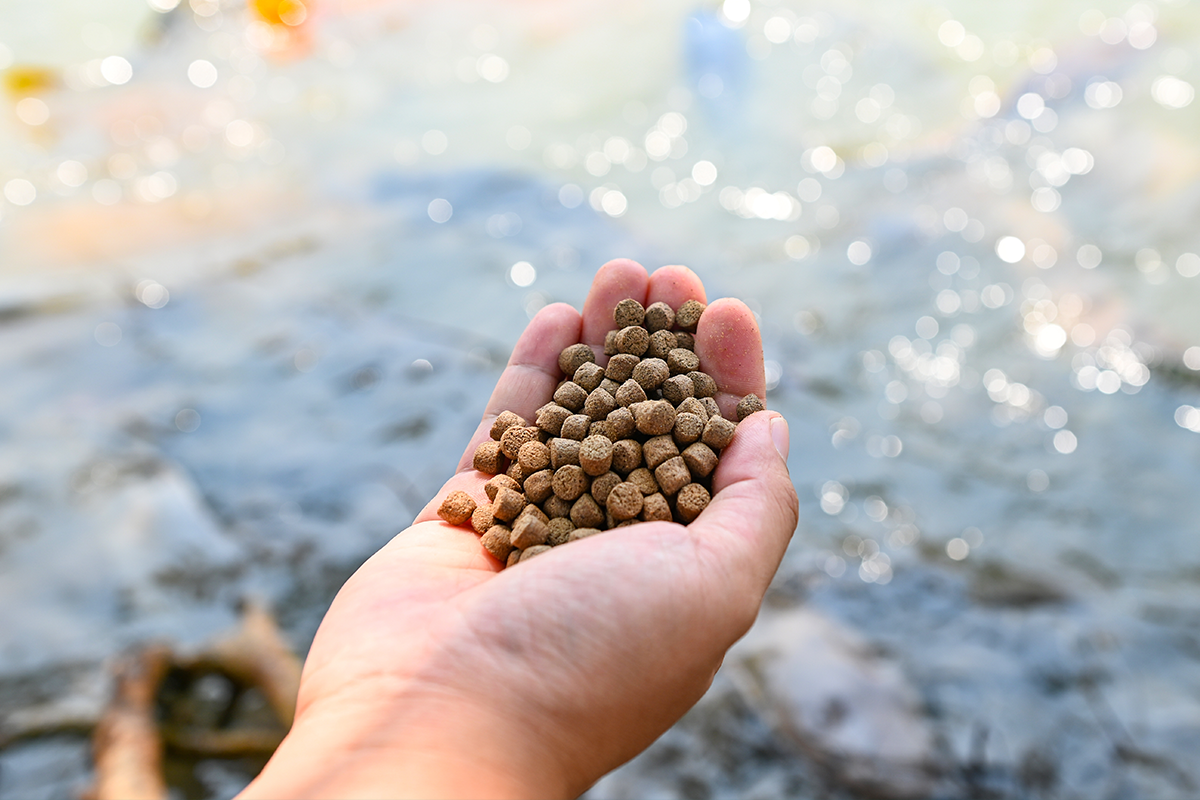
Green-rated U.S. farmed catfish are usually grown in ponds, and their feed doesn’t rely heavily—if at all—on fishmeal or fish oil, helping protect wild stocks of fish.
Ready, set, cook!
- Feature fresh or frozen fillets in a classic Creole broiled catfish. Simply brush fillets with olive oil, season with a spicy Creole spice blend, and broil until golden and tender.
- Cook up a catfish curry by simmering fresh or frozen catfish pieces in a creamy curry and serving it over brown rice.
- Try a traditional Indonesian catfish dish called warung by grilling catfish and enjoying it with vegetables, spicy sambal sauce, and coconut rice.
Where to find
- Find fresh, ready-to-cook U.S. farmed catfish fillets in many supermarkets across the U.S.
- Frozen catfish fillets, as well as whole catfish and breaded catfish fillets and strips, are available in many U.S. supermarkets, offering a longer storage time.
- U.S.farmed catfish is widely available in many restaurants, particularly in southeastern U.S. states.
Top shopping tips
- Fresh U.S. farmed catfish is an easy, moderately priced seafood option. Look for fillets in the fresh seafood case. Be sure to use it within two days for maximum freshness.
- Frozen catfish fillets are often a more affordable option, sometimes costing half as much as a fresh fillet. They are just as easy to prepare and have a longer storage life. Just thaw in the refrigerator, pat dry, and cook as desired.
- If you are purchasing breaded catfish, keep an eye on sodium levels. Look for products that contain less than 20 percent Daily Value.
See our sustainable catfish & pangasius buying guide for more tips
Change & impact
Sustainable catfish & pangasius buying guide
Catfish and pangasius—use this guide to choose wisely.
View this buying guide – Sustainable catfish & pangasius buying guideMore FAQs
Needs
U.S. farmed catfish is rated green for environmental sustainability by Seafood Watch. That's great news since channel catfish farming accounts for the biggest slice of American aquaculture production, making up 31.2 percent by volume and 27.5 percent of the total value of the U.S. industry in 2022. Farmers sold $421.5 million of catfish in 2022. Most farming takes place in Alabama, Arkansas, Louisiana, and Mississippi.
Farmed catfish has a milder, neutral flavor than its wild counterpart and is ideal for fish dishes all over the world. There are many ways to savor catfish, but a tried-and-true American favorite is to bread it in cornmeal and fry it in a hot skillet. But this tender fish is just as commonly found in cuisine from Southeast Asia, Eastern Europe, and West Africa.
Is catfish safe to eat?
Some people are hesitant to eat catfish because they feed along the muddy bottoms of bodies of water, but that’s actually what gives catfish its distinctive flavor. Wild catfish can be a safe, local fish option. However, it can accumulate pollutants present in the water system. On the other hand, U.S. farmed catfish is safe to consume and has a much lighter, milder flavor that suits many palates and preparation styles.
Does catfish have harmful contaminants?
Research has found that U.S. farmed catfish meets the Food and Drug Administration's standards for the contaminants PCBs, DDT, and other pesticides, as well as the heavy metals lead and cadmium. In one U.S. Department of Agriculture study, mercury was not detected in U.S. farmed catfish.
U.S. farmed catfish recipes
Recipe
Cajun-blackened catfish
This Cajun-blackened U.S. farmed catfish has a smoky crust and is served with okra, tomatoes, and rice.
Explore more Super Green seafood
Change & impact
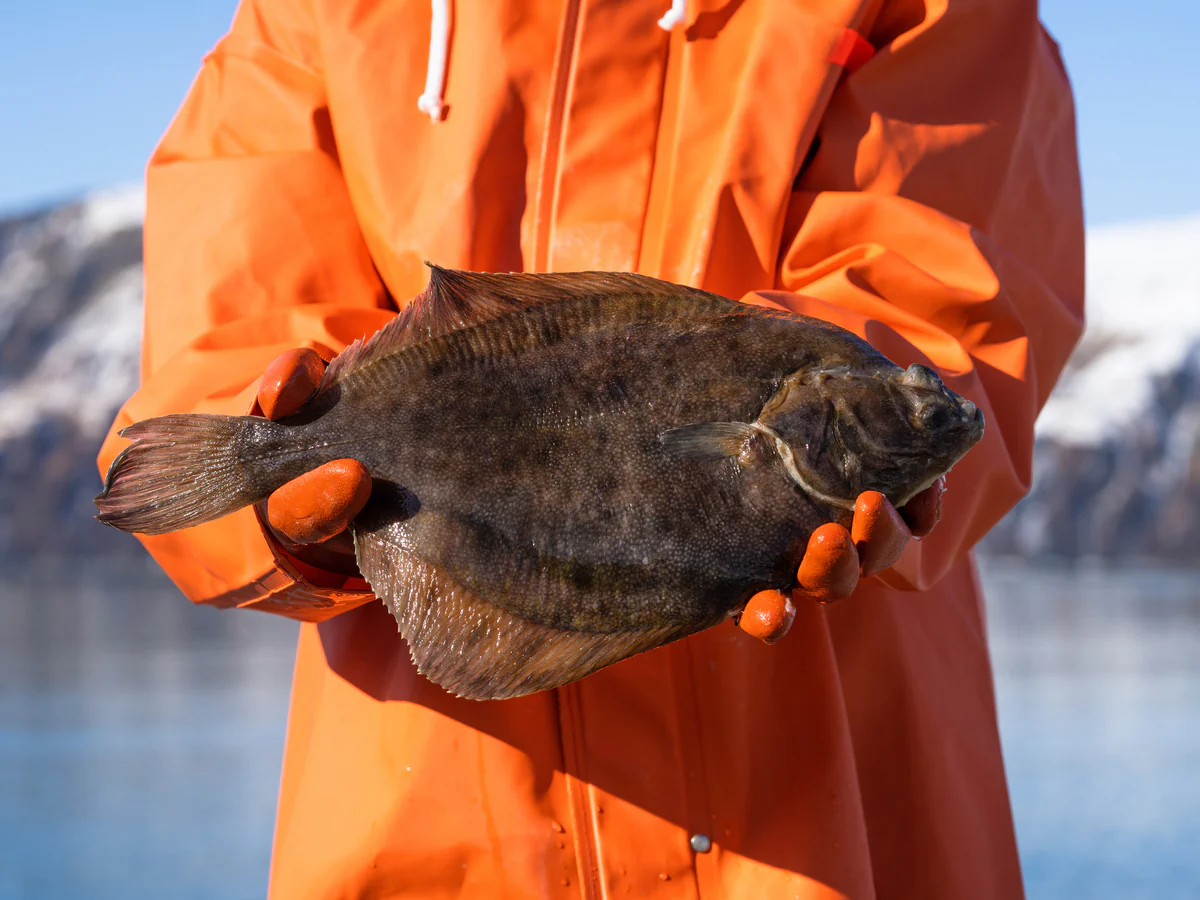
Alaska flounder & sole
Choose flounder and sole caught in Alaska for a delicious, sustainable whitefish.
Read more – Alaska flounder & sole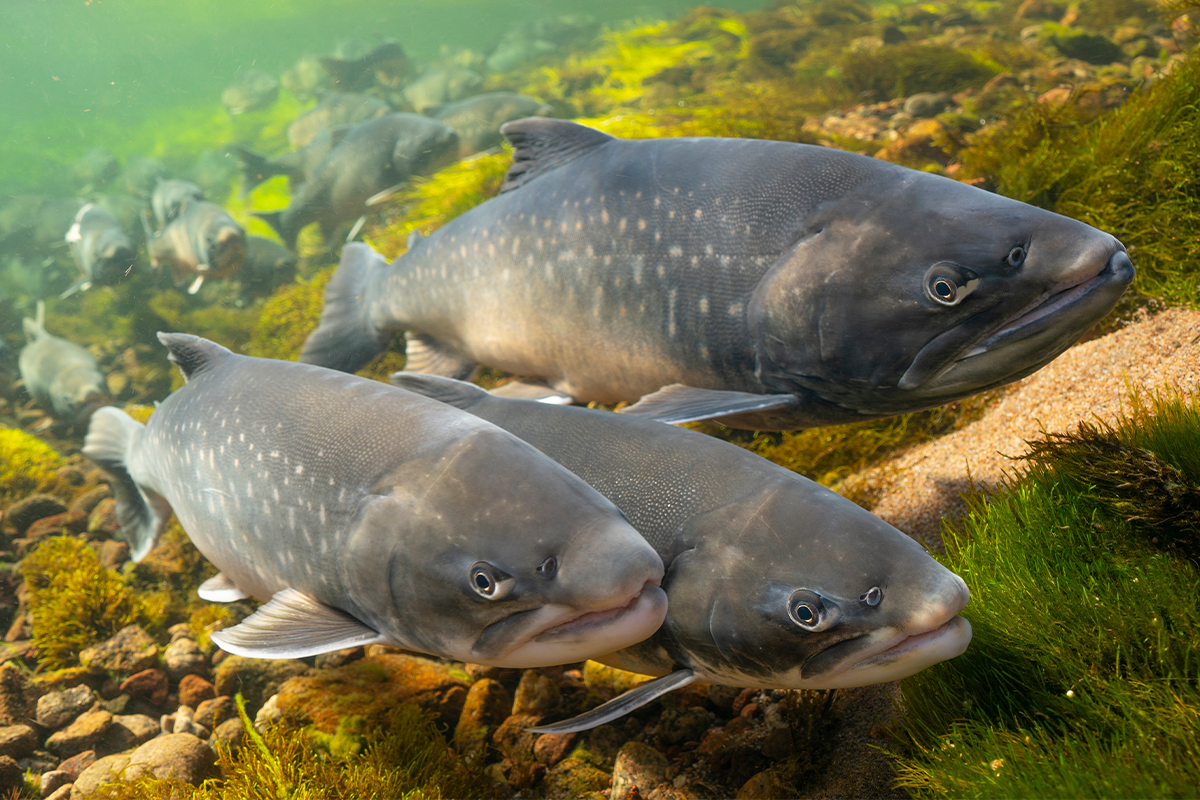
Change & impact
Arctic char
Hailing from frigid Arctic waters, this delicious fish is a sustainable and delicious alternative to salmon.
Read more – Arctic char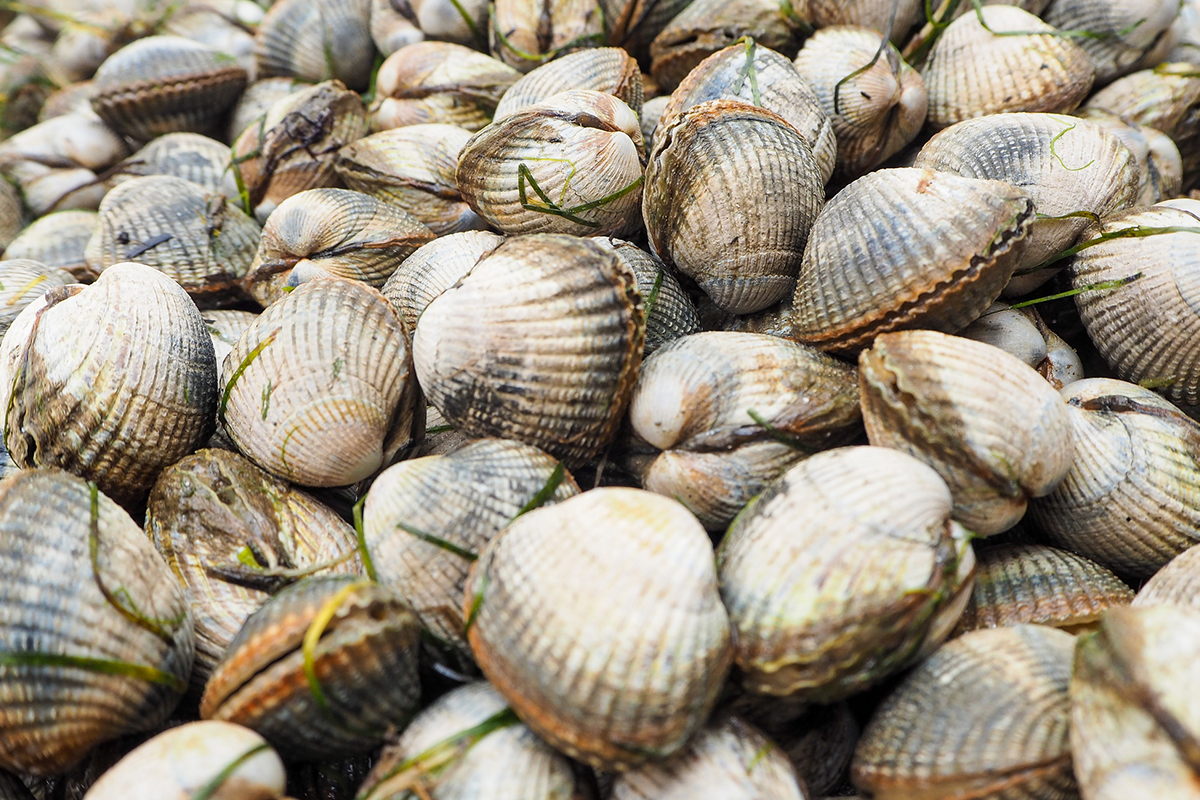
Change & impact
Farmed clams
These beautiful bivalves are a sustainable, versatile culinary delight.
Read more – Farmed clams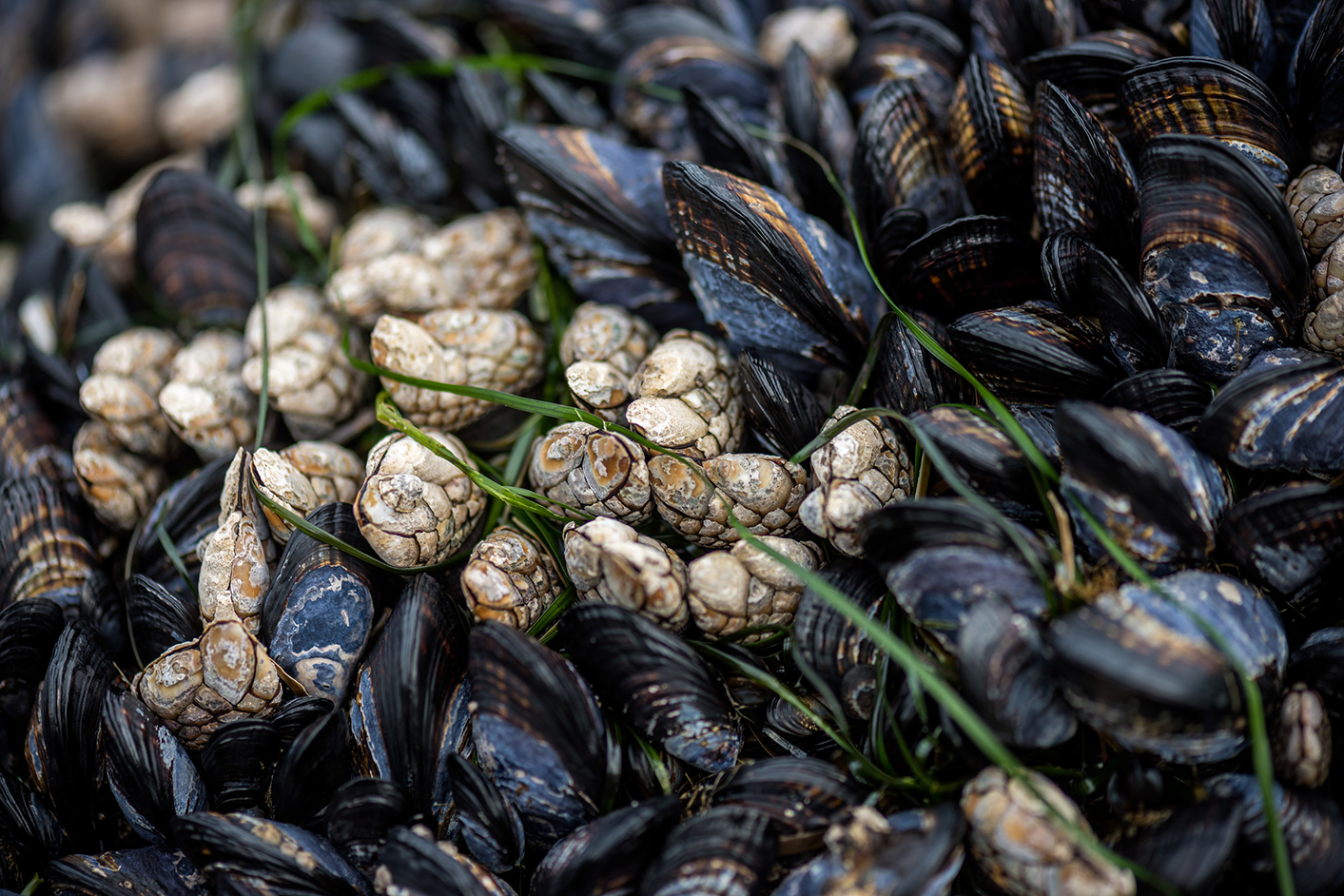
Change & impact
Farmed mussels
Within each small mussel shell, you’ll find a treasure trove of essential nutrients.
Read more – Farmed mussels