
Sustainable clams, mussels, oysters & scallops buying guide
Clams, mussels, oysters, and scallops are bivalve mollusks, which means the soft-bodied animals are housed within two hinged shells. Most bivalves sold in the U.S. are farmed and are among the most sustainable seafoods you can buy. Environmentally friendly wild-caught options are also available, and only one wild oyster source is not recommended.
Quick buying guide
Consumers are much more likely to encounter farmed bivalves than wild-caught because approximately 90 percent of global production is farmed.
- Buy farmed clams, cockles, mussels, oysters, and scallops.
- Buy wild-caught bivalves from the U.S., Canada, or Mexico, except eastern oysters from New York.
- Buy Aquaculture Stewardship Council (ASC), Best Aquaculture Practices (BAP), Canada Organic, Friend of the Sea, the Marine Stewardship Council (MSC), or Naturland certified bivalves.
Farmed clams, mussels, and oysters are on our Super Green list—good for you and the planet!
What to buy or avoid?
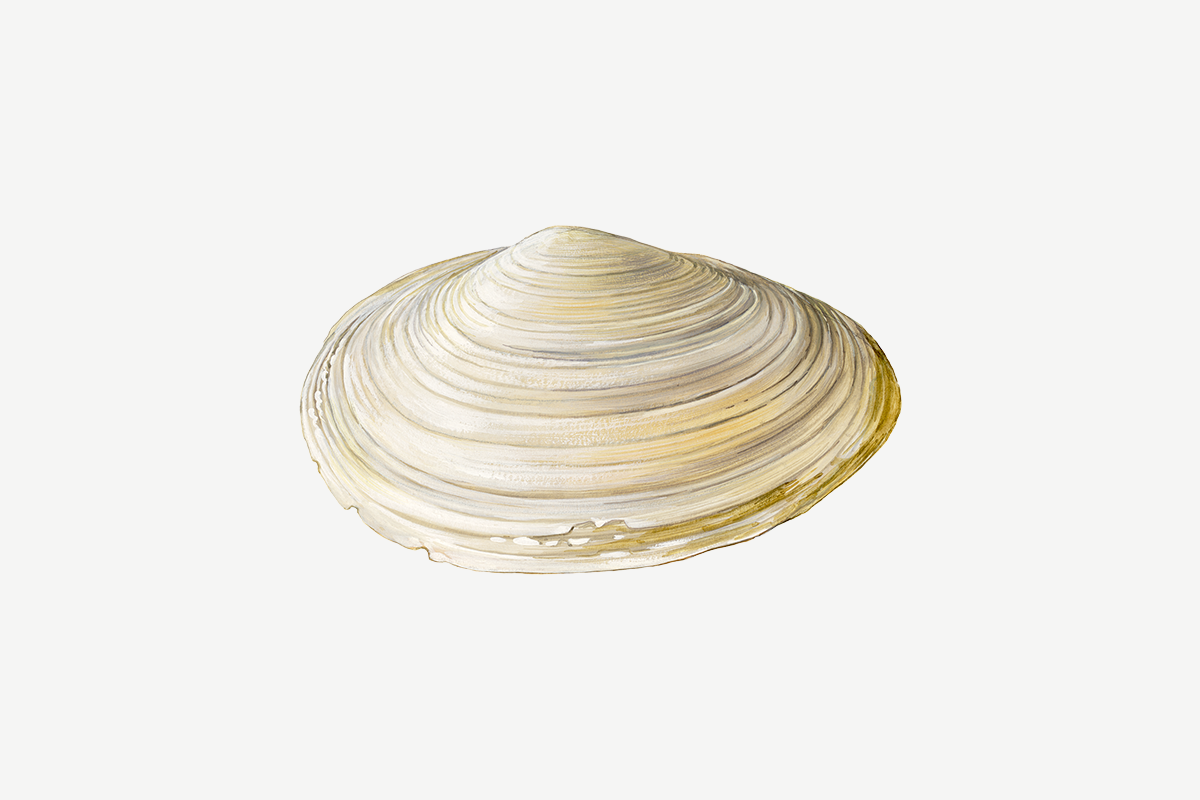
© Scandposters
Farmed bivalves
- Buy clams, cockles, mussels, oysters, and scallops farmed worldwide.
- Buy Pacific geoduck farmed in Washington or British Columbia, Canada.
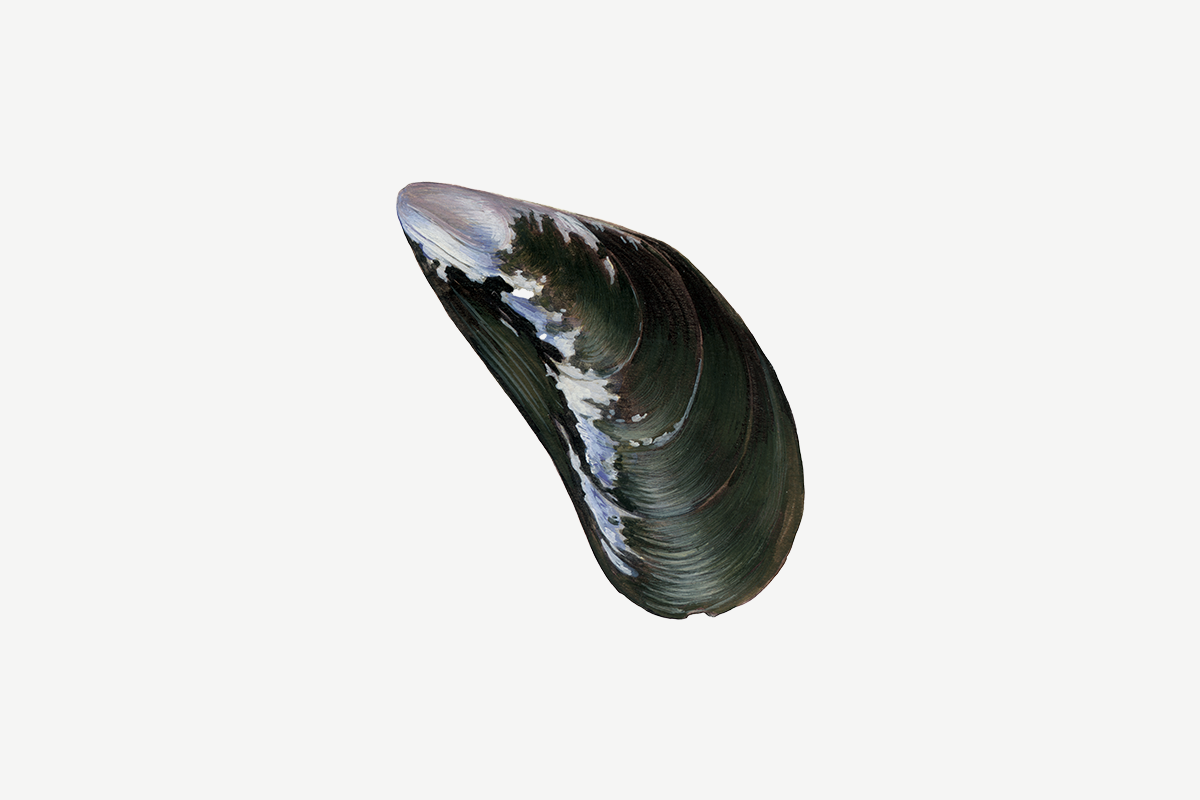
© Scandposters.com
Wild-caught bivalves
- Buy northern quahog, northern razor, and softshell clams caught in the U.S. or Canada.
- Buy blue mussels caught in the U.S.
- Buy eastern oysters caught in Canada or the U.S., except in New York, because they’re overfished, and management is considered ineffective overall.
- Buy bay scallops and weathervane scallops caught in the U.S.
- Buy reddish (also called pink) scallops and spiny scallops caught in British Columbia, Canada.
- Buy Pacific calico scallops caught in Mexico.
- Buy New Zealand cockles.
View wild-caught bivalve recommendations on SeafoodWatch.org

Certified bivalves
Buy bivalves certified by the following organizations:
- Aquaculture Stewardship Council (ASC)
- Best Aquaculture Practices (BAP)
- Canada Organic
- Friend of the Sea
- Marine Stewardship Council (MSC)
- Naturland
Sushi
Seafood Watch’s bivalve recommendations note the following sushi names, but there’s a good chance you’ll see others because there are so many species!
- Clams: Hamaguri
- Mussels: Muuragai
- Oysters: Kaki
- Pacific geoduck: Mirugai
- Scallops: Hotate
Follow the above tips and check the Seafood Watch Sushi Guide for quick reference.
More about our bivalve recommendations
When are bivalves environmentally sustainable?
Farmed bivalves rated green by Seafood Watch are the most environmentally sustainable because the impacts of farming plankton-filtering species are minimal. When wild-caught bivalves are rated green, it means they come from healthy populations, and well-managed fisheries have little to no impacts on other marine life or habitats.
Wild-caught bivalves rated yellow usually mean there’s insufficient information about the population’s abundance, harvest levels, or both. Sometimes, the bivalve populations are depleted due to historical overfishing, and they’re still recovering. Also, fishery management may need to improve in one or more ways. When farmed bivalves are rated yellow, there’s significant uncertainty about impacts on wildlife and the environment, or one issue needs substantial improvement.
Bivalves rated red are not environmentally sustainable. Currently, no farmed sources are rated red. Wild-caught eastern oysters from New York are the only bivalves rated red because they’re overfished, and management is considered ineffective overall.
What are the main bivalve fishing and farming methods?
Fishing methods
Bivalves are harvested by divers, with hand implements, or with towed dredges. Diving and hand implements are highly selective fishing methods, so bycatch impacts are minimal. The most significant concern with towed dredging is habitat impacts, but they’re mitigated in the U.S. by restricting where fishing can occur.
- Diving involves collecting bivalves by hand. Divers may free dive or use scuba equipment.
- Hand implements, as the name implies, are hand-held gears, such as shovels, hoes, rakes, and tongs.
- Towed dredges are metal, cage-like gears that are dragged over the seafloor to dig out bivalves.
Farming methods
- Bottom culture involves growing bivalves on the seafloor. Enclosed bottom culture means the bivalves are grown under or inside a net or other containment structure. Open bottom culture means the bivalves are not confined or covered. After an appropriate growth period, the bivalves are harvested by dredging.
- Off-bottom culture involves growing bivalves in ways where they don’t touch the ocean floor. For example, in bag aquaculture, the bivalves are grown in mesh bags on stands in the intertidal zone. Raft aquaculture entails growing bivalves on old shells that have been punctured, strung together, and attached to raft-like structures. Longline aquaculture involves growing bivalves on ropes or inside containers that are suspended from anchored or buoyed ropes.
How to use this guide
Our green, yellow, and red ratings indicate environmental risk. We use our ratings and third-party certifications to make our recommendations.
Choose
- Green-rated seafood because environmental risks are low.
- Yellow-rated seafood because environmental risks are moderate.
Avoid
- Red-rated seafood because environmental risks are high, often due to overfishing, poor management, or harm to marine life and habitats.
Where to find sustainable seafood
When shopping or dining out, start by asking, “Do you sell sustainable seafood?” You may need to ask what species it is and where and how it was caught or farmed. If the business can’t answer or the label doesn’t provide this information, our Popular Seafood Guide can help you choose another ocean-friendly option.
More retailers and restaurants are sharing where their seafood comes from and how it was caught. But not all businesses have this information. When you ask questions, you help create demand for sustainable seafood and encourage businesses to offer it.
Grocery stores
We work with grocery stores to implement time-bound commitments to follow Seafood Watch recommendations. MOM’s Organic Market and PCC Community Markets follow our recommendations. Whole Foods Market sources green-rated, yellow-rated, and MSC certified wild seafood and has a proprietary standard for farmed seafood.
Restaurants
Seafood Watch’s Best Choice Restaurant Program partners commit to offering at least one green-rated, environmentally sustainable seafood dish on their menu.
We also work with major restaurant chains—including California Fish Grill and The Cheesecake Factory—that are implementing their sustainable seafood commitments.
Meal kits
Hello Fresh only sends its customers green-rated, yellow-rated, or certified seafood. Other meal kit services may offer sustainable seafood. If they don't, we encourage you to ask them to.
Sustainable seafood recipe
Taiwanese stir-fried clams with basil
Clams and fragrant basil make this a favorite Taiwanese dish, with aromas that recall the streets of Taiwan.
The Super Green List
Clams are on the Super Green List
These beautiful bivalves are a sustainable, versatile culinary delight.
Explore more species guides
Change & impact
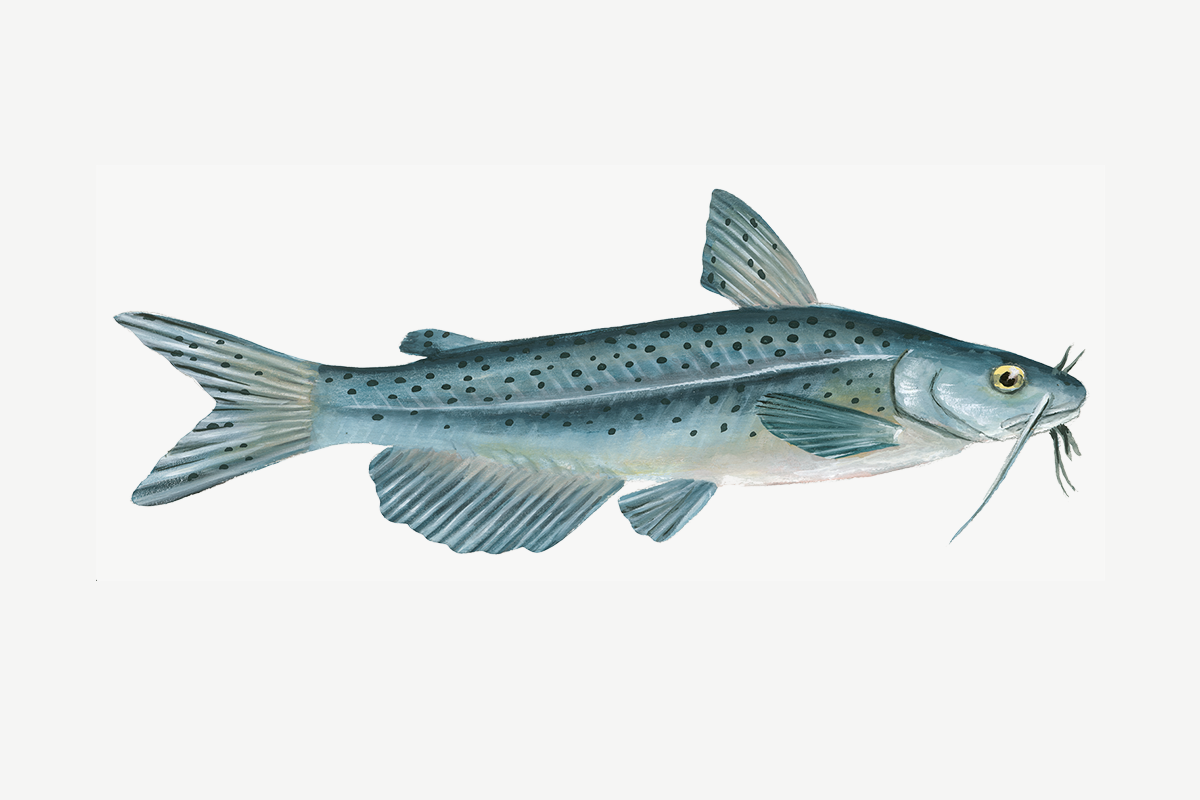
Sustainable catfish & pangasius buying guide
Catfish and pangasius—use this guide to choose wisely.
View this buying guide – Sustainable catfish & pangasius buying guide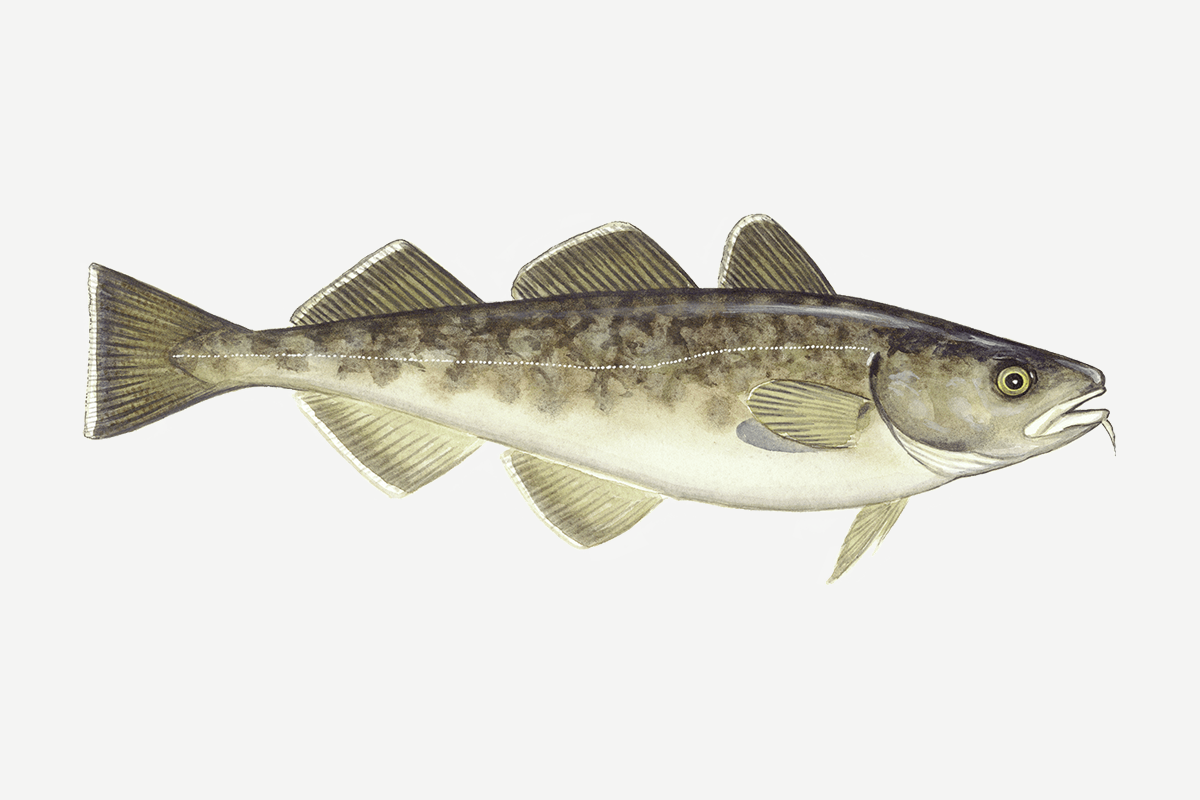
Change & impact
Sustainable cod & haddock buying guide
Know which cod and haddock to buy and avoid the next time you order fish and chips.
View this buying guide – Sustainable cod & haddock buying guide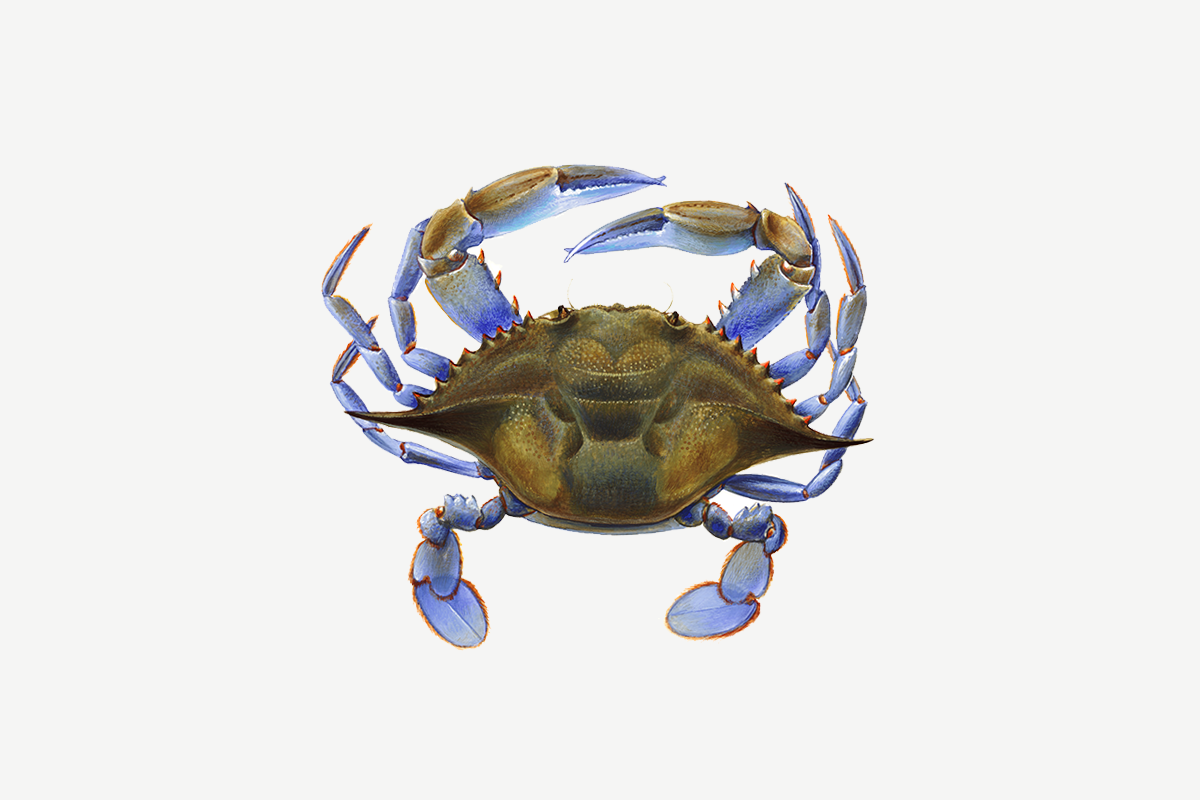
Change & impact
Sustainable crab buying guide
Crab can be tricky, but this guide makes it easy to know what to buy and avoid.
View this buying guide – Sustainable crab buying guide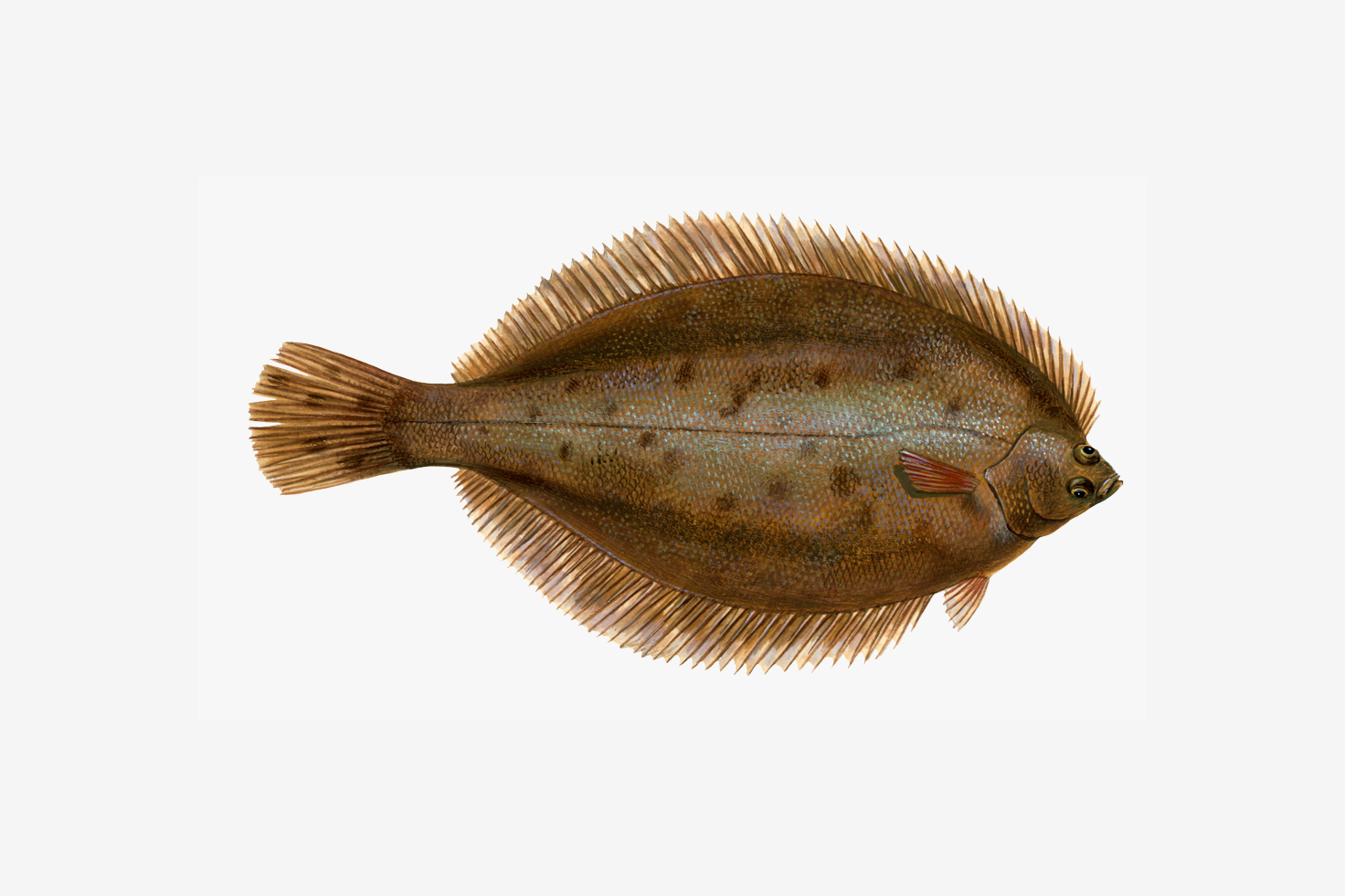
Change & impact
Sustainable flounder, plaice & sole buying guide
Here's everything you need to know when it comes to buying these flatfishes.
View this buying guide – Sustainable flounder, plaice & sole buying guide