
Global seafood project resource library
Seafood Sustainability Series
The Seafood Sustainability Series explores challenges and opportunities across the seafood sector. Each volume offers insights and recommendations for those seeking a deeper understanding of these critical sustainability dimensions.
Understanding the Use and Impact of Antibiotics in Aquaculture (vol. 1, 2023)
Download the white paper PDF 608.1 KB – Understanding the Use and Impact of Antibiotics in Aquaculture (vol. 1, 2023)Marine Stock Enhancement: Assessing Shortfalls and Opportunities (vol. 2, 2023)
Download the white paper PDF 1.0 MB – Marine Stock Enhancement: Assessing Shortfalls and Opportunities (vol. 2, 2023)Tropical Tuna Summary Report: Forced Labor, Human Trafficking, and Hazardous Child Labor Risks (vol. 3, 2024)
Download the white paper PDF 1.8 MB – Tropical Tuna Summary Report: Forced Labor, Human Trafficking, and Hazardous Child Labor Risks (vol. 3, 2024)Forage Fish: Who is Key? (vol. 4, 2025)
Download the white paper PDF 12.7 MB – Forage Fish: Who is Key? (vol. 4, 2025)Shrimp farming in India: A Blue Finance opportunity (vol. 6, 2026)
Download the white paper PDF 2.2 MB – Shrimp farming in India: A Blue Finance opportunity (vol. 6, 2026)Shrimp farming in India: A Blue Finance opportunity (summary of vol. 6, 2026)
Download the summary PDF 1.5 MB – Shrimp farming in India: A Blue Finance opportunity (summary of vol. 6, 2026)Aquaculture Governance Indicators
The Aquaculture Governance Indicators identify various types of governance mechanisms commonly used and provide a framework for assessing performance and effectiveness of these mechanisms to manage ecological impacts.
Verification Platform
Powered by a tablet or smartphone, the Verification Platform is a web-based application that allows staff, partners, and trained farmers to quickly collect data on farm operations and local site conditions using a series of interactive and interdependent questions. Through built-in scoring algorithms, the Platform instantly determines a farm’s performance against the Seafood Watch aquaculture standard.
Partnership Assurance Model
The Partnership Assurance Model (PAM) provides a scalable and inclusive model for sustainable aquaculture improvement. The PAM brings together local and national governments, farmers, and end buyers to co-design, implement, and verify environmental improvements throughout the production process.
Seafood Carbon Emissions Tool
The Seafood Carbon Emissions Tool provides information on the carbon footprints of fisheries and aquaculture products and compares them to those of terrestrial protein products. Hosted by Dalhousie University, we co-created the tool with Dr. Peter Tyedmers in 2010 to explore opportunities to communicate greenhouse gas emissions associated with products from fisheries and aquaculture as an additional aspect of seafood sustainability.
Seafood Social Risk Tool
The Seafood Social Risk Tool identifies areas within seafood supply chains that are at higher risk of containing forced labor, human trafficking, and hazardous child labor so businesses can focus their efforts to improve conditions throughout their supply chains. Explore all seafood risk profiles, including tuna, shrimp, and squid, with key findings and expert reviews.
Keep exploring
Global projects
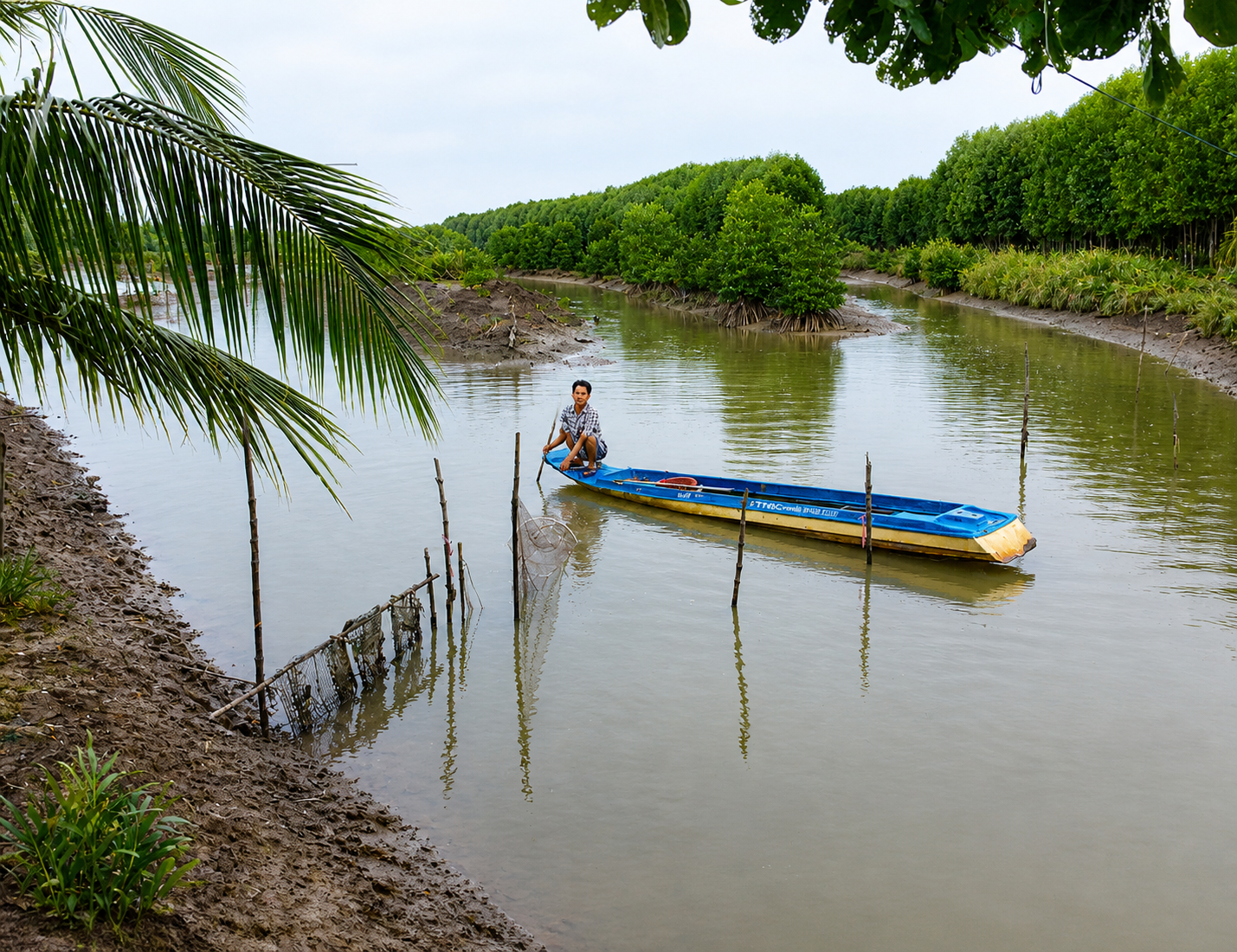
Farmed giant tiger prawns in Vietnam
Vietnam is the top giant tiger prawn producer, yet struggles with chemical use and habitat impacts.
Read more – Farmed giant tiger prawns in Vietnam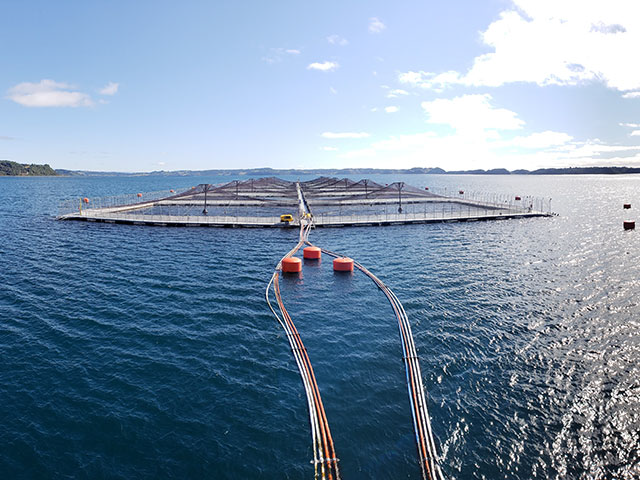
Global projects
Farmed salmon in Chile
Chile is a top global salmon producer but faces ongoing challenges with disease outbreaks and antibiotic uses.
Read more – Farmed salmon in Chile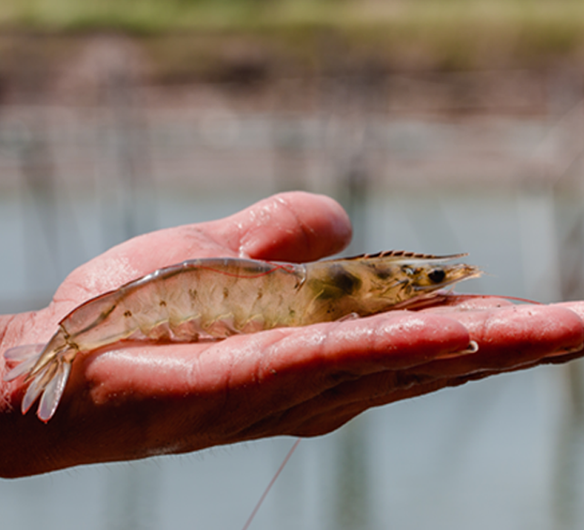
Global projects
Farmed whiteleg shrimp in India
India's rapidly growing shrimp industry faces sustainability challenges including chemical use and management.
Read more – Farmed whiteleg shrimp in India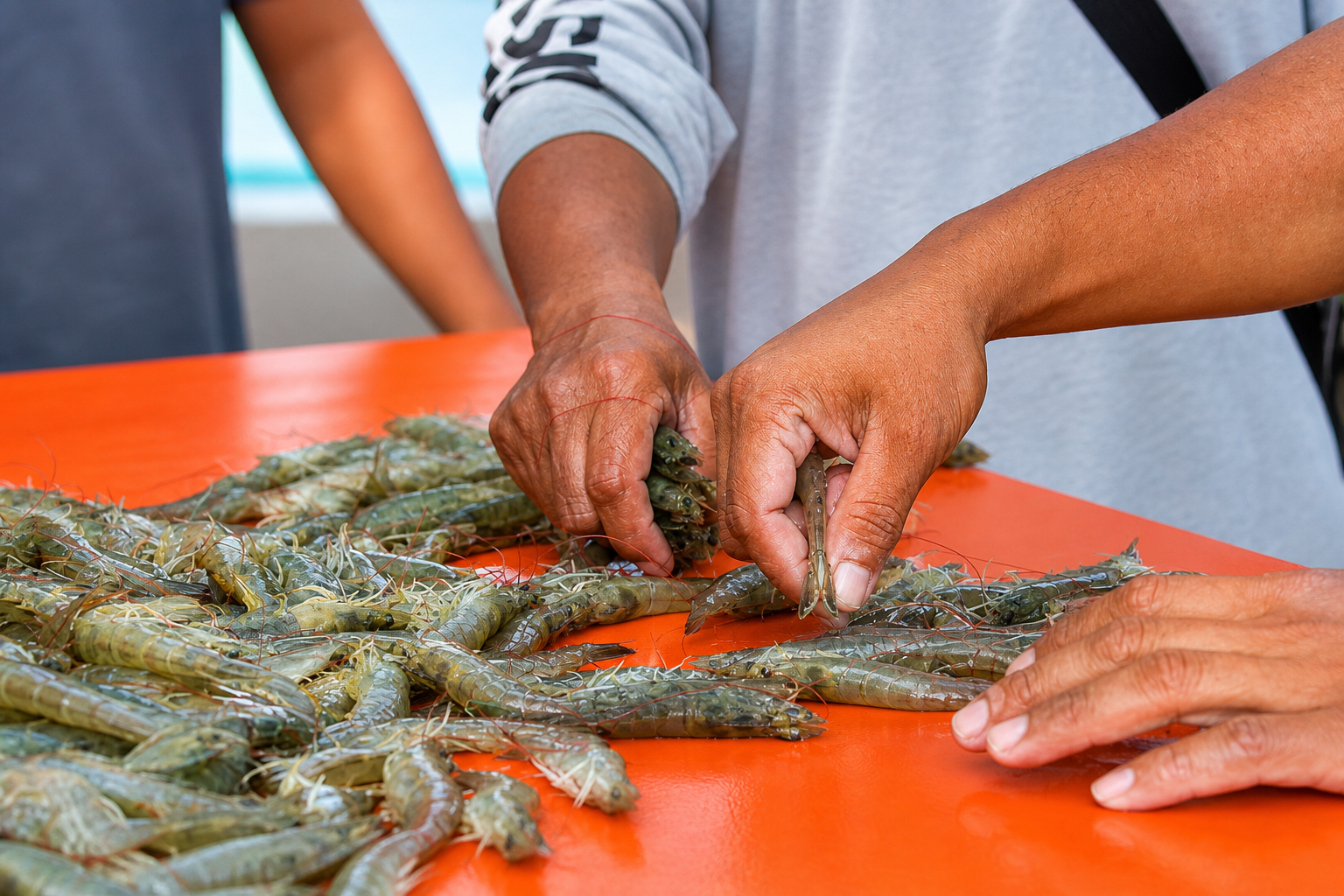
Global projects
Farmed whiteleg shrimp in Indonesia
Indonesia's rapidly growing shrimp industry faces significant sustainability challenges including habitat…
Read more – Farmed whiteleg shrimp in Indonesia