

Preserve habitats
Fishing can do more than remove fish from the ocean—some fishing methods can damage habitats that are critical for ocean health. Farmed seafood grown in coastal net pens and ponds can come at the expense of sensitive and important coastal habitat. Where and how seafood is fished and farmed can make all the difference.
Understanding the issue
Fishing can harm habitats
Sandy, muddy or rocky seafloor may seem to have little to offer, but in fact, it is alive and home to many important creatures. Dragging trawls and dredges along the seafloor can destroy these important habitats. Since these habitats provide food, shelter and breeding grounds, destructive fishing can have negative long-term effects on the very species targeted by fishermen.
Farming at the ocean's edge
Coastal habitats are important for wild plants and animals—including fish—because they provide food and protection. Historically, these important coastal habitats have been converted into aquaculture farms. Removing these natural habitats damages the surrounding ecosystems and oftentimes the local communities. Farms located near natural water sources risk spreading pollution and disease into the surrounding environment.
Sustainable solutions
Wild-caught seafood
Use less destructive fishing methods
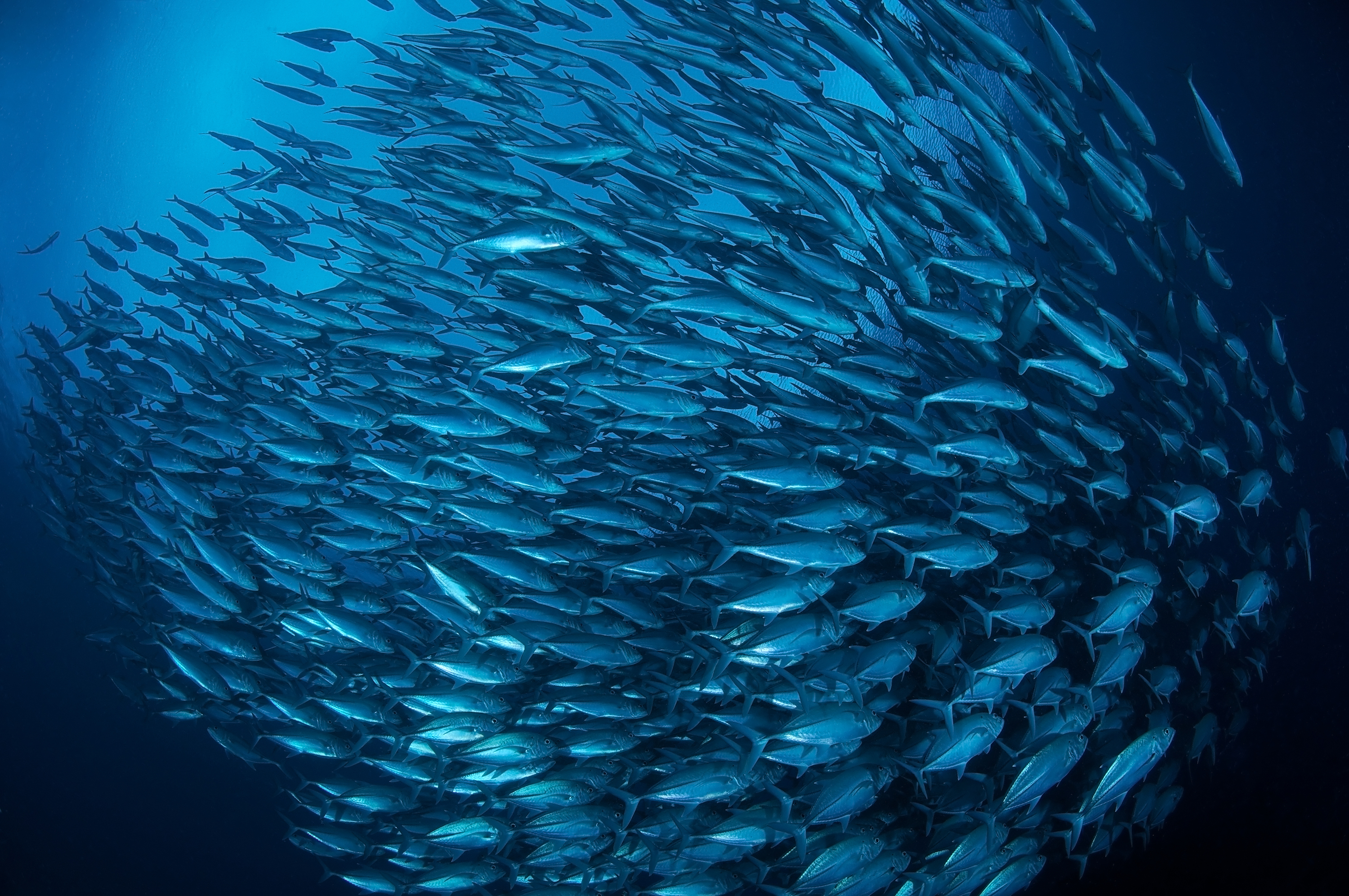
Effective management can mitigate these impacts. Other types of fishing gear, like traps and pots, cause less seafloor damage than fishing gear that contacts the seafloor. Many of our Best Choice rated fisheries use less destructive fishing gear.
Protect underwater habitats
Like national parks on land, Marine Protected Areas (MPAs) protect rich ecosystems and help restore overfished populations. Fishing and other activities are often restricted within the MPA. This helps preserve habitat and increase the size, numbers and diversity in fish populations. Even closing areas temporarily can be a powerful tool in fisheries management.
Currently, MPAs cover eight percent of the world's oceans and are becoming more popular across the globe. California implemented the first statewide network of MPAs in the U.S. which protects over 16 percent of state coastal waters.
Aquaculture
Preserve mangrove forests
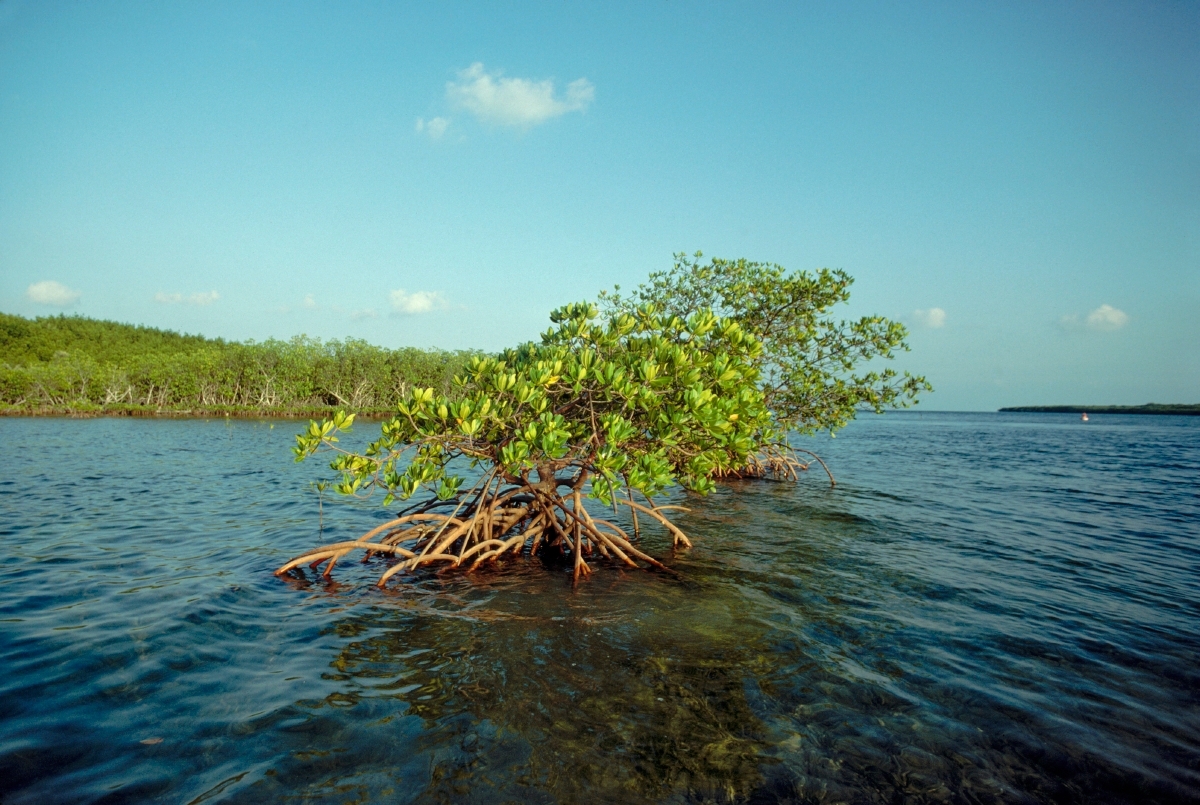
Coastal mangrove forests serve many important functions. They provide habitat for a diverse array of marine organisms, protect the coast against storms and improve water quality by acting as a filter. In many tropical nations, coastal communities depend heavily on these services.
The exponential growth of aquaculture in recent decades has caused large swaths of mangrove forests to be cut down to make room for new farms. The loss of these important coastal habitats negatively affects the local people and ecosystems.
To prevent further degradation, governments are now regulating where farms can be located—prohibiting the removal of more mangroves. Efforts to restore once-destroyed wetlands and mangroves are helping these habitats recover and, along with them, the plant and animal populations that call them home.
Treat wastewater from open pens and ponds
Farms that are open to the environment or that discharge into adjacent water bodies may pollute nearby habitats with nutrient wastes and chemicals. This includes floating net pens or ponds that exchange water with the ocean, rivers, lakes or estuaries.
Some fish farmers work to manage wastes—the use of filters can remove sediments to keep them out of neighboring waters. Another strategy is the development of closed systems. For instance, shrimp farmers are beginning to close their systems, utilizing reservoirs to treat and recirculate water.
What Seafood Watch is doing?
Habitat damage is one of the criteria Seafood Watch uses to rate both fisheries and aquaculture. Fisheries that use bottom trawls or dredges rank low in this category, especially when not managed effectively; while gear that doesn’t touch the seafloor are ranked higher. When we assess aquaculture operations we consider the location of farms, the ecological value of the affected habitat and the impact of converting the habitat into farms on the function of the local ecosystem.
Explore more sustainable solutions
Animals & the ocean
Avoid overfishing
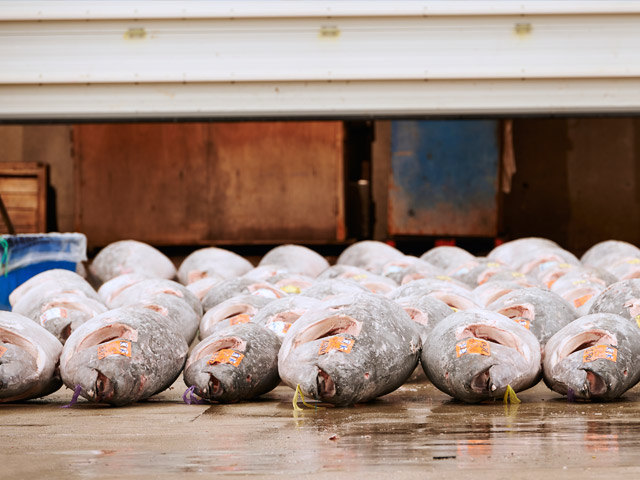
Overfishing puts pressure on ocean ecosystems, but science-based solutions can help protect fish populations.
Read more – Avoid overfishing
Animals & the ocean
Consider climate
It takes a lot of fuel to grow, package, and transport food, which contributes to climate change.
Read more – Consider climate
Animals & the ocean
Improve traceability
By tracking seafood through the supply chain, consumers can verify its environmental and social impact.
Read more – Improve traceability
Animals & the ocean
Limit bycatch
Bycatch—when non-target marine life is caught in fishing gear—harms ocean wildlife, but solutions exist.
Read more – Limit bycatch