
Sustainable flounder, plaice & sole buying guide
Flounder, plaice, and sole are stealthy flatfish that change their colors and patterns to blend into the seafloor, making themselves nearly invisible to prey and predators. If you plan to eat one of these fish, looking for flounder and sole from the U.S. and Canadian Pacific is a good rule of thumb. There are also environmentally friendly options from the U.S. Atlantic, but it’s important to know what to buy and what to avoid.
Quick buying guide
- Buy flounder and sole caught in Alaska, California, Oregon, Washington, or British Columbia, Canada.
- Buy southern flounder caught in Texas.
- Buy American plaice caught in the U.S. Atlantic.
- Buy Marine Stewardship Council (MSC) certified flounder, plaice, and sole.
- Buy summer flounder and blackback (also called winter flounder) caught in the U.S. Atlantic if you confirm it’s yellow-rated (scroll down for more information).
- Avoid witch and yellowtail flounder caught in the U.S. Atlantic.
- Avoid California flounder caught in Mexico.
Alaska flounder and sole are on our Super Green list—good for you and the planet!
What to buy or avoid?
© Scandposters
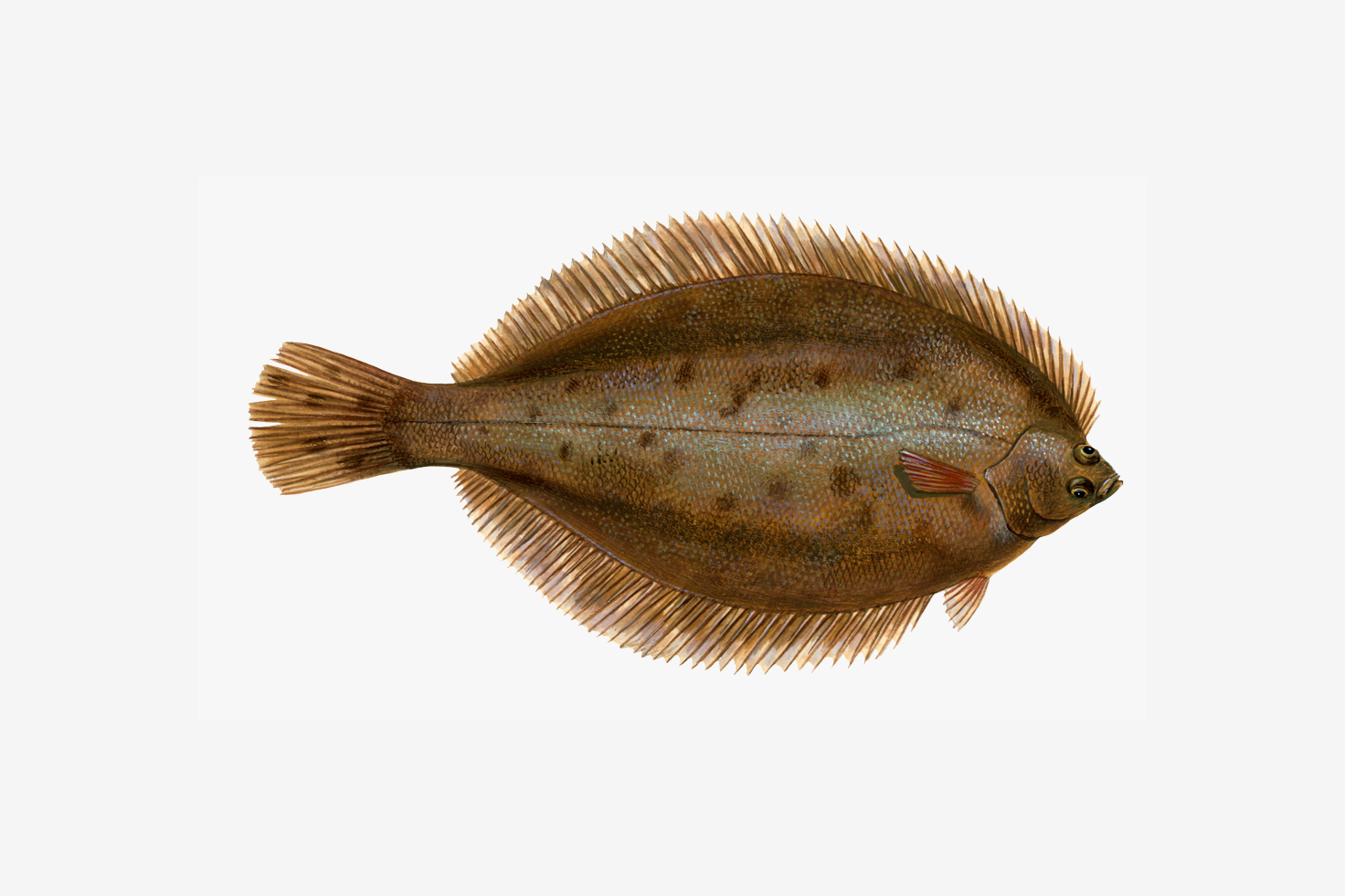
Flounder
We recommend four flounder species: those caught in the U.S. and Canadian Pacific, and southern flounder caught in Texas. If you're considering summer flounder or blackback (also called winter flounder) caught in the U.S. Atlantic, make sure it’s yellow-rated. Also, witch and yellowtail flounder are rated red.
- Flounder caught in Alaska, California, Oregon, Washington, or British Columbia, Canada.
- Southern flounder caught in Texas.
- Flounder farmed in indoor recirculating tanks (also called RAS, land-based, and tank-farmed).
- Flounder listed below, if you confirm it’s yellow-rated.
- Blackback (also called winter flounder) is yellow-rated when caught in the U.S. Georges Bank and U.S. Gulf of Maine with bottom trawls, but the rest is red-rated.
- Summer flounder caught in the U.S. is yellow-rated when caught with bottom trawls, trap nets, or pole-and-lines, but it’s red-rated when caught with set gillnets.
- Avoid witch and yellowtail flounder and red-rated sources of blackback and summer flounder. They may come from a depleted population, be caught with other overexploited species, or both. Also, the accidental entanglement of other marine life is a risk in some fisheries.
- Avoid California flounder caught in Mexico because it’s likely caught with at-risk turtles, marine mammals, seabirds, rays, and finfish.
© Scandposters
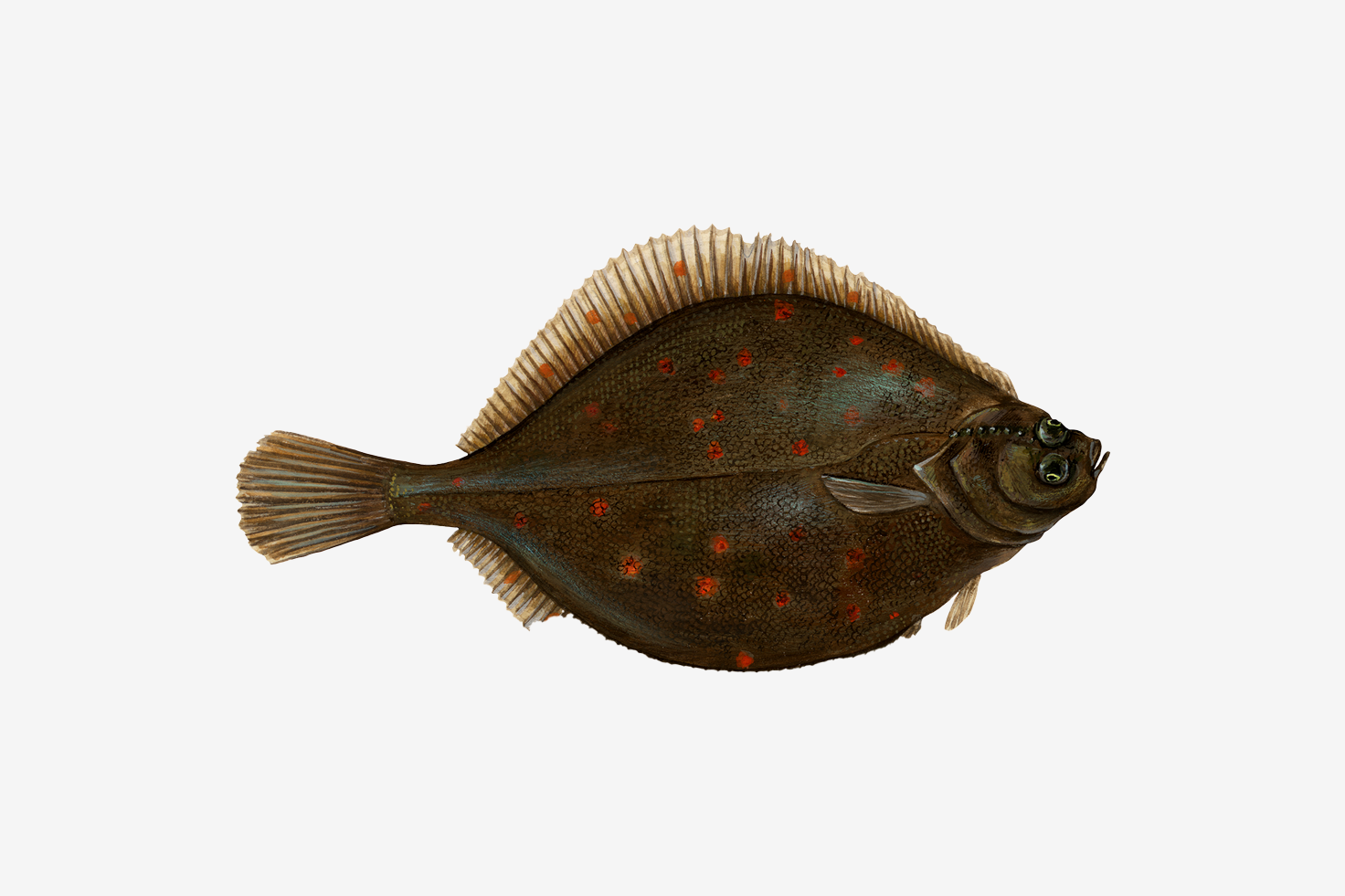
Plaice
Seafood Watch has one recommendation for American plaice, and we also recommend MSC certified Alaska plaice and European plaice.
- Buy American plaice caught in the U.S.
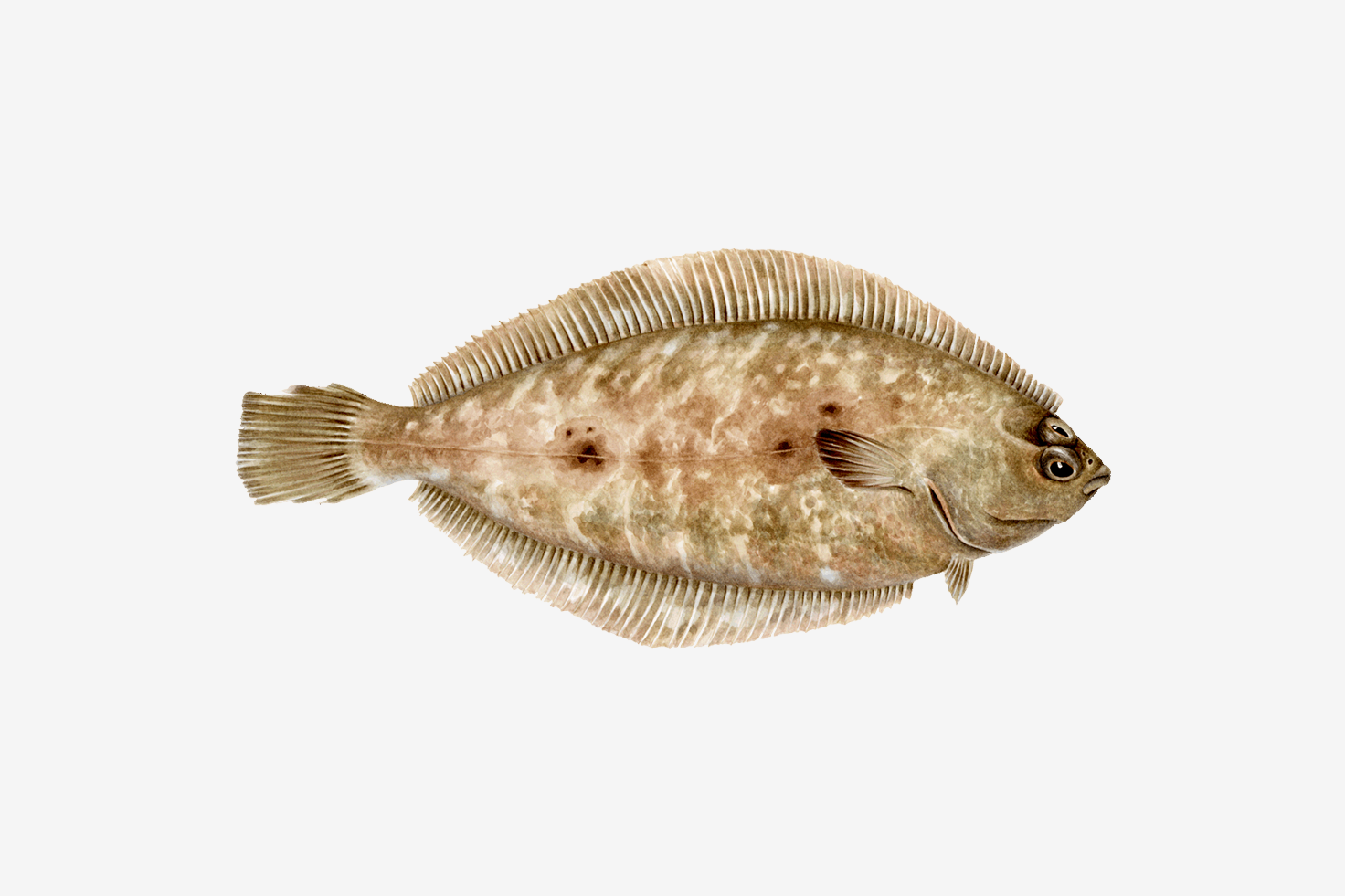
Sole
We’ve assessed six sole species caught in the U.S. and Canadian Pacific, including Alaska. The good news is we recommend them all.
- Buy Dover, English, flathead, petrale, and rex sole caught in the U.S. or British Columbia, Canada.
- Buy southern rock sole caught in British Columbia, Canada.

Certified flounder, plaice, and sole
- Buy Marine Stewardship Council (MSC) certified flounder, plaice, and sole.
View certified flounder, plaice, and sole recommendations on SeafoodWatch.org
Sushi
When sold as sushi, flounder is called karei, and any flatfish species may be sold as hirame.
Follow the above tips and check the Seafood Watch Sushi Guide for quick reference.
More about our flounder, plaice, and sole recommendations
When are flounder, plaice, and sole environmentally sustainable?
Flounder, plaice, and sole rated green by Seafood Watch are the most environmentally sustainable. They come from healthy populations, there are no serious bycatch impacts, and well-managed fisheries have minimal to no impacts on other marine life and habitats.
When flounder, plaice, and sole are rated yellow, it means fishery management is considered moderately effective or better, but there are some concerns about the flounder, plaice, or sole population, or it’s caught with other species that are highly vulnerable, overfished, or experiencing overfishing.
Flounder, plaice, and sole rated red are not environmentally sustainable. They may come from an overexploited population, bycatch or entanglement of other marine life is a significant concern, the lack of science-based management, or a combination of these issues.
What are the main flounder, plaice, and sole fishing methods?
Most flounder, plaice, and sole are caught with bottom trawls, but some flounder are caught with set gillnets. Typically, there’s a greater risk of bycatch impacts when they’re caught with bottom trawls. However, in well-managed fisheries, a variety of measures can significantly reduce the amount of bycatch, even when these methods are used.
The U.S. set gillnet fisheries that catch blackback, summer flounder, and yellowtail flounder operate within the endangered North Atlantic right whale’s range, and there are significant concerns about entanglement risks to whales.
Some flounders are also caught with gigs, trap nets, trolling lines, or handlines and hand-operated pole-and-lines. These more selective methods tend to have fewer bycatch impacts.
Here’s a quick look at these fishing methods:
- Bottom trawls herd fish into a cone-shaped net as they’re dragged along the seafloor.
- Set gillnets entangle fish when they swim into stationary netting positioned on or near the seafloor.
- Gigs are spear-like gears used to catch southern flounder in Texas.
- Trap nets are stationary nets that entrap fish when they swim into an enclosed chamber they can easily enter but are difficult to exit. These gears are oriented to take advantage of fish movement or migration patterns.
- Trolling lines catch fish with moving fishing lines with baited hooks. Several trolling lines are usually towed at the same time.
- Handlines and hand-operated pole-and-lines catch fish with one or more fishing lines with baited hooks. This fishing method is also described as pole-and-lines.
How to use this guide
Our green, yellow, and red ratings indicate environmental risk. We use our ratings and third-party certifications to make our recommendations.
Choose
- Green-rated seafood because environmental risks are low.
- Yellow-rated seafood because environmental risks are moderate.
Avoid
- Red-rated seafood because environmental risks are high, often due to overfishing, poor management, or harm to marine life and habitats.
Where to find sustainable seafood
Finding sustainable seafood is easier than you might think. Here’s how to get started.
- Use Seafood Watch guides. Our Popular Seafood Guide covers the seafoods you’re most likely to encounter and is the easiest place to start. Our national guide covers many more seafoods and works anywhere in the U.S. Our six regional guides are tailored to what you’re likely to find in your part of the country. Our 14 species guides cover all of our recommendations for each species, including salmon, shrimp, tuna, crab, and other popular seafood.
- Shop at businesses committed to sustainable seafood. Some retailers have made formal commitments to follow Seafood Watch recommendations. MOM's Organic Market and PCC Community Markets follow our recommendations. Whole Foods Market sources green-rated, yellow-rated, and MSC certified wild seafood and has a proprietary standard for farmed seafood.
- Dine with one of our partners. The Cheesecake Factory and California Fish Grill have commitments to serve sustainable seafood, and Seafood Watch Best Choice Restaurant Program partners offer at least one green-rated seafood dish on their menus. For a meal-kit option, all HelloFresh seafood is green-rated, yellow-rated, or certified.
- Ask a question. Next time you’re at a seafood counter or restaurant, ask “Do you sell sustainable seafood?” It’s a simple question that does more than you might think. When you ask this question, you’re helping create demand for sustainable seafood and encouraging businesses to offer it.
The Super Green List
Alaska flounder is on the Super Green List
Choose flounder and sole caught in Alaska for a delicious, sustainable whitefish.
Explore more species guides
Animals & the ocean
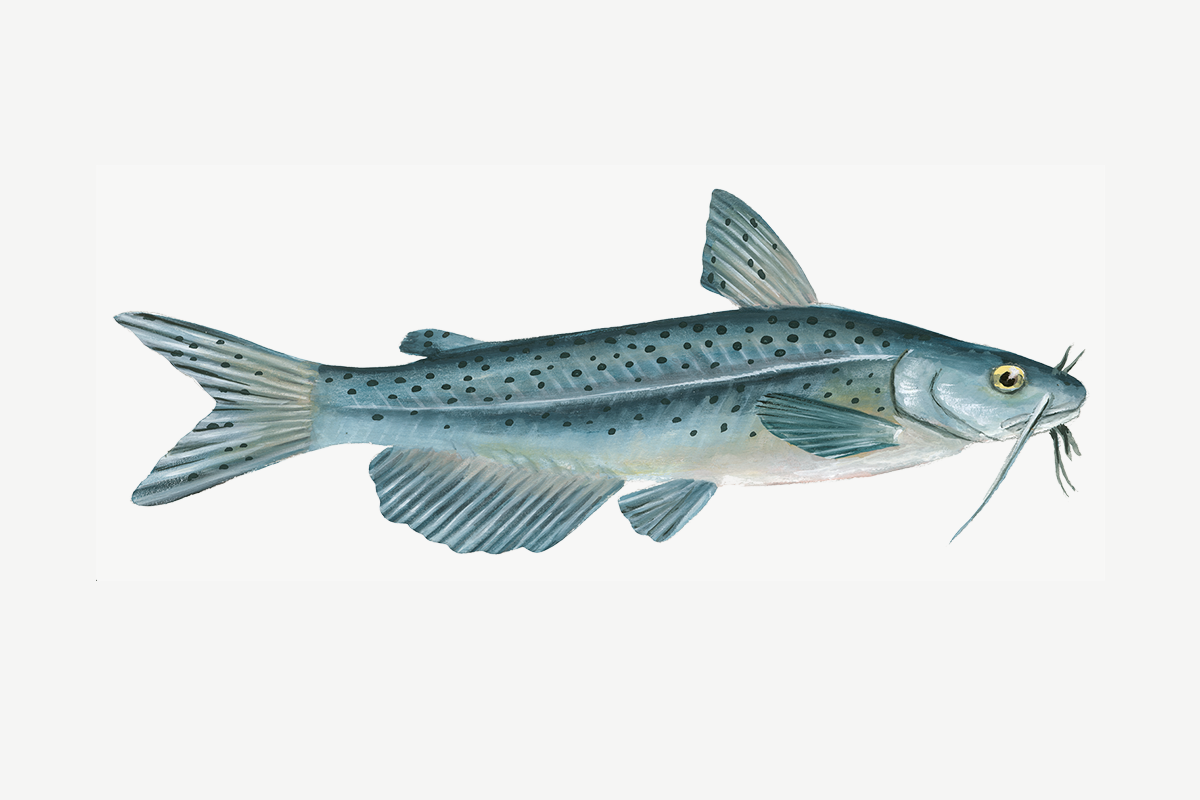
Sustainable catfish & pangasius buying guide
Catfish and pangasius—use this guide to choose wisely.
View this buying guide – Sustainable catfish & pangasius buying guide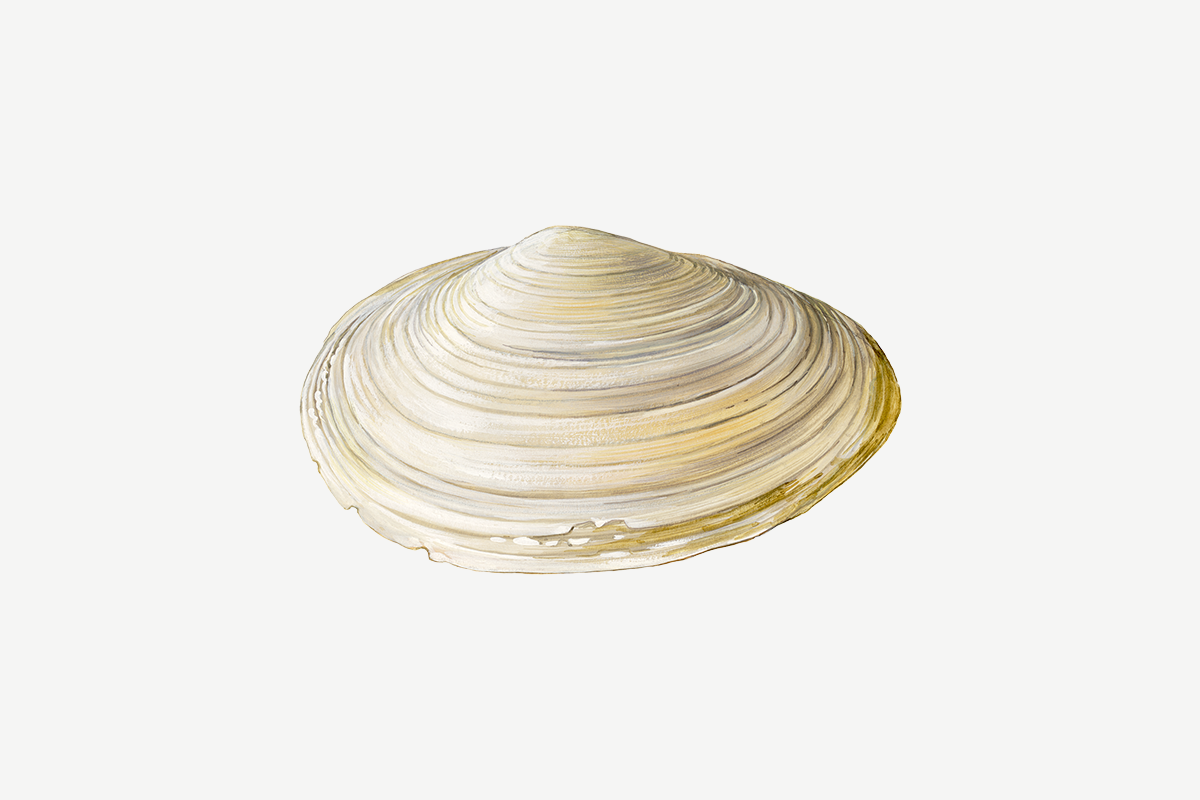
Animals & the ocean
Sustainable clams, mussels, oysters & scallops buying guide
Clams, mussels, oysters, and scallops are among the most sustainable seafood choices.
View this buying guide – Sustainable clams, mussels, oysters & scallops buying guide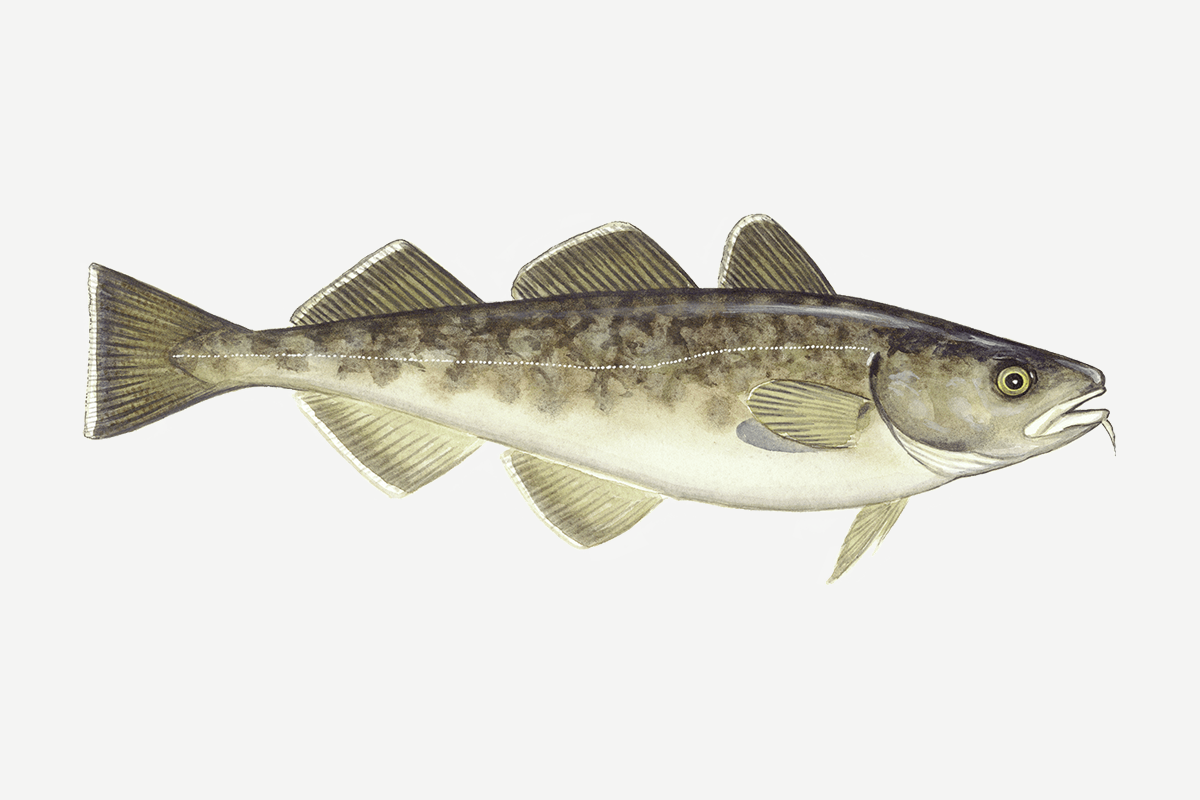
Animals & the ocean
Sustainable cod & haddock buying guide
Know which cod and haddock to buy and avoid the next time you order fish and chips.
View this buying guide – Sustainable cod & haddock buying guide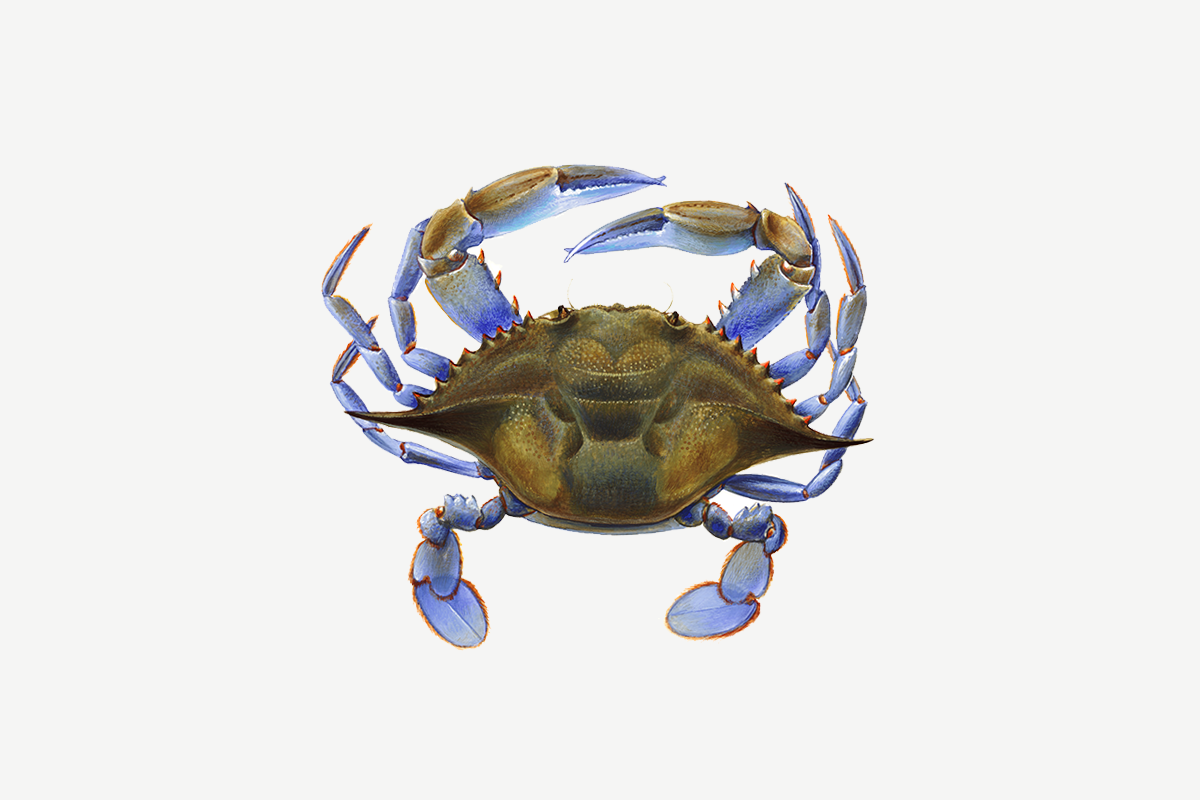
Animals & the ocean
Sustainable crab buying guide
Crab can be tricky, but this guide makes it easy to know what to buy and avoid.
View this buying guide – Sustainable crab buying guide