
Troll and pole-&-line albacore tuna
The Super Green List
Albacore tuna—often labeled white tuna—is everywhere, from sandwiches to casseroles to sushi. But there’s more to albacore than its delicate flavor and status as an easy pantry staple. It’s also a superb source of protein and omega-3 fatty acids. This seafood is part of the Super Green List—seafood that’s good for you and the planet.
What are they?
Shaped like silvery, dark-blue bullets, albacore are big fish best known for being strong, fast swimmers. Albacore can weigh up to 80 pounds and measure up to four feet long, though the average size of those caught using pole-&-lines and similar methods is much smaller—about 12 to 20 pounds.
Like other tuna species, albacore are highly migratory and will swim vast distances to feed and spawn. In the North Pacific, for example, juvenile albacore forage in temperate waters from Canada to Japan. They then travel to tropical waters—from Hawaii to Indonesia—to mature and spawn. Albacore are found in the Pacific, Atlantic, and Indian Oceans.
As part of the Super Green List, we recommend albacore caught with trolling lines or pole-&-lines (also referred to as “handlines and hand-operated pole-&-lines”). With a few exceptions, these sources are both green-rated (or certified) and nutritious.
To ensure you’re purchasing from a sustainable fishery, look for albacore—often labeled as white tuna—with one of these terms on the packaging or at the fish counter:
- Pole-&-line
- Pole-caught
- Troll-caught
Some canned tuna brands. like the below, that offer products caught using these gear types (either exclusively or in addition to other gear types). Regardless of the brand, make sure to double-check the fishing gear used.
Good for you
Albacore is a nutrition powerhouse, rich in protein, essential minerals and vitamins, and heart-healthy fats. A single serving (3.5 ounces or 100 grams) of albacore meets about half of the U.S. Department of Agriculture's recommended weekly seafood intake of eight ounces.
Each 3.5 ounce serving of albacore provides:
- 26 grams of protein
- 70 percent Daily Value of selenium
- 400 milligrams of omega-3 fatty acids (DHA and EPA)
- 30 percent Daily Value of vitamin B12
- 26 percent Daily Value of iron
Treating yourself to tuna comes with multiple health benefits:
- Albacore provides a high quality source of protein to support optimal health.
- Selenium helps boost the immune system, promotes healthy hair and nails, and supports thyroid function.
- Strong evidence links omega-3 fatty acids, like those found in tuna, with cardiovascular health.
Good for the planet
When it comes to albacore, choosing tuna caught with the right gear types can be more important than knowing exactly where the fish came from. Canned tuna labels, for example, usually list where the fish was processed, but not always where it was harvested. But brands that source from environmentally friendly fisheries want you to know it, so their labels will tell you how the fish was caught.
With a few exceptions, albacore caught in the ways recommended above come from green-rated fisheries, so you can feel pretty confident you’re getting an environmentally friendly fish.
Bycatch—when other species are also unintentionally caught while fishing—can be a problem in tuna fisheries. Impacted species can range from other commercially caught fish to vulnerable species such as sharks, sea turtles, and dolphins. Some fishing methods have more bycatch than others. When you see the terms pole-&-line-caught, pole-caught, or troll-caught on albacore packaging, this tells you the fish was caught in ways that have little to no bycatch and help protect ocean animals.
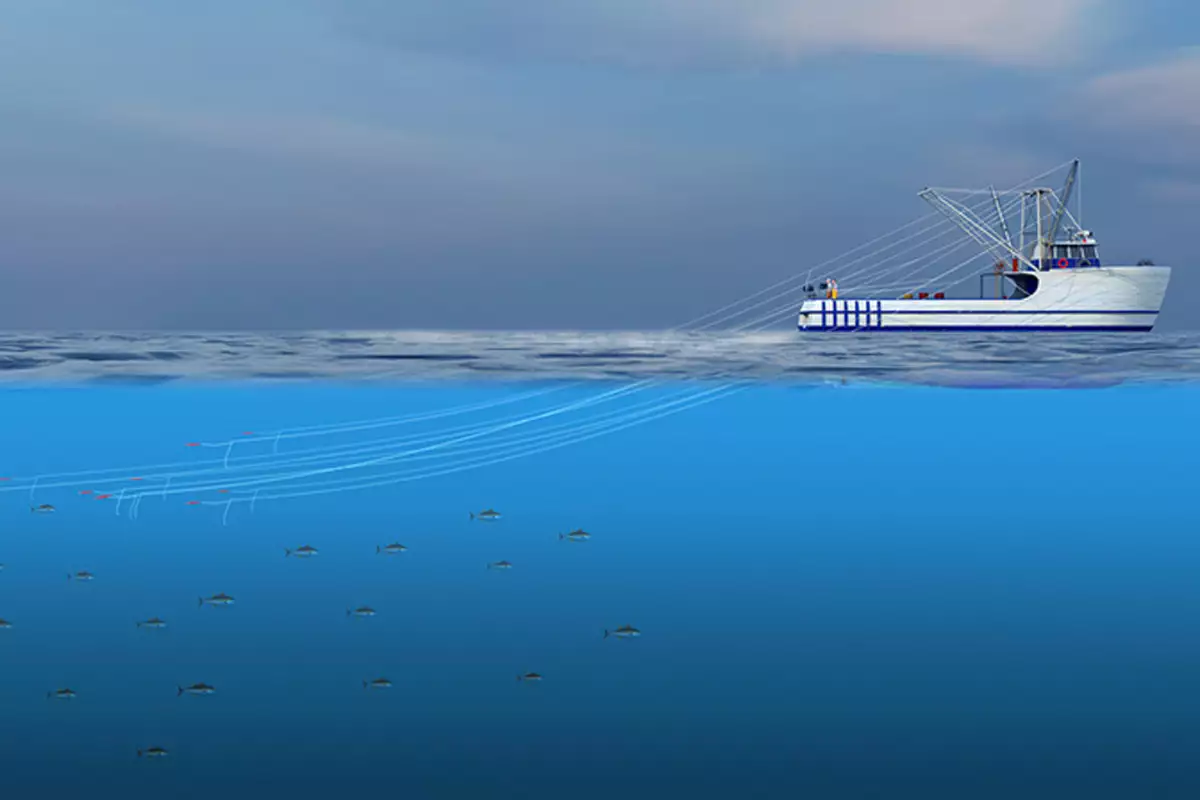
Trolling lines use moving fishing lines with baited hooks to catch albacore. The lines are reeled in soon after fish take the bait, so fishers can quickly release unwanted species. Pole-&-lines—what you might think of as a fishing pole—use one or more fishing lines with baited hooks. Fishers can also release unwanted species quickly, minimizing bycatch.
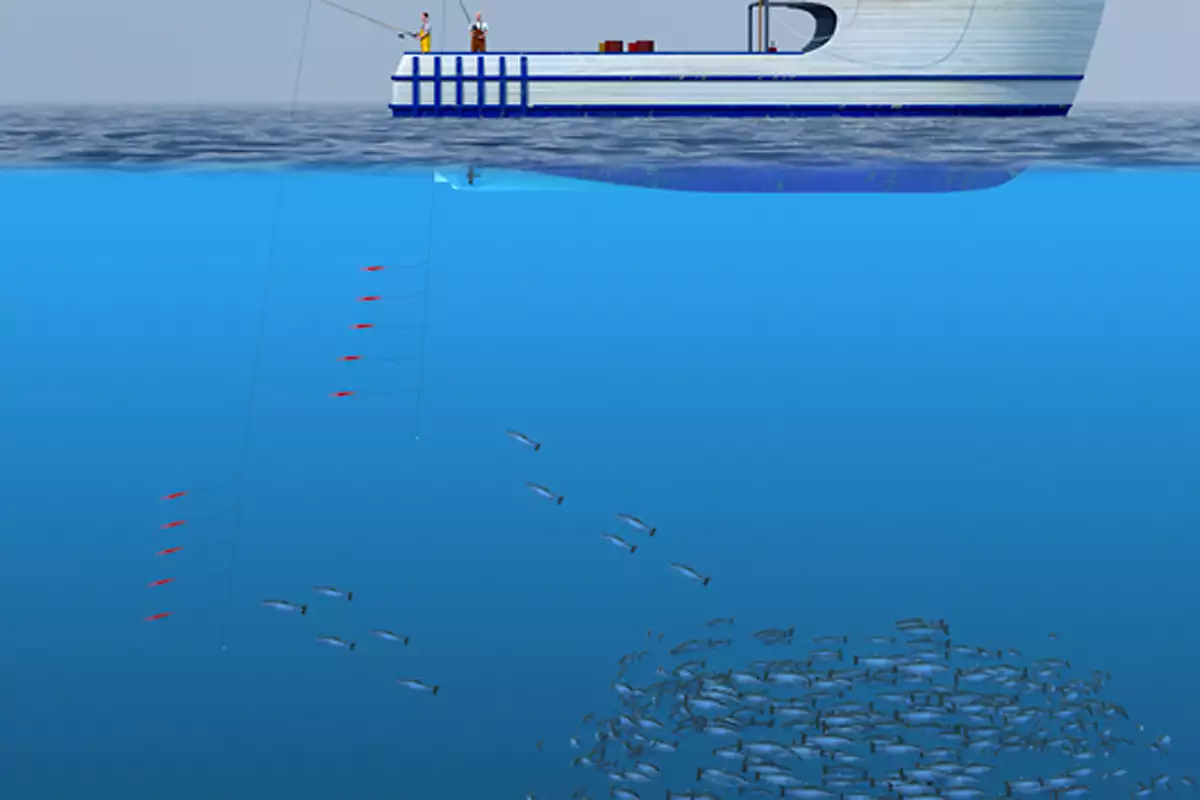
Pole-&-lines (left) and trolling lines (right) help limit bycatch of other marine life.
Ready, set, cook!
- Prepare an easy salade Nicoise by arranging canned albacore over a bed of lettuce, steamed green beans, potatoes, olives, tomatoes, and capers.
- Brush fresh or thawed frozen albacore steaks with a marinade of soy sauce, mirin, ginger, honey, and sesame oil to sear on the grill. Be careful not to overcook tuna steaks.
- Enjoy a spicy tuna sushi roll made with seasoned, lightly cooked fresh albacore, cucumber, and avocado.
- Serve canned albacore in herbed olive oil with crackers or whole grain toast triangles for a protein-packed snack chock-full of flavor.
Where to find
Look for albacore at your supermarket, online retailer, or favorite restaurant in a variety of formats:
- Shelf-stable albacore is available in most supermarkets in the canned seafood aisle.
- Fresh, in-season albacore may be available at the seafood counter, fishmonger, or restaurants.
- Frozen albacore steaks may be available in the frozen seafood section at some markets.
Top shopping tips
- While fresh albacore is delicious, it is typically more expensive than canned. Also sold in packets, shelf-stable albacore can be a budget-friendly and convenient protein choice.
- Stocking frozen albacore steaks in your freezer can offer quick, healthy meal solutions.
See our sustainable tuna buying guide for more tips
More FAQs
Is canned tuna a sustainable choice?
It can be! But, just like with fresh fish, it’s important to know where your canned tuna comes from and how it was caught to ensure it’s sustainable. Canned tuna brands that source from environmentally friendly fisheries want you to know, so their labels will have one of the below terms. These terms can tell you the tuna was caught with fishing gears that have minimal to no incidental catch of other marine life.
- Pole-&-line
- Pole-caught
- Troll-caught
Are there other sustainable tuna options?
Yes, there are! There are lots of different types of tuna found all over the world, and several different ways to catch them. There are so many combinations that it can become a little difficult to remember what’s what when you’re staring at the fish counter of your local grocery store.
Albacore caught with the gear types mentioned above is a straightforward recommendation, and a great place to begin your sustainability journey. That’s why we chose it for the Super Green List. But, there are plenty of other green (or yellow or certified) options to choose from, too.
Should I be worried about mercury in albacore?
Albacore is listed as a “good” choice by the Food and Drug Administration (FDA) for mercury. Below is the most current FDA guidance for safely consuming albacore:
- Ages 1 to 3: 2 ounces/week
- Ages 4 to 7: 4 ounces/week
- Ages 8 to 10: 6 ounces/week
- Ages 11 and above (including adults): 8 ounces/week
- Women who are pregnant, lactating, or planning to become pregnant: 4 ounces or less/week.
Albacore caught using handlines may also have lower levels of mercury than average albacore. Handline-caught albacore are much smaller and younger than those caught with longlines, so they’ve had less time to bioaccumulate mercury and other toxins. The mercury level in these fish is about 1/3 of that of those caught by longlines, according to a study published in the Journal of Aquatic Food Product Technology.
What’s the Monterey Bay Aquarium doing to help tuna?
We’ve been studying tuna and providing scientific research to help inform management since the ‘90s. We’re also conducting research to learn more about bycatch in tuna fisheries. For example, we’re working to gain insight about post-release survival rates of silky sharks and manta rays by tagging animals after they’ve been captured in fishing gear and released.
We also serve as technical advisors at regional fisheries management organization meetings, where we provide guidance on precautionary management measures, such as harvest strategies. Additionally, our Seafood Social Risk Tool tuna profiles can help businesses take the first steps in identifying and managing the risk of human rights abuses in their tuna supply chains.
Our recommendations on tuna also change regularly as new information becomes available and conservation actions are taken, so be sure to stay up to date by checking our sustainable tuna guide.
Is there any albacore I should avoid? What are the exceptions to green-rated fisheries mentioned above?
The vast majority of the albacore caught with trolling lines or pole-&-lines comes from green-rated Pacific or North Atlantic fisheries, so you can feel pretty confident you’re getting an environmentally friendly fish if you choose one of these gear types. An exception is albacore caught with pole-&-lines from the South Atlantic, which is rated yellow, but this represents only about 3 percent of the total albacore catch.
Albacore tuna recipe
Recipe
Creamy tuna-stuffed bell peppers
This nutritious weeknight dish features albacore, fresh bell peppers, and fragrant herbs.
Explore more Super Green seafood
Change & impact
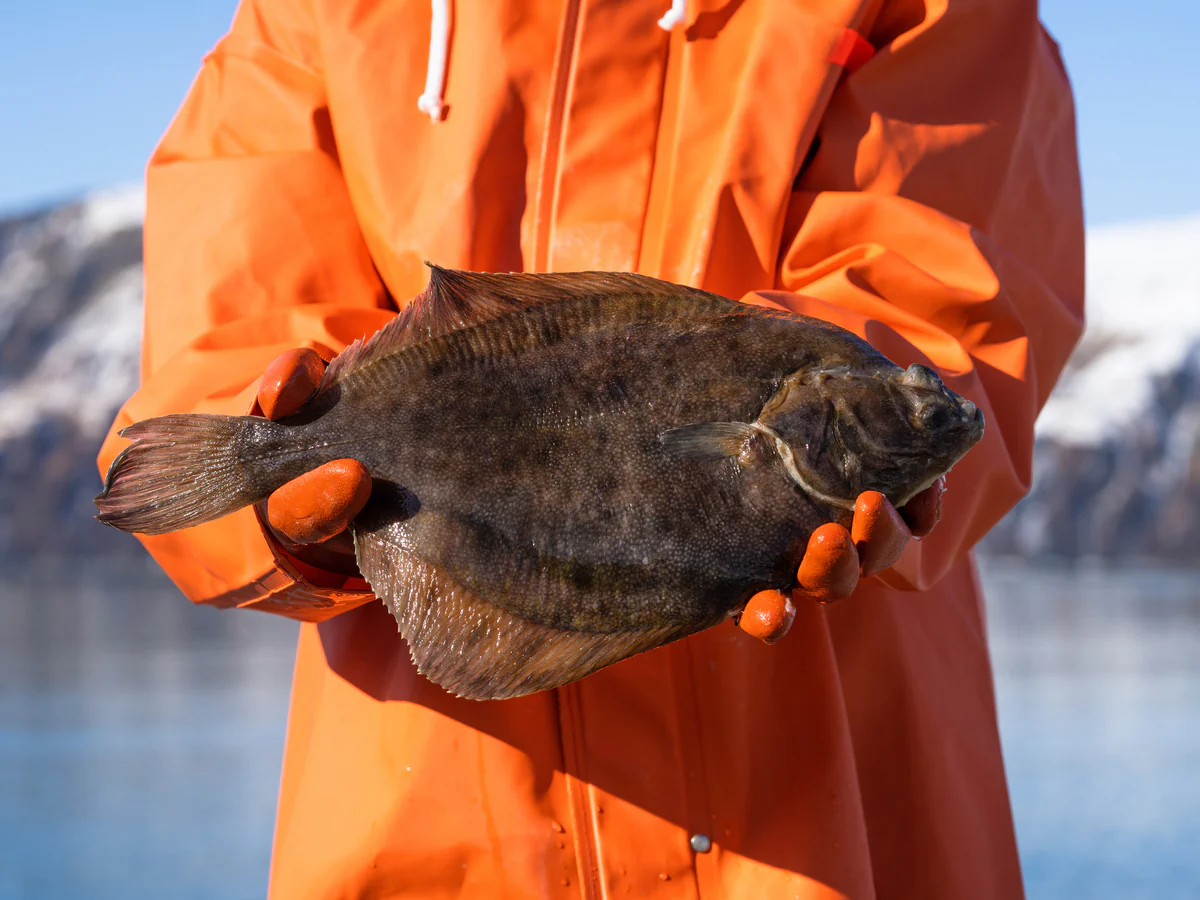
Alaska flounder & sole
Choose flounder and sole caught in Alaska for a delicious, sustainable whitefish.
Read more – Alaska flounder & sole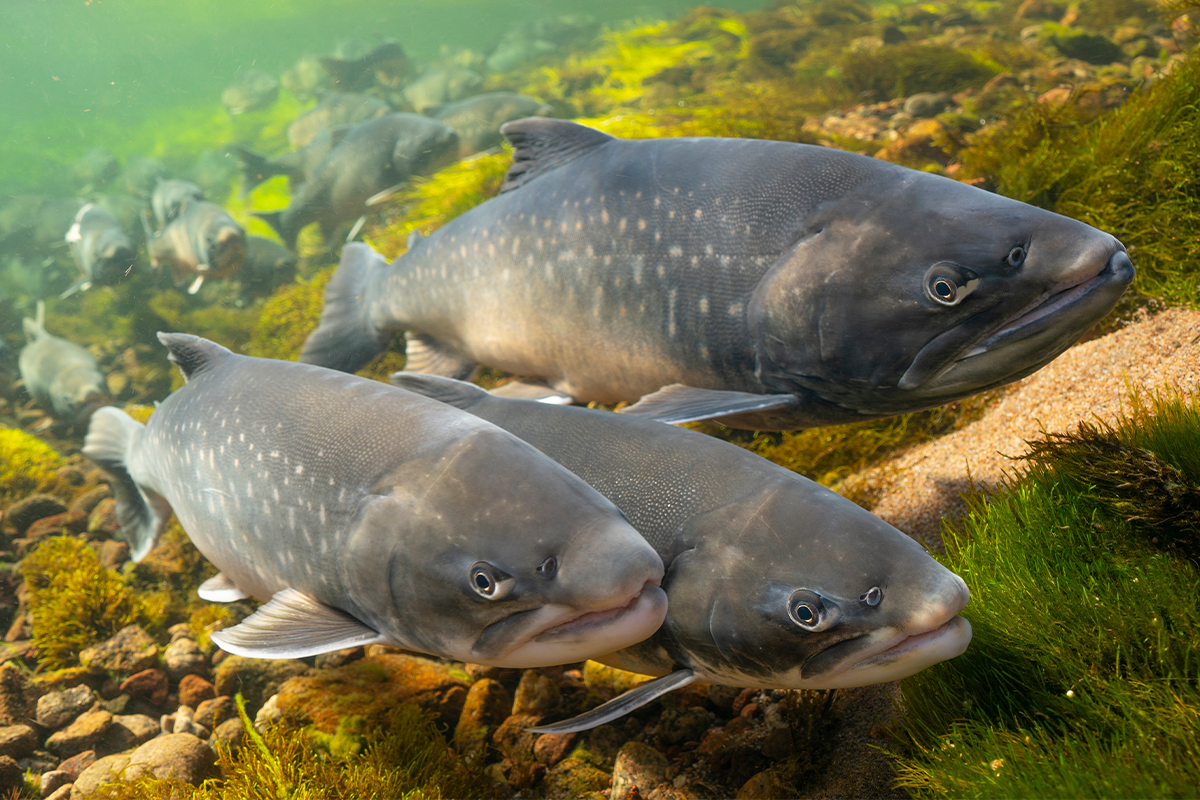
Change & impact
Arctic char
Hailing from frigid Arctic waters, this delicious fish is a sustainable and delicious alternative to salmon.
Read more – Arctic char
Change & impact
Farmed clams
These beautiful bivalves are a sustainable, versatile culinary delight.
Read more – Farmed clams
Change & impact
Farmed mussels
Within each small mussel shell, you’ll find a treasure trove of essential nutrients.
Read more – Farmed mussels