

Farmed seaweed
The Super Green List
Fresh, dried, baked, or fried, seaweed puts the green into Super Green. These nutritious, sustainable sea vegetables have been eaten for centuries—and you can try them too! This seafood is part of the Super Green List—seafood that’s good for you and the planet.
What are they?
If ever a seafood deserved the name super green, it’s seaweed! There’s no end to the ways seaweed is used. It can be eaten fresh, dried, frozen, cooked, used in baked goods, added to soups, rolled into sushi, and more. You also likely have seaweed in your home already without even realizing it. Extracts from seaweed are used as additives in foods and other consumer products—even beer! Giant kelp, for example, is a source of algin, an emulsifying and binding agent used in the production of many foods and cosmetics like ice cream, cereal, and toothpaste. The Monterey Bay Aquarium logo also represents the tip of a growing giant kelp!
The name seaweed is a little deceptive. They’re not plants at all. Seaweeds are a large, diverse group of marine macroalgae that can be subdivided into three distinct groups: brown, green, and red algae. Seaweeds don’t have roots, stems, or leaves like plants; instead, they have holdfasts, stipes, and fronds. While they might look similar, these features have different functions and structures. Holdfasts anchor seaweed to the seafloor, stipes are similar to stems, and fronds look a lot like leaves.
Seaweeds generally grow in coastal waters where they can anchor themselves to the seafloor but still get enough light for photosynthesis. Like plants, seaweeds use photosynthesis to create their own energy! Seaweed is an important component of ocean ecosystems. They provide oxygen, food, and habitat for fish and other marine species.
Good for you
Seaweed is one of the world’s most nutrient-dense foods. While each variety has its own unique nutritional profile, its general nutritional benefits include:
- Being a health powerhouse. Seaweed contains a variety of 23 essential nutrients, including vitamin A, iron, and magnesium.
- An excellent source of iodine, a mineral which supports thyroid function and a healthy metabolism.
- Bioactive compounds, such as astaxanthin, porphyran, and fucoidan, have been researched for their potential health benefits, including cancer-fighting, antioxidant, and anti-viral properties.
- Beneficial prebiotics, which promote a healthy gut microbiome and help boost immune health.
- Promoting heart health. Seaweed's natural profile of low to moderate sodium and high glutamic acid (an ideal salt substitute) levels helps keep dietary sodium intake in a healthy range.
Different types of seaweed provide different benefits. (Note: Seaweed omega-3 levels vary by species. See our FAQs at the bottom of the page for more information.)
- A kelp native to Japan, kombu has an astonishing 9333 percent Daily Value of iodine, 13 percent Daily Value of magnesium, and 14 percent Daily Value of potassium per serving (7 grams dried seaweed).
- A 7 gram serving of dried nori provides 98 percent Daily Value of iodine, 23 percent Daily Value of vitamin A, and 33 percent Daily Value of folate. This dried seaweed is often used to wrap sushi rolls.
- A brown kelp, wakame has 75 percent Daily Value of iodine and 24 percent Daily Value of magnesium per 7-gram serving (dried).
Good for the planet
In 2018, more than 32 million metric tons of seaweed were produced globally. About 99.5 percent of that is farmed in Asia, with over half coming from China. There are about 10 different major species of seaweed farmed for commercial use, but kombu (Japanese kelp) makes up about 35 percent of this global production.
Seaweed farmed using off-bottom culture is rated green for environmental sustainability and accounts for almost 90 percent of the seaweed farmed worldwide. Off-bottom aquaculture methods grow shellfish, seaweed, and more in ways that don’t harm the seafloor. The vast majority of seaweed is grown using floating rafts with netting or longlines attached to them, or lines that are staked to the ocean floor.
Overall, off-bottom culture methods have relatively few environmental impacts. For example, since these algae use sunlight and photosynthesis to nourish themselves, there’s no additional feed needed or nutrient waste discharged into the environment. Seaweeds also scoop up and store carbon dioxide and nutrients from the seawater around them.
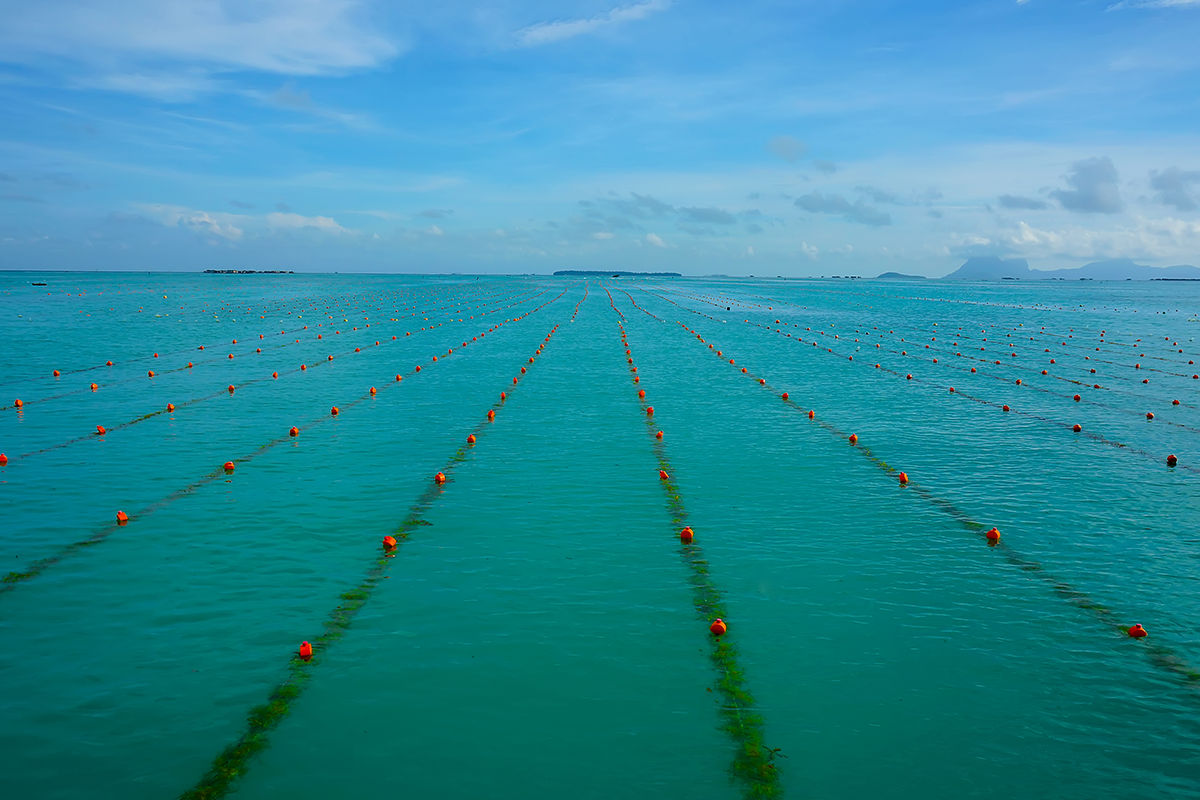
Seaweed farmed using off-bottom culture is rated green for environmental sustainability and accounts for almost 90 percent of the seaweed farmed worldwide.
Ready, set, cook!
- Tuck your favorite sandwich fillings, like canned albacore tuna caught with trolls or pole-&-lines or chickpea salad, between two layers of nori sheets for a delicious, handheld lunch.
- Make sushi at home with seasoned rice, protein, and veggies.
- Shake kelp sprinkles over a bowl of popcorn for a touch of umami flavor.
- Blend sea moss or frozen kelp cubes into your favorite green smoothie for a boost of flavor and nutrition.
Where to find
Look for a variety of seaweed forms in your market, including:
- Fresh seaweed in prepared foods, like seaweed salad and sushi.
- Dried seaweed, including nori, kombu, and wakame, in sheets, pieces, flakes, and granules.
- Condiments, such as furikake (seaweed seasoning), seaweed granules, and flakes.
- Refrigerated pickled sea vegetables.
- Frozen seaweed smoothie cubes and kelp patties.
- Snacks, including crackers, chips, and snack sheets.
Top shopping tips
- Visit an East Asian supermarket to discover an even greater variety of easy-to-use seaweeds.
- Purchase dried seaweed, and rehydrate it by soaking it in warm water for 10-15 minutes. Drain, and use it in salads, soups, or side dishes.
- Grind nori sheets in a blender to create an inexpensive seaweed sprinkle to flavor your favorite dishes.
Recipe

Recipe
Crispy seaweed “fish” sandwich with furikake tartar sauce
This crispy, plant-based, faux-fish sandwich gets its seaworthy flavor from seaweed and furikake tartar sauce.
See recipe – Crispy seaweed “fish” sandwich with furikake tartar sauceMore FAQs
What does seaweed taste like and how is it used?
Thanks to its rich umami flavor, diverse applications, and nutrient density, seaweed has been an essential part of traditional diets in many coastal communities over the centuries. In Japan, Korea, and China, a variety of seaweeds are enjoyed in salads, soups, and side dishes. In Scotland, Irish moss is used in puddings, and, in some Indigenous cultures in the Americas, kombu seaweed is simmered with beans.
The vast world of seaweed offers a delicious array of options, much like your other favorite leafy greens. While there are more than 10,000 types of seaweed, some varieties commonly available in the U.S. include hijiki, kombu, and nori. Each type of seaweed has its own unique attributes, with flavors ranging from rich and savory to mildly sweet and nutty; deep colors such as red, green, brown, and black; and textures including smooth fronds, small twigs, and wide strips.
Seaweed farmed using off-bottom aquaculture is one of the most sustainable seafood items you can buy. Seaweed sequesters carbon, provides important marine habitat, and helps support biodiversity.
Should I be concerned about high iodine levels in seaweed?
Seaweed can be an excellent source of iodine, and there are varying levels found in different species of seaweed. Data suggest iodine can be a potentially under-consumed nutrient for certain populations in the U.S. (i.e., people who do not consume iodized salt, pregnant women, or people who consume few or no dairy products, seafood, or eggs), making seaweed a great natural food source of iodine to help meet these needs.
Further, many cultures have safely enjoyed daily intake of seaweed as part of a healthy dietary pattern for centuries. According to the National Institutes of Health, high iodine intake is well tolerated by most healthy people, but those with thyroid conditions may need to monitor their intake. If too much iodine is a concern, read labels, switch to a lower-iodine seaweed variety, and aim for moderate consumption. The recommended dietary allowance (RDA) for iodine is 150 mcg/day for non-pregnant or lactating adults.
Should I be worried about seafood allergies when I eat seaweed?
According to the Food and Drug Administration (FDA), seaweed is not considered a top allergen and, therefore, should not pose a food sensitivity problem for those with other, more common seafood allergies, such as shellfish. While seaweed has not been identified as a common food allergen, if you experience symptoms after consuming seaweed, discuss them with your health care practitioner.
Are contaminants in seaweed a concern?
Like most other land and marine foods, seaweed may contain environmental contaminants, such as heavy metals and microplastics. This is an active area of research and focus among health professionals and seaweed producers. However, the FDA currently has no recommendations to limit seaweed consumption. It’s important to note that many cultures have safely enjoyed regular use of seaweeds over the centuries. Enjoy a diverse variety of seaweed in moderation: 3-7 grams of dried seaweed or 9-21 grams of fresh seaweed 1-2 times per week.
Does seaweed have high levels of omega-3s?
Omega-3 levels in seaweed vary by species and when and where it’s harvested. (For example, kelp and nori have some of the highest levels of omega-3s amongst common seaweed types, according to Food + Planet.) Some seaweed species—like wakame—contain high enough omega-3 levels per 100 grams dry weight to meet our Super Green List criteria, while others do not. At more realistic serving sizes—closer to the 7 grams dry weight referenced above—omega-3 levels are much lower. Experts recommend you don’t rely solely on seaweed to reach your needed omega-3s intake.
So, why did we include seaweed in this list? First, it’s super green in terms of sustainability! Farmed seafood is one of the most environmentally sustainable seafood items you can buy. Secondly, seaweed is one of the world’s most nutrient-dense foods, containing a variety of 23 essential nutrients, including vitamin A, iron, and magnesium. It’s also an excellent source of iodine.
Enjoy seaweed as part of a balanced diet, and talk to your healthcare provider for personalized recommendations.
Explore more Super Green seafood
Change & impact
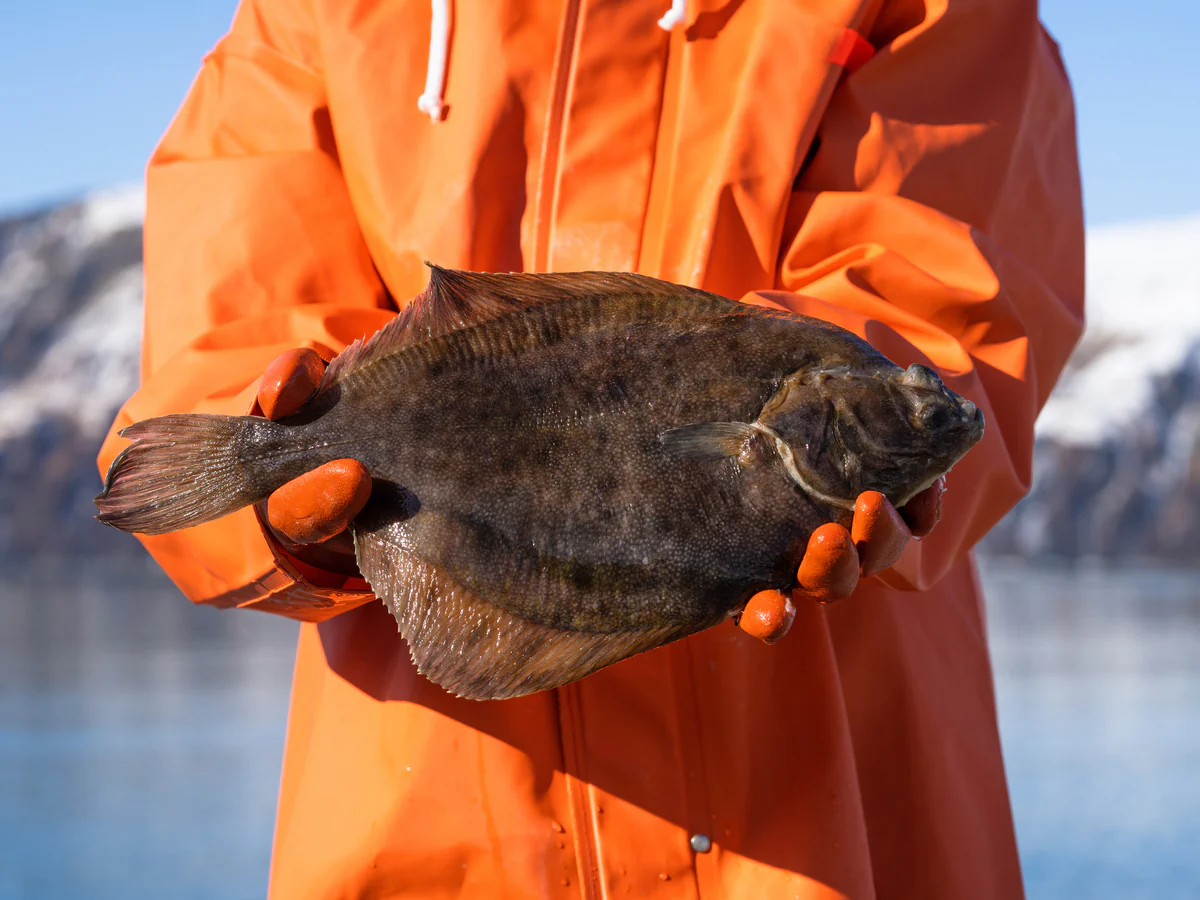
Alaska flounder & sole
Choose flounder and sole caught in Alaska for a delicious, sustainable whitefish.
Read more – Alaska flounder & sole
Change & impact
Arctic char
Hailing from frigid Arctic waters, this delicious fish is a sustainable and delicious alternative to salmon.
Read more – Arctic char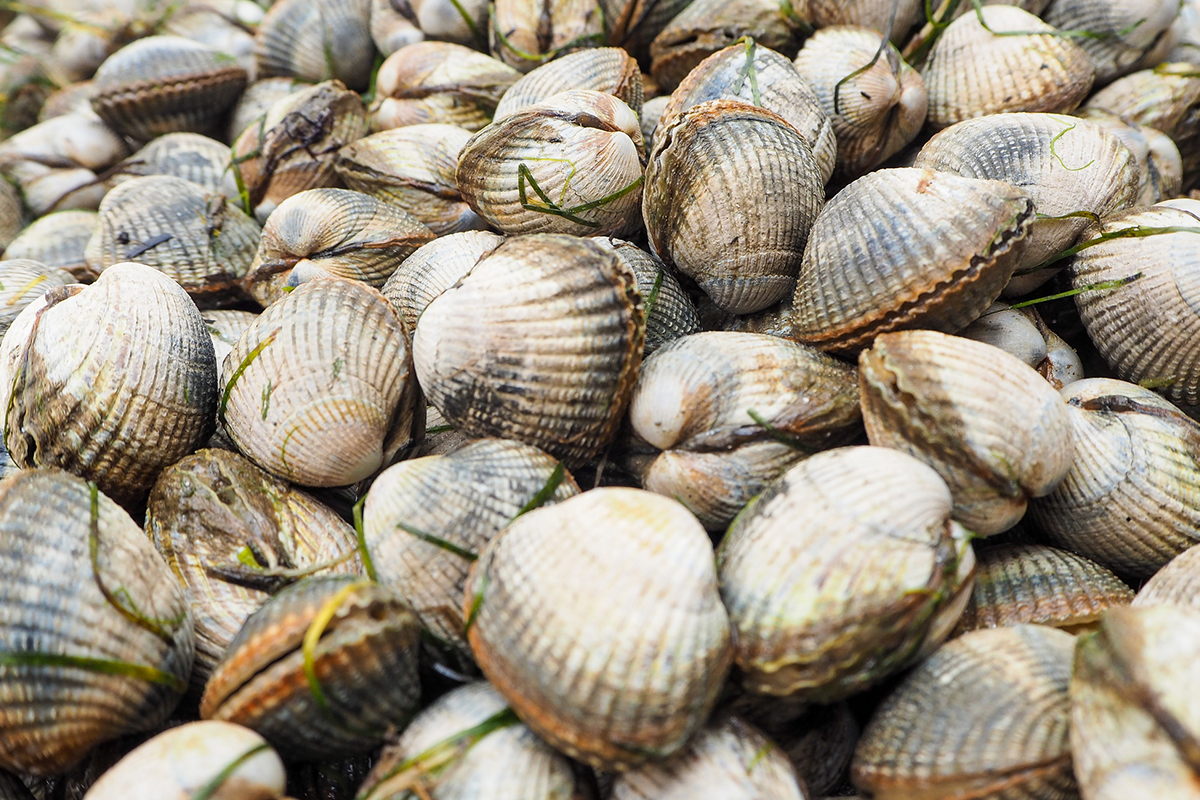
Change & impact
Farmed clams
These beautiful bivalves are a sustainable, versatile culinary delight.
Read more – Farmed clams
Change & impact
Farmed mussels
Within each small mussel shell, you’ll find a treasure trove of essential nutrients.
Read more – Farmed mussels