
Sustainable mahi mahi buying guide
Consumers are likely more familiar with dolphinfish’s Hawaiian name, mahimahi, but it’s sometimes also called dorado. The culinary name mahi mahi became popular in the 1980s, so consumers didn’t think they were eating dolphins. If you love mahi mahi, you’re good to go when it’s caught by U.S. fisheries. However, almost everything else is considered environmentally unsustainable by Seafood Watch standards.
Quick buying guide
- Buy mahi mahi caught by U.S. fisheries.
- Avoid imported mahi mahi.
What to buy or avoid?
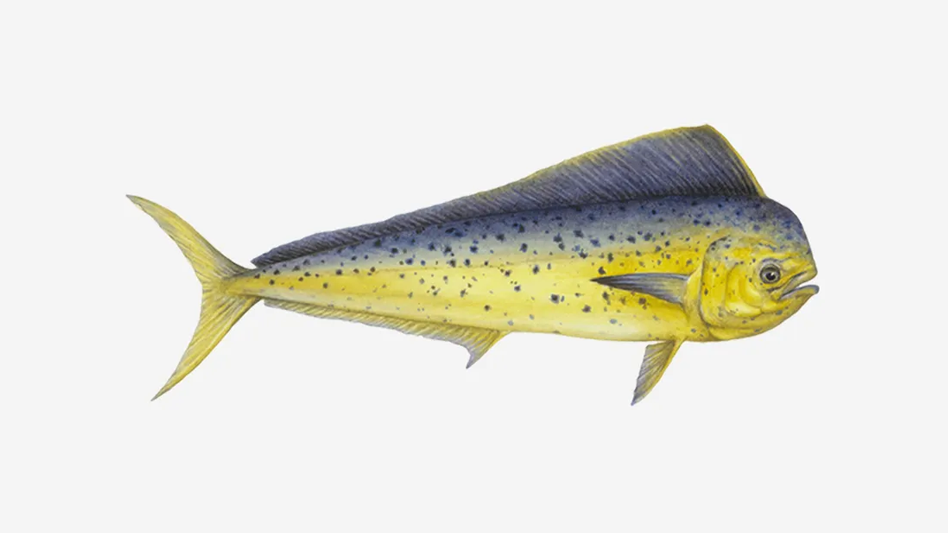
Fresh or frozen mahi mahi
- Buy green-rated mahi mahi caught by U.S. fisheries in the Atlantic with pole-and-lines.
- Buy other U.S. sources of mahi mahi, which are yellow-rated.
- Avoid mahi mahi caught in Costa Rica, Ecuador, Guatemala, Indonesia, Panama, Peru, or Taiwan. In these countries, bycatch impacts and ineffective management are serious concerns.
- Avoid imported mahi mahi caught with drifting longlines or purse seines using FADs because bycatch impacts are significant, and management is ineffective.
More about our mahi mahi recommendations
When is mahi mahi environmentally sustainable?
Mahi mahi rated green by Seafood Watch is the most environmentally sustainable because the fishery has minimal to no impact on other marine life and is managed well. Very few mahi mahi populations have been fully assessed, but they're less susceptible to overfishing because they grow very fast. Currently, only mahi mahi caught by U.S. fisheries with pole-and-lines in the North Atlantic Ocean is rated green.
Mahi mahi rated yellow means management of the fishery is considered moderately effective or better, but bycatch impacts are a significant concern. All other sources of mahi mahi caught by U.S. fisheries are rated yellow.
Mahi mahi rated red by Seafood Watch is not environmentally sustainable because bycatch impacts are significant, and management is considered ineffective. Also, some fisheries target at-risk or overfished tuna species, and mahi mahi are caught alongside them.
What are the main mahi fishing methods?
Mahi mahi is primarily caught using drifting longlines, but it's also harvested with purse seines using FADs. Some fisheries target mahi mahi specifically, while others target tuna and catch mahi mahi and other large pelagic species, too. Drifting longline and FAD purse seine fisheries tend to be the worst bycatch offenders. However, in well-managed fisheries, a variety of measures can greatly reduce the amount of bycatch, even when these methods are used. Handlines and hand-operated pole-and-lines and trolling lines tend to have fewer bycatch impacts.
Here′s a quick look at the methods used to harvest mahi mahi:
- Drifting longlines have a mainline supported by floats and evenly spaced branch lines with baited hooks. They can be up to 50 miles long and have thousands of baited hooks.
- Purse seines using FADs surround mahi mahi with a large wall of netting that closes like a drawstring. Floating objects called fish aggregating devices, or FADs, attract mahi mahi and other species, making them easier to catch.
- Handlines and hand-operated pole-and-lines and trolling lines catch mahi mahi with one or more fishing lines with baited hooks. These fishing methods are also described as pole-and-lines or trolls.
How to use this guide
Our green, yellow, and red ratings indicate environmental risk. We use our ratings and third-party certifications to make our recommendations.
Choose
- Green-rated seafood because environmental risks are low.
- Yellow-rated seafood because environmental risks are moderate.
Avoid
- Red-rated seafood because environmental risks are high, often due to overfishing, poor management, or harm to marine life and habitats.
Where to find sustainable seafood
Finding sustainable seafood is easier than you might think. Here’s how to get started.
- Use Seafood Watch guides. Our Popular Seafood Guide covers the seafoods you’re most likely to encounter and is the easiest place to start. Our national guide covers many more seafoods and works anywhere in the U.S. Our six regional guides are tailored to what you’re likely to find in your part of the country. Our 14 species guides cover all of our recommendations for each species, including salmon, shrimp, tuna, crab, and other popular seafood.
- Shop at businesses committed to sustainable seafood. Some retailers have made formal commitments to follow Seafood Watch recommendations. MOM's Organic Market and PCC Community Markets follow our recommendations. Whole Foods Market sources green-rated, yellow-rated, and MSC certified wild seafood and has a proprietary standard for farmed seafood.
- Dine with one of our partners. The Cheesecake Factory and California Fish Grill have commitments to serve sustainable seafood, and Seafood Watch Best Choice Restaurant Program partners offer at least one green-rated seafood dish on their menus. For a meal-kit option, all HelloFresh seafood is green-rated, yellow-rated, or certified.
- Ask a question. Next time you’re at a seafood counter or restaurant, ask “Do you sell sustainable seafood?” It’s a simple question that does more than you might think. When you ask this question, you’re helping create demand for sustainable seafood and encouraging businesses to offer it.
Explore more species guides
Animals & the ocean
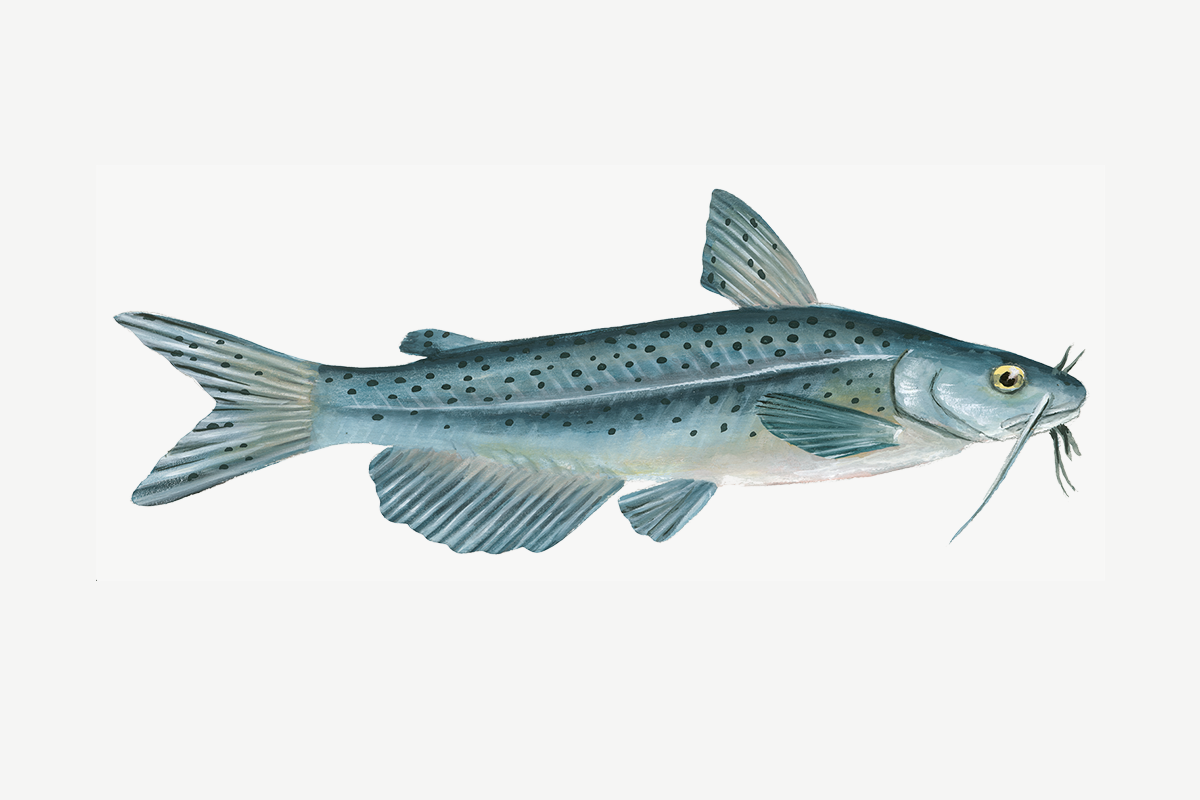
Sustainable catfish & pangasius buying guide
Catfish and pangasius—use this guide to choose wisely.
View this buying guide – Sustainable catfish & pangasius buying guide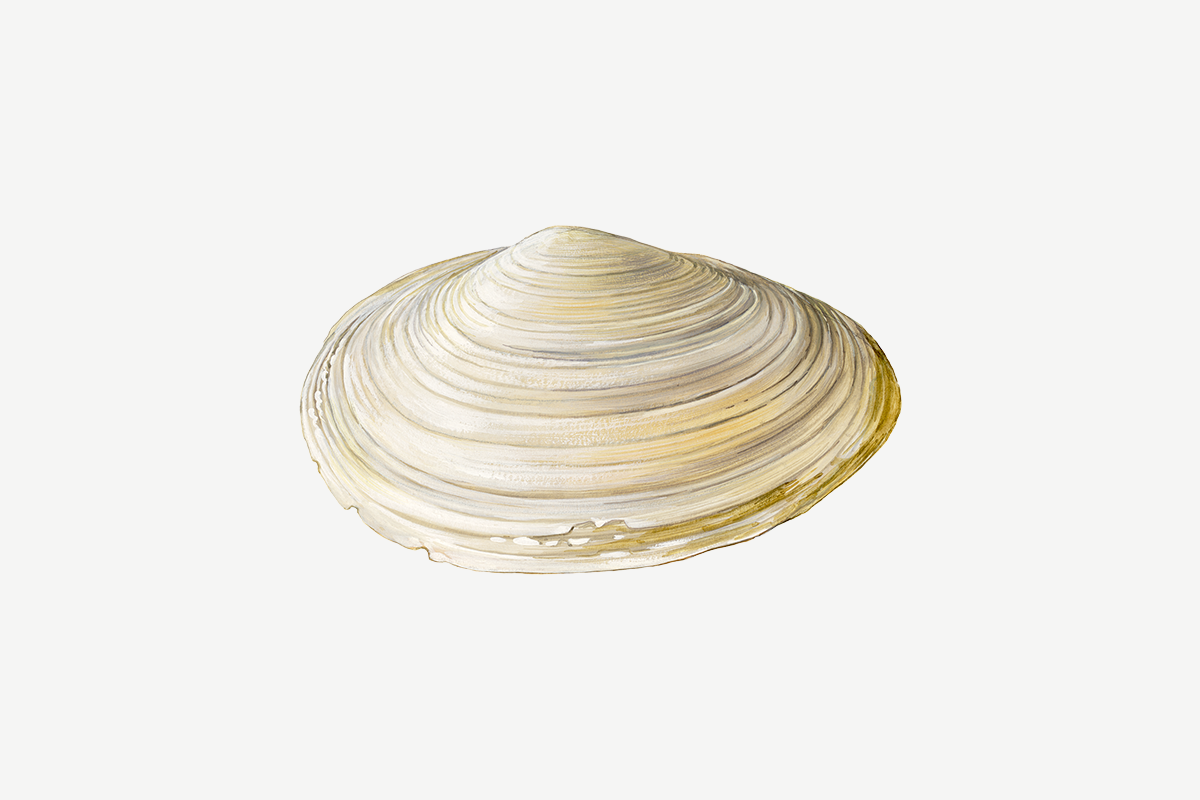
Animals & the ocean
Sustainable clams, mussels, oysters & scallops buying guide
Clams, mussels, oysters, and scallops are among the most sustainable seafood choices.
View this buying guide – Sustainable clams, mussels, oysters & scallops buying guide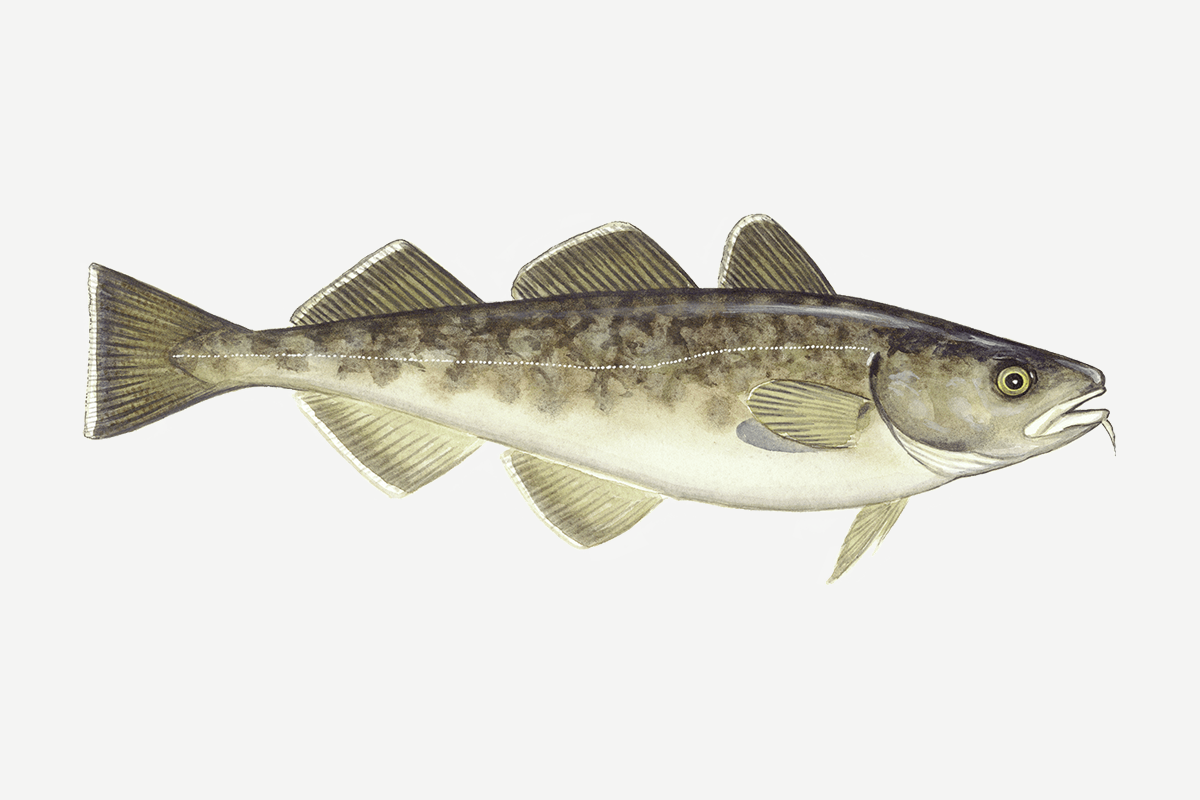
Animals & the ocean
Sustainable cod & haddock buying guide
Know which cod and haddock to buy and avoid the next time you order fish and chips.
View this buying guide – Sustainable cod & haddock buying guide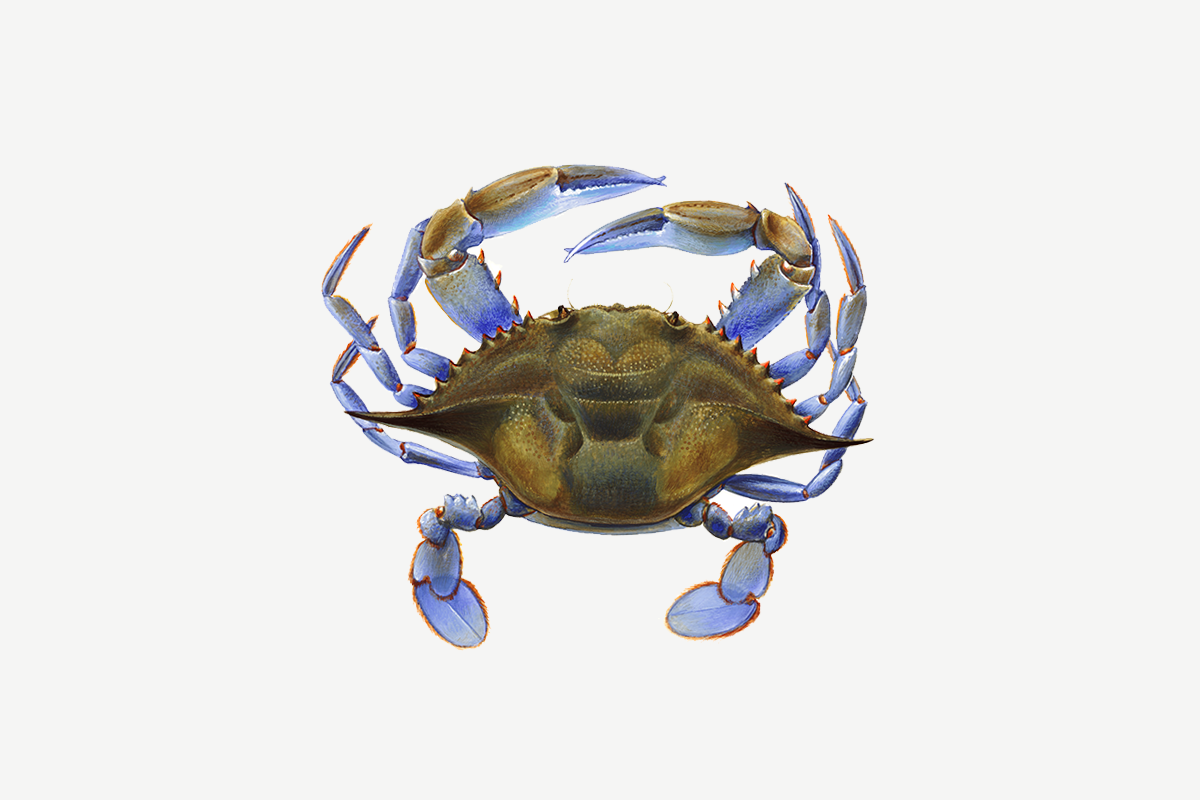
Animals & the ocean
Sustainable crab buying guide
Crab can be tricky, but this guide makes it easy to know what to buy and avoid.
View this buying guide – Sustainable crab buying guide