
Sustainable crab buying guide
On average, Americans eat nearly half a pound of crab each year. Environmentally sustainable crab options are limited, but you don’t need to give up those crabcakes and your other favorite dishes! Environmentally friendly options are out there, but it’s important to know what to buy and what to avoid.
Quick buying guide
- Buy crab caught in the U.S. Pacific, including Alaska.
- Buy blue crab caught in Alabama, Delaware, Maryland, or New Jersey, and avoid all other crab caught in the U.S. Atlantic or U.S. Gulf of Mexico.
- Buy Dungeness crab caught in Canada, and avoid all other crab from Canada.
- Buy blue, arched swimming, and Cortez swimming crabs caught in Mexico.
- Buy deepsea crab caught in Chile.
- Buy blue swimming crab caught in Sri Lanka.
- Buy red king crab caught in Norway.
- Buy southern king crab caught in Argentina.
- Avoid all other Seafood Watch-assessed crab.
What to buy or avoid?
Canned crab
Blue swimming crab is the primary species found in canned crab, and very little imported canned crab is environmentally sustainable. If the label states lump, jumbo lump, fancy, special, backfin, white, or claw crab, it’s likely blue swimming crab. Dungeness, king, and snow crabs are not canned in large volumes, but products are available on the U.S. market. Consumers are more likely to find crabmeat in tubs than in cans, and the following tips apply to those products, too.
A good rule of thumb is to buy canned crab and crabcakes from businesses committed to selling sustainable seafood, because they purchase their seafood from sources that are (or are working to become) more sustainable.
- Buy crab caught in Alaska and on the U.S. West Coast.
- Buy blue crab caught in Alabama, Delaware, Maryland, or New Jersey, and avoid it from other U.S. states.
- Buy arched swimming, Cortez swimming, and blue crabs caught in Mexico.
- Buy blue swimming crab caught in Sri Lanka.
- Buy deepsea crab caught in Chile.
- Buy Dungeness crab caught in Canada.
- Avoid crab from China, India, Indonesia, the Philippines, Vietnam, or Thailand.
Learn more about our blue swimming crab project in the Philippines
© Scandposters.com
U.S. Atlantic and U.S. Gulf of Mexico crab
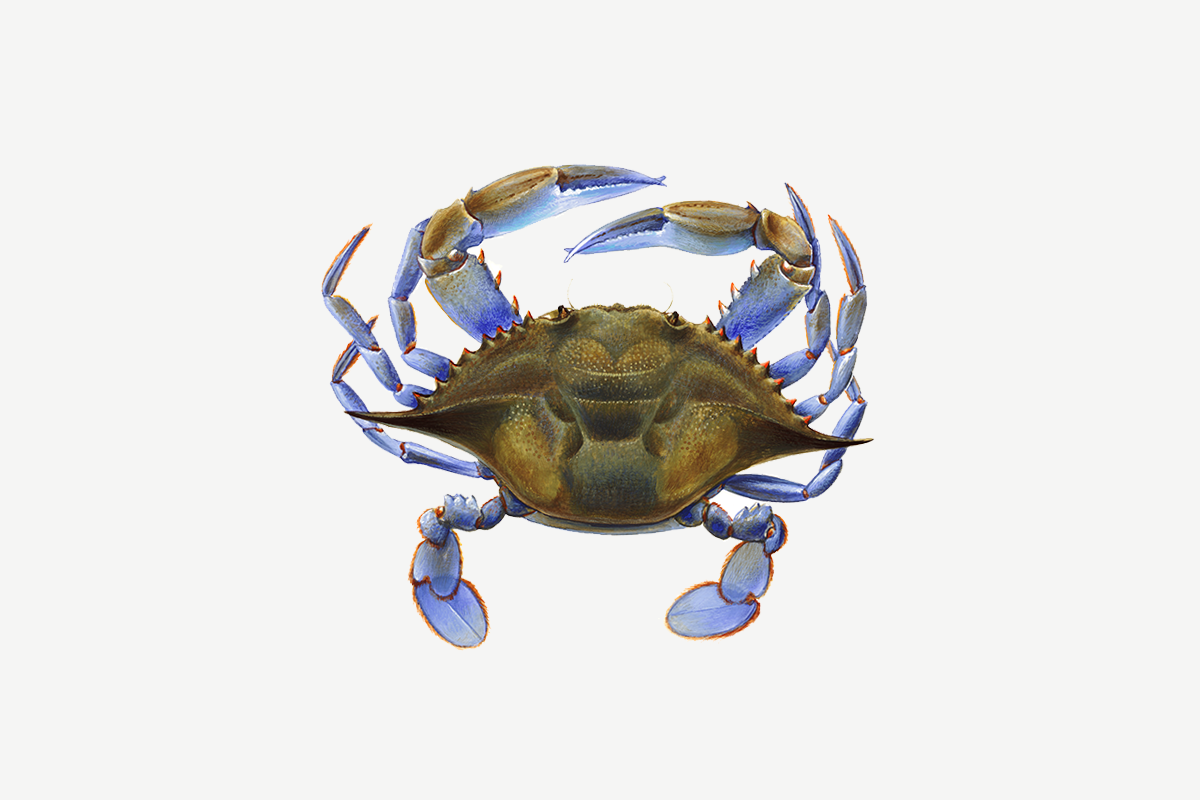
We’ve assessed five species of crab caught in the U.S. Atlantic and U.S. Gulf of Mexico, but we only recommend blue crab from specific states.
- Buy blue crab caught in Alabama, Delaware, New Jersey, or Maryland.
- Avoid blue crab caught in Florida, Georgia, Louisiana, Mississippi, North Carolina, South Carolina, Texas, or Virginia. These states haven’t implemented regulations to protect diamondback terrapins, which are considered endangered or a species of concern in every state where blue crabs are caught with pots.
- Avoid Atlantic rock crab and Jonah crab caught in the U.S. These crabs are harvested within the endangered North Atlantic right whale’s range, and current management measures don't go far enough to mitigate the entanglement risks to whales and promote their recovery.
- Avoid Florida stone and Gulf stone crabs caught in Florida because there’s a high risk of overfishing, bycatch concerns, and ineffective management.
View U.S. Atlantic and U.S. Gulf of Mexico crab recommendations on SeafoodWatch.org
© Scandposters.com
U.S. Pacific crab
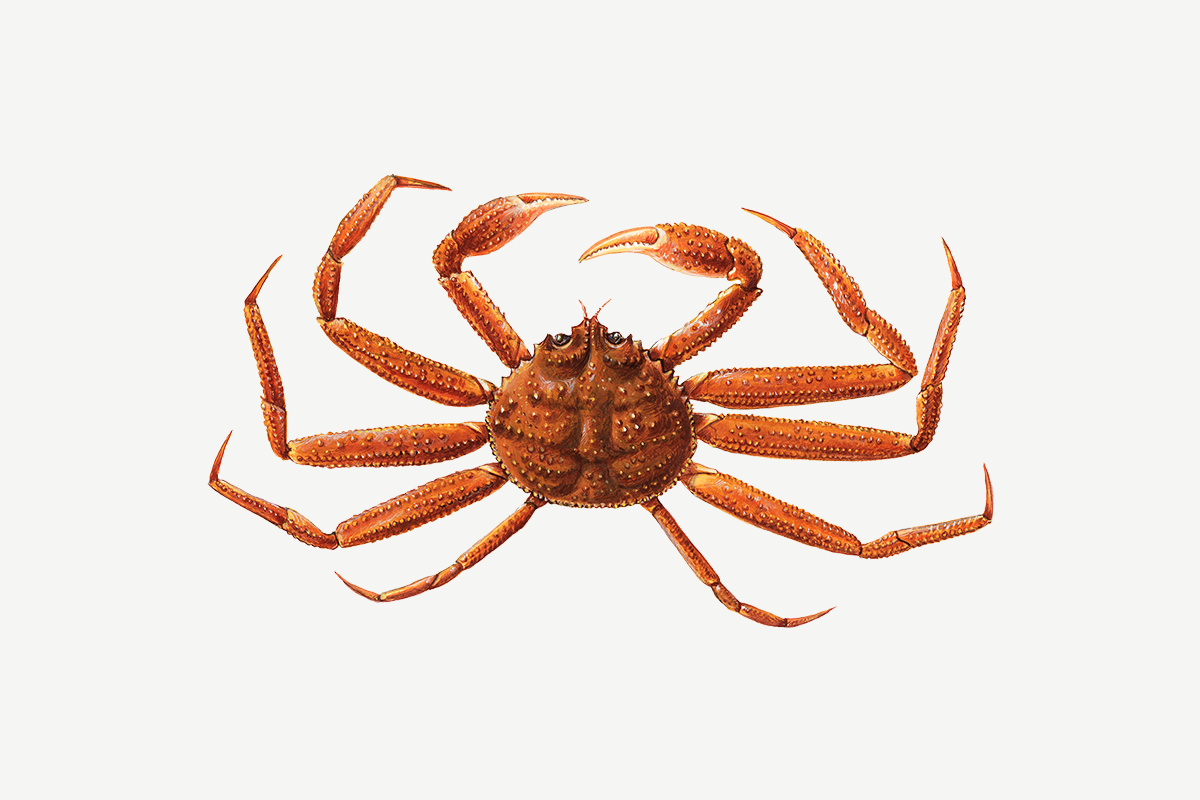
We’ve assessed nine types of crab caught on the U.S. Pacific Coast, and some of the names are very similar, which can make shopping confusing! The good news is we recommend them all.
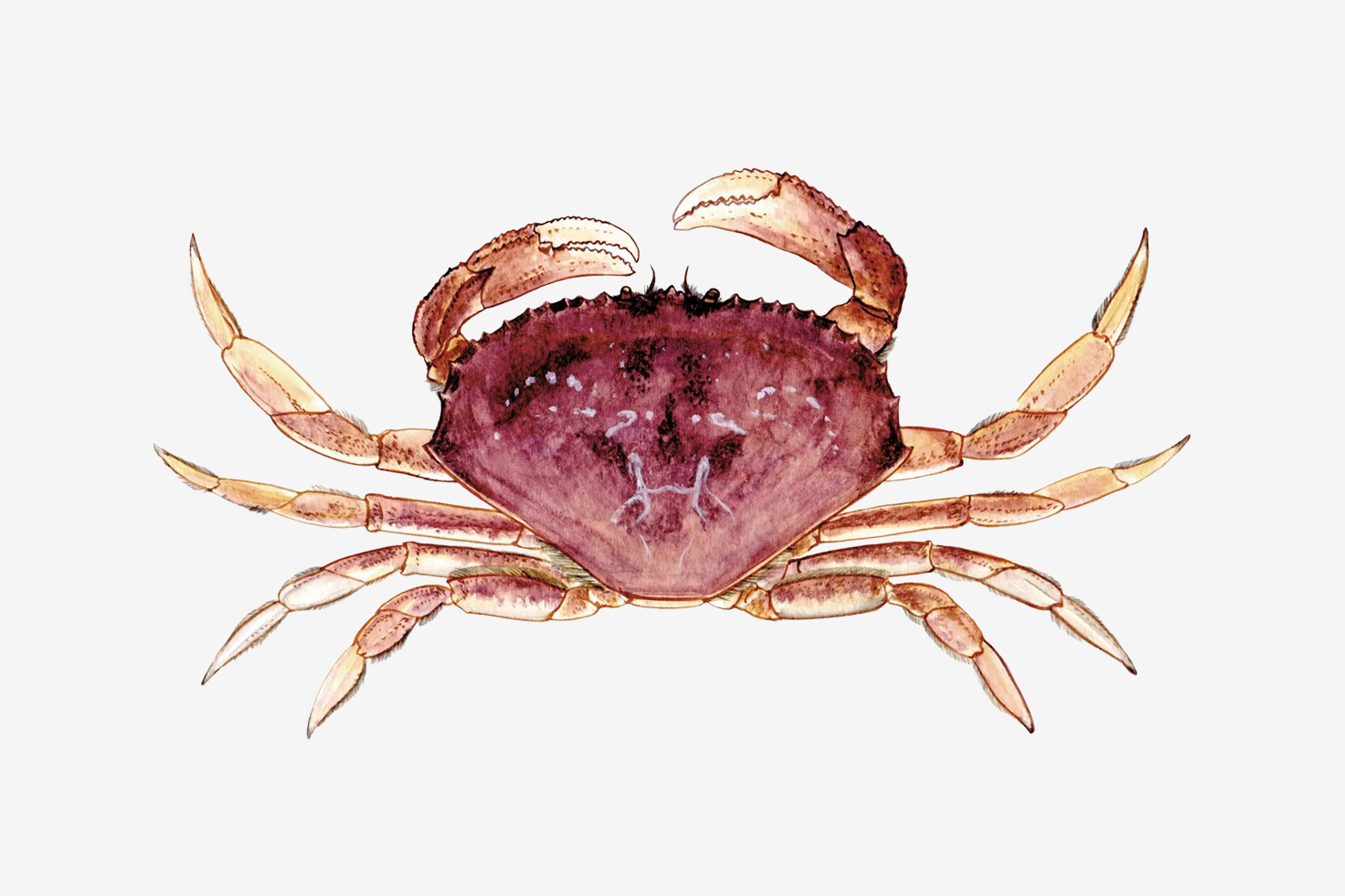
- Buy Dungeness crab caught in Alaska, California, Oregon, or Washington.
- Buy golden king, red king, southern Tanner, and snow crabs caught in Alaska.
- Buy California red rock crab (also called brown crab) and red rock crab (also called rock crab) caught in California or Oregon.
- Buy rock crab (also called gold or yellow crab) caught in California.
© Scandposters
Imported crab
Seafood Watch has assessed most crab sold in the U.S. However, a significant amount of global crab production hasn’t been evaluated for sustainability.
- Buy blue swimming crab caught in Sri Lanka.
- Buy blue, arched swimming, or Cortez swimming crabs caught in Mexico.
- Buy deepsea crab caught in Chile.
- Buy Dungeness crab caught in Canada.
- Buy red king crab caught in Norway.
- Buy southern king crab caught in Argentina.
- Buy blue swimmer crab caught in Australia, except in Queensland.
- Avoid Atlantic rock, Jonah, or snow crabs caught in Canada. These crabs are harvested within the endangered North Atlantic right whale’s range, and current management measures don't go far enough to mitigate the entanglement risks to whales and promote their recovery.
- Avoid crab from China, India, Indonesia, the Philippines, Vietnam, or Thailand.
Certified crab
Buy Marine Stewardship Council (MSC) certified crab, except from Russia.
Sushi
When sold as sushi, crab is called kani.
Follow the above tips and check the Seafood Watch Sushi Guide for quick reference.
More about our crab recommendations
When is crab environmentally sustainable?
Crab rated green by Seafood Watch is the most environmentally sustainable because it comes from a healthy population, and the well-managed fishery has minimal to no impact on other marine life and habitats.
Crab rated yellow usually means the fishery impacts other overexploited species, or there isn’t enough information about bycatch impacts. In some cases, the crab population may be healthy, and bycatch isn't a significant concern, but the fishery lacks strong science-based management.
Crab rated red by Seafood Watch is not environmentally sustainable due to two or more concerns, such as the population is depleted, overfishing is occurring, bycatch impacts, entanglement of other marine life, or ineffective management. In some cases, crab fisheries have also been found to be involved in illegal, unregulated, or unreported fishing.
What are the main crab fishing methods?
Crab is primarily harvested with pots, traps, gillnets, or bottom trawls. In some pot and trap fisheries, there’s a greater risk of marine mammals getting entangled in the lines connecting the pots and traps to the buoys that mark their locations. Also, ghost fishing occurs when lost or abandoned pots and traps continue to catch crabs and other species.
Bottom trawls and gillnets tend to have a greater risk of bycatch. However, various measures can significantly reduce bycatch impacts in well-managed fisheries, even when less selective gears are used. Crab is also caught with trotlines, crab rings, and scoopnets. These more selective methods tend to have fewer bycatch impacts.
Here′s a quick look at the main fishing methods used to catch crab:
- Pots and traps are cage-like gears with one or more openings that crabs can easily enter but are difficult to exit.
- Gillnets entangle crabs when they contact the netting.
- Bottom trawls herd crabs into a cone-shaped net as they’re dragged along the seafloor.
- Trotlines have a stationary mainline and evenly spaced branch lines. Bait is tied to the branch lines in the U.S. blue crab trotline fisheries. When the crabs grasp the bait, the line is hauled in to harvest the catch.
- Crab rings are collapsible, basket-like gears that lure crabs with bait and capture them when the gear is lifted.
- Scoopnets are bag-shaped nets that usually have a rigid frame and handle. Crabs are captured using quick, scoop-like movements.
How to use this guide
Our green, yellow, and red ratings indicate environmental risk. We use our ratings and third-party certifications to make our recommendations.
Choose
- Green-rated seafood because environmental risks are low.
- Yellow-rated seafood because environmental risks are moderate.
Avoid
- Red-rated seafood because environmental risks are high, often due to overfishing, poor management, or harm to marine life and habitats.
Where to find sustainable seafood
When shopping or dining out, start by asking, “Do you sell sustainable seafood?” You may need to ask what species it is and where and how it was caught or farmed. If the business can’t answer or the label doesn’t provide this information, our Popular Seafood Guide can help you choose another ocean-friendly option.
More retailers and restaurants are sharing where their seafood comes from and how it was caught. But not all businesses have this information. When you ask questions, you help create demand for sustainable seafood and encourage businesses to offer it.
Grocery stores
We work with grocery stores to implement time-bound commitments to follow Seafood Watch recommendations. MOM’s Organic Market and PCC Community Markets follow our recommendations. Whole Foods Market sources green-rated, yellow-rated, and MSC certified wild seafood and has a proprietary standard for farmed seafood.
Restaurants
Seafood Watch’s Best Choice Restaurant Program partners commit to offering at least one green-rated, environmentally sustainable seafood dish on their menu.
We also work with major restaurant chains—including California Fish Grill and The Cheesecake Factory—that are implementing their sustainable seafood commitments.
Meal kits
Hello Fresh only sends its customers green-rated, yellow-rated, or certified seafood. Other meal kit services may offer sustainable seafood. If they don't, we encourage you to ask them to.
Explore more species guides
Change & impact
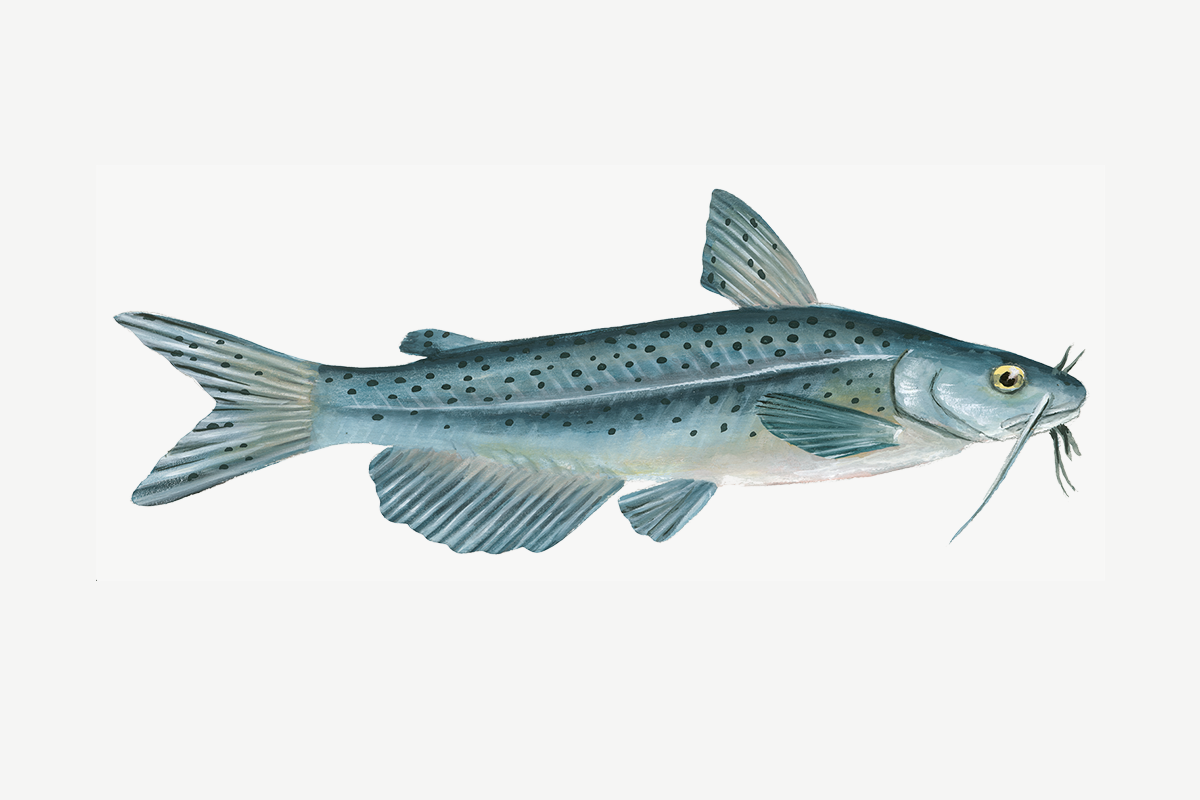
Sustainable catfish & pangasius buying guide
Catfish and pangasius—use this guide to choose wisely.
View this buying guide – Sustainable catfish & pangasius buying guide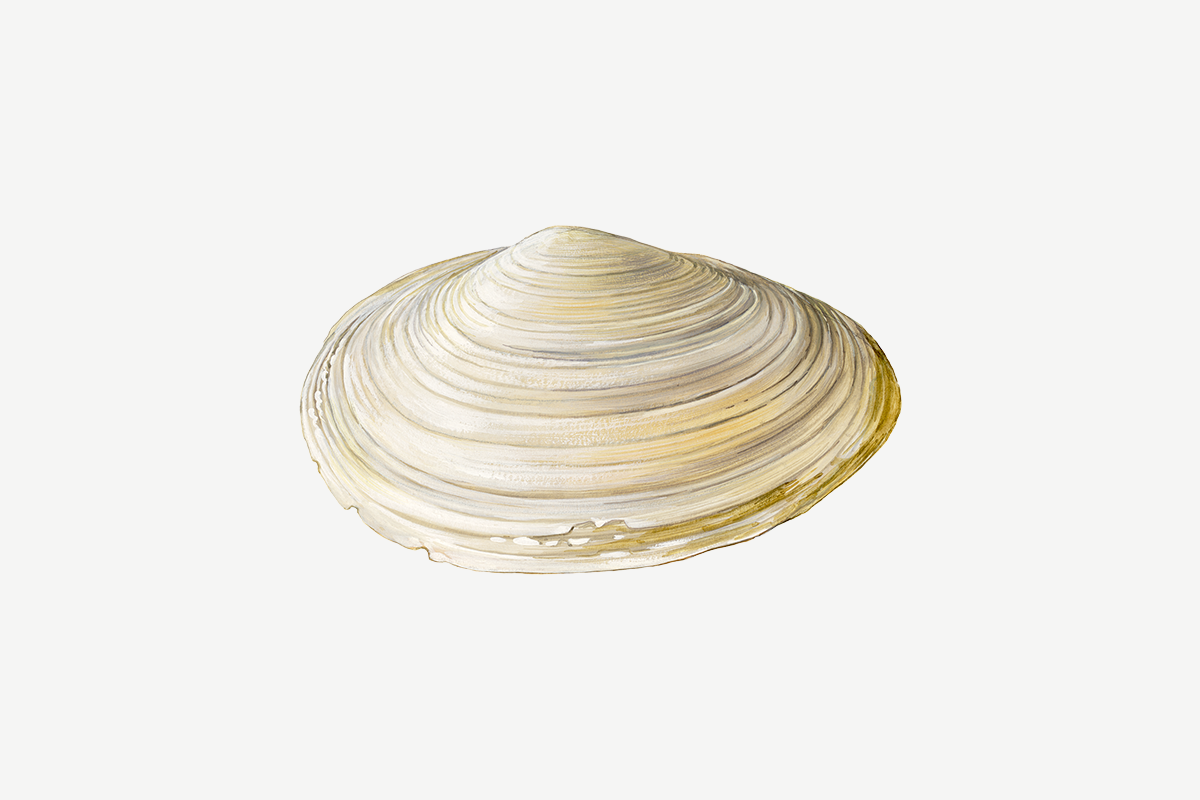
Change & impact
Sustainable clams, mussels, oysters & scallops buying guide
Clams, mussels, oysters, and scallops are among the most sustainable seafood choices.
View this buying guide – Sustainable clams, mussels, oysters & scallops buying guide
Change & impact
Sustainable cod & haddock buying guide
Know which cod and haddock to buy and avoid the next time you order fish and chips.
View this buying guide – Sustainable cod & haddock buying guide
Change & impact
Sustainable flounder, plaice & sole buying guide
Here's everything you need to know when it comes to buying these flatfishes.
View this buying guide – Sustainable flounder, plaice & sole buying guide