

Reefs & pilings
Man-made coastal structures like wharfs, piers, and jetties create artificial reefs filled with marine life.
The creatures that live here prefer the dim, underwater areas and dark recesses found among the reefs and pilings (support columns) that drill down into the seafloor.
Related exhibits and live cams
Exhibit
Monterey Bay Habitats
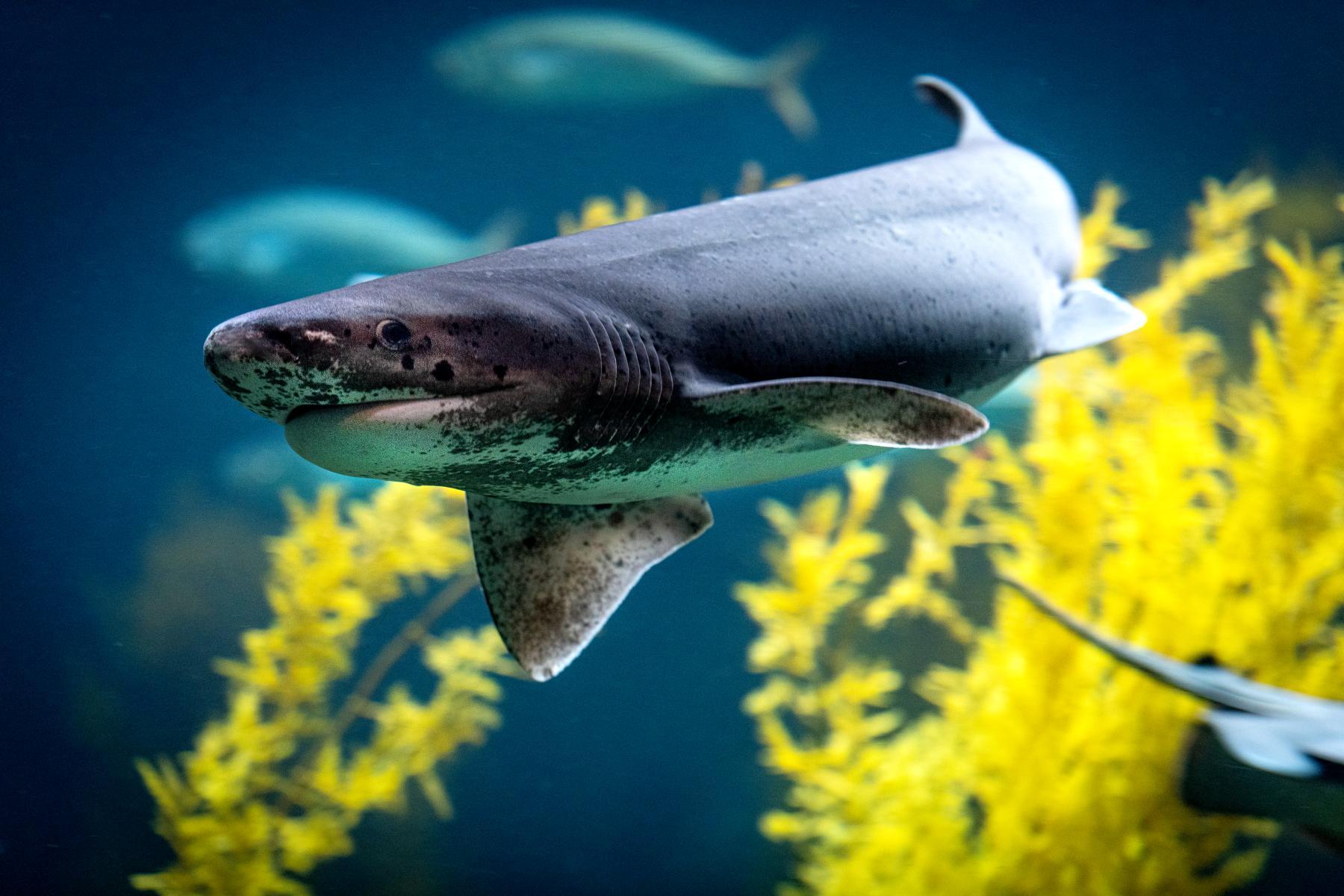
The Monterey Bay Habitats exhibit features sharks, giant sea bass, and flatfish in the sandy seafloor.
Explore exhibit – Monterey Bay Habitats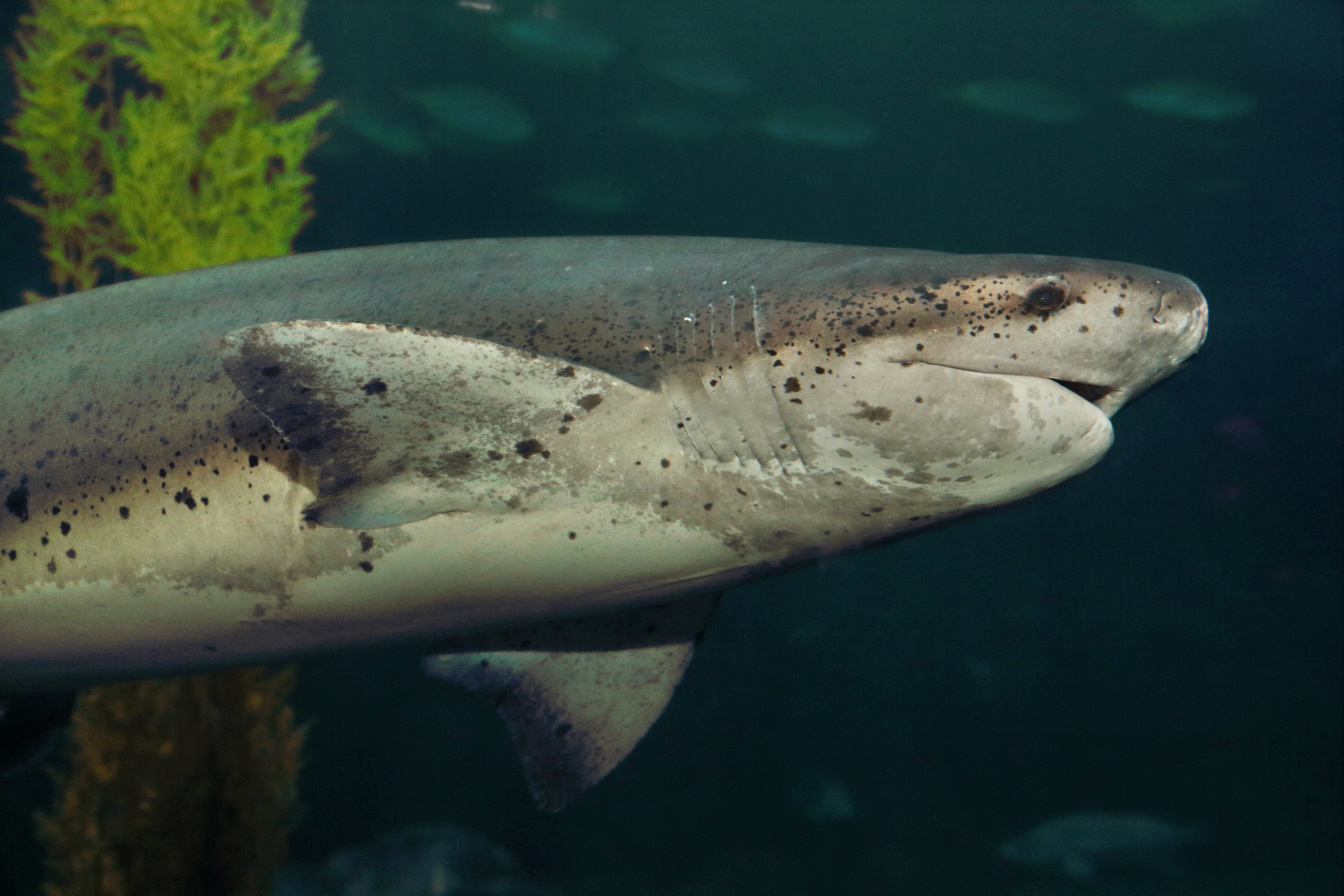
Live cam
Shark Cam
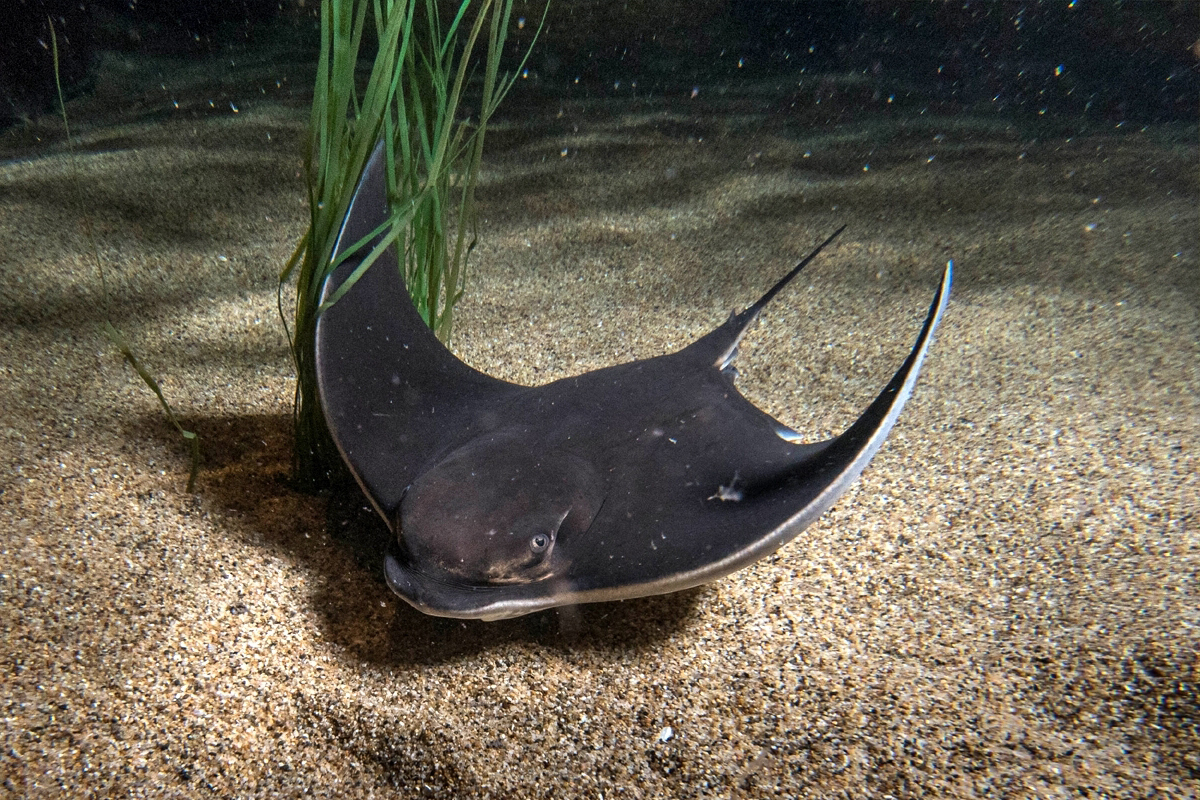
Watch live as sevengill sharks, leopard sharks, bat rays, sturgeon, and others glide through the rocky reef.
Watch cam – Shark CamHow species adapt
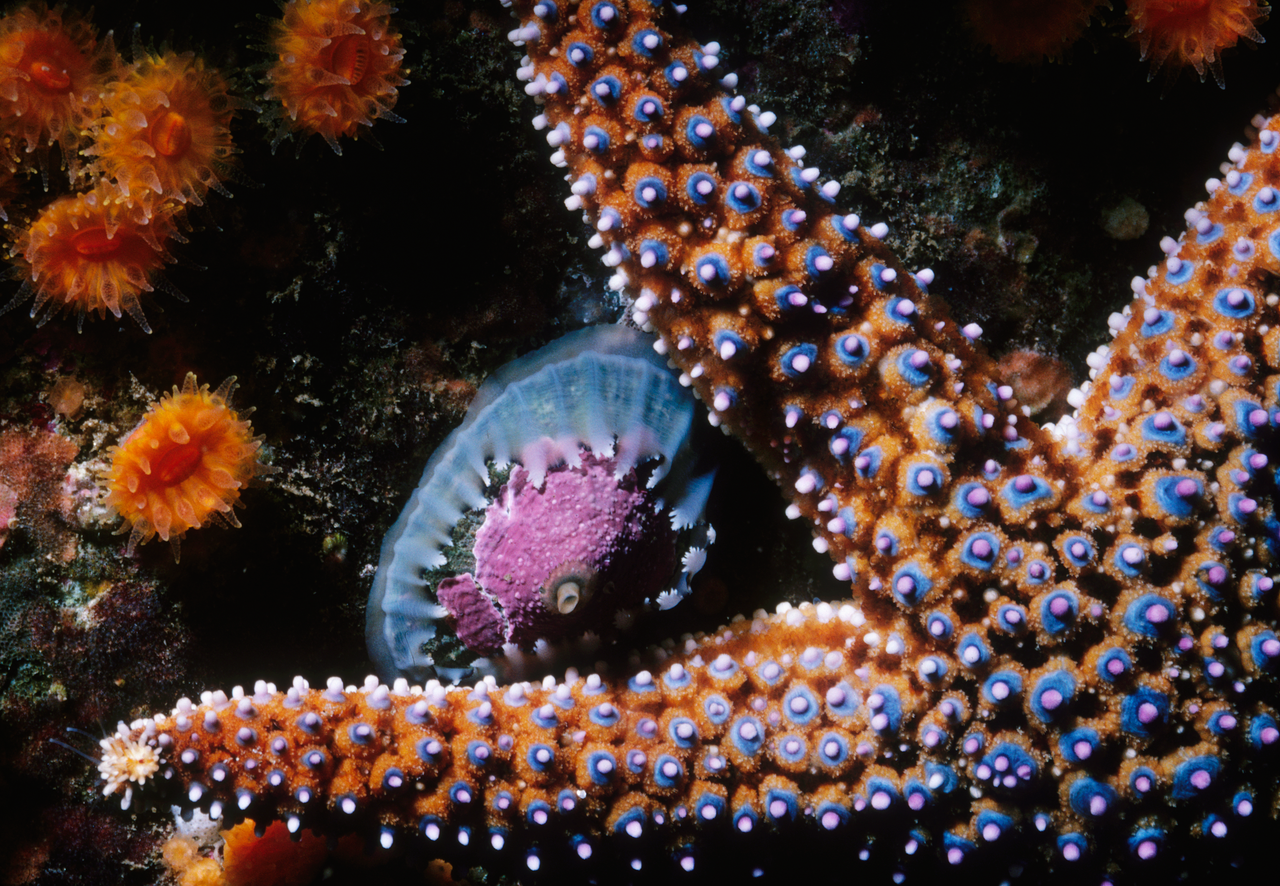
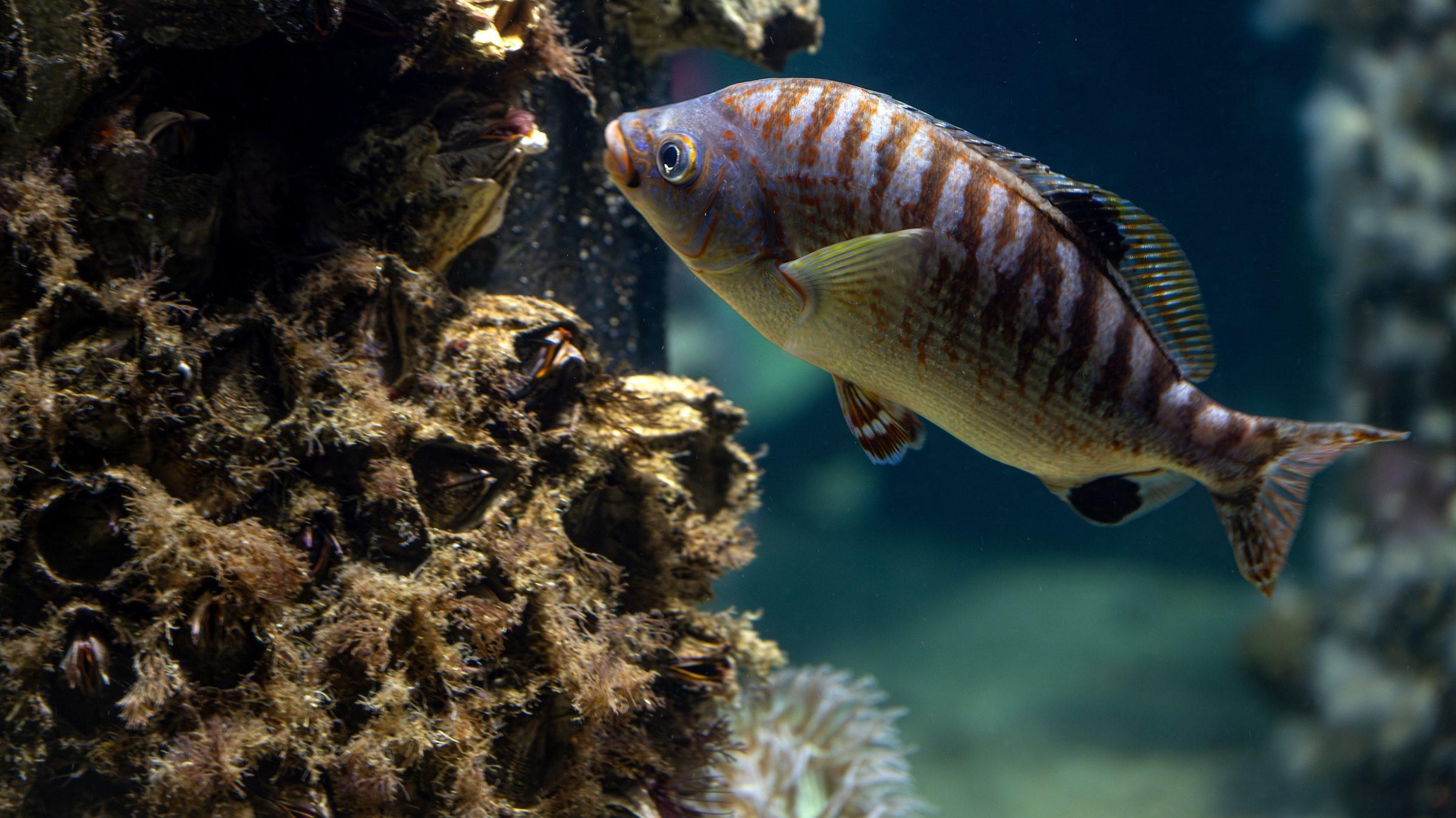
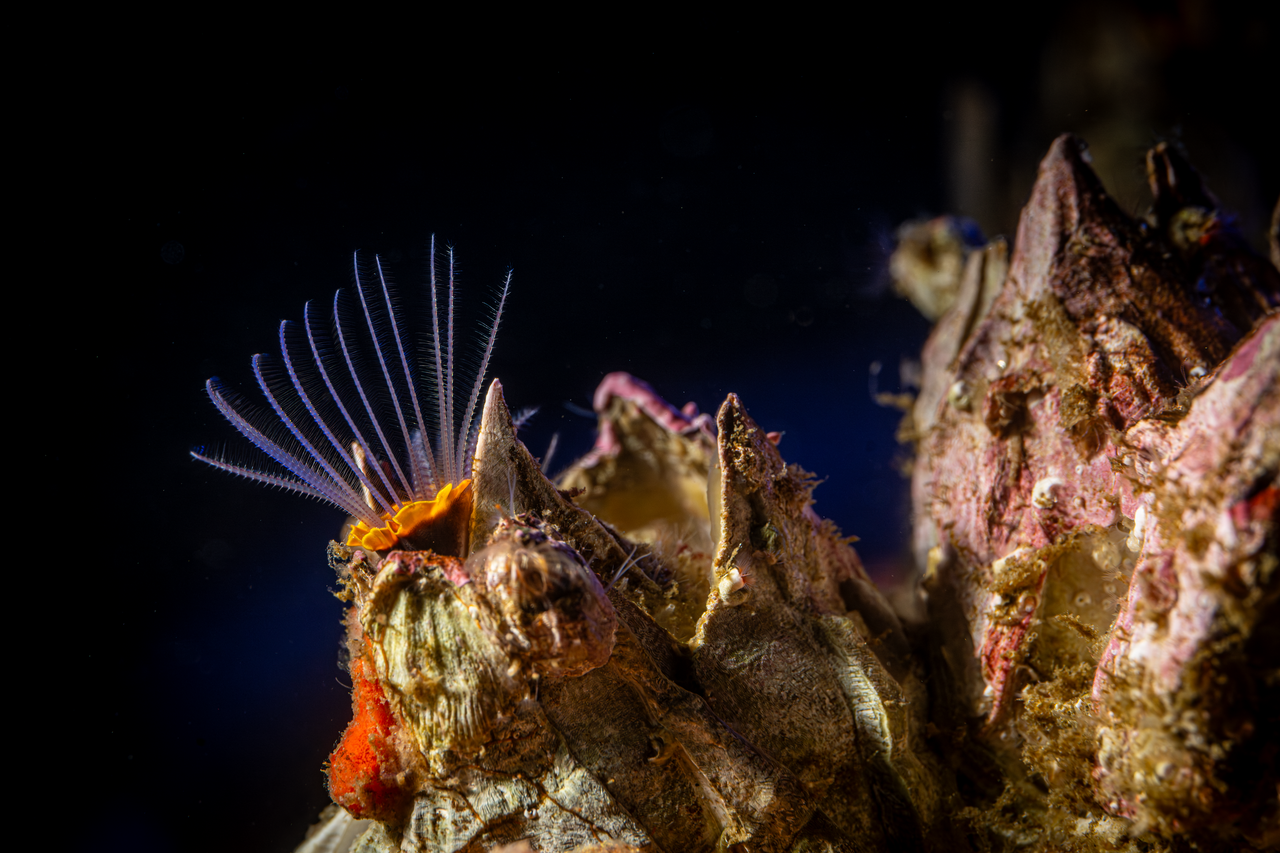
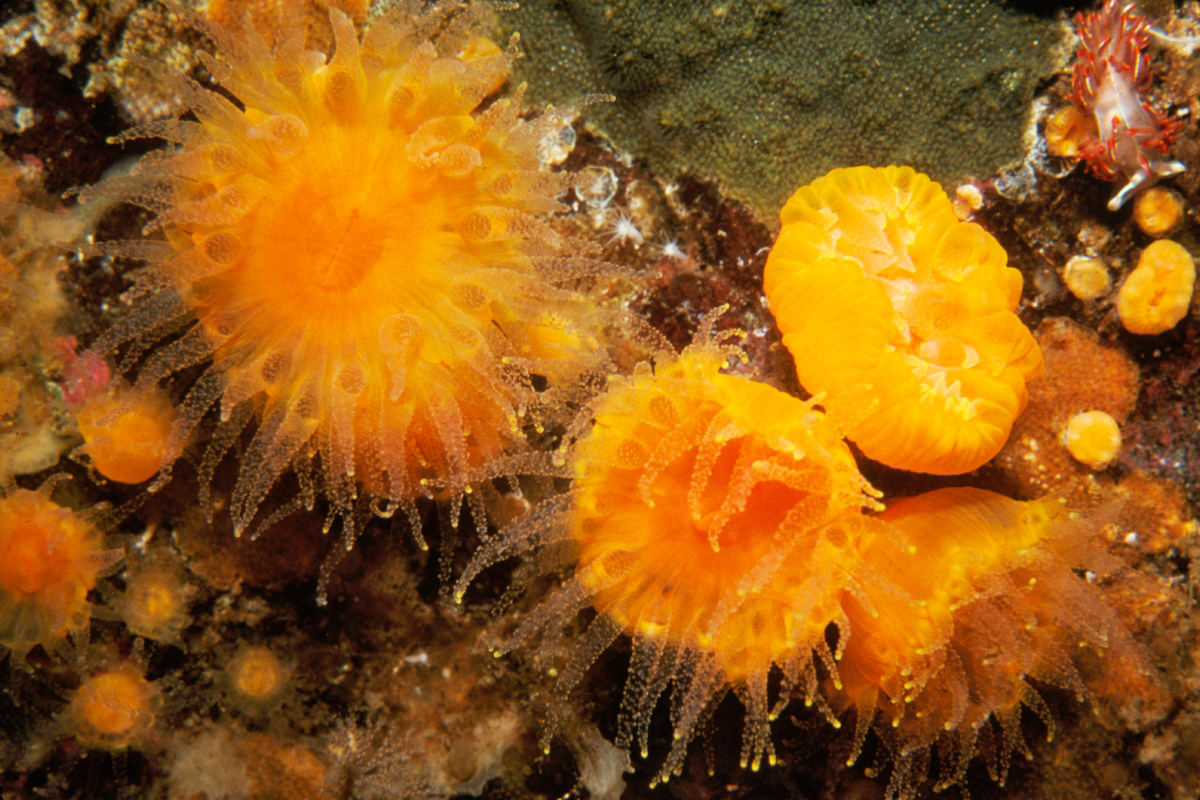
Marine animals compete for space in their ocean homes. Sessile (attached) creatures such as barnacles, oysters, bryozoans, cup coral, and algae find ample places among submerged man-made structures to establish themselves. These filter-feeders thrive on the nutrient-rich waters that sweep against the stationary reefs and pilings.
Room to hide
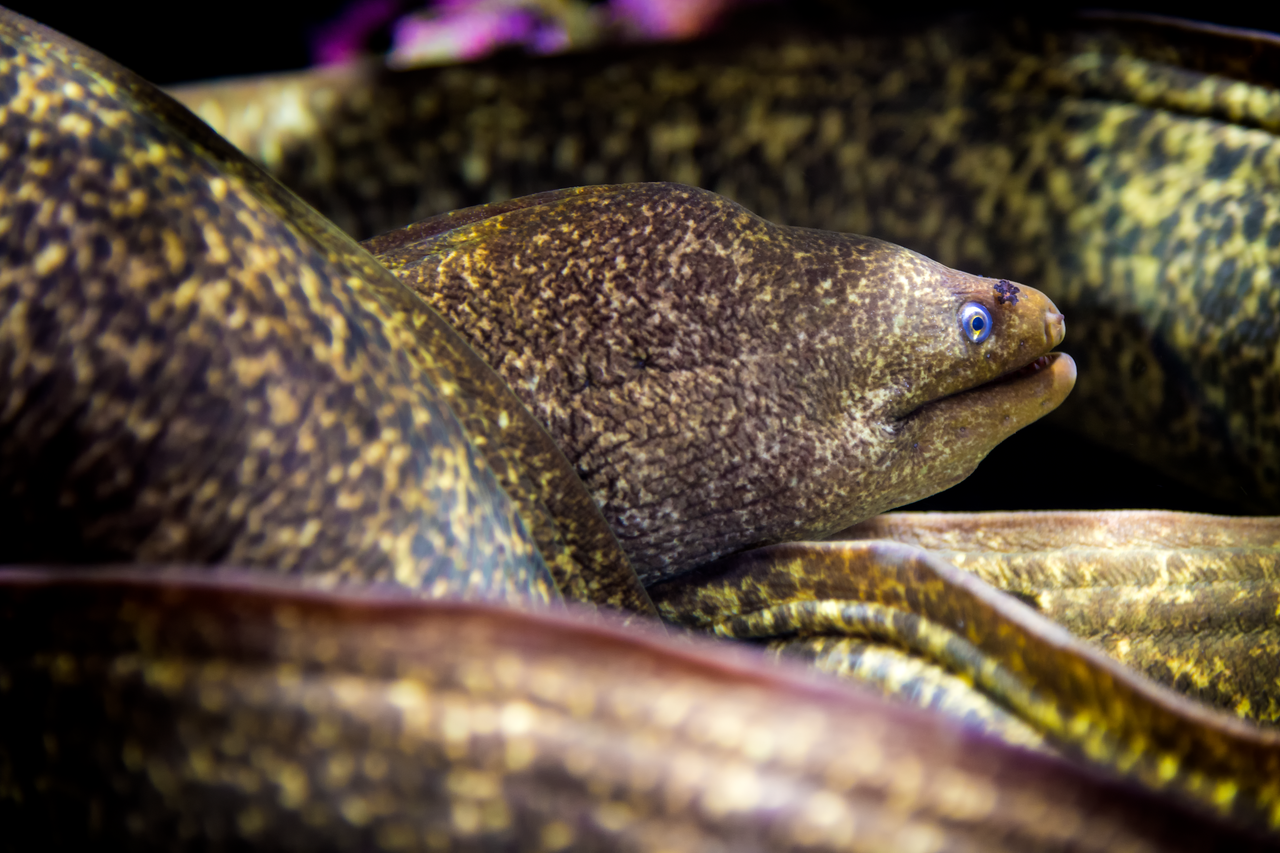
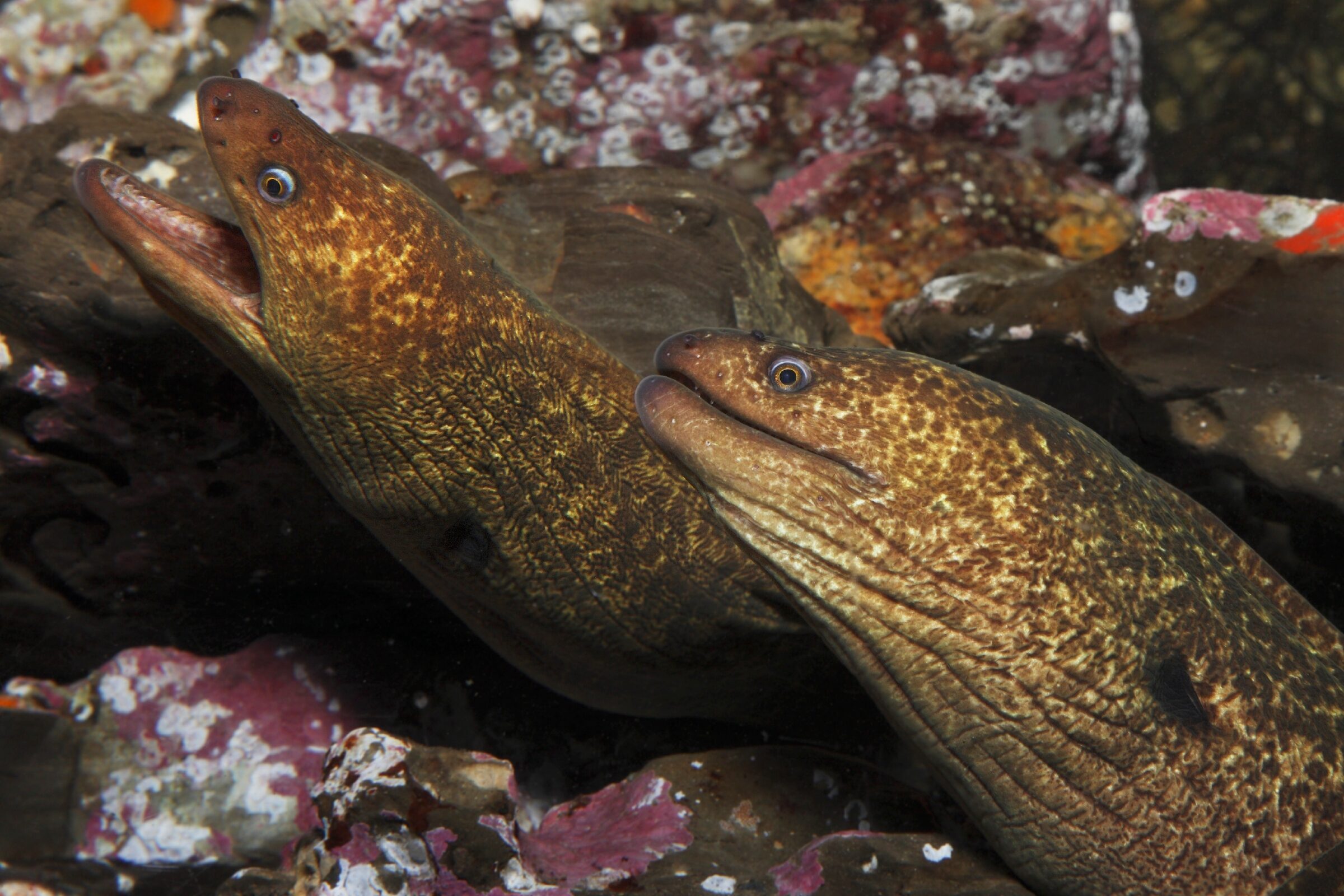
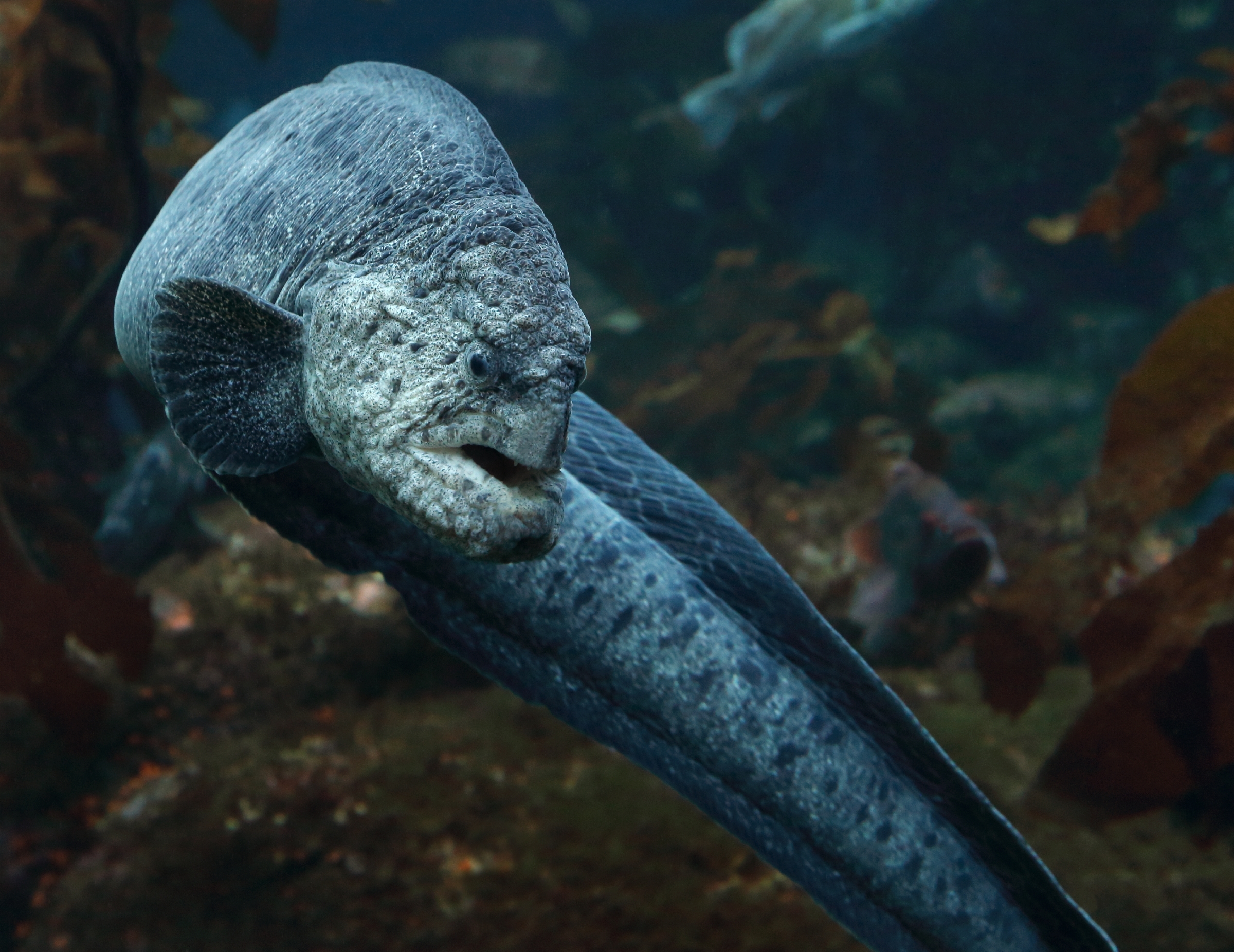
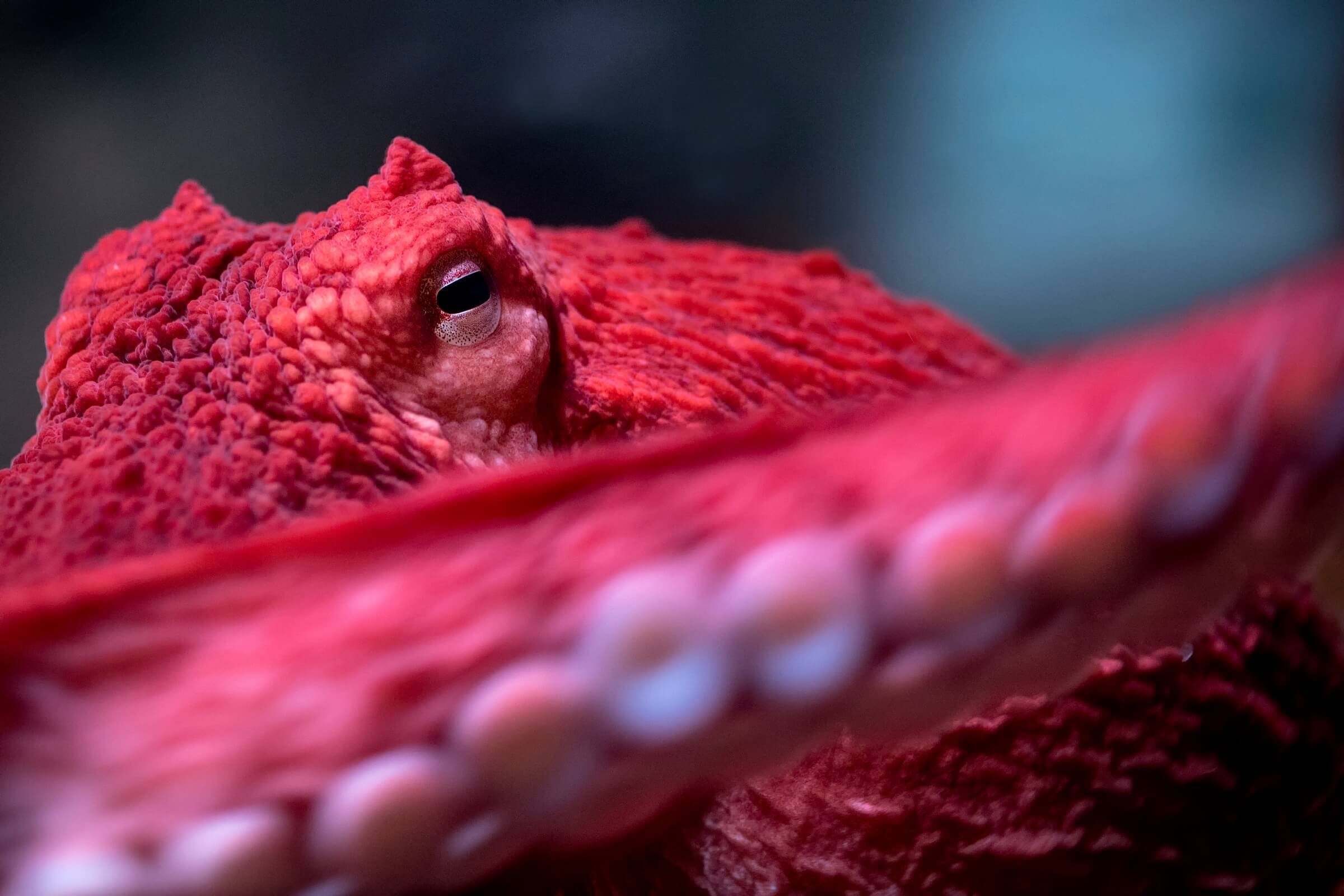
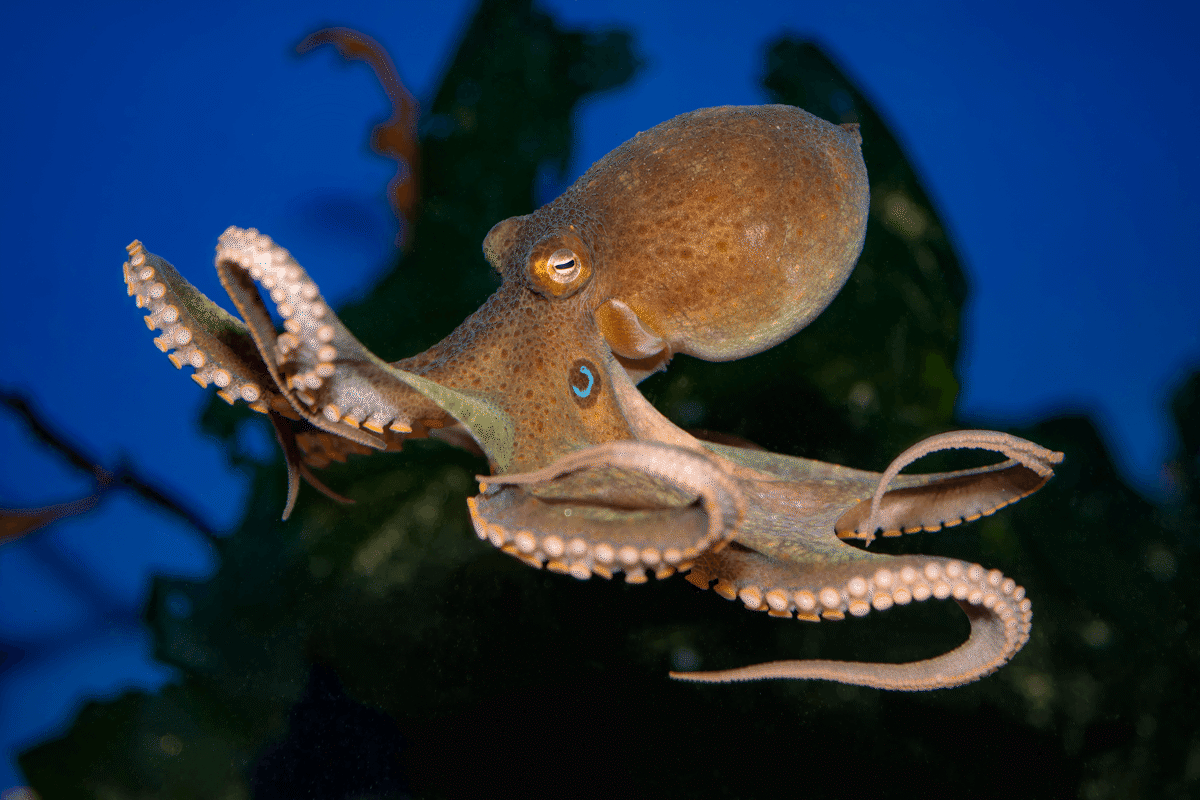
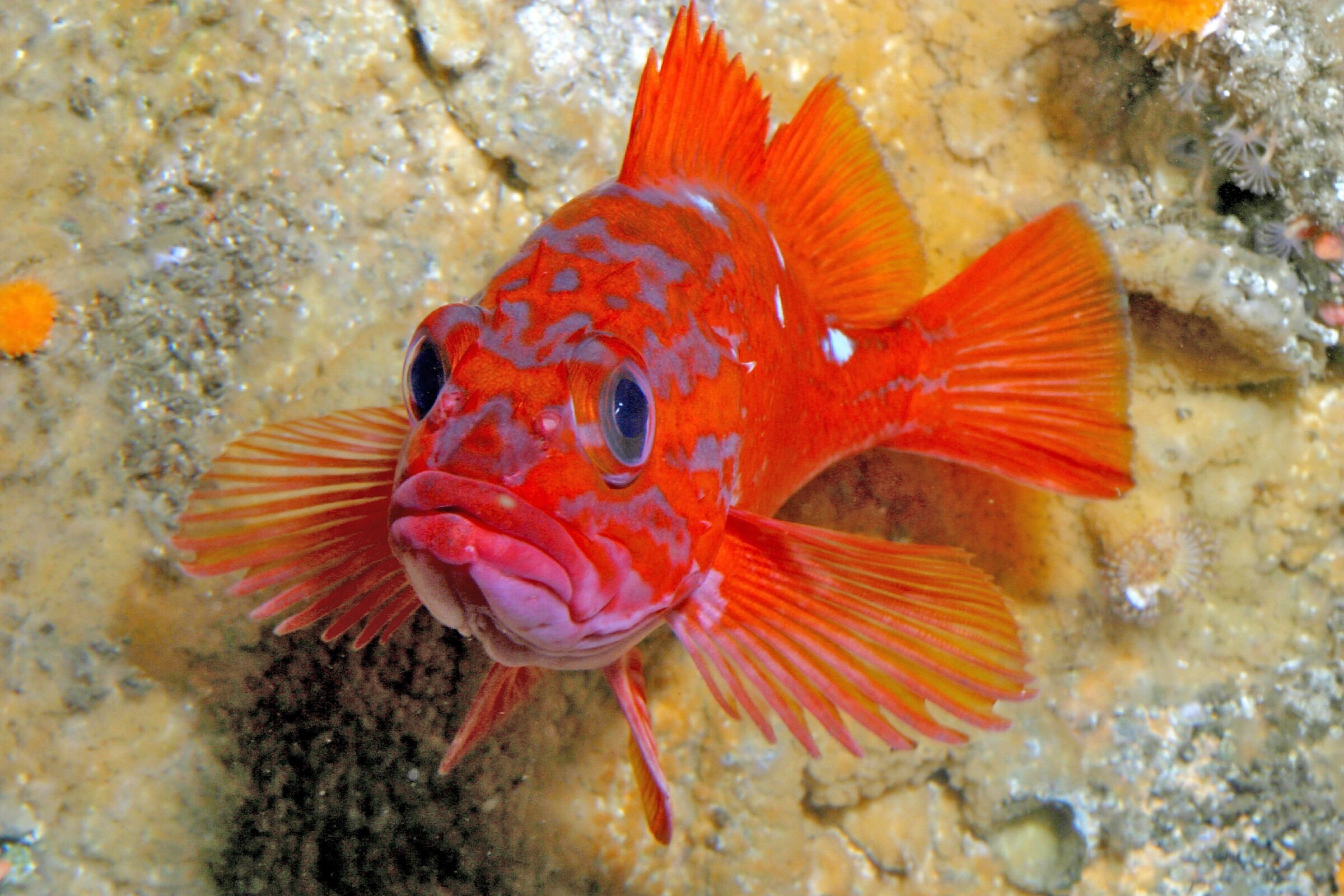
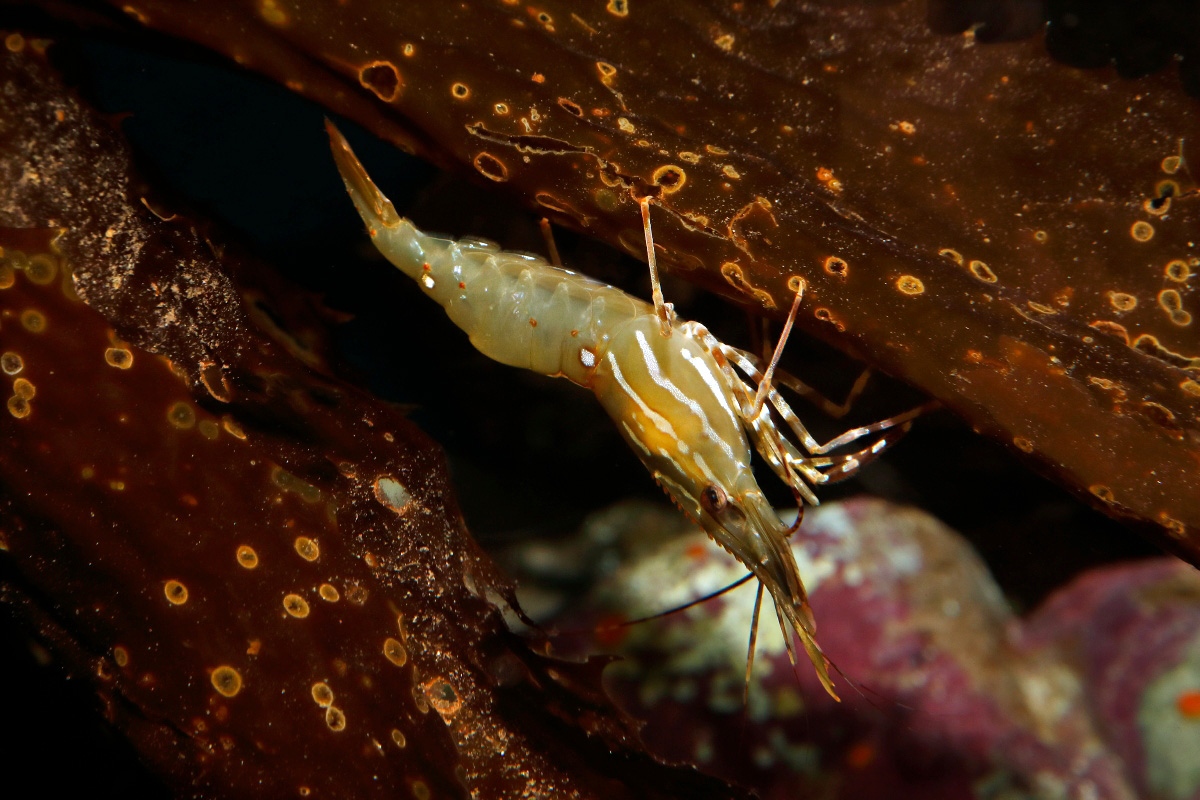
Deep crevices among rock jetties give octopus and eels room to hide from predators and watch for prey. Gloomy shadows cast by wharf pilings and wooden piers help camouflage rockfish, shrimp, sea stars, and other seafloor dwellers, but may limit the amount of kelp and algae—an important food source—that is able to grow here.
How this habitat changes
Rock jetties and wharf pilings slow currents and break up waves, altering the way sand and sediment collects on the seafloor. This altered wave action can cause too much sediment to build up in some places, and not enough sediment to be deposited in other places.
Shifting sediment
Dredging—a process that uses heavy equipment to remove sediment deposits—is sometimes needed to clear nearby waterways for ships and boats. This can further alter the subtidal ecosystems that form among rocks and pilings.
Room to grow
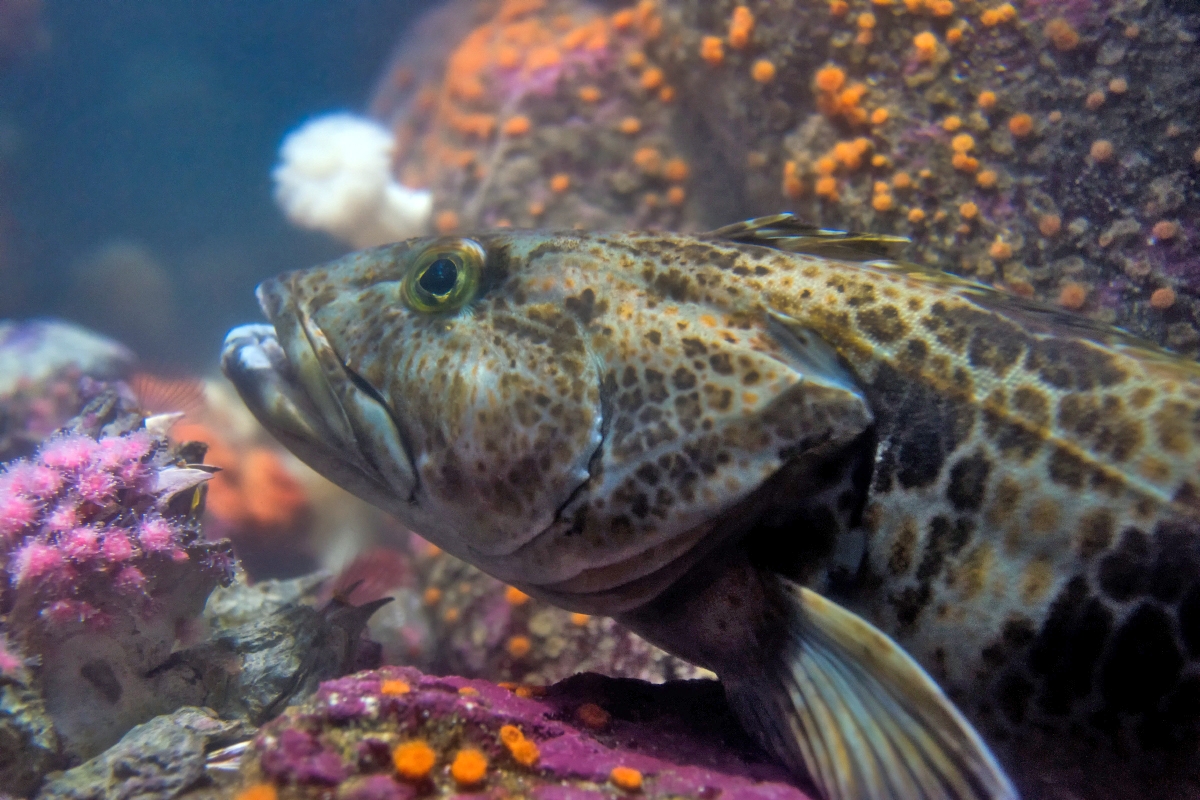
The slower currents and disrupted wave action here create “juvenile-friendly” areas for fishes like lingcod and rockfish to raise their young. The calmer waters also create more hospitable conditions for seafloor regulars like sand dollars.
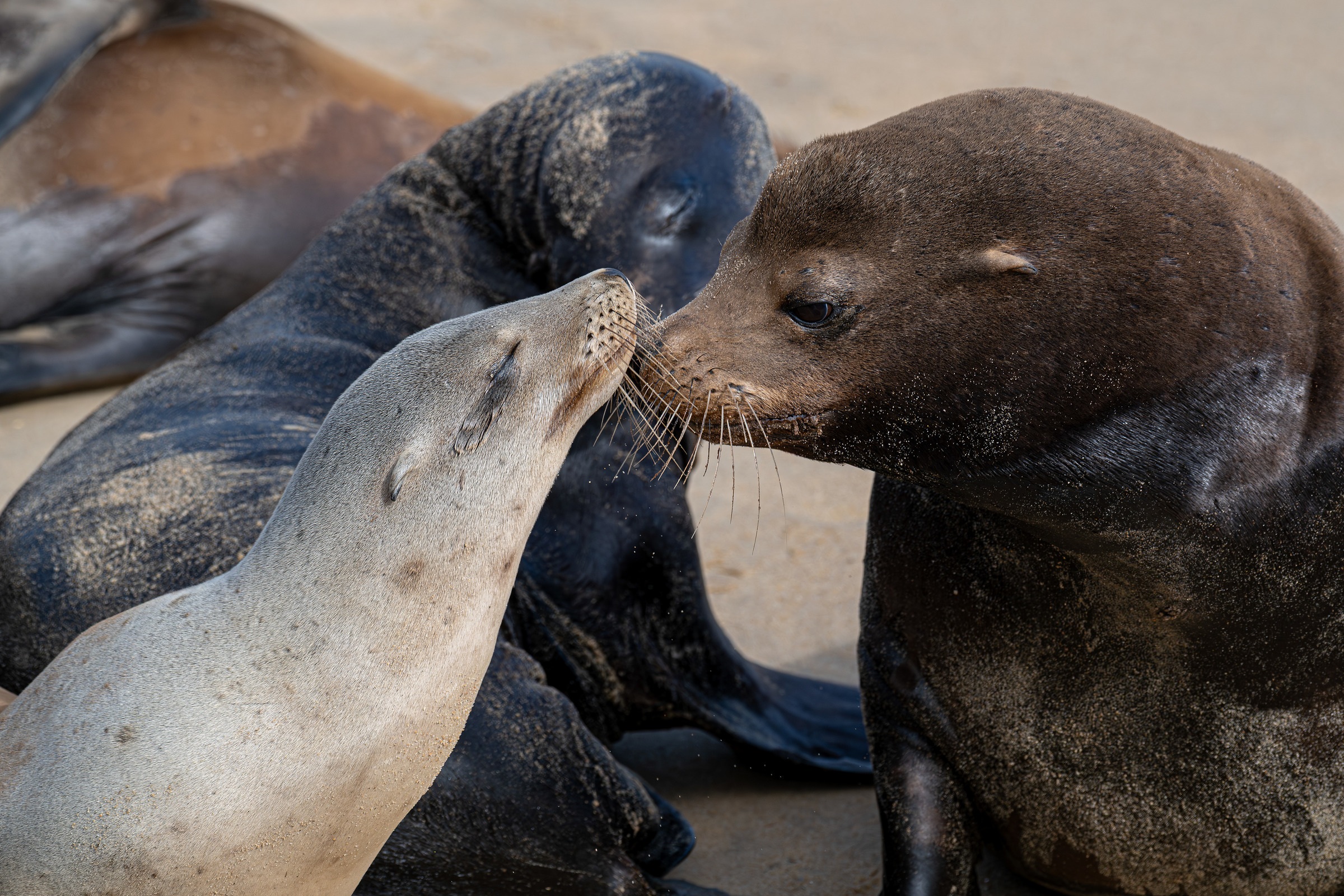
Pilings serve as inviting habitats for California sea lions (Zalophus californianus), who visit to forage for food and sun themselves atop the piers and docks.
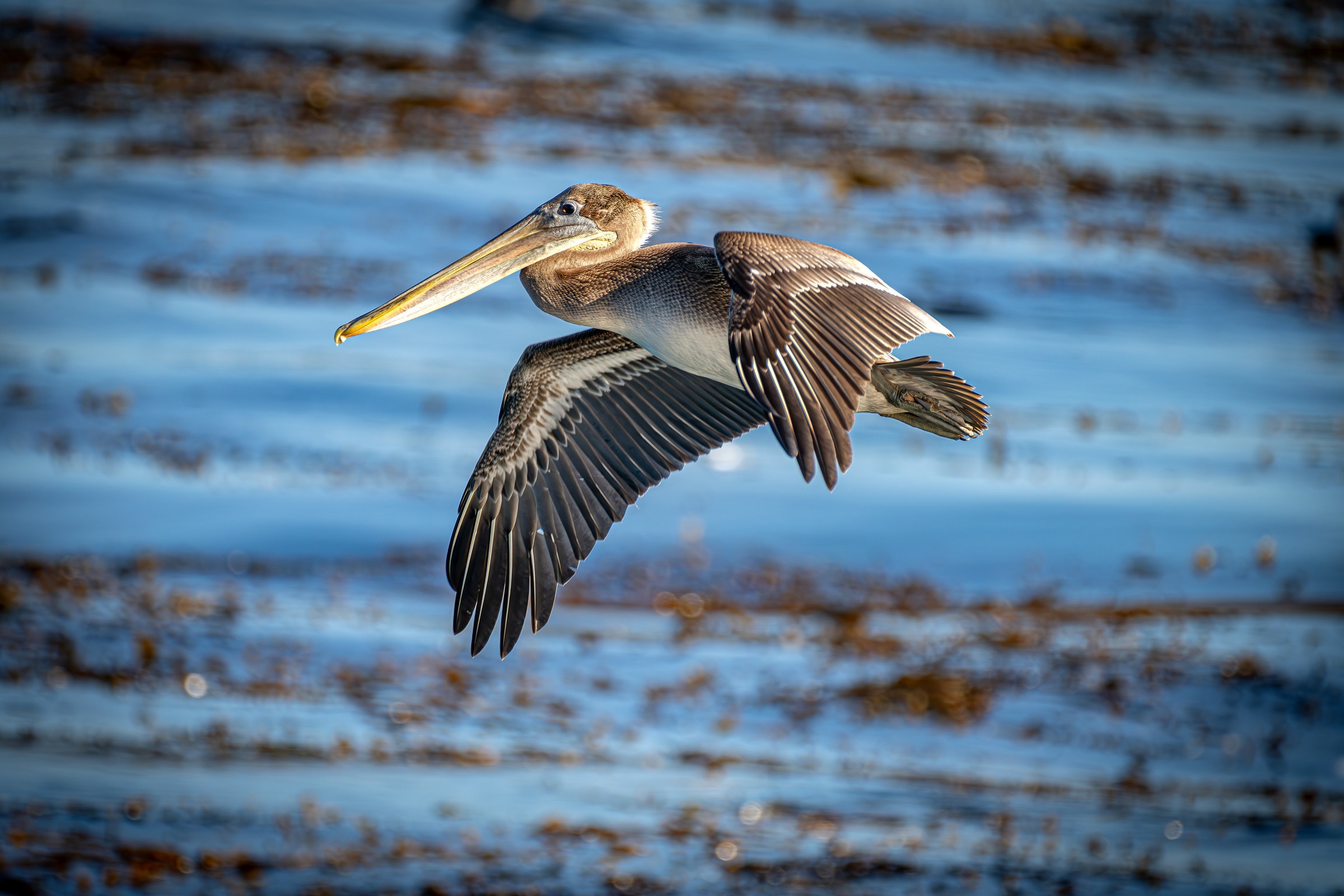
Seabirds like this brown pelican (Pelecanus occidentalis) are often spotted perched on jetties and wharf pilings, watching for fish that school close to the surface.
Things to look for and notice
Pilings serve as inviting habitats for seals and sea lions, who visit to forage for food and sun themselves atop the piers and docks the pilings support. Look for pelicans, shorebirds and sea otters who also frequent these areas to feed on the fish, crustaceans, and mollusks that make their homes here.
How to enjoy and protect this habitat
Reefs and pilings are usually found near harbors, piers, and docks—hubs of human activity. Because of its close proximity to modern life, this habitat is extremely vulnerable to litter, debris, and pollution that makes its way from land into the sea.
Pick up litter and debris
Accumulated marine debris—old fishing gear, sunken vessels, and everyday objects made from metal, glass, rubber, paper and plastic are common sights among rocks and pilings. These items degrade marine habitats by obstructing the seafloor and changing the chemical composition of the sediment.
You can help by picking up and disposing of litter and plastic waste found near wharfs and harbors. And bringing your own reusable water bottles, utensils, and food containers whenever you visit these areas also protects these habitats. Learn more ways you can help reduce plastic pollution.
Explore this habitat in Monterey Bay area
Explore this habitat in the Monterey Bay area
Explore more of the ocean
Ecosystem
Rocky shore
Ruled by tides and packed with hardy sea life, the rocky shore is one of the ocean’s toughest habitats.