

Manage pollution & disease
What’s the issue? Lots of fish housed together can mean lots of waste. Uneaten food pellets and fish waste from pens can pollute the water and impact plants and animals that live on the seafloor. There are also concerns that diseases and parasites—common occurrences in crowded pens—may spread to wild fish.
Understanding the issue
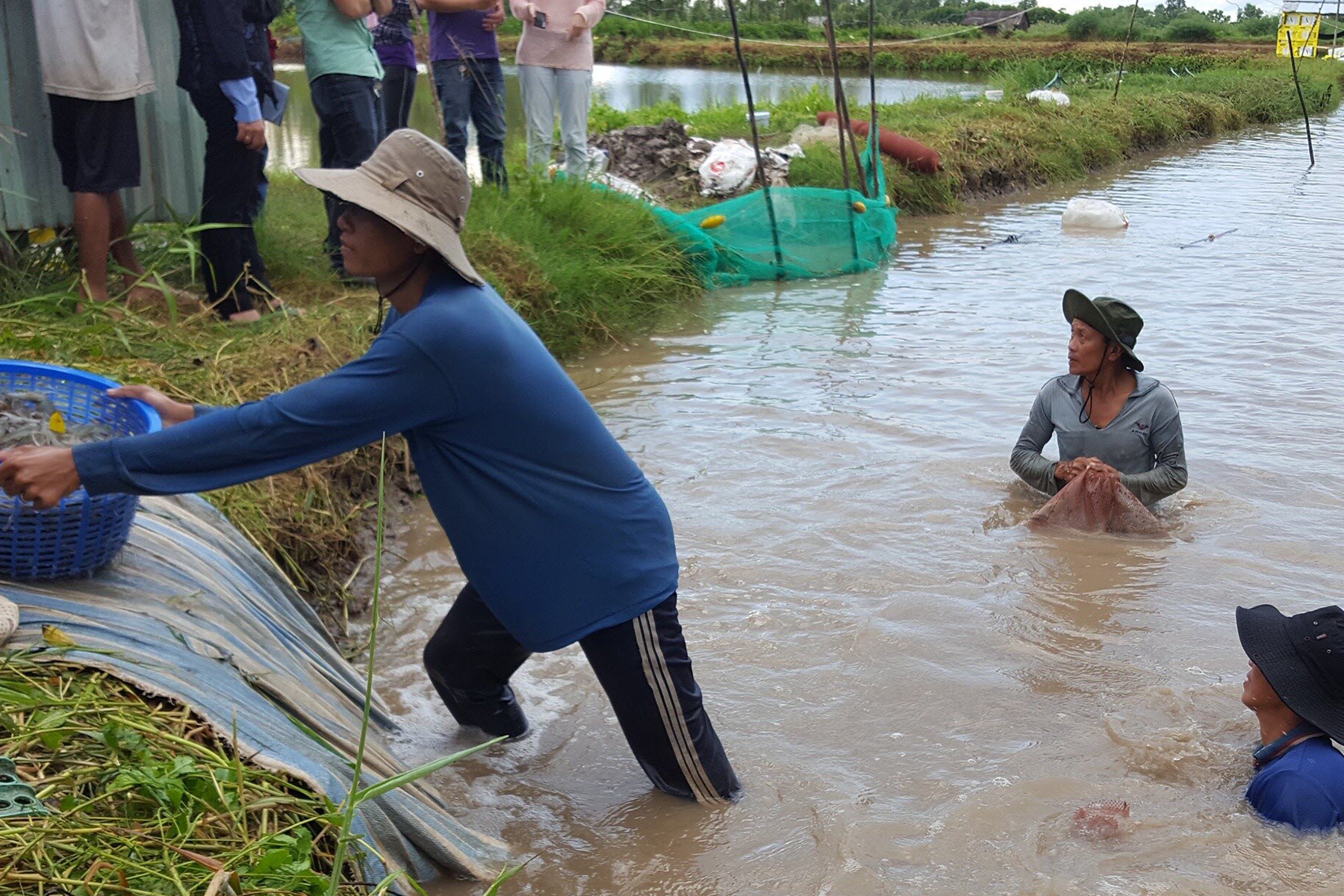
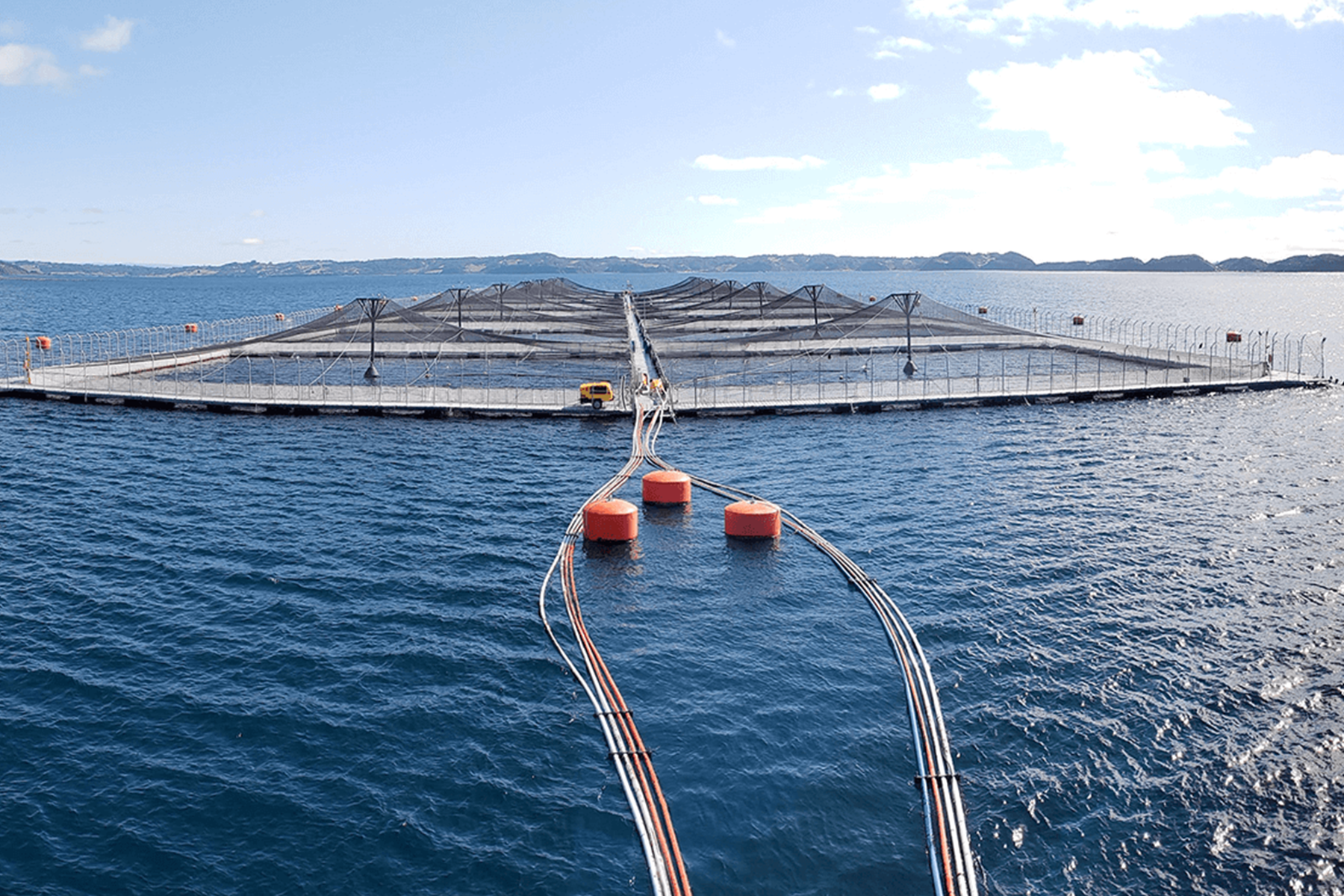
Different types of fish and shellfish are raised in different types of systems—each farming system has its own distinct environmental footprint. Some are more likely than others to spread disease and pollution to nearby water bodies. For example, open net pens are structures made of mesh or net screens that hold farmed fish in open water as they grow. Water, food, chemicals and waste can flow through the net out into the ocean environment. Shrimp, catfish and tilapia are often raised in ponds. These ponds are often built next to a natural water source. Open ponds are flushed regularly and the wastewater drains directly into the nearby waterbody.
Sustainable solutions
Manage wastewater
Farmers who handle the wastewater from their farms responsibly reduce the spread of disease and pollution into nearby waterways—keeping local ecosystems and animals healthy. Some fish farmers manage wastes by using filters to remove sediments and keep them out of neighboring waters.
While open ponds flush directly into the nearby water source, other systems use an intermediary settlement pond to treat the water before it exits the farm or is recirculated back to the farming pond. Similarly, using recirculating tanks or raceways where the water is reused and treated help to reduce the spread of disease and pollution.
In many countries, aquaculture farmers must get permits and meet strict standards for the quality of the water discharged from their farms. However, in regions like Southeast Asia—where aquaculture is dominated by tens of thousands of small-scale farms—enforcing similar regulations across so many farms requires innovative strategies.
Safe use of antibiotics
When fish are concentrated in aquaculture systems there is a risk of disease and parasite outbreaks. This leads some farmers to use pesticides or antibiotics to treat these diseases. Chemicals released from farms into the local environment may impact other organisms. Improper or overuse of antibiotics can lead to the rise of antibiotic-resistant bacteria which could impact human health.
To reduce their risk of disease and need for chemicals, farmers can put in place best practices for fish health such as maintaining good water quality and regularly monitoring for disease. Other best practices include applying treatments only for diagnosed diseases, using proper dosage, keeping accurate records and treating water before discharging it into the environment.
Chilean salmon farmers are challenged with controlling bacterial disease and sea lice parasites in their farms. The use of antibiotics on these farms is common. We're working with Chile’s salmon industry, regulatory organizations and researchers to reduce the use of antibiotics in Chilean salmonid farming by 50 percent by 2025.
Related videos
Land-based fish farming
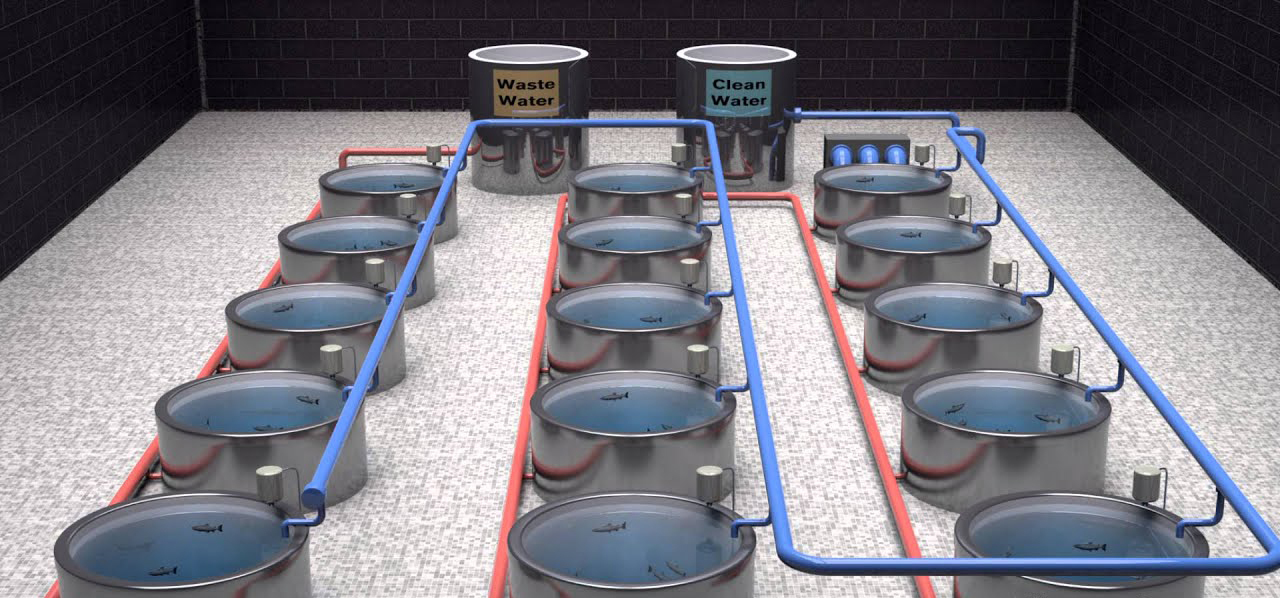
Some farmers are moving their farms out of the ocean and onto land, away from sensitive habitats. With these land-based systems, farmers can filter and treat wastewater, and reduce their impact on the surrounding ecosystem. In a growing number of countries, commonly-farmed fish like tilapia, catfish, salmon, Arctic char and trout are being raised in onshore systems. This demonstrates that most any fish can be farmed with little or no impact on sensitive marine habitats.
Animals & the ocean
Fishing & farming methods
When you choose sustainable seafood, you reward the fishermen and farmers who use better harvest methods.
What Seafood Watch is doing?
We’ve assessed most of the farmed seafood on the North American market. As part of our seafood rating process, we evaluate the impact, or risk of impact, of waste discharged on the surrounding waters, disease transmission to wild populations and the use of chemicals within the aquaculture facility.
Explore more sustainable solutions
Animals & the ocean
Avoid overfishing
Overfishing puts pressure on ocean ecosystems, but science-based solutions can help protect fish populations.
Read more – Avoid overfishing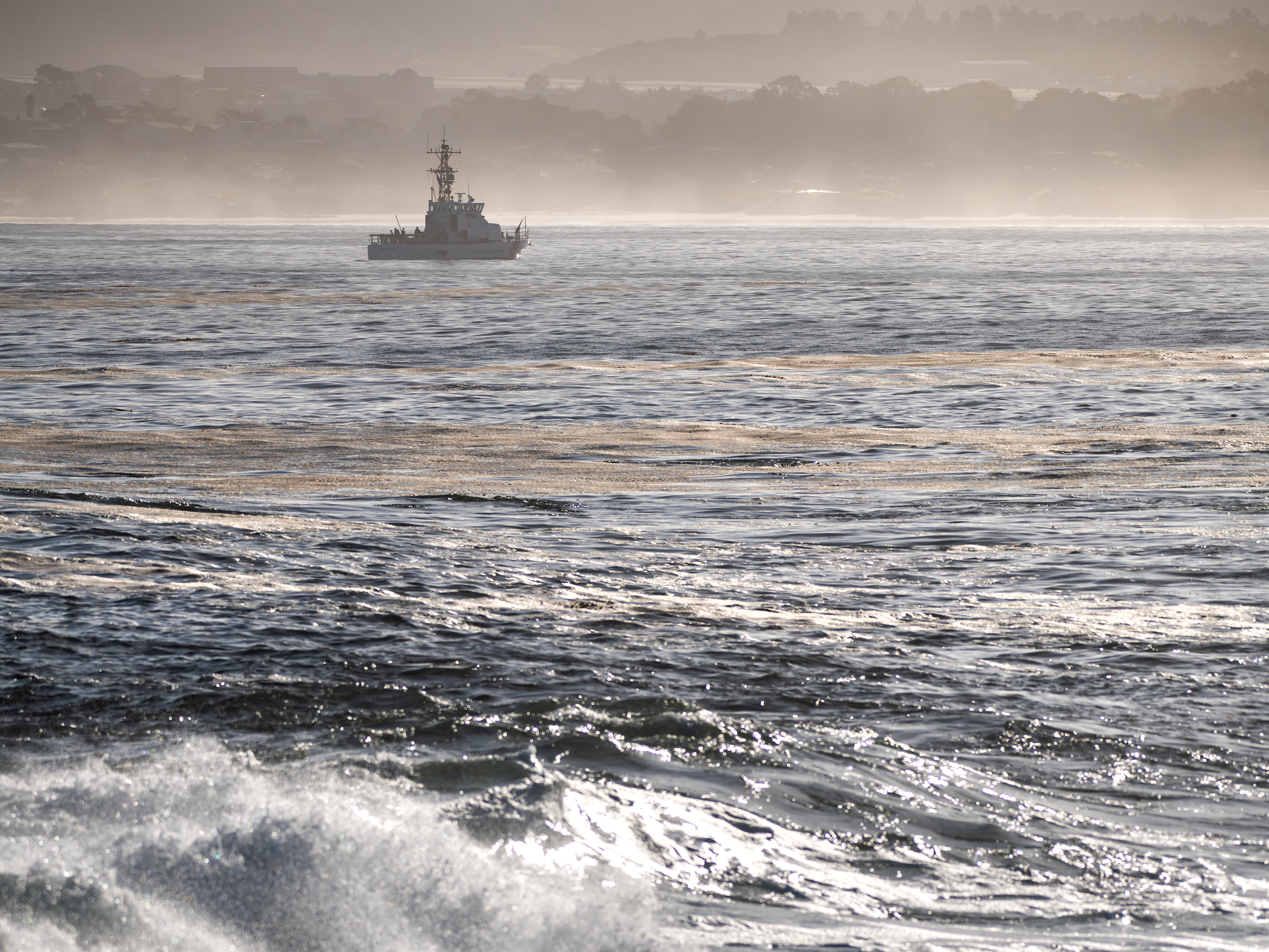
Animals & the ocean
Consider climate
It takes a lot of fuel to grow, package, and transport food, which contributes to climate change.
Read more – Consider climate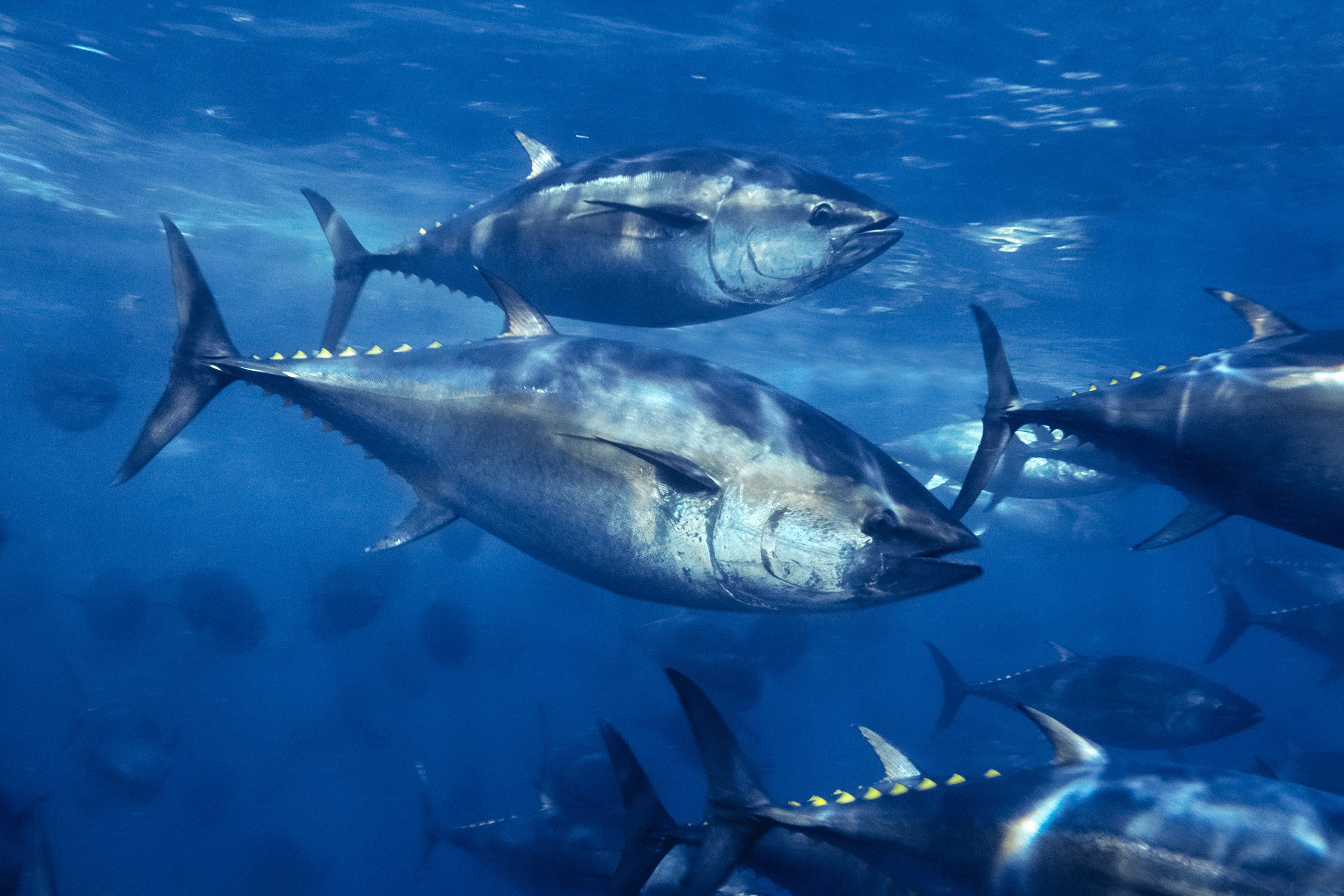
Animals & the ocean
Improve traceability
By tracking seafood through the supply chain, consumers can verify its environmental and social impact.
Read more – Improve traceability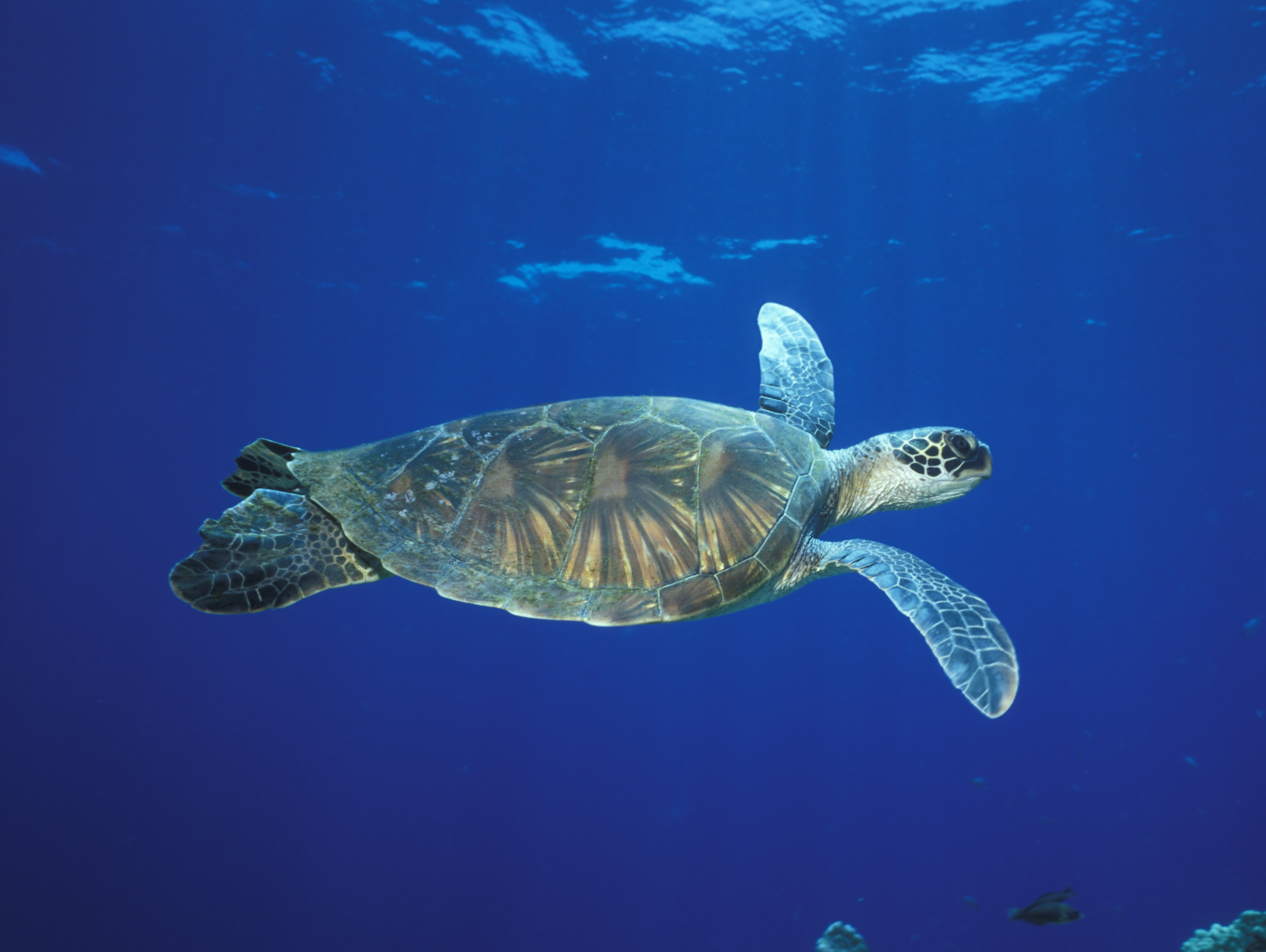
Animals & the ocean
Limit bycatch
Bycatch—when non-target marine life is caught in fishing gear—harms ocean wildlife, but solutions exist.
Read more – Limit bycatch