
Sustainable sardine, anchovy & herring buying guide
Tiny fish like sardines, anchovies, and herring are packed with flavor and nutrition, making them the snack-sized superheroes of seafood. These seafoods are also considered "forage fish" in certain ecosystems because they play a crucial role in the marine food web. If you’re a fan of canned sardines, anchovies, and herring, you have sustainable options, but it’s important to know what to buy and what to avoid.
Quick buying guide
- Buy sardines caught in Japan or Morocco.
- Buy anchovies caught in Chile, Morocco, or Peru.
- Buy lake herring (also called cisco) caught in Lake Superior.
- Buy Pacific herring caught in Canada.
- Buy Marine Stewardship Council (MSC) certified sardines, anchovies, and herring.
- Avoid sardines and anchovies from France, Portugal, or Spain unless you confirm they're from a yellow-rated Spanish source (scroll down for more information).
- Avoid sardines and anchovies caught in the Mediterranean region.
Learn more about forage fish on SeafoodWatch.org
What to buy or avoid?
Sardines and anchovies are mainly canned, while herring is available in many product forms, including canned, smoked, salted, pickled, fresh, and frozen. Canned and other processed seafood will have a “Product of X” statement on the label. However, the country in this statement might not be where the seafood was caught or farmed. Here's why: Under the U.S. Country of Origin Labeling law, when seafood is processed, companies are only required to indicate the last country where processing took place—not where it was harvested. Also, they don’t have to state whether the seafood was farm-raised or wild-caught.
What does this mean for you, the consumer? If you don’t see the MSC logo on the label, you’ll need to look more closely (or online) to see if the brand voluntarily provides information about where the sardines, anchovies, and herring were caught. Purchasing from businesses committed to sustainable seafood can increase the likelihood of buying green-rated, yellow-rated, or certified seafood.
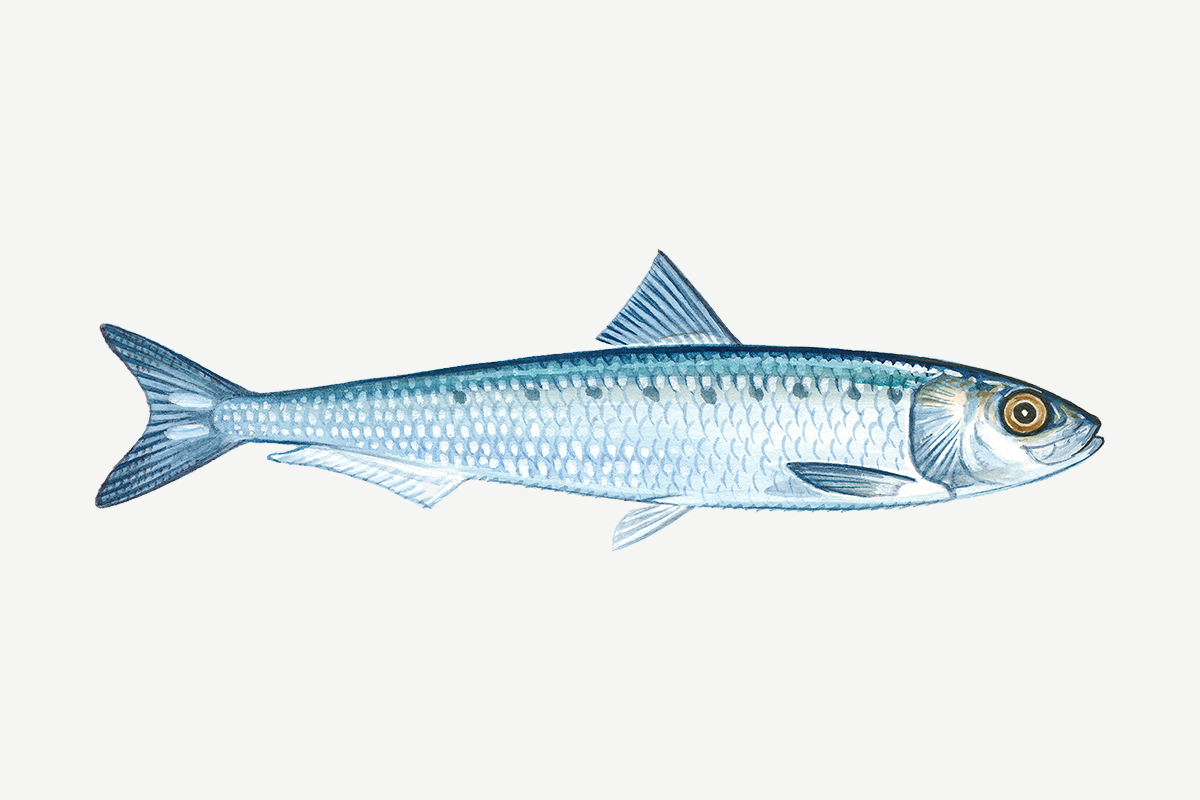
© Scandposters
Sardines
Our recommendations cover three sardine species: Brazilian sardinella, European pilchard, and Japanese pilchard. All three species are marketed as “sardines.” If you see the name “brisling sardines,“ it’s likely European sprat, a type of herring.
- Buy sardines caught in Japan or Morocco.
- Buy MSC certified sardines.
- Avoid sardines caught in Brazil due to bycatch impacts, ineffective management, and the lack of policies protecting their role in the ecosystem.
- Avoid sardines from the Mediterranean region because overfishing is likely occurring in most areas, bycatch impacts, and ineffective management.
- Avoid sardines from France, Spain, or Portugal, except if you can confirm Spanish fisheries caught them in the southern Bay of Biscay. Otherwise, they're rated red because either overfishing or serious bycatch impacts are occurring, and management is ineffective.
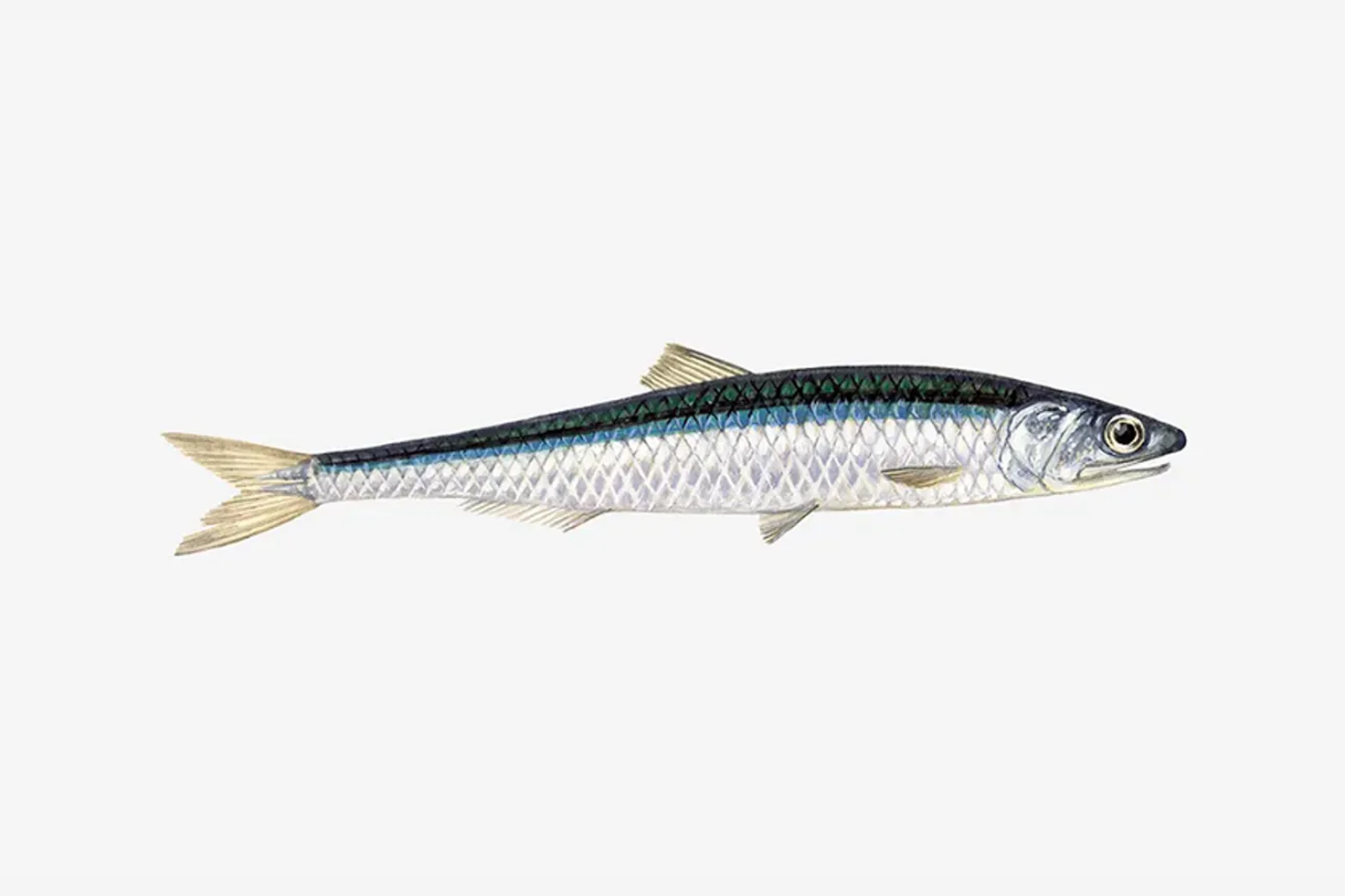
© Scandposters
Anchovies
Our recommendations cover two anchovy species: European anchovy and anchoveta.
- Buy anchovies caught in Chile, Morocco, or Peru.
- Buy MSC certified anchovies.
- Avoid anchovies from the Mediterranean region because they’re caught with other vulnerable species, and management is ineffective.
- Avoid anchovies from France, Portugal, or Spain, except if you can confirm Spanish fisheries caught them in the central or southern Bay of Biscay. Otherwise, they’re rated red because overfishing or serious bycatch impacts are occurring, and management is ineffective.
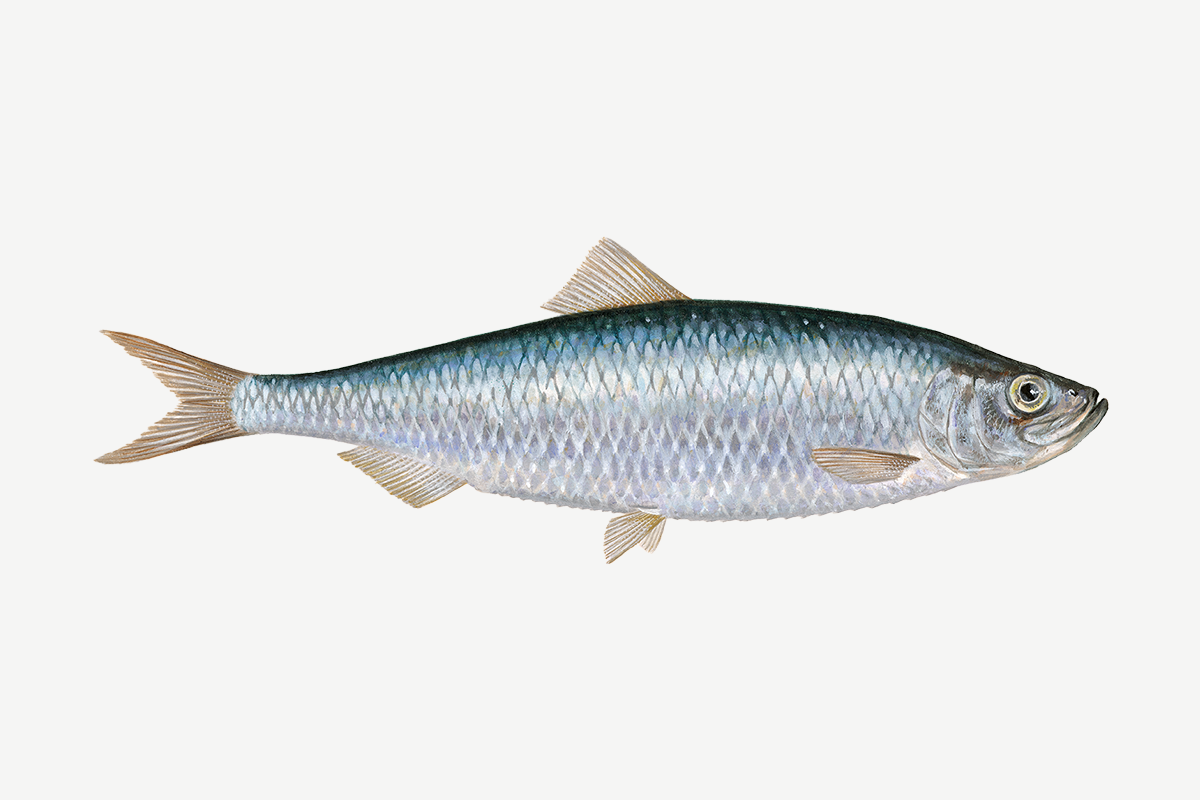
© Scandposters
Herring
Many species are marketed as herring, including Pacific herring, Atlantic herring, lake herring, and European sprat. Consumers are more likely to find MSC certified herring than the sources we've assessed, which account for a tiny amount of global herring production. Herring is often called "kippers" when canned.
- Buy Pacific herring caught in Canada.
- Buy lake herring (also called cisco) caught in Lake Superior.
- Buy MSC certified herring.
- Avoid Atlantic herring caught in the U.S. unless you can confirm it was caught with purse seines. Atlantic herring caught with bottom or midwater trawls is rated red because these fisheries catch overexploited Atlantic mackerel, and measures to protect mackerel's important ecological role are not in place.
- Avoid European sprat caught in Ireland and Scotland because management is ineffective in both countries, plus unknown impacts on at-risk and protected species in Ireland.

Certified sardines, anchovies, and herring
- Buy Marine Stewardship Council (MSC) certified sardines, anchovies, and herring.
View certified sardine, anchovy, and herring recommendations on SeafoodWatch.org
Sushi
When sold as sushi, herring is called nishin, and sardines are called iwashi.
Follow the above tips and check the Seafood Watch Sushi Guide for quick reference.
More about sardine, anchovy, and herring recommendations
When are sardines, anchovies, and herring environmentally sustainable?
Anchovies and herring rated green by Seafood Watch are the most environmentally sustainable because they come from healthy populations, and well-managed fisheries have minimal to no impact on other marine life and habitats. Currently, there are no green ratings for sardines.
Sardines, anchovies, and herring rated yellow almost always mean there's one area where significant improvements are needed on harvest levels, bycatch impacts, management effectiveness, or ecosystem impacts.
Sardines, anchovies, and herring rated red by Seafood Watch are not environmentally sustainable because of two or more areas of serious concern, such as the population is depleted, overfishing is occurring, serious bycatch impacts, or a lack of effective science-based management.
What are the main sardine, anchovy, and herring fishing methods?
Schooling fish like sardines, anchovies, and herring are primarily harvested with purse seines or midwater trawls. Pacific herring is also caught with drift gillnets, and lake herring is harvested with stationary uncovered pound nets in Lake Superior.
Purse seines, midwater trawls, and stationary uncovered pound nets are considered more selective fishing methods, meaning they tend to have fewer bycatch impacts. Although bycatch can be a major concern in certain drift gillnet fisheries, bycatch impacts are minimal in the fisheries that harvest Pacific herring in Canada.
Here′s a quick look at the main fishing methods used to catch sardines, anchovies, and herring:
- Purse seines surround fish with a large wall of netting that’s closed like a drawstring purse.
- Midwater trawls herd fish into one or more cone-shaped nets as they’re towed through midwater.
- Drift gillnets are long nets that drift with the current. Herring are entangled when they swim into the netting.
- Stationary uncovered pound nets are large nets that are fixed in place with stakes or other equipment. The gear is oriented to take advantage of herring’s movement patterns and configured to guide them into an enclosed chamber.
How to use this guide
Our green, yellow, and red ratings indicate environmental risk. We use our ratings and third-party certifications to make our recommendations.
Choose
- Green-rated seafood because environmental risks are low.
- Yellow-rated seafood because environmental risks are moderate.
Avoid
- Red-rated seafood because environmental risks are high, often due to overfishing, poor management, or harm to marine life and habitats.
Where to find sustainable seafood
Finding sustainable seafood is easier than you might think. Here’s how to get started.
- Use Seafood Watch guides. Our Popular Seafood Guide covers the seafoods you’re most likely to encounter and is the easiest place to start. Our national guide covers many more seafoods and works anywhere in the U.S. Our six regional guides are tailored to what you’re likely to find in your part of the country. Our 14 species guides cover all of our recommendations for each species, including salmon, shrimp, tuna, crab, and other popular seafood.
- Shop at businesses committed to sustainable seafood. Some retailers have made formal commitments to follow Seafood Watch recommendations. MOM's Organic Market and PCC Community Markets follow our recommendations. Whole Foods Market sources green-rated, yellow-rated, and MSC certified wild seafood and has a proprietary standard for farmed seafood.
- Dine with one of our partners. The Cheesecake Factory and California Fish Grill have commitments to serve sustainable seafood, and Seafood Watch Best Choice Restaurant Program partners offer at least one green-rated seafood dish on their menus. For a meal-kit option, all HelloFresh seafood is green-rated, yellow-rated, or certified.
- Ask a question. Next time you’re at a seafood counter or restaurant, ask “Do you sell sustainable seafood?” It’s a simple question that does more than you might think. When you ask this question, you’re helping create demand for sustainable seafood and encouraging businesses to offer it.
Explore more species guides
Animals & the ocean
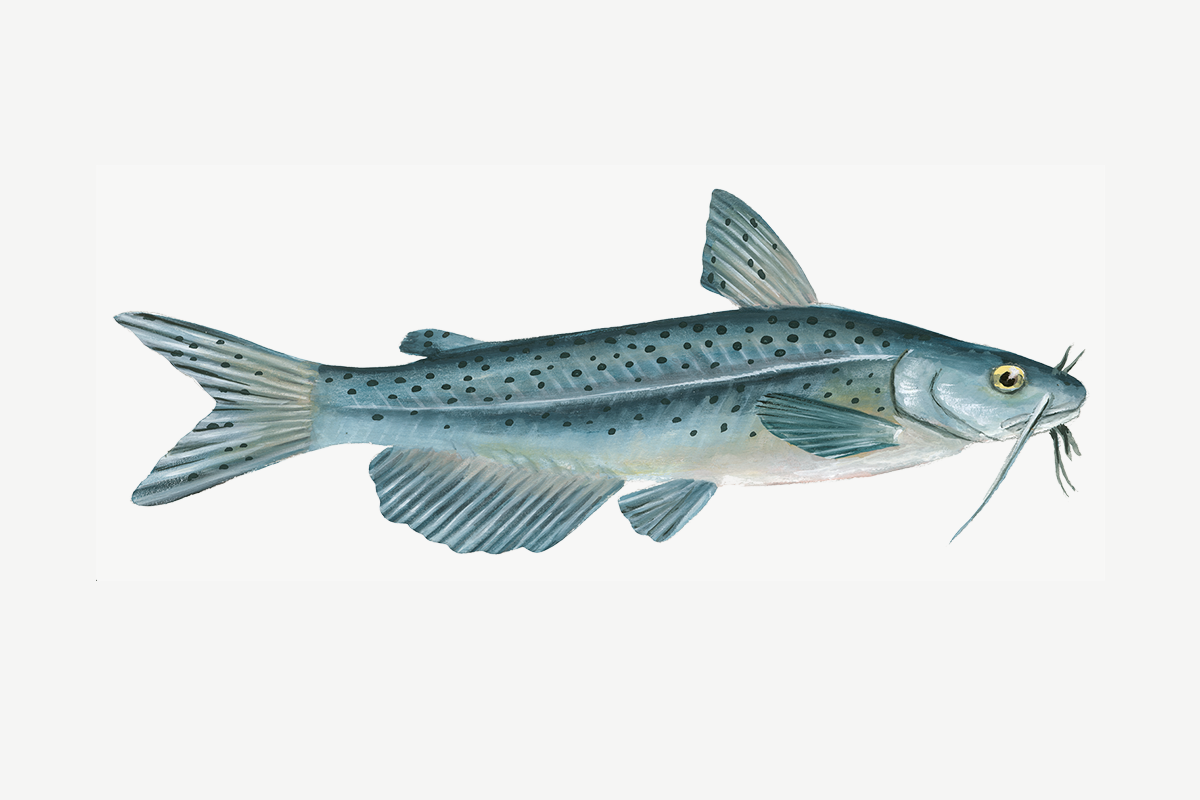
Sustainable catfish & pangasius buying guide
Catfish and pangasius—use this guide to choose wisely.
View this buying guide – Sustainable catfish & pangasius buying guide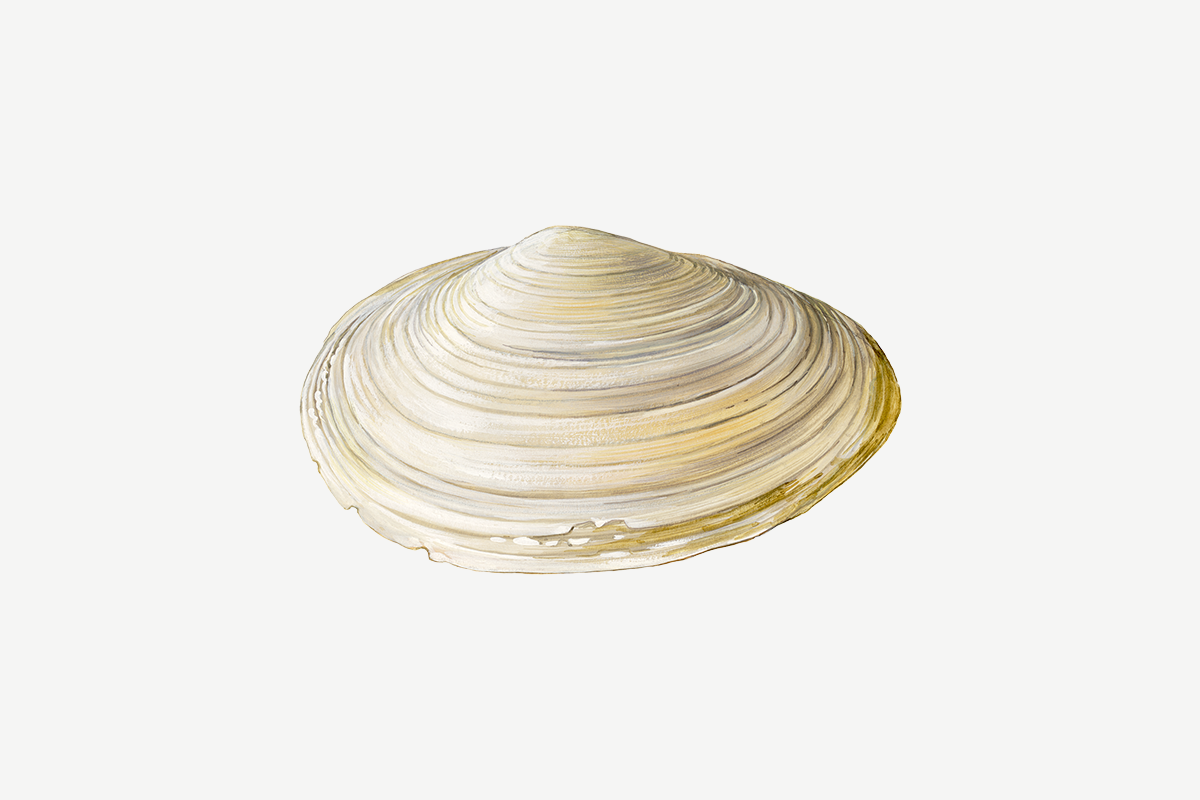
Animals & the ocean
Sustainable clams, mussels, oysters & scallops buying guide
Clams, mussels, oysters, and scallops are among the most sustainable seafood choices.
View this buying guide – Sustainable clams, mussels, oysters & scallops buying guide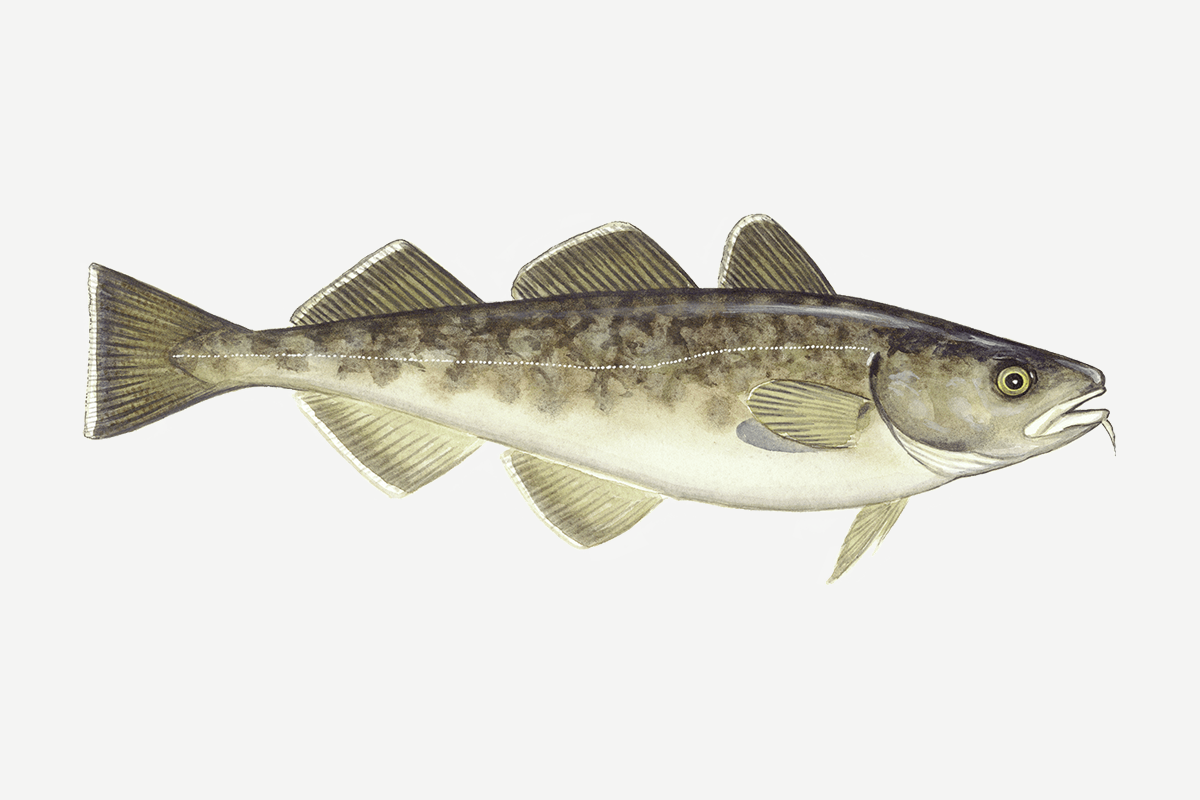
Animals & the ocean
Sustainable cod & haddock buying guide
Know which cod and haddock to buy and avoid the next time you order fish and chips.
View this buying guide – Sustainable cod & haddock buying guide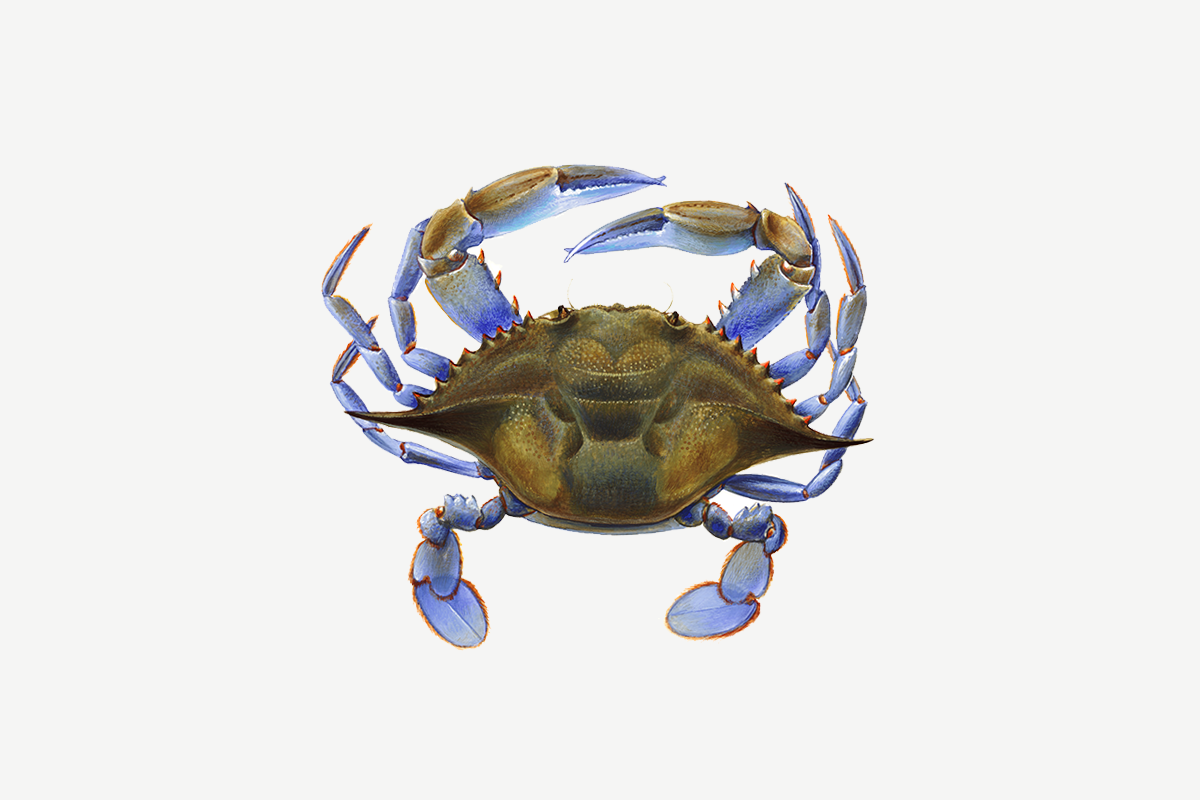
Animals & the ocean
Sustainable crab buying guide
Crab can be tricky, but this guide makes it easy to know what to buy and avoid.
View this buying guide – Sustainable crab buying guide