
Sustainable snapper buying guide
Snappers are colorful, reef-dwelling fish found in warmer waters around the world. Nearly all snappers caught in the U.S. are environmentally responsible choices. However, a lot of imported snapper hasn’t been evaluated for sustainability, so it’s important to know what to buy and what to avoid.
Quick buying guide
What to buy or avoid?
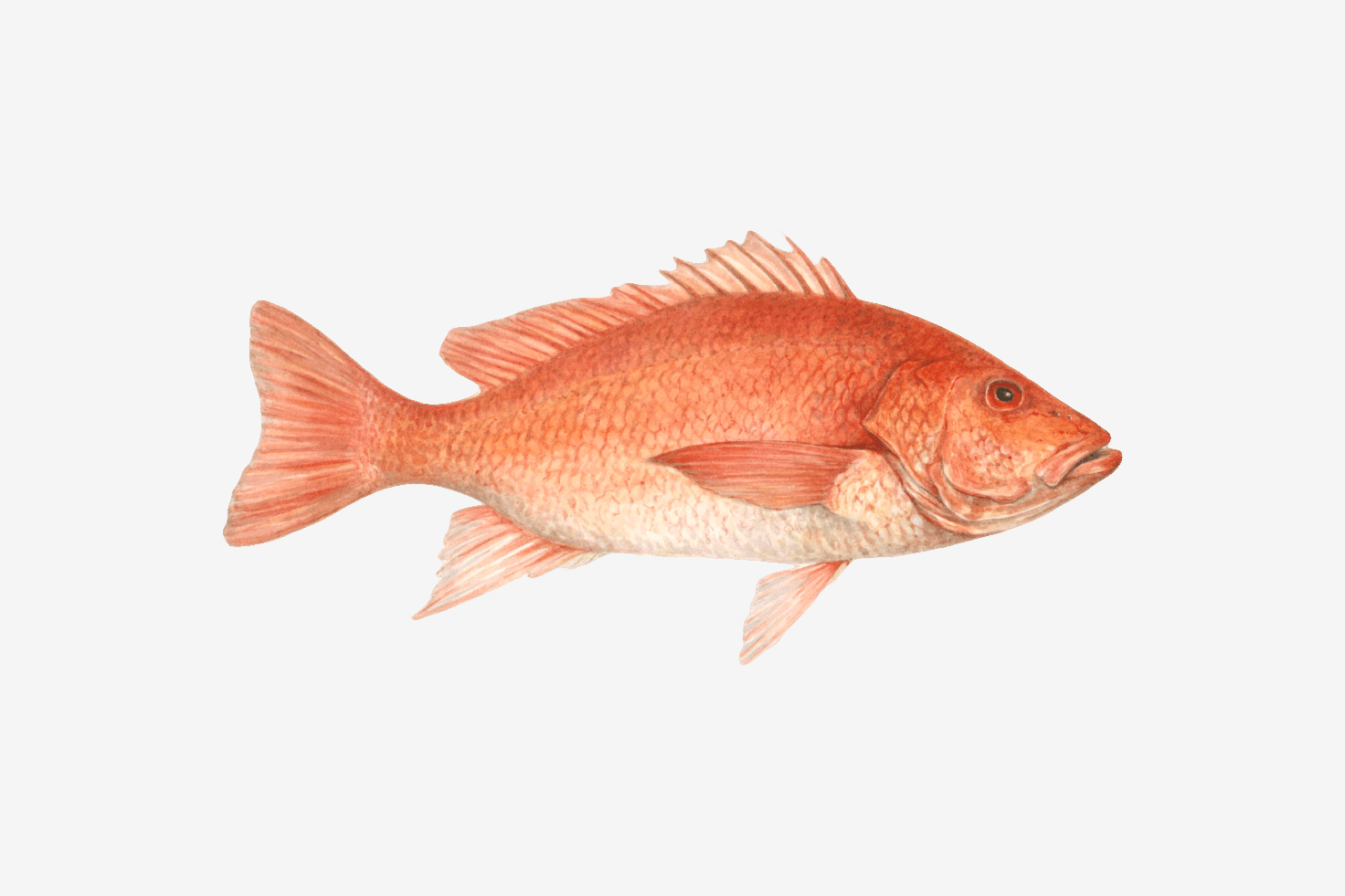
U.S. South Atlantic and U.S. Gulf of Mexico snapper
Nearly all snapper caught in the U.S. South Atlantic and U.S. Gulf of Mexico are rated green or yellow. About 40 percent of what’s caught is red snapper. Vermilion snapper and yellowtail snapper each make up about 9 percent of the total catch. Blackfin, gray, lane, mutton, queen, and silk snappers each make up a small share of the overall catch.
- Buy red snapper caught in the Gulf, but not in the South Atlantic. The good news is that about 99 percent of the total red snapper catch covered by our ratings comes from the Gulf.
- Buy blackfin, gray, mutton, queen, silk, vermilion, and yellowtail snappers.
- Buy lane snapper caught with vertical lines in the South Atlantic and Gulf, but not when caught with set longlines in the Gulf.
View U.S. South Atlantic and U.S. Gulf of Mexico recommendations on SeafoodWatch.org
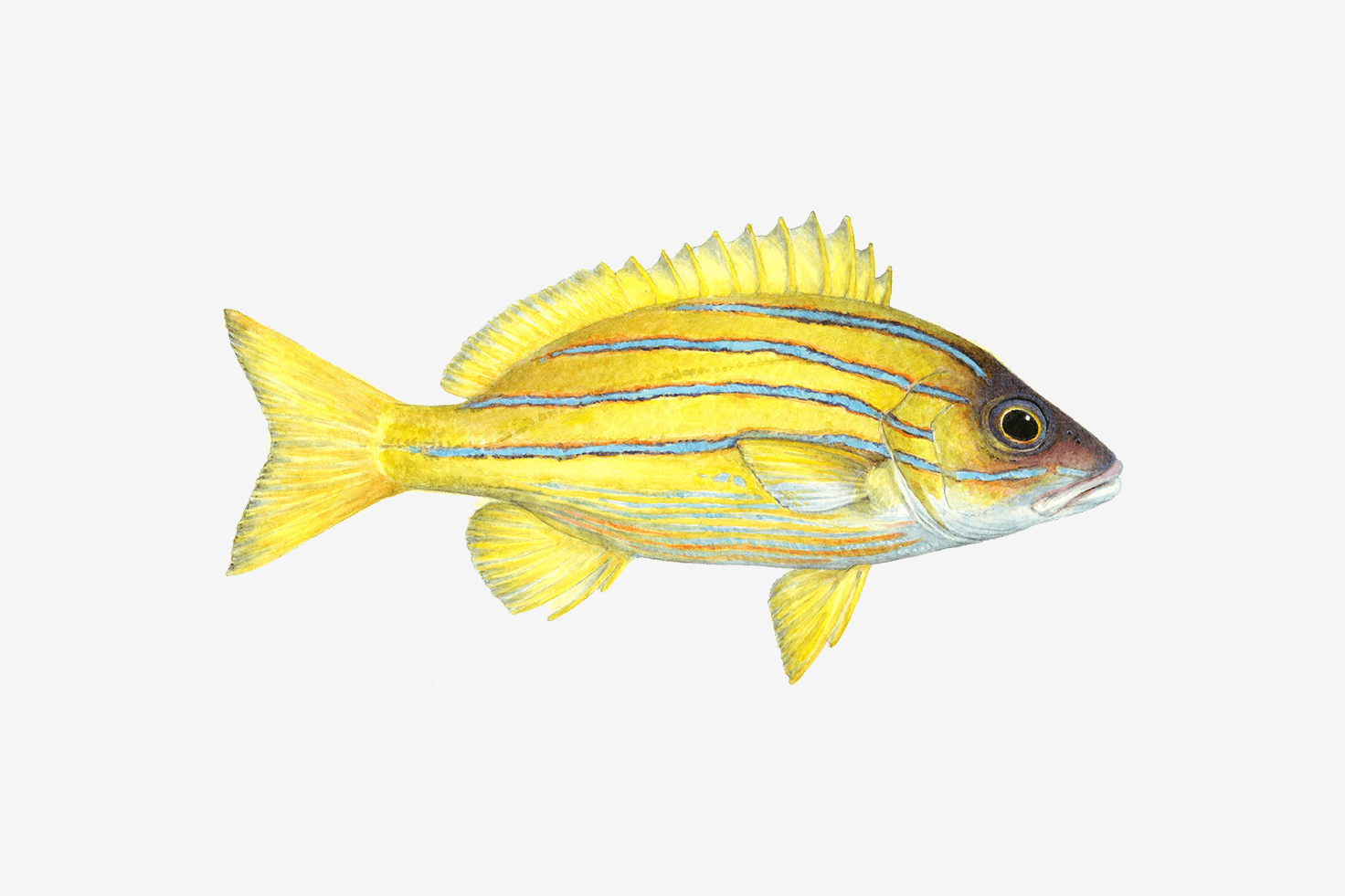
Hawai‘i snapper
Snapper caught in Hawai‘i is rated green or yellow. It’s mostly sold locally and rarely reaches the U.S. mainland. Also, you’re more likely to see snapper labeled by its Hawaiian name: ehu (ruby snapper), gindai (oblique-banded snapper), kalekale (lavender jobfish), lehi (rusty jobfish), onaga (yellowstriped snapper), ta‘ape (bluestriped snapper), uku (green jobfish), or ‘ōpakapaka (crimson jobfish).
- Buy snapper caught in Hawai‘i.
© Scandposters
Imported snapper
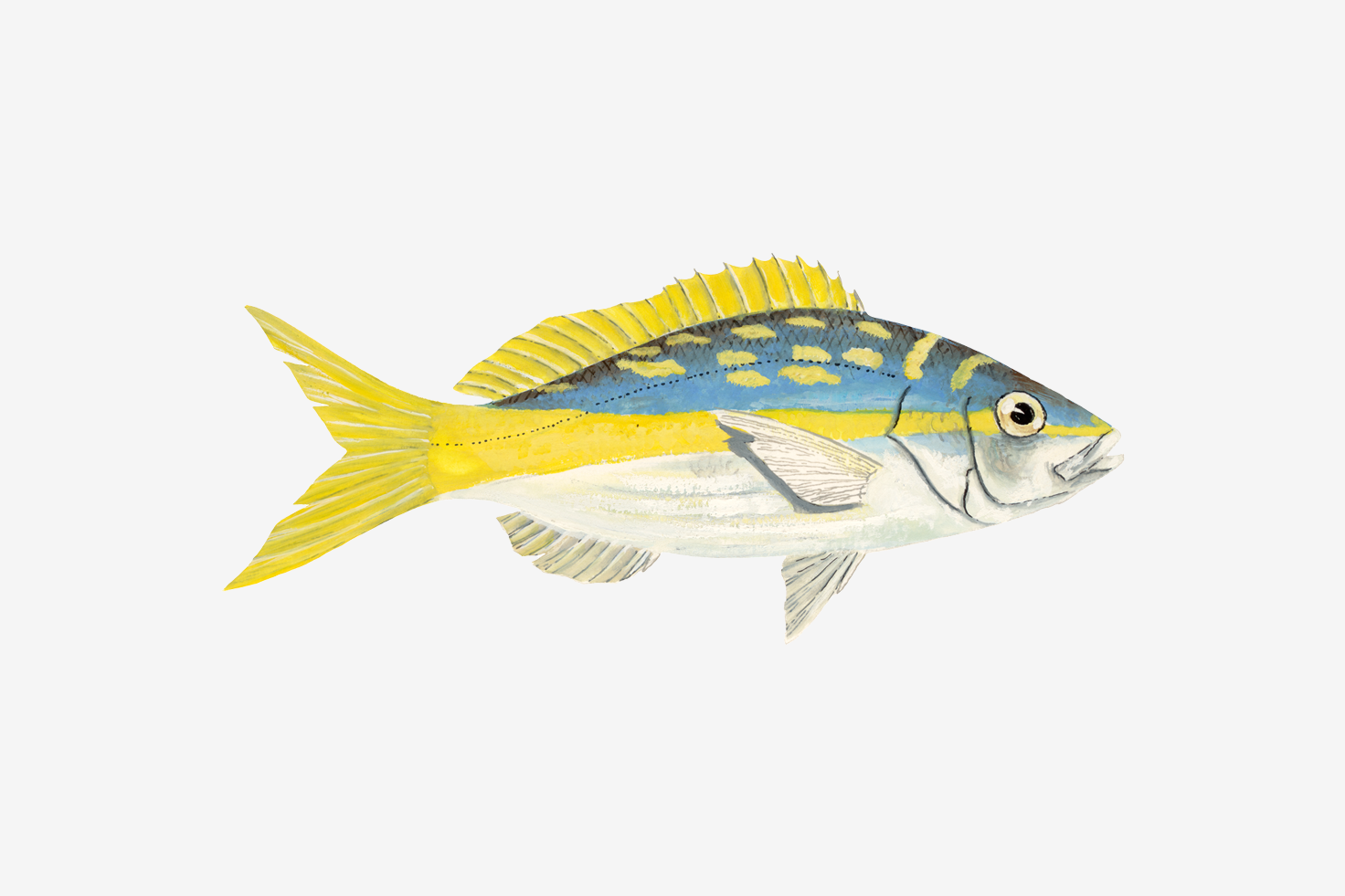
We’ve assessed some imported snapper, but more than 60 percent of global production hasn’t been evaluated for environmental sustainability. Consumer favorite red snapper is particularly vulnerable to illegal fishing and seafood fraud, which is why it’s included in the U.S. Seafood Import Monitoring Program. This program tracks imports to help keep illegally caught seafood out of the market. For these reasons, choose the snapper we recommend, and if you’re unsure, opt for other ocean-friendly seafood.
- Buy squirefish (also called tai snapper) caught in New Zealand.
- Avoid red and yellowtail snappers caught in Mexico.
- Avoid Caribbean red, dog, lane, mutton, vermilion, and yellowtail snappers caught in Brazil.
Sushi
When sold as sushi, snapper is commonly called tai.
Follow the above tips and check the Seafood Watch Sushi Guide for quick reference.
More about our snapper recommendations
When is snapper environmentally sustainable?
Snapper rated green by Seafood Watch is the most environmentally sustainable because it comes from a healthy population, management is effective, and there are no serious impacts on other marine life and habitats.
Snapper rated yellow means management of the fishery is moderately effective, but there are concerns about the snapper population, or it’s caught with species that are overfished, rebuilding, and/or have limited data.
Snapper rated red by Seafood Watch is not environmentally sustainable due to two or more concerns, such as the population is depleted, overfishing is occurring, bycatch impacts, or ineffective management.
What are the main snapper fishing methods?
Multiple snapper species are usually caught together, and in the U.S. South Atlantic and U.S. Gulf, they’re caught alongside dozens of other species. Even when highly selective fishing methods are used—like diving and handlines or hand-operated pole-&-lines—a fishery’s impacts on other species can still be a significant concern if some of the fish populations are overexploited, highly vulnerable, or haven’t been assessed.
Here′s a quick look at the most common fishing methods used to catch snapper:
- Diving involves harvesting snapper by hand. Divers may free dive or use scuba equipment.
- Handlines and hand-operated pole-&-lines catch snapper with one or more fishing lines with baited hooks. This fishing method is also described as pole-&-lines.
- Set longlines are stationary fishing lines with baited hooks positioned on or near the seafloor.
- Trolling lines attract snapper with moving fishing lines with baited hooks. Several trolling lines are usually towed at the same time.
- Vertical lines have baited hooks on fishing lines that hang straight down in the water.
Every species caught in a specific body of water (such as an ocean, ocean region, bay, lake, etc.) using a particular fishing gear receives its own unique Seafood Watch rating. If different fishing gears are used in the same body of water, the species will have more than one rating.
How to use this guide
Our green, yellow, and red ratings indicate environmental risk. We use our ratings and third-party certifications to make our recommendations.
Choose
- Green-rated seafood because environmental risks are low.
- Yellow-rated seafood because environmental risks are moderate.
Avoid
- Red-rated seafood because environmental risks are high, often due to overfishing, poor management, or harm to marine life and habitats.
Where to find sustainable seafood
When shopping or dining out, start by asking, “Do you sell sustainable seafood?” You may need to ask what species it is and where and how it was caught or farmed. If the business can’t answer or the label doesn’t provide this information, our Popular Seafood Guide can help you choose another ocean-friendly option.
More retailers and restaurants are sharing where their seafood comes from and how it was caught. But not all businesses have this information. When you ask questions, you help create demand for sustainable seafood and encourage businesses to offer it.
Grocery stores
We work with grocery stores to implement time-bound commitments to follow Seafood Watch recommendations. MOM’s Organic Market and PCC Community Markets follow our recommendations. Whole Foods Market sources green-rated, yellow-rated, and MSC certified wild seafood and has a proprietary standard for farmed seafood.
Restaurants
Seafood Watch’s Best Choice Restaurant Program partners commit to offering at least one green-rated, environmentally sustainable seafood dish on their menu.
We also work with major restaurant chains—including California Fish Grill and The Cheesecake Factory—that are implementing their sustainable seafood commitments.
Meal kits
Hello Fresh only sends its customers green-rated, yellow-rated, or certified seafood. Other meal kit services may offer sustainable seafood. If they don't, we encourage you to ask them to.
Explore more species guides
Change & impact
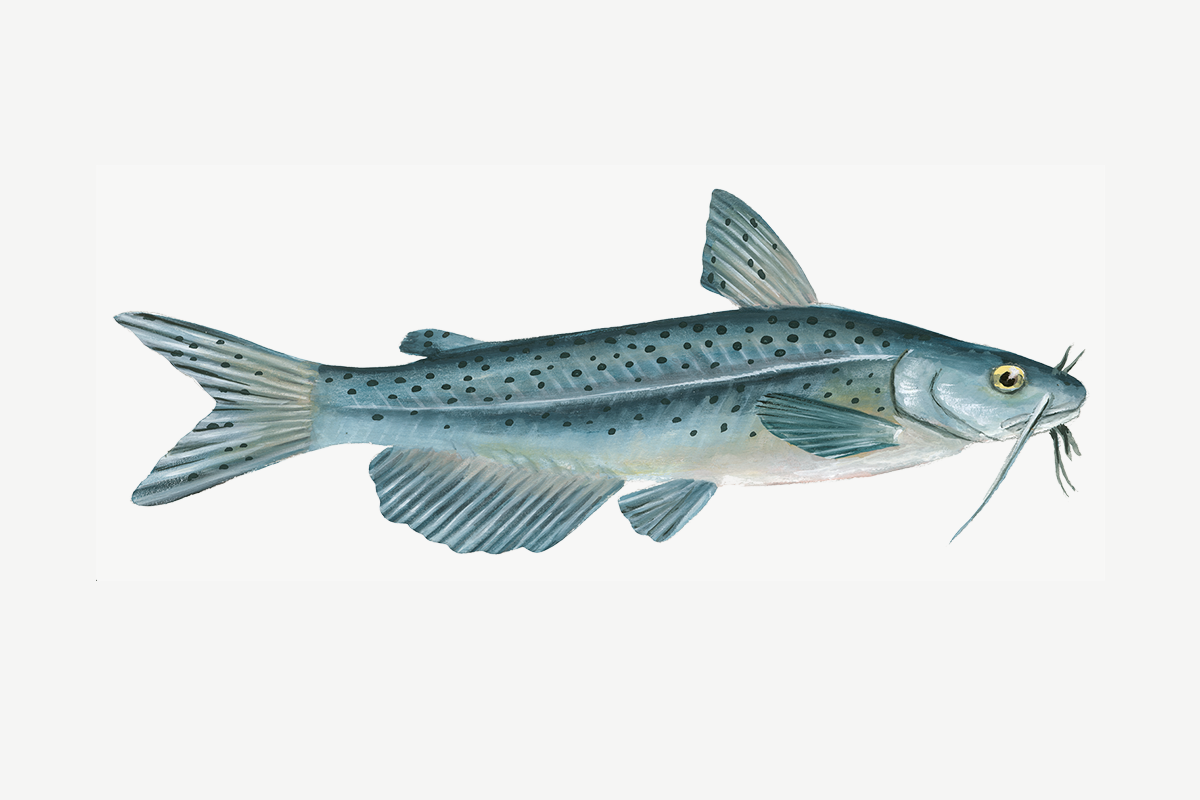
Sustainable catfish & pangasius buying guide
Catfish and pangasius—use this guide to choose wisely.
View this buying guide – Sustainable catfish & pangasius buying guide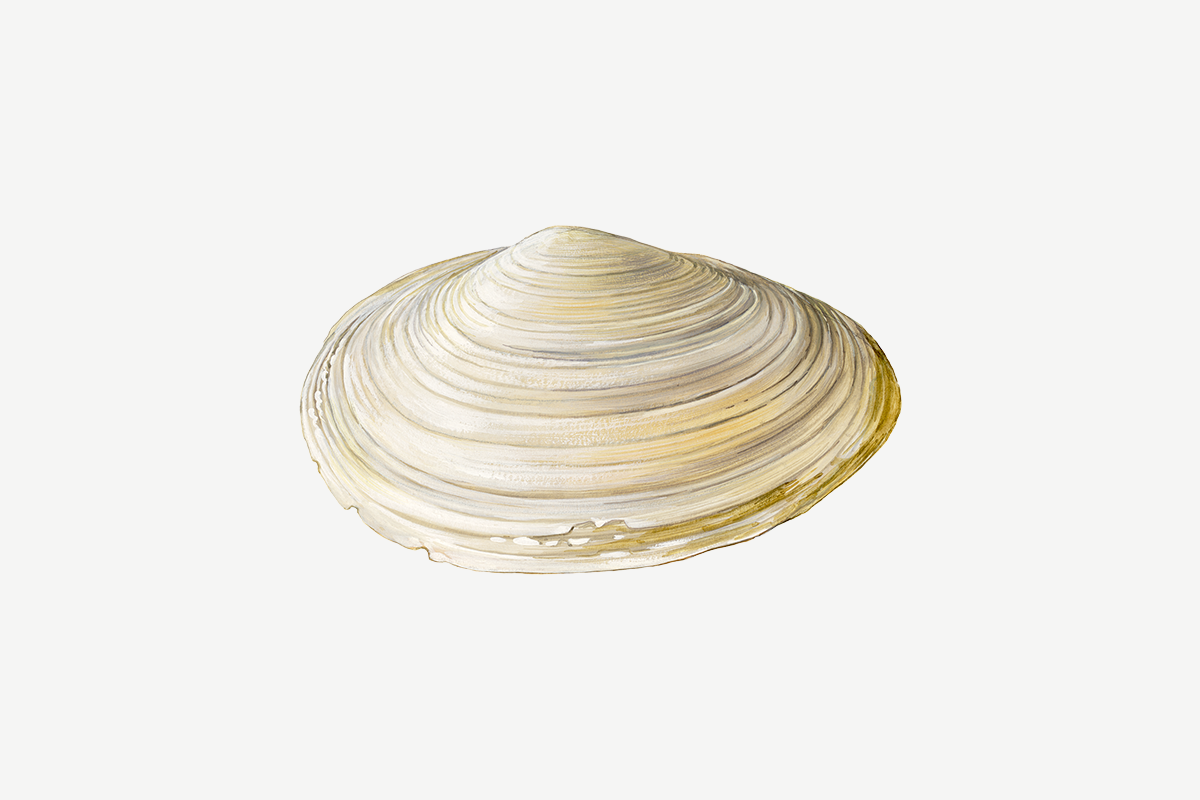
Change & impact
Sustainable clams, mussels, oysters & scallops buying guide
Clams, mussels, oysters, and scallops are among the most sustainable seafood choices.
View this buying guide – Sustainable clams, mussels, oysters & scallops buying guide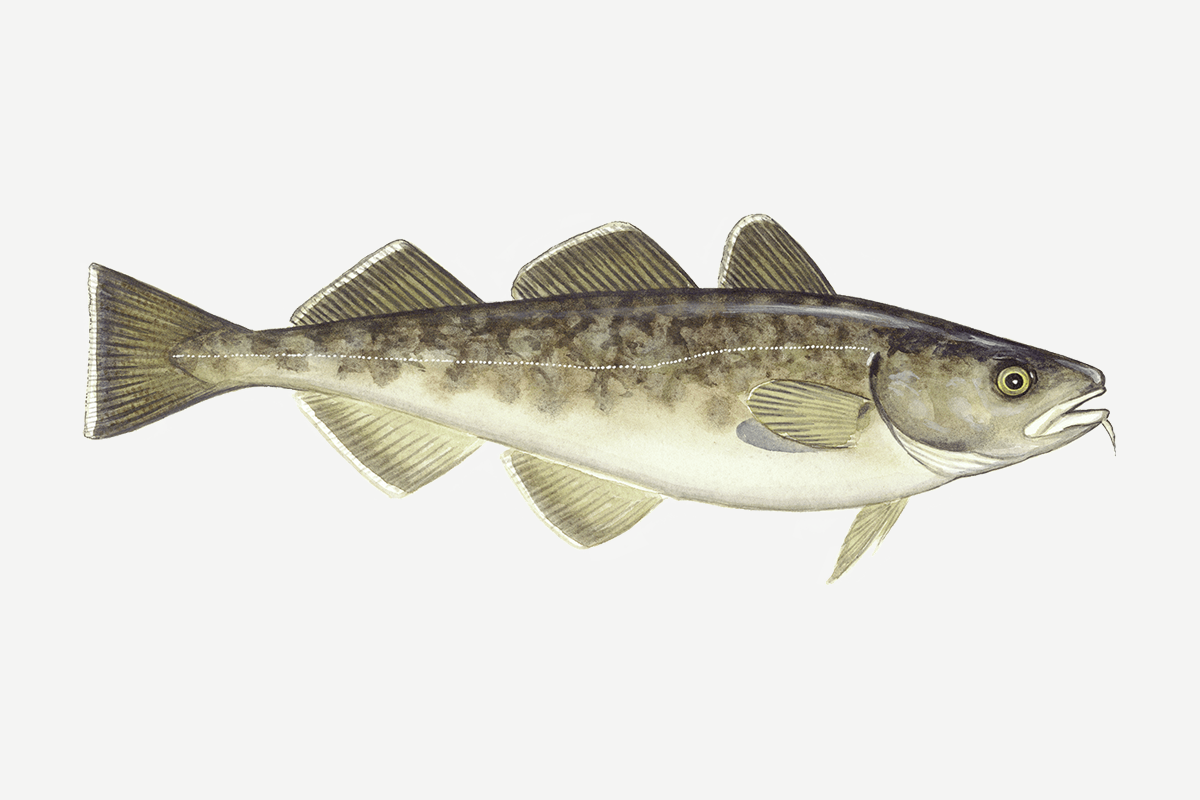
Change & impact
Sustainable cod & haddock buying guide
Know which cod and haddock to buy and avoid the next time you order fish and chips.
View this buying guide – Sustainable cod & haddock buying guide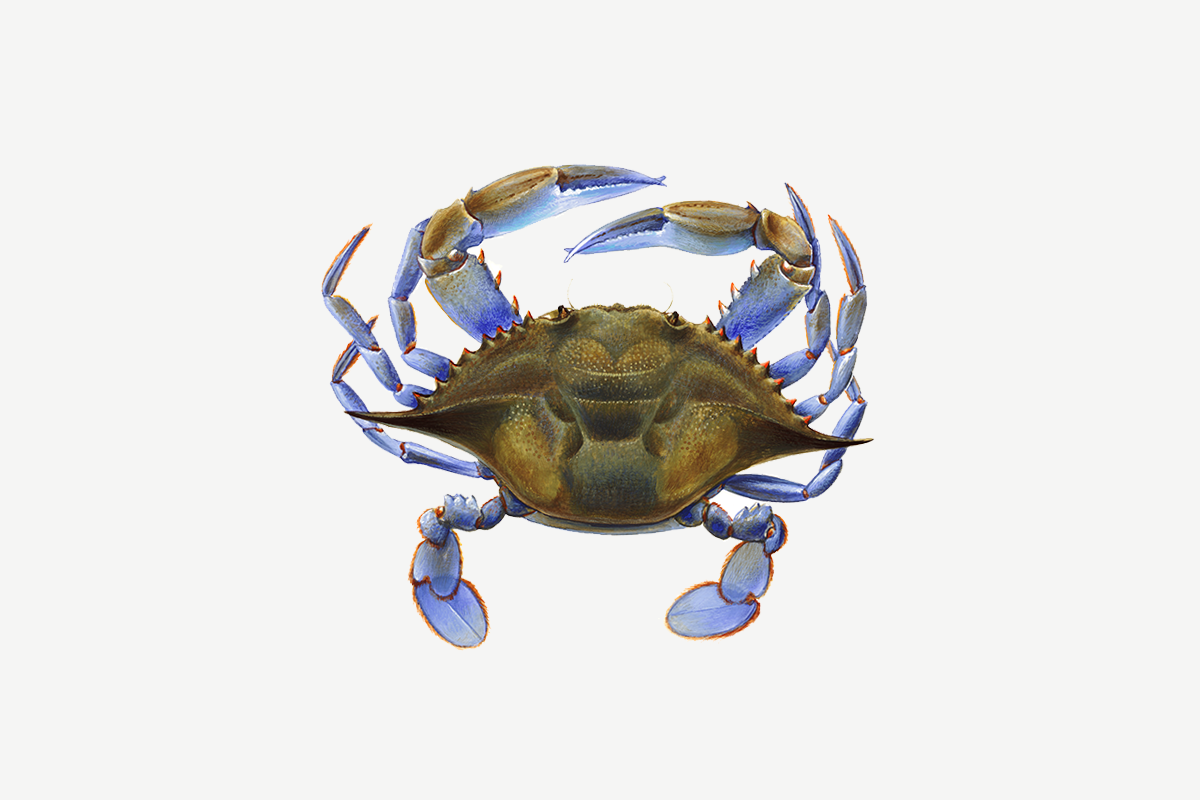
Change & impact
Sustainable crab buying guide
Crab can be tricky, but this guide makes it easy to know what to buy and avoid.
View this buying guide – Sustainable crab buying guide