
Super Green List FAQs
Explore frequently asked questions about how and why the Super Green List was created, environmental sustainability, health, and more. You'll also find some additional guidance curated by our partners at Food + Planet on how to enjoy seafood with confidence.
How was the Super Green List created?
This list was created using an evidence-based methodology by the Monterey Bay Aquarium Seafood Watch program and the Food is Medicine Institute of Tufts University.
The criteria for the Seafood Watch Super Green List includes the following:
- Rated green by Seafood Watch for environmental sustainability.
- High in omega-3 fatty acids (at least 250 mg per four-ounce cooked serving) (USDA, 2019).
- Low in mercury, classified as a best choice or good choice by the Food and Drug Administration (FDA) (FDA & EPAb, 2022).
- Or verified as meeting this threshold by the Food is Medicine Institute.
Have I seen this list before?
The Aquarium launched an original Super Green List in 2009. We’ve created a new version of this popular list to celebrate Seafood Watch’s 25th anniversary in 2024.
What does a Seafood Watch green rating mean?
Seafood Watch assesses the environmental impact of fisheries and aquaculture operations against our standards for sustainable fisheries and aquaculture. These science-based assessments generate color-coded green, yellow, and red ratings, like a traffic light system. Based on environmental performance, we may recommend buying or avoiding different species.
Green ratings are our highest tier for environmental sustainability, and we recommend these items as the best choices to buy. Choose them first when shopping or dining. They come from sources that operate in a manner that’s consistent with our guiding principles. The seafood is caught or farmed in ways that cause little or no harm to other wildlife or the environment, and it's well managed.
How do I shop for environmentally sustainable seafood?
Look for a variety of fresh, frozen, or canned seafood items at your supermarket, local fishmonger, or restaurant that are on the Super Green List! For more environmentally friendly seafood options, choose items rated green or yellow by Seafood Watch, or a recommended certified option. Check our seafood guides for more information on how to choose sustainable seafood.
Is seafood that did not make the Super Green List healthy too?
Yes! There are many tangible health benefits of eating at least two servings (eight ounces total) per week of responsibly sourced seafood, even those not found on the Super Green List. Today, it’s easier than ever to find environmentally sustainable seafood options to support your individual health journey, personal food preferences, and budget. Use our seafood guides to find a diverse array of sustainably sourced seafood options.
Is it safe to eat seafood?
Despite the many tangible benefits of eating seafood, some people may have questions about potential risks posed by environmental contaminants in seafood. It’s important to know that leading health organizations and federal health agencies agree that for the vast majority of people, the well-established health benefits of eating seafood vastly outweigh any potential risks. The science-driven USDA Dietary Guidelines for Americans recommend that adults consume at least two servings of seafood each week due to the unique nutritional benefits seafood provides (USDA, 2020).
No matter which seafood you love, these three simple tips can help you make seafood choices with confidence:
- Understand recommended options and health guidance for your age and stage of life.
- Enjoy a diversity of seafood for both the flavor and health benefits.
- Choose environmentally sustainable options on the Super Green List or other Seafood Watch-recommended or certified options.
What about mercury in seafood?
The majority of mercury found in the environment today is released through human activities, such as coal-fired power plants, metal production, and mining (EPA, 2023). Mercury released into the air eventually settles into water bodies, where it is converted by bacteria into methylmercury, a toxic form that accumulates in certain species of seafood—particularly long-lived species that are higher up on the food chain.
Enjoying lower-mercury options, such as those on the Super Green List, is a smart strategy to reap the health benefits of seafood while ensuring safety.
For adults who are not pregnant or lactating, the recommendation is to enjoy a variety of seafood each week (at least two servings or eight ounces total) to gain the demonstrated health benefits of including seafood in your diet (FDA & EPA, 2022). Scientific studies have found that the demonstrated health benefits of eating seafood greatly outweigh the risks of mercury for most people (Mozaffarian & Rimm, 2006).
High mercury levels in some seafood can pose health risks for certain populations, such as people who are (or might become) pregnant or breastfeeding and young children ages one to 11. To minimize this risk, the U.S. Environmental Protection Agency (EPA) and Food and Drug Administration (FDA) advise these groups to avoid certain long-lived fish, including shark, swordfish, marlin, king mackerel, tilefish, bigeye tuna, and orange roughy (FDA & EPA, 2022). These are large fish with longer lifespans, higher on the food chain, and thus they can accumulate more toxins.
The USDA Dietary Guidelines for Americans also recommends several species that are lower in methylmercury including anchovy, black sea bass, catfish, clams, cod, crab, crawfish, flounder, haddock, hake, lobster, mullet, oyster, perch, pollock, salmon, sardine, scallop, shrimp, sole, squid, tilapia, freshwater trout, light tuna, and whiting (USDA, 2020).
What about PFAS?
PFAS—short for per- and polyfluoroalkyl substances—are a diverse class of harmful industrial compounds that are widely present throughout the environment. They can enter the food supply in a variety of ways, such as take-out packaging (FDA, 2023) and non-stick cooking pans. Also called forever chemicals, their potential impact on public health makes PFAS a high-priority research topic, as these compounds have been detected by the FDA in foods such as poultry, red meat, seafood, and fast food. Locally caught freshwater fish across the U.S. can also be a source of PFAS (Barbo et al., 2023).
The FDA conducts ongoing, rigorous testing of the general food supply, including both domestic and imported seafood. If concerning levels are detected, the FDA will take action, including issuing import alerts, preventing products from entering the US, and removing the affected products from the market (FDA, 2025).
The FDA doesn’t currently recommend avoiding seafood to limit PFAS exposure. Instead, it recommends that adults and children eat a variety of age-appropriate healthy foods, including seafood, given the demonstrated health benefits of seafood for the heart, brain, and immune system (FDA, 2023).
For recreationally caught fish or other seafood, the FDA recommends that consumers check their state’s fish and shellfish consumption advisories. A searchable list of fish advisory websites maintained by states, territories, and tribes is available on the EPA's website (EPAb, 2023).
What about antibiotics?
Domestic animals, both pets and livestock, are given antibiotics to help treat and prevent disease. And, just like with people, it’s important they’re used judiciously.
The vast majority of seafood consumed in America is imported (FAO, 2024), and regulations and enforcement of antibiotic use in aquaculture vary considerably across countries. To address some of these concerns, regulatory agencies such as the FDA have set maximum residue limits for antibiotics in seafood (FDA, 2023).
When antibiotics are used appropriately, the final food product is considered safe to eat. The FDA requires imported foods to meet the same safety standards as those produced in the U.S., including the maximum residue limits for antibiotics. The FDA tests imported seafood to ensure products meet these standards and turns away products that don’t (FDAd. 2023).
The misuse of antibiotics in animal production, though, is a concern for both the environment and human health—specifically because of the development of antibiotic-resistant bacteria (also known as antimicrobial resistance or AMR). AMR occurs when bacteria are over-exposed to antibiotics long-term. They change over time and no longer respond to medicines, making infections harder to treat and increasing the risk of disease spread, severe illness, and death (World Health Organization, 2023).
This overexposure can come from a variety of sources, including antibiotics used in aquaculture—fish farming (Zeuko’o et al., 2019). In aquaculture, antibiotics are administered to fish in several ways: by injection, adding antibiotics directly to the water the fish swim in, or including antibiotics in fish feed. Net pen farms hold farmed fish in mesh corrals in open marine water as they grow. Since ocean water flows freely through these pens, antibiotics can be released into the surrounding environment during these treatments. For example, uneaten feed can fall out of the pens, or, when feed is consumed by fish, antibiotics are often not fully metabolized and can be released back into the water. The addition of antibiotics to the ecosystem can harm other animals and negatively affect ocean health, including the spread of antibiotic-resistant microbes.
This is a growing issue, but the exact effects of antibiotic use on the surrounding environment are still poorly understood. There are also no global standards regulating antibiotic use or standard protocols for assessing their ecological impact.
The Aquarium is working with leading global experts and the World Bank to fill these knowledge gaps and with the aquaculture industry to reduce the impacts of antibiotics. This work can inform and drive improvements in environmental protection and antibiotic management, as well as in animal care practices to help animals stay healthy so they don’t need antibiotics in the first place. We’re also working on the ground with aquaculture producers in Chile and beyond on ways to reduce antibiotic use.
The Seafood Watch Aquaculture Standard also evaluates the environmental impact of chemicals used in aquaculture production, including antibiotics. Choose farmed species from our list of green-rated seafood. These items come from farms that use low to no antibiotics and do not use any antibiotics that are critically important for human medicine. When you choose and support sustainable seafood, you support ocean health and help reduce antibiotic and other chemical pollution.
What about microplastics?
Microplastics are small plastic particles, typically less than 5 millimeters in size, that are present in various environmental settings, including food, soil, and water. Human activities have led to the widespread presence of microplastics in both marine and terrestrial environments (Smith et al., 2018). Foods such as seafood, meat, salt, and even drinking water may contain microplastics (Milne et al., 2024). Additionally, these particles can enter the food chain through plastic packaging.
Unfortunately, microplastics are found in most protein sources. Plastic doesn’t biodegrade, and instead breaks down into increasingly smaller pieces like microplastics and even smaller nanoplastics.
In a 2024 study by the Ocean Conservancy and the University of Toronto, scientists found microplastics in all 16 protein types they tested, including seafood, pork, beef, chicken, tofu, and plant-based meat alternatives (Milne et al., 2024). Seafood didn’t have more or less microplastics than other protein sources.
While the evidence regarding the impact of microplastics on human health is still limited, ongoing research suggests that these particles may affect human cells primarily through oxidative stress, inflammation, and fibrosis (La Porta et al., 2023). Further studies are underway to investigate the extent of this impact across various food and water sources and to identify effective strategies to minimize exposure.
Given the current lack of comprehensive federal guidelines or monitoring systems for microplastics, it may be prudent to focus on consuming a variety of seafood, including species lower on the food chain, to reduce the potential for bioaccumulation (Smith et al., 2018).
Plastic pollution—from beach trash to microplastics—is a big problem, but, like overfishing, it’s a challenge we can fix!
The Aquarium advocates for policies to reduce plastic production and pollution both locally and globally. Last year, we contributed to the release of a major new report on the impacts of plastic on human health. And in 2022, we helped develop and enact a California bill that set the first-ever mandate to reduce single-use plastic packaging and foodware.
Aquarium scientists, along with our partners at Monterey Bay Aquarium Research Institute (MBARI), also research plastic pollution in the ocean. Recently, we developed an open-access library of common types of plastic found in the sea.
Helping reduce the flow of plastic from land to sea is a great way you can act for the ocean.
Here are a few ways to get started:
- Support policies that reduce the production of new plastics, stopping the problem at the source.
- Eliminate single-use plastics where you can. Choose products with less plastic packaging, and support businesses working to reduce their plastic waste. Remember to focus on progress over perfection.
- Recycle properly, and try to choose products made from recycled plastics rather than virgin plastic when you can.
- Join a local trash cleanup to keep plastic out of the ocean and other waterways.
- Visit the Aquarium's plastic action pages for even more actions you can take.
Learn more:
- Listen to a podcast about plastic pollution featuring Monterey Bay Aquarium Chief Conservation and Science Officer Margaret Spring (Lewin, 2023).
- Read a National Academies of Sciences, Engineering, and Medicine report about the role the U.S. plays in generating ocean plastic waste (National Academies, 2022).
- Read a recent Consumer Reports article about how to reduce your exposure to plastic in food and this article from the Guardian about how to limit your exposure to microplastics (Friedman, 2024; Fleming, 2023).
Where did you get your information for these questions and answers (and other parts of the Super Green List)?
Here is a list of some references (of materials not already present on SeafoodWatch.org, MontereyBayAquarium.org, or MBARI.org):
Barbo, N., Stoiber, T., Naidenko, O. V., & Andrews, D. Q. 2023. Locally caught freshwater fish across the United States are likely a significant source of exposure to PFOS and other perfluorinated compounds. Environmental Research, 220, 115165. Available at: https://pubmed.ncbi.nlm.nih.gov/36584847/
Blue Foods Assessment. Gephart, J. A., Henriksson, P. J., Parker, R. W., Shepon, A., Gorospe, K. D., Bergman, K., ... & Troell, M. 2021. Environmental performance of blue foods. Nature, 597(7876), 360-365. Available at: https://bluefood.earth/
EPA. 2023. Mercury Emissions: The Global Context. Available at: https://www.epa.gov/international-cooperation/mercury-emissions-global-context
FAO. 2024. USA fisheries statistics: production, consumption, and trade. Available at: https://www.fao.org/in-action/globefish/countries/countries/usa/usa-trade/en/
FAO. 2022. Blue Transformation - Roadmap 2022–2030: A vision for FAO’s work on aquatic food systems. Rome. https://openknowledge.fao.org/server/api/core/bitstreams/2f12c8a2-fc0a-4569-bb97-6b5dbf5b6fbe/content
FDA. 2023. Per- and Polyfluoroalkyl Substances (PFAS). Available at: https://www.fda.gov/food/environmental-contaminants-food/and-polyfluoroalkyl-substances-pfas
FDAb. 2023. Questions and Answers on PFAS in Food. Available at: https://www.fda.gov/food/process-contaminants-food/questions-and-answers-pfas-food
FDAc. 2023. Drug Residues. Available at: https://www.fda.gov/animal-veterinary/compliance-enforcement/drug-residues
FDAd. 2023. Activities for the Safety of Imported Seafood. Available at: https://www.fda.gov/media/165447/download
FDA & EPA. 2022. Questions & Answers from the FDA/EPA Advice about Eating Fish for Those Who Might Become or Are Pregnant or Breastfeeding and Children Ages 1 to 11 Years. Available at: https://www.fda.gov/food/consumers/questions-answers-fdaepa-advice-about-eating-fish-those-who-might-become-or-are-pregnant-or
FDA and EPAb. 2022. EPA-FDA Advice about Eating Fish and Shellfish. Available at: https://www.epa.gov/choose-fish-and-shellfish-wisely/epa-fda-advice-about-eating-fish-and-shellfish
Fleming, A. 2023, July 10. ‘They’re in the air, drinking water, dust, food…’ How to reduce your exposure to microplastics. The Guardian. Available at: https://www.theguardian.com/lifeandstyle/2023/jul/10/air-drinking-water-dust-food-how-to-reduce-exposure-microplastics
Friedman, L.F. 2024, January 4. How to Reduce Your Exposure to Plastic in Food (and Everywhere Else). Consumer Reports. Available at: https://www.consumerreports.org/health/food-contaminants/how-to-reduce-exposure-to-plastic-in-food-everywhere-else-a9640874767/
Golden, C. D., Koehn, J. Z., Shepon, A., Passarelli, S., Free, C. M., Viana, D. F., ... & Thilsted, S. H. 2021. Aquatic foods to nourish nations. Nature, 598(7880), 315-320. Available at: https://www.nature.com/articles/s41586-021-03917-1
Harvard Health. 2022. Listing of Vitamins. Available at: https://www.health.harvard.edu/staying-healthy/listing_of_vitamins
La Porta, E., Exacoustos, O., Lugani, F., Angeletti, A., Chiarenza, D. S., Bigatti, C., ... & Ghiggeri, G. M. 2023. Microplastics and Kidneys: An Update on the Evidence for Deposition of Plastic Microparticles in Human Organs, Tissues, and Fluids and Renal Toxicity Concern. International Journal of Molecular Sciences, 24(18), 14391. Available at: https://www.mdpi.com/1422-0067/24/18/14391
Lewin, A. (Host). 2023, September 17. UN Treaty and the Path Forward in the Battle Against Plastic Pollution. In How to Protect the Ocean. Nature. Available at: https://podcasts.apple.com/ke/podcast/un-treaty-and-the-path-forward-in-the/id1010962669?i=1000628264880
Manson, J. E., Cook, N. R., Lee, I. M., Christen, W., Bassuk, S. S., Mora, S., ... & Buring, J. E. 2019. Marine n−3 fatty acids and prevention of cardiovascular disease and cancer. New England Journal of Medicine, 380(1), 23-32. Available at: https://www.nejm.org/doi/10.1056/nejmoa1811403
Milne, M. H., De Frond, H., Rochman, C. M., Mallos, N. J., Leonard, G. H., & Baechler, B. R. 2024. Exposure of US adults to microplastics from commonly-consumed proteins. Environmental Pollution, 123233. Available at: https://www.sciencedirect.com/science/article/pii/S0269749123022352?via%3Dihub
Mozaffarian, D., & Rimm, E. B. 2006. Fish intake, contaminants, and human health: evaluating the risks and the benefits. Jama, 296(15), 1885-1899. Available at: https://jamanetwork.com/journals/jama/fullarticle/203640
National Academies of Sciences, Engineering, and Medicine. 2022. Reckoning with the U.S. Role in Global Ocean Plastic Waste. Available at: https://nap.nationalacademies.org/catalog/26132/reckoning-with-the-us-role-in-global-ocean-plastic-waste
NIH Office of Dietary Supplements. 2021. Available at: https://ods.od.nih.gov/factsheets/Omega3FattyAcids-HealthProfessional/#h9
Pepi, M., & Focardi, S. 2021. Antibiotic-resistant bacteria in aquaculture and climate change: A challenge for health in the Mediterranean area. International journal of environmental research and public health, 18(11), 5723. Available at: https://pubmed.ncbi.nlm.nih.gov/34073520/
Smith, M., Love, D. C., Rochman, C. M., & Neff, R. A. 2018. Microplastics in seafood and the implications for human health. Current environmental health reports, 5, 375-386. Available at: https://www.ncbi.nlm.nih.gov/pmc/articles/PMC6132564/
USDA. 2020. Dietary Guidelines for Americans, 2020-2025. 9th Edition. December 2020. Available at: https://www.dietaryguidelines.gov/sites/default/files/2020-12/Dietary_Guidelines_for_Americans_2020-2025.pdf
USDA, Agricultural Research Service. 2019. FoodData Central. Available at: fdc.nal.usda.gov
World Health Organization. 2023. Antimicrobial resistance. Available at: https://www.who.int/news-room/fact-sheets/detail/antimicrobial-resistance#:~:text=AMR%20is%20a%20natural%20process,in%20humans%2C%20animals%20and%20plants
Zeuko’o, E.M., Ngangom, B.L., Tamunjoh, S.S.A., & Boyom, F.F. 2019. Antibiotic residues in food animals: Public health concern. Acta Ecologica Sinica 39(5), 411-415. Available at: https://www.sciencedirect.com/science/article/pii/S1872203218301896
Zhao, L. G., Sun, J. W., Yang, Y., Ma, X., Wang, Y. Y., & Xiang, Y. B. 2016. Fish consumption and all-cause mortality: a meta-analysis of cohort studies. European journal of clinical nutrition, 70(2), 155-161. Available at: https://www.researchgate.net/publication/276362104_Fish_consumption_and_all-cause_mortality_A_meta-analysis_of_cohort_studies
Explore Super Green seafood
Change & impact
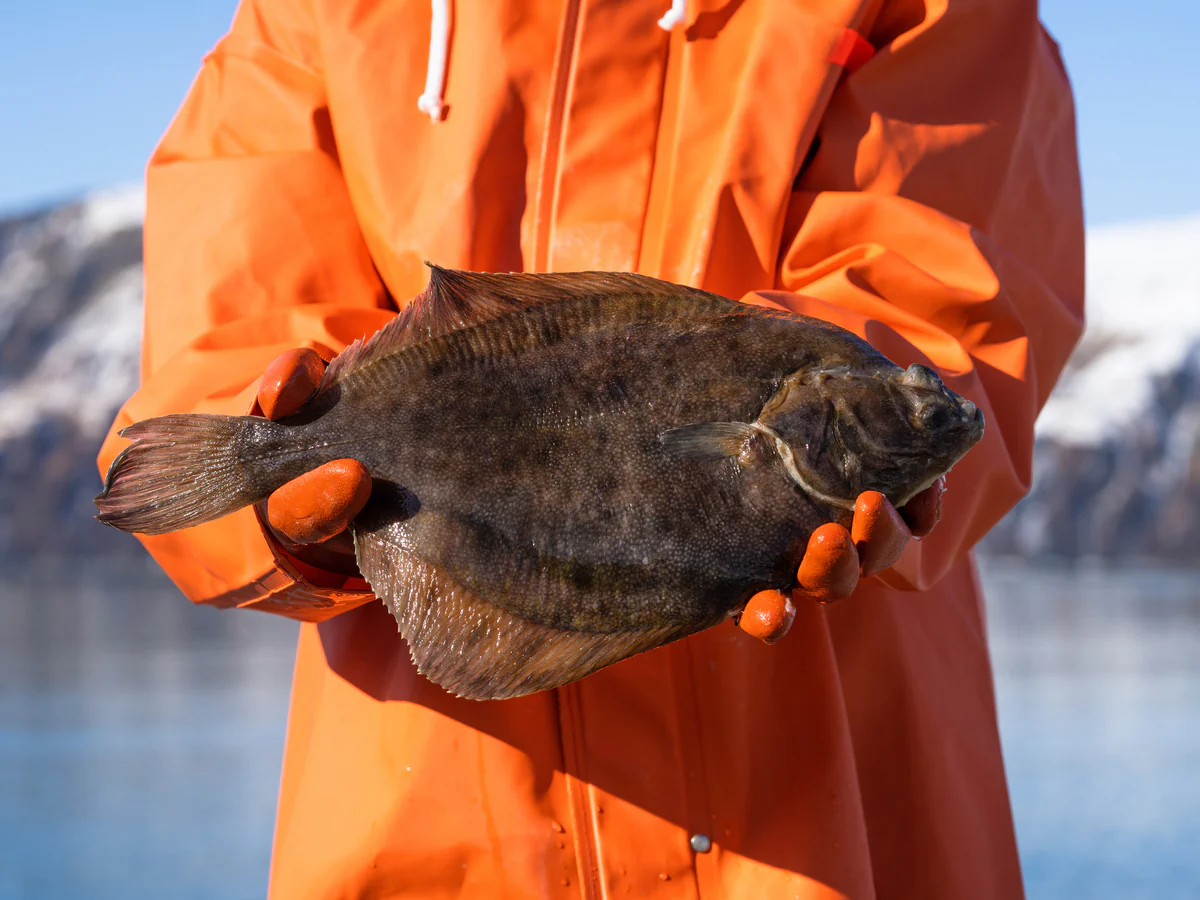
Alaska flounder & sole
Choose flounder and sole caught in Alaska for a delicious, sustainable whitefish.
Read more – Alaska flounder & sole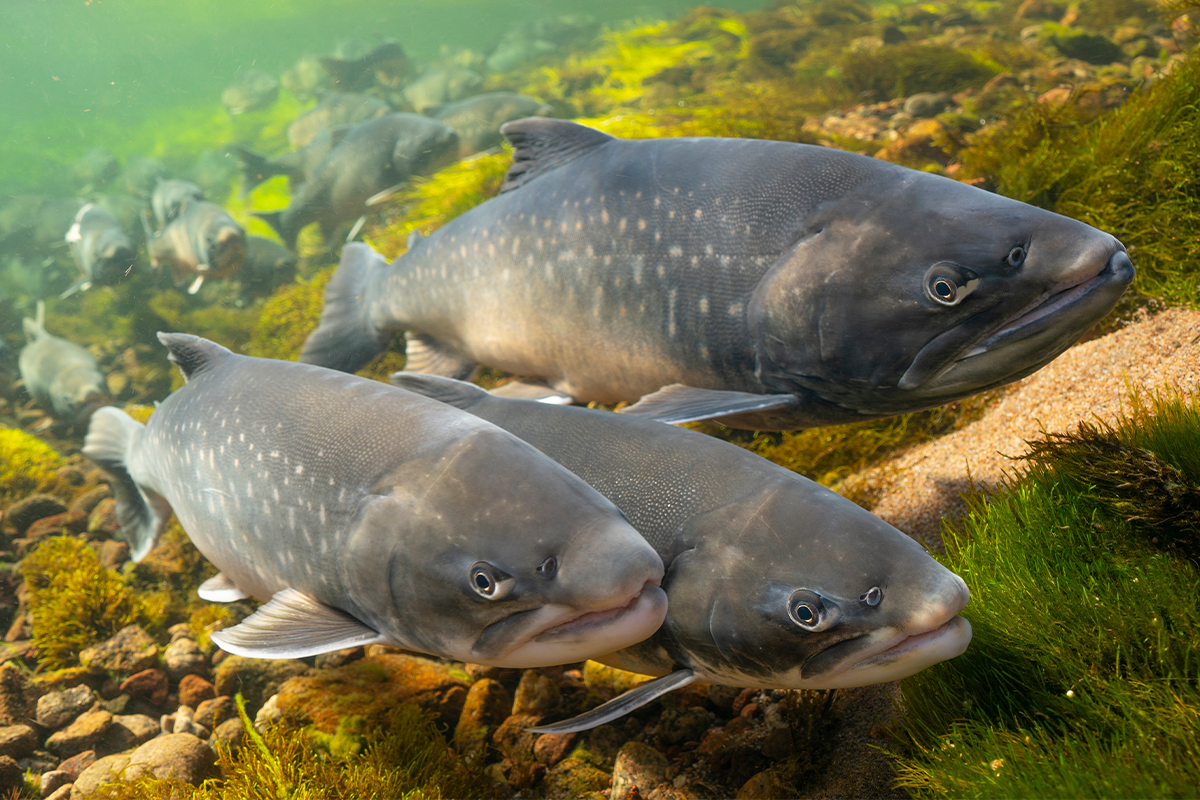
Change & impact
Arctic char
Hailing from frigid Arctic waters, this delicious fish is a sustainable and delicious alternative to salmon.
Read more – Arctic char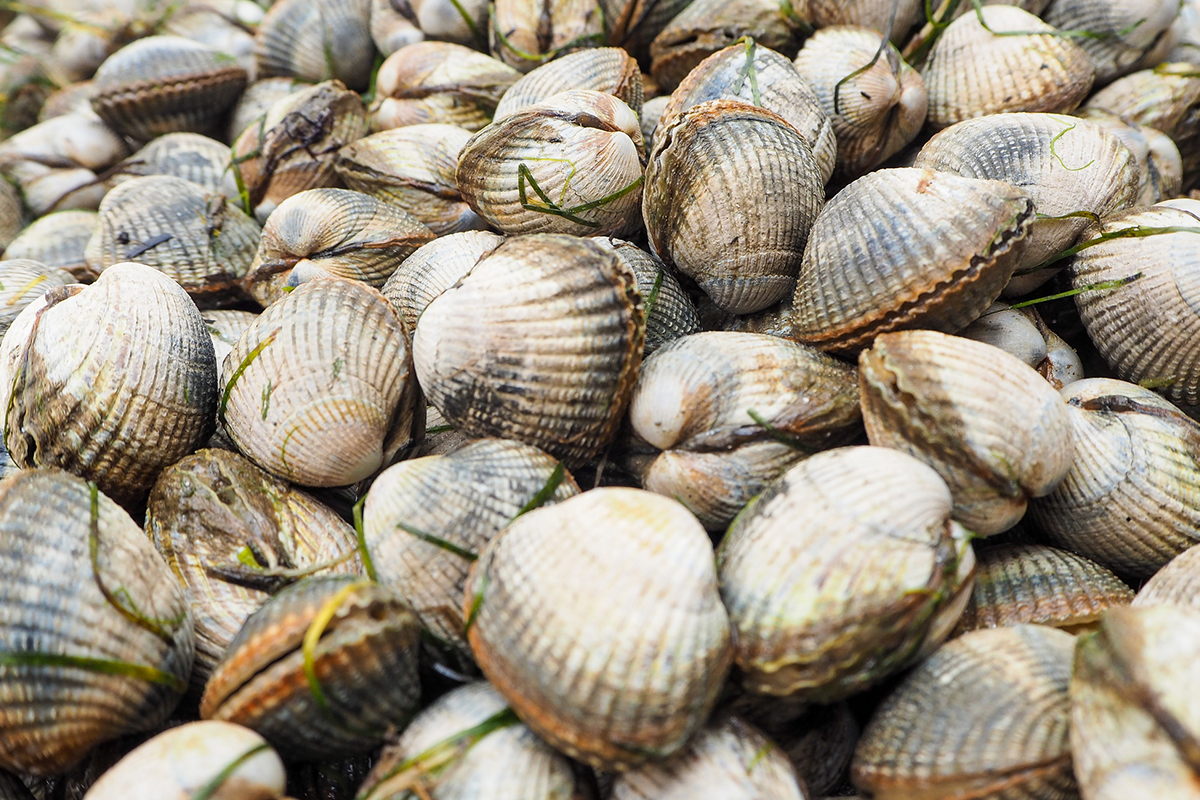
Change & impact
Farmed clams
These beautiful bivalves are a sustainable, versatile culinary delight.
Read more – Farmed clams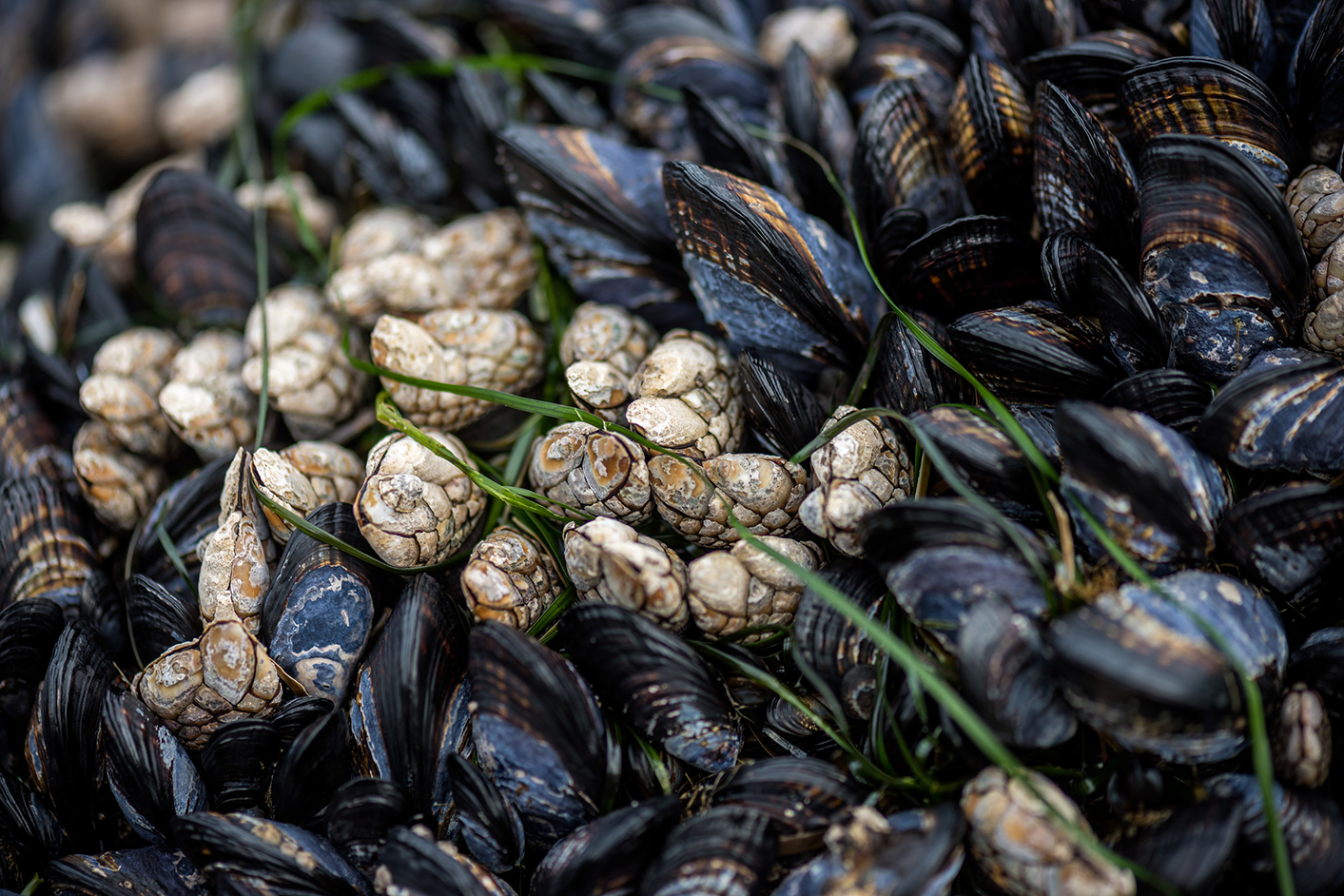
Change & impact
Farmed mussels
Within each small mussel shell, you’ll find a treasure trove of essential nutrients.
Read more – Farmed mussels